Category: EV

  • The Engineering Behind Electric Vehicle Battery Module Design

    The Engineering Behind Electric Vehicle Battery Module Design

    I still remember the smell of scorched electrolyte in my Georgia Tech lab during my junior year—a sharp, metallic tang that hits you right in the back of the throat when a cell goes sideways. I was staring at a prototype that looked perfect on a CAD model, but the moment we applied real-world thermal loads, the whole thing fell apart. It was a brutal lesson in why most people get battery module design wrong. They obsess over energy density and theoretical capacity, treating the module like a math problem rather than a piece of living, breathing hardware that has to survive vibration, heat, and massive current draws without turning into a paperweight.

    I’m not here to sell you on the glossy, corporate-approved version of the electric revolution. Instead, I want to pull back the curtain on the actual engineering trade-offs that determine whether a pack lasts ten years or two. We’re going to skip the marketing fluff and get into the grit of thermal management, busbar integrity, and structural stability. My goal is to give you a grounded, data-driven look at how we build modules that don’t just work on paper, but actually power a sustainable future.

    Table of Contents

    Optimizing Lithium Ion Cell Arrangement for Real World Longevity
    Optimizing Lithium Ion Cell Arrangement for Real World Longevity

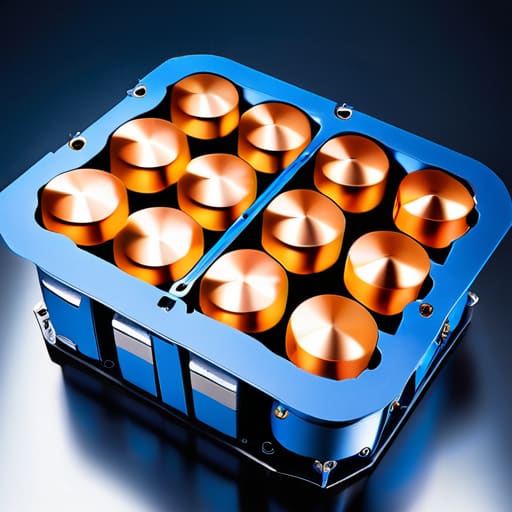
    When we talk about longevity, we can’t just look at the chemistry of a single cell; we have to look at how they live together in a pack. Most people assume that if you have high-quality cells, you have a high-quality battery. That’s a massive misconception. In reality, the way you handle the lithium-ion cell arrangement dictates whether a pack lasts ten years or three. If your layout creates “hot spots” where certain cells are working harder or sitting in stagnant air, you’re essentially cooking your investment. You need to design for uniform aging, not just peak performance.

    This is where the heavy lifting happens. It’s not just about cramming as much energy as possible into a chassis; it’s about how the thermal management systems interact with the physical layout. If the cooling channels aren’t optimized to reach every corner of the module, you’ll see uneven degradation across the series. I’ve seen enough lab data to know that thermal gradients are the silent killers of battery life. We need to prioritize a layout that balances energy density with the ability to actually shed heat when the driver is pushing the limits.

    Why Battery Pack Architecture Dictates True Sustainability
    Why Battery Pack Architecture Dictates True Sustainability

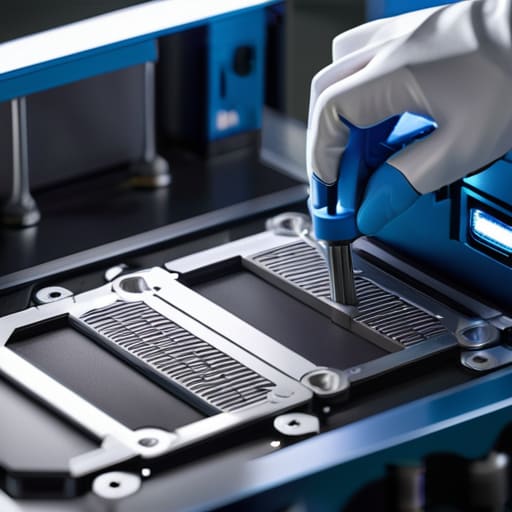
    When we talk about sustainability, most people think about where the minerals come from. But from my perspective, we need to look at how long we can actually keep those minerals in service. This is where battery pack architecture becomes the deciding factor. If you design a pack that’s impossible to service or repair, you’re essentially building a high-tech paperweight. A truly sustainable system isn’t just about the chemistry; it’s about creating a modular framework where a single failing unit doesn’t force the entire system into a landfill.

    We also have to address the physical reality of heat. You can have the most advanced chemistry in the world, but if your thermal management systems are an afterthought, the pack is going to degrade faster than any spreadsheet can predict. Poorly distributed heat leads to uneven aging across cells, creating a domino effect of failure. We need to move away from “black box” designs and toward architectures that prioritize thermal stability and mechanical durability, ensuring that the hardware survives the actual rigors of daily driving rather than just looking good on a lab bench.

    Cutting Through the Noise: 5 Hard Rules for Better Module Design

    • Prioritize thermal management over aesthetics. If your cells are sitting in a “thermal dead zone” because the module layout is too cramped, you’re essentially baking your capacity away. I’ve seen too many designs that look great on a CAD model but fail the moment they hit a real-world heat cycle.
    • Design for disassembly, not just assembly. If a single cell goes bad and you have to scrap the entire pack because it’s glued together like a brick, that’s not “green” tech—it’s just expensive waste. We need modularity that actually allows for repair and recycling.
    • Watch your busbar connections like a hawk. Poorly designed busbars create uneven current distribution, which is a fast track to localized overheating and premature cell degradation. It’s the electrical equivalent of trying to force a massive river through a tiny garden hose.
    • Don’t ignore the mechanical stress of vibration. Whether it’s an EV or a stationary storage unit, constant micro-vibrations can fatigue your connections and compromise the structural integrity of the module. A battery that can’t handle a bumpy road is useless.
    • Standardize your components wherever possible. The industry is too obsessed with proprietary, niche hardware that makes scaling impossible. If we want high-density storage to be affordable, we need to build modules using parts that can actually be mass-produced and integrated into a global supply chain.

    The Bottom Line on Modular Design

    Stop obsessing over just energy density; if your cell arrangement doesn’t account for thermal management and physical stress, you’re just building a high-performance brick that’ll degrade in three years.

    True sustainability isn’t a marketing buzzword—it’s found in pack architecture that prioritizes easy disassembly and component reuse rather than gluing everything together in a way that makes recycling impossible.

    We need to shift our focus from “how much power can we cram in” to “how long can this hardware actually survive real-world cycles” if we ever want to make electric mobility a practical reality for everyone.

    The Architecture of Real Sustainability

    “If we keep designing battery modules like they’re disposable gadgets instead of long-term infrastructure, we’re just trading one environmental crisis for another. True sustainability isn’t a marketing buzzword; it’s found in the thermal management, the cell interconnects, and the actual ease of repairing the hardware when things go south.”

    Desmond Achebe

    The Bottom Line on Module Design
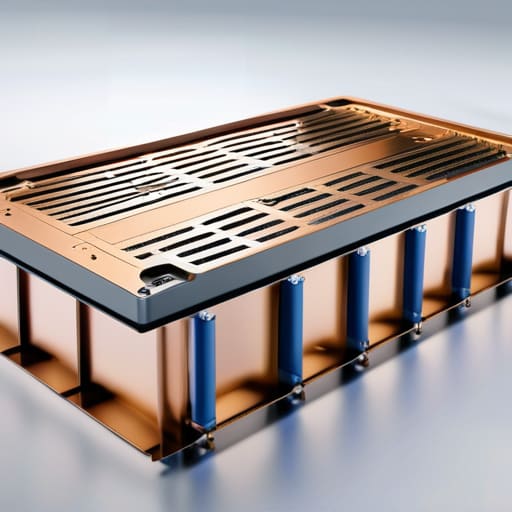
    The Bottom Line on Module Design.

    At the end of the day, designing a battery module isn’t just about cramming as many cells as possible into a chassis to chase a theoretical range number. It’s a balancing act between thermal management, mechanical integrity, and the actual chemistry of the cells themselves. We’ve seen that if you ignore how cells interact under load or how heat propagates through the pack, you aren’t building a power source—you’re building a liability. To move past the era of planned obsolescence, we have to prioritize intelligent architecture that respects the physical limits of lithium-ion tech while ensuring the hardware is actually built to last.

    I’m tired of seeing companies treat battery design like a black box of proprietary secrets and marketing buzzwords. The transition to electric mobility won’t be won by the brand with the flashiest touchscreen, but by the engineers who figure out how to make high-density energy storage both incredibly efficient and truly circular. We have the math, and we have the materials; now we just need the discipline to build things that don’t end up in a landfill after five years. Let’s stop chasing the hype and start building the hardware that actually deserves our trust.

    Frequently Asked Questions

    How much does the thermal management system within a specific module design actually impact the long-term degradation of the cells compared to just the chemistry itself?

    Look, chemistry sets the theoretical ceiling, but thermal management is what determines if you actually hit it. You can have the most stable LFP chemistry in the world, but if your module design creates hot spots, you’re basically cooking your ions. Uneven heat causes localized degradation, meaning some cells die while others are fine—which kills the whole pack. To me, a mediocre chemistry with elite thermal control beats a “super” chemistry that runs hot every single time.

    When we talk about moving toward solid-state tech, are we looking at a complete overhaul of current module architectures, or can we just swap the cells into existing frames?

    Honestly? It’s not a simple “drop-in” swap. While the physical footprint might look similar, the thermal management and pressure requirements for solid-state are a whole different beast. We’re talking about moving from liquid electrolytes to solid ceramics or polymers that need specific compression to stay stable. You can’t just toss them into an old Li-ion frame and call it a day; we’re likely looking at a significant architectural redesign to handle those unique mechanical stresses.

    Is it actually more sustainable to design for easy repairability at the module level, or does the added complexity and weight of modular connectors negate the environmental gains?

    It’s the ultimate engineering trade-off. If you go with a monolithic, glued-shut pack, you save weight and energy density, but you’re basically building a high-tech paperweight once a single cell fails. To me, that’s not sustainable—it’s wasteful. Yes, modular connectors add mass and complexity, but that “penalty” is worth it if it prevents an entire 500kg pack from hitting a landfill. We need to design for the second life, not just the first charge.
  • The Importance of Strategic Charging Station Placement

    The Importance of Strategic Charging Station Placement

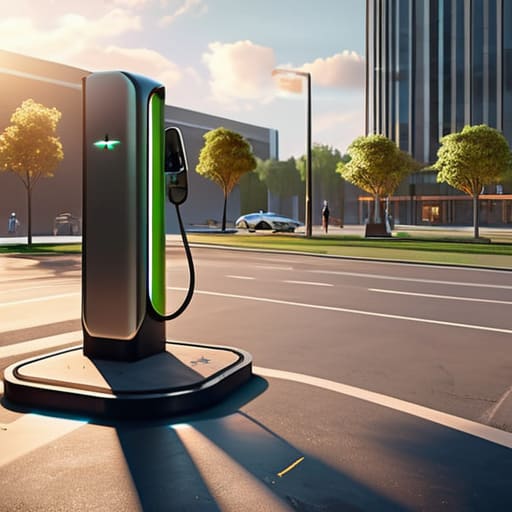
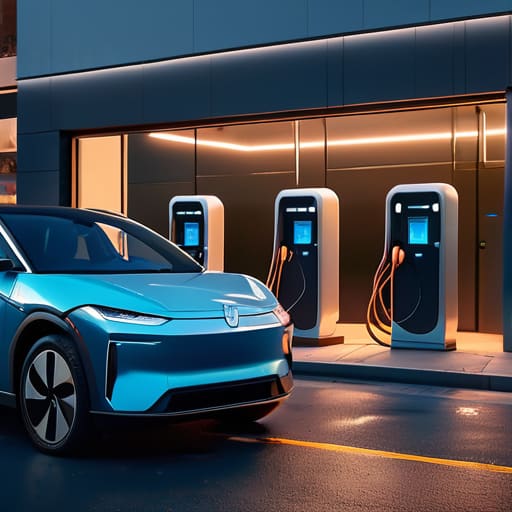
    I remember sitting in a lab at Georgia Tech, staring at a lithium-ion degradation curve that looked more like a cliff than a slope, while my roommate complained that he couldn’t find a place to plug in his new EV. It’s the same story everywhere: companies love to drop massive PR bombs about “expanding networks,” but they completely ignore the actual physics of the grid. Most people think the fix is just slapping more plugs on a map, but if we don’t prioritize charging station location based on real-world transformer capacity and local voltage stability, we aren’t building an infrastructure—we’re just building a future bottleneck.

    I’m not here to sell you on the corporate greenwashing or the glossy brochures that promise seamless travel. I want to pull back the curtain on the actual hardware and the electrical constraints that dictate where these stations can actually thrive. We’re going to look past the marketing hype to understand how grid density and load management determine whether a charger is a lifesaver or just an expensive paperweight. This is about the real math behind the movement.

    Table of Contents

    Why Optimal Placement for Ev Chargers Demands Grid Integrity

    Why Optimal Placement for Ev Chargers Demands Grid Integrity.

    Look, we can talk about EV charging network coverage all day long, but if we ignore the physics of the local substation, we’re basically building a house on sand. As a grid analyst, I see this constantly: planners get excited about placing high-speed DC fast chargers in high-traffic retail zones without checking if the local transformer can even handle the sudden, massive current draw. If we don’t synchronize our rollout with actual grid capacity, we’re just setting ourselves up for localized brownouts and massive hardware degradation.

    Finding the optimal placement for EV chargers isn’t just a logistics puzzle; it’s a load-balancing act. We need to move toward a model of smart city charging deployment where the hardware “talks” to the grid in real-time. If we just blindly drop chargers into areas with weak infrastructure, we’re creating a bottleneck that will stifle adoption. We need to prioritize sites where the existing electrical architecture can absorb the surge, or we’re going to spend the next decade playing a very expensive game of catch-up with our own power lines.

    Beyond the Map Solving Electric Vehicle Charging Availability

    Beyond the Map Solving Electric Vehicle Charging Availability

    The problem with most current EV charging station mapping is that it treats a charger like a vending machine—just something you find on a map and plug into. But if we’re being real, availability isn’t just about having a plug on every corner; it’s about the reliability of the uptime. I’ve seen too many “available” chargers in my apps turn out to be dead units or stuck in a software loop. If we want true electric vehicle charging availability, we have to stop looking at it as a game of dots on a map and start looking at it as a synchronized ecosystem of hardware and software.

    We need to shift our focus toward smart city charging deployment that prioritizes high-traffic corridors and multi-unit dwellings. Right now, there is this massive, gaping hole in the gap between public vs private charging infrastructure. If you live in a house with a garage, you’re fine. But if you’re in an apartment in a dense urban area, you’re basically stranded without a reliable network. To fix this, we need more than just more plugs; we need an integrated approach where the energy distribution is as fluid as the traffic flow itself.

    The Real-World Checklist: Where Chargers Actually Make Sense

    • Stop looking at parking lot convenience and start looking at transformer headroom; if you drop a Level 3 DC fast charger on a feeder that’s already redlining, you aren’t building infrastructure, you’re building a localized blackout waiting to happen.
    • Prioritize “dwell-time compatibility”—it’s useless to put high-speed chargers in retail zones where people stay for twenty minutes if the battery chemistry and charging curve need forty to hit 80%, just like how I wouldn’t try to charge my vintage skateboards at a drive-thru.
    • Map the “charging deserts” relative to actual grid density, not just population density, because putting a station in a high-income suburb with a bulletproof grid is easy, but the real work is finding the sweet spot where the local substation can actually handle the surge.

    • Integrate buffer storage into the site design; if we want to avoid massive capital expenditures on grid upgrades every time we add a new hub, we need to start pairing these locations with stationary battery units to shave those peak demand spikes.
    • Look for multi-modal synergy—the best locations aren’t just near highways, they’re at the intersection of residential hubs and commercial corridors where the energy demand is predictable and the infrastructure can be scaled incrementally rather than all at once.

    The Bottom Line on Grid-Ready Infrastructure

    Stop treating charger placement like a game of Tetris; if the local transformer can’t handle the peak load, a new plug is just a very expensive paperweight.

    We have to move past “range anxiety” and start solving “infrastructure anxiety” by prioritizing high-density urban hubs and grid-stabilizing storage over random highway stops.

    True scalability won’t come from just adding more hardware, but from integrating smart charging tech that respects the chemistry of the batteries and the limits of the grid.

    ## The Real-World Bottleneck

    “Plugging a high-voltage charger into a weak node on the grid is like trying to run a data center off a single AA battery; it doesn’t matter how fast the hardware is if the infrastructure behind it can’t handle the surge.”

    Desmond Achebe

    The Bottom Line on Where We Plug In

    The Bottom Line on Where We Plug In

    At the end of the day, we have to stop treating EV charging like we’re just adding more gas pumps to a map. It’s not just about convenience; it’s about the intersection of localized grid capacity and the specific electrochemical demands of the vehicles themselves. If we keep ignoring the relationship between charger placement and transformer stress, we’re just building a house of cards that will collapse the moment everyone plugs in at 6:00 PM. We need smart, data-driven deployment that respects the hardware—both the cars on the road and the underlying electrical infrastructure that keeps the lights on.

    The transition to electric mobility isn’t some distant, theoretical dream; it’s happening right now, and the stakes for our grid have never been higher. I’m tired of hearing corporate PR speak about “seamless integration” while the actual engineering remains an afterthought. We need to get serious about the physical reality of energy density and distribution. If we get the placement and the power management right, we aren’t just building a better way to drive—we are building the foundation of a resilient, electrified future that actually lasts. Let’s stop chasing the hype and start building the hardware.

    Frequently Asked Questions

    If we start dumping massive DC fast chargers into suburban residential zones, are we going to see local transformer failures or significant voltage drops during peak hours?

    Honestly? We’re playing with fire if we don’t upgrade the hardware first. Dumping high-kilowatt DC fast chargers into suburban neighborhoods is like trying to run a marathon while breathing through a straw. Most residential transformers are built for steady, low-draw loads, not massive, sudden spikes in demand. If we don’t account for that thermal stress and the inevitable voltage sag, we aren’t just looking at slow charging—we’re looking at blown transformers and localized grid instability.

    How do we balance the need for high-density urban charging with the reality that our current grid architecture wasn't designed for these kind of localized, massive energy draws?

    We can’t just keep slapping fast chargers onto aging urban transformers and hoping for the best. That’s a recipe for localized brownouts. The real fix is decoupling the demand from the immediate grid stress. We need to integrate onsite buffer storage—think massive battery arrays—at these high-density hubs. By trickling power into storage during low-demand periods and discharging it during peak charging surges, we can satisfy the massive draw without blowing the local substation.

    Are we actually looking at integrating stationary battery storage at these sites to buffer the load, or are we just hoping the grid can handle the surge on its own?

    If we’re just hoping the grid can handle the surge, we’re asking for a blackout. Relying on raw grid capacity is a rookie mistake. The real play—and what I’m seeing more of in the field—is integrating stationary BESS (Battery Energy Storage Systems) right at the site. We use them to buffer those massive spikes during peak charging hours, effectively “shaving” the load so we don’t fry local transformers. It’s about stability, not just hope.

  • The Role of Stationary Battery Storage in Supporting Renewable Energy

    The Role of Stationary Battery Storage in Supporting Renewable Energy

    I still remember sitting in a windowless lab at Georgia Tech, surrounded by the faint, metallic tang of electrolyte leakage and the hum of a dozen charging cycles, realizing that everyone was looking at the wrong thing. We spent all our time obsessing over how to make electric cars go faster or further, but we were completely ignoring the elephant in the room: the grid is a mess. If we want to actually transition away from fossil fuels, we have to stop treating stationary energy storage like some secondary, niche add-on for solar farms. It’s not just a “nice-to-have” feature; it is the fundamental backbone that determines whether a renewable-heavy grid actually stays online when the sun goes down or the wind dies.

    I’m not here to sell you on the glossy, corporate-approved vision of a “green utopia” that relies on vague promises and unproven tech. Instead, I want to get into the actual weeds of the hardware. We’re going to look past the marketing fluff and dive into the real chemistry and infrastructure requirements that make large-scale storage viable. I’ll give you the data-driven truth about what’s actually working in the field right now and what’s just expensive science fiction.

    Table of Contents

    The Raw Truth About Lithium Ion Battery Technology

    The Raw Truth About Lithium Ion Battery Technology

    Let’s get one thing straight: lithium-ion is the current king, but it’s not a magic wand. When we talk about lithium-ion battery technology in a grid context, we aren’t just talking about the same cells in your phone, only bigger. We’re talking about massive, complex systems that have to survive thousands of cycles without losing their soul—or their capacity. The chemistry is incredible, but it’s also finicky. If you don’t manage the thermal profiles perfectly, you aren’t just looking at a dead battery; you’re looking at a massive safety liability.

    The real headache, though, is the energy storage system lifecycle. It’s easy to get swept up in the hype of how these units can facilitate peak shaving technology to lower costs during high demand, but we rarely talk about what happens when the degradation kicks in. As an engineer, I look at the curves. Once the internal resistance climbs and the capacity drops, that “revolutionary” asset becomes a heavy, expensive problem. We need to be honest about these trade-offs if we’re actually going to scale.

    Decarbonizing the Power Grid Through Real Hardware

    Decarbonizing the Power Grid Through Real Hardware

    If we’re actually going to succeed at decarbonizing the power grid, we have to move past the idea that batteries are just giant versions of what’s in your phone. In the utility space, we’re looking at massive BESS applications designed to handle the heavy lifting that solar and wind simply can’t do on their own. It’s not just about holding onto power; it’s about the intelligence behind the hardware. We need systems that can respond in milliseconds to provide frequency regulation services, smoothing out those tiny, violent oscillations in the grid that happen when a cloud passes over a massive solar farm or the wind suddenly dies down.

    But the real money—and the real stability—comes from how we manage the timing of energy flow. We’re seeing a massive shift toward using these arrays for peak shaving technology, essentially clipping the tops off those expensive, carbon-heavy demand spikes that usually force utilities to fire up old gas peaker plants. When you combine that with aggressive energy arbitrage strategies, where we soak up cheap excess renewables at noon and dump them back into the system during the evening rush, you start to see a grid that actually functions like a modern, synchronized machine rather than a patchwork of aging infrastructure.

    Stop Treating Storage Like a Black Box: 5 Realities for the Next Decade

    • Look past the lithium hype. While Li-ion is the current king for mobile tech, we can’t solve grid-scale stability using only the same chemistry we put in our phones. We need to be pushing for Flow Batteries and Iron-Air tech for long-duration storage—they aren’t as “flashy,” but they don’t degrade nearly as fast when you’re cycling them every single day.
    • Demand transparency in the supply chain, not just marketing fluff. If a company claims they’re “green” but they can’t tell you where their cobalt or nickel is coming from, they’re greenwashing. Sustainable storage means a circular lifecycle where we actually reclaim the minerals instead of just digging more holes in the ground.
    • Focus on “behind-the-meter” integration. The biggest wins aren’t always these massive, centralized utility plants; it’s the decentralized hardware in homes and businesses. If we can optimize how local storage interacts with the local grid, we reduce the massive transmission losses that make our current system so inefficient.
    • Don’t ignore the thermal management aspect. Anyone who’s messed with a custom skateboard build knows that heat is the ultimate battery killer. In stationary storage, if the cooling system isn’t as robust as the cell chemistry itself, you’re just building a very expensive fire hazard rather than a reliable asset.
    • Prioritize software that actually talks to the hardware. A massive battery array is useless if the grid controller can’t predict when to discharge it. We need smarter, more responsive power electronics that can handle the millisecond-level fluctuations of wind and solar without breaking a sweat.

    The Bottom Line: What Actually Matters for the Transition

    We have to stop treating stationary storage like a side project for EVs; if we don’t scale massive, grid-level battery arrays, the intermittent nature of renewables will keep us tethered to gas plants forever.

    Chemistry matters more than marketing. We need to move past the hype of “green” labels and start demanding transparency in how we handle lithium-ion degradation and the actual lifecycle of the hardware.

    Real decarbonization isn’t just about swapping a tailpipe for a plug; it’s about building a resilient, high-density storage infrastructure that can actually handle the load when the sun goes down and the wind stops blowing.

    “We keep acting like the energy transition is just about swapping a gas tank for a battery in your driveway, but if we don’t scale massive, stationary storage to catch those solar and wind peaks, we’re just building a high-tech house on a foundation of sand.”

    Desmond Achebe

    The Bottom Line on Grid Stability

    The Bottom Line on Grid Stability.

    Look, we can keep debating the nuances of energy density or the politics of mineral supply chains, but the fundamental reality remains: we aren’t going to reach net-zero with just solar panels and wind turbines sitting idle when the sun goes down. We’ve seen the data. Without massive, scalable stationary storage to act as the grid’s shock absorber, our renewable transition is just a house of cards waiting for a cloudy day. It’s not just about having “green” energy; it’s about having reliable, dispatchable hardware that can handle the heavy lifting when the demand spikes. If we don’t get the chemistry and the infrastructure right, we’re just trading one type of energy dependency for another.

    I know it’s easy to get cynical when you see every car company promising a revolution that feels decades away. But when I look at the progress in long-duration storage and the actual engineering happening in the labs right now, I see a path forward that isn’t just a marketing slogan. The transition to a truly electrified world is going to be messy, and it’s definitely going to be hard, but it is absolutely inevitable. We just need to stop chasing the hype and start building the actual backbone of the future. Let’s get to work on the hardware that actually matters.

    Frequently Asked Questions

    If we're scaling up these massive battery arrays, how do we actually handle the recycling nightmare once they hit their end-of-life?

    Honestly, it’s a massive bottleneck right now. We can’t just call this a “green revolution” if we’re essentially creating a mountain of toxic e-waste. The current play is shifting from crude shredding to advanced hydrometallurgy—using chemical baths to recover high-purity lithium, cobalt, and nickel. It’s more precise and less energy-intensive than smelting. If we don’t nail the closed-loop supply chain now, we’re just trading one resource crisis for another.

    Can solid-state tech actually make it to the grid level anytime soon, or is that just more corporate hype for the next decade?

    Honestly? It’s mostly hype for the immediate future. Look, I spent my college years obsessing over solid-state breakthroughs, and the chemistry is beautiful on paper. But scaling that from a lab bench to a massive grid-scale array is a different beast entirely. We’re talking about massive manufacturing hurdles and cost-per-kWh issues that aren’t going away overnight. Don’t expect it to stabilize your local substation next year; for now, we need to make current tech work.

    How much of a bottleneck is the current supply chain for critical minerals like lithium and cobalt when we're trying to build this much storage?

    It’s a massive bottleneck, and honestly, it’s the elephant in the room. We can design the most efficient solid-state cells in a lab, but if we can’t source the lithium or cobalt without massive geopolitical friction or ecological damage, the math just doesn’t work. We’re essentially trying to build a skyscraper while fighting over the supply of every single nail. Until we scale recycling and diversify mineral sourcing, our storage ambitions are stuck in neutral.

  • Understanding the Global Lithium Supply Chain for Batteries

    Understanding the Global Lithium Supply Chain for Batteries

    I remember sitting in a Georgia Tech lab at 2:00 AM, staring at a series of degradation curves that just didn’t make sense, while a tech blog on my second monitor was screaming about how “lithium is the new oil.” It’s such a massive, oversimplified lie. Everyone wants to talk about the “gold rush” of the lithium supply chain like it’s some seamless pipeline of shiny new batteries, but they completely ignore the actual chemical bottlenecks and the messy, logistical nightmares happening on the ground. If we keep treating this like a marketing slogan instead of a complex engineering problem, we’re going to hit a wall before the decade is even out.

    I’m not here to sell you on the corporate greenwashing or the speculative stock hype. My goal is to pull back the curtain on the real hardware and raw materials required to actually move the needle. I’m going to break down where the materials are actually coming from, why the refining process is such a massive hurdle, and what the actual infrastructure needs to look like if we want electric mobility to be more than just a luxury for the few.

    Table of Contents

    The Real Chemistry of Lithium Extraction Methods

    The Real Chemistry of Lithium Extraction Methods

    When we talk about getting lithium out of the ground, we aren’t just talking about digging a hole. It’s a massive tug-of-war between two very different chemical approaches: brine vs spodumene processing. If you’re looking at the salt flats in the Lithium Triangle, you’re dealing with brine—essentially pumping mineral-rich water into massive evaporation ponds. It’s relatively cheap, but it’s incredibly slow and uses a staggering amount of water in regions that are already bone-dry. It’s a massive environmental trade-off that most corporate PR departments conveniently gloss over.

    On the flip side, you have hard-rock mining, specifically spodumene. This is much faster and more reliable for meeting the aggressive timelines of current ev battery manufacturing trends, but it’s energy-intensive and requires heavy-duty crushing and chemical roasting. From my time in the labs, I can tell you that the purity of that output is everything. If the chemical refining isn’t precise, the whole cell fails. We can’t just focus on the volume of material; we have to focus on the chemical integrity of the feedstock if we actually want stable, long-lasting batteries.

    Navigating the Chaos of Lithium Market Volatility

    If you look at the price charts for lithium over the last few years, it looks less like a steady market and more like a heart monitor during a caffeine overdose. One month, everyone is panicking about shortages and driving prices through the roof; the next, we’re staring at a surplus that makes investors sweat. This isn’t just some abstract financial headache, though. For those of us watching ev battery manufacturing trends, this volatility is a massive bottleneck. When the cost of raw material swings wildly, it makes it nearly impossible for manufacturers to lock in long-term pricing for the cells that eventually end up in your car.

    The real headache lies in the disconnect between the upstream and downstream lithium sectors. We have mining companies playing the long game with massive capital expenditures, while battery makers are trying to hit quarterly production targets with hyper-sensitive margins. This friction creates a massive gap in critical mineral security. We can’t just flip a switch and scale up production if the price of spodumene or brine is bouncing around like a pinball every time a new trade policy gets whispered about in Brussels or D.C.

    How to Actually Read the Lithium Market Without Getting Burned

    • Stop following the hype cycles. When a massive headline claims a new “miracle” extraction method is about to disrupt everything, check the TRL (Technology Readiness Level). If it’s still stuck in a lab at Georgia Tech and hasn’t hit pilot-scale production, it’s not fixing your supply chain issues today.
    • Watch the refining, not just the mining. Everyone obsesses over the lithium brine or the spodumene ore, but the real bottleneck is the chemical processing. If we can’t turn raw ore into battery-grade lithium carbonate or hydroxide efficiently, the whole chain stays choked.
    • Keep an eye on the “Circular Economy” math. We need to stop treating batteries like disposable tech. Real sustainability means designing for disassembly so we can reclaim that lithium at the end of a vehicle’s life, rather than just digging more holes in the ground.
    • Diversify your perspective beyond the “Lithium Triangle.” Relying solely on a few geographic regions for raw material is a recipe for grid instability. We need to see more investment in domestic processing and alternative extraction tech to de-risk the entire transition.
    • Look for vertical integration. The companies that are actually going to win aren’t just mining; they’re securing direct partnerships from the pit to the cathode. If a manufacturer doesn’t have a clear line of sight into their raw material source, they’re just gambling on volatility.

    The Bottom Line: Moving Past the Hype

    We need to stop treating lithium like a magic bullet and start treating it like the finite, complex chemical resource it is—that means prioritizing extraction methods that don’t wreck local ecosystems just to meet a quarterly quota.

    Market volatility isn’t just a headache for investors; it’s a massive bottleneck for grid stability and EV adoption, meaning we need much more transparent, localized supply chains to keep costs from spiking every time there’s a geopolitical hiccup.

    Real sustainability won’t come from better marketing or “green” slogans, it’ll come from the boring, hard work of scaling solid-state tech and perfecting circular recycling infrastructure so we aren’t just digging new holes in the ground forever.

    ## The Infrastructure Gap

    “Everyone wants to talk about the sexy part—the EVs zooming down the highway—but if we don’t solve the gritty, unglamorous logistics of moving raw lithium from a brine pool to a cathode factory, we’re just building a high-tech house on a foundation of sand.”

    Desmond Achebe

    The Bottom Line on the Lithium Race

    The Bottom Line on the Lithium Race.

    Look, we’ve moved past the stage where we can just pretend that “going green” is a simple software update. As we’ve seen, the reality is a messy collision of complex chemical extraction processes and a market that swings more wildly than a high-voltage surge. We can’t ignore the environmental footprint of brine mining or the massive logistical headaches that come with scaling up production. If we want to move from niche luxury EVs to a truly electrified grid, we have to stop treating the lithium supply chain like a theoretical problem and start treating it like the critical infrastructure bottleneck it actually is. Success isn’t going to come from clever marketing; it’s going to come from stabilizing the chemistry and the supply.

    I’m not a cynic, but I am a realist. I’ve spent enough hours in labs staring at degradation curves to know that nothing in this industry is free. However, the transition is still happening, and it’s happening faster than my parents’ generation ever thought possible. The hardware is getting better, the density is increasing, and the roadmap is finally becoming clear. We just need to ensure that the foundation we’re building on is actually solid. If we get the lithium piece right—the extraction, the recycling, and the stability—we aren’t just building better cars; we are powering a permanent shift in how humanity moves. Let’s get to work on the real science.

    Frequently Asked Questions

    If we finally fix the extraction mess, are we actually going to see a drop in EV battery prices, or is corporate markup going to keep them out of reach?

    Look, if we streamline extraction, the raw material costs will definitely drop, but don’t expect an immediate windfall for consumers. We’re fighting two battles: the chemistry and the margins. Even if lithium becomes cheaper to pull out of the ground, corporations love a high-margin environment. My bet? We’ll see a massive price dip in the mid-range segment first, but until the supply chain is actually decentralized, those “green” premiums are going to keep sticking.

    Beyond just lithium, how much of a bottleneck are the other raw materials like cobalt and nickel going to be for the next generation of solid-state cells?

    If we think lithium is a headache, cobalt and nickel are the real migraines waiting to happen. For solid-state cells to actually scale, we can’t just swap one dependency for another. Cobalt is a massive ethical and supply bottleneck, which is why everyone is pivoting toward high-nickel or even cobalt-free chemistries. It’s a balancing act: you want the energy density, but you can’t build a future on materials that are too volatile or too dirty to source.

    Is there a realistic path toward a circular economy where we actually recycle these dead packs, or are we just creating a massive mountain of battery waste for the next decade?

    Look, if we keep treating batteries like disposable tech, we’re absolutely heading toward a graveyard of dead cells. But a circular economy isn’t just a buzzword; it’s a massive engineering challenge. Right now, the “black mass” recovery process is messy and expensive, but the math works if we scale. We need to design packs for disassembly, not just for aesthetics. If we nail the recycling infrastructure now, we turn waste into a closed-loop mine.

  • The Impact of Battery Weight on Electric Vehicle Design

    The Impact of Battery Weight on Electric Vehicle Design

    I still remember the smell of ozone and burnt solder in my Georgia Tech lab when I was trying to squeeze one more mile of range out of a prototype pack. I was staring at a pile of lithium-ion cells that felt less like high-tech energy storage and more like a collection of dense, stubborn bricks. Everyone in the industry loves to talk about “energy density” like it’s some magical number on a spreadsheet, but they conveniently gloss over the physical reality: battery weight is the elephant in the room that’s currently trashing our efficiency metrics. We can keep adding cells to chase longer ranges, but if we don’t address the massive mass penalty we’re incurring, we’re just building heavier, less sustainable machines.

    I’m not here to sell you on the corporate hype or the polished marketing brochures from EV manufacturers. I want to pull back the curtain on the actual physics and the real-world trade-offs that engineers face every single day. In this post, I’m going to break down why mass matters more than you think and what the next generation of solid-state tech actually needs to do to fix this mess. We’re going to look at the raw data and the chemistry, because if we want a truly mobile future, we have to stop ignoring the weight of the hardware.

    Table of Contents

    Cracking the Code of Electric Vehicle Energy Density

    Cracking the Code of Electric Vehicle Energy Density

    To get a real handle on this, we have to talk about the fundamental tug-of-war happening inside the pack: gravimetric energy density explained. In my labs at Georgia Tech, we used to talk about this as a simple ratio, but in the real world, it’s a brutal balancing act. You want more kilowatt-hours to increase your range, but every extra kilogram of active material requires more structural reinforcement, more cooling, and more energy just to move the mass itself. It’s a cycle that can quickly turn a high-performance EV into a heavy, inefficient tank if you aren’t careful with the chemistry.

    This is why the industry is pivoting away from just “bigger batteries” and toward smarter integration. We’re seeing a massive shift toward cell-to-chassis technology, where the battery isn’t just a passenger in the car, but a structural component of the frame itself. By eliminating the heavy modular housing that usually sits between the cells and the vehicle, engineers are finally finding ways to shave off dead weight. If we can optimize how these cells occupy space, we can actually break the cycle of adding mass just to chase more miles.

    The Brutal Math of Ev Range vs Battery Weight

    The Brutal Math of Ev Range vs Battery Weight

    Here’s the reality: you can’t just keep stacking more cells to chase higher mileage without hitting a wall of diminishing returns. It’s a classic case of physics fighting back. When we talk about EV range vs battery weight, we’re looking at a zero-sum game. Every extra kilogram of lithium-ion mass requires more energy just to move itself, which effectively eats into the very range you were trying to increase in the first place. It’s like trying to go on a long hiking trip by packing more food, only to find that the extra weight of the snacks makes you too exhausted to reach the summit.

    This is why the industry is obsessed with gravimetric energy density explained in every single white paper. We aren’t just looking for more capacity; we are looking for more “bang for our buck” per gram. If we can’t improve how much energy is packed into a single unit of mass, we’re just building heavier, less efficient machines. This is exactly why I’m watching developments in cell-to-chassis technology so closely. By integrating the cells directly into the vehicle’s structure, we might finally stop treating the battery as a massive, dead-weight anchor and start treating it as a functional part of the frame.

    Cutting the Dead Weight: How We Actually Solve the Mass Problem

    • Stop chasing “range anxiety” with bigger packs; we need to pivot the conversation toward gravimetric energy density so we aren’t just building heavier tanks to drive further.
    • We have to push for structural battery integration, where the battery pack isn’t just a heavy slab sitting in the chassis, but actually becomes a load-bearing part of the car’s frame.
    • Keep a close eye on solid-state research—moving away from liquid electrolytes isn’t just about safety, it’s about ditching the heavy cooling overhead that currently eats up our efficiency.
    • Don’t fall for the “bigger is better” marketing trap; optimizing the vehicle’s aerodynamics and rolling resistance can often yield better real-world mileage than simply throwing another 50kg of lithium at the problem.
    • Demand transparency in material sourcing, because if we’re using heavy, inefficient cathode chemistries just to hit a spec sheet, we’re losing the sustainability battle before we even hit the highway.

    The Bottom Line: Why We Can't Just "Add More Cells"

    We have to stop treating battery capacity like a magic fix; adding more mass to chase range creates a diminishing return loop where the extra weight kills the very efficiency we’re trying to gain.

    True progress isn’t about making bigger battery packs, it’s about pushing the limits of energy density—we need better chemistry, not just more lithium.

    If we want EVs to actually replace ICE vehicles for everyone, the industry has to solve the weight-to-performance ratio, or we’re just trading one set of infrastructure headaches for another.

    ## The Physics Problem

    “We can keep marketing ‘range anxiety’ all we want, but the real battle isn’t in the software—it’s in the chemistry. Until we stop trying to solve energy density issues by simply throwing more heavy lithium at the problem, we’re just building heavier machines to drive shorter distances.”

    Desmond Achebe

    The Road Ahead

    Innovating battery technology for The Road Ahead.

    At the end of the day, we can’t just keep throwing more lithium at the problem and calling it progress. We’ve looked at the energy density bottleneck and the brutal math where every extra kilogram of battery pack starts fighting against the very range it’s supposed to provide. If we want to move past the era of heavy, inefficient slabs of metal, we have to solve the chemistry-to-mass ratio problem. It isn’t just about making batteries bigger; it’s about making them smarter and lighter through solid-state breakthroughs and better material science. We have to stop treating weight as a secondary concern and start treating it as the primary engineering constraint it actually is.

    I’m optimistic, but I’m not going to fall for the corporate hype that says we’re “there” already. The transition to electric mobility is going to be won or lost in the labs and the manufacturing plants, not in marketing departments. We are standing on the edge of a massive shift in how humanity moves, and if we get the hardware right, the impact will be generational. I want to see a world where electric transport isn’t a heavy compromise, but a seamless, efficient reality for everyone. Let’s stop chasing vague promises and start building the sustainable infrastructure that our future actually deserves.

    Frequently Asked Questions

    If we keep adding more cells to solve range anxiety, at what point does the extra weight actually start cannibalizing the energy gains?

    That’s the “diminishing returns” wall we’re all staring down. It’s a classic physics problem: you add more cells to get more range, but now you need beefier suspension, larger brakes, and more torque to move that extra mass. Eventually, you hit a tipping point where every extra kilowatt-hour of capacity is just spent fighting the inertia of the battery itself. We aren’t just fighting chemistry anymore; we’re fighting the law of unintended consequences.

    Are solid-state batteries actually going to be the "silver bullet" for weight, or is that just more corporate hype?

    Look, I’ve spent way too many hours in labs looking at solid-state prototypes to call them pure hype, but “silver bullet” is a stretch. The physics is there: replacing liquid electrolytes with solid ones could skyrocket energy density, meaning we get more range without the massive weight penalty. But the manufacturing scalability? That’s the real bottleneck. Until we can produce these at scale without the astronomical costs, it’s more of a theoretical win than a practical one.

    How much of this weight issue is a battery problem versus a fundamental design flaw in how we build EV chassis?

    Look, it’s a bit of both, but let’s be real: we’re currently fighting a losing battle with legacy design thinking. We’re essentially trying to shoehorn heavy, rectangular energy bricks into chassis architectures that were originally conceptualized for much lighter internal combustion layouts. It’s not just about the chemistry; it’s about the fact that we’re still treating the battery as an “add-on” rather than the literal foundation of the vehicle’s structural integrity.

  • How Government Incentives Affect Electric Vehicle Purchasing

    How Government Incentives Affect Electric Vehicle Purchasing

    I spent most of my junior year at Georgia Tech staring at electrochemical degradation curves, trying to figure out why certain cells died faster than others. While my classmates were out, I was obsessed with the hardware. But lately, when I scroll through news feeds, I don’t see much talk about cell chemistry or grid stability; instead, I see a massive, confusing mess of marketing jargon surrounding electric vehicle incentives. Most of the “savings” being touted by manufacturers feel like a thin layer of greenwash designed to mask the fact that the upfront cost is still a massive barrier for the average person. If we’re going to actually transition to electric mobility, we need to stop treating these subsidies like a magic wand and start looking at the actual math of the investment.

    I’m not here to sell you on the hype or repeat the same tired talking points you’ll find on a dealership’s landing page. My goal is to strip away the fluff and look at how these electric vehicle incentives actually stack up against the real-world cost of battery longevity and infrastructure. I’ll help you navigate the fine print so you can decide if a specific EV is a smart long-term play or just an expensive way to chase a tax credit.

    Table of Contents

    Navigating Federal Ev Tax Credit Eligibility and Real Chemistry

    When you start digging into the actual paperwork for the federal EV tax credit eligibility, it’s easy to get lost in the bureaucratic weeds. Most people just see a dollar amount on a spreadsheet, but as someone who spends my days looking at cell degradation and supply chain logistics, I see something different. The government isn’t just handing out cash; they are essentially trying to steer the entire chemistry of the industry. By tying credits to where the battery minerals are sourced and how the cells are assembled, they’re forcing a shift away from the old, messy supply chains toward something more localized and, hopefully, more sustainable.

    However, you can’t just walk into a dealership and assume you’re golden. You have to look past the sticker price and perform a real electric vehicle cost savings analysis that accounts for the specific clean vehicle credit requirements. It’s not just about the upfront discount; it’s about whether that specific battery architecture is actually worth the long-term investment. If a manufacturer is cutting corners on cell stability just to hit a price cap, those “savings” will evaporate the moment your capacity drops off a cliff in three years.

    Cracking the Code of Clean Vehicle Credit Requirements

    Cracking the Code of Clean Vehicle Credit Requirements

    Here’s the reality: trying to figure out if you actually qualify for the money can feel like trying to debug a massive, undocumented codebase. The clean vehicle credit requirements aren’t just about the sticker price; they are a tangled web of MSRP caps, income thresholds, and—most annoyingly—where the battery components actually come from. It’s not enough to just buy a car that “feels” green; the government is increasingly looking at the provenance of the minerals inside those cells to decide if you get the credit.

    If you’re looking beyond the federal level, you might find some breathing room with state level electric car rebates, but don’t expect a one-size-fits-all solution. Some states are aggressive with their localized subsidies, while others are basically non-existent. I always tell my friends to run a full electric vehicle cost savings analysis before they sign anything. You have to weigh the upfront tax break against the long-term reality of your local grid and charging infrastructure, otherwise, you’re just chasing a shiny number that might not actually offset your total cost of ownership.

    Stop Chasing Subsidies and Start Checking the Specs

    • Don’t just look at the sticker price; verify the battery’s mineral sourcing. A tax credit is great, but if the battery chemistry relies on high-conflict materials or has a terrible lifecycle, you’re just subsidizing a future environmental headache.
    • Cross-reference the VIN with the official IRS database before you even step onto a dealership lot. I’ve seen too many people get hyped about a “deal” only to realize the specific trim level they want doesn’t actually qualify for the credit.
    • Factor in the “infrastructure tax.” If you’re getting a rebate for a car but your local grid or apartment complex has zero reliable Level 2 charging, that incentive is basically a placebo. Check your local charging density first.
    • Watch the MSRP ceilings like a hawk. The federal government is getting stricter about what counts as an “affordable” EV, and if you’re looking at a high-performance model with a massive battery pack, you might accidentally price yourself right out of the credit.
    • Look beyond the federal level at state-specific incentives, but read the fine print on battery health requirements. Some regional programs are starting to tie incentives to the long-term sustainability and recyclability of the battery tech itself.

    The Bottom Line: Beyond the Tax Credit Paperwork

    Don’t let a $7,500 credit blind you to the hardware; a subsidy doesn’t matter if you’re buying a vehicle with a battery chemistry that’s destined for a landfill in five years.

    Eligibility is a moving target driven by politics, so always verify the specific mineral sourcing and assembly requirements before you get your hopes up about a rebate.

    True value lies in the intersection of government incentives and long-term battery health—look for tech that balances immediate savings with sustainable, high-density energy storage.

    ## The Subsidy Trap

    “Tax credits are a great way to lower the entry barrier, but we can’t let a few thousand dollars in subsidies distract us from the real question: is the battery chemistry under the hood actually built for a decade of heavy use, or are we just subsidizing planned obsolescence?”

    Desmond Achebe

    The Bottom Line on Incentives and Infrastructure

    The Bottom Line on Incentives and Infrastructure

    At the end of the day, navigating these tax credits and federal incentives is about more than just finding a way to shave a few thousand dollars off your sticker price. It’s about understanding the complex web of sourcing requirements and assembly rules that dictate which vehicles actually qualify. We’ve looked at the fine print of the Clean Vehicle Credit and how much of the battery supply chain really matters for your eligibility. While these subsidies are a massive help for early adopters, we can’t let them distract us from the underlying hardware. If the incentives make a car affordable but the battery chemistry is inefficient or the mineral sourcing is a mess, we haven’t actually solved the problem; we’ve just subsidized a temporary fix.

    We are standing at a massive inflection point in how we move from point A to point B. The transition to electric mobility isn’t just a trend; it’s a fundamental rewrite of our energy architecture. My hope is that as these incentives drive more people into the driver’s seat, they also drive the massive R&D investment needed to make high-density, sustainable storage the global standard. Don’t just buy into the hype or the government handouts—buy into the tech that is actually going to sustain us. The future is electric, but it has to be built to last.

    Frequently Asked Questions

    If the tax credit depends on where the battery minerals are sourced, does that mean a car with better energy density but "unfriendly" supply chains is actually a worse financial move?

    That’s the million-dollar question, and it’s where the math gets messy. On paper, a high-density cell with a “dirty” supply chain looks like a winner for range, but if you lose a $7,500 credit because of where the cobalt or lithium was processed, that efficiency gap closes fast. You’re essentially trading a massive upfront subsidy for a few extra miles of range. In my view, unless that tech is a total game-changer, the math usually favors the compliant battery.

    Are these subsidies actually driving real innovation in solid-state tech, or are they just propping up legacy manufacturers who are lagging on the chemistry?

    Honestly? It’s a mixed bag. Right now, a lot of those subsidies are just life support for legacy OEMs trying to patch up old liquid-electrolyte platforms. It’s easier for them to grab a check for incremental improvements than to overhaul their entire supply chain. But, there’s a silver lining: the massive capital injection is forcing a race. If they want to stay competitive, they have to pivot toward solid-state breakthroughs to actually justify the investment.

    How much of the "sticker price" reduction from these incentives is being eaten up by the lack of reliable charging infrastructure in non-urban areas?

    Let’s be real: a $7,500 tax credit doesn’t mean much if you’re stranded on a rural highway with a dead cell. In non-urban areas, that “sticker price” advantage gets swallowed by the hidden costs of range anxiety and the massive time sink of searching for a functional charger. If the infrastructure isn’t there, you aren’t just paying for the car; you’re paying a “convenience tax” in lost time and unreliable logistics.

  • How Cold Weather Affects Electric Vehicle Battery Performance

    How Cold Weather Affects Electric Vehicle Battery Performance

    I remember sitting in my apartment last January, staring at my dashboard as the projected range plummeted faster than my GPA during finals week. It wasn’t a software bug or a “user error”—it was the cold, hard physics of lithium-ion cells struggling to move ions through a thickening electrolyte. Most people will tell you that winter ev driving is just about driving slower or turning off your heater, but that’s a massive oversimplification that ignores the actual hardware reality. If we’re going to make the switch to electric, we have to stop treating the battery like a magic box and start respecting the chemical limitations that freezing temperatures impose on our mobility.

    I’m not here to give you generic lifestyle tips or tell you to “embrace the journey.” I’m going to break down the actual mechanics of why your range is tanking and how you can manage your thermal state without sacrificing your sanity. We’re going to look at the real-world data on pre-conditioning, heat pump efficiency, and charging curves so you can actually navigate the frost without constant range anxiety.

    Table of Contents

    Lithium Ion Battery Cold Weather Chemistry and the Range Gap

    Lithium Ion Battery Cold Weather Chemistry and the Range Gap

    Here’s the reality: when the temperature drops, you aren’t just fighting the wind; you’re fighting physics. At the molecular level, lithium-ion battery cold weather chemistry gets incredibly sluggish. Think of the electrolyte inside your cells like maple syrup—when it’s warm, it flows easily, allowing ions to zip between the anode and cathode. But when it hits freezing, that “syrup” thickens. This increased internal resistance means the battery has to work much harder just to move energy around, which is why you see that sudden, frustrating dip in your estimated mileage.

    This isn’t just a software bug that a patch can fix; it’s a hardware bottleneck. As the ions struggle to move, the voltage drops, and the car’s management system starts playing defense to protect the cells from permanent damage. This is a huge driver of electric vehicle range anxiety in winter, especially when you realize that your heater is pulling massive amounts of current from a battery that is already struggling to stay efficient. If we want to bridge this gap, we have to stop treating the battery like a magic box and start respecting the thermal limits of the chemistry itself.

    Electric Vehicle Range Anxiety Winter It Is a Hardware Problem

    Electric Vehicle Range Anxiety Winter It Is a Hardware Problem

    Here’s the reality: most people treat range loss like it’s some software bug that a future OTA update will magically patch. It isn’t. When we talk about electric vehicle range anxiety in winter, we aren’t talking about a glitchy UI; we are talking about the laws of thermodynamics. In my labs back at Georgia Tech, we saw it constantly—as the ambient temperature drops, the internal resistance of the cells climbs. This means the battery has to work harder just to move electrons around, effectively fighting itself before you even hit the accelerator.

    This isn’t just about how much juice you have left; it’s about how efficiently the hardware can actually deploy it. For example, you might notice that regenerative braking in cold temperatures feels sluggish or behaves differently than it does in July. That’s because the battery can’t accept a high-current charge spike when the ions are sluggish and the chemistry is “frozen.” We can try to mitigate this with better thermal management, but until we move toward more robust solid-state architectures, we are essentially fighting a physical uphill battle against the environment every single time the mercury drops.

    Stop Fighting Physics: 5 Ways to Manage Your Battery When the Temp Drops

    • Use your preconditioning settings religiously. Don’t just sit in a freezing car and wait for the heater to kick in; plug into a charger and let the software warm the battery pack while it’s still drawing power from the grid, not your cells.
    • Prioritize cabin heat through seat and steering wheel heaters instead of cranking the HVAC fan. Heating the air is an energy hog, but using resistive heating in your seat is way more efficient for keeping your body warm without draining your range.
    • Watch your discharge rates on the highway. Cold electrolytes are already sluggish, so if you’re flooring it to maintain high speeds in freezing wind, you’re forcing the battery to work twice as hard to overcome internal resistance. Smooth is sustainable.
    • Don’t let your State of Charge (SoC) bottom out. In extreme cold, a deeply discharged battery is a recipe for permanent capacity loss. Try to keep your buffer between 20% and 80% to give the chemistry some breathing room.
    • Plan for “charging lag.” If you’re stopping at a DC fast charger, realize that the charger might throttle your intake if the battery hasn’t reached its optimal operating temperature. If you can, pre-condition the battery via the nav system before you arrive at the station.

    The Bottom Line: Surviving the Freeze

    Stop blaming the software; the range drop you see in January is a fundamental chemical reality of how lithium ions move through a cold electrolyte.

    Range anxiety in winter isn’t a mental hurdle to overcome—it’s a hardware limitation that requires smarter pre-conditioning and better thermal management systems.

    If we want EVs to be viable for everyone, the industry needs to move past “good enough” battery insulation and start engineering for extreme temperature stability.

    ## The Hard Truth About Cold Starts

    “We need to stop treating winter range loss like it’s some software bug that a patch can fix; it’s a fundamental battle against thermodynamics. If we aren’t designing for the thermal reality of a lithium-ion cell in sub-zero temperatures, we aren’t building a viable transportation system, we’re just building a fair-weather luxury.”

    Desmond Achebe

    The Road Ahead is Cold, but the Tech is Getting Warmer

    The Road Ahead is Cold, but the Tech is Getting Warmer

    At the end of the day, we have to stop treating winter range loss like some mysterious ghost in the machine. It’s not a software bug you can just patch out with an over-the-air update; it is a fundamental byproduct of ion mobility and electrolyte viscosity slowing down when the mercury drops. We’ve looked at how the chemistry fights itself in the cold and why our current infrastructure is still catching up to the thermal management needs of a true electric fleet. If we want to move past the era of “range anxiety” and into an era of reliable electric mobility, we have to stop pretending that one-size-fits-all battery packs work in every climate.

    I know the skeptics love to point at a frozen battery as proof that the electric transition is a pipe dream, but they’re looking at the wrong thing. They see a limitation, while I see a massive engineering opportunity. Every time we solve a thermal management hurdle or stabilize a solid-state cell for sub-zero performance, we move the needle closer to a world where energy is truly decentralized and resilient. The hardware is getting better, the data is getting clearer, and the transition is happening whether the skeptics like it or not. We just need to build for the reality of the elements, not just the perfection of a sunny lab test.

    Frequently Asked Questions

    Can pre-conditioning a battery while plugged in actually offset the energy drain from cabin heating?

    Short answer: Yes, absolutely. Think of it like pre-heating your house before you get home instead of cranking the furnace the second you walk in. By using grid power to bring those cells up to their optimal operating temperature while you’re still plugged in, you’re essentially “banking” that thermal energy. It saves your onboard battery from the massive drain of fighting ambient cold, keeping your discharge curve much more predictable once you actually hit the road.

    How much of this range loss is due to the chemical slowdown versus the sheer energy demand of running a heat pump?

    It’s a double whammy, but the math leans heavily toward the energy demand. While the chemical slowdown increases internal resistance—basically making the battery “sluggish” and less efficient at discharging—that’s usually a secondary thief. The real killer is the thermal load. Running a heat pump to keep you from freezing is a massive parasitic draw. You aren’t just fighting chemistry; you’re essentially running a space heater off your main fuel tank.

    Are we looking at a future where solid-state batteries finally solve this thermal management headache, or are we just stuck with liquid electrolytes for a while?

    Look, solid-state is the holy grail, but let’s not get ahead of ourselves with the hype. Replacing liquid electrolytes with a solid medium would drastically improve thermal stability and energy density, potentially killing the “winter range” issue for good. But scaling that manufacturing without it being prohibitively expensive is a massive hurdle. For now, we’re stuck optimizing liquid-based systems. We’ll be refining thermal management hardware for a few more years before solid-state actually hits the streets.

  • The Role of Supercapacitors in Energy Storage Technology

    The Role of Supercapacitors in Energy Storage Technology

    I remember sitting in a cramped lab at Georgia Tech, surrounded by the smell of ozone and burnt flux, staring at a lithium-ion cell that had just hit its degradation limit after a few hundred cycles. It was frustrating. Every tech blog at the time was preaching that lithium was the only way forward, acting like the energy density conversation was a solved puzzle. But as I watched the voltage sag under heavy load, I realized we were ignoring a massive piece of the hardware puzzle: supercapacitors. We keep trying to force chemical batteries to do jobs they weren’t built for, like handling massive, instantaneous power spikes, instead of integrating the high-rate discharge capabilities that these devices offer.

    I’m not here to sell you on some futuristic fantasy or parrot a corporate press release about “next-gen energy.” I want to talk about the actual physics and implementation of how we can use these tools to stabilize a grid or shave the peaks off an EV’s power demand. In this post, I’m going to break down the real-world chemistry of supercapacitors and explain why they aren’t a replacement for lithium, but rather the essential partner we need to make electric mobility actually sustainable.

    Table of Contents

    Decoding the Energy Density vs Power Density Tradeoff

    Decoding the Energy Density vs Power Density Tradeoff.

    To understand why we aren’t just swapping every Li-ion pack for a massive capacitor, you have to grasp the fundamental tension between energy density vs power density. Think of it like the difference between a massive water tank and a high-pressure fire hose. A battery is that water tank; it holds a huge volume of energy, but it releases it through a slow, controlled chemical reaction. This makes it great for cruising down the highway, but it struggles when you need a massive, instantaneous burst of juice.

    On the flip side, devices utilizing electric double-layer capacitors act more like the fire hose. Instead of waiting for slow chemical shifts, they store energy physically through ion adsorption at the electrode surface. This allows for nearly instantaneous discharge, but the trade-off is that they simply can’t hold enough “volume” to power a car for 300 miles. If we want to see real supercapacitor applications in EVs, we have to stop viewing them as battery replacements and start seeing them as the ultimate teammates—handling the high-stress, high-power spikes that currently cook our lithium cells.

    The Reality of Electrochemical Capacitance in Real World Hardware

    The Reality of Electrochemical Capacitance in Real World Hardware.

    When you actually crack open a cell, the magic isn’t just in the “storage”—it’s in how the ions move. Most people think of batteries as a slow chemical soak, but we’re looking at something much more kinetic here. In standard electric double-layer capacitors, the energy is stored through the physical accumulation of ions at the interface between the electrode and the electrolyte. It’s essentially a massive, lightning-fast electrostatic dance. There’s no sluggish chemical reaction slowing things down, which is why you can dump a massive amount of current into the system almost instantly without the thermal runaway fears that keep me up at night when I’m looking at aging Li-ion packs.

    However, if we want to bridge the gap toward actual EV viability, we have to look at pseudocapacitance mechanisms. This is where we move beyond simple physical adsorption and start utilizing fast, reversible redox reactions at the electrode surface. By integrating materials like carbon nanotube electrodes, we can trick the system into behaving like a hybrid—getting that extra bit of capacity without losing the rapid-fire discharge capabilities. It’s a delicate balancing act, but it’s the only way we move from niche industrial tools to hardware that can actually handle the regenerative braking loads of a modern vehicle.

    How to Actually Use Supercaps Without Losing Your Mind (or Your Budget)

    • Stop trying to make them your primary energy source. If you’re looking for long-range cruising, stick to Li-ion; use supercapacitors for the heavy lifting like regenerative braking bursts or high-current startup loads.
    • Respect the voltage limits like your life depends on it. Unlike a battery that might just get warm if you push it, overcharging a supercapacitor can lead to electrolyte breakdown and a very messy, very permanent hardware failure.
    • Think in terms of “power bursts,” not “energy reservoirs.” When you’re designing a system, don’t ask how long it will run, ask how much instantaneous current it can dump into the motor without causing a massive voltage sag.
    • Don’t ignore the ESR (Equivalent Series Resistance) in your spec sheets. A low ESR is the difference between a smooth power delivery and a component that turns into a glorified space heater during high-drain cycles.
    • Pair them with your battery packs to extend their lifespan. By using a supercap to soak up those aggressive, high-frequency current spikes from regenerative braking, you’re actually protecting your expensive lithium cells from the kind of thermal stress that kills cycle life.

    The Bottom Line: Why Supercapacitors Aren't a Magic Bullet (But Are Essential)

    We need to stop treating supercapacitors like they’re meant to replace lithium-ion batteries; they aren’t competing for the same job, they’re meant to handle the high-stress bursts that kill battery longevity.

    The real win for sustainable mobility isn’t just better chemistry, it’s hybridizing these systems so we can use high-power supercapacitors to buffer the grid and the vehicle during rapid charge/discharge cycles.

    If we want to move past the “range anxiety” era, our focus has to shift from just chasing higher energy density to mastering power density and thermal management in real-world hardware.

    The Lithium Crutch

    “We keep trying to force lithium-ion batteries to do things they weren’t built for—like handling massive, instantaneous power spikes—and then we act surprised when the cycle life tanks. If we want a grid and a fleet that actually lasts, we have to stop treating supercapacitors like a niche curiosity and start seeing them as the necessary shock absorbers for our entire energy ecosystem.”

    Desmond Achebe

    The Road Ahead

    The Road Ahead for hybrid EV batteries.

    At the end of the day, supercapacitors aren’t going to replace the lithium-ion cells sitting in your EV right now, and anyone telling you otherwise is selling you snake oil. We’ve looked at the math: the power density is insane, but the energy density just isn’t there for long-range cruising. The real win happens when we stop treating these technologies like rivals and start seeing them as a hybrid ecosystem. By using supercapacitors to handle the heavy lifting of regenerative braking and rapid acceleration bursts, we can actually reduce the thermal stress on our main battery packs, effectively extending the lifecycle of the entire vehicle.

    We are standing at a massive inflection point in grid and mobility hardware. The transition to electric isn’t just about swapping a gas tank for a heavy slab of lithium; it’s about building a smarter, more resilient way to move energy from point A to point B. If we can master this hardware integration, we move past the era of “good enough” battery life and into a world of true energy efficiency. I’m tired of the corporate hype cycles—I want to see the engineering that actually makes this sustainable. Let’s stop chasing the dream of a perfect battery and start building the integrated infrastructure that actually works.

    Frequently Asked Questions

    If supercapacitors are so good at rapid discharge, why aren't we seeing them replace lithium-ion batteries in standard consumer EVs right now?

    Look, it’s a simple math problem that keeps them from being a viable standalone solution: energy density. While supercapacitors can dump their charge in seconds, they’re basically empty tanks compared to Li-ion. If you tried to power a Tesla with just supercapacitors, you’d need a pack so massive and heavy the car wouldn’t even move. We aren’t replacing Li-ion; we’re looking for ways to pair them so the capacitors handle the heavy lifting during rapid acceleration and regenerative braking.

    How do we actually solve the self-discharge problem so these things don't just bleed out their energy while parked in a garage?

    The “leaky bucket” problem is the biggest headache for supercaps in long-term storage. Since they rely on an electric field rather than a chemical reaction, that potential just wants to dissipate. To fix this, we’re looking at advanced dielectric materials and tighter electrolyte purity to minimize parasitic currents. In the short term, it’s about smart management systems—using a small, low-leakage secondary buffer to trickle-charge the main stack, keeping the voltage stable without the massive self-discharge drain.

    From a hardware lifecycle perspective, are supercapacitors actually more sustainable, or are we just swapping one set of rare-earth mineral headaches for another?

    Honestly, it’s a bit of both, but the math leans toward a win. Unlike Li-ion, we aren’t chasing cobalt or nickel—the stuff that causes massive ethical and environmental headaches in the supply chain. Most supercapacitors rely on carbon and much more abundant materials. They also handle thousands of cycles without the same level of chemical degradation. We aren’t escaping resource scarcity entirely, but we are definitely swapping high-stakes mineral mining for much more manageable hardware.

  • Using Retired Electric Vehicle Batteries for Stationary Energy Storage

    Using Retired Electric Vehicle Batteries for Stationary Energy Storage

    I remember sitting in a humid lab at Georgia Tech, staring at a lithium-ion cell that had been pulled from a test vehicle. It wasn’t “dead”—it just didn’t have the punch required to move a two-ton car at highway speeds anymore. But seeing the industry’s reaction to these cells felt like watching a massive waste of potential. There’s this persistent, annoying myth that once an EV battery drops below 80% capacity, it’s basically just expensive scrap metal waiting for a landfill. We keep hearing these glossy corporate slogans about circular economies, but most of the talk around second life batteries is just high-level fluff that ignores the actual hardware challenges.

    I’m not here to sell you on a fairy tale or some vague “green” promise. I want to pull back the curtain on what happens when we actually try to repurpose this chemistry for grid storage or home backup. In this post, I’m going to break down the real technical hurdles of testing and integrating these modules, from degradation patterns to the sheer cost of the infrastructure needed to make it work. No marketing jargon—just the data and the reality of how we turn “spent” cells into something actually useful.

    Table of Contents

    Managing Lithium Ion Battery Degradation Without the Fluff

    Managing Lithium Ion Battery Degradation Without the Fluff

    Look, we need to stop treating battery health like some mysterious black box. If you want to talk about lithium-ion battery degradation, you have to talk about the actual stressors: thermal runaway, depth of discharge, and those brutal fast-charging cycles that cook the internal chemistry. In my lab days at Georgia Tech, we saw firsthand how even a few degrees of temperature fluctuation could shave months off a cell’s effective life. It’s not just about how much juice is left; it’s about the structural integrity of the electrodes themselves.

    If we’re going to make EV battery lifecycle management actually work, we have to move past the “set it and forget it” mentality. We can’t just hope the hardware lasts; we need smart, granular monitoring that tracks the SOH (State of Health) in real-time. When we transition these cells from a vehicle to stationary BESS applications, we aren’t just swapping one use case for another—we are essentially managing a controlled decay. We need to be surgical about how we monitor this decay so we don’t end up with a massive, expensive pile of hazardous waste before we’ve actually squeezed every possible kilowatt-hour out of the chemistry.

    Why Ev Battery Lifecycle Management Is the True Metric

    Why Ev Battery Lifecycle Management Is the True Metric

    Look, everyone loves talking about the “wow” factor of a new EV, but as an analyst, I don’t care about the 0-60 time if the battery is a ticking clock of inefficiency. The real way to judge if a company is actually moving the needle is through EV battery lifecycle management. It’s easy to build a car that runs great for the first 30,000 miles, but the true test is how that cell behaves when it hits 70% of its original capacity. If we don’t have a roadmap for that decline, we’re just creating a massive pile of high-tech waste.

    We need to stop treating batteries like disposable consumer electronics. If we want a genuine circular economy in the energy sector, we have to design for the “afterlife” from day one. This means the hardware needs to be modular and the data needs to be transparent. We shouldn’t be guessing when a pack is ready for a new job; we should know its exact state of health. To me, the metric of success isn’t just how much energy we can cram into a cell today, but how many times we can reuse that chemistry before it finally hits the recycling bin.

    The Real-World Playbook for Repurposing EV Cells

    • Stop looking at State of Health (SoH) as a binary. An EV battery is “dead” for a car when it hits 70-80% capacity, but for stationary storage, that’s still a massive amount of usable energy. We need to stop treating anything below 80% as scrap.
    • Prioritize modularity in the design phase. If we want to actually reuse these cells, we can’t have them encased in proprietary, unopenable resin blocks. We need standardized architectures that allow us to pull out healthy modules without a surgical team.
    • Build the BMS (Battery Management System) for the second act before the first one ends. You can’t just slap an old Tesla module into a solar backup system and hope for the best; you need a controller that understands the specific degradation profile of those specific cells.
    • Focus on “low-stress” applications. Second-life batteries shouldn’t be used for high-drain, rapid-discharge scenarios like powering a heavy industrial motor. They are best suited for slow, steady tasks like grid stabilization or residential solar buffering where the thermal stress is minimal.
    • Don’t ignore the supply chain for the “re-life” process. Repurposing is only sustainable if the logistics of collecting, testing, and re-certifying these packs don’t end up costing more carbon than just mining new lithium. We need a closed-loop logistics system, not just a recycling one.

    The Bottom Line: Moving Beyond the Hype

    Stop treating “end-of-life” as a single event; a battery’s value doesn’t vanish just because its capacity has dropped below the threshold for an EV.

    True sustainability isn’t just about making better cells, it’s about building the actual grid-scale infrastructure to catch those second-life cells and put them to work.

    We have to move past the corporate greenwashing and focus on the hardware—if we don’t solve the repurposing math now, we’re just creating a massive future waste problem.

    The Real Math of Battery Longevity

    “We need to stop treating an EV battery like a disposable consumer gadget. Just because a cell has dropped to 80% capacity doesn’t mean it’s trash; it just means it’s graduated from the highway to the grid. If we don’t build the infrastructure to catch that chemistry before it hits a landfill, we aren’t actually building a sustainable future—we’re just delaying a massive waste crisis.”

    Desmond Achebe

    The Real Path Forward

    The Real Path Forward for battery recycling.

    Look, we’ve spent enough time talking about the theoretical benefits of second-life batteries. We’ve looked at the degradation curves and the reality of how much capacity is actually left when an EV hits the end of its road. The takeaway is simple: we cannot treat these cells like disposable single-use plastics. If we want to claim the electric transition is actually “green,” we have to move past the hype and build the physical infrastructure required to transition these modules from high-performance vehicles into stationary grid storage. It’s about maximizing the energy density ROI of every single gram of lithium we pull out of the ground.

    I’m not interested in corporate press releases that promise a circular economy without showing the math. I want to see the standardized testing protocols and the repurposed arrays actually stabilizing our local grids. The tech is there, and the chemistry is ready; what we’re missing is the systemic will to stop treating battery life as a linear path to a landfill. If we get this right, we aren’t just building better cars—we’re building a resilient, decentralized energy backbone for the next century. Let’s stop chasing the shiny new object and start making the most of the hardware we already have.

    Frequently Asked Questions

    If an EV battery is "spent" for driving, how do we actually know if the internal chemistry is still stable enough to be used for home storage without being a fire hazard?

    That’s the million-dollar question. We can’t just guess. To avoid turning a home into a bonfire, we rely on Electrochemical Impedance Spectroscopy (EIS). Think of it like a medical stress test for cells; we send small AC signals through the battery to measure internal resistance and charge transfer. If the internal chemistry shows high impedance or unpredictable voltage swings, it’s unstable. If the data doesn’t clear that threshold, that pack goes straight to recycling, not your garage.

    Is the cost of testing and refurbishing these old cells actually lower than just buying new, cheap LFP stationary storage?

    Honestly? Right now, it’s a massive headache. If you’re just looking at the raw $/kWh of a brand-new LFP cell, the new stuff wins on paper. But that’s a shallow metric. When you factor in the specialized testing rigs, the labor to disassemble packs, and the certification needed to ensure they won’t catch fire, the “savings” evaporate. We aren’t just buying cells; we’re buying the cost of verifying they aren’t junk. Until we scale automated testing, new LFP is the pragmatic winner.

    Who is going to own the liability when a repurposed battery bank fails—the original car manufacturer or the company that integrated it into the grid?

    That’s the million-dollar question, and honestly, it’s a legal minefield. Right now, there’s no standard playbook. If a repurposed pack fails, the manufacturer will point to the fact that the battery is out of its original warranty and “misused” in a new application. That leaves the integration company holding the bag. Until we codify clear liability hand-offs for second-life assets, the companies taking the risk are going to be playing a very dangerous game.

  • The Environmental and Social Impact of Cobalt Mining for Batteries

    The Environmental and Social Impact of Cobalt Mining for Batteries

    I remember sitting in my junior year thermodynamics lab at Georgia Tech, staring at a cathode scan that just didn’t add up. Everyone in the news was shouting about how electric vehicles were the ultimate “save the planet” miracle, but looking at those data points, I felt this massive disconnect. It’s easy to get swept up in the sleek, silent aesthetic of a new EV, but we need to stop glossing over the dirty reality of cobalt mining to make those batteries work. If we keep pretending that high-density energy storage is magically clean without addressing the human and environmental cost of the raw materials, we’re just trading one crisis for another.

    I’m not here to give you a sanitized corporate slideshow or some vague “green future” manifesto. I want to pull back the curtain on the actual chemical dependency and the supply chain chaos that defines this industry. Over the next few sections, I’m going to break down the hard data behind cobalt mining and explain why the push for cobalt-free alternatives isn’t just a trend—it’s a technical necessity for a truly sustainable grid.

    Table of Contents

    Unmasking the Drc Cobalt Mining Impact

    Unmasking the DRC Cobalt Mining Impact.

    When you look at the data, the reality of the DRC cobalt mining impact isn’t just a footnote in a corporate CSR report; it’s the core of the problem. While big industrial mines are easier to monitor, a massive chunk of the material used in electric vehicle battery production comes from artisanal and small-scale mining. We’re talking about people, often including children, digging in unstable tunnels with basically zero safety gear just to scrape together enough ore to survive. It’s a brutal, unregulated ecosystem that sits right at the heart of our transition to clean energy.

    The industry loves to talk about “green” tech, but that’s a hollow claim if we ignore the human cost embedded in our lithium-ion battery components. Right now, there is a massive gap in cobalt supply chain transparency. We can’t just pretend these minerals appear out of thin air through some magical, ethical process. If we’re going to actually scale this tech without losing our souls, we have to demand better. We need to move past the “out of sight, out of mind” mentality and push for responsible mineral procurement that actually protects the people at the very start of the chain.

    Navigating Critical Mineral Scarcity in the Real World

    The reality is that we’re hitting a massive bottleneck. As we scale up electric vehicle battery production to meet global demand, we aren’t just fighting a technical battle; we’re fighting a math problem. The sheer volume of material required to move the needle on decarbonization is staggering, and right now, our ability to source these elements isn’t keeping pace with our ambitions. This isn’t just about high prices, though—it’s about the systemic risk of critical mineral scarcity stalling the entire energy transition before it even reaches its stride.

    To fix this, we have to move past the “out of sight, out of mind” mentality. We need to stop treating the supply chain like a black box and start demanding real cobalt supply chain transparency. It’s not enough to just swap out a chemical formula in a lab; we have to build a logistics framework that prioritizes responsible mineral procurement from the ground up. If we can’t secure a steady, ethical flow of these raw materials, the dream of affordable, high-density storage is going to remain exactly that—a dream.

    How We Actually Fix the Cobalt Problem (Without Just Moving the Goalposts)

    • Prioritize LFP and Solid-State R&D: We can’t just keep tweaking the same old chemistry. If we want to dodge the cobalt trap entirely, we need to pour real capital into Lithium Iron Phosphate (LFP) and solid-state tech that doesn’t rely on these ethically messy supply chains.
    • Demand Radical Traceability: “Conflict-free” is a buzzword that companies use to sleep better at night. We need blockchain-backed, end-to-end tracking from the specific mine site to the cell assembly plant so we actually know where every gram of cobalt is coming from.
    • Standardize Battery Recycling Infrastructure: Right now, we’re treating old batteries like trash instead of urban mines. We need to build a closed-loop system where we reclaim cobalt from dead cells, making “new” mining a secondary necessity rather than the primary source.
    • Stop Falling for “Green” PR: When a car manufacturer says they’re “committed to sustainability,” look at their actual cathode chemistry. If they aren’t showing a clear roadmap for reducing cobalt content per kWh, they’re just greenwashing the same old hardware.
    • Support Diversified Sourcing and Localized Processing: Relying on a single geographic bottleneck is a recipe for grid instability. We need to incentivize ethical mining operations and processing facilities across more regions to break the monopoly and stabilize the market.

    The Bottom Line: Moving Beyond the Hype

    We can’t call EVs “clean” if we’re just outsourcing the environmental and human cost to the DRC; true sustainability requires a radical overhaul of how we source and audit our mineral supply chains.

    The industry is hitting a massive bottleneck with mineral scarcity, meaning the winners won’t just be the companies with the best marketing, but the ones actually mastering battery chemistry and recycling tech.

    The future of mobility depends on diversifying our battery chemistries—like pushing for cobalt-free LFP or solid-state breakthroughs—to break our current, dangerous dependency on a handful of volatile resources.

    The Sustainability Paradox

    “We can’t pretend we’re building a clean future if the very chemistry powering our EVs is built on a foundation of human rights violations and ecological damage; if the supply chain is broken, the tech isn’t actually ‘green,’ it’s just displaced.”

    Desmond Achebe

    The Road Ahead: Beyond the Cobalt Crisis

    The Road Ahead: Beyond the Cobalt Crisis.

    Look, we’ve spent this whole deep dive peeling back the layers of the cobalt problem, and the reality isn’t pretty. We’ve looked at the human cost in the DRC, the massive logistical headaches of mineral scarcity, and the way corporate PR often glosses over the messy supply chain that actually puts these batteries in our cars. It’s clear that we can’t just keep throwing more lithium-ion cells at the problem without addressing where the raw materials come from. If we don’t fix the extraction side of the equation, we’re essentially just trading one environmental catastrophe for another, and that’s a trade I’m not willing to make.

    But here’s the thing: I’m still optimistic. We are currently seeing a massive surge in R&D for cobalt-free chemistries and much more robust recycling infrastructures that could eventually turn old batteries into a “closed-loop” urban mine. The transition to electric mobility is absolutely inevitable, but it has to be built on a foundation of actual sustainability, not just marketing buzzwords. We have the engineering talent and the data to do this right; we just need the collective will to demand better hardware. Let’s stop settling for “good enough” and start building the tech our generation actually deserves.

    Frequently Asked Questions

    Are we actually making progress with LFP (Lithium Iron Phosphate) batteries, or is cobalt still going to be the backbone of the industry for the next decade?

    Look, if you’re looking for a single winner, you’re missing the nuance. LFP is absolutely crushing it in the mass market right now because it’s cheaper and sidesteps the whole cobalt ethics nightmare. It’s basically the “reliable workhorse” of the industry. But for high-performance EVs that need insane energy density, we’re still leaning on nickel and cobalt. We aren’t ditching cobalt tomorrow, but we’re definitely building a world where it isn’t the only option.

    If the supply chain is this messy, what does a truly "circular economy" for battery recycling actually look like in practice?

    A real circular economy isn’t just throwing old cells into a shredder and hoping for the best. It’s about “closed-loop” hydrometallurgy—using chemical processes to recover lithium, nickel, and cobalt at battery-grade purity so they can go straight back into new cathodes. We need to design batteries for disassembly from day one, not just for performance. If we can’t reclaim the chemistry efficiently, we’re just trading one mining crisis for another.

    Beyond just the ethical issues, how much is cobalt volatility actually slowing down the rollout of affordable, mass-market EVs?

    It’s a massive bottleneck. When cobalt prices spike, it’s like a sudden tax on every single kilowatt-hour we try to pack into a cell. For mass-market EVs, where margins are razor-thin, that volatility makes it impossible for manufacturers to commit to long-term, affordable pricing. We’re stuck in this loop where the chemistry we need for stability is also the very thing making the final sticker price too high for the average person to actually buy.