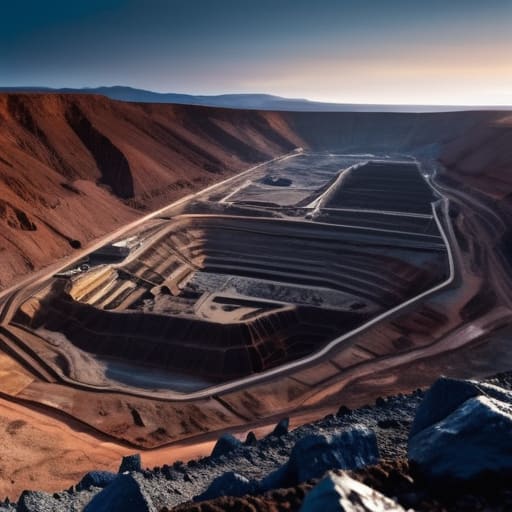
I remember sitting in my junior year thermodynamics lab at Georgia Tech, staring at a cathode scan that just didn’t add up. Everyone in the news was shouting about how electric vehicles were the ultimate “save the planet” miracle, but looking at those data points, I felt this massive disconnect. It’s easy to get swept up in the sleek, silent aesthetic of a new EV, but we need to stop glossing over the dirty reality of cobalt mining to make those batteries work. If we keep pretending that high-density energy storage is magically clean without addressing the human and environmental cost of the raw materials, we’re just trading one crisis for another.
I’m not here to give you a sanitized corporate slideshow or some vague “green future” manifesto. I want to pull back the curtain on the actual chemical dependency and the supply chain chaos that defines this industry. Over the next few sections, I’m going to break down the hard data behind cobalt mining and explain why the push for cobalt-free alternatives isn’t just a trend—it’s a technical necessity for a truly sustainable grid.
Table of Contents
- Unmasking the Drc Cobalt Mining Impact
- Navigating Critical Mineral Scarcity in the Real World
- How We Actually Fix the Cobalt Problem (Without Just Moving the Goalposts)
- The Bottom Line: Moving Beyond the Hype
- The Sustainability Paradox
- The Road Ahead: Beyond the Cobalt Crisis
- Frequently Asked Questions
Unmasking the Drc Cobalt Mining Impact

When you look at the data, the reality of the DRC cobalt mining impact isn’t just a footnote in a corporate CSR report; it’s the core of the problem. While big industrial mines are easier to monitor, a massive chunk of the material used in electric vehicle battery production comes from artisanal and small-scale mining. We’re talking about people, often including children, digging in unstable tunnels with basically zero safety gear just to scrape together enough ore to survive. It’s a brutal, unregulated ecosystem that sits right at the heart of our transition to clean energy.
The industry loves to talk about “green” tech, but that’s a hollow claim if we ignore the human cost embedded in our lithium-ion battery components. Right now, there is a massive gap in cobalt supply chain transparency. We can’t just pretend these minerals appear out of thin air through some magical, ethical process. If we’re going to actually scale this tech without losing our souls, we have to demand better. We need to move past the “out of sight, out of mind” mentality and push for responsible mineral procurement that actually protects the people at the very start of the chain.
Navigating Critical Mineral Scarcity in the Real World
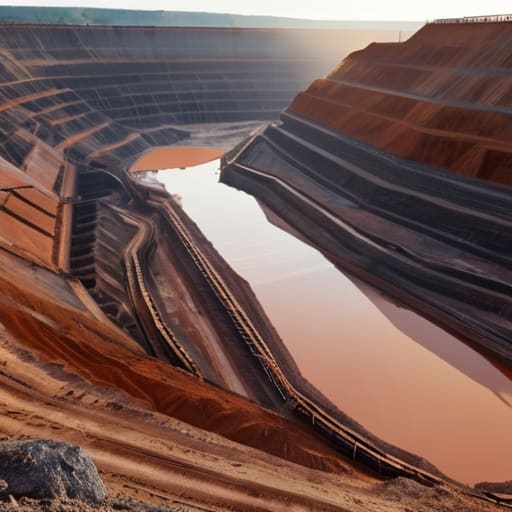
The reality is that we’re hitting a massive bottleneck. As we scale up electric vehicle battery production to meet global demand, we aren’t just fighting a technical battle; we’re fighting a math problem. The sheer volume of material required to move the needle on decarbonization is staggering, and right now, our ability to source these elements isn’t keeping pace with our ambitions. This isn’t just about high prices, though—it’s about the systemic risk of critical mineral scarcity stalling the entire energy transition before it even reaches its stride.
To fix this, we have to move past the “out of sight, out of mind” mentality. We need to stop treating the supply chain like a black box and start demanding real cobalt supply chain transparency. It’s not enough to just swap out a chemical formula in a lab; we have to build a logistics framework that prioritizes responsible mineral procurement from the ground up. If we can’t secure a steady, ethical flow of these raw materials, the dream of affordable, high-density storage is going to remain exactly that—a dream.
How We Actually Fix the Cobalt Problem (Without Just Moving the Goalposts)
- Prioritize LFP and Solid-State R&D: We can’t just keep tweaking the same old chemistry. If we want to dodge the cobalt trap entirely, we need to pour real capital into Lithium Iron Phosphate (LFP) and solid-state tech that doesn’t rely on these ethically messy supply chains.
- Demand Radical Traceability: “Conflict-free” is a buzzword that companies use to sleep better at night. We need blockchain-backed, end-to-end tracking from the specific mine site to the cell assembly plant so we actually know where every gram of cobalt is coming from.
- Standardize Battery Recycling Infrastructure: Right now, we’re treating old batteries like trash instead of urban mines. We need to build a closed-loop system where we reclaim cobalt from dead cells, making “new” mining a secondary necessity rather than the primary source.
- Stop Falling for “Green” PR: When a car manufacturer says they’re “committed to sustainability,” look at their actual cathode chemistry. If they aren’t showing a clear roadmap for reducing cobalt content per kWh, they’re just greenwashing the same old hardware.
- Support Diversified Sourcing and Localized Processing: Relying on a single geographic bottleneck is a recipe for grid instability. We need to incentivize ethical mining operations and processing facilities across more regions to break the monopoly and stabilize the market.
The Bottom Line: Moving Beyond the Hype
We can’t call EVs “clean” if we’re just outsourcing the environmental and human cost to the DRC; true sustainability requires a radical overhaul of how we source and audit our mineral supply chains.
The industry is hitting a massive bottleneck with mineral scarcity, meaning the winners won’t just be the companies with the best marketing, but the ones actually mastering battery chemistry and recycling tech.
The future of mobility depends on diversifying our battery chemistries—like pushing for cobalt-free LFP or solid-state breakthroughs—to break our current, dangerous dependency on a handful of volatile resources.
The Sustainability Paradox
“We can’t pretend we’re building a clean future if the very chemistry powering our EVs is built on a foundation of human rights violations and ecological damage; if the supply chain is broken, the tech isn’t actually ‘green,’ it’s just displaced.”
Desmond Achebe
The Road Ahead: Beyond the Cobalt Crisis

Look, we’ve spent this whole deep dive peeling back the layers of the cobalt problem, and the reality isn’t pretty. We’ve looked at the human cost in the DRC, the massive logistical headaches of mineral scarcity, and the way corporate PR often glosses over the messy supply chain that actually puts these batteries in our cars. It’s clear that we can’t just keep throwing more lithium-ion cells at the problem without addressing where the raw materials come from. If we don’t fix the extraction side of the equation, we’re essentially just trading one environmental catastrophe for another, and that’s a trade I’m not willing to make.
But here’s the thing: I’m still optimistic. We are currently seeing a massive surge in R&D for cobalt-free chemistries and much more robust recycling infrastructures that could eventually turn old batteries into a “closed-loop” urban mine. The transition to electric mobility is absolutely inevitable, but it has to be built on a foundation of actual sustainability, not just marketing buzzwords. We have the engineering talent and the data to do this right; we just need the collective will to demand better hardware. Let’s stop settling for “good enough” and start building the tech our generation actually deserves.
Frequently Asked Questions
Are we actually making progress with LFP (Lithium Iron Phosphate) batteries, or is cobalt still going to be the backbone of the industry for the next decade?
Look, if you’re looking for a single winner, you’re missing the nuance. LFP is absolutely crushing it in the mass market right now because it’s cheaper and sidesteps the whole cobalt ethics nightmare. It’s basically the “reliable workhorse” of the industry. But for high-performance EVs that need insane energy density, we’re still leaning on nickel and cobalt. We aren’t ditching cobalt tomorrow, but we’re definitely building a world where it isn’t the only option.
If the supply chain is this messy, what does a truly "circular economy" for battery recycling actually look like in practice?
A real circular economy isn’t just throwing old cells into a shredder and hoping for the best. It’s about “closed-loop” hydrometallurgy—using chemical processes to recover lithium, nickel, and cobalt at battery-grade purity so they can go straight back into new cathodes. We need to design batteries for disassembly from day one, not just for performance. If we can’t reclaim the chemistry efficiently, we’re just trading one mining crisis for another.
Beyond just the ethical issues, how much is cobalt volatility actually slowing down the rollout of affordable, mass-market EVs?
It’s a massive bottleneck. When cobalt prices spike, it’s like a sudden tax on every single kilowatt-hour we try to pack into a cell. For mass-market EVs, where margins are razor-thin, that volatility makes it impossible for manufacturers to commit to long-term, affordable pricing. We’re stuck in this loop where the chemistry we need for stability is also the very thing making the final sticker price too high for the average person to actually buy.
