I remember sitting in a Georgia Tech lab, staring at a microscopic view of a degraded cell, realizing that all the sleek, minimalist marketing for EVs meant nothing if the raw materials were a disaster. Everyone loves to talk about the “clean” revolution, but there’s this massive, uncomfortable elephant in the room that corporate PR teams try to sweep under the rug: the messy, resource-heavy reality of lithium mining. We’ve been sold this fairytale that switching to electric is a magic wand that instantly deletes our environmental footprint, but if we don’t address the ecological cost of pulling these minerals out of the earth, we’re just trading one crisis for another.
I’m not here to give you another glossy brochure or a list of vague “green” promises. I want to pull back the curtain on the actual hardware and the supply chain that makes our modern world possible. In this post, I’m going to break down the technical realities of extraction, the chemical trade-offs we face, and what genuine sustainability actually looks like in a world hungry for high-density energy. No hype, no greenwashing—just the data and the grit behind the cells.
Table of Contents
- Hard Rock vs Brine Lithium the Real Chemistry Matters
- Decoding the Spodumene Mining Process for True Sustainability
- Moving Beyond the Hype: 5 Ways to Spot Real Progress in Lithium Sourcing
- The Bottom Line on Lithium Extraction
- The Sustainability Gap
- The Bottom Line on the Lithium Race
- Frequently Asked Questions
Hard Rock vs Brine Lithium the Real Chemistry Matters
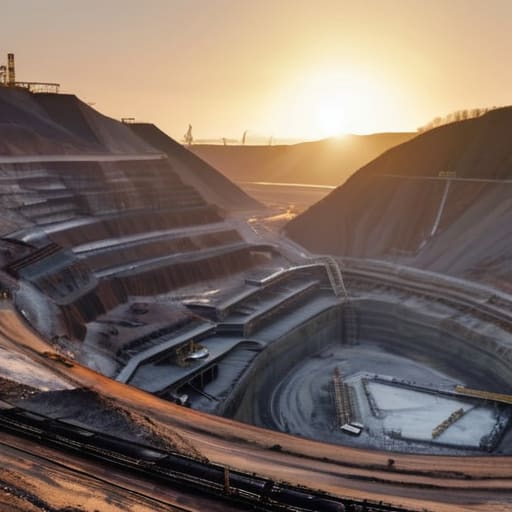
When you look at the supply chain, you realize it isn’t just one big bucket of lithium; it’s a split between two completely different chemical battles. On one side, you have the spodumene mining process, which is essentially traditional hard rock mining. It’s a heavy-duty operation where we dig up minerals and use intense heat to crack the ore. It’s reliable and fast, but it’s incredibly energy-intensive. If we’re trying to decarbonize the grid, there’s a certain irony in using massive amounts of thermal energy just to get the raw materials for a battery.
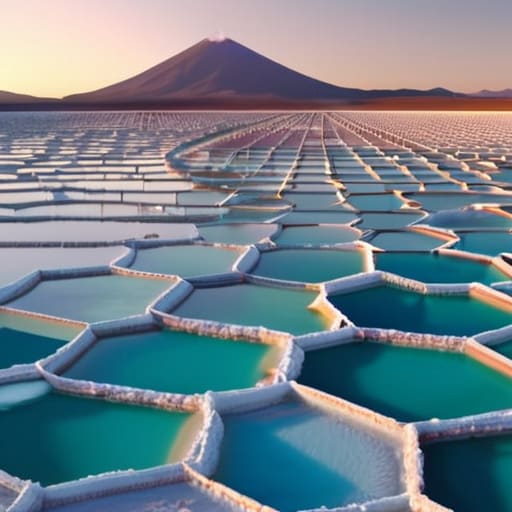
On the other hand, you’ve got the brine method, which is more like massive solar evaporation ponds in the Andes. While it feels “softer” than digging holes, it’s a different kind of headache because of the water usage. This is where the debate over hard rock vs brine lithium gets heated. Brine is cheaper and uses less direct energy, but it can mess with local water tables in already arid regions. As the EV battery metal demand continues to skyrocket, we can’t just pick the “easiest” one; we have to weigh the chemical efficiency against the actual ecological footprint.
Decoding the Spodumene Mining Process for True Sustainability
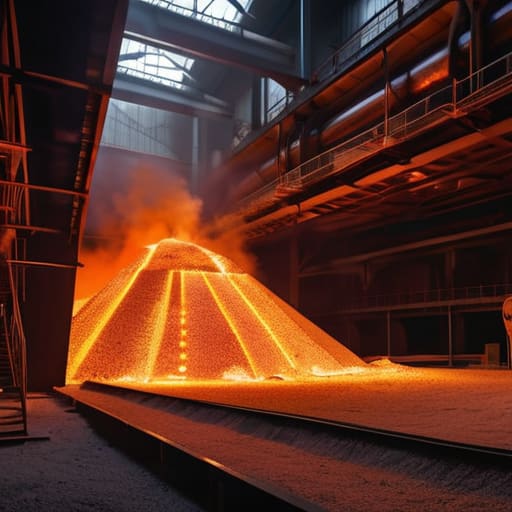
When we talk about the spodumene mining process, we’re moving away from the liquid brine pools of South America and into the heavy-duty world of hard rock. Spodumene is a mineral found in pegmatite ores, and extracting it is a massive mechanical undertaking. First, you’re looking at crushing tons of rock into fine powder, which is then subjected to intense heat in a process called calcination. This isn’t just some gentle chemical rinse; it’s an energy-intensive thermal transformation required to convert the alpha-spodumene into a more reactive beta-form.
The catch here is that this method is a double-edged sword. While it provides a more concentrated source of ore to meet the skyrocketing ev battery metal demand, the sheer amount of energy required for crushing and heating is a massive hurdle for true sustainability. If the grid powering these mines isn’t decarbonized, we’re basically just trading one carbon problem for another. We need to push for more efficient closed-loop processing to ensure that the spodumene route doesn’t become a bottleneck for our green transition.
Moving Beyond the Hype: 5 Ways to Spot Real Progress in Lithium Sourcing
- Demand transparency on extraction methods, not just “carbon neutral” claims. A company saying they’re green is easy; a company showing you their water-use-to-lithium ratio in the Salar de Atacama is actually doing the work.
- Look for the shift toward Direct Lithium Extraction (DLE). If we’re stuck using massive evaporation ponds that suck local aquifers dry, we’re just trading one environmental crisis for another. DLE is the technical pivot we actually need.
- Prioritize closed-loop systems. We can’t just keep digging holes in the ground forever. The real win happens when we integrate mining with robust recycling infrastructure so that the lithium we’ve already pulled out stays in the supply chain.
- Watch the energy source of the mine itself. It doesn’t matter how efficient the chemistry is if the spodumene processing plant is running on a coal-heavy grid. True sustainability requires a decarbonized mining footprint from day one.
- Vet the “social license” of the operation. As an engineer, I care about the hardware, but the hardware doesn’t matter if the local communities are being stripped of their water rights. Sustainable tech has to be socially sustainable, or it’s just bad business.
The Bottom Line on Lithium Extraction
We can’t just pick a “favorite” extraction method; we have to recognize that while brine is more water-intensive, spodumene mining carries a much heavier carbon footprint due to the energy required for crushing and heat processing.
Real sustainability isn’t about finding a perfect mine, but about closing the loop through aggressive recycling and making sure the chemistry we choose actually allows for a circular lifecycle.
If we want to move past the greenwashing, the industry needs to stop treating lithium supply as a simple logistics problem and start treating it as a complex chemical engineering challenge that requires massive infrastructure transparency.
The Sustainability Gap
We can’t just swap a tailpipe for a battery and call it a win; if the lithium we’re pulling out of the ground is destroying local ecosystems in the process, we aren’t actually solving the energy crisis—we’re just relocating it.
Desmond Achebe
The Bottom Line on the Lithium Race
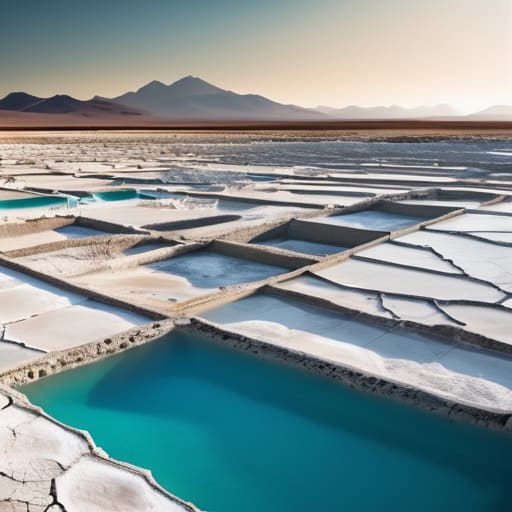
At the end of the day, there is no magic bullet. Whether we’re looking at the massive water footprints of brine extraction in the salt flats or the energy-intensive crushing required for spodumene hard-rock mining, every gram of lithium comes with a geological price tag. We’ve spent this article stripping away the marketing gloss to show that the “green” in electric vehicles isn’t an inherent property of the car—it’s a result of how we manage the supply chain. If we don’t optimize these extraction processes and push for circular battery economies, we’re just swapping one environmental crisis for another.
I’m not a pessimist, but I am a realist. I grew up watching gas guzzlers clog up my neighborhood, and I know the transition to electric is non-negotiable if we want to survive. But we can’t build a sustainable future on a foundation of unaccountable extraction. We need to demand better chemistry, smarter recycling, and more transparent mining standards. The hardware that powers our future is being built right now, and it’s our job to make sure that hardware is actually built to last without breaking the planet in the process.
Frequently Asked Questions
If brine extraction is supposedly "cleaner," how do we stop it from completely draining the water tables in places like the Lithium Triangle?
That’s the million-dollar question, and honestly, “cleaner” is a massive stretch if we don’t account for the hydrological footprint. We can’t just call brine extraction a win because it lacks the heavy crushing required for spodumene. To stop the desert from turning into a dust bowl, we need to pivot toward Direct Lithium Extraction (DLE). It’s more complex, but it allows us to reinject the spent brine back into the aquifer instead of just letting it evaporate into nothing.
Are we actually getting closer to a circular economy, or is recycling just a buzzword while we keep digging more holes in the ground?
Honestly? We’re in a messy middle ground. Right now, it feels like a buzzword because the sheer volume of new EV batteries hitting the road is outpacing our recycling infrastructure. We’re still digging holes because we need that immediate scale. But the tech for closed-loop recovery—actually pulling high-purity nickel and lithium back out of old cells—is getting real. We aren’t a circular economy yet, but we’re finally building the hardware to get there.
Can solid-state batteries actually solve the supply chain mess, or are they just going to trade one mineral dependency for another?
Look, solid-state is the holy grail for energy density, but let’s not pretend it’s a magic wand. While we might ditch some of the liquid electrolyte components, we’re still playing a game of musical chairs with minerals. If we swap liquid electrolytes for solid ceramics, we might just swap lithium-ion dependencies for a massive hunger for lanthanum or even more specialized lithium salts. It’s not a total escape; it’s just a different chemical puzzle to solve.
