
I remember sitting in a Georgia Tech lab at 2:00 AM, staring at a series of degradation curves that just didn’t make sense, while a tech blog on my second monitor was screaming about how “lithium is the new oil.” It’s such a massive, oversimplified lie. Everyone wants to talk about the “gold rush” of the lithium supply chain like it’s some seamless pipeline of shiny new batteries, but they completely ignore the actual chemical bottlenecks and the messy, logistical nightmares happening on the ground. If we keep treating this like a marketing slogan instead of a complex engineering problem, we’re going to hit a wall before the decade is even out.
I’m not here to sell you on the corporate greenwashing or the speculative stock hype. My goal is to pull back the curtain on the real hardware and raw materials required to actually move the needle. I’m going to break down where the materials are actually coming from, why the refining process is such a massive hurdle, and what the actual infrastructure needs to look like if we want electric mobility to be more than just a luxury for the few.
Table of Contents
The Real Chemistry of Lithium Extraction Methods

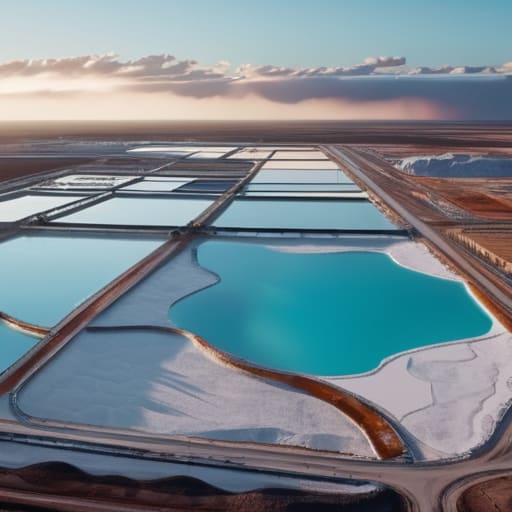
When we talk about getting lithium out of the ground, we aren’t just talking about digging a hole. It’s a massive tug-of-war between two very different chemical approaches: brine vs spodumene processing. If you’re looking at the salt flats in the Lithium Triangle, you’re dealing with brine—essentially pumping mineral-rich water into massive evaporation ponds. It’s relatively cheap, but it’s incredibly slow and uses a staggering amount of water in regions that are already bone-dry. It’s a massive environmental trade-off that most corporate PR departments conveniently gloss over.
On the flip side, you have hard-rock mining, specifically spodumene. This is much faster and more reliable for meeting the aggressive timelines of current ev battery manufacturing trends, but it’s energy-intensive and requires heavy-duty crushing and chemical roasting. From my time in the labs, I can tell you that the purity of that output is everything. If the chemical refining isn’t precise, the whole cell fails. We can’t just focus on the volume of material; we have to focus on the chemical integrity of the feedstock if we actually want stable, long-lasting batteries.
Navigating the Chaos of Lithium Market Volatility
If you look at the price charts for lithium over the last few years, it looks less like a steady market and more like a heart monitor during a caffeine overdose. One month, everyone is panicking about shortages and driving prices through the roof; the next, we’re staring at a surplus that makes investors sweat. This isn’t just some abstract financial headache, though. For those of us watching ev battery manufacturing trends, this volatility is a massive bottleneck. When the cost of raw material swings wildly, it makes it nearly impossible for manufacturers to lock in long-term pricing for the cells that eventually end up in your car.
The real headache lies in the disconnect between the upstream and downstream lithium sectors. We have mining companies playing the long game with massive capital expenditures, while battery makers are trying to hit quarterly production targets with hyper-sensitive margins. This friction creates a massive gap in critical mineral security. We can’t just flip a switch and scale up production if the price of spodumene or brine is bouncing around like a pinball every time a new trade policy gets whispered about in Brussels or D.C.
How to Actually Read the Lithium Market Without Getting Burned
- Stop following the hype cycles. When a massive headline claims a new “miracle” extraction method is about to disrupt everything, check the TRL (Technology Readiness Level). If it’s still stuck in a lab at Georgia Tech and hasn’t hit pilot-scale production, it’s not fixing your supply chain issues today.
- Watch the refining, not just the mining. Everyone obsesses over the lithium brine or the spodumene ore, but the real bottleneck is the chemical processing. If we can’t turn raw ore into battery-grade lithium carbonate or hydroxide efficiently, the whole chain stays choked.
- Keep an eye on the “Circular Economy” math. We need to stop treating batteries like disposable tech. Real sustainability means designing for disassembly so we can reclaim that lithium at the end of a vehicle’s life, rather than just digging more holes in the ground.
- Diversify your perspective beyond the “Lithium Triangle.” Relying solely on a few geographic regions for raw material is a recipe for grid instability. We need to see more investment in domestic processing and alternative extraction tech to de-risk the entire transition.
- Look for vertical integration. The companies that are actually going to win aren’t just mining; they’re securing direct partnerships from the pit to the cathode. If a manufacturer doesn’t have a clear line of sight into their raw material source, they’re just gambling on volatility.
The Bottom Line: Moving Past the Hype
We need to stop treating lithium like a magic bullet and start treating it like the finite, complex chemical resource it is—that means prioritizing extraction methods that don’t wreck local ecosystems just to meet a quarterly quota.
Market volatility isn’t just a headache for investors; it’s a massive bottleneck for grid stability and EV adoption, meaning we need much more transparent, localized supply chains to keep costs from spiking every time there’s a geopolitical hiccup.
Real sustainability won’t come from better marketing or “green” slogans, it’ll come from the boring, hard work of scaling solid-state tech and perfecting circular recycling infrastructure so we aren’t just digging new holes in the ground forever.
## The Infrastructure Gap
“Everyone wants to talk about the sexy part—the EVs zooming down the highway—but if we don’t solve the gritty, unglamorous logistics of moving raw lithium from a brine pool to a cathode factory, we’re just building a high-tech house on a foundation of sand.”
Desmond Achebe
The Bottom Line on the Lithium Race
Look, we’ve moved past the stage where we can just pretend that “going green” is a simple software update. As we’ve seen, the reality is a messy collision of complex chemical extraction processes and a market that swings more wildly than a high-voltage surge. We can’t ignore the environmental footprint of brine mining or the massive logistical headaches that come with scaling up production. If we want to move from niche luxury EVs to a truly electrified grid, we have to stop treating the lithium supply chain like a theoretical problem and start treating it like the critical infrastructure bottleneck it actually is. Success isn’t going to come from clever marketing; it’s going to come from stabilizing the chemistry and the supply.
I’m not a cynic, but I am a realist. I’ve spent enough hours in labs staring at degradation curves to know that nothing in this industry is free. However, the transition is still happening, and it’s happening faster than my parents’ generation ever thought possible. The hardware is getting better, the density is increasing, and the roadmap is finally becoming clear. We just need to ensure that the foundation we’re building on is actually solid. If we get the lithium piece right—the extraction, the recycling, and the stability—we aren’t just building better cars; we are powering a permanent shift in how humanity moves. Let’s get to work on the real science.
Frequently Asked Questions
If we finally fix the extraction mess, are we actually going to see a drop in EV battery prices, or is corporate markup going to keep them out of reach?
Look, if we streamline extraction, the raw material costs will definitely drop, but don’t expect an immediate windfall for consumers. We’re fighting two battles: the chemistry and the margins. Even if lithium becomes cheaper to pull out of the ground, corporations love a high-margin environment. My bet? We’ll see a massive price dip in the mid-range segment first, but until the supply chain is actually decentralized, those “green” premiums are going to keep sticking.
Beyond just lithium, how much of a bottleneck are the other raw materials like cobalt and nickel going to be for the next generation of solid-state cells?
If we think lithium is a headache, cobalt and nickel are the real migraines waiting to happen. For solid-state cells to actually scale, we can’t just swap one dependency for another. Cobalt is a massive ethical and supply bottleneck, which is why everyone is pivoting toward high-nickel or even cobalt-free chemistries. It’s a balancing act: you want the energy density, but you can’t build a future on materials that are too volatile or too dirty to source.
Is there a realistic path toward a circular economy where we actually recycle these dead packs, or are we just creating a massive mountain of battery waste for the next decade?
Look, if we keep treating batteries like disposable tech, we’re absolutely heading toward a graveyard of dead cells. But a circular economy isn’t just a buzzword; it’s a massive engineering challenge. Right now, the “black mass” recovery process is messy and expensive, but the math works if we scale. We need to design packs for disassembly, not just for aesthetics. If we nail the recycling infrastructure now, we turn waste into a closed-loop mine.
