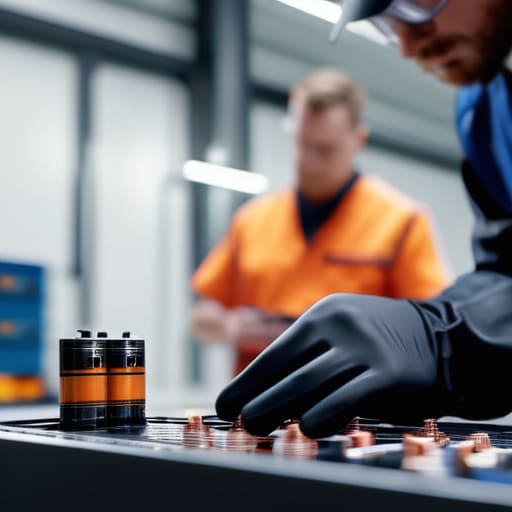
I remember sitting in a windowless lab at Georgia Tech, surrounded by half-disassembled lithium cells and the faint, ozone smell of a short circuit, realizing that everyone was obsessed with making batteries bigger when nobody was talking about how to actually plug them in. The industry loves to throw around buzzwords like “smart charging,” but most of the high-level discussions around grid integration feel like they’re written by people who have never actually had to balance a load on a transformer during a heatwave. We’re so focused on the chemistry inside the cell that we’re completely ignoring the massive hardware bottleneck waiting for us at the substation.
I’m not here to sell you on some utopian, software-only solution that promises to fix everything with an app. In this post, I’m going to strip away the corporate greenwashing and look at the actual engineering hurdles we face. We’re going to talk about the real-world physics of managing peak demand and why our current infrastructure is dangerously unprepared for the massive influx of EVs. If you want the unvarnished truth about how we actually connect these high-density energy stores to a crumbling legacy system, you’re in the right place.
Table of Contents
- Why Smart Grid Infrastructure Is Our Only Real Lifeline
- The Brutal Truth About Grid Stability and Reliability
- Hard Truths: How We Actually Bridge the Gap Between EVs and the Grid
- The Bottom Line: What We Actually Need to Fix
- ## The Hardware Gap
- The Bottom Line on Grid Integration
- Frequently Asked Questions
Why Smart Grid Infrastructure Is Our Only Real Lifeline
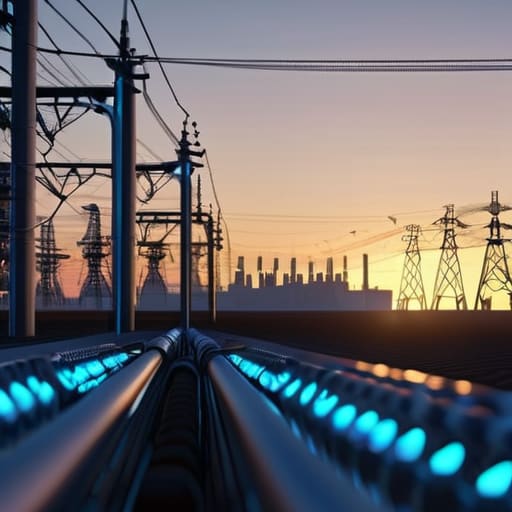
Look, we can talk about solid-state batteries and faster charging speeds all day, but if the underlying hardware can’t handle the surge, none of that chemistry matters. Right now, our current setup is basically a one-way street designed for a world that doesn’t exist anymore. If we just plug millions of high-capacity EVs into a legacy system without any real intelligence, we aren’t just risking blackouts—we’re inviting a total collapse of grid stability and reliability. We can’t just keep adding more load to a brittle foundation and hope for the best.
This is where the shift toward decentralized power systems becomes non-negotiable. We need to move away from this massive, centralized “top-down” model and start treating every EV and home battery as an active participant in the network. By leveraging things like virtual power plants technology, we can actually turn a potential liability—the massive draw of EV charging—into a massive asset. It’s about turning a bunch of parked cars into a distributed, intelligent buffer that can smooth out the peaks and valleys of daily demand.
The Brutal Truth About Grid Stability and Reliability

Here’s the thing: we can keep talking about how cool new EVs look, but if we don’t address grid stability and reliability, we’re basically building a high-tech house on a foundation of sand. When you dump a massive amount of demand onto a system designed for predictable, steady loads, you’re playing a dangerous game with frequency regulation. If everyone in a single neighborhood plugs in their chargers at 6:00 PM, we aren’t just looking at higher bills; we’re looking at potential local transformer failures and voltage swings that can wreck sensitive electronics.
The math just doesn’t work with our current centralized model. We can’t just keep building more massive, single-source power plants and hoping for the best. The real fix requires a massive shift toward decentralized power systems that can actually respond to real-time fluctuations. We need to stop treating the grid like a one-way street and start treating it like a living, breathing organism that can balance itself through intelligent, localized hardware. Anything less is just delaying the inevitable crash.
Hard Truths: How We Actually Bridge the Gap Between EVs and the Grid
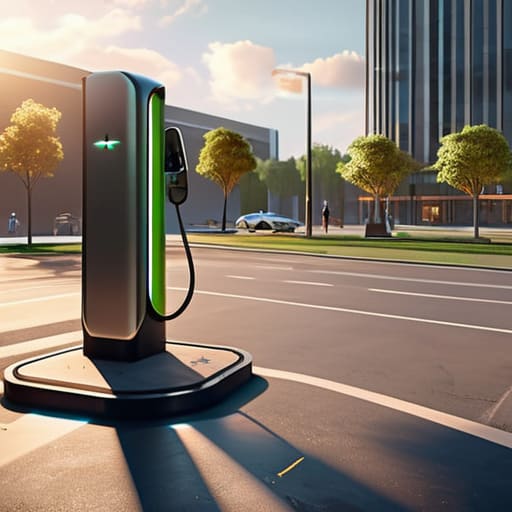
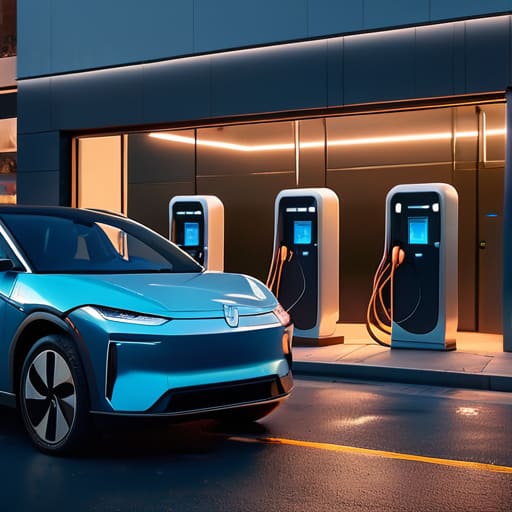
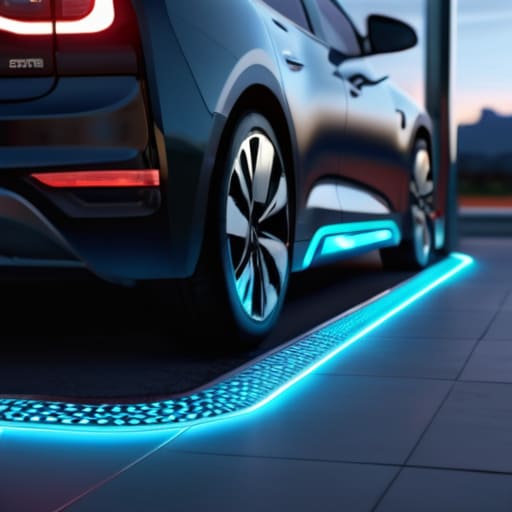
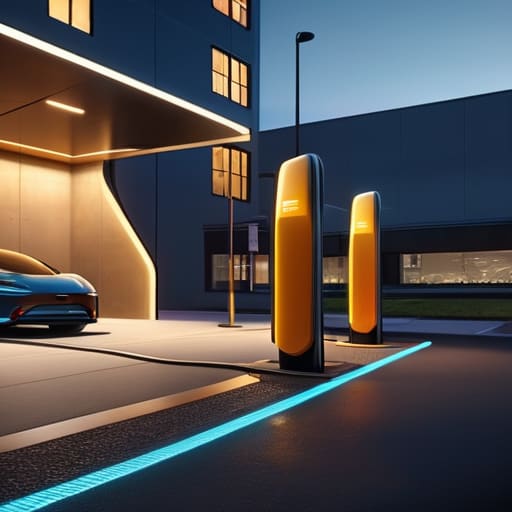
- Stop treating charging stations like glorified wall outlets. If we want to avoid local transformer blowouts, we need to prioritize bidirectional charging (V2G) so parked EVs can act as distributed buffers rather than just massive, unmanaged loads.
- We have to move past the “dumb” charging model. Implementing automated demand response isn’t just a luxury; it’s the only way to shift heavy charging sessions to off-peak hours without forcing every driver to manually plug in at 3 AM.
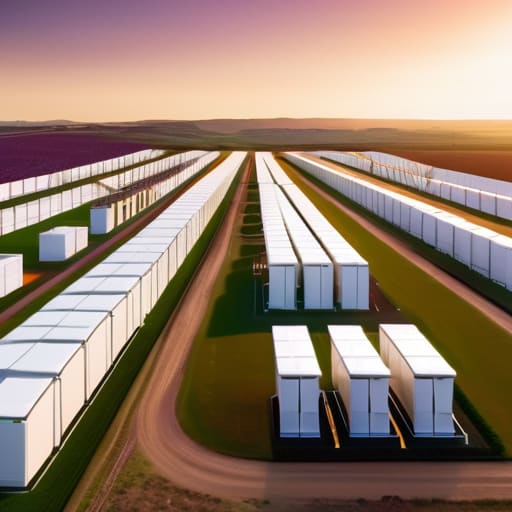
- Decentralization is the name of the game. Instead of relying solely on massive, centralized power plants, we need to integrate microgrids and localized storage at the neighborhood level to manage the voltage fluctuations that come with high-density EV clusters.
- Invest in edge computing for grid management. We can’t wait for a signal to travel back to a central utility hub to decide how to balance a sudden surge in demand; the hardware at the substation needs to be smart enough to make those calls in real-time.
- Demand transparency in battery chemistry and lifecycle data. For the grid to be truly resilient, we need to know exactly how much capacity we can reliably draw from various battery chemistries—like LFP versus NMC—without compromising the long-term health of the vehicle’s cells.
The Bottom Line: What We Actually Need to Fix
We have to stop viewing the grid as a passive pipe that just delivers juice; it needs to become a dynamic, bi-directional system that can actually “talk” to EVs and storage units in real-time.
Scaling EV adoption without massive investment in localized hardware—like smart transformers and decentralized storage—is just a recipe for localized brownouts and a lot of broken promises.
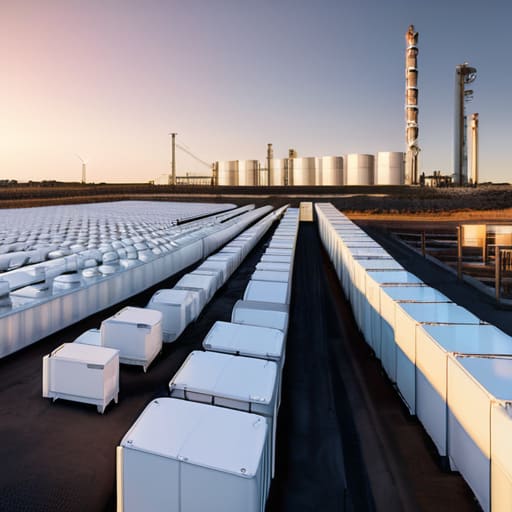
Sustainability isn’t just about the chemistry inside the battery cell; it’s about the integrity of the entire ecosystem, from the way we manage peak loads to how we integrate heavy-duty storage into the existing infrastructure.
## The Hardware Gap
“We can design the most insane, high-density solid-state cells in the world, but if our grid is still running on 20th-century logic, those batteries are just expensive paperweights waiting for a blackout. Integration isn’t a software patch; it’s a fundamental hardware overhaul.”
Desmond Achebe
The Bottom Line on Grid Integration
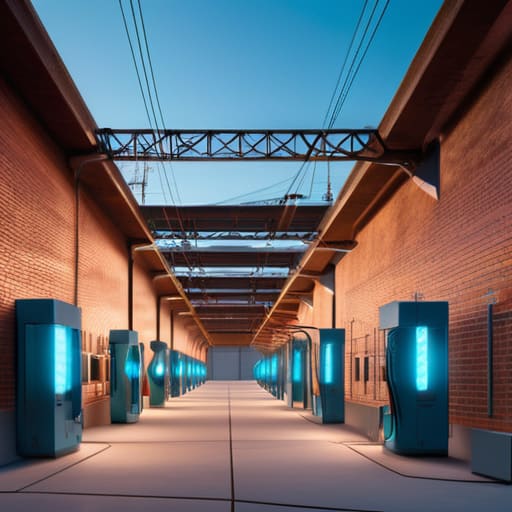
Look, we can’t just keep dreaming about a world of seamless electric mobility if we ignore the physical constraints of our current system. We’ve talked about why smart infrastructure is non-negotiable and why grid stability isn’t just a buzzword—it’s the literal foundation of everything we’re trying to build. If we don’t solve the synchronization between massive EV loads and our aging distribution hardware, we’re just building a high-tech house on a crumbling foundation. We need to move past the “it’ll figure itself out” mentality and start investing in the heavy-duty hardware and intelligent software required to manage these massive energy shifts in real-time.
At the end of the day, the chemistry inside a battery cell is only as good as the grid that feeds it. I’m optimistic because the tech is moving faster than anyone predicted, but I’m skeptical of anyone who says this transition will be easy or cheap. We are essentially re-wiring the planet while it’s still running. It’s a massive, complex, and honestly terrifying engineering challenge, but it’s also the most important one of our lives. If we get the integration right, we aren’t just changing how we drive; we are permanently decoupling our mobility from carbon. Let’s stop chasing the hype and start building the actual infrastructure that makes it possible.
Frequently Asked Questions
If we actually scale up EV adoption, are we looking at a total transformer overhaul or can software-defined smart grids actually bridge the gap?
Look, the honest answer is: we need both. Relying solely on software to “optimize” an aging, physical transformer that’s already redlining is just asking for a blackout. You can’t patch a hardware bottleneck with a clever algorithm. Software-defined grids are great for balancing loads, but if the physical copper and iron can’t handle the peak current, the math doesn’t matter. We need smarter software, sure, but we also need a massive hardware upgrade.
How much of the stability issue is actually about peak demand, and how much is it about the chemical volatility of relying on intermittent renewables?
It’s a bit of both, but they aren’t the same problem. Peak demand is a massive logistical headache—it’s basically a traffic jam for electrons. But the chemical volatility of renewables is the deeper, more technical beast. When the sun drops or the wind dies, we aren’t just losing power; we’re losing the frequency stability that keeps the grid from crashing. Without massive, high-density storage to buffer that intermittency, we’re essentially trying to run a precision machine on a flickering heartbeat.
What's the real-world roadmap for V2G (Vehicle-to-Grid) tech—is it a viable way to buffer the grid, or is it just a way for manufacturers to exploit our car batteries?
Look, V2G isn’t a conspiracy to kill your battery, but it’s also not a magic wand. The roadmap depends on bidirectional chargers and smart software that prevents deep cycling. If we manage the discharge rates and limit depth-of-discharge, we can use EVs as massive, distributed shock absorbers for the grid. But if manufacturers don’t standardize the protocols, it’ll just be a mess of proprietary walled gardens that leave us with nothing.