
I still remember the smell of scorched lithium in my Georgia Tech lab during my junior year—that sharp, metallic scent that tells you a cell is about to go rogue. I was working on a prototype pack, and despite all the theoretical math, the heat just wouldn’t stay in check. It’s the same way I see the industry acting today: everyone is obsessed with increasing energy density and chasing higher mileage, but they’re treating thermal management systems like an afterthought or a luxury add-on. We keep pushing more power into tighter spaces without respecting the basic laws of thermodynamics, and frankly, it’s a recipe for disaster if we actually want these vehicles to be sustainable.
I’m not here to sell you on the glossy marketing brochures or the vague promises of “next-gen” cooling. In this post, I’m stripping away the corporate greenwashing to look at the actual hardware. I’ll show you why effective thermal management systems are the true gatekeepers of battery longevity and why we need to stop prioritizing raw specs over real-world stability.
Table of Contents
- Why Active vs Passive Cooling Dictates Real World Range
- The Critical Role of Thermal Interface Materials in Hardware
- How to Actually Vet Battery Cooling Specs (Without Getting Fooled by Marketing)
- The Bottom Line on Thermal Stability
- The Real Cost of Ignoring the Heat
- The Bottom Line on Heat
- Frequently Asked Questions
Why Active vs Passive Cooling Dictates Real World Range
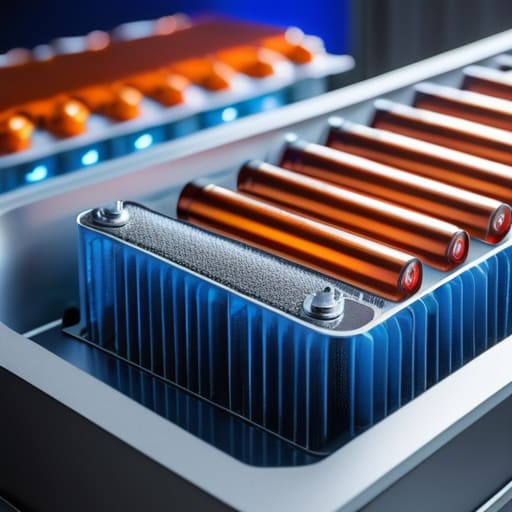
When you’re looking at spec sheets, manufacturers love to talk about peak power, but they rarely mention how that power behaves after twenty minutes of spirited driving. This is where the distinction between active vs passive cooling becomes the difference between a reliable commuter and a glorified paperweight. Passive systems—basically just relying on heat sinks and natural convection—are great for keeping things light and cheap, but they fail the moment you put a real load on the cells. If you’re climbing a steep grade in 90-degree heat, a passive setup just can’t move energy away fast enough, leading to internal resistance that kills your efficiency.
That’s why I’m such a stickler for liquid-cooled architectures. By using dedicated pumps and coolant loops, we can maintain a much tighter temperature window, which is the holy grail of electric vehicle battery thermal regulation. It’s not just about keeping the car from feeling sluggish; it’s about preventing the kind of uneven temperature gradients that lead to accelerated degradation. If we don’t master these heat dissipation techniques now, we’re just building EVs that lose half their range the second the weather turns sour.
The Critical Role of Thermal Interface Materials in Hardware

When we talk about battery packs, everyone focuses on the big components—the cells and the cooling plates—but they usually overlook the “glue” holding the whole thermal strategy together. This is where thermal interface materials (TIMs) come into play. Think of it like this: even if you have a high-end liquid cooling loop, if there’s a microscopic air gap between your cell and the cold plate, that air acts as an insulator. Air is terrible at moving heat. Without high-quality TIMs to fill those gaps, you’re basically trying to run a marathon while wearing a heavy winter coat.
If the connection isn’t seamless, you aren’t just losing efficiency; you’re inviting disaster. Poor heat transfer creates localized hot spots, which is the fast track to thermal runaway prevention failing when you need it most. I’ve seen enough lab data to know that even a slight increase in contact resistance can cause a cell to spiral out of control. We can’t just rely on fancy software to manage temperatures if the physical hardware isn’t actually moving the heat away from the chemistry fast enough.
How to Actually Vet Battery Cooling Specs (Without Getting Fooled by Marketing)
- Don’t just look at peak cooling capacity; look at the thermal recovery rate. It doesn’t matter if a system can cool a battery down from 60°C to 30°C if it takes twenty minutes of driving to get there. You need a system that can keep up with aggressive discharge cycles, not just one that looks good on a static spreadsheet.
- Watch out for “passive-only” claims in high-performance builds. While passive cooling is great for simplicity and weight, it’s basically a ticking time bomb for cell degradation if you’re pushing high C-rates. If the application involves fast charging or heavy loads, you absolutely need an active liquid or phase-change component to prevent localized hot spots.
- Pay attention to the uniformity of the temperature gradient across the pack. If your cooling plate is efficient at the edges but leaves the center cells running ten degrees hotter, you’re essentially baking your battery from the inside out. Uneven heat leads to uneven aging, which kills your total pack capacity way faster than you’d expect.
- Demand transparency on how the system handles extreme ambient lows, not just highs. A lot of the “innovative” thermal management I see focuses entirely on preventing overheating, but if the system can’t efficiently scavenge heat to keep the chemistry active in a sub-zero winter, your energy density is going to tank the moment you hit the highway.
- Check the complexity of the plumbing and pump integration. In my experience restoring old e-skateboards, the simplest failure point is always the fluid loop. If a thermal management system is so over-engineered that a single sensor failure or a tiny leak bricks the entire pack, it’s not a sustainable solution—it’s a liability.
The Bottom Line on Thermal Stability
Stop looking at range as just a battery capacity number; if your thermal management system can’t handle high-discharge loads, that massive kWh rating is basically useless in real-world driving.
We need to move past the “set it and forget it” mentality with passive cooling and start demanding smarter, active systems that actually respect the chemistry of the cells they’re protecting.
True sustainability in EVs isn’t just about the minerals we mine, it’s about the hardware efficiency—better thermal management means slower degradation, longer lifespans, and less electronic waste in the long run.
The Real Cost of Ignoring the Heat
“We can talk about energy density and fancy solid-state breakthroughs all day, but if your thermal management system is just a glorified radiator, you’re basically building a high-performance engine that’s designed to cook itself. Real sustainability isn’t just about how much juice you can cram into a cell; it’s about how long you can keep that chemistry stable under actual, punishing real-world loads.”
Desmond Achebe
The Bottom Line on Heat
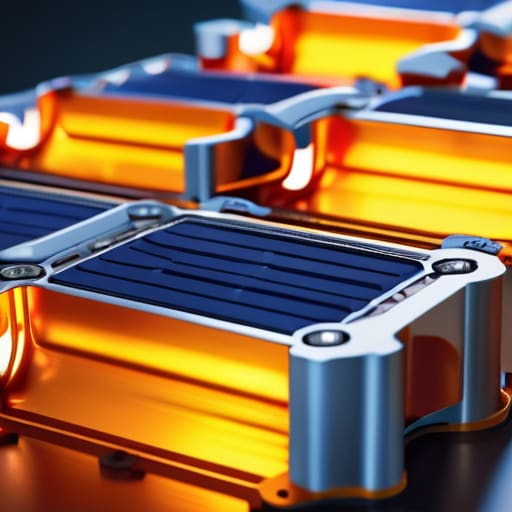
At the end of the day, we can’t keep treating thermal management like an afterthought or a “nice-to-have” luxury feature. Whether we’re talking about the difference between active and passive cooling or the precise way thermal interface materials move heat away from the cells, the physics don’t lie. If we ignore the thermal reality of these packs, we’re just building expensive paperweights that degrade faster than we can replace them. To move past the current limitations of EVs, we have to prioritize robust, hardware-first cooling solutions that can handle the brutal reality of high-discharge cycles and extreme ambient temperatures.
I know it’s easy to get lost in the hype of new solid-state promises or massive range numbers, but the real revolution isn’t going to happen in a marketing department—it’s going to happen in the chemistry and the cooling loops. We need to stop settling for “good enough” and start demanding the kind of thermal engineering that makes high-density storage truly sustainable for the long haul. If we get the thermal management right, we aren’t just making better cars; we are building the reliable infrastructure required to finally decouple our mobility from the fossil fuel era.
Frequently Asked Questions
If we're moving toward solid-state batteries, does that actually solve the thermal management headache, or are we just swapping one set of cooling problems for another?
Look, solid-state is the holy grail, but don’t let the hype fool you into thinking we can just ditch the cooling rigs. While replacing liquid electrolytes with solid ones significantly lowers the risk of thermal runaway—meaning less chance of a catastrophic fire—it doesn’t eliminate heat. In fact, solid-state cells often need higher operating temperatures to maintain optimal ionic conductivity. We aren’t deleting the headache; we’re just trading fire prevention for more precise temperature control.
How much of a hit am I actually taking on my driving range during a heatwave just to keep the pack from degrading?
It’s a brutal trade-off. During a heatwave, your car’s BMS (Battery Management System) goes into overdrive, diverting significant energy from the drive motors to run the cooling pumps and fans. You aren’t just losing range to the ambient heat; you’re losing it to the very system trying to save your battery from permanent capacity loss. Depending on the car’s thermal efficiency, you could see a 10-15% hit in range just to keep those cells from cooking.
Can we actually scale liquid cooling for mass-market EVs without making the cars too expensive or heavy for the average person to buy?
That’s the million-dollar question. Right now, liquid cooling is a luxury because of the complexity—pumps, hoses, and coolant loops add weight and cost. But we can’t just stick to passive air cooling and hope for the best; that’s a recipe for cell degradation. The real path to scaling is through integrated thermal manifolds and simplified “plug-and-play” cooling plates. If we can standardize these components, we can bring the cost down without turning every EV into a heavy, expensive tank.
