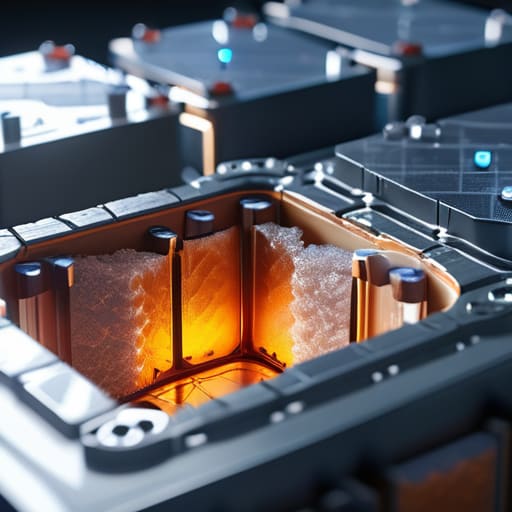
I still remember the first time I tried to ride my custom electric skateboard through a brutal Atlanta winter. I had just finished a week of tweaking the cells in the lab, feeling pretty confident in my build, until the temperature dropped and my range literally vanished into thin air. It wasn’t just a minor dip; it was a total system meltdown. Most people think the “range anxiety” they feel in the cold is just some psychological quirk, but it’s actually a brutal reality of ev battery temperature sensitivity. We spend so much time obsessing over how fast a car can go 0-60, but we completely ignore how the chemistry inside those cells reacts when the mercury hits freezing.
I’m not here to sell you on some vague corporate promise that “next-gen tech” will fix everything by 2030. Instead, I want to pull back the curtain on the actual hardware. We’re going to look at the real chemistry behind why lithium ions get sluggish in the cold and what thermal management systems are actually doing to keep your ride alive. No fluff, no marketing jargon—just the data-driven truth about how to manage your energy when the weather isn’t cooperating.
Table of Contents
Winter Range Anxiety and the Lithium Ion Struggle
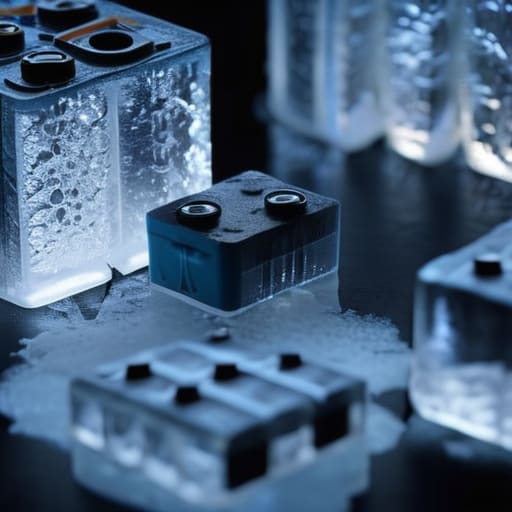
We’ve all seen the headlines: “EVs lose 40% of their range in freezing weather.” While that might be a bit of a hyperbole for every single model, the core problem is real. When the mercury drops, the internal resistance inside your cells spikes. Think of it like trying to run a marathon through waist-deep slush; your body has to work exponentially harder just to maintain a basic pace. For a lithium-ion pack, this means the ions struggle to move through the electrolyte, which is why electric vehicle range in winter takes such a massive hit. It’s not just about the heater draining the juice; it’s about the chemistry itself slowing down.
This is where the hardware really earns its keep. If a car relies on passive cooling, it’s basically toast once it hits sub-zero temps. To keep things moving, we need robust liquid cooling systems for EVs that can actually act as heaters, circulating warm fluid to keep the cells within their optimal operating temperature range. Without that active thermal management, you aren’t just losing range—you’re accelerating the long-term wear on the pack.
Preventing Battery Degradation Due to Heat Stress
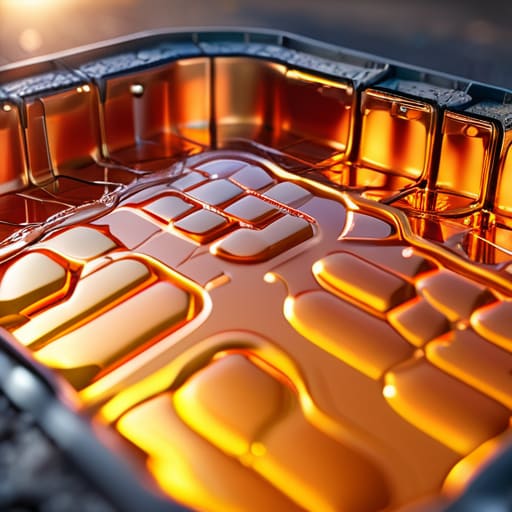
If we’re being real, heat is arguably a bigger silent killer for your car’s lifespan than the cold is for your daily range. While everyone panics about losing miles in a blizzard, the real long-term damage happens when you’re pushing a battery too hard in the summer sun. When cells consistently operate outside their optimal operating temperature range, you’re essentially cooking the internal chemistry. This accelerates the breakdown of the electrolyte, leading to permanent capacity loss that no software update can fix.
This is where the engineering actually matters. We can’t just rely on passive cooling and hope for the best; we need robust liquid cooling systems for EVs to keep those temperatures stable during fast charging or heavy highway pulls. High-performance thermal management isn’t just a luxury feature for high-end Teslas—it’s the baseline requirement if we want these packs to last a decade instead of five. If we don’t get the thermal architecture right, we’re just trading a gasoline problem for a massive, premature battery waste problem.
Pro-Tips for Managing Your Battery’s Thermal Health
- Stop letting your car sit in the freezing cold overnight if you can help it. If you’ve got access to a garage, use it. If not, try to park near a building that blocks the wind. Keeping that ambient temperature from plummeting helps keep the internal resistance from spiking.
- Use the “Preconditioning” feature every single time you plug in. Don’t just jump in and floor it. If you use the app to warm up the cabin and the battery while you’re still inside, you’re using grid power to stabilize the chemistry rather than draining your precious state of charge just to get the cells moving.
- If you’re heading into a deep freeze, avoid high-speed DC fast charging. Pushing massive amounts of current into a cold cell is basically asking for accelerated degradation. Let the battery warm up through driving first, or use a slower Level 2 charger to avoid stressing the lithium plating.
- Don’t treat your battery like a gas tank—don’t let it sit at 0% or 100% in extreme weather. Aim for that 20% to 80% sweet spot. Keeping the cells in this middle ground gives the thermal management system more “breathing room” to regulate temperature without hitting the hard limits of the chemistry.
- Watch your regen braking settings when things get icy. While I love the efficiency of aggressive regen, if the temperature is low and the road is slick, your battery might not be able to accept that energy flow properly. It’s better to dial it back and maintain traction than to fight a battery that isn’t ready to take the charge.
The Bottom Line: What Actually Matters for Your Battery
Temperature isn’t just a comfort issue; it’s a chemistry issue. Extreme cold slows down ion movement, making your car feel sluggish, while extreme heat acts like a slow-motion wrecking ball for your battery’s long-term capacity.
Thermal management systems—the hardware that keeps cells in the “Goldilocks zone”—are just as important as the battery cells themselves. If the cooling and heating tech isn’t robust, the battery chemistry doesn’t stand a chance.
We need to move past the “range anxiety” panic and start talking about “health anxiety.” Managing your thermal environment isn’t just about getting to your destination today; it’s about ensuring your battery doesn’t become an expensive paperweight in five years.
The Reality Check
“We can talk about range and 0-to-60 stats all day, but if we don’t solve the thermal management bottleneck, we’re just building high-tech paperweights that fail the moment the weather gets real.”
Desmond Achebe
The Road Ahead
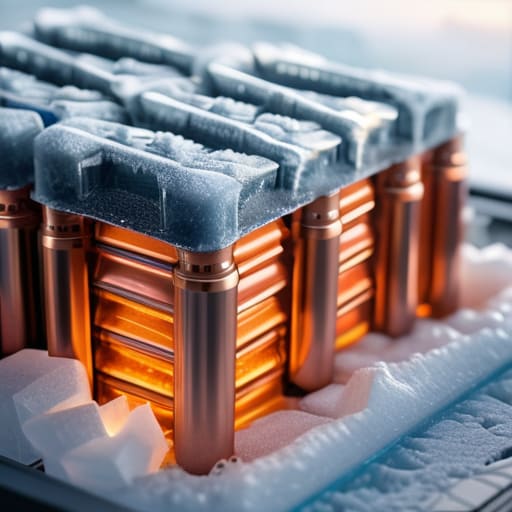
At the end of the day, we can’t just treat temperature as a minor inconvenience or a footnote in a user manual. Whether it’s the brutal range loss during a cold snap or the permanent capacity damage caused by letting a pack cook in the summer sun, thermal management is the make-or-break factor for the entire industry. If we don’t get the chemistry and the cooling infrastructure right, we’re just building expensive paperweights that fail when people need them most. We have to move past the surface-level marketing and focus on robust, hardware-driven solutions that can handle real-world volatility.
I’m not saying the transition to electric is going to be easy, but I am saying it is absolutely necessary. We’re currently in that awkward, messy middle ground where the tech is evolving faster than our expectations, but that’s where the real breakthroughs happen. As someone who spends way too much time looking at cell degradation curves, I truly believe that once we master the thermal bottleneck, the era of truly sustainable mobility becomes inevitable. Let’s stop settling for “good enough” and start demanding the high-density, resilient energy storage that our future actually requires.
Frequently Asked Questions
If I live in a place with extreme seasonal swings, is there a specific way I should charge my car to minimize long-term capacity loss?
If you’re dealing with massive seasonal swings, the golden rule is to keep your state of charge (SoC) in the “sweet spot”—ideally between 20% and 80%. Avoid letting it sit at 100% in a hot garage, and don’t let it bottom out in the freezing cold. If you can, charge during the warmer parts of the day and try to keep the battery preconditioned. It’s all about minimizing the chemical stress from those temperature extremes.
Are solid-state batteries actually going to solve these thermal issues, or is that just more marketing hype?
Look, I’m tired of the “solid-state is a magic wand” narrative. Technically, replacing the liquid electrolyte with a solid one is a massive win for safety and thermal stability—it won’t catch fire like a rogue campfire if it overheats. But we can’t ignore the interface resistance issues and the manufacturing nightmare ahead. It’s not just marketing hype, but it’s also not a silver bullet arriving next Tuesday. We need real data, not just press releases.
How much of my range loss in the winter is actually due to the battery chemistry versus just the energy needed to run the cabin heater?
It’s a double whammy, honestly. You’re losing range from two different fronts. First, the chemistry itself slows down; the internal resistance spikes in the cold, making it harder for ions to move through the electrolyte. That’s the hardware struggling. But then, you’ve got the massive parasitic draw from the cabin heater. Between the sluggish chemistry and the energy required to keep you from freezing, you’re getting hit from both sides.
