
I spent most of my junior year at Georgia Tech hunched over a microscope, watching lithium ions dance through electrolytes, and if there is one thing I’ve learned, it’s that the industry loves a good buzzword. Every time a new press release drops claiming we’ve “cracked the code” with semisolid state batteries, my internal skeptic starts redlining. We’ve been promised a revolution for years, but most of what you see in the headlines is just clever marketing designed to inflate stock prices rather than solve the real-world energy density problem. It’s easy to promise a miracle; it’s much harder to actually engineer a cell that won’t degrade after a thousand charge cycles.
I’m not here to sell you on the fairy tale or repeat the corporate fluff you’ve already heard a dozen times. Instead, I want to pull back the curtain on the actual chemistry and the manufacturing hurdles that define semisolid state batteries. We’re going to look past the glossy renders and talk about the hard engineering—the stuff that actually determines whether this tech makes EVs affordable or just remains a luxury toy. Consider this your no-nonsense guide to what’s actually happening inside the cell.
Table of Contents
Decoding the Next Generation Battery Chemistry

To understand why everyone is suddenly obsessed with this tech, you have to look at the fundamental struggle of the current lithium-ion standard. Right now, we’re basically using a liquid electrolyte to move ions back and forth. It works, but it’s volatile; if things get too hot, that liquid becomes a liability. When we talk about next-generation battery chemistry, we’re looking for a way to bridge the gap between that liquid ease-of-use and the safety of a true solid.
This is where the solid-state vs semisolid electrolyte debate gets interesting. A pure solid-state battery is the “holy grail,” but manufacturing them at scale is a nightmare of precision and cost. Semisolid tech acts as a pragmatic middle ground. By using a hybrid approach—incorporating a small amount of liquid or gel into a solid matrix—we can achieve massive energy density improvements without the insane manufacturing hurdles. It’s like the difference between trying to build a skyscraper out of pure glass versus using reinforced concrete; one is theoretically perfect, but the other is what actually gets built and keeps people safe.
Energy Density Improvements That Actually Matter
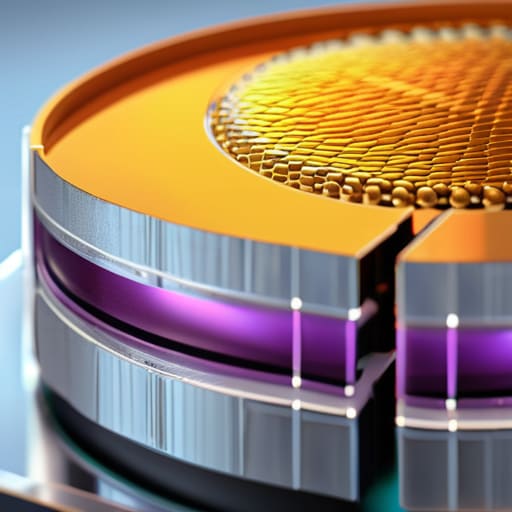
When we talk about energy density improvements, most people just think “more miles per charge.” But as someone who’s spent way too many hours staring at degradation curves in a lab, I look at it differently. The real win with semisolid tech isn’t just stuffing more ions into a cell; it’s about how we reconfigure the internal architecture to ditch the heavy, bulky components of traditional liquid cells. By integrating a hybrid electrolyte, we can pack more active material into the same footprint. This is the kind of meaningful leap in energy density that actually makes an EV feel like a primary vehicle rather than a second car for short commutes.
It’s also a massive play for safety. In standard lithium-ion battery advancements, the liquid electrolyte is essentially a flammable fuel source waiting for a thermal event to happen. Moving toward a semisolid approach significantly boosts thermal stability in batteries, reducing the risk of runaway reactions. We aren’t just chasing higher numbers on a spec sheet; we’re trying to build a system that is inherently more stable while pushing the physical limits of what a single cell can do.
How to Cut Through the Semisolid Hype
- Don’t get blinded by “energy density” buzzwords; look specifically at the electrolyte composition. A semisolid battery is a hybrid, so the real win is how that gel-like medium stabilizes the interface between the anode and cathode compared to standard liquid cells.
- Watch the thermal management specs. One of the biggest perks of moving toward a more solid-state architecture is improved safety, but if the manufacturer isn’t being transparent about how they handle heat dissipation in that semi-solid layer, they’re likely greenwashing the safety claims.
- Keep a skeptical eye on the manufacturing scalability. It’s easy to make a perfect lab-scale prototype, but the real test is whether these cells can be produced using existing roll-to-roll manufacturing lines without a massive, cost-prohibitive overhaul of the factory floor.
- Evaluate the cycle life, not just the initial capacity. In my lab days, I saw plenty of “breakthrough” chemistries die after a hundred cycles because the mechanical stress of the ions moving through a semi-solid medium caused micro-fractures. If they don’t have long-term degradation data, walk away.
- Look for the “sustainability footprint” in the supply chain. A battery isn’t truly next-gen if it relies on high-conflict minerals to achieve its density. The goal is a chemistry that’s both high-performing and ethically sourced—otherwise, we’re just swapping one environmental crisis for another.
The Bottom Line on Semisolid Tech
We need to stop treating “semisolid” like a magic wand; it’s a pragmatic middle ground that uses a hybrid electrolyte to bridge the gap between current liquid-state reliability and the massive energy density of true solid-state.
The real win here isn’t just more miles per charge, but the improved thermal stability—moving away from highly flammable liquid electrolytes means we’re finally addressing the safety skepticism that holds so many people back from going electric.
For this to actually scale and not just stay in a lab at Georgia Tech, the manufacturing process has to integrate with existing lithium-ion production lines, otherwise, the cost-per-kWh will keep these batteries locked behind a luxury price tag.
The Real-World Reality Check
“Look, we can keep chasing the dream of a perfect, all-solid-state holy grail, but while the labs are still figuring that out, semisolid tech is the bridge we actually need. It’s not just a halfway house; it’s the pragmatic way to squeeze more range out of a pack without waiting another decade for a manufacturing miracle that might never scale.”
Desmond Achebe
The Reality Check
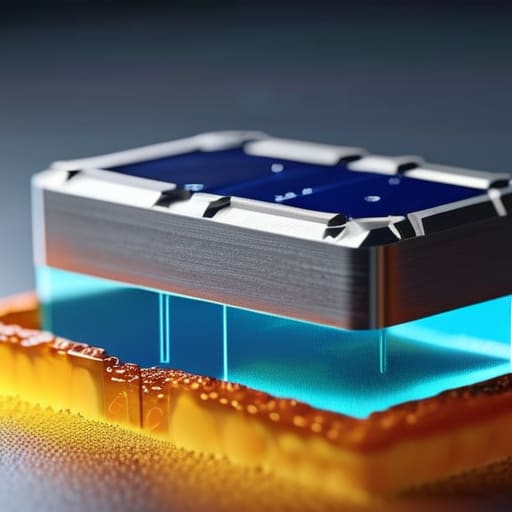
At the end of the day, semisolid state batteries aren’t some magical overnight fix, but they represent a massive step toward a middle ground that actually makes sense for mass production. We’ve looked at how the hybrid approach of a gel-like electrolyte can bridge the gap between the stability of solid-state and the high performance of liquid lithium-ion. By tackling the safety risks of leakage while pushing the boundaries of energy density, this chemistry offers a realistic roadmap for EVs that don’t require a massive, expensive overhaul of current manufacturing lines. It’s about finding that sweet spot where performance meets scalability, ensuring we aren’t just building tech that works in a lab, but tech that actually works on the road.
I’m tired of seeing companies throw around “solid-state” as a buzzword to pump up stock prices when the real work is happening in the incremental, messy transitions like this one. The shift to electric mobility isn’t going to be won by flashy press releases; it’s going to be won by the engineers who figure out how to make these cells reliable, affordable, and sustainable at scale. We are moving past the era of “what if” and entering the era of “how much.” If we get this hardware right, we aren’t just changing how we drive—we are finally building the infrastructure for a truly electrified future.
Frequently Asked Questions
If we're moving toward semisolid tech, does this actually fix the fire risk issues we see with current liquid electrolytes, or is it just a marginal improvement?
It’s definitely more than just a marginal tweak. The real issue with current Li-ion setups is that the liquid electrolyte is basically a highly flammable fuel source sitting right next to everything else. If a cell punctures or overheats, that liquid is what turns a small malfunction into a thermal runaway event. Semisolid tech swaps out much of that volatile liquid for a stable gel or polymer. It’s a massive step toward making batteries inherently safer, not just slightly better.
How much is the manufacturing process going to spike the price of EVs if we have to overhaul existing production lines for this chemistry?
That’s the million-dollar question. If we had to scrap every existing gigafactory and build from scratch, EV prices would skyrocket, and the transition would stall. But the beauty of semisolid tech is that it’s designed to be a “drop-in” evolution. We aren’t reinventing the wheel; we’re just tweaking the recipe. By leveraging current liquid-handling infrastructure and making incremental tweaks to the assembly lines, we can avoid a massive capital expenditure spike and keep costs manageable.
Are we looking at a massive leap in cycle life, or are these batteries going to degrade faster because of the hybrid nature of the electrolyte?
That’s the million-dollar question. Honestly, it’s a bit of a double-edged sword. The hybrid nature of a semisolid electrolyte can actually mitigate some of the mechanical stress that kills traditional liquid cells, potentially boosting cycle life. But, we can’t ignore the interface issues. If that “slushy” electrolyte doesn’t maintain perfect contact with the electrodes as they expand and contract, you’re looking at rapid degradation. It’s not a guaranteed leap; it’s a massive engineering hurdle.
