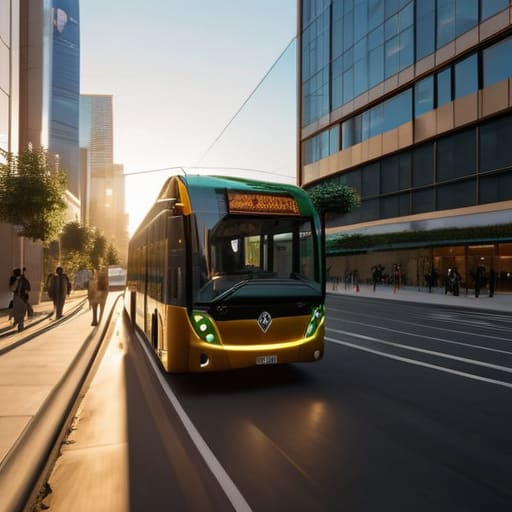
I remember sitting in a university lab back at Georgia Tech, surrounded by half-disassembled lithium cells and the smell of ozone, while a tech journalist on the TV was raving about how “clean” the future of transit looked. It felt like a total disconnect. Everyone talks about the sleek, silent promise of electric bus technology as if it’s a magic wand that solves urban congestion and pollution overnight. But as someone who has spent way too many late nights studying cathode degradation and thermal runaway, I know the truth: a bus is only as green as its battery chemistry and the grid it plugs into. If we aren’t talking about the actual hardware and the massive strain these fleets put on local distribution transformers, we aren’t having a real conversation.
I’m not here to sell you on the corporate greenwashing or the polished PR brochures. My goal is to strip away the fluff and look at the hard engineering reality of what it takes to actually move a city without breaking the bank or the environment. We’re going to dive into the specific battery chemistries, the charging infrastructure hurdles, and the real sustainability metrics that actually matter.
Table of Contents
- Battery Electric vs Hydrogen Fuel Cell Buses Cutting Through the Noise
- Why Electric Bus Range and Performance Still Depend on Real Chemistry
- Stop Looking at the Specs and Start Looking at the Systems
- The Bottom Line: What Actually Matters for the Future of Transit
- ## The Infrastructure Reality Check
- The Long Road to a Decarbonized Grid
- Frequently Asked Questions
Battery Electric vs Hydrogen Fuel Cell Buses Cutting Through the Noise
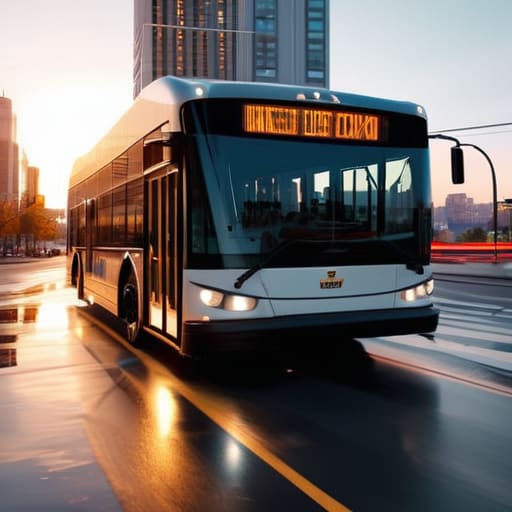
Look, the debate between battery electric and hydrogen fuel cell buses usually turns into a shouting match between people who love spreadsheets and people who love hype. If you look at the raw data, it’s not a “one size fits all” situation. Battery electric systems are incredibly efficient—especially when you factor in regenerative braking systems in buses that claw back energy every time the driver hits the pedal in stop-and-go city traffic. But, as someone who spent years staring at lithium-ion degradation curves, I know the elephant in the room: energy density.
Hydrogen is the “long-haul” darling because it promises much better electric bus range and performance for massive, multi-route fleets that can’t afford to sit at a depot for four hours. However, we have to be real about the round-trip efficiency. Converting electricity to hydrogen, compressing it, transporting it, and then converting it back to power a motor is a massive energy sink compared to just plugging a bus into a charger. Until we actually solve the scaling issues with zero-emission transit solutions at the infrastructure level, hydrogen remains a niche player rather than a total replacement.
Why Electric Bus Range and Performance Still Depend on Real Chemistry
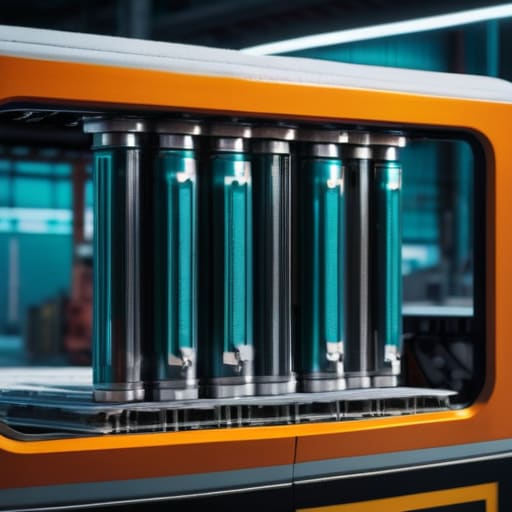
Look, if we want to talk about electric bus range and performance, we have to stop treating the battery like a black box. You can’t just slap a massive lithium-ion pack under a chassis and expect it to perform like a diesel engine in a blizzard. The reality is that temperature swings and discharge rates are brutal on the chemistry. When the temperature drops, the internal resistance climbs, and suddenly your “all-day” route becomes a “mid-day” headache. It’s not a software glitch; it’s fundamental thermodynamics.
We also need to talk about how these vehicles actually recover energy. A huge part of making sustainable urban mobility viable is how efficiently we utilize regenerative braking systems in buses. In a stop-and-go city circuit, a bus that can effectively pump energy back into the cells during deceleration is a game changer. If the chemistry isn’t optimized for those rapid micro-cycles of charging and discharging, you’re basically just wasting kinetic energy as heat. We need hardware that can actually handle the stress, not just marketing slides promising infinite miles.
Stop Looking at the Specs and Start Looking at the Systems
- Don’t get blinded by “range” numbers on a spec sheet. A bus might claim 300 miles, but if the thermal management system can’t handle a heatwave or a steep grade, that range is going to tank in real-world conditions. Always ask about the cooling architecture.
- Watch the chemistry, not just the brand. If a fleet is moving toward LFP (Lithium Iron Phosphate), they’re trading energy density for longevity and safety. That’s a smart move for urban stop-and-go routes, even if the battery pack is heavier.
- Infrastructure is the real bottleneck, not the vehicle. You can have the most advanced solid-state prototype in the world, but if the local grid can’t handle a megawatt-scale fast charge during peak hours, you’ve just bought a very expensive, very stationary brick.
- Demand transparency on the supply chain. I’m tired of seeing “green” initiatives that ignore the ethical mess of cobalt mining. Real sustainability means knowing where the lithium came from and having a plan for how those cells will be recycled in ten years.
- Prioritize modularity in battery design. We need systems where individual modules can be swapped or upgraded without scrapping the entire chassis. If the tech is designed to be disposable, it isn’t a solution—it’s just a different kind of waste problem.
The Bottom Line: What Actually Matters for the Future of Transit
Stop comparing hydrogen and electric as if it’s a popularity contest; the real winner will be whoever solves the energy density problem without bankrupting the municipal budget.
Range anxiety isn’t just a consumer myth—it’s a technical reality that won’t go away until we stop obsessing over software updates and start focusing on solid-state chemistry and thermal management.
A fleet of electric buses is only as “green” as the grid they plug into and the supply chain used to build their cells; if we don’t fix the infrastructure, we’re just moving the pollution from the tailpipe to the power plant.
## The Infrastructure Reality Check
“We can keep throwing money at sleek, electric bus prototypes, but if we don’t solve the actual chemistry of the cells and the stability of the charging grid, we’re just building a fleet of very expensive, very heavy paperweights that will die on the side of the road.”
Desmond Achebe
The Long Road to a Decarbonized Grid
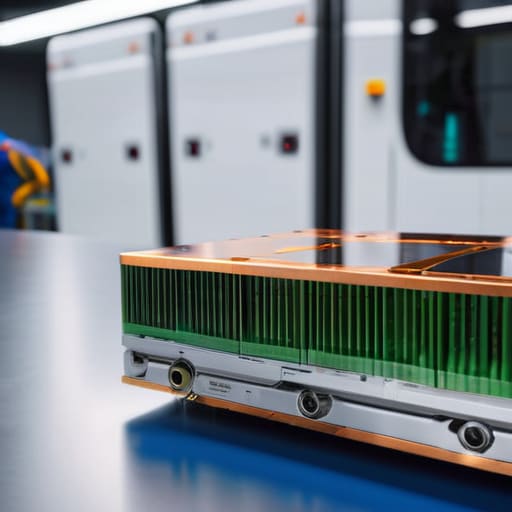
At the end of the day, we can’t just swap a diesel engine for a battery and call it a victory. We’ve looked at how hydrogen might solve some range issues but carries its own massive infrastructure baggage, and we’ve seen how the actual chemistry of the cells dictates whether a bus is a reliable workhorse or just a massive liability on a rainy Tuesday. If we don’t prioritize sustainable supply chains and high-density, long-cycle life batteries, we’re just trading one resource crisis for another. Transitioning urban transit isn’t a software update; it’s a massive, hardware-intensive overhaul that requires us to get the fundamental science right.
I know it’s easy to get cynical when you see every corporation slapping a “green” sticker on a half-baked prototype, but the engineering reality is actually pretty incredible. We are literally redesigning how humanity moves. When we finally nail the balance between energy density, cost, and recyclability, the electric bus won’t just be a niche pilot program—it will be the backbone of a functional, electrified society. We have the blueprints; now we just need the technical grit to build it. The hardware is coming, and I, for one, am ready to see it hit the streets.
Frequently Asked Questions
If we shift entire city fleets to electric, how are we actually going to handle the massive load on the local grid during peak charging hours?
That’s the million-dollar question. If every transit agency plugs in a fleet of 40-foot buses at 5:00 PM, the local grid is going to buckle. We can’t just “hope” for more capacity; we need smart integration. I’m talking about V2G (Vehicle-to-Grid) tech and massive onsite stationary storage. We should be using those buses as giant, mobile batteries to buffer the grid, discharging power back during peaks instead of just sucking it out.
Are we just trading one resource crisis for another by swapping fossil fuels for massive amounts of lithium and cobalt?
That’s the million-dollar question, and honestly, it’s the one that keeps me up at night. If we just swap oil dependency for a cobalt monopoly, we haven’t actually solved anything—we’ve just shifted the geopolitical chessboard. We can’t call it a “green revolution” if the supply chain is built on ecological destruction. That’s why I’m betting on LFP and solid-state tech; we have to engineer our way out of this mineral trap.
How much of a lifespan advantage do solid-state batteries actually have over current LFP tech when it comes to the heavy duty cycle of a transit bus?
Look, if we’re talking LFP, we’re talking about a workhorse. LFP is incredibly stable and can handle thousands of cycles, which is why transit agencies love it. But solid-state is the holy grail for a reason. By swapping that liquid electrolyte for a solid one, we’re basically eliminating the degradation caused by dendrite growth. We could see a lifespan jump of maybe 30-50% in high-duty cycles, meaning fewer mid-life pack replacements and a much better ROI.
