
I remember sitting in a humid lab at Georgia Tech, staring at a lithium-ion cell that had been absolutely cooked by a poorly tuned controller. Everyone in the marketing department was busy slapping “infinite range” stickers on new EV models, but they were completely ignoring the thermal reality of how we actually recover energy. Most people treat regenerative braking systems like some kind of magic wand that just adds free miles to your dashboard, but if the hardware isn’t managing the current spikes correctly, you aren’t “recovering” energy—you’re just accelerating cell degradation.
I’m not here to sell you on the corporate greenwashing or the vague promises of “optimized efficiency” that you see in glossy brochures. Instead, I want to pull back the curtain on the actual physics of what’s happening when you lift your foot off the accelerator. We’re going to look at the real-world trade-offs between energy recapture and battery longevity, focusing on the hardware reality that actually dictates whether an EV is a sustainable tool or just a high-tech paperweight.
Table of Contents
Mastering Deceleration Energy Conversion Through Hardware

To understand how we actually turn motion into juice, you have to look past the marketing fluff and look at the motor controller. When you lift your foot off the accelerator, you aren’t just coasting; you’re essentially reversing the roles of the drivetrain. Instead of the battery pushing current to create torque, the wheels start driving the motor, turning it into a generator. This process of deceleration energy conversion relies on the motor’s ability to create resistance through magnetic fields, which is where the real magic happens.
It’s not just about feeling that slight tug of resistance, though. From a hardware standpoint, this is a massive win for longevity. By utilizing electromagnetic induction braking to slow the vehicle down, we’re significantly decreasing the thermal load on your traditional friction brakes. I’ve seen the data: the more efficient the energy harvesting, the more you see a massive brake pad wear reduction. If we want EVs to be truly sustainable, we need to stop treating deceleration as “lost time” and start treating it as a vital part of the charging cycle.
The Truth About Electric Vehicle Battery Recharging
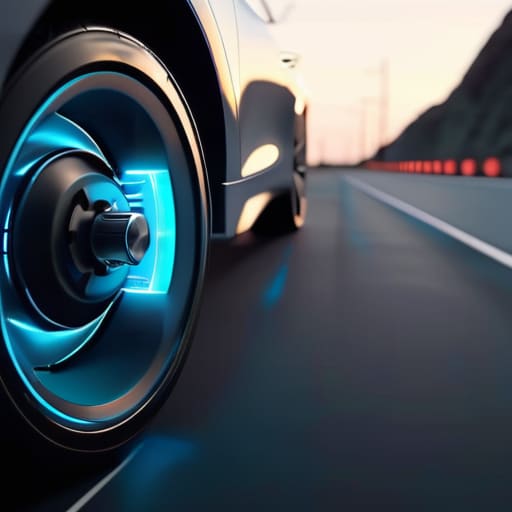
Here’s the reality: people think regenerative braking is some magic trick that keeps your battery topped off indefinitely. It’s not. While energy harvesting technology is a massive leap forward compared to the old way of just turning kinetic energy into useless heat, we need to be realistic about the scale. You aren’t going to drive from Atlanta to Savannah on nothing but deceleration energy conversion. It’s about extending the range and smoothing out the discharge curve, not replacing the plug.
The real win for the hardware, though, isn’t just about miles per charge; it’s about the mechanical longevity of the vehicle. Because the motor is doing the heavy lifting to slow the car down, you see a massive brake pad wear reduction that most drivers don’t even notice until they realize they haven’t touched a brake rotor in years. We have to stop viewing this as just a “green feature” and start seeing it as a way to make the entire powertrain more durable and cost-effective over the long haul.
Real-World Tactics for Getting the Most Out of Your Regen
- Stop treating the pedal like an on/off switch. If you want to actually maximize energy recovery, you need to learn the “one-pedal driving” rhythm—smooth, progressive deceleration is way more efficient for the battery than aggressive, jerky braking.
- Don’t just rely on the motor to do the heavy lifting. If you’re coming down a steep grade, use the regen to manage your speed, but keep an eye on your state of charge; if the battery is already at 100%, the system won’t be able to soak up that extra energy, and you’ll be forced back onto the friction brakes.
- Watch your thermal management. If you’re pushing hard through mountain passes, the battery might get too warm to accept a high current from the regen system. Understanding that thermal limit is the difference between efficient driving and losing your braking advantage halfway up the hill.
- Learn to read the regen intensity settings on your dashboard. Not every driving mode is created equal; if you’re cruising on a flat highway, a lower regen setting might feel more natural, but for urban stop-and-go, cranking it up is how you actually claw back that wasted kinetic energy.
- Keep an eye on your brake pad wear as a diagnostic tool. If you’re using regen correctly, your friction brakes should last significantly longer than they did on your old ICE car. If they’re wearing down fast, you’re likely bypassing the hardware that’s supposed to be doing the work for you.
The Bottom Line on Regen Tech
Regenerative braking isn’t some magical efficiency booster; it’s a hardware-level energy reclamation system that only works if your motor controller and battery chemistry can actually handle the rapid-fire current spikes.
We need to stop treating “range anxiety” as a software problem and start looking at how much kinetic energy we’re wasting every time a driver slams on traditional friction brakes.
Real sustainability in EVs means optimizing the entire loop—from how the silicon carbide inverters manage deceleration to how the cells absorb that recycled energy without accelerating lithium plating.
## The Efficiency Gap
“Most people think of braking as just a way to stop, but if you’re driving an EV and you aren’t treating every deceleration as a mini-recharge opportunity, you’re basically leaving free range miles on the pavement.”
Desmond Achebe
The Bottom Line on Kinetic Recovery
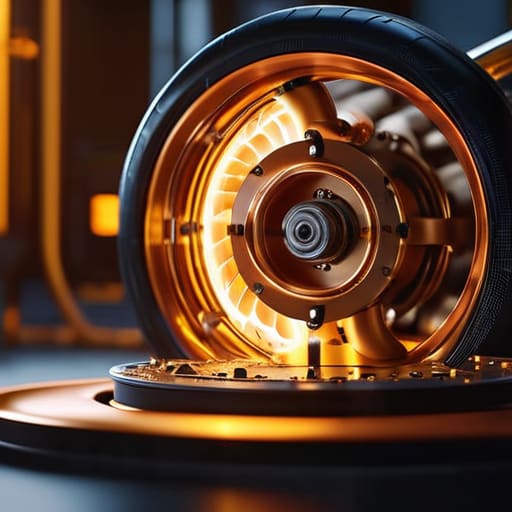
Look, we can talk about software updates and sleek infotainment screens all day, but if we aren’t maximizing the physical hardware, we’re missing the point. Regenerative braking isn’t just some “bonus feature” to make an EV feel futuristic; it is a fundamental necessity for making high-density energy storage actually viable in the real world. By turning what used to be wasted heat into usable electrons, we are essentially clawing back efficiency that would otherwise be lost to the pavement. If we want to move past the era of gas guzzlers and into a truly sustainable mobility model, we have to treat every joule of kinetic energy like it’s gold. It’s about optimizing the loop between deceleration and storage.
At the end of the day, the transition to electric isn’t going to be won by marketing departments making vague promises about “green futures.” It’s going to be won in the labs and on the streets by perfecting the hardware that makes these systems reliable, durable, and efficient. I’m optimistic about where we’re headed, but I’m staying skeptical of anything that ignores the raw chemistry and physics of the grid. We have the tools to build a smarter, more resilient infrastructure—we just need to stop settling for “good enough” and start pushing for the technical excellence our planet actually requires.
Frequently Asked Questions
If I'm constantly using regen to slow down, is that extra cycling actually going to kill my battery's lifespan faster than traditional braking?
Look, I get the anxiety—it feels like you’re putting extra mileage on the cells every time you lift off the pedal. But here’s the reality: the degradation from a few extra micro-cycles is negligible compared to the thermal stress of deep discharges or rapid DC fast charging. Think of it like this: you’re trading a tiny bit of chemical aging for a massive win in energy efficiency. Honestly, the battery’s health is way more threatened by heat than by regen.
Does regenerative braking actually work effectively in freezing temperatures, or does the chemistry just get too sluggish to take the charge?
That’s the million-dollar question. The short answer? It’s a struggle. When things get freezing, the ions in your lithium-ion cells basically move through molasses. The internal resistance spikes, making it harder for the battery to accept a rapid charge from the regen burst. You aren’t necessarily losing the kinetic energy, but the chemistry just can’t swallow it fast enough without risking damage, so the car relies more on friction brakes instead.
How much of a real-world range boost am I actually getting from this tech versus just seeing a theoretical number on a spec sheet?
Look, if you’re looking at a spec sheet, you’re looking at a lab fantasy. In the real world, especially if you’re doing stop-and-go city driving, you can see a meaningful boost—maybe 10% to 15% more range. But if you’re just cruising on a flat highway at a steady speed, regen is basically doing nothing. It’s not a magic wand; it’s a hardware efficiency tool that rewards smart driving, not just high-end specs.
