Category: Power

  • Characteristics of Nickel Manganese Cobalt Batteries

    Characteristics of Nickel Manganese Cobalt Batteries

    I still remember sitting in a cramped Georgia Tech lab at 2:00 AM, staring at a series of degradation curves that made absolutely no sense. I had spent weeks trying to optimize a cell, only to realize that the polished marketing brochures for nickel manganese cobalt chemistry completely glossed over the instability issues that happen when you push these cells to their thermal limits. Everyone in the industry loves to talk about energy density like it’s a magic number, but they rarely want to talk about the messy, volatile reality of managing the thermal runaway risks inherent in high-nickel cathodes.

    I’m not here to sell you on some corporate greenwashed vision of a perfect battery. My goal is to pull back the curtain on the actual hardware and show you exactly how nickel manganese cobalt chemistry functions under real-world stress. We’re going to move past the vague promises and dive into the actual electrochemical trade-offs that determine whether a battery lasts ten years or just three. If you want the data-driven truth about what’s actually happening inside those cells, you’re in the right place.

    Table of Contents

    Decoding the Electrochemical Properties of Nmc

    Decoding the Electrochemical Properties of NMC.

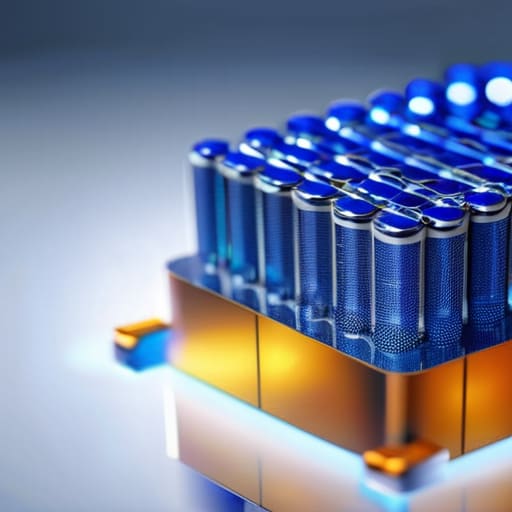
    To understand why we’re so obsessed with this specific mix, you have to look at what’s happening at the molecular level. When we talk about the electrochemical properties of NMC, we’re really talking about how efficiently lithium ions can move back and forth between the anode and the cathode during a charge cycle. The magic is in the ratio. By tweaking the amounts of nickel, manganese, and cobalt, we can essentially tune the battery’s performance. If you crank up the nickel, you’re looking at massive gains in energy density, which is why we see such aggressive nickel-rich cathode advantages being pushed in the latest long-range EV models.

    However, it’s not a free lunch. As an engineer, I see the trade-offs immediately. While more nickel means you can drive further on a single charge, it often comes at the expense of battery thermal stability. The more nickel you cram into the lattice, the more “unstable” that structure becomes when things get hot. It’s a delicate balancing act: trying to maximize capacity while ensuring the cell doesn’t become a thermal runaway risk. We aren’t just chasing numbers; we’re trying to master the physics of stability.

    Nmc Battery Energy Density Comparison vs the Hype

    Nmc Battery Energy Density Comparison vs the Hype

    Look, everyone loves to talk about “range anxiety” like it’s some unsolvable mystery, but when you dig into the NMC battery energy density comparison, the math actually tells a pretty compelling story. Compared to the LFP (Lithium Iron Phosphate) cells you see in cheaper, standard-range models, NMC is the heavy hitter. Because of how the lithium ions move within these specific lithium-ion cathode materials, we can pack way more energy into a smaller, lighter footprint. If you’re building an EV meant to cross state lines rather than just commuting to a tech campus, you aren’t just choosing a battery; you’re choosing the physics of high-density storage.

    However, we need to be real about the trade-offs. As we push for higher energy density by increasing the nickel content—leveraging those nickel-rich cathode advantages—we start hitting a wall with battery thermal stability. It’s a delicate balancing act. The more energy you cram into a cell to get that massive range, the more aggressive the management system has to be to prevent thermal runaway. It’s not just about how much juice you can hold; it’s about how safely you can deploy it without turning your car into a very expensive paperweight.

    Real-World Takeaways: How to Actually Read the NMC Data

    • Stop obsessing over the “N” and start looking at the ratio. A 622 chemistry (equal parts nickel, manganese, and cobalt) is a totally different beast in terms of thermal stability than an 811 (80% nickel). If you’re looking at long-range specs, the high-nickel content is what’s doing the heavy lifting, but it’s also what makes the cell more temperamental.
    • Watch the thermal management, not just the capacity. High-nickel NMC cells are basically high-performance athletes—they pack a punch, but they get hot fast. If the cooling system in the pack isn’t top-tier, that energy density you’re paying for is going to degrade your cycle life faster than you can say “lithium plating.”
    • Don’t let the “cobalt-free” marketing fool you. While the industry is pushing toward lower cobalt content to dodge supply chain headaches and ethical messiness, you’re usually trading off some structural stability. Always check if a “sustainable” battery is sacrificing longevity just to hit a price point.
    • Factor in the C-rate reality. Just because a spec sheet says an NMC cell has massive energy density doesn’t mean it can dump all that energy instantly for a high-speed charge or a sudden burst of torque without stressing the lattice structure. High density often comes at the cost of slower optimal charging speeds.
    • Look at the cycle life, not just the initial range. A battery that gives you 400 miles today but drops to 300 after two years because of cathode degradation isn’t a win. When evaluating NMC tech, I always look at the degradation curves; if the chemistry isn’t stabilized, that “range anxiety” is just going to move from the highway to the second year of ownership.

    The Bottom Line on NMC

    The Bottom Line on NMC explained.

    High energy density isn’t a magic wand; while NMC is the current king for range, we have to weigh those performance gains against the logistical headache of sourcing nickel and cobalt sustainably.

    We need to move past the “one size fits all” mentality and realize that NMC is a specialized tool for long-range mobility, not necessarily the answer for every single grid-scale or budget-friendly application.

    The real win for the industry won’t be just making better NMC cells, but mastering the chemistry to prevent degradation so these batteries actually outlast the vehicles they power.

    The Real Cost of Density

    “Everyone wants to talk about how much range an NMC battery can give you, but as an engineer, I’m looking at the trade-offs; we can’t just chase energy density by throwing more cobalt into the mix and call it a win if we aren’t solving for the long-term stability and the messy supply chain that comes with it.”

    Desmond Achebe

    The Bottom Line on NMC

    At the end of the day, NMC isn’t some magic bullet, but it is the heavy lifter that’s actually getting us off the fossil fuel treadmill. We’ve looked at the electrochemical trade-offs, the density advantages, and the reality that while it isn’t perfect, it’s the current gold standard for long-range mobility. If we want to move past the “gas guzzler” era I grew up in, we have to respect the complexity of these chemistries rather than just chasing the highest numbers on a spec sheet. Understanding the delicate balance between energy density and thermal stability is what separates real engineering from marketing fluff.

    Looking ahead, I’m cautiously optimistic. The transition to electric is happening, but the real win won’t just be more cars on the road—it will be the evolution of how we source and recycle these specific materials. We need to push for smarter, more sustainable iterations of NMC and keep a close eye on how solid-state tech might eventually integrate with these existing frameworks. The hardware is getting better every single day, and if we stay focused on the real chemistry and infrastructure, we’re actually going to build a grid that lasts.

    Frequently Asked Questions

    If we're leaning so hard on NMC for energy density, how close are we actually to solving the thermal runaway issues that keep engineers up at night?

    Honestly? We’re getting closer, but we haven’t “solved” it yet. We’re basically playing a high-stakes game of whack-a-mole with heat. Right now, we’re relying heavily on advanced Battery Management Systems (BMS) and better ceramic separators to act as firewalls. It’s a lot of software and physical shielding trying to compensate for the inherent instability of the chemistry. We’re making strides with solid-state tech, but until that hits mass production, thermal management remains our biggest headache.

    With the supply chain for cobalt being such a massive ethical and logistical headache, is there a realistic timeline for when we move toward high-nickel or cobalt-free alternatives?

    Look, the cobalt situation is a mess—ethical concerns aside, the supply chain volatility is a nightmare for grid stability and scaling. We’re already seeing the shift. High-nickel chemistries (like NMC 811) are hitting the mainstream now to cut that cobalt dependency. As for cobalt-free? LFP is already dominating the budget sector, but for high-performance, I’m watching solid-state closely. We’re likely looking at a massive pivot toward cobalt-lean architectures within the next 3 to 5 years.

    How much of the performance degradation we see in older NMC packs is due to the chemistry itself versus poor thermal management in the battery pack?

    It’s a bit of a “chicken or the egg” situation, but honestly? Thermal management is usually the real culprit. While NMC chemistry inherently degrades over cycles due to things like lithium plating, it’s the heat that accelerates that decay exponentially. If your cooling system can’t keep those cells in their sweet spot, you’re essentially cooking the electrolyte. The chemistry provides the potential, but poor thermal management turns that potential into a rapid downward spiral.

  • The Impact of Battery Weight on Electric Vehicles

    The Impact of Battery Weight on Electric Vehicles

    I remember sitting in a Georgia Tech lab back in 2019, staring at a disassembled lithium-ion module that felt more like a piece of industrial machinery than a component for a car. Everyone in the media was busy hyping up “instant torque” and “the future of driving,” but they were completely glossing over the sheer, massive reality of electric vehicle weight. We were talking about batteries that were essentially heavy bricks strapped to the chassis, and as an engineer, it killed me to see the industry pretend this wasn’t a fundamental physics problem. You can’t just wish away the laws of thermodynamics with a sleek touchscreen and some marketing fluff; if we don’t address the mass, we’re just building heavier problems for the grid to solve.

    I’m not here to sell you on the fantasy or parrot some corporate press release about “sustainable mobility.” Instead, I’m going to pull back the curtain on the actual hardware and explain why this mass matters for your tires, your range, and your wallet. We’re going to look past the hype and dive into the real chemistry and engineering that dictates how these machines actually perform on the road.

    Table of Contents

    The Energy Density vs Vehicle Mass Paradox

    The Energy Density vs Vehicle Mass Paradox.

    Here’s the paradox I run into every single day at work: we’re stuck in this feedback loop where we try to solve range anxiety by adding more cells, which just adds more mass, which then demands even more energy to move. It’s a classic engineering headache. When you look at the energy density vs vehicle mass ratio, the math starts to get ugly. We want these cars to go 400 miles on a single charge, but to hit that number, we’re essentially bolting a massive, heavy slab of lithium and cobalt onto the floorpan. This extra weight creates a drag on efficiency that can almost negate the benefits of the larger capacity you just added.

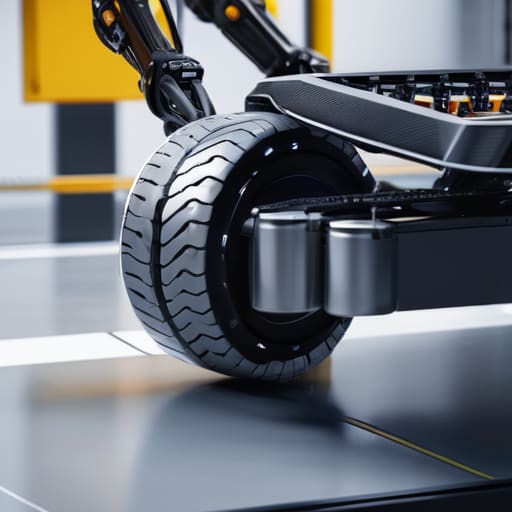
    It’s not just about the miles, either. This massive increase in curb weight fundamentally changes how the car interacts with the road. I’ve seen the data on how this extra load accelerates the impact of curb weight on tire wear, meaning you might get your long-range highway cruise, but you’ll be replacing rubber much sooner than a gas-car owner would. We’re essentially trading long-term component durability for short-term range confidence, and until we see a real breakthrough in solid-state chemistry, we’re just managing a compromise.

    Aluminum vs Steel in Ev Chassis the Real Hardware Battle

    Aluminum vs Steel in Ev Chassis the Real Hardware Battle

    When you look under the skin of a modern EV, you’re basically looking at a high-stakes material science war. For decades, steel was the undisputed king of the assembly line because it’s cheap and incredibly easy to work with. But in the world of electrification, every extra kilogram is a tax on your efficiency. This is where the debate over aluminum vs steel in EV chassis becomes a massive headache for engineers. Aluminum is the dream because it’s significantly lighter, helping to offset that massive battery pack, but it’s a nightmare for the bottom line. It’s more expensive, harder to weld, and complicates the recycling loop if we aren’t careful.

    The real kicker isn’t just the cost, though; it’s how the choice dictates the vehicle’s entire physics profile. If we lean too heavily into steel to save money, we end up with a massive EV battery weight impact on range that no amount of clever software can fully fix. On the flip side, if we go all-in on aluminum, we might solve the mass problem but drive the MSRP so high that the “green transition” becomes a luxury only the 1% can afford. We need a middle ground that doesn’t sacrifice performance for the sake of a spreadsheet.

    Cutting the Dead Weight: How We Actually Fix the Mass Problem

    • Stop obsessing over range and start looking at energy density; if we can’t squeeze more joules into a smaller footprint, we’re just building heavier rolling bricks.
    • We need to push for cell-to-pack (CTP) architecture, which ditches the heavy modular housings to let the chemistry do the heavy lifting without the redundant metal.
    • Don’t fall for the “lightweight” marketing hype unless they’re actually using silicon anodes or solid-state tech to offset the sheer mass of the battery pack.
    • Prioritize structural battery packs that turn the energy storage itself into part of the vehicle’s chassis, rather than just bolting a massive weight onto a frame.
    • Demand better software-driven thermal management; if we can manage heat more efficiently, we can reduce the size (and weight) of the cooling systems required to keep cells from degrading.

    The Bottom Line: Why Mass Matters More Than Marketing

    We can’t keep treating battery capacity like a magic wand; if we just keep adding more cells to solve range anxiety, we’re just building heavier vehicles that require even more energy to move, creating a cycle of diminishing returns.

    The real winners in the EV race won’t just be the companies with the biggest batteries, but the ones mastering material science—specifically finding that sweet spot between lightweight chassis materials and high-density cell chemistry.

    Sustainability isn’t just about tailpipe emissions; it’s about the structural efficiency of the hardware. If we don’t solve the weight-to-energy ratio, we’re just swapping one resource-heavy problem for another.

    The Physics Problem We Can't Bullshit Our Way Out Of

    “We keep obsessing over range numbers like they’re the only metric that matters, but we’re ignoring the brutal physics at play: every extra kilogram we add to a battery pack to chase more miles just creates a feedback loop of heavier suspension, beefier brakes, and more energy consumption. If we don’t crack the code on energy density soon, we’re just building heavier and heavier tanks that eat more of the very energy they’re trying to store.”

    Desmond Achebe

    The Bottom Line on the Heavyweight Struggle

    The Bottom Line on the Heavyweight Struggle.

    At the end of the day, we can’t just keep throwing more lithium at the problem and calling it progress. We’ve looked at the math: the tug-of-war between energy density and vehicle mass isn’t just a technical hurdle; it’s a fundamental design bottleneck. Whether we’re debating the cost-efficiency of steel versus the lightweight benefits of aluminum, or trying to squeeze more range out of heavy packs, we have to realize that every extra kilogram is a tax on the entire system. If we don’t optimize the chassis and the chemistry simultaneously, we’re just building heavier, more expensive versions of the same old problems.

    I’m still an optimist, but I’m an optimist who demands better hardware. The shift to electric isn’t just about swapping a fuel tank for a battery; it’s about a total rethink of how we move. We need to move past the era of “brute force” engineering and start prioritizing true sustainable efficiency. I want to see a future where our vehicles aren’t just heavy computers on wheels, but sleek, high-performance machines that respect the physics of the road. The tech is getting there—we just need to stop settling for the easy, heavy way out.

    Frequently Asked Questions

    If we're swapping heavy steel for lighter aluminum, aren't we just going to end up adding more battery cells to compensate for the lost structural rigidity?

    That’s a sharp observation, and honestly, it’s exactly the kind of circular logic that keeps me up at night. You’re describing a “weight spiral.” If we swap steel for aluminum just to regain structural stiffness with more material, we’re basically just trading one mass problem for another. The goal isn’t just swapping metals; it’s about using advanced alloys and integrated cell-to-chassis designs so the battery actually becomes a structural component, not just dead weight.

    How much of this weight issue is actually a chemistry problem versus just a bad engineering design in how the packs are integrated into the chassis?

    It’s a bit of both, but honestly, it’s more of a chemistry bottleneck right now. We’re essentially trying to build a high-performance race car around a massive, heavy brick of lithium-ion cells. Even if engineers design the most elegant, integrated structural battery pack possible, you’re still fighting the physics of energy density. Until we move toward solid-state or higher-density chemistries, we’re just rearranging the deck chairs on a very heavy ship.

    At what point does the weight penalty of a larger battery for "range anxiety" actually become a net negative for real-world efficiency?

    It’s the classic law of diminishing returns. You hit that tipping point when the extra mass required to house those additional cells forces the motors to work harder just to overcome inertia. If you’re adding 100kg of battery to squeeze out another 30 miles of range, but that weight increases your rolling resistance and energy consumption across the entire trip, you’re basically just running a treadmill. You aren’t gaining range; you’re just burning more juice to carry your own fuel.

  • Regulatory Standards for Battery Safety

    Regulatory Standards for Battery Safety

    I still remember the smell of ozone and scorched polymer in my junior year lab at Georgia Tech—the unmistakable scent of a lithium cell that had decided it was done being a battery and wanted to be a small, contained explosion instead. It was a sobering reminder that while the industry loves to throw around glossy brochures about “innovation,” the reality of battery safety standards is often buried under layers of corporate jargon and optimistic marketing. We talk about these regulations like they’re a magic shield, but if you’ve ever seen a thermal runaway event in person, you know that paperwork doesn’t stop a fire.

    I’m not here to sell you on the hype or recite a list of government acronyms that don’t actually mean anything for the hardware in your pocket or your car. Instead, I want to pull back the curtain on what actually matters: the chemistry, the thermal management, and the real-world testing that keeps these cells from failing when they’re pushed to the limit. We’re going to look past the PR spin and get into the actual mechanics of what makes a battery safe, so you can understand the tech powering our future without being misled by the greenwashing.

    Table of Contents

    Decoding Lithium Ion Battery Certification Beyond the Marketing Hype

    Decoding Lithium Ion Battery Certification Beyond the Marketing Hype

    When you’re scrolling through specs for a new EV or even just a high-end power bank, you’re going to see a lot of buzzwords designed to make you feel safe. But here’s the reality: most of that is just noise. If you actually want to know if a cell is reliable, you have to look past the glossy marketing and hunt for the real technical benchmarks, like UN38.3 testing requirements. This isn’t just some arbitrary checklist; it’s a brutal series of stress tests—altitude simulation, thermal testing, and vibration—that ensures the battery won’t turn into a localized fire hazard the second it hits a bump in the road.

    However, passing a transport test is only half the battle. For consumer electronics and larger storage units, I always look for IEC 62133 compliance. This standard is much more rigorous because it focuses on the actual lifecycle of the cell. It’s not just about surviving a flight in a cargo hold; it’s about how the chemistry handles the daily grind. If a manufacturer can’t point to specific certification data, they’re likely just hoping you won’t ask any follow-up questions.

    Why Un383 Testing Requirements Are Non Negotiable for Real Mobility

    Why Un383 Testing Requirements Are Non Negotiable for Real Mobility

    Look, I’ve seen enough sketchy e-bike builds in my hobbyist garage to know that “good enough” is a dangerous mindset when you’re dealing with high-energy density cells. This is where the UN38.3 testing requirements actually move from being a bureaucratic headache to a literal lifeline. These aren’t just arbitrary checkboxes for shipping logistics; they are rigorous stress tests designed to see if a cell can survive altitude changes, thermal shocks, and vibration without turning into a localized firestorm. If a manufacturer is cutting corners on these specific protocols, they aren’t just being “lean”—they are actively compromising the stability of the entire grid-to-vehicle ecosystem.

    When we talk about scaling electric mobility, we can’t rely on luck. We need hardware that has been through the ringer. This is why I view these standards as the baseline for any serious engineering project. Without strict adherence to these benchmarks, you’re essentially flying blind, hoping that your overcharge protection mechanisms are robust enough to handle a failure. In my view, if a company can’t provide transparent documentation of their testing, they don’t deserve a seat at the table in the energy transition.

    Hard Truths: How to Spot Real Safety Before the Cells Hit the Floor

    • Stop trusting “safety-certified” labels at face value; if a manufacturer can’t provide the specific test report numbers for UN38.3 or IEC 62133, they’re likely just slapping a sticker on a cheap, unverified cell.
    • Look past the capacity numbers and demand the thermal runaway data—anyone can make a battery that holds a charge, but very few can prove it won’t turn into a blowtorch when a single cell fails.
    • Check the Battery Management System (BMS) specs as closely as the chemistry itself, because even the best lithium-ion cell is a liability if the software isn’t there to kill the circuit the second it detects a voltage spike or thermal drift.
    • Demand transparency on the cycle life under stress; a battery that meets basic safety standards in a controlled lab might still fail miserably in the real world if it hasn’t been tested for stability under rapid discharge or extreme temperature swings.
    • Vet the supply chain for chemical consistency, because “standardized” safety is a joke if the impurity levels in the electrolyte vary from batch to batch, creating unpredictable dendrite growth that bypasses even the best safety protocols.

    The Bottom Line: What Actually Matters for the Future of Storage

    Stop treating safety certifications like a checkbox for marketing; UN38.3 and rigorous cell testing are the only things standing between a functional grid and a massive thermal runaway event.

    We need to look past the “green” labels and demand transparency in chemistry—true sustainability only happens when the hardware is built to survive real-world stress, not just lab simulations.

    The transition to electric mobility won’t be won by flashy prototypes, but by the boring, unglamorous work of standardizing how we test, monitor, and manage high-density energy cells.

    ## Safety Isn't a Marketing Metric

    “We need to stop treating safety certifications like they’re just another checkbox for a PR department to brag about; if a battery pack can’t handle a thermal runaway event in a controlled lab, it has no business being integrated into the grid or the streets we drive on.”

    Desmond Achebe

    The Bottom Line on Battery Integrity

    The Bottom Line on Battery Integrity.

    At the end of the day, we can’t afford to treat battery safety as a checkbox exercise for compliance officers. We’ve seen how easy it is to get lost in the marketing gloss of “next-gen” cells, but if those cells haven’t been through the ringer of UN38.3 testing or rigorous certification protocols, they aren’t ready for the real world. Whether it’s a massive grid-scale storage unit or the lithium-ion pack in your commuter EV, the difference between a reliable system and a catastrophic failure comes down to verifiable chemistry and standardized testing. We have to demand more than just a “safe” label; we need to see the data that proves these systems can handle thermal stress and physical impact without turning into a liability.

    The shift toward electric mobility isn’t just a trend—it’s the foundation of our future infrastructure. But for this transition to actually stick, we need to build it on a bedrock of hardened, transparent engineering. I don’t want to see a world where we trade fossil fuel dependence for a new kind of volatility caused by substandard hardware. If we get the safety standards right now, we aren’t just preventing fires; we are building the trust necessary to power everything from our homes to our transport. Let’s stop settling for vague promises and start pushing for the high-density, high-safety reality we actually deserve.

    Frequently Asked Questions

    If a battery passes UN38.3 testing, does that actually mean it's safe for long-term daily use, or is that just the bare minimum for shipping?

    Look, let’s be real: UN38.3 is basically a “survive the flight” test. It proves the battery won’t turn into a fireball while sitting in a cargo hold under pressure changes or vibration, but it’s not a lifetime guarantee. It’s the bare minimum for logistics, not a seal of approval for a decade of daily cycling. If you want to know about long-term reliability, you need to stop looking at shipping regs and start looking at cycle life and thermal management.

    How much of the "safety" we see in new EVs is actual hardware innovation versus just better software managing the thermal limits?

    Honestly? It’s a massive tug-of-war between the two. We’ve seen incredible hardware leaps—like ceramic-coated separators and better cooling plates—but let’s be real: the software is doing the heavy lifting. Modern Battery Management Systems (BMS) act like a high-speed bodyguard, constantly throttling current to prevent thermal runaway before it even starts. Hardware provides the physical ceiling, but the software is what keeps us from hitting it. It’s a layered defense, not a single silver bullet.

    With the push for solid-state tech, are our current safety standards even remotely prepared for a complete shift in battery chemistry?

    Honestly? Not even close. Most of our current frameworks are built around the specific failure modes of liquid electrolytes—think thermal runaway and leakage. Solid-state tech changes the entire physics of the cell. While it’s inherently safer because we’re ditching the flammable liquid, we’re entering uncharted territory with mechanical stresses and interface stability. We can’t just copy-paste old UN38.3 protocols and call it a day; we need new standards that actually account for solid-state mechanics.

  • Possibilities of Vehicle to Grid Technology

    Possibilities of Vehicle to Grid Technology

    I remember sitting in a Georgia Tech lab back in 2019, staring at a lithium-ion cell that had been absolutely shredded by aggressive cycling tests. The data was brutal, and it hit me right then: everyone is obsessed with the “magic” of v2g technology, but nobody is talking about the physical cost to the hardware. We see these glossy corporate presentations promising that your EV will become a mobile power plant that pays for itself, but they conveniently gloss over the electrochemical reality of constant discharge cycles. If we’re just going to turn our cars into glorified grid buffers without solving the degradation problem, we aren’t building a revolution—we’re just building a faster way to kill expensive batteries.

    I’m not here to sell you on the utopian dream of a perfectly balanced smart grid. Instead, I want to pull back the curtain on the actual engineering hurdles that stand between us and a functional reality. I’ll be breaking down the real-world chemistry and the infrastructure requirements needed to make this work without turning your vehicle into a brick. We’re going to look past the marketing fluff and focus on the hard data that actually matters for the future of sustainable mobility.

    Table of Contents

    Solving Grid Stability and Renewable Integration Through Hardware

    Solving Grid Stability and Renewable Integration Through Hardware

    The real magic of V2G isn’t in the concept of a car acting as a giant battery; it’s in how we manage peak shaving and load leveling at scale. Right now, our grid is basically a massive, aging machine struggling to keep up with the intermittent nature of wind and solar. When the sun goes down, the demand spikes, and that’s where the stress starts. If we can successfully deploy smart charging infrastructure, we turn millions of EVs from a potential burden on the grid into a massive, distributed buffer. Instead of firing up a dirty gas peaker plant to meet a sudden surge, we pull from the excess capacity sitting in parked cars.

    However, we can’t just treat every EV like a static bucket of energy. To truly achieve grid stability and renewable integration, we have to address the hardware reality of how these decentralized energy resources interact with the local transformer. It’s not just about “plugging in”; it’s about the precision of the discharge cycles. If we don’t get the hardware-level management right, we aren’t solving a stability problem—we’re just creating a new one for the battery chemistry to deal with.

    Why Smart Charging Infrastructure Is the Missing Link

    Here’s the reality: we can have the most advanced lithium-ion cells on the planet, but if the plug at your house can’t “talk” to the local substation, we’re just spinning our wheels. Most people think the bottleneck is the car, but it’s actually the smart charging infrastructure that’s lagging behind. We need more than just a dumb cable; we need a bidirectional handshake that allows for real-time data exchange. Without robust EV-to-grid communication protocols, we’re essentially trying to run a high-speed digital economy on top of an analog foundation.

    If we want to move beyond the current “plug and pray” method, we have to treat every parked EV as a node in a massive, distributed network. This isn’t just about convenience; it’s about utilizing decentralized energy resources to prevent the grid from buckling under its own weight. If our chargers can’t intelligently manage when a car pulls power versus when it pushes it back, we’re just trading one set of stability problems for another. We need hardware that understands the nuances of load management before we can even dream of a truly resilient grid.

    Stop Looking at the App and Start Looking at the Hardware: 5 Realities of V2G

    • Prioritize cycle life over initial cost. If you’re planning on using your EV as a grid asset, you can’t just look at the sticker price; you need to look at the electrochemical stability of the cells to ensure constant discharging doesn’t turn your battery into a paperweight in three years.
    • Demand bidirectional hardware, not just “smart” chargers. A lot of companies are selling “V2G-ready” tech that’s actually just smart AC charging. If the inverter in your home or the onboard charger in your car can’t physically handle the reverse flow, the software hype is useless.
    • Watch the thermal management closely. Pumping power back into the grid generates heat, and heat is the absolute enemy of lithium-ion longevity. Any real V2G implementation needs a robust cooling strategy to prevent accelerated degradation during peak discharge windows.
    • Focus on localized grid density rather than centralized massive storage. The real win for V2G isn’t one giant battery farm; it’s thousands of small, distributed cells working in sync to stabilize local transformers and prevent brownouts at the neighborhood level.
    • Vet the chemistry, not the marketing. Before betting on a V2G ecosystem, look at whether the battery chemistry—like LFP (Lithium Iron Phosphate)—is actually suited for high-cycle applications compared to standard NMC cells which might struggle with the increased stress.

    The Bottom Line: Why V2G is More Than Just a Software Update

    We need to stop treating V2G like a magical software fix and start addressing the physical reality of battery degradation; if the chemistry can’t handle the extra cycling, the grid stability gains won’t matter.

    The transition only works if we move past “smart” apps and actually build out the heavy-duty hardware and bidirectional charging infrastructure required to handle real-world energy loads.

    True sustainability in V2G requires a shift from corporate greenwashing to data-driven implementation that prioritizes long-term battery health over short-term grid convenience.

    The Real Cost of Cycling

    “Everyone loves the idea of using EVs as giant mobile power banks, but we need to stop treating V2G like a software patch and start treating it like a hardware problem; if we don’t solve the degradation issue caused by constant micro-cycling, we’re just trading grid instability for a massive pile of prematurely dead lithium-ion cells.”

    Desmond Achebe

    The Real Road Ahead

    The Real Road Ahead for battery durability.

    Look, we’ve covered the ground: V2G isn’t just some futuristic software gimmick; it’s a massive hardware and chemistry challenge. We’ve seen how it can theoretically stabilize a grid drowning in intermittent renewables and how smart infrastructure acts as the backbone for this entire ecosystem. But we can’t ignore the elephant in the room—the physical reality of battery degradation. If we’re going to turn millions of EVs into a distributed giant battery, we have to ensure the cycle life of these cells can actually handle the bidirectional stress without turning our “green” solution into a mountain of premature e-waste. It’s about moving past the marketing slides and focusing on the actual durability of the hardware.

    At the end of the day, the transition to electric mobility is going to happen, whether we’re ready or not. My goal isn’t to sell you on a dream, but to push for a reality where our energy systems are as smart and resilient as the tech we carry in our pockets. We need to stop settling for vague corporate promises of “sustainability” and start demanding the robust, high-density storage systems that can actually power a civilization. The blueprint is there, the chemistry is evolving, and the grid is waiting. It’s time to stop talking and start building the infrastructure that actually lasts.

    Frequently Asked Questions

    If I'm constantly cycling my car's battery to stabilize the grid, am I going to kill my vehicle's range and resale value faster than expected?

    That’s the million-dollar question, and honestly, it’s where the marketing fluff hits a wall. If you’re running a standard Li-ion pack through aggressive V2G cycles, yeah, you’re accelerating degradation. You’re essentially trading your battery’s chemical lifespan for grid stability. However, if we move toward LFP chemistries—which handle depth of discharge way better—or smarter BMS algorithms that cap the cycle depth, the impact on resale value becomes negligible. We need better hardware, not just better apps.

    Is our current transformer infrastructure actually beefy enough to handle the bidirectional load, or are we just going to blow fuses at the neighborhood level?

    Honestly? Most of our neighborhood transformers are definitely not ready for this. We’re talking about legacy hardware designed for one-way traffic—power goes out to the house, and that’s it. If everyone on a single block tries to dump energy back into the grid simultaneously, we aren’t just looking at blown fuses; we’re looking at thermal stress that can cook a transformer from the inside out. We need localized hardware upgrades, not just software patches.

    How do we ensure that the energy being pulled from my car is actually coming from renewables and not just another coal-fired plant balancing the load?

    That’s the million-dollar question, and honestly, it’s where most “green” marketing falls apart. If your EV is just acting as a giant battery for a coal-heavy grid, we’re just moving the emissions from the tailpipe to the smokestack. To fix this, we need real-time telemetry and smart grid integration. We need software that communicates with the utility to trigger discharge only when solar or wind penetration is at its peak, not just whenever the load spikes.

  • Factors Affecting the Lifespan of Rechargeable Batteries

    Factors Affecting the Lifespan of Rechargeable Batteries

    I still remember sitting in my Georgia Tech lab at 2:00 AM, staring at a series of degradation curves that looked nothing like the glossy marketing brochures promised by the big manufacturers. Everyone loves to talk about “state-of-charge” and “cycle counts,” but the industry loves to gloss over the messy reality of how heat and voltage stress actually kill a cell. We’ve been sold this idea that battery life expectancy is just a static number on a spec sheet, when in reality, it’s a living, breathing chemical battle happening inside your device or your car every single time you plug it in.

    I’m not here to give you another sanitized corporate overview or a list of “tips” that don’t actually move the needle. My goal is to strip away the greenwashing and look at the actual hardware that dictates how long your tech will stay functional. I’m going to break down the chemistry of degradation and show you what’s really happening at the molecular level so you can stop guessing and start understanding the real-world lifespan of your power storage.

    Table of Contents

    Decoding the Chemical Aging of Batteries

    Decoding the Chemical Aging of Batteries.

    To understand why your phone or EV loses juice over time, you have to stop thinking of a battery as a simple tank of fuel. It’s more like a high-speed chemical dance that gets messier every time the music plays. The real culprit is lithium-ion battery degradation, which is essentially a slow-motion buildup of “gunk” inside the cell. Every time you charge and discharge, you’re forcing ions to move back and forth through an electrolyte. Over hundreds of cycles, side reactions start forming a layer called the SEI (Solid Electrolyte Interphase) on the anode. Think of it like limescale building up in a pipe; it doesn’t stop the flow immediately, but it definitely makes everything less efficient.

    This isn’t just about how many times you plug in, though. We need to talk about the temperature impact on battery life because heat is the ultimate silent killer. When those cells get too hot, the chemical reactions inside go into overdrive, accelerating the breakdown of the internal components. It’s not just a minor inconvenience; it’s a fundamental change in the chemical aging of batteries that permanently reduces how much energy they can hold.

    The Brutal Reality of Lithium Ion Battery Degradation

    The Brutal Reality of Lithium Ion Battery Degradation

    Here’s the thing: we treat our devices and EVs like they’re magic boxes, but they’re actually just highly volatile chemical reactors. When we talk about lithium-ion battery degradation, we aren’t just talking about a battery getting “old.” We’re talking about a physical, irreversible breakdown of the internal structure. Every time you cycle a cell, you’re essentially conducting a tiny, controlled war inside that casing. Microscopic cracks form in the electrode material, and the electrolyte starts to decompose, creating a gunk—technically called the SEI layer—that slowly chokes the battery’s ability to move ions.

    It’s not just about how many times you plug in, either. If you’re someone who leaves your car sitting in a 100-degree parking lot or constantly blasts it with fast chargers to save five minutes, you’re accelerating that internal decay significantly. The temperature impact on battery life is arguably the most underrated factor in the industry. High heat acts like a catalyst for those parasitic side reactions, eating away at your usable capacity far faster than a gentle charge ever would. It’s a brutal trade-off between convenience and longevity.

    Stop Treating Your Battery Like It’s Indestructible: 5 Real-World Rules

    • Ditch the 0% to 100% habit. If you want to slow down that SEI layer growth I mentioned earlier, keep your charge between 20% and 80%. Constantly pushing a cell to its voltage limits is basically asking for premature capacity fade.
    • Heat is the ultimate silent killer. If you’re charging your gear or sitting in a parked EV in a 100-degree parking lot, you’re literally cooking the electrolyte. If you can’t keep the thermal management system happy, the chemistry is going to suffer.
    • Stop using “Flash Charging” every single day. High-amperage fast charging is great when you’re on a road trip, but doing it daily creates massive lithium plating. It’s like trying to cram a whole crowd of people through a single narrow door at once—someone’s going to get stuck, and in this case, it’s your ions.
    • Don’t let your tech sit at zero for weeks. If you’re storing an e-bike or an old laptop, leave it at about 50% charge. Leaving a cell at deep discharge can trigger a permanent chemical shift that might mean the battery never wakes up again.
    • Monitor your cycles, not just your percentage. A single charge cycle isn’t just one plug-in; it’s the cumulative throughput of energy. Pay attention to how your hardware handles deep discharges, because every time you force the chemistry to work that hard, you’re shortening its lifespan.

    The Bottom Line on Battery Longevity

    Stop treating battery life like a countdown clock; it’s more like a biological process where heat and extreme charge levels act as the primary stressors that accelerate chemical decay.

    Range anxiety is a distraction from the real metric—cycle life—which is what actually determines whether your EV is a long-term asset or a looming financial headache.

    Real sustainability isn’t just about how much energy we can store, but how many times we can reuse that same chemistry before the degradation makes the hardware obsolete.

    The Real Cost of Cheap Chemistry

    “We need to stop treating battery life like a marketing spec on a sticker and start treating it like a finite chemical resource. You can’t just ‘software update’ your way out of physical ion degradation; if the chemistry is trash, the hardware is just a ticking clock.”

    Desmond Achebe

    The Road Ahead

    Managing battery degradation: The Road Ahead.

    At the end of the day, we have to stop treating battery life like some mystical, unsolvable variable. We’ve looked at how SEI layer growth acts like a slow-motion clog in a pipe and how thermal stress essentially cooks the chemistry from the inside out. Whether it’s through shallow discharge cycles or avoiding those extreme temperature swings, the data shows that managing the chemistry is the only way to fight the inevitable entropy of lithium-ion cells. We can’t engineer our way out of physics, but we can certainly stop making the same rookie mistakes that accelerate unnecessary degradation.

    I know it’s easy to get cynical when you see the numbers on how fast these cells lose capacity, but I’m actually more optimistic than most. We are currently in the messy, “dial-up internet” phase of energy storage, and the leap from current liquid electrolytes to stable solid-state tech is going to change everything. The goal isn’t just to build a battery that lasts a thousand cycles; it’s to build a sustainable infrastructure that doesn’t end up in a landfill in five years. If we focus on the real hardware and the hard science, we aren’t just powering cars—we’re actually building a future that sticks.

    Frequently Asked Questions

    If I'm constantly fast-charging my EV to save time, am I basically nuking my battery's long-term health?

    Look, I get it—you’re busy and DC fast charging feels like a cheat code for time. But yeah, you’re essentially putting your cells through a high-stress workout every single day. Rapidly forcing ions into the anode creates massive heat and localized stress, which accelerates SEI layer growth. It’s like trying to cram a crowd of people through a single narrow door at once; eventually, things start breaking. Use it when you need it, but don’t make it your primary habit.

    Are solid-state batteries actually going to fix the degradation issues we're seeing with current liquid electrolytes, or is that just marketing fluff?

    Look, it’s not just marketing fluff, but it’s also not a magic wand. The move from liquid electrolytes to solid-state is basically trying to stop a leak before it starts. Liquid electrolytes are prone to forming that nasty SEI layer—the chemical “gunk” that eats your capacity. Solid-state eliminates that liquid medium, which theoretically shuts down several degradation pathways. But, we still have to solve the interface contact and dendrite issues. It’s real science, just not a finished product yet.

    Does extreme weather—like those freezing winters or heatwaves—permanently damage the cell chemistry, or can the battery management system actually recover?

    It’s a bit of both, but mostly it’s a battle of physics versus software. Extreme heat is the real killer—it accelerates side reactions that physically scar the anode, and that’s permanent damage. You can’t “patch” a degraded electrolyte. Cold, however, is more about sluggishness; it increases internal resistance, making the battery feel dead. While a smart BMS can manage thermal regulation to mitigate the impact, it can’t undo the chemical scarring caused by heat.

  • Environmental Considerations of Lithium Extraction

    Environmental Considerations of Lithium Extraction

    I remember sitting in a Georgia Tech lab back in 2021, staring at a degradation curve on my monitor, feeling this weird mix of excitement and guilt. On one hand, I was looking at the future of energy density; on the other, I was reading reports about the massive water tables being sucked dry in the Lithium Triangle. It’s easy to get swept up in the “clean energy” marketing, but we need to stop pretending that the lithium mining environmental impact is just a minor footnote in a success story. If we’re going to build a world powered by batteries, we can’t just trade a tailpipe problem for a massive ecological deficit elsewhere.

    I’m not here to sell you on a corporate utopia or scare you into thinking EVs are a scam. My goal is to strip away the greenwashing and look at the actual chemistry and the raw infrastructure required to make this transition work. I’m going to break down the real-world trade-offs of extraction, the water scarcity issues, and the hard data behind the supply chain. We’re going to talk about what it actually takes to make high-density storage truly sustainable, not just “less bad” than what we have now.

    Table of Contents

    Brine Extraction Water Scarcity and the Real Ecological Cost

    Brine Extraction Water Scarcity and the Real Ecological Cost

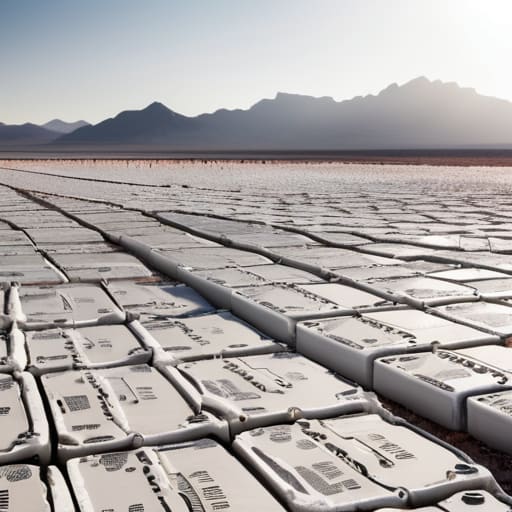
    When we talk about the “green” revolution, we usually picture sleek EVs gliding silently through clean cities. But if you look at the Salt Flats in the Lithium Triangle, the reality is much thirstier. Most of our lithium comes from brine extraction, a process that essentially involves pumping massive amounts of salty groundwater into giant evaporation ponds. The problem? This process creates a massive brine extraction water scarcity issue for the local communities and ecosystems that actually rely on those aquifers to survive. You can’t just swap out fossil fuels for a different kind of resource depletion and call it a win.

    It’s one of those frustrating green energy transition trade-offs that nobody wants to put in a marketing brochure. We’re essentially trading carbon emissions for localized hydrological collapse. While we’re obsessing over the tailpipe emissions of a Tesla, we’re often ignoring how the sheer volume of water being diverted is drying out the landscape. If we’re serious about a truly circular economy, we have to account for the total water footprint of the minerals themselves, not just the energy used to drive them.

    Hard Rock Mining vs Brine Mining the Hardware Reality

    Hard Rock Mining vs Brine Mining the Hardware Reality

    When you look at the raw data, it’s clear there isn’t a “perfect” way to get these minerals; it’s just a choice between different types of heavy lifting. On one side, you have the brine pools in the Salt Flats, which we just talked about regarding water usage. On the other, you have hard rock mining vs brine mining, specifically the spodumene extraction happening in places like Australia. Hard rock mining is essentially traditional open-pit mining. It’s incredibly energy-intensive because you’re crushing massive amounts of granite just to squeeze out a tiny percentage of lithium, which leads to significant lithium mining land degradation and a much higher carbon footprint during the initial processing stage.

    As an engineer, I look at this through the lens of efficiency and scale. Brine is “easier” in terms of energy input per ton, but the ecological debt is paid in water. Hard rock is the opposite—it’s a massive upfront hit to the atmosphere and the landscape, but it’s more predictable in terms of output stability. If we’re serious about the green energy transition trade-offs, we have to stop pretending one method is a silver bullet and start designing our supply chains to mitigate the specific damage each one leaves behind.

    How to Spot Real Progress (and Avoid the Greenwashing)

    • Look past the “zero emissions” marketing and demand transparency on the water-to-lithium ratio; if a company isn’t talking about their brine evaporation footprint, they’re hiding something.
    • Support the shift toward Direct Lithium Extraction (DLE) technologies, because moving away from massive evaporation ponds is the only way we stop turning local ecosystems into salt flats.
    • Prioritize battery chemistries that move the needle away from heavy mineral dependence, like LFP (Lithium Iron Phosphate), which might not be the “holy grail” for range, but they’re way more sustainable for the grid.
    • Demand a circular economy for battery hardware; we can’t keep digging new holes in the ground if we aren’t getting serious about high-yield recycling of the lithium already in our junk drawers and old EVs.
    • Keep an eye on “closed-loop” mining initiatives that integrate renewable energy into the extraction process itself—if the mine is powered by coal, the whole “green transition” argument falls apart.

    The Bottom Line: Why We Can't Ignore the Hardware Reality

    We have to stop treating “green energy” as a magic wand; if our lithium extraction methods—whether it’s thirsty brine evaporation or heavy-duty hard rock mining—keep draining local ecosystems, we’re just trading one environmental crisis for another.

    There is no “one-size-fits-all” solution in battery chemistry, and understanding the trade-offs between different mining methods is the only way we can actually build a supply chain that isn’t built on ecological debt.

    The real win for the next generation isn’t just making more EVs, it’s engineering a circular economy where we prioritize recycling and material efficiency so we don’t have to keep tearing up the earth just to keep our grids running.

    ## The Sustainability Paradox

    “We can’t claim we’re building a clean future if the very hardware powering our transition is being extracted through processes that leave local ecosystems bone-dry. If we don’t solve the chemistry of how we source these materials, we’re just swapping one environmental crisis for another.”

    Desmond Achebe

    The Real Path Forward

    The Real Path Forward for lithium extraction.

    Look, we can’t just pretend these environmental trade-offs don’t exist. We’ve looked at how brine extraction is essentially a massive water-drain on fragile ecosystems and how hard rock mining carries its own heavy footprint of energy and waste. There is no “magic bullet” solution where we just dig a hole and everything becomes green. If we want to move the needle, we have to acknowledge that the current methods are fundamentally imperfect. We need to stop treating lithium like a way out of our environmental responsibilities and start treating it as a complex engineering challenge that requires better oversight, more efficient extraction chemistry, and a much more aggressive push toward battery recycling.

    I’m not an optimist because I think everything is fine; I’m an optimist because I know what happens when we actually solve hard problems. The transition to electric mobility is inevitable, but it shouldn’t be built on a foundation of ecological debt. We need to demand better tech—solid-state breakthroughs, sodium-ion alternatives, and closed-loop recycling systems—that actually match the promise of a clean future. We aren’t just building better cars; we are building a new way to power civilization, and that requires us to get the chemistry right from the very first mile.

    Frequently Asked Questions

    If brine extraction is such a massive water hog, are there actually any scalable ways to pull lithium from salt flats without draining the local aquifers dry?

    Look, we can’t just keep pumping brine and praying for the best; it’s a hydrological nightmare. The real hope lies in Direct Lithium Extraction (DLE). Instead of letting massive ponds evaporate for months, DLE uses selective membranes or adsorbents to pull the lithium out of the brine and then—this is the crucial part—injects the “spent” water back into the aquifer. It’s more energy-intensive, sure, but it’s the only way to scale without turning salt flats into dust bowls.

    We talk a lot about the "dirty" side of mining, but what's the actual math on the lifecycle emissions of a lithium-ion battery compared to a traditional internal combustion engine?

    Look, I get the skepticism. If you just look at the factory floor, a battery is definitely “dirtier” than a gas tank. The manufacturing footprint is heavy. But once you start running the lifecycle math, the math wins. Even when you account for the mining mess, an EV usually breaks even with an ICE vehicle within 15,000 to 20,000 miles. After that, the efficiency gap widens every single mile. It’s about the long game.

    Is the industry actually moving toward solid-state or sodium-ion tech fast enough to make this whole lithium extraction mess obsolete, or are we just doubling down on the same old chemistry?

    Honestly? We’re doubling down for now. Solid-state is the holy grail, but the manufacturing scale isn’t even close to meeting current EV demand. Sodium-ion is a massive win for sustainability since it ditches lithium entirely, but it lacks the energy density we need for long-range driving. It’s great for low-cost city cars, but until we bridge that density gap, we’re stuck stuck in this lithium-heavy loop. We’re patching the old system rather than replacing it.

  • Components of an Electric Vehicle Drivetrain

    Components of an Electric Vehicle Drivetrain

    I still remember the smell of burnt ozone and overheated copper in my Georgia Tech lab during my junior year, staring at a prototype that just wouldn’t hold its charge. While everyone else was busy watching flashy keynote presentations about “the future of transport,” I was elbows-deep in the actual hardware, realizing that a car is only as good as the way it moves energy from point A to point B. Most people think an electric vehicle drivetrain is just a glorified battery and a motor, but that’s a massive oversimplification that ignores the real engineering happening under the chassis.

    I’m not here to sell you on the latest billionaire-backed hype or some vague promise of a carbon-neutral utopia. My goal is to strip away the marketing gloss and look at the actual components—the inverters, the reduction gears, and the thermal management systems—that dictate whether an EV is a reliable tool or an expensive paperweight. I’m going to give you the grounded, data-driven reality of how these systems function, so you can understand the hardware that will actually power our lives.

    Table of Contents

    Traction Motor Types Beyond the Marketing Gloss

    Traction Motor Types Beyond the Marketing Gloss.

    When you’re scrolling through EV brochures, everything sounds like magic, but once you peel back the chassis, it’s really just a battle of electromagnetics. Most people think “motor” is a catch-all term, but the engineering reality is way more nuanced. We’re mostly seeing a tug-of-war between Permanent Magnet Synchronous Motors (PMSM) and Induction Motors. PMSMs are the efficiency kings—they use rare-earth magnets to provide incredible electric motor torque characteristics right from a standstill, which is why they’re the go-to for most consumer commuters. They’re punchy and responsive, but they come with that baggage of supply chain ethics I’m always skeptical about.

    On the flip side, you have Induction Motors, which don’t rely on those permanent magnets. They’re a bit thirstier for energy, but they’re more robust and easier to control for high-speed cruising. A lot of high-performance setups actually use a dual-motor approach, leveraging both types to balance raw power with long-range efficiency. It isn’t just about how fast the car goes, though; it’s about how the system handles thermal management in EV drivetrains to prevent the copper windings from cooking themselves under heavy load. That’s where the real engineering happens.

    Semiconductor Power Modules the Brains of the Operation

    Semiconductor Power Modules the Brains of the Operation

    If the traction motor is the muscle, then the semiconductor power modules are the nervous system. You can have the most efficient motor in the world, but if your power electronics can’t handle the switching frequency, you’re just wasting juice. Most people focus on the battery, but I’m more interested in how we convert that DC current into the precise AC waveforms needed to command the motor. We’re seeing a massive shift from traditional silicon to Silicon Carbide (SiC) MOSFETs, and frankly, it’s about time. SiC allows for much higher switching speeds and better efficiency, which is crucial when you’re trying to fine-tune electric motor torque characteristics during rapid acceleration.

    However, it isn’t all sunshine and high-speed switching. These modules generate an insane amount of heat in a very small footprint. If your thermal management in EV drivetrains is subpar, these semiconductors will throttle or, worse, fail entirely. It’s a delicate balancing act: you need high power density to keep the car light, but you can’t sacrifice the cooling architecture just to shave off a few kilograms. We need to stop treating these as “black boxes” and start appreciating the raw physics required to keep the current flowing smoothly.

    Real-World Engineering: What Actually Matters When You Look Under the Hood

    • Stop chasing peak horsepower numbers in brochures. In a real drivetrain, torque density and thermal management are the actual kings; if the motor can’t shed heat during a heavy climb, that impressive spec sheet won’t mean a thing.
    • Watch the inverter efficiency, not just the battery size. You can have a massive lithium-ion pack, but if your power electronics are dumping energy as waste heat through inefficient switching, you’re basically driving a very expensive space heater.
    • Don’t ignore the reduction gear geometry. People obsess over the motor, but the way that mechanical advantage is tuned determines whether your EV feels like a snappy gadget or a heavy, sluggish tank when you hit the highway.
    • Demand transparency on material sourcing for permanent magnets. If a drivetrain relies heavily on rare earth elements that are mined with zero regard for lifecycle sustainability, we’re just trading one environmental disaster for another.
    • Prioritize integrated thermal loops. The most efficient systems don’t treat the motor, the inverter, and the battery as separate islands; they use smart, interconnected cooling to keep the entire hardware stack in its optimal operating window.

    The Bottom Line: What Actually Matters for the Future of EVs

    Forget the flashy touchscreen debates; the real battle for EV supremacy is being fought in the efficiency of the traction motor and the thermal management of the power modules.

    We can’t claim to be “green” if our drivetrains rely on fragile, inefficient hardware that requires constant, resource-heavy replacement.

    True progress isn’t about making EVs look like spaceships—it’s about mastering the chemistry and the semiconductor physics that make high-density, reliable energy transfer possible.

    ## The Reality Check

    “Everyone wants to talk about 0-60 times and futuristic UI, but if we don’t get the thermal management and the efficiency of the power electronics right, we’re just building expensive paperweights that can’t handle a real-world grid.”

    Desmond Achebe

    The Real Road Ahead

    EV drivetrain components: The Real Road Ahead.

    At the end of the day, an EV drivetrain isn’t just a collection of shiny parts; it’s a high-stakes balancing act of physics and chemistry. We’ve looked at how the traction motors provide the muscle, how the semiconductor modules act as the nervous system, and why the efficiency of these components determines whether a vehicle is a game-changer or just another expensive paperweight. If we don’t get the integration of these sub-systems right, all the fancy software in the world won’t save us from range anxiety or thermal runaway. It’s about the grit and the hardware working in perfect, synchronized harmony.

    I know it’s easy to get lost in the hype cycles and the “zero emissions” marketing fluff, but the real revolution is happening at the molecular and electrical level. We are essentially rebuilding the way humanity moves from the ground up. It’s a massive engineering challenge, and yeah, the current tech isn’t perfect, but that’s exactly why we need to stay focused on sustainable, scalable engineering rather than just chasing the next aesthetic trend. If we solve the hardware puzzle, we don’t just change how we drive—we change how we inhabit the planet. Let’s build something that actually lasts.

    Frequently Asked Questions

    If we move toward solid-state batteries, how much of the current motor and inverter architecture actually needs to be redesigned?

    Honestly? The heavy lifting stays mostly the same. If we jump to solid-state, we’re solving the energy density and safety bottleneck at the cell level, but the motor and inverter don’t care how the ions move inside the battery. You’re still converting DC to AC and spinning a rotor. We might tweak the thermal management systems since solid-state runs hotter/differently, but the core architecture remains. We’re upgrading the fuel tank, not the engine.

    How much of the efficiency loss in a drivetrain is due to heat management in the power electronics versus mechanical friction in the reduction gear?

    Honestly, it’s a tug-of-war between thermal waste and mechanical drag. In most setups, power electronics lose more to heat—think of those MOSFETs acting like tiny space heaters when switching states. If your thermal management is mid, that’s where your efficiency goes to die. Reduction gears definitely have friction, but unless you’ve got a catastrophic lubrication issue, the heat dissipation from the semiconductors is usually the bigger, more invisible energy thief.

    Can we actually scale the production of high-performance silicon carbide semiconductors without hitting a massive supply chain bottleneck?

    Honestly? We’re staring down a massive bottleneck. Right now, growing SiC crystals is more like fine art than mass manufacturing—it’s slow, expensive, and incredibly sensitive to defects. If we want to move from niche high-end EVs to every commuter car on the road, we can’t just rely on the current batch-based approach. We need a radical shift toward automated, large-diameter wafer production. Without that scale, SiC remains a luxury, not a standard.

  • Factors Influencing the Cost of Battery Production

    Factors Influencing the Cost of Battery Production

    I remember sitting in a Georgia Tech lab at 2:00 AM, surrounded by the smell of ozone and electrolyte leakage, staring at a data sheet that promised a revolution that just wasn’t showing up in the numbers. Everyone in the news cycle loves to throw around these massive, optimistic projections, but if you actually look at the supply chain volatility, the current battery cost trends feel a lot more like a rollercoaster than a straight line down. We keep hearing that the era of cheap energy storage is just around the corner, but as someone who spends my days analyzing grid stability, I know that vague promises don’t power cities.

    I’m not here to sell you on the corporate greenwashing or the “everything is fine” narrative you see in glossy investor decks. Instead, I want to pull back the curtain on the actual hardware and the messy chemistry that dictates whether these prices actually drop or just stagnate. I’m going to break down the real drivers behind battery cost trends—from raw material scarcity to the actual scaling of solid-state tech—so you can understand what’s actually driving the market and what’s just marketing fluff.

    Table of Contents

    Lithium Ion Battery Price Decline Fact or Forecast

    Lithium Ion Battery Price Decline Fact or Forecast

    Every time I scroll through industry reports, I see these neat, downward-sloping graphs suggesting that the lithium-ion battery price decline is an unstoppable law of physics. It’s easy to look at a chart and assume we’re just on a straight shot to pennies per kilowatt-hour, but as someone who spends my days staring at grid stability data, I know the reality is way messier. We aren’t just fighting against physics; we’re fighting against the sheer chaos of the global market.

    The truth is, we’re seeing a tug-of-war between economies of scale in battery production and massive supply chain volatility impact. On one side, Gigafactories are cranking out cells at a pace we couldn’t have dreamed of a decade ago, which naturally drives unit costs down. But on the other side, a sudden spike in raw material costs—like lithium carbonate or nickel—can instantly wipe out those efficiency gains. It’s not a smooth descent; it’s a jagged, unpredictable staircase. If we want to build a resilient grid, we have to stop treating these price drops as a guarantee and start planning for the inevitable bumps in the road.

    Navigating the Supply Chain Volatility Impact.

    Here’s the reality that most corporate press releases gloss over: you can have the most efficient manufacturing process in the world, but if a single geopolitical hiccup chokes off the flow of nickel or cobalt, your cost projections go straight out the window. I see this play out constantly in my data; the supply chain volatility impact isn’t just a theoretical risk, it’s a massive, unpredictable variable that can spike cell prices overnight. We’re essentially building the future of mobility on a foundation of raw materials that are often mined in high-risk zones or controlled by a handful of players.

    When I’m doing an electric vehicle battery market analysis, I’m not just looking at factory throughput. I’m looking at how much of a buffer these companies actually have when mineral prices go parabolic. We talk a lot about economies of scale in battery production as the ultimate solution, but scale doesn’t mean much if you’re scaling a dependency on a single, unstable source. To actually stabilize the market, we need to move toward chemistries that rely on more abundant, less volatile elements.

    Cutting Through the Noise: How to Actually Read the Battery Market

    • Stop looking at the MSRP of the car and start tracking the $/kWh of the cell. If the cost per kilowatt-hour isn’t dropping, the “EV revolution” is just a marketing slogan, not a reality.
    • Watch the cathode chemistry, not just the brand names. A shift from high-nickel NCM to LFP (Lithium Iron Phosphate) tells you way more about upcoming price trends than any CEO’s keynote speech ever will.
    • Keep an eye on the “recycling loop” potential. We can’t just keep digging holes in the ground; the real cost winners will be the companies that figure out how to recover lithium and cobalt from dead packs efficiently.
    • Don’t get spooked by short-term lithium spikes. Commodity volatility is a feature, not a bug, in this industry. Look for the long-term downward trend in manufacturing scale rather than reacting to every weekly price swing in raw materials.
    • Investigate the solid-state hype with a heavy dose of skepticism. Everyone promises a breakthrough, but until that tech can actually be manufactured at scale without breaking the bank, it’s just expensive lab science.

    The Bottom Line: What Actually Matters for the Transition

    Stop getting distracted by the shiny marketing numbers; real cost reduction isn’t just about cheaper raw materials, it’s about whether we can actually scale manufacturing without hitting a supply chain wall.

    We need to shift the conversation from “how much does the battery cost today” to “how much energy can we squeeze out of this chemistry over its entire lifecycle” to ensure true sustainability.

    The winners in this space won’t just be the companies with the biggest subsidies, but the ones solving the hardware bottlenecks in solid-state development and domestic mineral processing.

    The Real Math Behind the Price Drop

    “Everyone loves to point at a downward-sloping line on a graph and call it progress, but as an engineer, I don’t care about the trendline if the underlying chemistry is a supply chain nightmare. We aren’t just fighting for cheaper cells; we’re fighting to see if we can actually scale the hardware without hitting a wall of resource scarcity.”

    Desmond Achebe

    The Bottom Line on the Battery Race

    The Bottom Line on the Battery Race.

    At the end of the day, we can’t just look at a downward-sloping price graph and assume everything is fine. We’ve seen how quickly supply chain volatility can throw a wrench into even the most optimistic projections, and we’ve seen that the “cheap” lithium-ion era is heavily dependent on managing raw material bottlenecks. If we want to move past the hype, we have to acknowledge that true cost reduction isn’t just about finding cheaper ways to mine cobalt or nickel; it’s about refining the chemistry and the manufacturing processes so we aren’t just trading one resource crisis for another. We need to keep our eyes on the actual hardware and the real-world scalability of these cells, not just the quarterly earnings reports of major manufacturers.

    I’m still an optimist—I really am—but my optimism is grounded in the lab, not in a PR press release. The transition to electric mobility is a massive engineering hurdle that we are currently clearing, but the real victory won’t be when EVs become the status quo; it will be when the energy storage powering them is genuinely sustainable and circular. We are building the backbone of the next century’s grid, and while the math is complex and the hurdles are high, the potential to decouple our movement from fossil fuels is the most important project my generation will ever tackle. Let’s make sure we build it to last.

    Frequently Asked Questions

    If lithium prices stabilize, why aren't we seeing an immediate, massive drop in the MSRP of entry-level EVs?

    Look, I get the frustration. If raw material costs drop, you expect the sticker price to tank immediately, right? But it doesn’t work like a simple math equation. Battery packs are just one piece of a massive, expensive puzzle. Manufacturers have massive amounts of capital tied up in old production lines, and they’re still trying to recoup R&D costs from previous generations. It’s a lag between the chemistry hitting the floor and the actual assembly line shifting.

    How much of the current cost reduction is actually coming from better chemistry versus just scaling up massive gigafactories?

    Look, it’s a mix, but let’s be real: scaling is doing the heavy lifting right now. Gigafactories are driving down costs through sheer manufacturing efficiency and economies of scale—basically, we’re getting better at building the same thing faster. But chemistry is the real long game. While massive plants lower the immediate price tag, breakthroughs in silicon anodes or LFP tweaks are what actually shift the floor. Scaling wins the sprint; chemistry wins the marathon.

    Are solid-state batteries going to actually disrupt the cost curve, or are they just going to be an expensive niche for luxury performance cars?

    Look, if we’re being real, solid-state is currently stuck in the “luxury performance” trap. The energy density is insane, but the manufacturing hurdles—especially scaling those thin-film electrolytes without defects—are massive. Right now, it’s a playground for high-end EVs. But if we can bridge the gap from lab-scale to mass production, the cost curve could drop faster than current Li-ion. Until then, it’s more of a high-performance niche than a mass-market disruptor.

  • Managing Renewable Energy Fluctuations With Storage

    Managing Renewable Energy Fluctuations With Storage

    I remember sitting in a cramped lab at Georgia Tech, staring at a lithium-ion cell that had just been pushed way past its thermal limits. It wasn’t a textbook problem; it was a real, messy failure caused by trying to force a grid to behave like a steady stream when it’s actually a series of unpredictable surges. Everyone in the industry loves to wax poetic about a “green future,” but they gloss over the brutal reality of renewable energy intermittency with nothing but glossy marketing brochures. We can build all the wind farms we want, but if we don’t solve the hardware gap, we’re just building a massive, expensive system that fails the moment the sun goes down.

    I’m not here to sell you on some utopian fantasy or repeat the same corporate greenwashing you’ve heard a thousand times. Instead, I want to pull back the curtain on the actual chemistry and infrastructure required to make a stable grid possible. We are going to look past the hype and dive into the hard engineering required to bridge these gaps. My goal is to give you a grounded, data-driven understanding of the storage tech that will actually power our lives once the transition becomes inevitable.

    Table of Contents

    Why Variable Renewable Energy Integration Fails Without Hard Infrastructure

    Why Variable Renewable Energy Integration Fails Without Hard Infrastructure

    The problem with most corporate sustainability reports is that they treat the grid like a magic box that just absorbs whatever we throw at it. In reality, trying to plug massive amounts of solar and wind into an aging electrical system without proper hardware is like trying to run a high-performance gaming rig on a cheap, ungrounded extension cord. You’re going to see massive voltage swings and frequency deviations. This is where we hit the real grid stability challenges; if the supply fluctuates faster than the system can compensate, the whole thing starts to wobble.

    We can’t just keep adding more panels and turbines and hope for the best. To actually achieve successful variable renewable energy integration, we have to stop treating storage as an afterthought. We need a massive rollout of diverse energy storage technologies—everything from utility-scale lithium-ion arrays to long-duration flow batteries—to act as a buffer. Without that physical buffer to manage the delta between generation and demand, we aren’t building a revolution; we’re just building a more fragile version of the fossil fuel era.

    The Truth About Grid Stability Challenges in a Post Carbon World

    The Truth About Grid Stability Challenges in a Post Carbon World.

    Here’s the reality: our current grid was built for a one-way street—massive, centralized plants pumping steady power in one direction. When we start plugging in massive amounts of wind and solar, we’re essentially trying to run a high-performance engine on a fuel supply that fluctuates every time a cloud passes by. This creates massive grid stability challenges because the system loses its “inertia.” In the old days, those heavy spinning turbines in coal or gas plants provided a physical buffer that kept the frequency steady. Without that mechanical momentum, even a minor hiccup in supply can lead to a total frequency collapse.

    We can’t just “software” our way out of this problem with fancy dashboards. If we want to actually succeed at load balancing renewables, we need a massive hardware pivot. We’re talking about deploying utility-scale energy storage technologies that can react in milliseconds to stabilize the frequency. It’s not enough to just generate clean electrons; we have to be able to buffer the chaos of a decentralized system. If we don’t solve the hardware side of this equation, the transition is going to stall before it even gets moving.

    Stop Chasing Dreams and Start Building Capacity: 5 Ways We Actually Solve Intermittency

    • Prioritize Long-Duration Energy Storage (LDES). We can’t just rely on short-burst lithium-ion for everything; if we want to bridge a three-day wind drought, we need to be investing in flow batteries or thermal storage that can actually hold a charge for days, not just hours.
    • Decentralize the Grid with Microgrids. Instead of one massive, fragile system that collapses when a cloud bank rolls in, we need localized pockets of power that can island themselves and keep the lights on using local storage and generation.
    • Demand Smart Inverter Tech. We need to move past the old “dumb” hardware era. Modern inverters need to be able to provide synthetic inertia and frequency response autonomously, acting like a digital shock absorber for the grid when the sun dips.
    • Overbuild, but do it smart. The math is simple: if you only build enough solar to meet peak daytime demand, you’re dead in the water by 6 PM. We need enough excess capacity to charge massive storage arrays during the “surplus” hours so we aren’t left scrambling at dusk.
    • Fix the Transmission Bottlenecks. It doesn’t matter how much wind power is blowing in the plains if the copper wires to the cities are already at max capacity. We need high-voltage DC (HVDC) lines to move energy across vast distances without losing half of it to heat along the way.

    The Bottom Line: Moving Beyond the Hype

    We have to stop treating energy storage as an afterthought; if we don’t solve the intermittency problem with massive, high-density hardware, the grid will never be able to handle a high-percentage renewable load.

    Real decarbonization isn’t just about installing more solar panels—it’s about the chemistry and the infrastructure that allows us to move that power around when the weather isn’t cooperating.

    Avoid the greenwashing trap of “promises” and start looking at the actual deployment of long-duration storage and grid-scale batteries, because that’s the only way the math actually works.

    The Storage Gap

    “We keep treating intermittency like it’s some theoretical math problem to solve with better software, but it’s actually a hardware crisis. You can have all the smart algorithms in the world, but if you don’t have the physical chemistry to bridge the gap between a windy Tuesday and a dead calm Wednesday, the grid is just a house of cards waiting for a breeze.”

    Desmond Achebe

    The Bottom Line: Hardware Over Hype

    The Bottom Line: Hardware Over Hype.

    Look, we can keep debating the merits of wind versus solar all day, but that’s missing the entire point. As I’ve laid out, the intermittency issue isn’t a failure of renewable energy itself; it’s a failure of our current storage capacity and grid architecture. We can’t just plug a massive array of solar panels into a 20th-century grid and expect it to hold up when the sun goes down. Without massive investments in long-duration energy storage and a fundamental redesign of how we manage load, we’re just building a house on a foundation of sand. We need to stop treating batteries like a luxury add-on and start seeing them as the essential backbone of the entire system.

    I’m an optimist by nature—I really am—but I’m a skeptic when it comes to empty corporate slogans about “net zero” that don’t include a roadmap for lithium-ion alternatives or solid-state scaling. The transition is coming, whether we’re ready or not, but the goal shouldn’t just be “green”—it has to be reliable and sustainable. If we get the chemistry right and build the physical infrastructure to back it up, we aren’t just fixing the climate; we’re building a more resilient world from the ground up. Let’s stop chasing the hype and start building the hardware that actually works.

    Frequently Asked Questions

    If we can't rely on the sun or wind being constant, are we actually looking at a future where we need to keep gas plants on standby just to prevent blackouts?

    That’s the million-dollar question, and honestly, right now? Yeah, we are. We’re basically using gas plants as massive, expensive “insurance policies” for when the weather doesn’t cooperate. It’s inefficient and, frankly, it defeats the purpose. But that’s why I’m so obsessed with long-duration storage. We don’t need more gas; we need massive, scalable battery arrays and better grid management to bridge those gaps so we can finally mothball those fossil fuel plants for good.

    Beyond just massive lithium-ion arrays, what kind of long-duration storage tech is actually ready to hit the grid right now?

    Look, if we rely solely on lithium-ion, we’re just building a massive, expensive band-aid. For real long-duration storage, we need to look at flow batteries—specifically Vanadium Redox. They don’t degrade like the cells in my electric skateboard; you can cycle them indefinitely without losing capacity. We’re also seeing iron-air batteries hitting pilot stages, which are way cheaper because they use abundant materials rather than scarce minerals. That’s the hardware that actually scales.

    How much of the current grid instability is actually a resource problem versus just a failure of our aging, outdated hardware to handle two-way power flows?

    Honestly? It’s mostly a hardware bottleneck. We’re trying to run 21st-century software on 1970s-era architecture. The “resource problem” gets all the headlines, but the real headache is that our grid was built for one-way traffic—big power plants pushing juice down to passive consumers. Now, with EVs and home solar, power is flowing backward constantly. Our aging transformers and protection relays weren’t designed for that kind of chaos. We don’t just need more generation; we need a smarter, more resilient backbone.

  • Repurposing Electric Vehicle Batteries for Stationary Storage

    Repurposing Electric Vehicle Batteries for Stationary Storage

    I remember sitting in a humid Georgia Tech lab at 2:00 AM, staring at a lithium-ion cell that had dropped to 70% capacity. To a corporate PR rep, that cell was “end-of-life” trash, but to me, it was still a goldmine of potential energy. There is this massive, annoying myth floating around that once an EV battery loses a little juice, it’s basically useless. It’s total nonsense. We’re being sold this idea that we have to wait for a “perfect” recycling miracle, but the real solution is sitting right in front of us: degraded battery reuse. If we keep treating these units like disposable junk instead of modular assets, we’re just trading one environmental crisis for another.

    I’m not here to sell you on some vague, greenwashed dream of a circular economy. I want to talk about the actual hardware. In this post, I’m going to break down the chemistry of why these cells still have life in them and how we can realistically integrate them into grid storage. No fluff, no marketing jargon—just the technical reality of how we make second-life storage work.

    Table of Contents

    Decoding the Real Degradation Mechanisms in Ev Batteries

    Decoding the Real Degradation Mechanisms in Ev Batteries

    To understand why we can’t just swap a battery and call it a day, we have to look at what’s actually happening inside the cell. It isn’t just “getting old”; it’s a violent, microscopic chemical struggle. The most common degradation mechanisms in EV batteries come down to two main culprits: SEI layer growth and lithium plating. Think of the SEI (Solid Electrolyte Interphase) like a layer of rust that builds up on the anode. As it gets thicker, it consumes the very lithium ions that are supposed to be moving back and forth, effectively “trapping” them so they can’t contribute to power.

    Then you have the physical side of things—mechanical stress. Every time you fast-charge or cycle a cell, the electrodes physically expand and contract. Over hundreds of cycles, this creates micro-cracks in the material. This is where a precise battery state of health assessment becomes critical. If we don’t accurately map out exactly how much capacity is left and how much internal resistance has spiked, we’re just guessing. And in my line of work, guessing is how you end up with a thermal runaway event instead of a stable power source.

    Mastering Battery State of Health Assessment for Real Use

    Mastering Battery State of Health Assessment for Real Use.

    Here’s the reality: you can’t just take a pack out of a Tesla and plug it into a solar farm based on a “vibe.” If we want to move toward a true circular economy for electric vehicles, we need precision. Right now, the industry is still playing a guessing game with capacity fade. A battery might still hold 80% of its original charge, but if its internal resistance has spiked, it’s going to struggle with the high-current demands of a secondary application. We need to move past simple voltage checks and start looking at deep electrochemical signatures to truly understand what’s happening inside the cell.

    This is where a rigorous battery state of health assessment becomes the linchpin of the whole operation. We aren’t just looking for a single number; we’re looking for the predictability of performance. If I’m integrating these modules into grid-scale energy storage systems, I need to know exactly how they’ll behave during a peak load event three years from now. Without standardized, high-fidelity diagnostic protocols, we’re just shuffling liability from one sector to another rather than actually solving the sustainability puzzle.

    Making the Second Life Actually Work: My Practical Playbook

    • Stop chasing the 100% capacity myth. If you’re repurposing a cell that’s dropped to 70% or 80% SOH, stop trying to force it back into a high-performance EV application. Shift your mindset toward stationary storage—think home backup or grid stabilization—where steady, slow discharge is more important than instant torque.
    • Prioritize thermal management from day one. A battery that’s already seen some degradation is way more sensitive to heat than a fresh pack. If you’re building a second-life system, don’t skimp on the cooling; if you let those cells cook, you’re just accelerating the inevitable trip to the recycling center.
    • Standardize your BMS (Battery Management System) protocols. You can’t just mix and match old cells like you’re at a garage sale. You need a management system that can handle the specific impedance profiles of aged cells, otherwise, one weak link in the string is going to tank your entire module.
    • Get obsessed with cycle-life data, not just capacity. A battery might still hold a decent charge, but if its internal resistance has spiked, it’s going to struggle with high-current demands. Always look at the voltage sag under load—that’s the real tell for how much life is actually left in the chemistry.
    • Build for disassembly, not just assembly. If we’re serious about a circular economy, we can’t have cells glued into permanent, unserviceable bricks. Design your second-life storage units so that individual modules can be swapped or repaired without shredding the whole system.

    The Bottom Line: Moving Beyond the Hype

    We have to stop viewing a battery’s “end of life” as a binary switch; a cell that’s too inefficient for a high-performance EV is still a goldmine for stationary grid storage.

    Real sustainability isn’t just about the chemistry inside the cell, but about building the diagnostic infrastructure needed to accurately prove a battery’s State of Health before we repurpose it.

    If we don’t solve the second-life logistics now, we’re just trading one massive waste problem for another, regardless of how “green” the initial EV was.

    ## The Second-Life Reality Check

    “We need to stop treating a 70% State of Health reading like a death sentence for a battery pack; if we’re actually serious about a circular economy, we have to stop viewing degradation as ‘waste’ and start seeing it as the foundation for grid-scale storage.”

    Desmond Achebe

    The Bottom Line on Second-Life Tech

    The Bottom Line on Second-Life Tech.

    Look, we’ve spent this time digging into the messy reality of why cells fail and how we actually measure what’s left in the tank. We can’t just guess if a pack is safe; we need precise State of Health (SoH) data and a deep understanding of the electrochemical degradation happening at the anode and cathode. If we want to move beyond the “disposable battery” mindset, we have to bridge the gap between lab-grade diagnostics and the actual, gritty infrastructure needed to sort, test, and certify these units for stationary storage. It’s not just about keeping old cells out of a landfill—it’s about optimizing the entire lifecycle of the energy we’re working so hard to capture.

    At the end of the day, the transition to electric mobility isn’t just a software update or a flashy new car design; it’s a hardware revolution. We are building the foundation of a new grid, and that foundation has to be built on sustainable chemistry, not just corporate slogans. I’m skeptical of the easy answers, but I’m incredibly optimistic about the engineers and analysts who are doing the hard work of making circularity a reality. If we get the battery reuse loop right, we aren’t just recycling parts—we are powering the future with the very same electrons that moved us yesterday.

    Frequently Asked Questions

    Once a battery hits that 70% or 80% capacity mark, is it actually safe to plug into a residential grid, or are we looking at serious thermal runaway risks?

    Look, I get the anxiety—nobody wants a fire hazard sitting in their garage. But here’s the reality: a degraded battery isn’t a ticking time bomb by default. The risk isn’t the lower capacity; it’s the internal resistance and potential dendrite growth that comes with age. If we’re doing a proper State of Health (SoH) assessment and the impedance is stable, it’s perfectly safe for residential storage. We just need rigorous BMS protocols, not fear.

    How do we solve the massive headache of standardized testing—since every manufacturer uses different chemistries, how can we create a universal "health certificate" for used cells?

    Look, this is the million-dollar question. Right now, it’s a fragmented mess because a LFP cell behaves totally differently than an NMC cell under load. We can’t just use one generic formula and call it a day. To get a universal “health certificate,” we need to move past simple voltage checks and implement standardized Electrochemical Impedance Spectroscopy (EIS). If we can digitize the chemical fingerprint of a cell, we can finally standardize the data, regardless of the brand.

    Is the energy cost and chemical footprint of refurbishing an old pack actually lower than just mining the raw materials for a brand-new solid-state cell?

    Look, if we’re being honest about the math, refurbishing an old pack wins on energy expenditure almost every time. Mining raw lithium and cobalt is an ecological nightmare with a massive carbon debt. Even if a solid-state cell is more efficient, the upfront “environmental cost” of digging it out of the ground is astronomical. We shouldn’t be racing to mine our way out of this; we should be racing to keep existing atoms in the loop.