
I remember sitting in my junior year lab at Georgia Tech, staring at a degraded lithium-ion cell that looked like it had been through a war zone. My professor was droning on about “sustainable transitions,” but all I could see was the messy, chemical reality of what we were actually building. There’s this massive amount of corporate fluff out there trying to tell you that switching to electric is a magic wand that instantly cleans up the planet, but if we’re being honest, the ev battery environmental impact is a complicated, heavy-duty problem that a glossy marketing brochure can’t fix. We can’t just swap a tailpipe for a mineral mine and call it a day without looking at the actual math.
I’m not here to sell you on a utopia or scare you off with doom-and-gloom conspiracies. My goal is to strip away the greenwashing and look at the raw data—from the energy intensity of cobalt extraction to the real potential of closed-loop recycling. I’ll show you the hardware reality of how we move from resource depletion to a truly circular economy. This isn’t about vague promises; it’s about the real chemistry that will determine if this transition actually holds water.
Table of Contents
- Tracing the Carbon Footprint of Lithium Ion Production
- Exposing the Lithium Mining Environmental Consequences
- Cutting Through the Noise: 5 Ways to Actually Measure Battery Sustainability
- The Bottom Line: What the Data Actually Tells Us
- The Sustainability Paradox
- The Hard Truth and the Path Forward
- Frequently Asked Questions
Tracing the Carbon Footprint of Lithium Ion Production
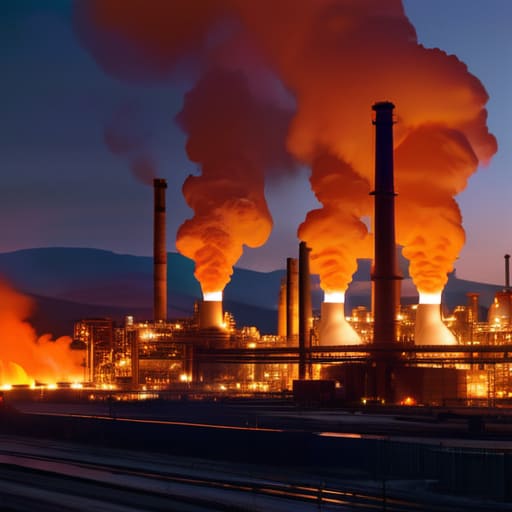
When we talk about the carbon footprint of lithium-ion production, we have to stop looking at the tailpipe and start looking at the factory floor. Most people assume an EV is “zero emissions” the second it rolls off the assembly line, but that’s a massive oversimplification. The energy intensity required to refine raw materials is staggering. We’re talking about massive amounts of heat and electricity just to get high-purity lithium and nickel ready for the cell. If that refining process is powered by a coal-heavy grid, the initial “carbon debt” of your new car is much deeper than the marketing brochures suggest.
It isn’t just about the energy, though; it’s about the sheer scale of extraction. The lithium mining environmental consequences are real, often involving massive water consumption in regions that are already struggling with drought. Then you have the messy reality of the cobalt supply chain ethics, where the human cost often gets buried under technical specifications. We can’t just swap one resource crisis for another; we have to be honest about the heavy lifting required to build these cells before they ever hit the road.
Exposing the Lithium Mining Environmental Consequences

We can’t talk about the transition to electric without addressing the elephant in the room: the literal ground we’re digging up. When people look at a sleek EV, they see a clean future, but I see the massive brine pools in the Lithium Triangle. The lithium mining environmental consequences aren’t just theoretical; we’re talking about massive water consumption in regions that are already bone-dry. It’s a brutal trade-off. You’re essentially trading carbon emissions for local ecological devastation, and as someone who looks at grid stability all day, I think we need to be way more honest about that cost.
Then there’s the human element that corporate PR loves to gloss over. If we don’t fix the cobalt supply chain ethics, we’re just swapping one exploitative resource model for another. It’s not enough to just swap a tailpipe for a battery; if the raw materials are sourced through systemic negligence, the whole “green” argument starts to feel like a shell game. We need to move toward a circular economy for electric vehicles where we actually value the minerals we’ve already pulled out of the earth instead of just digging more holes.
Cutting Through the Noise: 5 Ways to Actually Measure Battery Sustainability
- Stop looking at tailpipe emissions and start looking at the “embodied carbon.” If a manufacturer can’t show you the energy intensity of their cathode production, they’re just greenwashing.
- Demand transparency in the supply chain, specifically regarding cobalt. We need to move toward LFP (Lithium Iron Phosphate) chemistries wherever possible to dodge the ethical and environmental mess of cobalt mining.
- Check the “Second Life” potential. A battery that’s too degraded for a high-performance EV should still be perfect for stationary grid storage. If a company doesn’t have a plan for end-of-life repurposing, they’re failing.
- Look for closed-loop recycling. It’s not enough to just “recycle”; we need hydrometallurgical processes that can actually recover high percentages of lithium and nickel so we aren’t constantly digging new holes in the ground.
- Watch the grid mix of the manufacturing plant. An EV battery made in a factory powered by coal is a massive environmental debt that takes years of driving to pay off. Always ask where the factory’s juice is coming from.
The Bottom Line: What the Data Actually Tells Us
We have to stop treating “zero emissions” as a magic spell; the carbon debt from manufacturing a battery is heavy, and we won’t break even until we’ve put significant mileage on the road.
Lithium mining is a massive bottleneck that carries real ecological costs, meaning the industry’s survival depends on moving away from raw extraction and toward a circular economy.
The transition only stays “green” if we fix the supply chain, focusing on high-density, sustainable chemistries and aggressive battery recycling rather than just scaling up current, messy processes.
The Sustainability Paradox
We can’t keep calling every EV a “green miracle” while ignoring the massive energy debt we rack up just to pull raw minerals out of the ground; if we don’t fix the chemistry and the supply chain now, we’re just trading one environmental crisis for another.
Desmond Achebe
The Hard Truth and the Path Forward

Look, we can’t pretend the math isn’t messy. From the massive energy requirements of lithium extraction to the carbon-heavy manufacturing processes I’ve laid out, the “green” label isn’t a free pass. If we keep ignoring the ecological toll of mining and the complexities of the supply chain, we’re just trading one environmental crisis for another. We have to move past the marketing fluff and acknowledge that true sustainability requires a complete overhaul of how we source and process these raw materials. It’s not enough to just swap a tailpipe for a battery; we have to fix the entire lifecycle of the hardware itself.
That said, I’m not writing this to be a doomer. I’ve spent too many hours in labs looking at solid-state breakthroughs and recycling tech to believe we’re stuck. The transition is inevitable, but it has to be smarter. We need to push for a circular economy where every gram of cobalt and lithium is recovered, not just dumped in a landfill. The goal isn’t perfection on day one—it’s radical transparency and engineering excellence. If we focus on the actual chemistry and build better infrastructure, we can move from just “reducing harm” to actually powering a future that lasts.
Frequently Asked Questions
If the mining process is this messy, is there any actual way to make solid-state batteries a cleaner alternative?
Look, solid-state isn’t a magic wand that fixes everything, but it changes the math. By swapping out the liquid electrolyte for a solid one, we can potentially use much higher energy densities. That means smaller, lighter packs for the same range, which reduces the total raw material we need to rip out of the ground. If we can pair that with more abundant materials like sodium or sulfur, we actually stand a chance at a cleaner lifecycle.
Can we actually scale up battery recycling fast enough to keep up with the massive influx of end-of-life EVs?
Honestly? Right now, we’re playing a dangerous game of catch-up. We’re scaling up production of new cells at a breakneck pace, but our recycling infrastructure is still stuck in the prototype phase. It’s not just about having the machines; it’s about the logistics of collecting millions of heavy, volatile packs. If we don’t bridge that gap between “end-of-life” and “re-manufacturing” soon, we’re just trading one resource crisis for another.
How much of the "green" benefit of an EV is actually being eaten up by the carbon intensity of the grid it's plugging into?
Look, it’s a math problem, not a magic trick. If you’re charging a high-capacity pack in a state running on nothing but coal, your “zero emissions” claim is basically a lie. You’re just shifting the tailpipe to a smokestack miles away. But here’s the silver lining: even on a relatively dirty grid, EVs are still more efficient at converting energy into motion than an internal combustion engine. The real win happens as we decarbonize the grid itself.
