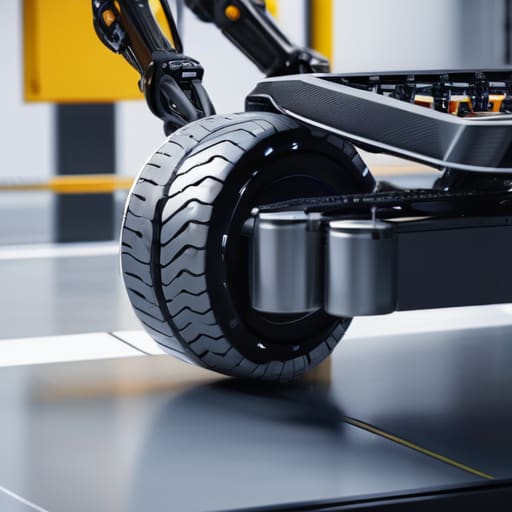
I remember sitting in a Georgia Tech lab back in 2019, staring at a disassembled lithium-ion module that felt more like a piece of industrial machinery than a component for a car. Everyone in the media was busy hyping up “instant torque” and “the future of driving,” but they were completely glossing over the sheer, massive reality of electric vehicle weight. We were talking about batteries that were essentially heavy bricks strapped to the chassis, and as an engineer, it killed me to see the industry pretend this wasn’t a fundamental physics problem. You can’t just wish away the laws of thermodynamics with a sleek touchscreen and some marketing fluff; if we don’t address the mass, we’re just building heavier problems for the grid to solve.
I’m not here to sell you on the fantasy or parrot some corporate press release about “sustainable mobility.” Instead, I’m going to pull back the curtain on the actual hardware and explain why this mass matters for your tires, your range, and your wallet. We’re going to look past the hype and dive into the real chemistry and engineering that dictates how these machines actually perform on the road.
Table of Contents
- The Energy Density vs Vehicle Mass Paradox
- Aluminum vs Steel in Ev Chassis the Real Hardware Battle
- Cutting the Dead Weight: How We Actually Fix the Mass Problem
- The Bottom Line: Why Mass Matters More Than Marketing
- The Physics Problem We Can't Bullshit Our Way Out Of
- The Bottom Line on the Heavyweight Struggle
- Frequently Asked Questions
The Energy Density vs Vehicle Mass Paradox

Here’s the paradox I run into every single day at work: we’re stuck in this feedback loop where we try to solve range anxiety by adding more cells, which just adds more mass, which then demands even more energy to move. It’s a classic engineering headache. When you look at the energy density vs vehicle mass ratio, the math starts to get ugly. We want these cars to go 400 miles on a single charge, but to hit that number, we’re essentially bolting a massive, heavy slab of lithium and cobalt onto the floorpan. This extra weight creates a drag on efficiency that can almost negate the benefits of the larger capacity you just added.
It’s not just about the miles, either. This massive increase in curb weight fundamentally changes how the car interacts with the road. I’ve seen the data on how this extra load accelerates the impact of curb weight on tire wear, meaning you might get your long-range highway cruise, but you’ll be replacing rubber much sooner than a gas-car owner would. We’re essentially trading long-term component durability for short-term range confidence, and until we see a real breakthrough in solid-state chemistry, we’re just managing a compromise.
Aluminum vs Steel in Ev Chassis the Real Hardware Battle
When you look under the skin of a modern EV, you’re basically looking at a high-stakes material science war. For decades, steel was the undisputed king of the assembly line because it’s cheap and incredibly easy to work with. But in the world of electrification, every extra kilogram is a tax on your efficiency. This is where the debate over aluminum vs steel in EV chassis becomes a massive headache for engineers. Aluminum is the dream because it’s significantly lighter, helping to offset that massive battery pack, but it’s a nightmare for the bottom line. It’s more expensive, harder to weld, and complicates the recycling loop if we aren’t careful.
The real kicker isn’t just the cost, though; it’s how the choice dictates the vehicle’s entire physics profile. If we lean too heavily into steel to save money, we end up with a massive EV battery weight impact on range that no amount of clever software can fully fix. On the flip side, if we go all-in on aluminum, we might solve the mass problem but drive the MSRP so high that the “green transition” becomes a luxury only the 1% can afford. We need a middle ground that doesn’t sacrifice performance for the sake of a spreadsheet.
Cutting the Dead Weight: How We Actually Fix the Mass Problem
- Stop obsessing over range and start looking at energy density; if we can’t squeeze more joules into a smaller footprint, we’re just building heavier rolling bricks.
- We need to push for cell-to-pack (CTP) architecture, which ditches the heavy modular housings to let the chemistry do the heavy lifting without the redundant metal.
- Don’t fall for the “lightweight” marketing hype unless they’re actually using silicon anodes or solid-state tech to offset the sheer mass of the battery pack.
- Prioritize structural battery packs that turn the energy storage itself into part of the vehicle’s chassis, rather than just bolting a massive weight onto a frame.
- Demand better software-driven thermal management; if we can manage heat more efficiently, we can reduce the size (and weight) of the cooling systems required to keep cells from degrading.
The Bottom Line: Why Mass Matters More Than Marketing
We can’t keep treating battery capacity like a magic wand; if we just keep adding more cells to solve range anxiety, we’re just building heavier vehicles that require even more energy to move, creating a cycle of diminishing returns.
The real winners in the EV race won’t just be the companies with the biggest batteries, but the ones mastering material science—specifically finding that sweet spot between lightweight chassis materials and high-density cell chemistry.
Sustainability isn’t just about tailpipe emissions; it’s about the structural efficiency of the hardware. If we don’t solve the weight-to-energy ratio, we’re just swapping one resource-heavy problem for another.
The Physics Problem We Can't Bullshit Our Way Out Of
“We keep obsessing over range numbers like they’re the only metric that matters, but we’re ignoring the brutal physics at play: every extra kilogram we add to a battery pack to chase more miles just creates a feedback loop of heavier suspension, beefier brakes, and more energy consumption. If we don’t crack the code on energy density soon, we’re just building heavier and heavier tanks that eat more of the very energy they’re trying to store.”
Desmond Achebe
The Bottom Line on the Heavyweight Struggle
At the end of the day, we can’t just keep throwing more lithium at the problem and calling it progress. We’ve looked at the math: the tug-of-war between energy density and vehicle mass isn’t just a technical hurdle; it’s a fundamental design bottleneck. Whether we’re debating the cost-efficiency of steel versus the lightweight benefits of aluminum, or trying to squeeze more range out of heavy packs, we have to realize that every extra kilogram is a tax on the entire system. If we don’t optimize the chassis and the chemistry simultaneously, we’re just building heavier, more expensive versions of the same old problems.
I’m still an optimist, but I’m an optimist who demands better hardware. The shift to electric isn’t just about swapping a fuel tank for a battery; it’s about a total rethink of how we move. We need to move past the era of “brute force” engineering and start prioritizing true sustainable efficiency. I want to see a future where our vehicles aren’t just heavy computers on wheels, but sleek, high-performance machines that respect the physics of the road. The tech is getting there—we just need to stop settling for the easy, heavy way out.
Frequently Asked Questions
If we're swapping heavy steel for lighter aluminum, aren't we just going to end up adding more battery cells to compensate for the lost structural rigidity?
That’s a sharp observation, and honestly, it’s exactly the kind of circular logic that keeps me up at night. You’re describing a “weight spiral.” If we swap steel for aluminum just to regain structural stiffness with more material, we’re basically just trading one mass problem for another. The goal isn’t just swapping metals; it’s about using advanced alloys and integrated cell-to-chassis designs so the battery actually becomes a structural component, not just dead weight.
How much of this weight issue is actually a chemistry problem versus just a bad engineering design in how the packs are integrated into the chassis?
It’s a bit of both, but honestly, it’s more of a chemistry bottleneck right now. We’re essentially trying to build a high-performance race car around a massive, heavy brick of lithium-ion cells. Even if engineers design the most elegant, integrated structural battery pack possible, you’re still fighting the physics of energy density. Until we move toward solid-state or higher-density chemistries, we’re just rearranging the deck chairs on a very heavy ship.
At what point does the weight penalty of a larger battery for "range anxiety" actually become a net negative for real-world efficiency?
It’s the classic law of diminishing returns. You hit that tipping point when the extra mass required to house those additional cells forces the motors to work harder just to overcome inertia. If you’re adding 100kg of battery to squeeze out another 30 miles of range, but that weight increases your rolling resistance and energy consumption across the entire trip, you’re basically just running a treadmill. You aren’t gaining range; you’re just burning more juice to carry your own fuel.
