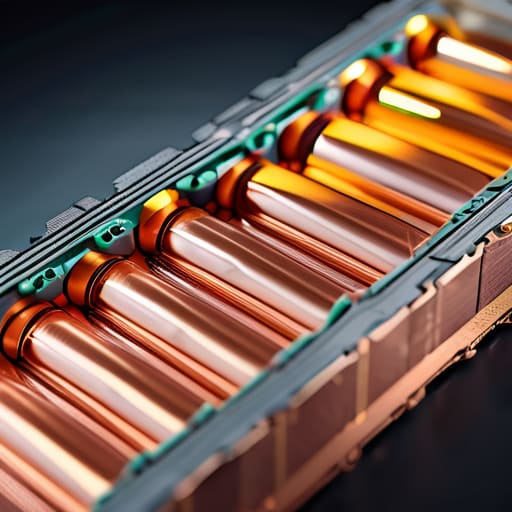
I still remember sitting in my junior year lab at Georgia Tech, staring at a lithium-ion cell that had been cycled into absolute oblivion. While the marketing departments at major automakers were busy pumping out glossy brochures about “limitless” range, I was watching the actual chemistry die in real-time. It’s frustrating because the industry loves to throw around vague numbers, but nobody wants to have a real conversation about the variables that actually dictate ev battery lifespan. We’re constantly sold this dream of seamless electric mobility, yet we ignore the fact that a battery isn’t just a black box of energy—it’s a living, degrading chemical system that reacts to every single way you drive it.
I’m not here to feed you the usual corporate greenwashing or give you a sanitized version of the facts. My goal is to cut through the noise and look at the hard data behind how these cells actually age. We’re going to dive into the real-world mechanics—from thermal management to depth of discharge—so you can understand what’s actually happening under the floorboards. If you want to know how to make your tech last instead of just following the hype, you’re in the right place.
Table of Contents
- Decoding Lithium Ion Battery Degradation Factors
- State of Health vs State of Charge Explained
- How to Actually Protect Your Pack: 5 Pragmatic Rules for Battery Longevity
- The Bottom Line: What Actually Matters for Your Battery
- The Sustainability Reality Check
- The Bottom Line on Battery Longevity
- Frequently Asked Questions
Decoding Lithium Ion Battery Degradation Factors

To understand why a battery loses its edge, you have to look past the software dashboard and into the actual cell chemistry. We often conflate state of health vs state of charge, but they are worlds apart. While your state of charge tells you how much “fuel” is in the tank right now, the state of health is the permanent, irreversible loss of capacity due to chemical decay. This happens primarily through the growth of the Solid Electrolyte Interphase (SEI) layer—think of it like a microscopic layer of “gunk” building up on the anode that prevents lithium ions from moving freely.
Temperature is the biggest accelerator for this decay. If you’re running a battery through extreme heat without proper EV battery thermal management, you’re essentially cooking the internal components, which speeds up these parasitic reactions. Similarly, we need to have a serious conversation about the fast charging impact on battery life. While everyone loves the convenience of a quick top-off, forcing high current into a cell creates localized heat and mechanical stress that can lead to lithium plating. It’s not about avoiding fast charging entirely, but understanding that every “extreme” session is a trade-off with the battery’s long-term stability.
State of Health vs State of Charge Explained
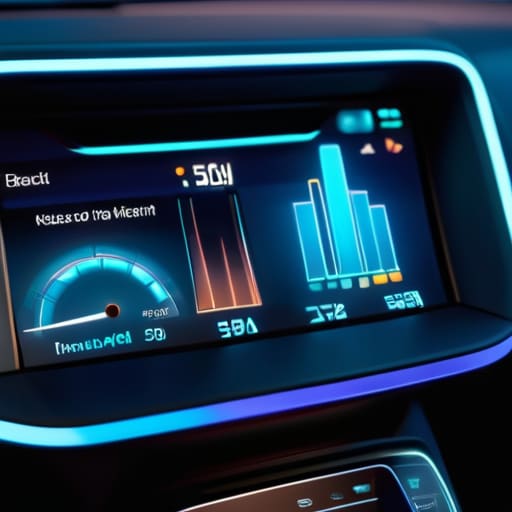
Look, I see this confusion all the time in the forums: people think a low battery percentage means their car is dying. It’s a fundamental misunderstanding. Think of it like your phone or even my vintage electric skateboards. State of Charge (SoC) is just your current fuel gauge—it tells you how much energy is in the tank right now. It’s a transient number that fluctuates every time you drive or plug in.
State of Health (SoH), on the other hand, is the real metric that actually matters for your wallet. While SoC is about how much juice you have now, SoH is a measurement of how much total energy the battery can hold compared to when it was brand new. It’s a permanent, downward trend caused by the chemical aging we talked about earlier. If your SoC is at 90%, you’ve got plenty of range for your commute. But if your SoH has dropped to 70%, your “full tank” is significantly smaller than it used to be. Understanding the difference between state of health vs state of charge is the only way to accurately track how your hardware is actually aging.
How to Actually Protect Your Pack: 5 Pragmatic Rules for Battery Longevity
- Stop the “Full Tank” Obsession: Unless you’re heading out on a road trip, try to keep your battery between 20% and 80%. Constant cycling at the extreme edges of voltage is like redlining a gas engine—it puts unnecessary stress on the chemistry and accelerates capacity loss.
- Respect the Heat: Heat is the silent killer of lithium-ion cells. If you’re in a climate that’s pushing triple digits, try to park in the shade or a garage. If your car has a pre-conditioning feature, use it; managing thermal stability is way more effective than trying to fix degradation after the fact.
- Slow Charging is Your Friend: DC fast charging is convenient, but it’s basically a high-pressure blast of ions into the anode. If you have the luxury of time, stick to Level 2 AC charging for your daily routine. It’s much gentler on the internal structure of the cells.
- Avoid the “Deep Discharge” Trap: Letting your car sit at 0% isn’t just inconvenient; it’s dangerous for the battery’s health. If a cell drops below a certain voltage threshold, it can trigger permanent chemical changes that might prevent the pack from ever holding a charge again.
- Don’t Overthink the Software: Most modern EVs have sophisticated Battery Management Systems (BMS) designed to protect the hardware. Trust the engineering, but don’t treat the car like a toy—consistent, moderate driving habits will always beat aggressive, high-discharge patterns when it comes to long-term cell health.
The Bottom Line: What Actually Matters for Your Battery
Stop chasing range anxiety and start focusing on thermal management; how you handle heat during fast charging is a much bigger predictor of long-term degradation than how many miles you drive.
Understanding the distinction between your current charge level and your battery’s actual health is the only way to separate temporary performance dips from permanent chemical aging.
Real sustainability isn’t about how much energy a cell can hold today, but how many thousands of cycles it can maintain before the chemistry fundamentally breaks down.
The Sustainability Reality Check
“We need to stop treating EV batteries like disposable smartphone tech; if we want true electric mobility, we have to engineer for a decade of service, not just a marketing cycle of range estimates.”
Desmond Achebe
The Bottom Line on Battery Longevity
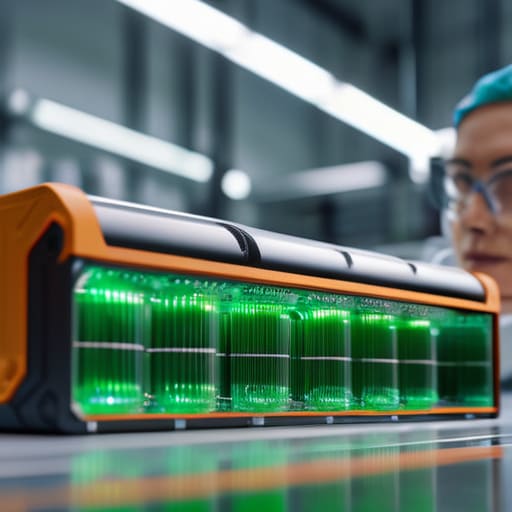
Look, if there’s one thing I want you to take away from this, it’s that battery life isn’t some mysterious, uncontrollable force of nature. It’s a predictable result of how we manage heat, how we handle charge cycles, and how we respect the underlying chemistry. We’ve moved past the era where you can just treat an EV like a gas car and expect it to last forever. By understanding the nuance between State of Health and State of Charge, and by being mindful of those high-temperature degradation triggers, you aren’t just preserving a piece of hardware—you are protecting your long-term investment and ensuring that the transition to electric is actually economically viable for the average person.
We are still in the early innings of the energy transition, and yeah, the tech isn’t perfect yet. But every time we push the boundaries of solid-state research or improve how we recycle old cells, we get closer to a world where “range anxiety” is a relic of the past. I’m genuinely optimistic that we’re building the foundation for a grid that’s cleaner and more resilient than anything my parents ever saw. The hardware is getting better every single day, and if we focus on sustainable engineering rather than just flashy marketing, we’re going to win this race. Let’s stop worrying about the inevitable decline and start focusing on how we build things to actually last.
Frequently Asked Questions
If I keep my car plugged in at 100% all the time to make sure it's always ready, am I actually killing the chemistry faster?
Short answer? Yeah, you’re definitely stressing the chemistry. Think of it like a rubber band: if you keep it stretched to its absolute limit 24/7, it’s going to lose its elasticity way faster than if you just keep it lightly tensioned. Keeping a cell at 100% SoC keeps the voltage high, which accelerates electrolyte oxidation and side reactions. If you want that battery to hit the 200k-mile mark, stop treating it like a smartphone and aim for that 20-80% sweet spot.
What happens to the battery's health when I'm driving through extreme heat or freezing winters?
Think of your battery like an athlete: extreme temperatures mess with its performance. In freezing winters, the internal resistance spikes, making it harder for ions to move—that’s why you see that sudden range drop. Heat is actually the silent killer, though. Constant high temps accelerate chemical degradation, essentially “cooking” the electrolyte and permanently lowering your capacity. It’s not just about losing range today; it’s about how much of that chemistry you’re sacrificing for tomorrow.
Once a battery hits that "end of life" threshold for a car, can the cells actually be repurposed for home energy storage, or is it just scrap metal?
It’s definitely not just scrap metal. In fact, that’s where the real potential lies. When an EV battery drops to about 70-80% capacity, it’s “dead” for a car because the range becomes too unpredictable, but it’s still a powerhouse for stationary storage. We can repurpose those modules into second-life systems for homes or the grid. It’s basically recycling the chemistry before we eventually move toward full material recovery.
