Category: Energy

  • The Development of Wireless Charging Technology for Electric Vehicles

    The Development of Wireless Charging Technology for Electric Vehicles

    I spent three years in a Georgia Tech lab watching lithium-ion cells struggle with thermal runaway, so I have a pretty low tolerance for the “magic wand” marketing I see lately. Every time I scroll through tech news, there’s another glossy headline claiming wireless ev charging is going to change our lives overnight by making cables obsolete. Let’s be real: most of these pitches ignore the massive inductive losses and the sheer infrastructure headache required to actually move that much energy through a pad in the ground. It’s easy to pitch a cool concept, but it’s much harder to build a system that doesn’t melt your battery or bankrupt the local grid.

    I’m not here to sell you on a sci-fi fantasy or repeat the same corporate greenwashing you’ve heard a dozen times. Instead, I want to pull back the curtain on the actual hardware and the electromagnetic reality of how this tech functions. We’re going to look past the convenience hype and dig into the efficiency bottlenecks and grid stability issues that engineers are actually sweating over. If we want a future of seamless mobility, we need to stop chasing the dream and start solving the real chemistry and physics problems first.

    Table of Contents

    Magnetic Resonance Coupling Ev Science or Just More Vaporware
    Magnetic Resonance Coupling Ev Science or Just More Vaporware

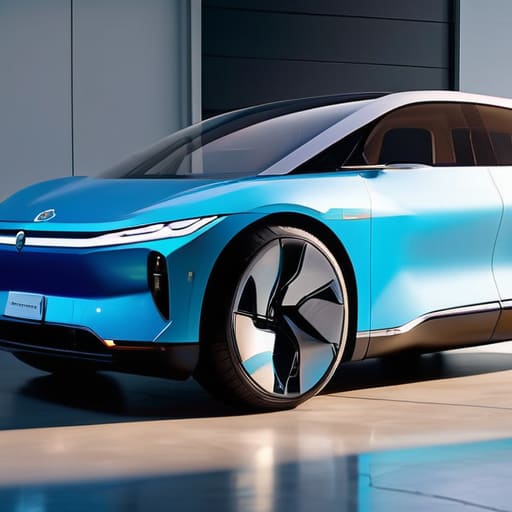
    Whenever I’m digging through recent white papers, I see “magnetic resonance coupling EV” mentioned as the holy grail of the industry. The theory sounds perfect on paper: you create two oscillating circuits that “tune” into each other, allowing energy to jump across an air gap without needing the precise alignment required by standard electromagnetic induction for electric cars. It’s basically like tuning a radio to a specific frequency, but instead of music, you’re transferring kilowatts.

    But here’s where my skepticism kicks in. While the physics is sound, the jump from a controlled lab setting to a driveway is massive. We’re talking about maintaining high-frequency resonance while dealing with dirt, snow, and varying ground clearance. If we can’t solve the wireless charging efficiency vs plug-in gap—which is still significant due to heat loss and field leakage—then this tech remains a playground for academics rather than a tool for the grid. We don’t need more theoretical breakthroughs; we need hardware that can actually survive a Midwestern winter without losing half its juice to the atmosphere.

    Wireless Charging Efficiency vs Plug in Cutting Through the Hype
    Wireless Charging Efficiency vs Plug in Cutting Through the Hype

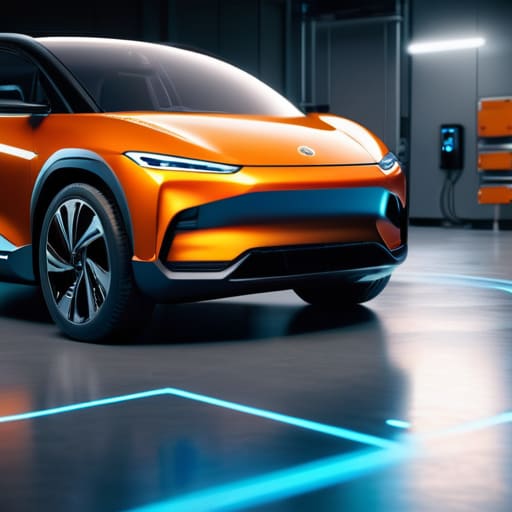
    Here’s the reality: if you look at the raw data, the gap between wireless charging efficiency vs plug-in speeds isn’t just a minor inconvenience—it’s a fundamental physics problem. When I was in the labs at Georgia Tech, we constantly ran into the same wall: energy loss. With a standard CCS plug, you’re looking at a direct, high-efficiency electron transfer. With induction or resonance, you’re fighting air gaps and misalignment. Even with the best hardware, you’re essentially losing a percentage of your juice to heat and magnetic leakage before it even touches your battery cells.

    I’m not saying it’s a lost cause, but we need to stop pretending it’s a 1:1 replacement for a high-speed DC fast charger. For a consumer, a 5-10% drop in efficiency might seem negligible, but when you scale that to the future of electric vehicle refueling across an entire city, that’s a massive amount of wasted energy that the grid has to compensate for. If we want this to be viable, the focus shouldn’t be on the “magic” of no cables; it needs to be on optimizing the thermal management and coupling precision of the hardware itself.

    Hard Truths: What Actually Matters When You’re Looking at Wireless Charging Tech

    • Stop chasing the “magic” convenience factor and look at the alignment tolerances. If your parking job is off by even a few centimeters, the inductive coupling efficiency drops off a cliff, turning your charging session into a massive waste of energy.
    • Demand transparency on thermal management. Inductive charging generates significant heat through eddy currents; if the hardware doesn’t have a serious cooling strategy, you’re basically cooking your battery cells, which is a death sentence for long-term cycle life.
    • Check the grid-readiness of the infrastructure, not just the pad. A wireless charger is useless if the local transformer can’t handle the sudden load spike, so we need to be talking about smart-charging integration from day one.
    • Look past the sleek consumer marketing and scrutinize the electromagnetic interference (EMI) shielding. We need to ensure these high-frequency fields aren’t going to mess with your car’s onboard sensors or, more importantly, the local communication networks.
    • Prioritize standardized interoperability over proprietary ecosystems. If I buy a new EV, I shouldn’t have to worry if the wireless pad in my garage uses a different frequency or protocol than the one at the grocery store.

    The Bottom Line: Hardware Reality vs. Marketing Fluff

    We need to stop treating wireless charging like a magic trick and start treating it like a grid integration problem; if the inductive hardware isn’t optimized for thermal management, we’re just trading cable convenience for accelerated battery degradation.

    The efficiency gap between a physical plug and a resonant coil isn’t just a minor technicality—it’s a massive energy loss that, at scale, could actually strain the local distribution transformers we’re trying to modernize.

    For wireless charging to move past the “cool gadget” phase and into real-world infrastructure, the industry has to pivot from chasing consumer novelty to solving the actual chemistry and power electronics bottlenecks that dictate long-term sustainability.

    The Infrastructure Reality Check

    “Wireless charging isn’t just about removing a cable; it’s about re-engineering how we interact with the grid. If we don’t solve the induction efficiency and thermal management issues now, we’re just building a more expensive way to bleed energy into the pavement.”

    Desmond Achebe

    The Bottom Line on Inductive Charging
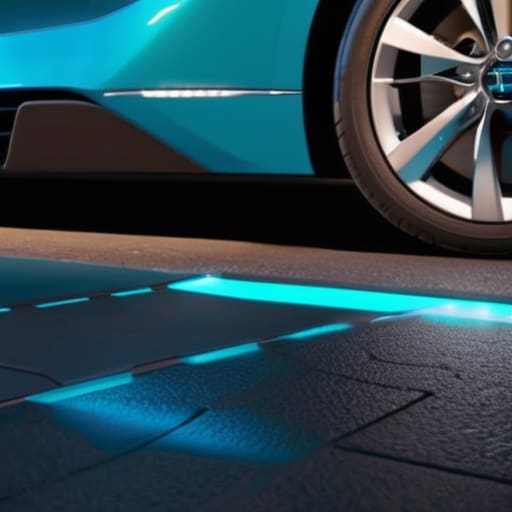
    The Bottom Line on Inductive Charging.

    Look, we can keep debating the physics of magnetic resonance or the slight efficiency gap compared to a CCS plug, but the reality is that wireless charging isn’t just a luxury gimmick—it’s a massive infrastructure puzzle. We’ve seen the data: the efficiency losses are real, and the hardware requirements for grid-integrated pads are non-trivial. However, if we can solve the thermal management issues and standardize the coupling protocols, we move away from the “range anxiety” era and into a world where charging is as passive as a smartphone on a desk. We can’t let the technical hurdles distract us from the fact that seamless integration is the only way to achieve mass adoption for EVs.

    At the end of the day, my obsession with this tech isn’t about making life “easier” for the driver; it’s about building a system that actually scales without breaking the grid. We need to move past the corporate marketing fluff and focus on the hard engineering required to make this sustainable. The transition to electric mobility is already happening, but it’s going to be won or lost on how we handle the interface between the vehicle and the power source. I’m staying skeptical of the hype, but I’m optimistic about the hardware if we stop chasing shortcuts and start building for the long haul.

    Frequently Asked Questions

    If we move away from physical plugs, how are we going to manage the massive thermal load and heat dissipation issues during high-speed induction?

    That’s the million-dollar question. Everyone talks about the “magic” of induction, but nobody talks about the heat. When you’re pushing high-frequency currents through those coils, you aren’t just moving energy; you’re creating a massive thermal load. If we don’t solve the heat dissipation problem—likely through integrated liquid cooling loops within the pad or advanced phase-change materials—we’re just going to cook the battery cells. We need hardware-first cooling, not just better magnets.

    How much extra weight are we adding to the vehicle's chassis to accommodate the receiving coils, and does that offset the energy efficiency gains?

    That’s the million-dollar question. Right now, we’re looking at adding anywhere from 30 to 50 kg just for the receiving pad and the cooling hardware needed to manage the thermal load. In my view, that’s a massive penalty. If you’re adding that much dead weight to the chassis, you’re essentially forcing the battery to work harder just to move the charging equipment itself. Unless we see a breakthrough in lightweight, integrated coil housing, the math just doesn’t add up.

    From a grid stability standpoint, how do we prevent millions of vehicles from creating massive, uncontrolled inductive spikes on the local distribution network?

    That’s the million-dollar question. If we just let millions of inductive pads pull power haphazardly, we’re looking at a total grid meltdown. We can’t treat wireless pads like simple outlets; they need to be smart nodes. We need localized, bi-directional power electronics and edge-computing controllers that communicate with the substation in real-time. Basically, the charging hardware has to act like a buffer, smoothing out those spikes before they hit the distribution lines.


  • How Towing Heavy Loads Affects Electric Vehicle Battery Range

    How Towing Heavy Loads Affects Electric Vehicle Battery Range

    I remember sitting in my senior design lab at Georgia Tech, staring at a thermal imaging camera while a prototype battery pack basically tried to melt itself under a heavy load. It was a brutal reality check that no shiny marketing brochure ever mentions: pulling a heavy trailer isn’t just about how much weight the hitch can hold, it’s about how your battery chemistry handles the massive, sustained current draw. Most manufacturers will throw around a massive number for ev towing capacity, but they rarely talk about the thermal runaway or the catastrophic range drop that happens when you’re fighting wind resistance and gravity at the same time.

    I’m not here to sell you on the dream of effortless electric hauling; I’m here to talk about the actual physics of it. In this breakdown, we’re going to look past the glossy spec sheets and dive into the real-world variables—like discharge rates, regenerative braking efficiency, and payload math—that determine if you’re actually going to make it to your destination or just end up stranded on the shoulder. We’re going to get uncomfortably honest about what your rig can actually do before the voltage sag hits.

    Table of Contents

    Towing Weight vs Battery Life the Real Chemistry of Range

    Towing Weight vs Battery Life the Real Chemistry of Range

    When you hook up a trailer, you aren’t just adding mass; you’re fundamentally changing the thermal and electrical profile of your entire powertrain. It’s not just about the extra weight slowing you down—it’s about how that weight forces the battery to work harder to maintain voltage under high discharge rates. When you’re pulling a heavy load up a grade, you’re pulling massive amounts of current from the cells. This creates internal resistance and heat, which is the enemy of longevity. If you’re constantly pushing the limits, you’re looking at accelerated electric vehicle range degradation towing scenarios that most marketing brochures conveniently ignore.

    Then there’s the physics of energy recovery. In a standard commute, regenerative braking while towing can actually help recover some of that kinetic energy as you descend a hill, acting like a mild buffer. However, if the load is too heavy or the descent too steep, you hit a ceiling where the motor can’t pump energy back into the battery fast enough. You end up fighting the laws of thermodynamics just to keep the cells from overheating, which is why the relationship between towing weight vs battery life is much more complex than just a simple math equation on a spec sheet.

    Beyond the Spec Sheet Electric Truck Payload Capacity Realities

    Beyond the Spec Sheet Electric Truck Payload Capacity Realities

    Here is the reality that most manufacturers won’t lead with in their brochures: there is a massive, often invisible tug-of-war happening between your trailer weight and your electric truck payload capacity. When you’re hauling a heavy load, you aren’t just dealing with physics; you’re dealing with the sheer mass of the battery pack itself. While that heavy floor-mounted battery gives you a lower center of gravity—which is great for stability—it also eats into the actual weight you can legally and safely put in the bed or on the hitch.

    You also have to account for how that weight affects the mechanical strain on the vehicle. It’s not just about whether the motor can pull the load, but how the suspension and tires handle the combined mass of a full battery and a loaded trailer. If you push the limits, you’re looking at increased heat in the inverters and potentially faster towing efficiency electric motors loss due to the sheer energy required to overcome rolling resistance. Before you sign the papers on a new rig, stop looking at the max towing number and start looking at the net payload available once that massive battery is accounted for.

    The Real-World Playbook: How to Actually Tow Without Killing Your Battery

    • Stop trusting the highway range estimates. When you hook up a trailer, you’re essentially adding a giant, un-aerodynamic parachute to your vehicle. Expect your range to plummet by 40% to 50%—it’s not a glitch, it’s just physics.
    • Watch your discharge rates like a hawk. Heavy towing forces the battery to dump current at a much higher rate to maintain speed, which generates massive amounts of heat. If you’re pushing through a mountain pass, you aren’t just losing range; you’re stressing the chemistry.
    • Pre-condition is your best friend. If you’re heading into a tow, use the app to warm the battery pack while it’s still plugged into the grid. A warm battery has lower internal resistance, meaning it can handle those high-current draws much more efficiently.
    • Plan your stops around DC fast chargers, not just “any” charger. Towing creates a massive thermal load, and if you arrive at a station with a scorching hot battery, the BMS (Battery Management System) might throttle your charging speed to a crawl to protect the cells.
    • Mind the weight distribution, not just the total load. An improperly balanced trailer doesn’t just affect your handling; it changes the rolling resistance and the way your motors have to work to keep you upright, which ends up eating into your Wh/mi (Watt-hours per mile) efficiency.

    The Bottom Line: What You Actually Need to Know

    Forget the “estimated range” on your dashboard; when you’re hauling a trailer, you’re essentially doubling the load on your cells, which means you need to plan for a 40-50% drop in real-world mileage.

    Payload isn’t just about the weight of the cargo; you have to account for the massive battery pack weight already baked into the chassis, which can leave you with less room for actual gear than the brochure suggests.

    To avoid killing your battery’s long-term health, stop trying to “force” high-speed towing on a low charge—the thermal stress from high discharge rates during heavy climbs is exactly the kind of degradation we’re trying to avoid in the next generation of tech.

    The Physics Doesn't Care About Marketing

    “Look, a manufacturer can give you a massive number on a spec sheet all day long, but physics doesn’t take bribes. When you hitch up a trailer, you aren’t just adding weight; you’re forcing the battery to dump current at a much higher discharge rate, which creates heat and kills your efficiency faster than a bad cell chemistry. If you want to actually tow, you have to stop looking at the maximum capacity and start looking at how that load is going to wreck your usable range in the real world.”

    Desmond Achebe

    The Bottom Line on Electric Hauling

    The Bottom Line on Electric Hauling.

    At the end of the day, towing with an EV isn’t just about checking a box on a spec sheet; it’s a complex dance between mass, thermal management, and discharge rates. We’ve looked at how the sheer weight of a trailer forces your battery to work overtime, driving up internal resistance and potentially accelerating degradation if you aren’t careful. You have to account for the diminishing returns of range when you add a load, and you definitely can’t ignore how much payload you lose to that massive battery pack sitting under the floor. If you ignore the physics of how much energy it takes to move a heavy object through air resistance, you’re going to end up stranded with a very expensive paperweight.

    Despite the hurdles, I’m not saying the era of the electric workhorse is a bust. We are in the messy, transitional middle ground of a massive technological shift. As solid-state cells move from the lab to the production line and our charging infrastructure actually starts to catch up to our ambitions, these limitations will begin to fade. The goal isn’t just to swap a gas tank for a battery; it’s to build a truly sustainable ecosystem that can handle the heavy lifting of real life. We’re still debugging the system, but the hardware is getting better every single day.

    Frequently Asked Questions

    How much does repeated heavy towing actually accelerate the degradation of my battery's cycle life?

    Look, if you’re constantly pulling a heavy trailer, you’re essentially forcing your battery to run a marathon in a sauna. Heavy loads demand high discharge rates, which spikes internal resistance and generates massive amounts of heat. That heat is the silent killer of lithium-ion cells. You aren’t just losing range; you’re accelerating chemical degradation through thermal stress. It’s not just about the cycles; it’s about how hard you’re pushing those ions every single time.

    If I'm towing uphill in cold weather, how much of a hit am I realistically going to take on my discharge rate and thermal management?

    Honestly? You’re looking at a massive hit. You’re fighting a two-front war: gravity and thermodynamics. Uphill towing forces your motors to pull massive current, spiking your discharge rate, while the cold makes your lithium-ion cells act like they’re moving through molasses. Your thermal management system will be working overtime just to keep the battery in a usable temperature window, which itself drains power. Expect your efficiency to plummet way more than a standard range estimator suggests.

    Is it better to prioritize a larger battery pack for more range, or a higher voltage architecture to handle the heat of towing more efficiently?

    If you’re actually planning on hauling heavy loads, don’t get seduced by a massive kWh number. A bigger battery just gives you a larger bucket of energy to drain; it doesn’t change how fast you empty it. You want high-voltage architecture. Higher voltage means lower current for the same power output, which keeps the thermal runaway at bay and prevents your cells from cooking under load. Prioritize the architecture that manages heat, not just the capacity.

  • Understanding How Electric Vehicle Batteries Age Over Time

    Understanding How Electric Vehicle Batteries Age Over Time

    I still remember sitting in my junior year lab at Georgia Tech, staring at a lithium-ion cell that had been cycled into absolute oblivion. While the marketing departments at major automakers were busy pumping out glossy brochures about “limitless” range, I was watching the actual chemistry die in real-time. It’s frustrating because the industry loves to throw around vague numbers, but nobody wants to have a real conversation about the variables that actually dictate ev battery lifespan. We’re constantly sold this dream of seamless electric mobility, yet we ignore the fact that a battery isn’t just a black box of energy—it’s a living, degrading chemical system that reacts to every single way you drive it.

    I’m not here to feed you the usual corporate greenwashing or give you a sanitized version of the facts. My goal is to cut through the noise and look at the hard data behind how these cells actually age. We’re going to dive into the real-world mechanics—from thermal management to depth of discharge—so you can understand what’s actually happening under the floorboards. If you want to know how to make your tech last instead of just following the hype, you’re in the right place.

    Table of Contents

    Decoding Lithium Ion Battery Degradation Factors

    Decoding Lithium Ion Battery Degradation Factors.

    To understand why a battery loses its edge, you have to look past the software dashboard and into the actual cell chemistry. We often conflate state of health vs state of charge, but they are worlds apart. While your state of charge tells you how much “fuel” is in the tank right now, the state of health is the permanent, irreversible loss of capacity due to chemical decay. This happens primarily through the growth of the Solid Electrolyte Interphase (SEI) layer—think of it like a microscopic layer of “gunk” building up on the anode that prevents lithium ions from moving freely.

    Temperature is the biggest accelerator for this decay. If you’re running a battery through extreme heat without proper EV battery thermal management, you’re essentially cooking the internal components, which speeds up these parasitic reactions. Similarly, we need to have a serious conversation about the fast charging impact on battery life. While everyone loves the convenience of a quick top-off, forcing high current into a cell creates localized heat and mechanical stress that can lead to lithium plating. It’s not about avoiding fast charging entirely, but understanding that every “extreme” session is a trade-off with the battery’s long-term stability.

    State of Health vs State of Charge Explained

    State of Health vs State of Charge Explained

    Look, I see this confusion all the time in the forums: people think a low battery percentage means their car is dying. It’s a fundamental misunderstanding. Think of it like your phone or even my vintage electric skateboards. State of Charge (SoC) is just your current fuel gauge—it tells you how much energy is in the tank right now. It’s a transient number that fluctuates every time you drive or plug in.

    State of Health (SoH), on the other hand, is the real metric that actually matters for your wallet. While SoC is about how much juice you have now, SoH is a measurement of how much total energy the battery can hold compared to when it was brand new. It’s a permanent, downward trend caused by the chemical aging we talked about earlier. If your SoC is at 90%, you’ve got plenty of range for your commute. But if your SoH has dropped to 70%, your “full tank” is significantly smaller than it used to be. Understanding the difference between state of health vs state of charge is the only way to accurately track how your hardware is actually aging.

    How to Actually Protect Your Pack: 5 Pragmatic Rules for Battery Longevity

    • Stop the “Full Tank” Obsession: Unless you’re heading out on a road trip, try to keep your battery between 20% and 80%. Constant cycling at the extreme edges of voltage is like redlining a gas engine—it puts unnecessary stress on the chemistry and accelerates capacity loss.
    • Respect the Heat: Heat is the silent killer of lithium-ion cells. If you’re in a climate that’s pushing triple digits, try to park in the shade or a garage. If your car has a pre-conditioning feature, use it; managing thermal stability is way more effective than trying to fix degradation after the fact.
    • Slow Charging is Your Friend: DC fast charging is convenient, but it’s basically a high-pressure blast of ions into the anode. If you have the luxury of time, stick to Level 2 AC charging for your daily routine. It’s much gentler on the internal structure of the cells.
    • Avoid the “Deep Discharge” Trap: Letting your car sit at 0% isn’t just inconvenient; it’s dangerous for the battery’s health. If a cell drops below a certain voltage threshold, it can trigger permanent chemical changes that might prevent the pack from ever holding a charge again.
    • Don’t Overthink the Software: Most modern EVs have sophisticated Battery Management Systems (BMS) designed to protect the hardware. Trust the engineering, but don’t treat the car like a toy—consistent, moderate driving habits will always beat aggressive, high-discharge patterns when it comes to long-term cell health.

    The Bottom Line: What Actually Matters for Your Battery

    Stop chasing range anxiety and start focusing on thermal management; how you handle heat during fast charging is a much bigger predictor of long-term degradation than how many miles you drive.

    Understanding the distinction between your current charge level and your battery’s actual health is the only way to separate temporary performance dips from permanent chemical aging.

    Real sustainability isn’t about how much energy a cell can hold today, but how many thousands of cycles it can maintain before the chemistry fundamentally breaks down.

    The Sustainability Reality Check

    “We need to stop treating EV batteries like disposable smartphone tech; if we want true electric mobility, we have to engineer for a decade of service, not just a marketing cycle of range estimates.”

    Desmond Achebe

    The Bottom Line on Battery Longevity

    The Bottom Line on Battery Longevity.

    Look, if there’s one thing I want you to take away from this, it’s that battery life isn’t some mysterious, uncontrollable force of nature. It’s a predictable result of how we manage heat, how we handle charge cycles, and how we respect the underlying chemistry. We’ve moved past the era where you can just treat an EV like a gas car and expect it to last forever. By understanding the nuance between State of Health and State of Charge, and by being mindful of those high-temperature degradation triggers, you aren’t just preserving a piece of hardware—you are protecting your long-term investment and ensuring that the transition to electric is actually economically viable for the average person.

    We are still in the early innings of the energy transition, and yeah, the tech isn’t perfect yet. But every time we push the boundaries of solid-state research or improve how we recycle old cells, we get closer to a world where “range anxiety” is a relic of the past. I’m genuinely optimistic that we’re building the foundation for a grid that’s cleaner and more resilient than anything my parents ever saw. The hardware is getting better every single day, and if we focus on sustainable engineering rather than just flashy marketing, we’re going to win this race. Let’s stop worrying about the inevitable decline and start focusing on how we build things to actually last.

    Frequently Asked Questions

    If I keep my car plugged in at 100% all the time to make sure it's always ready, am I actually killing the chemistry faster?

    Short answer? Yeah, you’re definitely stressing the chemistry. Think of it like a rubber band: if you keep it stretched to its absolute limit 24/7, it’s going to lose its elasticity way faster than if you just keep it lightly tensioned. Keeping a cell at 100% SoC keeps the voltage high, which accelerates electrolyte oxidation and side reactions. If you want that battery to hit the 200k-mile mark, stop treating it like a smartphone and aim for that 20-80% sweet spot.

    What happens to the battery's health when I'm driving through extreme heat or freezing winters?

    Think of your battery like an athlete: extreme temperatures mess with its performance. In freezing winters, the internal resistance spikes, making it harder for ions to move—that’s why you see that sudden range drop. Heat is actually the silent killer, though. Constant high temps accelerate chemical degradation, essentially “cooking” the electrolyte and permanently lowering your capacity. It’s not just about losing range today; it’s about how much of that chemistry you’re sacrificing for tomorrow.

    Once a battery hits that "end of life" threshold for a car, can the cells actually be repurposed for home energy storage, or is it just scrap metal?

    It’s definitely not just scrap metal. In fact, that’s where the real potential lies. When an EV battery drops to about 70-80% capacity, it’s “dead” for a car because the range becomes too unpredictable, but it’s still a powerhouse for stationary storage. We can repurpose those modules into second-life systems for homes or the grid. It’s basically recycling the chemistry before we eventually move toward full material recovery.

  • Measuring Energy Storage System Efficiency

    Measuring Energy Storage System Efficiency

    I spent most of my junior year at Georgia Tech hunched over a lab bench, staring at lithium-ion cells that were performing exactly how the datasheets promised, yet failing miserably in real-world thermal cycling. It’s the same frustration I see now in the industry: companies love to throw around massive numbers regarding energy storage system efficiency to impress investors, but they rarely account for the parasitic losses or the chemical degradation that happens when you actually put a load on the system. We’ve become far too comfortable accepting theoretical maximums as if they actually mean something when the grid is under stress or your EV is sitting in a July heatwave.

    I’m not here to feed you the polished, corporate version of how these systems work. Instead, I’m going to strip away the marketing gloss and look at the actual hardware and the electrochemical realities that dictate how much power we truly get out of a charge. We’re going to talk about the friction, the heat, and the real-world chemistry that determines whether a storage solution is a legitimate asset or just expensive, glorified paperweight.

    Table of Contents

    Calculating Real Electrochemical Conversion Losses

    Calculating Real Electrochemical Conversion Losses.

    When we talk about efficiency, most people just look at the “round-trip” number on a spec sheet and call it a day. But if you’ve ever spent a late night in a lab watching a cell struggle under load, you know the real story is happening at the molecular level. We can’t just ignore electrochemical conversion losses if we want to build a reliable grid. Every time ions migrate through the electrolyte, they aren’t moving through a perfect vacuum; they’re fighting internal resistance. This resistance generates heat, and if your system isn’t handling that heat properly, you aren’t just losing energy—you’re actively degrading the hardware.

    This is where the trade-off between energy density vs efficiency gets messy. It’s easy to cram more capacity into a cell, but if that increased density leads to higher internal resistance or requires massive cooling overhead, your net gain evaporates. I’ve seen too many “breakthrough” designs that look incredible on paper but fall apart when you factor in the energy required for thermal management efficiency. If you’re spending 15% of your stored juice just to keep the battery from cooking itself, your theoretical efficiency is essentially a lie.

    Why Energy Density vs Efficiency Is a Dangerous Myth

    Why Energy Density vs Efficiency Is a Dangerous Myth

    Here is the section:

    The industry loves to treat energy density vs efficiency like they’re on the same team, but they’re actually often at odds. In my time working in the labs at Georgia Tech, I saw this play out constantly: you can cram more energy into a cell by packing in more active material, but you’re often just creating a massive headache for the cooling systems. High density usually means more heat during high battery discharge rates, and if you can’t dump that heat fast enough, your efficiency goes straight down the drain.

    It’s a classic engineering trade-off that corporate PR departments love to gloss over. They’ll brag about a battery’s Wh/kg (watt-hours per kilogram) to make it sound like a miracle, but if that cell loses 15% of its capacity just trying to stay within its operating temperature, that density is basically an illusion. We can’t just build bigger, heavier bricks and call it progress; we have to ensure the thermal management efficiency is actually capable of handling the load without turning the whole system into a glorified space heater.

    Stop Guessing: 5 Hard Truths for Optimizing Your Storage Efficiency

    • Stop looking at nameplate capacity as the gold standard. If you aren’t accounting for the round-trip efficiency (RTE) losses—the energy lost as heat during both the charge and discharge cycles—your math is basically fiction.
    • Watch your thermal management like a hawk. If your battery pack is running hot, you aren’t just losing energy to cooling systems; you’re actively accelerating chemical degradation. A battery that’s too hot is just a very expensive space heater.
    • Respect the Depth of Discharge (DoD) limits. It’s tempting to drain a cell to zero to squeeze out every last watt, but that aggressive cycling creates massive internal resistance. You’ll get more usable energy over the long haul by keeping your cycles within a sustainable window.
    • Don’t ignore the “vampire” loads of your Balance of Plant (BoP). All those sensors, controllers, and cooling fans draw power even when the system is idle. If your auxiliary systems are inefficient, they’ll eat your margins before you even start discharging.
    • Prioritize C-rate compatibility over raw density. A cell might have a killer energy density on paper, but if it can’t handle high-current discharge without a massive voltage drop, it’s useless for real-world grid stabilization or fast-charging EV applications.

    The Bottom Line: What Actually Matters for the Grid

    Stop falling for the “higher density equals better” trap; a battery that holds more juice is useless if the round-trip efficiency is so low that you’re bleeding energy through heat every time you cycle it.

    Real efficiency isn’t a marketing buzzword—it’s a hard math problem involving electrochemical losses and thermal management that determines whether a storage system is a viable asset or a glorified space heater.

    If we want to scale electric mobility without crashing the grid, we need to prioritize hardware that minimizes parasitic loads and optimizes real-world conversion, not just cells that look good on a spec sheet.

    The Efficiency Illusion

    “We need to stop treating efficiency like a marketing buzzword and start treating it like a thermodynamic reality; if we can’t account for every single milliamp lost to heat and internal resistance, we aren’t building a future, we’re just building better ways to waste power.”

    Desmond Achebe

    The Bottom Line on Efficiency

    The Bottom Line on Efficiency in storage.

    At the end of the day, we can’t keep treating energy storage like a black box where we just plug in a number and hope for the best. We’ve looked at how electrochemical conversion losses eat into our capacity and why chasing energy density without respecting efficiency is a recipe for a grid that fails when we need it most. If we ignore the physical realities of heat dissipation and internal resistance, we aren’t building a future; we’re just building expensive, inefficient paperweights. Real progress isn’t found in a marketing brochure claiming a 500-mile range; it’s found in the granular, technical optimization of how every single electron moves through the cell.

    I know it’s easy to get lost in the hype cycles and the corporate promises of “infinite” battery life, but the hardware doesn’t lie. The transition to a truly electric world is going to be won or lost in the labs and the manufacturing plants, not in the press releases. We have the roadmap, and we have the fundamental chemistry to make this work—we just need the discipline to prioritize sustainable, high-efficiency engineering over quick wins. I’m optimistic because I see the breakthroughs happening every day, but let’s make sure we’re building on a foundation of actual data and solid hardware, not just good intentions.

    Frequently Asked Questions

    If we optimize for round-trip efficiency, are we accidentally sacrificing the cycle life of the cells?

    Short answer: Yes, absolutely. If you push for maximum round-trip efficiency by cranking up the voltage or aggressive charging rates, you’re basically redlining an engine. You might get more energy out of the cycle, but you’re accelerating SEI layer growth and mechanical stress on the electrodes. In my experience, chasing that perfect efficiency number often leads to a “burn bright, die young” scenario. We have to find the sweet spot where we aren’t trading long-term cell health for a slightly better efficiency metric.

    How much of the "efficiency loss" in large-scale grid storage is actually just thermal management fighting a losing battle against ambient temperatures?

    Honestly? A massive chunk of it. We spend so much time obsessing over cell chemistry, but we overlook the parasitic load of the HVAC systems keeping those racks from becoming literal fire hazards. If you’re running a massive BESS in a climate like Georgia, you’re essentially running a giant refrigerator 24/7 just to keep the ions behaving. We call it “efficiency loss,” but it’s often just the energy tax required to fight ambient heat.

    At what point does the energy cost of manufacturing a high-efficiency battery outweigh the actual efficiency gains it provides over its lifespan?

    That’s the million-dollar question. We call it the “energy debt.” If you’re burning massive amounts of fossil fuels to refine high-purity nickel for a 1% efficiency gain, you’re digging a hole you might never climb out of. For me, the math only makes sense when the lifecycle carbon offset hits the break-even point early. If that high-efficiency cell takes ten years of driving just to pay back its manufacturing footprint, it’s not a win—it’s greenwashing.

  • Global Regulations for Battery Recycling

    Global Regulations for Battery Recycling

    I remember sitting in a Georgia Tech lab late one Tuesday, staring at a pile of spent lithium-ion cells that were supposed to be part of a “circular economy” pilot program. Instead of being processed, they were just sitting there, gathering dust because the paperwork was a nightmare. It’s incredibly frustrating how much of the conversation around green tech is just corporate theater. Everyone loves to talk about the future of EVs, but nobody wants to talk about the messy, bureaucratic reality of battery recycling regulations that actually determine whether we’re saving the planet or just creating a new kind of toxic landfill problem.

    I’m not here to sell you on the glossy marketing brochures or the vague sustainability goals that most companies use to pad their annual reports. I want to dig into the actual hardware and policy that dictates how we reclaim cobalt, lithium, and nickel. In this post, I’m going to break down the current landscape of battery recycling regulations without the fluff, so you can understand the real-world friction points between current laws and the infrastructure we actually need to build.

    Table of Contents

    Cracking the Code of Extended Producer Responsibility Laws

    Cracking the Code of Extended Producer Responsibility Laws

    When we talk about extended producer responsibility laws, we aren’t just talking about some bureaucratic hoop for manufacturers to jump through. We’re talking about shifting the entire burden of the product’s “afterlife” back onto the people who built it. For too long, the industry has operated on a “sell and forget” model, where the manufacturer grabs the profit and the consumer is left holding the bag—and the environmental debt—once the cells hit their cycle limit. If we want a true circular economy battery lifecycle, the companies churning out these high-density packs need to be the ones designing the systems to reclaim them.

    This isn’t just about being “eco-friendly”; it’s about logistics and chemistry. Implementing these laws forces engineers to think about design-for-disassembly from day one. If a pack is glued shut with industrial-grade epoxy that makes it impossible to extract the cathode material without destroying it, that’s a failure of engineering. We need to move toward a reality where the hardware is built to be harvested, not just discarded.

    Navigating the High Stakes of Hazardous Waste Compliance

    Here’s the reality: handling spent cells isn’t just a logistical headache; it’s a literal minefield. When we talk about hazardous waste compliance, we aren’t just checking boxes for some bureaucrat—we’re dealing with volatile chemistries that can go from stable to thermal runaway in seconds if they’re mishandled. If a recycler doesn’t have the right specialized infrastructure to stabilize these units, we aren’t just failing a regulation, we’re creating a massive safety liability that could tank public trust in EVs before we even hit mass adoption.

    The industry is currently playing catch-up with lithium-ion battery waste management protocols that actually match the scale of the hardware we’re shipping. It’s easy to talk about a circular economy battery lifecycle in a boardroom, but the actual grit happens in the specialized facilities designed to strip these packs down without causing a fire or leaking heavy metals into the groundwater. We need more than just “compliance”—we need standardized, high-integrity processes that treat every dead cell as a concentrated source of precious materials rather than just a dangerous piece of trash.

    Stop Guessing and Start Tracking: 5 Ways to Navigate the Regulatory Maze

    • Treat your battery lifecycle like a digital ledger. If you aren’t implementing a robust “battery passport” system to track chemistry from cradle to grave, you’re going to get crushed by the incoming transparency mandates. You can’t reclaim what you can’t locate.
    • Look past the “compliance” checkbox and focus on actual material recovery rates. Regulations are moving away from just “don’t dump this in a landfill” toward “you must recover X% of the cobalt and lithium.” If your recycling partner can’t give you hard data on their recovery percentages, they aren’t a partner—they’re a liability.
    • Standardize your disassembly protocols now. The biggest bottleneck in meeting recycling mandates isn’t the chemistry; it’s the mechanical nightmare of opening up different pack architectures. Designing for “disassembly” rather than just “assembly” is the only way to make the math work when the regulators come knocking.
    • Don’t get caught in the “Hazardous Waste” trap by ignoring the shift in classification. As battery chemistries evolve—think moving from LFP to solid-state—the legal definitions of what constitutes “hazardous” change. You need a regulatory roadmap that evolves as fast as your lab does.
    • Audit your supply chain for “circularity readiness.” It’s easy to talk about sustainability, but if your upstream suppliers aren’t prepared for the end-of-life requirements being baked into new laws, your entire business model is built on sand. Real sustainability is a closed loop, not a straight line.

    The Bottom Line on Battery Policy

    We have to move past the “compliance as a checkbox” mindset; if manufacturers don’t own the lifecycle of their cells through EPR laws, we’re just trading one environmental crisis for another.

    Compliance isn’t just about avoiding fines—it’s about building the actual logistical backbone needed to recover high-value minerals like lithium and cobalt before they hit a landfill.

    Real sustainability won’t come from corporate PR statements, but from rigorous, data-driven tracking of hazardous waste that treats old batteries as a resource rather than a liability.

    ## Policy vs. Reality

    “We can pass all the mandates we want, but a regulation is just a piece of paper if there isn’t a physical supply chain capable of actually recovering the cobalt and lithium. We don’t need more ‘sustainability goals’ on a corporate slide deck; we need the hard infrastructure to ensure these cells don’t just end up in a landfill because it was too expensive to do the right thing.”

    Desmond Achebe

    The Road Ahead: From Policy to Practicality

    The Road Ahead: From Policy to Practicality

    At the end of the day, navigating the maze of EPR laws and hazardous waste compliance isn’t just about checking boxes to avoid a fine; it’s about closing the loop on the entire lifecycle of the cell. We’ve spent enough time talking about the theoretical benefits of a circular economy while the actual hardware sits in landfills or gets lost in inefficient supply chains. If we don’t get the regulatory groundwork right now—ensuring that manufacturers are actually accountable for the lithium and cobalt they pull from the ground—we’re just building a house of cards. We need a system where reclaiming chemistry is more profitable and efficient than mining virgin materials every single time.

    I’m an optimist by nature, but I’m a realist by training. I know that the tech to make this happen exists, from advanced hydrometallurgy to automated disassembly, but tech alone won’t save us if the legal framework remains a mess. We have to move past the era of corporate greenwashing and demand a standardized, transparent infrastructure that treats every spent battery as a goldmine rather than a liability. This transition is inevitable, but let’s make sure it’s actually sustainable by building the foundation today that our generation will rely on tomorrow. It’s time to stop making promises and start engineering the solution.

    Frequently Asked Questions

    If these EPR laws actually force manufacturers to take back old cells, how do we stop them from just shipping the "waste" to countries with zero environmental oversight?

    That’s the million-dollar question, and honestly, it’s where the “green” facade usually cracks. If we don’t tighten the loop, EPR laws just become a legal way to export our pollution. We need blockchain-based digital battery passports—real, unhackable tracking from cell manufacture to final shredding. If a manufacturer can’t prove exactly which facility reclaimed that cobalt, they shouldn’t get the tax credits. We need physical accountability, not just paperwork that disappears once it hits a shipping container.

    Are we actually building the specialized facilities needed to recover high-purity lithium and cobalt, or are we just shredding batteries into low-grade "black mass" that's barely worth the energy it took to process?

    Honestly? Right now, we’re mostly just making expensive confetti. A lot of the current “recycling” is just shredding cells into black mass—a messy, low-grade sludge that’s a pain to refine. It’s a massive energy sink that barely recovers the high-purity lithium or cobalt we actually need for new cells. We’re hitting the motions, sure, but until we scale hydrometallurgical plants that can actually isolate these elements at scale, we’re just delaying the inevitable waste problem.

    How much is the red tape of hazardous waste compliance actually slowing down the scaling of domestic recycling plants?

    Honestly? It’s a massive bottleneck. We’re trying to scale a circular economy, but the regulatory framework is still stuck in the era of toxic sludge disposal. Right now, the red tape treats every spent lithium-ion cell like a ticking time bomb rather than a concentrated resource of cobalt and nickel. This “one-size-fits-all” hazardous waste labeling creates a logistical nightmare that drives up costs and keeps small-scale, innovative recyclers from ever getting off the ground.

  • Solid State Versus Liquid Electrolyte Batteries

    Solid State Versus Liquid Electrolyte Batteries

    Growing up in a suburb full of V8-powered gas guzzlers, I spent most of my time dreaming of a world where we weren’t tethered to a fuel pump. But as I moved from those suburban streets into the labs at Georgia Tech, the dream hit a massive technical wall. Everyone talks about the “electric revolution” like it’s already here, but the reality is that we’re still stuck in a tug-of-war between the reliability of current tech and the promise of what’s next. When you’re actually looking at the hardware, the debate of solid state vs liquid electrolyte isn’t just some academic curiosity; it’s the single biggest bottleneck standing between us and truly sustainable, long-range mobility.

    I’m not here to sell you on the latest corporate press release or some vague “breakthrough” that’s still ten years away from a production line. My goal is to strip away the marketing fluff and look at the actual chemistry and the infrastructure hurdles we have to clear. I’m going to break down the real-world trade-offs of these two systems so you can understand why one is dominating our pockets today while the other is fighting to become the backbone of our future grid.

    Table of Contents

    Liquid Electrolytes: The Current Standard

    Liquid Electrolytes: The Current Standard.

    Liquid electrolytes are the chemical medium used in traditional lithium-ion batteries to facilitate the movement of ions between the anode and the cathode. Essentially, this liquid acts as a conductive highway, allowing charged particles to flow freely through the cell to create an electrical current. The primary selling point of this setup is its unmatched maturity; because we’ve been perfecting this liquid chemistry for decades, the manufacturing processes are incredibly efficient and the performance is highly predictable.

    From my time in the labs at Georgia Tech, I’ve seen firsthand how reliable this tech is, but it’s a double-edged sword. When you’re driving an EV on a long trip, you’re relying on a delicate balance of organic solvents that are inherently flammable. If the battery gets too hot or takes a physical hit, that liquid can become a serious liability. It’s the tech that got us this far, but it’s also the ceiling we need to break through if we want to move past the current limitations of energy density and safety.

    Solid-State Electrolytes: The Next Frontier

    Solid-State Electrolytes: The Next Frontier technology.

    Solid-state electrolytes replace the volatile liquid medium found in traditional batteries with a solid material, such as ceramic or glass, to transport ions. By swapping out the liquid for a stable solid layer, these batteries can theoretically support much higher energy densities while significantly reducing the risk of thermal runaway. The core promise here is a fundamental shift in safety and capacity, offering a way to pack more power into a smaller, much more stable footprint.

    I’m constantly looking at the data on lithium-ion degradation, and to me, solid-state feels like the holy grail of sustainable mobility. Imagine an electric skateboard or a long-range EV that doesn’t just last longer on a single charge, but also handles extreme temperatures without breaking a sweat. We aren’t just talking about a minor upgrade; we’re talking about a complete hardware overhaul that could finally make electric transport the undisputed king of the road, provided we can actually scale the manufacturing.

    Comparison of Battery Electrolyte Technologies

    Feature Solid State Electrolyte Liquid Electrolyte
    Electrolyte State Solid material Liquid solution
    Safety Profile High (Non-flammable) Moderate (Flammable)
    Energy Density Very High Moderate
    Charging Speed Potentially Fast Standard
    Manufacturing Cost High (Emerging) Low (Mature)
    Lifecycle/Durability Long (High stability) Moderate (Degradation risk)
    Best For Next-gen EVs & Aerospace Current Consumer Electronics & EVs

    Solving Thermal Runaway Prevention in Batteries

    Solving Thermal Runaway Prevention in Batteries.

    If we’re going to scale electric mobility to the point where it actually replaces the internal combustion engine, we have to stop treating battery safety as an afterthought. Thermal runaway isn’t just a technical failure; it’s the ultimate dealbreaker for consumer trust. If people are going to rely on these cells for everything from their phones to their long-range commuters, we need hardware that doesn’t turn into a blowtorch the moment something goes wrong.

    Right now, liquid electrolytes are essentially a high-performance fuel waiting for a spark. They are volatile, flammable, and once a cell enters a runaway state, the liquid medium makes it incredibly difficult to stop the chain reaction from spreading. We spend massive amounts of engineering effort on heavy cooling systems and complex battery management software just to keep these liquid-based packs from cooking themselves.

    Solid-state tech flips this script. By replacing that flammable liquid with a stable, solid medium, we’re essentially removing the primary fuel source for a fire. While it’s not a magic bullet for every possible failure mode, the inherent stability of solid electrolytes means we can design much denser, safer architectures without the constant fear of a catastrophic thermal event.

    Verdict: Solid-state is the clear winner for safety.

    Maximizing Solid State Battery Energy Density Advantages

    If we’re going to ditch the gas guzzlers for good, we have to solve the range anxiety problem, and that comes down to one thing: energy density. It’s not enough to just swap a tank for a battery; we need to pack more juice into the same footprint so an EV doesn’t feel like a tethered appliance. This is where the battle between liquid and solid-state really gets real.

    Current lithium-ion setups are hitting a physical ceiling. Because liquid electrolytes are relatively bulky and require heavy cooling systems and separators to stay stable, we’re basically fighting a losing battle against volume. You’re essentially carrying around a lot of “dead weight” just to keep the chemistry from failing.

    Solid-state changes the math entirely. By swapping that liquid for a dense, solid layer, we can use lithium-metal anodes—which are the holy grail of storage. This allows us to cram significantly more energy into a much smaller, lighter package. It’s the difference between carrying a heavy, oversized brick and a high-performance slimline battery.

    When it comes to maximizing how much power we can squeeze into a vehicle, solid-state wins by a landslide.

    The Bottom Line: What This Actually Means for the Future of EVs

    Liquid electrolytes are the reliable workhorse we have right now, but they’re hitting a physical ceiling when it comes to safety and energy density.

    Solid-state isn’t just a “better” version of what we have; it’s a fundamental shift in chemistry that solves the thermal runaway issues currently holding back mass adoption.

    We can’t just wait for a magic battery to appear—the real win will come when we bridge the gap between lab-scale solid-state breakthroughs and the massive infrastructure needed to manufacture them at scale.

    ## The Real Bottleneck

    “We can keep polishing the liquid electrolyte tech we have, but let’s be real: we’re just optimizing a legacy system. If we actually want to solve the scale and safety issues of the next decade, we have to stop treating solid-state like a ‘maybe’ and start treating it like the inevitable hardware upgrade it is.”

    Desmond Achebe

    The Road Ahead: Chemistry Over Hype

    Look, the data doesn’t lie: liquid electrolytes have been the workhorse of the industry for decades, providing the scale and reliability we need right now to make EVs mainstream. They’ve gotten us this far, but they also carry the inherent baggage of thermal instability and energy density ceilings. Solid-state tech is clearly the endgame for high-performance, long-range mobility, but we can’t just wish the manufacturing hurdles away. We’re essentially trying to move from a well-established liquid plumbing system to a high-precision solid-state architecture, and that transition is going to be messy, expensive, and technically grueling. We have to stop treating solid-state like a magic wand and start respecting the material science bottlenecks that actually stand in our way.

    Ultimately, the winner of this fight isn’t just about which battery has a higher number on a spec sheet; it’s about which one can actually scale without destroying the planet in the process. I don’t want to see a future where we solve carbon emissions only to create a massive, unrecyclable waste crisis. If we get the chemistry right—if we bridge the gap between the stability of solid-state and the cost-effectiveness of liquid systems—we aren’t just upgrading our cars; we are rebuilding the foundation of how humanity moves. The hardware is coming, and I, for one, can’t wait to see it hit the streets.

    Frequently Asked Questions

    If solid-state is so much safer, why aren't we seeing them in every EV on the road right now?

    Look, if it were as simple as swapping the liquid for a solid, we’d all be driving them. The reality is a massive manufacturing bottleneck. We’re talking about trying to scale production processes that currently only work in sterile, high-end labs. Making a single cell is one thing; mass-producing millions of stable, high-density solid-state cells without microscopic defects is a nightmare. We’re stuck in the “lab-to-fab” gap, and until we solve the cost of scaling, liquid electrolytes are staying in the driver’s seat.

    Can we actually scale up the manufacturing of solid-state batteries without the costs spiraling out of control?

    That’s the million-dollar question, and honestly, it’s the biggest hurdle we face. Right now, solid-state is basically a boutique tech—expensive, slow, and way too sensitive to moisture. Scaling up means moving away from lab-scale vacuum deposition to something like roll-to-roll manufacturing, similar to how we make lithium-ion today. If we can’t bridge that gap between high-precision chemistry and mass-production hardware, these batteries will stay stuck in luxury prototypes instead of hitting the streets.

    How much of a performance hit are we talking about regarding charging speeds when we swap liquid for solid electrolytes?

    Honestly, it’s a bit of a double-edged sword. Right now, liquid electrolytes are the kings of speed because ions move through them like water. Solid-state is trickier; getting those ions to jump across a solid interface is like trying to run through sand. If we don’t solve that interface resistance, we’re looking at significantly slower charging. But if we nail the material science? We could actually charge faster without the massive fire risk.

  • Comparing Fast Charging and Trickle Charging

    Comparing Fast Charging and Trickle Charging

    I still remember the smell of scorched lithium in my college lab when a prototype cell decided it had seen enough of this world. It wasn’t some dramatic explosion, just a quiet, sickening hiss that signaled I’d pushed the thermal limits too far. Most people treat their EVs or even their phones like they’re invincible, rushing to every high-speed station they see, but the debate of fast charging vs trickle charging isn’t just about convenience—it’s about the physical degradation happening at a molecular level. We’ve been sold this lie that more speed is always better, but if we keep ignoring the electrochemical toll, we’re just building a future of expensive, dead hardware.

    I’m not here to give you a marketing pitch or a lecture on theoretical voltage curves that won’t matter in the real world. My goal is to strip away the corporate greenwashing and look at the actual chemistry and infrastructure required to keep your gear running for a decade, not just a few years. I’m going to break down exactly when you can afford to sprint and when you need to slow down, so you can stop treating your battery like a magic box and start managing it like the precision instrument it actually is.

    Table of Contents

    Voltage and Amperage Explained the Real Physics of Power

    Voltage and Amperage Explained the Real Physics of Power

    To understand why your battery behaves the way it does, you have to stop thinking about “power” as a single, monolithic number. In my lab days at Georgia Tech, we always went back to the basics: voltage is the pressure, and amperage is the actual flow of electrons. Think of it like a water pipe; voltage is how hard the water is being pushed through, while amperage is the volume of water moving per second. When we talk about high-speed charging, we aren’t just increasing the pressure; we are shoving a massive amount of current through the cell all at once.

    This is where the physics gets messy. When you crank up the amperage to shave minutes off a charge, you aren’t just moving ions; you’re fighting thermodynamics. High current levels lead to significant heat generation during charging, which is the silent killer of any cell. If the internal resistance of the battery can’t handle that surge, you start seeing uneven ion distribution. This isn’t just a theoretical concern—it’s the primary driver behind accelerated lithium-ion battery degradation. If we don’t manage that flow, we aren’t just charging a car; we’re essentially cooking the chemistry from the inside out.

    Managing Heat Generation During Charging to Save Your Cells

    Managing Heat Generation During Charging to Save Your Cells

    Here’s the deal: heat is the absolute enemy of your battery’s lifespan. When you’re pushing massive amounts of current through a cell during a rapid charge, you aren’t just moving electrons; you’re essentially creating a miniature space heater inside the pack. This heat generation during charging isn’t just a side effect; it’s a chemical catalyst that accelerates the breakdown of the electrolyte. If those internal temperatures spike too high, you’re looking at permanent lithium-ion battery degradation that no software update can ever fix.

    This is why I’m such a nerd about thermal management systems. High-end EVs use sophisticated liquid cooling loops to keep everything stable, but even then, physics eventually wins. If you’re charging in a scorching garage or pushing a fast-charge cycle when the ambient temp is already high, you’re forcing the cells to work in a sub-optimal environment. To actually protect your hardware, you need to aim for the optimal charging temperature—usually somewhere in that sweet spot between 15°C and 35°C. Think of it like an athlete: you can sprint, but if you do it in a heatwave without hydration, you’re going to crash hard.

    How to Actually Protect Your Cells: My Rules for Charging

    • Stop the “always full” habit. If you’re using a fast charger for a quick boost, that’s fine, but try to avoid leaving your battery sitting at 100% for hours. High voltage stress is basically a slow-motion killer for lithium-ion cells.
    • Treat the 20-80 rule as your new baseline. If you want your battery to actually survive the decade, aim to keep your state of charge between 20% and 80%. It’s much easier on the chemistry than constantly slamming it with high-amperage fast charging or forcing it to sit at the top of its voltage curve.
    • Use trickle charging for your overnight sessions, not your “I’m running late” sessions. Slow, low-current charging is like a gentle steady stream that lets ions settle into place without causing the mechanical stress that fast charging triggers.
    • Watch the heat, not just the percentage. If you’re fast charging and notice the casing getting uncomfortably warm, your battery is fighting a losing battle against thermal degradation. If you can, pause the charge or move to a slower rate until the temperature stabilizes.
    • Don’t fear the fast charger, just use it strategically. Fast charging is a tool for convenience, not a lifestyle. Use it when you’re on a road trip or in a pinch, but rely on slower, more controlled charging for your daily routine to keep the degradation curves in your favor.

    The Bottom Line: How to Balance Speed and Cell Health

    Think of fast charging like sprinting; it’s great when you’re in a rush, but if you do it every single day, you’re going to burn out. Use DC fast charging for road trips or emergencies, but lean on slower AC charging whenever you’re parked for the long haul to minimize lithium plating.

    Heat is the ultimate enemy of energy density. Every time you push high amperage into a cell, you’re fighting an uphill battle against thermal degradation, so if your car’s thermal management system is struggling, back off the charging speed to protect your long-term capacity.

    Stop treating your battery like an infinite resource. To actually make this tech sustainable and keep your resale value from tanking, you need to prioritize the chemistry’s “rest periods” by avoiding the extremes of a constant 100% charge or letting the cells sit at near-zero voltage.

    The Trade-Off We Can't Ignore

    “We need to stop looking at fast charging as a free pass to convenience and start seeing it for what it actually is: a high-stress sprint for your battery cells. If you keep redlining your chemistry every single day just to save twenty minutes, you aren’t just charging a car—you’re actively accelerating its trip to the scrapyard.”

    Desmond Achebe

    The Bottom Line on Battery Longevity

    The Bottom Line on Battery Longevity.

    At the end of the day, choosing between fast charging and trickle charging isn’t about picking a “winner”—it’s about managing a trade-off between convenience and chemistry. We’ve seen how high-amperage bursts can push thermal limits and accelerate electrolyte breakdown, while slow, steady trickle charging acts like a gentle massage for your lithium ions, helping them settle into their lattice structure without the stress. If you’re staring down a long road trip, hit the fast charger and don’t sweat it; but if you’re plugging in overnight, prioritizing a lower C-rate is the smartest way to preserve your state of health. Stop treating your battery like an infinite resource and start treating it like the sophisticated electrochemical engine it actually is.

    We are standing at the edge of a massive shift in how humanity moves, and that transition is going to be won or lost on the quality of our hardware. I don’t want to see a future littered with dead EV packs and wasted capacity just because we were too impatient to wait an extra hour at the plug. If we can master the balance between rapid energy intake and long-term cell stability, we can build a grid—and a lifestyle—that actually lasts. The tech is getting better every day, but true sustainability starts with how we respect the physics of the cells we already have.

    Frequently Asked Questions

    If I'm constantly using a Level 3 DC fast charger on my commute, is there a specific threshold where the degradation becomes irreversible?

    Look, there’s no magic “red line” where your battery suddenly dies, but you’re essentially playing a game of chicken with your lithium-ion cells. If you’re living on Level 3 chargers, you’re accelerating SEI layer growth and lithium plating. Once that capacity drops below roughly 80% of the original SOH (State of Health), the degradation is functionally irreversible. You aren’t just losing range; you’re fundamentally altering the internal chemistry. Use DC fast charging for emergencies, not as your primary lifestyle.

    Does the "trickle charge" phase at the end of a cycle actually do anything for cell balancing, or is it just a way to top off the voltage?

    It’s a bit of both, but mostly it’s about precision. Think of it like filling a glass of water; once it’s nearly full, you don’t keep the tap wide open or you’ll splash everywhere. That “trickle” phase allows the Battery Management System (BMS) to bleed off excess energy from individual cells that hit the ceiling early. It’s not just “topping off”—it’s the critical window where the cells actually level out so one doesn’t hog the voltage.

    Can I mitigate the chemistry damage from fast charging by using an active cooling system, or is the physical stress on the anode unavoidable?

    Look, active cooling is a massive help, but it’s not a magic wand. You can keep the temperature in check to prevent thermal runaway or massive degradation, but you can’t cheat the physics. Even with a perfect cooling system, fast charging forces lithium ions to move at high velocities. This creates mechanical stress on the anode, often leading to lithium plating. You’re managing the symptoms, but the physical strain on the architecture is still happening.

  • The Role of Anodes and Cathodes in Batteries

    The Role of Anodes and Cathodes in Batteries

    I still remember sitting in my undergrad lab at Georgia Tech, staring at a lithium-ion cell that had basically turned into a paperweight because the chemistry couldn’t handle the cycle life. It was a frustrating reminder that all the sleek marketing in the world doesn’t mean a thing if the actual anode and cathode materials are fundamentally flawed. We keep hearing these massive, sweeping claims from EV manufacturers about “game-changing” range, but they usually gloss over the messy reality of ion transport and structural degradation. Honestly, if we want to move past the era of gas guzzlers, we have to stop treating battery tech like a magic box and start treating it like the complex chemical engine it actually is.

    I’m not here to sell you on some corporate greenwashing or half-baked promises of a “battery revolution” that’s always five years away. Instead, I’m going to pull back the curtain on the hardware itself. I’ll break down how the interplay between different anode and cathode materials dictates everything from how fast you can charge to how long your car will actually last on the road. This is about the real chemistry that will determine if the electric transition actually sticks.

    Table of Contents

    Decoding the Real Battery Electrode Composition

    Decoding the Real Battery Electrode Composition.

    Think of the battery as a high-stakes game of musical chairs, where the “players” are lithium ions and the “chairs” are the structures within the electrodes. When we talk about battery electrode composition, we aren’t just talking about two slabs of metal; we’re talking about highly engineered lattices designed to host ions. The cathode acts as the primary reservoir, typically using metal oxides like NMC (Nickel Manganese Cobalt) to provide the driving force for the reaction. On the flip side, the anode—usually graphite—serves as the storage site. The magic happens through intercalation chemistry, where ions slide into these microscopic layers during charge and discharge cycles without destroying the host structure.

    But here’s where the corporate marketing usually glosses over the details: it’s not just about having the right materials, it’s about how they interact. If the ion transport mechanisms are sluggish, your EV is going to feel like a golf cart when you hit the pedal. We’re seeing a massive push toward improving how these components interface, especially as we move toward solid-state electrolyte compatibility. If we can’t stabilize the boundary between the electrolyte and the electrode, all the high-density promises in the world won’t mean a thing when the cells start degrading after only a few thousand cycles.

    Why Intercalation Chemistry Dictates Our Future

    Why Intercalation Chemistry Dictates Our Future.

    Here’s the deal: when we talk about making EVs more efficient, we aren’t just talking about bigger packs; we’re talking about the microscopic dance happening inside them. This is where intercalation chemistry becomes the real gatekeeper. Think of it like a crowded subway station at rush hour. If the ions (the passengers) can’t move smoothly into and out of the host structures of the electrodes, the whole system bottlenecks. You get sluggish charging speeds and, eventually, permanent capacity loss. If we want to move past the current limitations of lithium-ion, we have to master these ion transport mechanisms so that the movement is seamless, not a struggle.

    It’s also why I’m such a skeptic when companies promise “miracle” breakthroughs without showing the math. A new material might look great on a spec sheet, but if it lacks solid-state electrolyte compatibility, it’s basically a paperweight in a real-world grid application. We need materials that can handle the physical stress of ions wedging themselves into the lattice over thousands of cycles without cracking the structure. That’s the difference between a battery that lasts five years and one that powers a fleet for a decade.

    Real-World Tactics: How to Look Past the Marketing and See the Chemistry

    • Stop falling for “range anxiety” marketing and start looking at the cathode chemistry; if a manufacturer isn’t being transparent about their nickel-to-manganese ratios, they’re probably hiding a shorter lifecycle behind that big headline number.
    • Watch the anode’s silicon content like a hawk; while adding silicon to graphite can supercharge energy density, it’s a total nightmare for volumetric expansion, so look for companies that have actually solved the structural swelling issue.
    • Don’t just ask how much energy a battery holds, ask how many cycles it can survive; a high-capacity cathode is useless if the electrolyte decomposition during fast charging turns your expensive battery into a paperweight in two years.
    • Keep an eye on the supply chain ethics of cobalt; we can’t claim to be building a “green” future if our cathodes are built on exploitative mining, which is why the shift toward high-nickel or LFP (Lithium Iron Phosphate) is actually a massive deal for sustainability.
    • Treat the Solid-State promise with healthy skepticism; it’s the holy grail for replacing liquid electrolytes, but until we see a scalable way to manufacture stable solid-state anodes without massive interface resistance, it’s still mostly lab-bench hype.

    The Bottom Line: Why the Chemistry Matters

    We need to move past the marketing hype and realize that the real battle for electric mobility isn’t being won in a boardroom, but at the molecular level within our anodes and cathodes.

    The efficiency of our future grid and our EVs depends entirely on how well we manage ion movement; if the intercalation process is clunky or unstable, the whole system fails.

    Sustainable energy isn’t just about “going electric”—it’s about engineering electrode materials that actually last and don’t rely on a supply chain that’s fundamentally broken.

    ## The Chemistry Reality Check

    “We need to stop treating battery specs like marketing buzzwords and start treating them like what they actually are: a high-stakes balancing act of ions and electrons. If we can’t solve the structural degradation in our cathodes or the dendrite issues in our anodes, all the flashy EV concept cars in the world won’t mean a thing for the actual grid.”

    Desmond Achebe

    The Bottom Line on Battery Chemistry

    The Bottom Line on Battery Chemistry.

    Look, we’ve spent this time digging through the weeds of anode-cathode dynamics, and the takeaway is pretty clear: the magic isn’t in the marketing, it’s in the molecular architecture. We can’t just keep throwing more lithium at the problem and hoping for the best. Whether we’re talking about optimizing the host structure for intercalation or finding ways to prevent dendrite growth in the anode, the success of the entire electric transition hinges on these microscopic interactions. If we can’t stabilize the chemistry at the electrode level, we’re just building expensive, short-lived paperweights that won’t survive the decade, let alone the energy demands of a modern grid.

    I know it’s easy to get cynical when you see big corporations making massive, vague claims about “next-gen” energy, but the real progress is happening in the labs, not the press releases. We are standing on the edge of a massive shift, and while the engineering hurdles are massive, the potential for sustainable, high-density storage is right there in front of us. We need to stay focused on the hardware and the actual science that makes these systems work. The transition to electric mobility is inevitable, but let’s make sure we build it on a foundation of real, scalable chemistry rather than just hype.

    Frequently Asked Questions

    If we keep pushing for higher energy density, at what point does the chemical stability of these materials just break down under the stress of fast charging?

    That’s the million-dollar question, and honestly, it’s what keeps me up at night. We’re basically forcing ions to sprint through a crowded room. If we push too hard, we get lithium plating—where ions stop intercalating and just pile up on the anode surface like a traffic jam. That’s how you get dendrites, which can pierce the separator and cause a thermal runaway. We’re hitting a wall where speed is actively killing our cycle life.

    We talk a lot about the performance of lithium-ion, but how close are we actually to seeing solid-state anodes move from the lab to a mass-market EV?

    Honestly? We’re stuck in the “valley of death” between lab breakthroughs and factory floors. The chemistry is there—lithium metal anodes could absolutely change the game for energy density—but the manufacturing scale is a nightmare. Moving from a controlled lab environment to a high-speed production line without creating dendrites that short the cell is a massive engineering hurdle. We aren’t looking at mass-market EVs with solid-state anodes next year; we’re looking at a slow, expensive climb.

    From a sustainability standpoint, how do we solve the supply chain nightmare of sourcing cathode materials like cobalt without just trading one environmental disaster for another?

    Look, we can’t just swap a carbon crisis for a cobalt crisis. It’s a zero-sum game if we aren’t careful. The real move isn’t just finding new mines; it’s shifting the chemistry toward cobalt-free cathodes like LFP or high-manganese designs. We also need to stop treating batteries like disposable tech. If we build a robust circular economy—actually recycling the cathode scrap instead of just digging more holes—we turn the supply chain from a nightmare into a closed loop.

  • Trends in Electric Vehicle Battery Costs

    Trends in Electric Vehicle Battery Costs

    I remember sitting in a Georgia Tech lab at 2:00 AM, staring at a lithium-ion cell that had just failed a cycle test, feeling that same frustration I see in every headline today. Everyone loves to throw around these glossy projections about how ev battery cost trends are plummeting, acting like the math is just a straight line pointing toward affordability. But as someone who has spent way too much time looking at degradation curves and raw material volatility, I know that “cheaper” doesn’t always mean “better” or even “sustainable.” We keep getting sold this narrative that the price drop is inevitable, but they rarely talk about the trade-offs in chemistry that happen when you start cutting corners to save a buck.

    I’m not here to regurgitate a press release from some car manufacturer’s PR department. My goal is to strip away the greenwashing and look at the actual hardware. I’m going to break down what’s really driving these ev battery cost trends—from the shift in cathode compositions to the real-world impact of manufacturing scale—so you can understand the actual trajectory of the industry. No fluff, no corporate hype, just the data and the chemistry that will determine if electric mobility actually scales for my generation.

    Table of Contents

    Lithium Ion Battery Price Reduction vs Real Sustainability

    Lithium Ion Battery Price Reduction vs Real Sustainability

    Here’s the thing: we’ve become obsessed with the downward slope of the lithium-ion battery price reduction curve, and for good reason. On paper, it looks like a massive win. As we hit higher levels of gigafactory production economies of scale, the unit cost per kilowatt-hour keeps dropping. But if I’ve learned anything from my time in the lab, it’s that a cheaper battery isn’t necessarily a better one. We’re seeing massive gains in battery cell manufacturing efficiency, but that efficiency is often being bought at the expense of long-term material stability.

    If we just chase the lowest possible price point, we risk creating a massive headache for the next decade. When we squeeze the margins too tight, we end up with chemistries that are incredibly sensitive to thermal runaway or suffer from rapid capacity fade. We can’t let the drive for a lower electric vehicle total cost of ownership blind us to the raw material supply chain impact. If our “affordable” batteries rely on minerals sourced through unethical or ecologically devastating methods, we aren’t actually building a sustainable future—we’re just trading one fossil fuel dependency for another.

    Gigafactory Production Economies of Scale Fact or Fiction

    Gigafactory Production Economies of Scale Fact or Fiction

    We’ve all heard the gospel of the Gigafactory: build it bigger, build it faster, and the unit cost will plummet. On paper, it’s a mathematical certainty. As we ramp up battery cell manufacturing efficiency, the fixed costs of the facility get spread across millions of units rather than thousands. It’s like the difference between baking one loaf of bread in a home oven versus running a commercial bakery; the overhead per loaf drops significantly once you hit that critical mass.

    But here’s where my skepticism kicks in. Scaling up the assembly line is only half the battle if we can’t feed the beast. You can build the most advanced facility on the planet, but if you hit a bottleneck in the raw material supply chain impact, those massive production lines sit idle and expensive. We often treat these factories as magic boxes that solve everything, but they are actually incredibly sensitive to the volatility of lithium and nickel markets. If the supply doesn’t keep pace with the scale, the promised economies of scale might just end up being a massive, expensive lesson in logistics.

    Real Talk: What Actually Drives the Price Tag Down?

    • Stop watching the sticker price and start watching the cathode. If we don’t find a way to stabilize the cost of nickel and cobalt, those “record-low” battery prices are going to be incredibly fragile.
    • Scale is great, but efficiency is better. Building a massive Gigafactory is useless if your manufacturing yield is trash; we need to focus on perfecting the chemistry at a smaller scale before we just throw more concrete at the problem.
    • Keep an eye on LFP (Lithium Iron Phosphate). It’s not the high-performance king, but if we want to make EVs actually affordable for the average person, we need to embrace this cheaper, more durable chemistry for entry-level models.
    • Don’t ignore the recycling loop. True cost reduction isn’t just about mining more stuff; it’s about creating a circular economy where we recover the high-value materials from old packs instead of paying the massive premium to dig them out of the ground again.
    • Watch the solid-state hype with a healthy dose of skepticism. It’s the holy grail for energy density, but until the manufacturing process moves from “lab experiment” to “automated assembly line,” it’s not going to do anything for your monthly car payment.

    The Bottom Line: Moving Past the Hype

    Lowering the price per kWh is a hollow victory if we aren’t simultaneously solving the supply chain mess; we can’t build a green future on a foundation of unsustainable mineral extraction.

    Scaling up production through Gigafactories is essential, but massive capacity doesn’t matter if the underlying chemistry remains too expensive or too resource-heavy to deploy globally.

    The real winners in the EV race won’t just be the companies with the lowest sticker prices, but the ones actually innovating in solid-state and high-density storage to decouple growth from environmental degradation.

    The Real Price of Cheap Cells

    “We keep celebrating the plummeting cost per kilowatt-hour like it’s a pure win, but as someone who’s spent way too many late nights in a lab looking at cell degradation, I’m telling you: a cheap battery is a failure if the chemistry is so unstable that it’s basically disposable. We don’t just need cheaper energy storage; we need chemistry that actually lasts long enough to make the math work for the planet, not just the quarterly earnings report.”

    Desmond Achebe

    The Bottom Line on the Battery Race

    The Bottom Line on the Battery Race.

    Look, we can’t let the shiny downward curves on a cost-per-kWh graph distract us from the actual engineering reality. We’ve seen that while Gigafactories are cranking out volume and driving down the price of standard lithium-ion cells, we are still hitting massive walls when it comes to the long-term sustainability of the supply chain. Scaling production is great, but if we’re just trading one resource bottleneck for another, we haven’t actually solved the problem; we’ve just optimized the deficit. To truly move the needle, the industry has to stop chasing cheap manufacturing at any cost and start prioritizing circular chemistry and stable material sourcing that doesn’t rely on volatile geopolitical luck.

    I’m not a pessimist, but I am a realist. I want to see a world where electric mobility isn’t a luxury for the early adopters or a logistical nightmare for the grid, but a seamless, standard part of our infrastructure. The transition is happening, whether the corporate PR departments want to admit the hurdles or not. If we can bridge the gap between raw chemical innovation and scalable, ethical production, we won’t just be changing how we drive—we’ll be fundamentally rewriting how humanity interacts with energy. Let’s stop settling for “good enough” and start building the hardware that actually deserves the future we’re promised.

    Frequently Asked Questions

    If we keep pushing for cheaper LFP batteries to drop prices, are we just trading one supply chain headache for another?

    That’s the million-dollar question. LFP is great because it ditches expensive nickel and cobalt, which is a huge win for cost and ethics. But we aren’t out of the woods. By pivoting to LFP, we’re essentially doubling down on lithium and phosphate. If we don’t stabilize the supply chains for those specific minerals, we’re just swapping a cobalt crisis for a lithium bottleneck. We’re trading one dependency for another, and that’s a risky game.

    At what point does the cost of scaling up manufacturing actually hit a ceiling because of raw material scarcity?

    We hit that ceiling the second our demand curve outpaces the geological reality of mining. You can build a thousand Gigafactories, but you can’t “scale” more lithium or nickel into existence overnight. If we don’t pivot toward chemistries like LFP or sodium-ion—which swap scarce minerals for more abundant ones—we’re just building a massive, expensive bottleneck. Scaling production is useless if the raw material supply chain is stuck in a permanent deficit.

    Are we actually seeing a real drop in cell-level costs, or is the "cheaper EV" narrative just masking the rising costs of the actual minerals?

    Look, the math is getting messy. On paper, cell-level costs look like they’re trending down because of better manufacturing efficiency, but that’s only half the story. If you peel back the sticker price, you’ll see that mineral volatility—specifically lithium and nickel—is constantly trying to claw those gains back. We’re basically in a tug-of-war between smarter factory automation and the brutal reality of raw material scarcity. It’s not a straight line down; it’s a volatile climb.

  • Storing Renewable Energy With Battery Systems

    Storing Renewable Energy With Battery Systems

    I remember sitting in a cramped lab at Georgia Tech, surrounded by the sharp, metallic tang of electrolyte leakage and the hum of testing rigs, staring at a battery cell that had just hit its death cycle way too early. It was a reality check that no glossy corporate brochure could ever capture: we can build all the wind farms we want, but without solving the actual hardware bottleneck of renewable energy storage, we’re just building a house on sand. Everyone loves to talk about the grand vision of a carbon-free future, but they conveniently skip over the messy, difficult physics of how we actually keep the lights on when the sun goes down and the wind stops blowing.

    I’m not here to sell you on some utopian dream or repeat the sanitized talking points you hear in investor earnings calls. My goal is to strip away the greenwashing and look directly at the chemical reality of what we’re building. We’re going to dive into the actual tech—from lithium-ion limitations to the promise of solid-state breakthroughs—to figure out what’s actually going to scale. If you want to understand the real guts of renewable energy storage and why the transition is going to be a grind rather than a sprint, you’re in the right place.

    Table of Contents

    Lithium Ion vs Flow Batteries the Chemistry of Survival

    Lithium Ion vs Flow Batteries the Chemistry of Survival

    Look, if you’re looking at EVs, lithium-ion is the undisputed king. Its high energy density in storage solutions is what allows a Tesla to zip around without needing a trailer. But when we shift our focus from mobility to the massive scale of the electrical grid, the math changes completely. Lithium-ion is great for short bursts of power, but it’s not exactly built for the long haul of a multi-day weather event.

    That’s where the debate of lithium-ion vs flow batteries actually gets interesting. Think of lithium-ion like a high-performance sprinter: fast, efficient, but it burns out quickly. Flow batteries, specifically redox flow systems, are more like a marathon runner. They store energy in liquid electrolytes kept in external tanks, meaning if you want more capacity, you don’t need a whole new battery—you just build a bigger tank. While lithium is fighting degradation issues every time it cycles, flow tech offers a way to achieve true grid stability and renewables integration without the constant fear of thermal runaway. If we’re serious about decarbonizing the electrical grid, we can’t just rely on one chemistry; we need the right tool for the right scale.

    Maximizing Energy Density in Storage Solutions for Real Use

    Maximizing Energy Density in Storage Solutions for Real Use.

    When we talk about energy density in storage solutions, we aren’t just talking about how long your phone lasts; we’re talking about the physical footprint of the hardware required to keep a city running. In my lab days at Georgia Tech, the math was always the same: if you can’t pack more electrons into a smaller, more stable volume, you’re just building massive, expensive warehouses that take up too much real estate. For EVs, high energy density is the difference between a 300-mile range and range anxiety, but for the grid, it’s about how efficiently we can deploy battery energy storage systems in tight urban environments.

    However, we can’t just chase the highest Wh/kg (Watt-hours per kilogram) and call it a day. We have to balance density with lifecycle longevity. If we lean too hard into high-density chemistries that degrade after only a few hundred cycles, we’re just creating a future landfill crisis. Real progress means finding that sweet spot where we maximize capacity without sacrificing the structural integrity of the cells. If we want to succeed in decarbonizing the electrical grid, we need hardware that is dense enough to be practical but robust enough to actually survive the decade.

    Stop Guessing, Start Calculating: 5 Ways to Actually Evaluate Storage Tech

    • Stop falling for “energy density” marketing fluff. If you’re looking at stationary grid storage, capacity and cycle life matter way more than how much weight you can shave off. A massive, heavy vanadium flow battery is a win for the grid, even if it wouldn’t fit in a Tesla.
    • Look past the lithium hype and check the supply chain. If a storage solution relies on minerals that are ethically messy or geologically scarce, it’s not a long-term solution—it’s just a temporary fix that’s going to hit a massive bottleneck in five years.
    • Evaluate the Round-Trip Efficiency (RTE) like your life depends on it. There’s no point in capturing a massive solar surge if you’re losing 30% of that energy to heat during the conversion and storage process. If the RTE is garbage, the math for the whole project fails.
    • Prioritize modularity over monolithic systems. I’ve seen too many “all-in-one” solutions that become expensive paperweights the second one component fails. You want hardware that lets you swap out cells or modules without tearing down the entire infrastructure.
    • Demand real-world degradation data, not theoretical lab models. Every manufacturer will show you a perfect graph of a battery lasting 10,000 cycles, but they never show you how that chemistry holds up when the ambient temperature swings 40 degrees or the grid frequency gets wonky.

    The Bottom Line: What Actually Matters for the Grid

    We need to stop treating “batteries” as a monolith; the real win comes from matching specific chemistries—like the longevity of flow batteries or the density of lithium-ion—to their actual job on the grid.

    Energy density isn’t just a spec sheet number for enthusiasts; it’s the fundamental bottleneck that determines whether electric infrastructure can actually scale or if we’re just building expensive, glorified paperweights.

    Sustainability can’t be a marketing buzzword—if we don’t solve the hardware and lifecycle issues of these storage systems now, the “green transition” is going to hit a massive, very expensive wall.

    The Infrastructure Reality Check

    “We can keep dreaming about a 100% renewable grid, but until we solve the actual physics of long-duration storage, those dreams are just expensive paperweights. It’s not about how much energy we can generate; it’s about how much we can actually hold onto when the sun goes down and the wind stops blowing.”

    Desmond Achebe

    The Real Work Starts Now

    The Real Work Starts Now for storage.

    Look, we’ve covered a lot of ground, from the granular chemistry of lithium-ion degradation to the massive potential of flow batteries for long-duration storage. The takeaway is simple: there isn’t a “silver bullet” technology that’s going to solve everything overnight. We need a diverse toolkit of hardware—high-density cells for our EVs and scalable, long-cycle systems for the grid—to make renewable energy a reliable reality. If we keep chasing vague, one-size-fits-all promises instead of optimizing these specific chemistries, we’re just spinning our wheels. We have to match the right storage solution to the right application, or we’re never going to bridge the gap between intermittent generation and constant demand.

    I’m genuinely optimistic about where we’re headed, but that optimism is grounded in the reality of the hardware. The transition to electric mobility and a stabilized green grid isn’t just a policy goal; it’s an engineering challenge that we are currently solving one cell at a time. It’s easy to get lost in the hype of “green” headlines, but the real magic happens in the labs and the manufacturing plants where the actual energy density is being squeezed out of new materials. We aren’t just waiting for a better future; we are building the hardware that makes it possible. Let’s stop talking about what could happen and start focusing on the chemistry that will happen.

    Frequently Asked Questions

    If we finally crack solid-state tech, how much does that actually change the math for grid-scale storage compared to the lithium-ion setups we're using now?

    Honestly, it’s a total game-changer, but not for the reasons the hype cycles tell you. For grid-scale, it’s less about making a battery “smaller” and more about the safety and lifecycle math. If we swap liquid electrolytes for solid ones, we kill the thermal runaway risk—meaning we don’t need massive, expensive cooling infrastructures. We’re talking about higher energy density and way more cycles before degradation hits. It turns the economics of long-duration storage from a gamble into a certainty.

    Are we actually building the infrastructure to recycle these battery packs, or are we just trading a carbon problem for a massive chemical waste problem?

    Honestly? Right now, we’re mostly just trading one headache for another. We’re obsessed with the “front end”—getting EVs on the road—but the “back end” is a mess. Most recycling is just crude smelting, which is energy-intensive and loses a ton of the high-value materials. If we don’t scale closed-loop hydrometallurgy and standardized pack designs soon, we aren’t building a sustainable future; we’re just creating a massive, toxic mountain of e-waste for my generation to clean up.

    How do we stop the "greenwashing" when companies claim they're renewable-ready but their supply chains are still tied to high-impact mining?

    We stop the greenwashing by demanding full lifecycle transparency, not just “carbon neutral” marketing fluff. It’s easy to slap a leaf icon on a battery pack, but if the cobalt and nickel were pulled through exploitative, high-impact mining without a closed-loop recycling plan, that’s not progress—it’s just shifting the damage. We need to move past vague ESG promises and start auditing the actual mineral provenance and the hardware’s end-of-life recyclability. Real sustainability is in the supply chain.