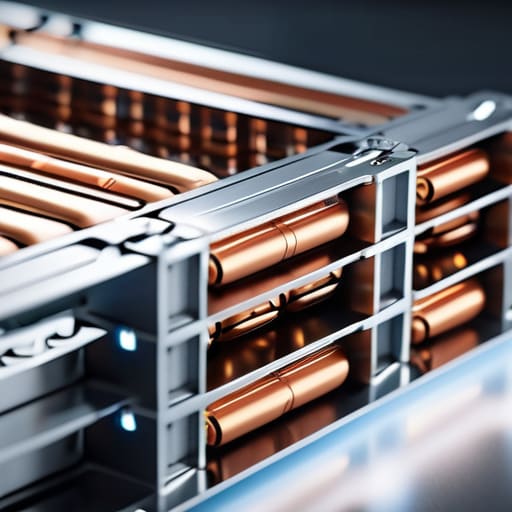
I still remember the smell of scorched flux and ozone in my Georgia Tech lab during my junior year, staring at a lithium-ion cell that had just undergone a catastrophic thermal runaway. It was a brutal, expensive lesson, but it taught me something most marketing brochures won’t: the transition to electric mobility isn’t just about sleek car designs or massive touchscreen dashboards. It’s about the gritty, microscopic reality of ev battery components and how they actually behave under stress. While most people are busy debating charging speeds or range anxiety, they’re completely ignoring the real chemistry that determines whether a battery lasts ten years or two.
I’m not here to sell you on the utopian dream of a carbon-free future without acknowledging the massive engineering hurdles we still face. In this breakdown, I’m stripping away the corporate greenwashing to give you a direct, data-driven look at the hardware that actually matters. We are going to dive deep into the anodes, cathodes, and electrolytes to understand why certain materials are winning and why others are total dead ends. No fluff, no vague promises—just the technical reality of the cells that will power our world.
Table of Contents
Decoding the Lithium Ion Battery Architecture

To understand why some EVs feel like rockets while others struggle on a steep hill, you have to look past the sleek exterior and dive into the lithium-ion battery architecture. Think of a battery cell like a high-stakes game of musical chairs, but instead of people, we’re moving lithium ions back and forth between two sides. On one side, you have the anode, and on the other, the cathode. The real magic—and the real headache for engineers—is the ion transport mechanism that allows these particles to flow through a liquid electrolyte. If that flow is interrupted or sluggish, your range disappears, and your charging speeds tank.
But it’s not just about the movement of ions; it’s about managing the chaos that movement creates. As those ions shuffle between the anode and cathode materials, they generate heat. If you don’t have a robust system to handle that, you’re looking at rapid degradation or, in worst-case scenarios, thermal runaway. This is why I’m always obsessed with how manufacturers integrate battery thermal management systems directly into the pack design. It’s the difference between a battery that lasts fifteen years and one that becomes a paperweight after three.
Why Anode and Cathode Materials Define Success
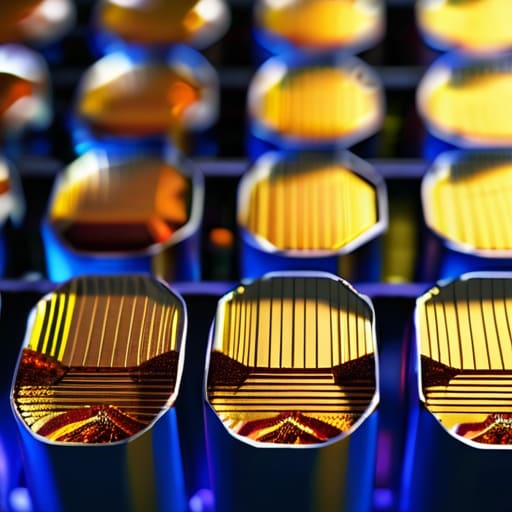
Think of the anode and cathode as the two poles of a high-stakes tug-of-war. While the electrolyte is the field they play on, the actual materials used in these electrodes determine whether the game is a blowout or a stalemate. If you want to push the limits of energy density components, you can’t just pick any material off the shelf. The cathode is where the real heavy lifting happens—it’s the primary driver of capacity and voltage. If we’re using LFP (Lithium Iron Phosphate), we’re gaining stability and cost-efficiency, but we’re sacrificing that long-range “oomph” you get from NCM (Nickel Cobalt Manganese) chemistries.
On the flip side, the anode is the gatekeeper of longevity. This is where the ion transport mechanism gets messy. If the anode material can’t handle the rapid shuttling of ions without degrading or forming dendrites, your battery becomes a glorified paperweight after a few hundred cycles. It’s not just about how much energy we can cram in; it’s about how many times we can pull that energy out before the chemistry starts to fail. We need materials that are both high-performing and ethically sourced, or we’re just trading one environmental crisis for another.
Real-World Specs: What to Actually Watch For
- Don’t get blinded by “range anxiety” marketing; look at the energy density specs. A massive battery pack is just a heavy brick if the chemistry inside can’t pack enough electrons into a small enough footprint to keep the car agile.
- Keep a close eye on the cathode chemistry—specifically the split between LFP (Lithium Iron Phosphate) and NMC (Nickel Manganese Cobalt). If you want longevity and safety, LFP is your best friend, but if you’re chasing raw performance, you’re going to be leaning on that nickel.
- Thermal management isn’t just a luxury; it’s the difference between a battery that lasts ten years and one that degrades in two. If a manufacturer isn’t being transparent about how they cool those cells during a fast charge, that’s a massive red flag for long-term stability.
- Watch the degradation curves, not just the initial capacity. A battery that starts at 100% but drops to 80% after only a few hundred cycles is a failure of engineering, regardless of how much “green” PR the company is throwing around.
- Demand transparency on material sourcing. We can’t claim we’re saving the planet if the cobalt or lithium in our cells is coming from supply chains that are ethically bankrupt or environmentally disastrous. Sustainable tech has to be sustainable from the ground up.
The Bottom Line: What Actually Matters for the Future of Storage
We need to stop treating “battery tech” like a monolith; the real battle for range and longevity is being fought at the molecular level between anode and cathode chemistry.
Sustainability isn’t just a buzzword—if we don’t solve the supply chain and recycling issues for these specific materials, we’re just trading one environmental crisis for another.
The transition to electric isn’t just about building more cars; it’s about perfecting the hardware that makes high-density energy storage stable, cheap, and actually scalable.
## Moving Past the Marketing Gloss
“Everyone wants to talk about range anxiety and sleek touchscreen interfaces, but if we aren’t obsessed with the granular chemistry of the cathode and the stability of the electrolyte, we’re just building expensive paperweights that won’t survive the decade.”
Desmond Achebe
The Road Ahead: Beyond the Cells
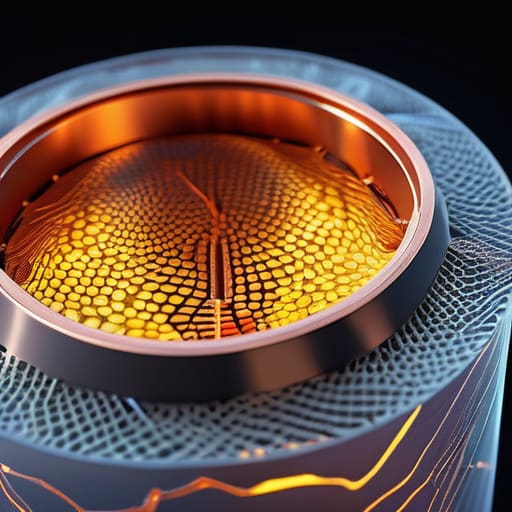
At the end of the day, an EV battery isn’t just a single object; it’s a high-stakes balancing act between the cathode’s energy density, the anode’s stability, and the electrolyte’s ability to keep everything moving without catching fire. We’ve looked at how every single component—from the separator to the current collectors—plays a role in whether a vehicle lasts ten years or two. If we ignore the material science happening at the microscopic level, we’re just chasing marketing slogans. To build a grid that actually survives the transition, we have to respect the complexity of the hardware that makes it all possible.
I know it’s easy to get lost in the hype cycles and the “game-changing” press releases that pop up every week, but the real revolution is happening in the labs, not the boardrooms. We are moving toward a world where energy storage isn’t just a luxury, but the backbone of our entire infrastructure. It’s going to be a grind to solve the issues of mineral scarcity and recycling, but if we focus on true sustainability instead of quick fixes, we can actually build something that lasts. The transition is inevitable, and I’m ready to see the chemistry finally catch up to our ambitions.
Frequently Asked Questions
If we're moving toward solid-state batteries, does that mean our current lithium-ion infrastructure is basically a dead end?
Look, I get why it feels that way—it’s easy to think we’re building a bridge to nowhere. But honestly? It’s not a dead end; it’s a foundation. Solid-state is the endgame, sure, but the manufacturing lines, the supply chains for lithium, and the battery management systems we’re perfecting right now are the literal blueprints. We aren’t throwing away the current tech; we’re just refining the chemistry until the hardware can finally catch up to the vision.
How much of the actual "green" benefit is lost when you factor in the energy intensity of mining materials like cobalt and nickel?
Look, I get why people ask this—it’s the elephant in the room. If you just look at the upfront carbon debt from mining cobalt and nickel, the “green” math looks shaky. But you can’t view a battery as a static object; it’s a high-density energy vessel. Once that cell is in a car, it pays back its “mining debt” through much higher efficiency compared to internal combustion. We just have to ensure the lifecycle is actually circular.
Can we actually scale up recycling processes to handle the sheer volume of battery packs that are going to hit the end of their life in the next decade?
That’s the million-dollar question, and honestly, the math is pretty terrifying right now. We’re staring down a massive wave of end-of-life packs, and our current recycling infrastructure is nowhere near ready for that volume. We can’t just rely on “black mass” shredding and hope for the best. If we want this to be a circular economy and not just a different kind of landfill crisis, we need massive investment in hydrometallurgical recovery—not just more PR about “green” goals.
