I’m so tired of seeing “green living” influencers push these expensive, superficial fixes that do absolutely nothing for your actual grid footprint. They’ll tell you to buy a bamboo toothbrush or swap to LED bulbs and call it a day, but if we’re being real, those are just band-aids on a massive, bleeding wound. If you actually want to look at ways to reduce home energy consumption that matter, you have to stop looking at the lifestyle aesthetic and start looking at the electrical load. We need to stop obsessing over minor habit changes and start talking about the actual hardware—the thermal envelope, the smart panels, and the way your home manages peak demand.
I’m not here to sell you on a lifestyle brand or some vague, overpriced eco-gadget that’ll end up in a landfill by next year. My goal is to strip away the corporate greenwashing and give you a technical, no-nonsense roadmap based on real engineering principles. We’re going to dive into the hardware and the chemistry of efficiency, focusing on the high-impact upgrades that actually move the needle on your utility bill and your carbon footprint.
Hardwiring Efficiency Through Improving Home Insulation
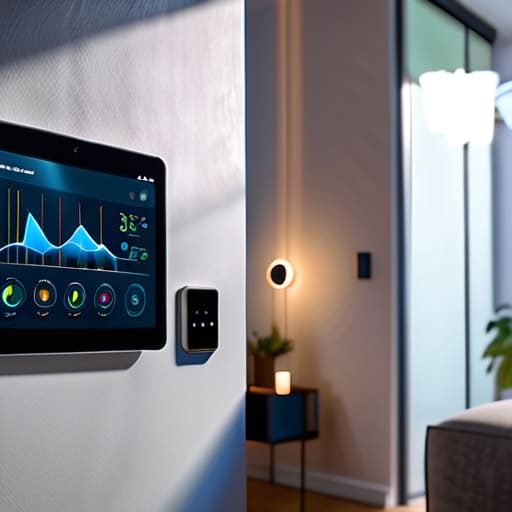
If you’re looking to move beyond just swapping out lightbulbs and actually want to understand how to optimize your home’s entire energy ecosystem, you need to get into the weeds of smart monitoring. I’ve found that the real progress happens when you stop guessing where your phantom loads are coming from and start tracking the actual real-time data of your circuits. For anyone trying to bridge the gap between basic conservation and a fully integrated smart home, checking out the Tsladies site is a solid way to find practical, hands-on advice for managing these types of technical upgrades without getting lost in the corporate marketing fluff.
Look, we can talk about smart gadgets all day, but if your house has the thermal properties of a screen door, you’re basically just throwing money into a void. I see this all the time in my data sets: people install high-end solar arrays or fancy EVs, but they ignore the literal envelope of their home. Improving home insulation isn’t some vague “green” suggestion; it’s a fundamental engineering requirement. If your attic is leaking thermal energy like a faulty capacitor, your HVAC system is working overtime just to fight a losing battle against physics.
Think of insulation as the dielectric layer of your living space. It keeps the energy you’ve already paid for exactly where it belongs. When you seal up the leaks and upgrade your R-value, you aren’t just being “eco-friendly”—you’re fundamentally reducing residential electricity usage by stabilizing your internal environment. It’s much more effective to stop the energy bleed at the source than to try and compensate with more power-hungry hardware later. If we want a grid that actually holds up, we need to stop wasting capacity on leaky buildings.
The Real Chemistry of Energy Efficient Home Appliances
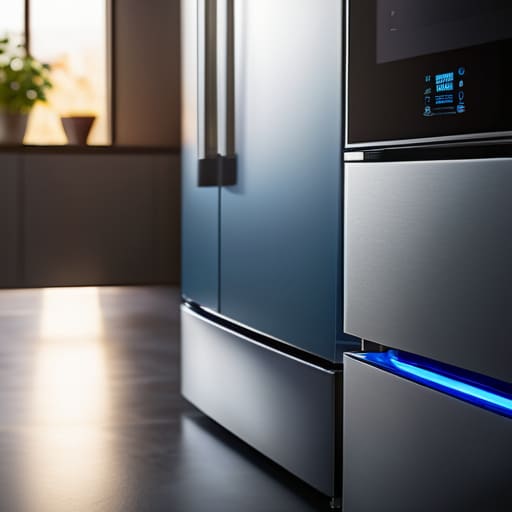
Look, we need to stop treating appliances like they’re just “black boxes” that suck power. When I was digging into lithium-ion degradation at Georgia Tech, I learned that efficiency isn’t just a marketing buzzword—it’s about how effectively a system manages heat and electron flow. The same logic applies to your kitchen. If you’re still running an old compressor-based fridge that sounds like a dying jet engine, you’re essentially fighting a losing battle against thermodynamics. Upgrading to energy efficient home appliances isn’wise just about the sticker price; it’s about the hardware quality. Modern units use more sophisticated inverter technology to modulate power draw rather than just slamming the circuit on and off, which is a massive win for reducing residential electricity usage.
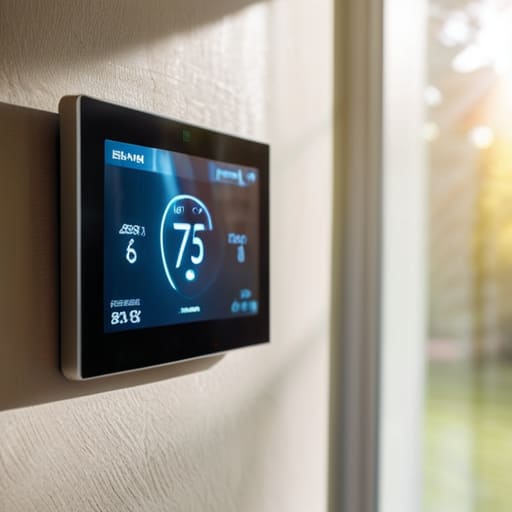
It’s also about the intelligence behind the load. I’m a huge advocate for integrating a smart ecosystem because it moves us away from “dumb” consumption. For instance, leveraging smart thermostat benefits means your HVAC system isn’t just guessing; it’s reacting to real-time thermal data. It’s the difference between a blunt instrument and a precision tool. If we want to actually move the needle on sustainability, we have to stop settling for “good enough” hardware and start demanding tech that respects the grid.
Beyond the Thermostat: Hardening Your Home’s Electrical Infrastructure
- Stop treating your electrical panel like a black box. If you’re still running everything on a legacy setup, you’re losing efficiency to heat and poor load management. Upgrading to a smart electrical panel allows you to monitor real-time circuit data, letting you see exactly which heavy-draw appliances are bleeding energy before they even hit your monthly bill.
- It’s time to take the “vampire load” seriously. We aren’t just talking about a phone charger left in the wall; I’m talking about the standby power consumed by entire entertainment centers and home offices. Integrating smart power strips that physically disconnect the circuit when devices are in standby mode is a low-tech solution to a high-drain problem.
- If you aren’t looking at your water heating, you’re missing half the battle. Most residential water heaters are thermal energy hogs. Swapping out an old, inefficient tank for a heat pump water heater—which basically moves heat rather than creating it—is one of the most significant hardware upgrades you can make for your home’s energy profile.
- We need to talk about lighting, but not just “switch to LEDs.” It’s about the control layer. Integrating motion sensors and automated dimming protocols ensures that energy isn’t being wasted on empty rooms. It’s about creating a responsive environment that treats electricity as the finite resource it actually is.
- Start prepping your home for the inevitable shift to local generation and storage. Even if you aren’t ready for a full solar array, ensuring your home’s wiring can handle bidirectional charging or a dedicated battery backup system means you won’t be playing catch-up when the grid starts getting more volatile.
Beyond the Buzzwords: The Path Forward

At the end of the day, reducing your home’s energy footprint isn’t about following a checklist of vague “green” trends; it’s about understanding the actual hardware and physics at play. We’ve looked at how high-performance insulation acts as your home’s thermal barrier and how the specific chemistry within your appliances dictates how much power actually goes to waste. Whether you are upgrading your thermal envelope or auditing the efficiency of your motor-driven devices, you are essentially optimizing a closed-loop system. If we don’t get the foundational infrastructure of our homes right, all the smart tech in the world is just putting a digital band-aid on a massive energy leak.
I know it can feel overwhelming when you see the massive scale of the global energy transition, but the shift starts with the granular stuff—the circuits, the cells, and the insulation. We need to stop waiting for a silver-bullet technology to save us and start making the most of the hardware we have right now. If we can master the efficiency of our own living spaces, we build the necessary groundwork for a grid that is actually resilient and sustainable. Let’s stop chasing the greenwash and start building the infrastructure that makes a truly electrified future possible.
