Category: Energy

  • Understanding Energy Loss When an Electric Vehicle Is Not in Use

    Understanding Energy Loss When an Electric Vehicle Is Not in Use

    I remember sitting in my dorm at Georgia Tech, surrounded by half-disassembled lithium-ion cells and enough solder smoke to trigger a fire alarm, staring at a multimeter that just wouldn’t stop dropping. I had spent three days prepping a test rig, only to realize the energy wasn’t being “used”—it was just leaking out into nothingness. It’s the same frustration I see every time a manufacturer releases a glossy brochure claiming 400 miles of range, but fails to mention how much of that juice vanishes while the car is just sitting in your garage. We need to stop treating ev battery self discharge like some minor technical footnote and start talking about it like the real efficiency killer that it is.

    I’m not here to give you a marketing pitch or a lecture on theoretical physics that you can’t apply to your daily commute. Instead, I’m going to break down the actual chemistry behind why your state of charge drops when you aren’t even driving and what that means for your long-term battery health. We’re going to look past the corporate greenwashing and get into the hard data so you can actually manage your energy instead of just guessing.

    Table of Contents

    Beyond the Promise Why State of Charge Degradation Matters

    Beyond the Promise Why State of Charge Degradation Matters

    Here’s the reality: a battery isn’t just a fuel tank; it’s a living, breathing chemical reactor. When we talk about state of charge degradation, we aren’t just talking about losing a few percentage points of range. We’re talking about the fundamental instability of ions trying to find a place to rest. If you leave an EV sitting in a garage for a month, you aren’t just losing energy to the air; you’re witnessing the internal chemical struggle that slowly eats away at the cell’s health.

    This isn’t just some theoretical lab problem, either. I see this play out constantly when looking at how parasitic drain in electric vehicles interacts with environmental factors. If you’re storing a car in a freezing climate or a sweltering garage, you’re essentially accelerating the chemical breakdown. A high-end battery management system monitoring setup can mitigate some of this, but it can’t rewrite the laws of thermodynamics. If we don’t respect the chemistry, we’re just building expensive paperweights that lose their capacity before they even hit the highway.

    The Real Chemistry Behind Parasitic Drain in Electric Vehicles

    The Real Chemistry Behind Parasitic Drain in Electric Vehicles

    To understand why your car loses juice while you’re sleeping, you have to look past the software and into the actual ions. We aren’t just dealing with a “leaky bucket” scenario; we’re dealing with internal chemical reactions that never truly stop. Even when the car is off, tiny amounts of current flow through the cell due to microscopic imperfections in the separators. This isn’t just a minor annoyance—it’s a fundamental part of how lithium-ion battery shelf life is determined. If these internal side reactions go unchecked, they can lead to the buildup of a solid electrolyte interphase (SEI) layer, which essentially acts like gunk clogging up your battery’s internal plumbing.

    Then there’s the environmental factor, which most people totally underestimate. I see this all the time in the lab: temperature impact on discharge is massive. If you leave your EV in a freezing garage or a sweltering parking lot, you’re essentially forcing the chemistry to work harder just to maintain stability. This thermal stress accelerates the parasitic drain in electric vehicles, pushing the ions into states that make it harder to reclaim that energy later. It’s not just about losing a few miles of range; it’s about the long-term health of the cell architecture.

    How to Stop Your Battery from Bleeding Out

    • Don’t park at 100% for weeks. If you’re leaving your EV sitting in the garage for a long stretch, aim for that 50% sweet spot. Keeping cells at max voltage is like keeping a spring fully compressed—it creates internal stress that accelerates degradation and makes self-discharge more volatile.
    • Watch the temperature swings. Heat is the enemy of stability. If you’re parking in a literal oven during a summer heatwave, you’re essentially speeding up the chemical reactions that cause parasitic drain. If you have the option, a climate-controlled garage is a massive win for your state of charge.
    • Stop obsessing over “zero” percent. If you let your battery bottom out, the self-discharge process can actually push the cells into a deep-discharge state where the voltage drops below the recovery threshold. Once that happens, you aren’t just losing range; you’re risking a permanent trip to the scrapyard.
    • Check your vampire drains. It’s not just the chemistry; it’s the hardware. Constant Sentry modes, onboard telematics, and even poorly optimized 12V systems can pull power from the main pack. If you’re going to be stationary for a few days, turn off the high-draw electronics to preserve the core chemistry.
    • Get to know your BMS. Your Battery Management System is the only thing standing between a healthy pack and a dead one. Pay attention to how your car reports its charge after a period of inactivity; if the drop seems disproportionate to the time elapsed, it might be time to look closer at your cell balancing.

    The Bottom Line: What This Means for Your Drive

    Self-discharge isn’t just a minor math error; it’s a physical reality of lithium-ion chemistry that means your “full charge” is a moving target if you leave the car sitting.

    If we’re going to scale EVs to the masses, we can’t just fix the range; we have to engineer better thermal management and cell stability to stop the silent bleed of energy.

    Don’t fall for the marketing hype—understanding the difference between active consumption and parasitic drain is the only way to actually manage your real-world energy budget.

    ## The Reality Check

    “We need to stop treating a parked EV like a static bucket of energy. In reality, it’s a living, breathing chemical system that’s constantly fighting its own internal physics just to stay charged.”

    Desmond Achebe

    The Bottom Line on Battery Bleed

    The Bottom Line on Battery Bleed.

    At the end of the day, we can’t treat EV batteries like magic boxes that just hold energy indefinitely. Between the internal chemical reactions causing parasitic drain and the external temperature swings that mess with your state of charge, self-discharge is a real, measurable hurdle. It’s not just a minor technicality; it’s a fundamental part of the hardware reality that dictates how we design everything from long-term storage to daily driving habits. If we want to move past the hype, we have to start respecting the inherent instability of these chemical systems and design around them rather than just hoping they won’t happen.

    I’m still an optimist about where we’re headed, but my optimism is grounded in the math, not the marketing. The transition to electric mobility is going to be messy, and the chemistry won’t always be perfect, but that’s exactly why we need more people digging into the technical weeds. We don’t need more vague promises about “infinite range”; we need better engineering and smarter infrastructure that accounts for the way energy actually behaves in the real world. If we can master the nuances of battery stability, we aren’t just building better cars—we’re building a more resilient grid for everyone.

    Frequently Asked Questions

    Does leaving my EV plugged into a home charger actually stop this self-discharge, or is it just masking the problem?

    It’s a bit of both, honestly. Leaving it plugged in acts like a life support system; the car draws from the grid to top off whatever the chemistry bled away overnight. It masks the symptom so your range looks fine in the morning, but it doesn’t stop the underlying physics. In fact, if your charger is constantly cycling to fight tiny micro-losses, you might actually be adding unnecessary wear to your onboard electronics.

    If I'm planning a long road trip, should I be storing my car at a specific state of charge to minimize energy loss while it sits?

    Look, if you’re prepping for a long haul, don’t leave it sitting at 100%. That’s basically like keeping a rubber band stretched to its absolute limit—it creates internal stress that accelerates degradation. Aim for the “sweet spot,” usually around 50% to 60%. It minimizes that parasitic drain and keeps the chemistry stable while the car’s just chilling in the driveway. You’ll have more usable juice and a healthier battery when you actually hit the road.

    How much of this drain is actually due to the battery chemistry itself versus the car's onboard computers and thermal management systems staying awake?

    Honestly, it’s a tug-of-war. If you’re looking at a parked car, the chemistry is doing its own thing through internal self-discharge—think of it like a slow leak in a tire. But the real culprit for most owners? That’s the “vampire drain.” Your car isn’t actually sleeping; its onboard computers and thermal management systems are constantly pinging the cloud or running tiny heaters to keep those cells in a safe temperature window. It’s a mix of both.
  • How Battery Packs Are Integrated Into Electric Vehicle Chassis

    How Battery Packs Are Integrated Into Electric Vehicle Chassis

    I remember sitting in a cramped lab at Georgia Tech, surrounded by the sharp, metallic tang of electrolyte leakage and the hum of a cooling system that was working way too hard. I was staring at a prototype that looked perfect on a CAD model but was absolute garbage in the real world because the thermal management was an afterthought. That’s the problem with the current discourse; everyone is obsessed with the “wow” factor of range, but they completely ignore the messy, granular reality of ev battery integration. We talk about these cars like they’re magic boxes, but if you don’t get the marriage between the cell chemistry and the vehicle’s electrical architecture right, you don’t have a revolution—you just have a very expensive, very heavy paperweight.

    I’m not here to sell you on the glossy marketing brochures or the vague promises of “green futures” that corporate PR teams love to churn out. Instead, I’m going to pull back the curtain on the actual engineering hurdles that determine whether an EV is a reliable tool or a technical headache. We’re going to skip the fluff and dive straight into the hardware, looking at how we can build a system that is actually sustainable and scalable.

    Table of Contents

    Solving the Energy Density Optimization Puzzle

    Solving the Energy Density Optimization Puzzle.

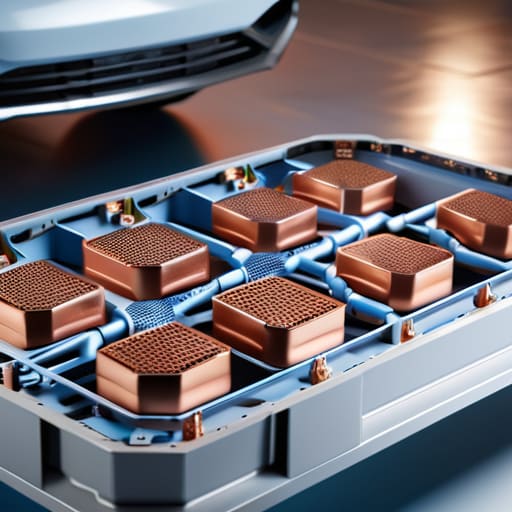
    When we talk about energy density, most people think about making the cells themselves better—which is important, but it’s only half the battle. If you just keep stuffing bigger cells into the same old heavy housing, you’re fighting a losing game of diminishing returns. To actually move the needle, we have to rethink how the entire assembly fits into the car. This is where cell-to-pack technology changes the math. By stripping away the intermediate modules that usually act as dead weight, we can pack more active material into the same footprint. It’s like realizing you don’t need a separate toolbox inside your backpack; you just need a better way to organize the gear directly against your spine.

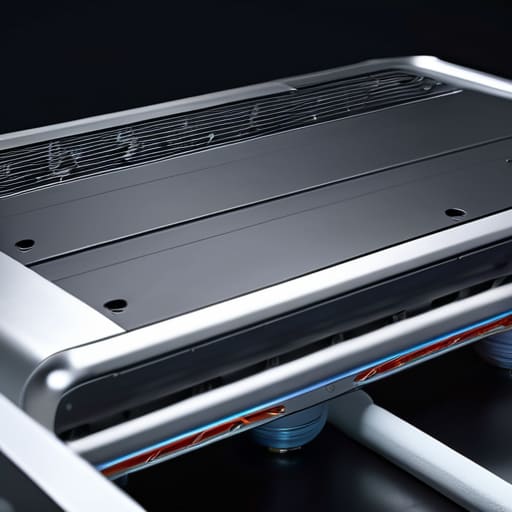
    However, you can’t just cram cells together without consequences. As an engineer, the first thing that keeps me up at night isn’t capacity—it’s heat. If you optimize for density but ignore battery thermal management systems, you’re essentially building a very expensive, very efficient thermal runaway waiting to happen. We need a design that treats the battery not as a component sitting in a box, but as a fundamental part of the vehicle’s structural integrity. That’s the real engineering hurdle: balancing raw power with the physics of heat dissipation.

    Why Modular Battery Architecture Isnt Enough

    Why Modular Battery Architecture Isnt Enough.

    Look, I get the appeal of modular battery architecture. It’s clean, it’s easy to assemble on a factory line, and it makes swapping out a faulty module feel like playing with Legos. But from an engineering standpoint, modularity is often just a polite way of saying “we’re carrying around too much dead weight.” Every time you add a housing, a connector, or a dedicated mounting bracket to keep those modules in place, you’re adding mass that doesn’t contribute a single milliwatt to the drive. We’re essentially fighting a losing battle against physics when we prioritize ease of assembly over actual energy density.

    If we want to move the needle, we have to look toward cell-to-pack technology. By stripping away the intermediate modular layers and integrating cells directly into the structure, we can reclaim a massive amount of volume. It’s not just about making the battery smaller; it’s about making the entire vehicle more efficient by rethinking how the energy storage interacts with the electric vehicle chassis design. We can’t keep building heavy, inefficient skeletons and calling it progress. We need to stop designing around convenience and start designing for the chemistry.

    Stop Treating the Battery Like an Afterthought

    • Prioritize thermal management over everything else. You can have the most insane energy density on paper, but if your cooling loops aren’t integrated into the chassis design from day one, you’re just building a very expensive, very dangerous heater.
    • Design for the “second life” before the car even hits the assembly line. If we aren’t thinking about how these modules will plug into stationary grid storage once they drop below 80% capacity, we’re just creating a future recycling nightmare.
    • Stop obsessing over “range anxiety” and start fixing “charging friction.” Real integration means the battery’s BMS (Battery Management System) needs to talk seamlessly to the grid infrastructure so we aren’t sitting at a charger for forty minutes because of a handshake error.
    • Focus on cell-to-pack (CTP) tech to cut the dead weight. We spend way too much time wasting space on heavy module housings that don’t actually contribute to the energy footprint. Every gram of “container” is a gram of range we’re losing.
    • Demand transparency in the supply chain chemistry. Integration isn’t just about how the cells fit in the car; it’s about whether the cobalt and nickel in those cells are actually sustainable or if we’re just swapping one environmental disaster for another.

    The Bottom Line on Real-World Integration

    Stop chasing “miracle” energy density numbers in a lab; if the chemistry can’t survive the thermal stress of real-world charging cycles, it’s just a paper tiger.

    True integration isn’t just about fitting more cells into a chassis—it’s about building a cohesive ecosystem where the battery, the thermal management system, and the grid actually speak the same language.

    We have to move past the “one-size-fits-all” mentality and start designing hardware that accounts for the messy reality of varying climates and aging infrastructure.

    The Infrastructure Gap

    “We can design the most efficient lithium-ion cells on the planet, but if we don’t figure out how to integrate them into a grid that isn’t already screaming under the load, we’re just building expensive paperweights for a future that can’t actually plug them in.”

    Desmond Achebe

    The Road Ahead

    The Road Ahead for EV battery integration.

    Look, we’ve covered a lot of ground, from the granular chemistry of energy density to the reality that modularity isn’t a magic bullet for integration. If there’s one thing I want you to take away, it’s that successful EV integration isn’t just about slapping a massive cell pack into a chassis and calling it a day. It’s a high-stakes balancing act between thermal management, structural integrity, and software-driven battery management systems. We can’t just optimize for range while ignoring how the battery interacts with the rest of the vehicle’s electrical architecture. If we don’t get the integration right, we’re just building expensive, heavy paperweights that fail the moment they hit a real-world temperature swing.

    I know the headlines can feel overwhelming, often swinging between utopian promises and doomsday scenarios about mineral shortages. But as someone who spends my days looking at grid stability and my nights tinkering with motor controllers, I’m cautiously optimistic. The transition isn’t going to be a smooth, polished rollout driven by corporate PR; it’s going to be a messy, iterative engineering battle. But that’s exactly why I do this. We are literally rebuilding the foundation of human mobility from the molecular level up, and if we focus on the hard engineering reality instead of the marketing fluff, we might actually build something that lasts.

    Frequently Asked Questions

    If we move toward solid-state batteries, how much of our current charging infrastructure is actually going to be obsolete?

    Honestly? Most of the “dumb” hardware stays, but the brains need a total overhaul. If we pivot to solid-state, we aren’t just swapping liquids for solids; we’re unlocking much higher C-rates. Our current DC fast chargers won’t be useless, but they’ll feel like trying to fill a fire hose with a straw. We’ll need massive upgrades to grid-side thermal management and power delivery to actually handle those lightning-fast charge cycles without melting the local transformer.

    How do we balance the push for higher energy density without making the thermal management systems way too heavy and expensive?

    It’s the classic engineering trade-off: you pack more energy into the cells, and suddenly you’ve built a thermal bomb. If we just chase density, we end up lugging around massive, heavy liquid cooling loops that kill the very range gains we were chasing. I think the move is toward cell-to-pack architectures and phase-change materials. We need to stop treating cooling as an afterthought and start designing the chemistry to be inherently more thermally stable.

    Are we actually building a circular economy for these cells, or are we just delaying a massive mountain of lithium-ion waste?

    Right now? We’re mostly just delaying the inevitable. Most companies talk about “circularity” like it’s a solved math problem, but the actual logistics of reclaiming cathode material are a mess. It’s way cheaper to mine new lithium than to disassemble a pack and recover the high-purity salts. Unless we mandate standardized cell designs and fund industrial-scale recycling infrastructure, we aren’t building a loop—we’re just building a massive, toxic landfill for the next decade.

  • Preventing Thermal Runaway Incidents in Electric Vehicle Batteries

    Preventing Thermal Runaway Incidents in Electric Vehicle Batteries

    I still remember the smell of that first lithium-ion cell I accidentally punctured in the Georgia Tech labs—a sickly, sweet chemical odor that immediately signaled things were going south. It wasn’t just a minor malfunction; it was a violent, self-sustaining chemical reaction that felt less like a science experiment and more like a controlled explosion. Most people see headlines about ev battery thermal runaway and think it’s just some freak accident or a “glitch” in the software, but after spending years staring at degradation curves and electrolyte stability, I know better. It’s not a glitch; it’s a fundamental struggle between energy density and chemical stability that we can’t keep glossing over with PR-friendly talking points.

    I’m not here to sell you on the idea that EVs are perfect, nor am I going to bore you with a textbook definition of exothermic reactions. Instead, I’m going to pull back the curtain on the actual hardware and the messy chemistry that leads to ev battery thermal runaway. We’re going to look at the real-world failure points—from separator breakdown to cooling system flaws—so you can understand what’s actually happening under the floorboards. My goal is to give you the unfiltered technical reality of how we stabilize these systems for a sustainable future.

    Table of Contents

    Lithium Ion Battery Overheating Causes Where the Chemistry Fails

    Lithium Ion Battery Overheating Causes Where the Chemistry Fails

    To understand why these packs fail, you have to look past the sleek exterior and dive into the messy reality of the cell. Most of the time, we aren’t looking at a sudden explosion, but a slow, cascading failure of EV battery cell stability. It usually starts with something as mundane as a manufacturing defect—a tiny microscopic metal shard from the production line that pierces the separator. Once that barrier is breached, you get an internal short circuit. This creates a localized hotspot that begins a feedback loop: the heat rises, the chemistry destabilizes, and suddenly you’re dealing with a chemical reaction that generates more heat than the cooling system can possibly strip away.

    Then there’s the issue of the liquid medium itself. The organic solvents used in the electrolyte are essentially high-energy fuel waiting for a spark. When the temperature climbs past a certain threshold, you face massive electrolyte combustion risks that can turn a single cell’s failure into a full-blown pack disaster. It’s not just about a “hot battery”; it’s about a chemical chain reaction that moves faster than the hardware can react.

    The Volatile Reality of Electrolyte Combustion Risks

    The Volatile Reality of Electrolyte Combustion Risks.

    This is where the theory meets a very dangerous reality. Once you cross that temperature threshold, you aren’t just dealing with a hot component; you’re dealing with a liquid fuel source sitting right next to a chemical oxidizer. Most standard lithium-ion setups use organic solvents as the electrolyte, and these things are incredibly volatile. When the internal temperature spikes, these solvents reach their flash point, turning the battery housing into a pressurized furnace. We’re talking about electrolyte combustion risks that can escalate in milliseconds, long before a driver even realizes something is wrong.

    The real nightmare, though, isn’t just the initial spark—it’s how that heat travels. If the internal architecture doesn’t include robust thermal runaway propagation prevention, a single failing cell becomes a domino effect that consumes the entire pack. I’ve seen enough lab data to know that once the chemistry enters this self-sustaining loop, it’s incredibly hard to stop. It’s why we can’t just rely on basic cooling; we need much more aggressive battery management system safety protocols to catch these micro-fluctuations before the chemistry decides to go rogue.

    Beyond the Lab: How We Actually Manage the Heat

    • Stop treating thermal management as an afterthought; we need more robust liquid cooling architectures that can handle rapid charging spikes without letting the internal cell temps drift into the danger zone.
    • We have to push for better Battery Management Systems (BMS) that don’t just report data, but actually use predictive algorithms to spot voltage irregularities before the chemistry starts to cascade.
    • Standardizing solid-state research isn’t just a “future goal”—it’s a necessity to replace those flammable liquid electrolytes with something that won’t turn a minor short circuit into a bonfire.
    • Infrastructure needs to catch up by implementing smarter thermal monitoring at the charging station level, so we aren’t pumping high-voltage current into a pack that’s already struggling to stay stable.
    • We need to demand more transparency from OEMs regarding their cell-to-pack structural integrity; if the physical housing can’t isolate a single failing cell, the whole module is a ticking time bomb.

    The Bottom Line: Moving Past the Hype

    Thermal runaway isn’t just a “glitch”; it’s a fundamental chemical chain reaction where the battery essentially starts consuming itself once a certain temperature threshold is crossed.

    We can’t just “software patch” our way out of this—true safety requires better hardware, more stable electrolyte chemistry, and more robust physical cooling systems.

    The future of EVs depends on solving these stability issues now, because if we can’t master the chemistry of energy density, we’ll never win the public’s trust in the grid.

    The Hardware Truth

    We can keep marketing EVs as these seamless, magic boxes of clean energy, but until we solve the fundamental instability of the electrolyte under stress, we’re just building high-density thermal time bombs and hoping the software can outrun the chemistry.

    Desmond Achebe

    The Path Forward: Beyond the Fire

    The Path Forward: Beyond the Fire.

    At the end of the day, thermal runaway isn’t just some abstract engineering glitch; it’s a direct consequence of pushing lithium-ion chemistry to its absolute physical limits. We’ve spent years chasing energy density, often at the expense of stability, and we’ve seen the fallout in the form of electrolyte combustion and cascading cell failure. If we want to move past the era of “vague promises” from manufacturers, we have to prioritize robust thermal management systems and more stable solid-state architectures over just slapping more capacity into a standard pouch cell. We can’t build a reliable grid or a safe transport network on hardware that is fundamentally prone to uncontrollable chemical reactions.

    I’m not a pessimist, but I am a realist. The transition to electric mobility is non-negotiable, but it won’t be won by marketing campaigns or glossy brochures. It will be won in the labs, by engineers who aren’t afraid to look at the messy, volatile reality of how these cells actually behave under stress. We have the roadmap to solve this—through better materials science and smarter, more redundant cooling infrastructure. If we get the hardware right, we don’t just get safer cars; we get a sustainable foundation for the entire energy revolution. Let’s stop chasing the hype and start building the tech that actually lasts.

    Frequently Asked Questions

    If we can't change the fundamental chemistry of lithium-ion, how much can better cooling hardware actually mitigate the risk of a runaway event?

    Look, cooling hardware isn’t a magic bullet, but it’s our best line of defense. Think of it like a heat sink on a high-end CPU; you can’t stop the processor from generating heat, but you can keep it from melting the motherboard. Better thermal management—like advanced liquid cooling plates or phase-change materials—buys us crucial time. It doesn’t rewrite the chemistry, but it keeps the cells within their “safe zone” so the runaway never starts.

    Are we actually seeing real-world data on how solid-state batteries will change the safety profile, or is that just more corporate marketing for now?

    Look, I’m tired of the “solid-state will save us” press releases. From a lab perspective, the physics checks out: replacing flammable liquid electrolytes with solid ceramics theoretically kills the thermal runaway pathway. But the real-world data? It’s still mostly prototype-scale. We’re seeing massive hurdles with dendrite growth and interface resistance that corporate PR loves to gloss over. It’s not just marketing—the tech is real—but we’re nowhere near seeing it solve safety in a mass-market EV.

    Once a thermal runaway starts, is there any practical way for a first responder to stop it, or are we just stuck waiting for the cell to burn itself out?

    The short answer? Most of the time, you’re just watching a chemical wildfire. Once that internal short triggers the chain reaction, the battery is essentially its own fuel source. Traditional extinguishers won’t touch it because the reaction produces its own oxygen. For first responders, it’s about containment and massive amounts of water for cooling, not “putting it out.” We’re basically playing a waiting game until the energy is spent.

  • Ensuring the Longevity of Electric Vehicle Charging Cables

    Ensuring the Longevity of Electric Vehicle Charging Cables

    I remember sitting in my dorm at Georgia Tech, surrounded by half-disassembled lithium cells and enough soldering iron smoke to trigger a fire alarm, trying to figure out why my custom skateboard build kept cutting out. It wasn’t a battery chemistry failure or a blown MOSFET; it was a cheap, flimsy connector that had physically frayed from just a few weeks of heavy use. We spend all this time obsessing over megawatt-hours and solid-state breakthroughs, but we completely ignore the most basic physical bottleneck: charging cable durability. If the copper inside the jacket is brittle or the insulation can’t handle a little thermal stress, your high-tech EV is basically just a very expensive paperweight waiting to happen.

    I’m not here to sell you on some “premium” brand just because they wrapped their cord in a fancy braided nylon sleeve. I want to look at the actual material science—the gauge of the wire, the quality of the strain relief, and how these components actually hold up under real-world thermal cycling. This isn’t about marketing hype; it’s about the hardware that keeps us moving. I’m going to break down what actually matters so you can stop wasting money on gear that’s built to fail.

    Table of Contents

    Braided Nylon vs Tpe Cables Deciphering Material Integrity

    Braided Nylon vs Tpe Cables Deciphering Material Integrity

    When you’re looking at the spec sheet, you’ll see the debate between braided nylon vs TPE cables thrown around like it’s a simple matter of aesthetics. It’s not. TPE (Thermoplastic Elastomer) is that smooth, rubbery material you see on most standard chargers; it’s flexible and great for a quick reach, but it’s prone to cracking once the polymer starts to degrade from heat and repeated flexing. Braided nylon, on the other hand, acts like a structural exoskeleton. It distributes the tension across a woven mesh, which is a massive win for preventing frayed charging cables when you’re tossing your gear into a backpack or dragging it across a garage floor.

    However, the jacket is only half the battle. Even the toughest braid won’t save you if the cable strain relief design is garbage. I’ve seen plenty of “premium” nylon cables that snap right at the neck because the transition from the flexible cord to the rigid connector is too abrupt. If the manufacturer hasn’t accounted for the impact of bend radius on longevity, you’re just buying a more expensive way to experience a short circuit. You need that seamless, reinforced transition to actually handle the mechanical stress of daily use.

    The Physics of Failure Impact of Bend Radius on Longevity

    The Physics of Failure Impact of Bend Radius on Longevity.

    Think of a charging cable like a high-voltage circuit in a substation—it’s not just about the current flowing through it, but how the physical structure handles mechanical stress. When you’re constantly coiling, stuffing, or bending a cable into a tight corner, you’re essentially performing micro-trauma on the internal copper strands. If you ignore the impact of bend radius on longevity, you’re basically inviting a catastrophic failure. Every time you force a sharp angle near the plug, you’re increasing the tension on the internal conductors, which eventually leads to microscopic fractures.

    This is where most cheap hardware fails. Without a proper cable strain relief design, that repetitive stress migrates directly toward the junction, leading to USB-C connector fatigue. I’ve seen it a thousand times in the lab: the outer jacket looks fine, but the internal wiring has already surrendered to the physics of tension. If the transition from the flexible cable to the rigid connector isn’t engineered to distribute that force, you aren’t just looking at a slow charge; you’re looking at a total hardware meltdown.

    Hard Truths: How to Actually Protect Your Charging Hardware

    • Stop treating your cable like a whip; respect the bend radius. If you’re constantly coiling it tight or letting it kink under the weight of the car, you’re micro-fracturing the internal copper strands, and once that resistance climbs, you’re looking at heat issues you don’t want.
    • Check your connector pins for carbon buildup or oxidation every few months. It sounds nerdy, but even a tiny layer of grime creates resistance, and resistance is the enemy of efficiency—it turns your charging session into a slow, heat-generating mess.
    • Ditch the cheap, unbranded “deals” you find on random marketplaces. I’ve seen too many flimsy, non-certified cables that lack proper shielding; if they aren’t rated for the continuous current draw of an EV, you’re basically playing Russian roulette with your car’s onboard charger.
    • Watch your temperature swings. We talk a lot about battery chemistry, but the cable is the lifeline; extreme heat from direct sun or freezing temperatures can make the outer jacket brittle or too soft, compromising the structural integrity of the insulation.
    • Manage your tension. When you’re plugging in, don’t let the weight of the heavy cable pull directly on the port or the connector head. That constant downward torque is a slow-motion death sentence for the internal solder joints.

    The Bottom Line: Stop Treating Cables Like Afterthoughts

    Material science matters more than aesthetics; if you’re choosing between a cheap PVC jacket and high-grade TPE or braided nylon, pick the latter to avoid the inevitable micro-fractures that kill conductivity.

    Respect the bend radius or pay the price in heat—forcing tight loops in your cable storage creates internal stress points that lead to catastrophic failure long before the battery itself dies.

    Durability is a sustainability metric; investing in high-integrity hardware isn’t just about saving money, it’s about reducing the massive e-waste stream generated by disposable, low-quality charging components.

    The Hidden Cost of Cheap Hardware

    “We spend all this time debating cell chemistry and energy density, but we’re ignoring the literal lifeline of the system; if your charging cable is built like a disposable toy, it doesn’t matter how advanced your battery is—you’ve already failed the sustainability test.”

    Desmond Achebe

    The Bottom Line on Hardware Longevity

    The Bottom Line on Hardware Longevity.

    At the end of the day, choosing a charging cable isn’t just about finding something that fits the port; it’s about understanding the material science that keeps your car running. We’ve looked at how braided nylon offers that much-needed abrasion resistance compared to the more flexible but delicate TPE, and we’ve seen how ignoring the bend radius can lead to internal copper fatigue that you won’t even see until it’s too late. If you’re going to invest in an EV, don’t let a substandard, flimsy cable be the weak link that turns your high-tech vehicle into a driveway ornament.

    We talk a lot about the “grand transition” to electric mobility, but that transition is built on a foundation of millions of small, physical connections. If we want a truly sustainable ecosystem, we have to stop treating our charging hardware like disposable plastic junk and start demanding industrial-grade reliability. The tech is getting better every day, and as we move toward a more electrified grid, I truly believe that building for durability is the only way to ensure this revolution actually sticks. Let’s build a future that’s meant to last.

    Frequently Asked Questions

    How much does extreme temperature fluctuation—like a freezing winter night versus a heatwave—actually affect the internal copper conductivity and jacket flexibility?

    Think of it like this: extreme heat is a silent killer for the jacket, making it prone to micro-cracking and eventual chemical breakdown. But the real headache is the thermal cycling. When you swing from a freezing night to a heatwave, the different expansion rates between the copper core and the insulation create internal mechanical stress. This can actually degrade the conductivity over time as the physical connection between materials shifts, making your charging efficiency tank.

    Is there a real-world difference in degradation between high-voltage DC fast charging and standard AC home charging when it comes to connector pin wear?

    Look, there’s a massive difference. When you’re hitting a DC fast charger, you’re dealing with much higher current densities flowing through those pins. It’s not just about physical friction; it’s about thermal stress. High-voltage DC charging generates significantly more heat at the contact point, which can accelerate oxidation and even cause micro-pitting on the metal surfaces. AC home charging is a much “gentler” electrical environment, so your connector pins will almost always outlast the thermal fatigue seen at high-speed stations.

    At what point does the cost of upgrading to a premium, reinforced cable actually offset the price of just replacing a cheap one every year?

    Look, I get the temptation to just grab the cheapest option on Amazon every twelve months, but the math doesn’t actually track. If you’re replacing a $30 cable annually, you’re burning $150 over five years—and that’s not even accounting for the e-waste headache. A $90 reinforced cable that lasts the full five years isn’t just more reliable; it’s literally cheaper and keeps more junk out of the landfill. Buy once, buy right.

  • How Electric Vehicles Manage Energy Release During Operation

    How Electric Vehicles Manage Energy Release During Operation

    I remember sitting in a Georgia Tech lab at 2:00 AM, staring at a thermal imaging camera while a lithium-ion cell slowly cooked itself under a high-load test. The marketing brochures from major automakers will tell you that your range is a simple math equation, but anyone who has actually looked at a voltage curve knows that’s a lie. The reality of ev battery discharging isn’t some smooth, predictable slide from 100% to zero; it’s a chaotic, chemical tug-of-war influenced by everything from ambient temperature to how aggressively you’re pushing the inverter. If we keep treating these cells like they’re just glorified smartphone batteries, we’re going to ignore the actual physics that dictate how long our cars actually last.

    I’m not here to give you the polished, corporate version of how energy storage works. I want to pull back the curtain on the actual hardware and the electrochemical stressors that dictate your real-world range. We’re going to dive into the unfiltered data behind why your state-of-charge drops the way it does and how you can actually manage it without falling for the greenwashing hype.

    Table of Contents

    Why Energy Density and Efficiency Arent Enough

    Why Energy Density and Efficiency Arent Enough

    Look, the industry loves to hype up energy density and efficiency like they’re the holy grail, but focusing solely on how much juice we can cram into a cell is a massive distraction. You can have a battery with incredible energy density, but if the internal resistance is garbage, that capacity is basically useless when you actually need it. I’ve seen this play out in the lab a thousand times: a cell looks amazing on a spec sheet during a slow, controlled drain, but it falls apart the second you demand real-world performance.

    When you stomp on the pedal to merge onto a highway, you aren’t just asking for energy; you’re asking for immediate power. This is where we see massive voltage sag during acceleration, which can make a high-capacity pack feel surprisingly sluggish. If the chemistry can’t handle that sudden spike in current without the voltage cratering, all that theoretical range becomes a lie. We need to stop obsessing over how much energy we can store and start talking about how reliably we can pull it out when the driver actually demands it.

    Decoding the Lithium Ion Discharge Cycle

    Decoding the Lithium Ion Discharge Cycle diagram.

    To really get what’s happening under the floorboards, you have to stop thinking of a battery as a simple fuel tank. It’s more like a chemical tug-of-war. During a standard lithium-ion discharge cycle, ions are physically migrating from the anode to the cathode through an electrolyte. It sounds smooth on paper, but in the real world, this movement isn’t perfect. As those ions move, they encounter internal resistance, which is where things get messy. If you’ve ever felt that sudden, gut-wrenching loss of power when you floor it, you’ve experienced voltage sag during acceleration. That’s essentially the chemistry struggling to keep up with the massive electrical demand you’re placing on the cells.

    We also need to talk about how much we’re actually asking these cells to do. The depth of discharge impact is a massive factor that most casual drivers completely overlook. Every time you drain a cell down to near-zero, you aren’t just using energy; you’re physically stressing the internal structure of the electrodes. It’s like stretching a rubber band to its absolute limit every single day—eventually, it’s going to lose its snap. If we want these packs to last a decade instead of five years, we have to respect the mechanical limits of the chemistry.

    Stop Treating Your Battery Like an Infinite Resource: 5 Ways to Protect the Chemistry

    • Stop the “Deep Discharge” Habit: If you’re constantly running your battery down to 0% just to squeeze out every last mile, you’re essentially stress-testing the lithium ions into a corner. Try to keep your state of charge between 20% and 80% whenever possible; it keeps the internal resistance manageable and slows down that inevitable degradation.
    • Watch the Thermal Profile: Heat is the absolute enemy of cell longevity. Rapid discharge—like flooring it to merge onto a highway—generates massive amounts of internal heat through Joule heating. If you’re pushing the hardware too hard, you aren’t just losing range; you’re literally cooking the electrolyte.
    • Respect the Fast-Charging Trap: DC fast charging is a lifesaver on road trips, but it’s a brutal way to live for a battery. The high current flow during these sessions can lead to lithium plating on the anode. Use it when you need it, but don’t make it your daily ritual if you actually want this pack to last a decade.
    • Mind the Ambient Temperature: We talk a lot about chemistry, but chemistry is highly sensitive to its environment. If you’re discharging in sub-zero temps, the ions move like they’re stuck in molasses, increasing internal resistance and tanking your efficiency. Pre-conditioning your battery while it’s still plugged in is a non-negotiable move.
    • Avoid the “Vampire Drain” Obsession: Even when you aren’t driving, your battery is working. Constant connectivity and high-drain auxiliary systems pull small amounts of current that keep the cells in a state of micro-discharge. If you’re parking the car for a week, don’t leave it sitting at 5% charge—it’s a recipe for a bricked module.

    The Bottom Line on Battery Health

    Stop chasing range numbers alone; how you manage the discharge cycle—specifically avoiding those deep 0% drains—is what actually determines if your battery lasts five years or ten.

    We have to stop treating “efficiency” as a marketing buzzword and start looking at how thermal management and discharge rates directly impact the chemical stability of the cells.

    The future of electric mobility isn’t just about bigger batteries, it’s about smarter discharge tech that minimizes degradation so we aren’t just trading a gas crisis for a lithium waste crisis.

    ## The Myth of the Perfect Cycle

    “We need to stop treating battery discharge like a simple math equation where you just subtract usage from a total. In reality, every time you pull high current from a cell, you’re initiating a microscopic tug-of-war that physically reshapes the internal architecture. If we don’t start designing for the chemistry of the discharge rather than just the capacity of the tank, we’re just building expensive paperweights.”

    Desmond Achebe

    The Bottom Line on Battery Longevity

    The Bottom Line on Battery Longevity.

    Look, we can’t keep treating EV batteries like magic boxes that just work indefinitely without consequence. We’ve looked at how discharge rates aren’t just numbers on a dashboard; they are the direct result of thermal management and the physical movement of ions through a medium that is constantly degrading. Whether it’s the impact of rapid DC fast-charging or the way extreme temperatures mess with your internal resistance, the chemistry doesn’t lie. If we want to move past the era of gas guzzlers, we have to stop ignoring the physical reality of cell degradation and start designing systems that respect the limits of the hardware.

    I’m not being a pessimist; I’m being a realist. The transition to electric mobility is the most important engineering challenge of our lifetime, but it won’t be won with marketing slogans or vague promises of “green” futures. It will be won in the labs, in the grid infrastructure, and through a deeper understanding of the molecular stability required to make long-range travel a standard, not a luxury. We have the blueprints, and we have the drive. Now, we just need to build the hardware that is actually built to last.

    Frequently Asked Questions

    If I'm constantly using fast chargers to top up, is that accelerating the chemical degradation of my battery's discharge capacity?

    Short answer: Yes, you’re definitely trading long-term health for short-term convenience. Think of it like sprinting every time you need to move; you’ll get there faster, but you’re redlining the system. Fast charging forces massive amounts of ions through the electrolyte too quickly, which creates heat and causes lithium plating. That’s basically like building up microscopic “scars” inside the cell that permanently eat away at your capacity. Use it when you’re in a rush, but don’t make it your baseline.

    How much does extreme temperature—like a brutal summer heatwave or a freeze—actually mess with the internal resistance during a discharge cycle?

    Think of internal resistance like friction in a pipe. In a brutal heatwave, the electrolyte gets “thin,” which sounds good, but it actually accelerates side reactions that degrade your battery’s chemistry permanently. Conversely, in a freeze, that electrolyte turns sluggish—almost like trying to pump molasses through a straw. Your battery has to work exponentially harder to push current through that sludge, spiking internal resistance and killing your range before you even hit the highway.

    Is there a "sweet spot" for my state of charge where I can maximize range without putting too much mechanical stress on the cell structure?

    Look, if you want to stop treating your battery like a disposable commodity, aim for the 20% to 80% window. Think of it like a lung: breathing at max capacity or holding your breath until you pass out is exhausting. Pushing cells to the absolute edges causes physical swelling and micro-cracking in the electrodes. Staying in that middle “sweet spot” minimizes the mechanical strain from ion migration, keeping your cycle life way longer.

  • Analyzing How Drivers Interact With Electric Vehicle Charging Infrastructure

    Analyzing How Drivers Interact With Electric Vehicle Charging Infrastructure

    I remember sitting in a Georgia Tech lab at 2:00 AM, staring at a degradation curve that looked like a cliff face, realizing that all the fancy software in the world couldn’t fix a battery being abused by a driver who didn’t understand the basics. We talk endlessly about range anxiety and charger availability, but we’re missing the most critical variable in the entire equation: ev charging behavior. People treat these cars like gas tanks that just happen to have a cord, completely ignoring how their personal habits—like letting a cell sit at 100% in a hot parking lot or slamming a DC fast charger every single day—are actually killing the chemistry that makes this transition possible.

    I’m not here to give you a corporate brochure or a list of “top ten tips” written by a marketing intern. I want to talk about the actual physics of how you interact with your vehicle. In this post, I’m breaking down the real-world data on how your daily routines impact long-term cell health and grid stability. We’re going to look past the hype and get into the practical hardware realities of how you charge, so you can actually get the most out of your tech without burning through your battery’s lifecycle.

    Table of Contents

    Decoding Ev Driver Psychology the Battle Between Convenience and Chemistry

    Decoding Ev Driver Psychology the Battle Between Convenience and Chemistry

    Here’s the reality: most people don’t think about ion migration or thermal management when they plug in; they just want to know if they have enough juice to get to work tomorrow. This gap between technical necessity and human habit is where EV driver psychology gets messy. We see this constantly in the data—drivers tend to treat their vehicles like gas cars, seeking out the most immediate, high-speed fix rather than the most efficient one. It’s a mental shortcut that prioritizes instant gratification over the long-term health of the cells.

    When we look at residential vs public charging usage, a clear pattern emerges. People are naturally inclined to “top off” whenever possible, which sounds fine on paper but creates massive, unpredictable spikes in load. If we want to achieve true smart charging optimization, we have to design systems that account for this human desire for convenience. We can’t just build better batteries; we have to build interfaces that nudge people toward better habits without making it feel like a chore.

    Residential vs Public Charging Usage Where the Real Degradation Happens

    Residential vs Public Charging Usage Where the Real Degradation Happens

    When we look at residential vs public charging usage, we aren’t just talking about convenience; we’re talking about the electrochemical health of the cell. Most people treat their home charger like a slow, steady drip—which is actually ideal. Charging overnight at a low amperage is the “gentle workout” for a battery, minimizing heat buildup and keeping the lithium ions from getting too agitated. This is where the real longevity is built.

    Public charging, on the other hand, is a different beast entirely. When you’re hitting a DC fast charger on a road trip, you’re essentially forcing high-voltage current through the system to minimize downtime. While the infrastructure is getting better, these high-rate sessions are basically stress tests for the battery’s thermal management. If we don’t lean into smart charging optimization to balance these high-intensity bursts with steady residential cycles, we’re going to see premature capacity fade. It’s a delicate dance between the urgency of the driver and the physical limits of the chemistry inside the pack.

    Stop Treating Your Battery Like a Bottomless Pit: 5 Real-World Rules for Longevity

    • Respect the 20-80 Rule. I know, it’s a pain to constantly monitor your SoC, but pushing your cells to a 100% state of charge—especially on a DC fast charger—is basically like redlining an engine for hours. If you want that capacity to actually be there in five years, try to keep your daily buffer within that sweet spot.
    • Chill on the “Panic Charging” sessions. We’ve all been there, staring at a 5% reading and sprinting to the nearest Level 3 station. But slamming high-voltage current into a cold, low battery causes massive lithium plating. If you can, give the car a few minutes to warm up or drive a bit before you hit the ultra-fast chargers.
    • Stop the “Charge-to-Full” habit at home. If you’re plugging in every night just to hit 100% because it feels “safe,” you’re actually accelerating chemical degradation. Set your home charger to an 80% limit for your daily commute; save the full soak for those long weekend trips.
    • Mind the thermal soak. Charging generates heat, and heat is the absolute enemy of battery chemistry. If you’ve just finished a high-speed highway run, give your car a moment to settle before you plug into a high-output charger. Let the thermal management system do its job before you add more stress.
    • Don’t ignore the “Slow and Steady” option. We’re obsessed with charging speeds, but Level 2 AC charging is the unsung hero of battery health. It’s much easier on the internal resistance of the cells. If you have the option to charge overnight at home rather than hitting a public charger every single day, take it—your battery (and your wallet) will thank you.

    The Bottom Line: Stop Chasing Percentages and Start Managing Heat

    Stop treating your battery like a smartphone; constant “top-offs” to 100% or draining to zero might feel convenient, but you’re essentially forcing the lithium ions into a stressful, high-wear cycle that kills long-term capacity.

    The real enemy isn’t just mileage, it’s thermal management—relying exclusively on high-speed DC fast chargers is the quickest way to bake your cells and accelerate degradation through heat soak.

    For a sustainable grid and a long-lasting car, we need to shift our mindset toward “smart” residential charging, using slow, overnight AC sessions to maintain chemical stability rather than treating every public charger like a life raft.

    The Myth of the 'Perfect' Charge

    “We need to stop pretending that every charging session is a clean data point on a spreadsheet. In reality, it’s a constant tug-of-war between a driver’s frantic schedule and the delicate electrochemical limits of the battery; if we don’t start accounting for these human-driven spikes in demand, our projections for grid stability are basically just wishful thinking.”

    Desmond Achebe

    The Real Road Ahead

    EV battery health and The Real Road Ahead.

    At the end of the day, we have to stop looking at EV charging as just a convenience and start seeing it as a complex dance between human habit and electrochemical limits. Whether it’s the slow, steady trickle of a residential Level 2 charger or the high-heat stress of a DC fast-charging session during a road trip, every single plug-in event leaves a fingerprint on the battery’s health. We’ve seen how the psychological urge for “range security” often drives us toward aggressive charging habits that, while convenient in the moment, are essentially accelerating the aging process of the cells. If we want to maximize the lifespan of these expensive energy assets, we need to bridge the gap between how we actually drive and how the chemistry actually functions.

    The transition to electric mobility isn’t just about replacing every gas tank with a battery pack; it’s about mastering the management of that energy. We are still in the early, messy stages of this revolution, but that’s where the real innovation happens. As we refine our infrastructure and our own habits, we aren’t just preserving battery capacity—we are building the foundation for a truly sustainable grid. I’m genuinely optimistic that as we move past the “novelty” phase of EVs, we’ll develop a more sophisticated relationship with our hardware. Let’s stop treating batteries like bottomless tanks and start treating them like the precision engineering marvels they actually are.

    Frequently Asked Questions

    Does frequent use of DC fast chargers actually tank my battery's long-term capacity, or is the thermal management system enough to handle it?

    Look, here’s the reality: thermal management systems are incredible, but they aren’t magic. While your car’s liquid cooling is working overtime to keep those cells from cooking, frequent DC fast charging still accelerates chemical aging. It’s basically a high-stress workout for your battery. You’re forcing ions through the electrolyte at high speeds, which can lead to lithium plating. Use them when you need to, but don’t make them your primary diet if you want longevity.

    If I’m trying to maximize my battery's lifespan, should I be prioritizing overnight slow charging even if it’s less convenient for my schedule?

    Look, if you’re playing the long game, the answer is a hard yes. Think of your battery like an athlete: constant, high-intensity sprints (DC fast charging) are fine occasionally, but if you do them every day, you’re going to burn out. Overnight Level 2 charging is like steady, controlled breathing. It minimizes heat buildup and reduces the chemical stress that causes lithium plating. It’s less convenient for your schedule, but your battery’s health will thank you.

    How much does my driving style—like heavy regenerative braking versus aggressive acceleration—actually impact how much I need to rely on public charging infrastructure?

    Look, it’s not just about miles; it’s about how you treat the chemistry. If you’re constantly flooring it, you’re essentially asking the battery to dump massive amounts of current all at once, which spikes internal heat and kills efficiency. On the flip side, mastering regen is like getting free energy back into the system. Smooth driving keeps your SoC (state of charge) stable, meaning you can stretch those home sessions longer and avoid the headache of hunting for public chargers.

  • Managing the Impact of Electric Vehicle Charging on the Power Grid

    Managing the Impact of Electric Vehicle Charging on the Power Grid

    I remember sitting in a junior-year lab at Georgia Tech, staring at a simulated grid model that was absolutely redlining. Everyone in the room was buzzing about how many EVs we could put on the road, but nobody was talking about what happens when those cars actually hit the pavement at 6:00 PM. The hype cycle treats electric mobility like it’s just a matter of swapping gas tanks for lithium cells, but they’re ignoring the elephant in the room: charging peak demand is going to melt our current infrastructure if we don’t get the math right. It’s not just about having enough chargers; it’s about the sheer physics of pulling massive amounts of current when the rest of the city is already cranking the AC.

    I’m not here to sell you on some glossy corporate brochure about a “seamless transition.” I’m going to break down the actual hardware constraints and the grid stability issues that the big players tend to gloss over. We’re going to look at the real-world chemistry of battery buffering and why smart load management is the only way we avoid a total system collapse. If you want the unvarnished truth about how we actually scale this without blowing a transformer, you’re in the right place.

    Table of Contents

    Why Infrastructure Stability Trumps Vague Ev Promises

    Why Infrastructure Stability Trumps Vague EV Promises

    ## Why Infrastructure Stability Trumps Vague EV Promises

    Look, I see the marketing decks every day. They’re full of glossy renders of sleek EVs and promises of a carbon-neutral future, but they almost always gloss over the actual hardware reality. You can build a million high-performance electric cars, but if the underlying grid can’t handle the simultaneous draw, those cars are just expensive paperweights sitting in a driveway. We need to stop obsessing over how fast a car can charge and start focusing on EV charging infrastructure stability. If we don’t have a backbone that can support the load, the whole transition becomes a house of cards.

    The real solution isn’t just adding more copper to the ground; it’s about intelligence. We need to move toward aggressive load balancing strategies that treat every vehicle as a flexible node in a larger system rather than just a massive, unmanaged drain. If we don’t implement sophisticated smart charging solutions that communicate with the utility in real-time, we aren’t actually building a sustainable ecosystem—we’re just building a massive, looming bottleneck. Real progress is measured in kilowatts and grid resilience, not just PR statements.

    Grid Congestion Mitigation the Real Hardware Battleground

    Grid Congestion Mitigation the Real Hardware Battleground

    We can keep building faster chargers, but if the local transformer is already screaming under the load, all that hardware is just a paperweight. This is where grid congestion mitigation actually becomes the make-or-break factor for scaling. It’s not just about having enough juice; it’s about how we manage the flow so we don’t melt the existing copper. If we just plug everything in blindly, we’re essentially asking a 20th-century grid to run a 21st-century marathon without any training.

    The real solution isn’t just adding more lines; it’s about intelligence. We need to lean heavily into smart charging solutions that can talk to the grid in real-time. I’m talking about software-driven load balancing that tells your car to wait an hour or pull power when the wind is actually blowing. Without robust demand response programs, we’re just setting ourselves up for a massive infrastructure bottleneck. We have to stop treating EVs like isolated appliances and start treating them as flexible assets that can actually help stabilize the system.

    Stop Guessing and Start Engineering: 5 Ways to Keep the Grid from Melting Down

    • Stop treating every EV like a standard appliance. We need smart, bidirectional charging (V2G) that lets cars act as decentralized storage units rather than just massive, unpredictable loads that spike the moment the sun goes down.
    • Move the fight to the edge of the grid. Instead of trying to beef up every single aging transformer in the suburbs, we should be deploying localized BESS (Battery Energy Storage Systems) at the substation level to shave those nasty peak spikes.
    • Incentivize the “When,” not just the “How Much.” We can’t just build more capacity; we have to use dynamic pricing to train the hardware and the users to shift heavy charging sessions to those low-demand windows where the electrons are actually cheap and plentiful.
    • Demand better telemetry from the hardware. If I’m sitting in a control room, I don’t want vague “estimated load” data; I need real-time, granular visibility into how these charging clusters are actually pulling from the local feeder.
    • Prioritize solid-state and high-cycle chemistry for stationary storage. If we’re going to use big-scale batteries to buffer the grid, we can’t use tech that degrades after three years of heavy cycling; we need hardware built for the long haul, not just a quick quarterly profit report.

    The Bottom Line: Moving Beyond the Hype

    We need to stop treating EVs like standalone gadgets and start viewing them as mobile nodes in a massive, interconnected energy network that requires smarter hardware, not just more chargers.

    Solving the peak demand crisis isn’t just about adding more copper to the lines; it’s about leveraging high-density storage and V2G (Vehicle-to-Grid) tech to turn our cars into active grid stabilizers.

    If the industry keeps prioritizing “range anxiety” marketing over actual grid-integration engineering, we’re just building a massive, unmanageable load that’s destined to trip the breakers.

    ## The Reality Check

    “We can keep marketing these sleek EVs and high-speed chargers all day, but if our grid can’t handle the massive surge when everyone plugs in at 6:00 PM, we aren’t building a revolution—we’re just building a massive, expensive blackout waiting to happen.”

    Desmond Achebe

    The Bottom Line on Grid Resilience

    The Bottom Line on Grid Resilience.

    At the end of the day, we can’t just keep throwing more EVs at a grid that’s already sweating under the pressure of aging transformers and outdated distribution logic. We’ve talked about the congestion, the hardware bottlenecks, and why simply adding more chargers isn’t a magic fix. If we don’t prioritize smart load management and localized storage, we’re essentially building a high-performance electric fleet on top of a foundation of sand. The math doesn’t lie: unless we solve for peak demand through real-time hardware intelligence and better battery integration, the transition is going to hit a wall that no amount of corporate marketing can climb over.

    I’m not a pessimist, but I am a realist. I know how much potential is sitting in the chemistry of next-gen cells and the efficiency of modern inverters. We are standing on the edge of a massive shift in how humanity moves, and that is incredibly exciting. But let’s stop pretending this will happen through sheer willpower or vague “green” initiatives. It’s going to happen through rigorous engineering and the grit to fix our infrastructure before it breaks. We have the tools to build a truly sustainable, electrified future—we just need to stop ignoring the hard science of the grid and start building for it.

    Frequently Asked Questions

    If we can't upgrade the physical transformers and distribution lines fast enough, can smart charging software actually prevent a local blackout?

    Look, software isn’t a magic wand, but it’s our best line of defense. If we can’t swap out physical copper and iron fast enough, smart charging acts like a digital shock absorber. By staggering when EVs pull juice, we can flatten those massive spikes that fry local transformers. It won’t fix a physically undersized line, but it can prevent the localized “death spiral” that leads to a full-on blackout. It’s stopgap tech, not a permanent fix.

    Are we looking at a future where home battery backups like a Tesla Powerwall become a mandatory requirement rather than a luxury for EV owners?

    Honestly? We’re heading that way. Right now, a Powerwall is a “cool to have” for the tech-obsessed, but as we scale, it becomes a buffer. If everyone plugs in their trucks at 6 PM, the local transformer is going to scream. We can’t just keep adding more load to an aging grid and hope for the best. Eventually, home storage won’t be a luxury; it’ll be the only thing keeping your neighborhood from a brownout.

    How much of this peak demand issue is actually a capacity problem versus a timing problem that we could solve with better V2G (Vehicle-to-Grid) tech?

    Honestly, it’s more of a timing problem than a pure capacity deficit. We aren’t necessarily lacking the raw generation to meet demand; we’re just failing at the synchronization. If everyone plugs in at 6 PM, the grid chokes. But with V2G, we turn those parked EVs into a massive, distributed battery array. Instead of just drawing power, cars can actually feed energy back during those critical peaks, smoothing out the curve without needing a single new power plant.

  • Estimating the Long Term Reliability of Electric Vehicle Batteries

    Estimating the Long Term Reliability of Electric Vehicle Batteries

    I remember sitting in a Georgia Tech lab at 2:00 AM, staring at a series of degradation curves that looked nothing like the glossy marketing brochures I saw online. Most people think an EV is a “buy it and forget it” appliance, but the reality of ev battery life expectancy is way more complicated than a simple warranty sticker. I’m tired of seeing manufacturers gloss over the nuances of thermal management and cycle life just to close a sale. If we’re going to actually transition away from gas, we need to stop treating these cells like magic boxes and start respecting the actual chemistry happening inside them.

    I’m not here to sell you on the hype or give you more corporate greenwashing. My goal is to strip away the jargon and give you a grounded, data-driven look at what actually kills a battery versus what’s just a myth. We’re going to look at the real-world variables—from ambient temperature to charging habits—that dictate how long your hardware will actually stay on the road. No fluff, just the engineering truth.

    Table of Contents

    Lithium Ion Battery Degradation vs Marketing Hype

    Lithium Ion Battery Degradation vs Marketing Hype

    Marketing teams love to talk about “infinite” range and seamless transitions, but they rarely dive into the actual physics of what’s happening inside the cell. When you see a manufacturer touting a massive battery pack, they’re often glossing over the reality of lithium-ion battery degradation. It isn’t a sudden death; it’s a slow, chemical erosion. Every time you cycle that battery, you’re essentially dealing with micro-fractures in the electrode material and the gradual buildup of a solid electrolyte interphase layer. It’s like running a marathon every single day—eventually, your body just can’t bounce back quite the same way.

    The real gap between the brochure and the driveway lies in the distinction between state of health vs state of charge. Most people see their dashboard percentage drop and panic, thinking their battery is dying, but that’s just the charge level. The actual capacity—the total “fuel tank” size—is what’s slowly shrinking due to chemical aging. If we want to move past the hype, we have to stop treating batteries like magic boxes and start respecting the battery thermal management systems that are actually fighting to keep these cells from cooking themselves.

    The Crucial Difference State of Health vs State of Charge

    The Crucial Difference State of Health vs State of Charge

    This is where most people get tripped up, and honestly, it’s the biggest source of anxiety in EV forums. When you look at your dashboard and see “80% remaining,” you’re looking at your State of Charge (SoC). That’s just a snapshot of how much “fuel” is currently in the tank for your immediate trip. It’s temporary. It’s dynamic. It goes up when you plug in and down when you drive.

    The real metric that actually matters for your wallet—and my engineering brain—is the State of Health (SoH). Think of SoC as how much gas is in your car, while SoH is the actual condition of the engine. SoH tells you how much total energy the battery can hold compared to when it was brand new. This is the metric behind electric vehicle range loss over time. You can charge a battery to 100% SoC every single day, but if your SoH is dropping because of poor thermal management or extreme heat, you’re effectively driving a car with a shrinking fuel tank. Understanding the distinction between the two is the only way to stop panic-scrolling through range anxiety threads.

    Hard Truths: How to Actually Protect Your Battery's Lifespan

    • Stop living at the extremes. If you want to keep your State of Health (SoH) high, try to keep your charge between 20% and 80%. Constantly pinning it at 100% or letting it bottom out near 0% puts massive chemical stress on the cells, basically forcing the lithium ions to fight through a much more volatile environment.
    • Heat is the silent killer. I’ve seen enough degradation data to know that high temperatures are basically a fast track to permanent capacity loss. If you’re in a heatwave, try to park in the shade or use a garage; don’t let your battery bake while it’s sitting idle.
    • Fast charging is a tool, not a lifestyle. Yes, DC fast charging is great when you’re on a road trip, but if you make it your daily routine, you’re going to see faster degradation. The high current creates thermal spikes that can mess with the internal structure of the electrodes over time.
    • Let the thermal management system do its job. Most modern EVs have liquid cooling, which is a lifesaver, but don’t bypass it. If you’re planning a long trip, pre-conditioning your battery while it’s still plugged in can help it reach the optimal operating temperature before you even start driving.
    • Don’t obsess over every single percentage point, but do watch the trends. One bad charging cycle isn’t going to tank your car, but if you notice a sudden, non-linear drop in range, it’s time to look at the data or get it checked. Real longevity is about managing the cumulative stress, not avoiding one single mistake.

    The Bottom Line: What Actually Matters for Your Battery

    Stop obsessing over your daily percentage; “State of Charge” is just your fuel gauge, but “State of Health” is the actual structural integrity of your battery’s chemistry.

    Real longevity isn’t a mystery—it’s a battle against heat and extreme voltage cycles that physically degrade the lithium-ion structure over time.

    Don’t buy into the “disposable battery” narrative; if we optimize charging infrastructure and thermal management now, these cells can outlast the chassis they sit in.

    ## The Real Math Behind the Miles

    “If you want to know how long an EV battery will actually last, stop looking at the shiny marketing brochures and start looking at the thermal management and cycle life data. A battery isn’t just a tank of fuel; it’s a living chemical system, and if we don’t respect the chemistry, the hardware won’t respect your long-term plans.”

    Desmond Achebe

    The Bottom Line on Battery Longevity

    The Bottom Line on Battery Longevity.

    Look, at the end of the day, predicting exactly when an EV battery will hit its limit is less about a single “expiration date” and more about managing a complex chemical dance. We’ve looked at how degradation isn’t a sudden cliff, but a gradual slope influenced by thermal management, charging habits, and the fundamental difference between how much juice you have left right now (SoC) and how much total capacity your cells can actually hold (SoH). If you treat your battery like a high-performance piece of hardware rather than a disposable commodity—avoiding those deep discharges and extreme temperature swings—you’re already ahead of 90% of the drivers on the road. It’s about understanding the chemistry rather than just trusting the dashboard percentage.

    We are still in the early innings of the electric revolution, and while the current lithium-ion tech has its limitations, the roadmap toward solid-state and more sustainable chemistries is moving faster than most people realize. I’m not interested in the corporate gloss that says everything is perfect, but I am incredibly optimistic about the engineering breakthroughs happening in labs right now. We aren’t just building better cars; we are building the foundational infrastructure for a post-combustion world. The hardware is getting smarter, the cycles are getting longer, and once we solve the sustainability puzzle, the transition won’t just be inevitable—it’ll be unstoppable.

    Frequently Asked Questions

    If my battery's State of Health (SoH) starts dropping faster than expected, is it a hardware failure or just bad charging habits?

    Honestly, it’s usually your habits, not a hardware defect. Think of your battery like a vintage skateboard bearing: if you’re constantly redlining it or leaving it sitting at 100% in a hot garage, you’re basically grinding the metal down prematurely. If your SoH is plummeting, check your thermal management and stop doing those deep 0-to-100% cycles every single day. Unless you see a sudden, massive voltage drop, it’s likely just chemical fatigue from aggressive charging.

    How much does extreme weather—like those brutal summer heatwaves or freezing winters—actually accelerate the chemical breakdown inside the cells?

    Think of your battery like a person: extreme temps make it physically stressed. In a heatwave, high temperatures accelerate the parasitic side reactions within the electrolyte, basically cooking the chemistry and thickening the SEI layer—that’s the “crust” that forms on the anode. Conversely, freezing winters make the ions sluggish, increasing internal resistance. If you’re constantly pushing a battery through those extremes without thermal management, you’re essentially forcing the chemistry to degrade at double speed.

    Once a battery hits that "end of life" threshold for driving, what's the actual reality for second-life applications like home energy storage?

    Look, when a battery drops to about 70-80% capacity, it’s basically “retired” from the high-performance demands of an EV, but it’s far from dead. It’s like a marathon runner who can’t sprint anymore but can still walk miles. For home storage, that’s perfect. We can repurpose those cells to buffer solar arrays or shave peak loads. It’s not just a way to squeeze value out of the hardware; it’s the only way to make the circular economy actually work.

  • Requirements for Maintaining Reliable Electric Vehicle Charging Infrastructure

    Requirements for Maintaining Reliable Electric Vehicle Charging Infrastructure

    Last weekend, I was out trying to test a new solid-state cell prototype when I pulled up to a “high-speed” DC fast charger, only to find the connector housing cracked and the screen dead. It’s the same old story: companies spend billions on flashy marketing and sleek hardware, but they completely neglect the actual charging station maintenance required to keep those electrons flowing reliably. We’ve been sold this dream of seamless electric mobility, but the reality is often a broken plug and a “service unavailable” error message. It’s not just annoying; it’s a fundamental failure to respect the hardware-software handshake that makes this entire transition possible.

    I’m not here to give you a corporate manual or a list of vague, expensive “best practices” that won’t actually fix a faulty cooling system. Instead, I’m going to break down the real-world technical requirements—from thermal management to connector integrity—that keep a network from falling apart. I want to show you what actual, sustainable upkeep looks like from a grid analyst’s perspective, so we can stop building a fragile ecosystem and start building one that actually works.

    Table of Contents

    Maximizing Charging Station Uptime Optimization Through Hardware Integrity

    Maximizing Charging Station Uptime Optimization Through Hardware Integrity

    Look, we can talk about software optimization all day, but if the physical hardware is trashed, your code doesn’t matter. I’ve spent enough time in labs looking at material fatigue to know that a charger is only as good as its weakest connection. We need to stop treating these units like “set it and forget it” appliances. A crucial part of charging station uptime optimization is performing a rigorous connector and cable wear assessment. If the pins are corroded or the thermal management inside the plug is failing, you aren’t just looking at a slow charge; you’re looking at a potential fire hazard and a dead unit.

    Realistically, we have to move toward a model of aggressive EV charger preventative maintenance. This means regular electric vehicle infrastructure inspection that goes beyond a simple visual check. I’m talking about checking torque on terminal connections and ensuring the cooling systems are actually clearing out dust. If the hardware integrity fails, the whole grid-to-vehicle handshake falls apart. We can’t build a sustainable future on hardware that’s falling apart at the seams.

    Electrical Safety Compliance for Chargers Beyond the Marketing Hype

    Electrical Safety Compliance for Chargers Beyond the Marketing Hype

    Look, we need to stop treating EVSE (Electric Vehicle Supply Equipment) like it’s just a glorified wall outlet. Most companies love to push their sleek UI and “smart” app integration, but that’s all fluff if the underlying hardware is a fire hazard. Real electrical safety compliance for chargers isn’t about having a pretty touchscreen; it’s about ensuring the ground fault protection and surge suppression are actually functioning under load. If the internal components aren’t rated for the thermal stress of a continuous high-amperage draw, you aren’t building a network—you’re building a liability.

    This is where a rigorous electric vehicle infrastructure inspection becomes non-negotiable. I’ve seen too many setups where the connections are loose or the thermal management is non-existent, leading to localized overheating. We can’t just rely on automated error codes to tell us when something is wrong. You need a physical, hands-on approach to catch the subtle signs of degradation before they trigger a catastrophic failure. If we want this transition to stick, we have to prioritize the boring, heavy-duty electrical standards over the flashy marketing gimmicks.

    Keeping the Juice Flowing: 5 Hard Truths About Station Upkeep

    • Stop treating thermal management like an afterthought. If your cooling systems are clogged or the fans are failing, you aren’t just losing efficiency—you’re literally cooking the power electronics and shortening the lifespan of the entire unit.
    • Don’t ignore the physical connection. I’ve seen too many cables with frayed shielding or loose connectors; that’s a recipe for high resistance, wasted energy, and a massive headache for the grid.
    • Software isn’t “set it and forget it.” You need to be aggressively pushing firmware updates to ensure the communication handshake between the vehicle’s BMS and the charger stays seamless and secure.
    • Watch the environmental wear and tear. Between salt spray and extreme temperature swings, the enclosure seals and housing integrity take a beating; if moisture gets in, the chemistry of the internal components is toast.
    • Monitor your load profiles, not just the uptime. If you see weird spikes or irregular current draws, don’t wait for a total failure—investigate the hardware immediately before a minor component failure turns into a full-scale outage.

    The Bottom Line: Moving Beyond "Set It and Forget It"

    Reliability isn’t a marketing buzzword; it’s a hardware reality. If we don’t prioritize rigorous, data-driven maintenance of the physical components, we’re just building expensive electronic paperweights that kill consumer confidence in EVs.

    Safety compliance has to be more than a checkbox for the legal department. Real electrical integrity means understanding how thermal stress and grid fluctuations actually impact the charger’s lifespan and the user’s safety.

    To make the transition to electric mobility actually stick, we have to stop treating charging infrastructure as a secondary thought and start treating it as the backbone of the grid that requires constant, proactive technical oversight.

    ## The Real Cost of Neglect

    “We can design the most efficient lithium-ion cells in the world, but all that energy density is useless if the hardware at the curb is failing. A charging station isn’t just a plug; it’s a critical interface between the grid and the vehicle, and if we treat maintenance as an afterthought, we’re just building a broken ecosystem on top of a massive promise.”

    Desmond Achebe

    The Bottom Line on Infrastructure

    The Bottom Line on Infrastructure maintenance.

    At the end of the day, we can’t treat EV infrastructure like it’s “set it and forget it” tech. We’ve talked about why hardware integrity is the backbone of uptime and why cutting corners on electrical safety is a recipe for systemic failure. If we ignore the physical reality of wear, tear, and thermal stress on these components, we aren’t actually building a transit revolution—we’re just building a massive, expensive collection of paperweights. Real reliability comes from rigorous, data-driven maintenance and a refusal to accept mediocre hardware standards just because they look good on a corporate slide deck.

    I’m genuinely optimistic about where we’re headed, but that optimism has to be grounded in the actual chemistry and engineering of the grid. We are standing at the threshold of a total shift in how the world moves, and that shift is only as strong as the chargers we plug into. Let’s stop settling for the bare minimum and start building a robust, sustainable ecosystem that can actually handle the load of the next generation. The hardware is the foundation; let’s make sure it’s built to last.

    Frequently Asked Questions

    How much of a difference does ambient temperature actually make to the long-term degradation of the charging cables and internal cooling systems?

    Honestly, it’s a massive factor. People think of “degradation” as just battery health, but the hardware takes a beating too. High ambient heat is a silent killer for the polymer insulation on charging cables—it makes them brittle and prone to micro-cracks. Even worse, if the internal cooling systems are fighting constant high temps, the pumps and fans work overtime, shortening their own lifespans. It’s a thermal feedback loop that kills uptime.

    Are we looking at a future where software-based predictive maintenance can actually catch hardware failures before the grid even feels the dip?

    That’s the million-dollar question. Honestly, we’re already seeing the groundwork being laid. We’re moving past simple error codes and into real-time telemetry. If we can leverage machine learning to monitor thermal fluctuations and voltage transients at the edge, we can catch a failing contactor or a degrading capacitor before it triggers a localized brownout. It’s not just about avoiding downtime; it’s about preventing the hardware from becoming a liability to grid stability.

    What’s the real-world cost-benefit of upgrading to liquid-cooled cables versus just sticking with the standard air-cooled setups we see everywhere right now?

    Look, if you’re just running a slow AC charger in a parking garage, air-cooled is fine. But if you’re pushing high-voltage DC fast charging, air-cooling is a bottleneck. It’s like trying to run a marathon in a heavy parka; the heat builds up, resistance climbs, and your charging speeds tank. Liquid cooling is more expensive upfront, sure, but the thermal management keeps the throughput consistent. You’re trading higher CapEx for much better uptime and efficiency.

  • The Impact of High Power Charging Stations on Driver Behavior

    The Impact of High Power Charging Stations on Driver Behavior

    I remember sitting in a cramped lab at Georgia Tech, staring at a lithium-ion cell that had just been cooked by an aggressive, unoptimized charge cycle. The smell of venting electrolyte is something you never forget—it’s the scent of wasted potential. Everyone talks about the convenience of fast charging stations like they’re a magic wand for range anxiety, but they rarely talk about the thermal stress and chemical degradation happening under the hood. We’ve been sold this dream of instant energy, but if we aren’t careful about how we manage the heat and the voltage curves, we’re just trading long-term battery health for a few minutes of saved time.

    I’m not here to sell you on the corporate marketing fluff or the “future is here” slogans. Instead, I want to pull back the curtain on the actual hardware and the real-world chemistry that dictates whether a charger is a tool or a liability. We’re going to look past the flashy kiosks and dive into what actually makes a charging network sustainable, from grid stability to the way current affects your cell’s lifespan.

    Table of Contents

    Level 3 Charging vs Dc Fast Charging Separating Hype From Hardware

    Level 3 Charging vs Dc Fast Charging Separating Hype From Hardware.

    Here is the reality: the terms “Level 3” and “DC Fast Charging” get thrown around in marketing meetings like they’re interchangeable, but if you’re looking at the actual hardware, they aren’t. When people talk about level 3 charging vs dc fast charging, they’re usually trying to describe the same goal—getting juice into your car quickly—but the technical distinction matters for your wallet and your car. Level 2 is your standard home setup, pulling power from the AC grid, whereas DC fast charging bypasses that onboard converter to hit the battery directly with high-voltage current.

    As an engineer, my main concern isn’t just how fast the numbers on the screen climb, but how that heat affects your electric vehicle battery health over the long haul. Pumping massive amounts of energy into a cell causes thermal stress, which is why the chemistry matters just as much as the plug. If we’re going to rely on ultrafast charging technology to make long-distance travel viable, we have to ensure the thermal management systems in these stations are actually up to the task, rather than just chasing high kilowatt hour charging rates for the sake of a flashy spec sheet.

    Why Ev Charging Network Availability Is Still a Chemistry Problem

    Why Ev Charging Network Availability Is Still a Chemistry Problem

    People always talk about the lack of chargers like it’s just a real estate issue—not enough plugs in the right spots. But as someone who spends my days staring at grid stability models, I see it differently. The real bottleneck is that our current infrastructure isn’t designed to handle the massive thermal loads required for true ultrafast charging technology. When you try to shove massive amounts of energy into a cell in minutes, you aren’t just moving electrons; you’re managing a chemical furnace.

    If the local grid can’t support the specific kilowatt hour charging rates these high-performance vehicles demand, the station becomes a glorified trickle charger. This creates a massive gap in ev charging network availability where a station might technically exist on a map, but it lacks the “muscle” to actually do the job. We end up with a fragmented system where the hardware at the plug doesn’t match the chemistry in the car, leading to longer wait times and, more importantly, unnecessary stress on the lithium-ion cells.

    Stop Guessing: How to Actually Navigate the Fast-Charging Chaos

    • Don’t just look at the “kW” number on the app. A station might claim 350kW, but if the local transformer is undersized or the grid is peaking, you’re going to get throttled to a trickle. Always check recent user comments for real-world throughput, not just theoretical specs.
    • Learn your battery’s “charging curve.” Most people think they can slam a charge at max speed until they hit 100%, but that’s a myth. Once you pass 80%, the BMS (Battery Management System) will aggressively throttle the current to protect the cells from heat and lithium plating. Plan your stops for that 10% to 80% sweet spot.
    • Temperature is your silent enemy. If you’re charging in a blizzard or a heatwave, the chemistry is going to struggle. If your EV has a pre-conditioning feature, use it. Routing your car to a charger while it’s actively warming or cooling the battery is the difference between a 20-minute stop and a 60-minute headache.
    • Treat the plug like a piece of precision hardware, not a gas pump. If a connector feels loose or you see any signs of thermal discoloration on the pins, move to the next stall. We’re moving massive amounts of current here; a bad connection isn’t just annoying, it’s a fire hazard and a recipe for melted hardware.
    • Diversify your apps, but don’t rely on them blindly. The “greenwashing” in the industry means some networks look great on a map but have a 30% uptime. Use a combination of plug-and-charge networks and community-driven data to make sure the stall you’re driving toward isn’t actually just a glorified paperweight.

    The Real Bottom Line on Fast Charging

    Stop treating “fast charging” like a magic wand; it’s a delicate balancing act between thermal management and cell chemistry that can actually shorten your battery’s lifespan if the infrastructure isn’t built right.

    We need to shift the conversation from how many plugs are on the street to how much power those plugs can actually pull without crashing the local grid or cooking the hardware.

    True progress isn’t just about hitting higher C-rates for quicker stops, but about developing sustainable, high-density storage that makes the entire charging ecosystem actually scalable.

    The Infrastructure Bottleneck

    “We keep treating fast charging like it’s just a software update away from being perfect, but you can’t patch your way out of a hardware deficit. If our grid isn’t ready to handle the massive thermal and electrical load of high-speed DC charging, we’re just building expensive paperweights that’ll degrade the battery chemistry before the driver even hits the highway.”

    Desmond Achebe

    The Real Road Ahead

    Engineering challenges for The Real Road Ahead.

    Look, we can keep arguing about whether a charger is “fast” or “ultra-fast,” but the math doesn’t lie. If we don’t bridge the gap between high-voltage hardware and the actual chemical limitations of our current battery packs, we’re just building expensive monuments to inefficiency. We’ve seen that the bottleneck isn’t just a lack of plugs on the side of the highway; it’s the complex interplay between grid stability, thermal management, and the degradation cycles that occur every time we slam a massive amount of current into a cell. To make this transition actually stick, we have to stop treating fast charging like a magic trick and start treating it like the serious engineering challenge it is.

    I’m not a cynic, I’m just a guy who looks at the data. I truly believe that once we move past the era of “range anxiety” and solve the real problems of sustainable, high-speed energy transfer, the internal combustion engine will look like a relic of a bygone age. We are currently in the messy, unpolished middle phase of a massive technological shift. It’s frustrating, sure, but that’s where the most important work happens. If we focus on the right chemistry and the right infrastructure today, we aren’t just building better cars—we’re building a resilient, electrified future that actually works for everyone.

    Frequently Asked Questions

    If I'm constantly using DC fast chargers to save time, am I actually killing my battery's cycle life faster than I should?

    The short answer? Yeah, you’re trading longevity for convenience. Think of it like sprinting versus jogging; constant high-voltage DC fast charging forces massive ion flux, which creates heat and mechanical stress on the electrodes. This accelerates SEI layer growth and can lead to lithium plating. If you’re living on the fast-charger diet, you’re definitely shaving off cycles. Use them when you’re on a road trip, but for daily stuff, stick to Level 2 to keep that chemistry stable.

    How much of the "slow charging" issue is actually due to the station's hardware versus the grid's ability to handle that kind of sudden power draw?

    It’s a bit of both, but the grid is the real bottleneck. You can install the most beefy, high-output DC fast chargers on the planet, but if the local substation is already redlining, that hardware is just a glorified paperweight. We’re basically trying to shove a firehose of electricity into a straw. Most “slow charging” isn’t a broken plug; it’s the utility provider throttling the draw to prevent a localized blackout.

    Are we actually moving toward a standard plug, or is the industry just going to keep fighting over proprietary connectors while we wait for better tech?

    Look, the industry is finally waking up. We’ve spent years stuck in a fragmented mess of proprietary connectors, which is basically the opposite of what a scalable grid needs. With Tesla opening up NACS and most manufacturers pivoting, we’re seeing a move toward a de facto standard. But don’t mistake a shared plug for a solved problem; until the hardware behind those plugs can handle massive DC throughput without killing battery cycle life, we’re just standardizing the headache.