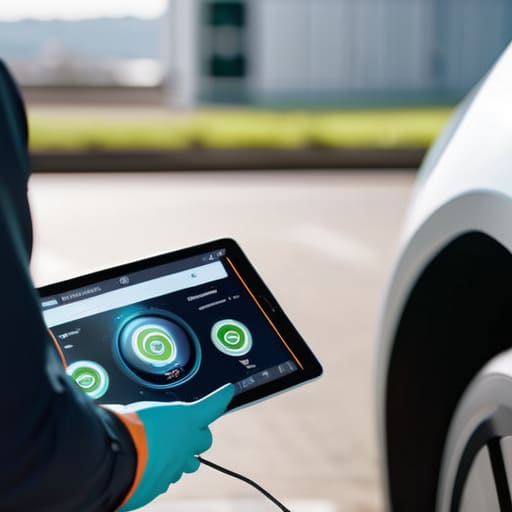
Last weekend, I was out trying to test a new solid-state cell prototype when I pulled up to a “high-speed” DC fast charger, only to find the connector housing cracked and the screen dead. It’s the same old story: companies spend billions on flashy marketing and sleek hardware, but they completely neglect the actual charging station maintenance required to keep those electrons flowing reliably. We’ve been sold this dream of seamless electric mobility, but the reality is often a broken plug and a “service unavailable” error message. It’s not just annoying; it’s a fundamental failure to respect the hardware-software handshake that makes this entire transition possible.
I’m not here to give you a corporate manual or a list of vague, expensive “best practices” that won’t actually fix a faulty cooling system. Instead, I’m going to break down the real-world technical requirements—from thermal management to connector integrity—that keep a network from falling apart. I want to show you what actual, sustainable upkeep looks like from a grid analyst’s perspective, so we can stop building a fragile ecosystem and start building one that actually works.
Table of Contents
- Maximizing Charging Station Uptime Optimization Through Hardware Integrity
- Electrical Safety Compliance for Chargers Beyond the Marketing Hype
- Keeping the Juice Flowing: 5 Hard Truths About Station Upkeep
- The Bottom Line: Moving Beyond "Set It and Forget It"
- ## The Real Cost of Neglect
- The Bottom Line on Infrastructure
- Frequently Asked Questions
Maximizing Charging Station Uptime Optimization Through Hardware Integrity
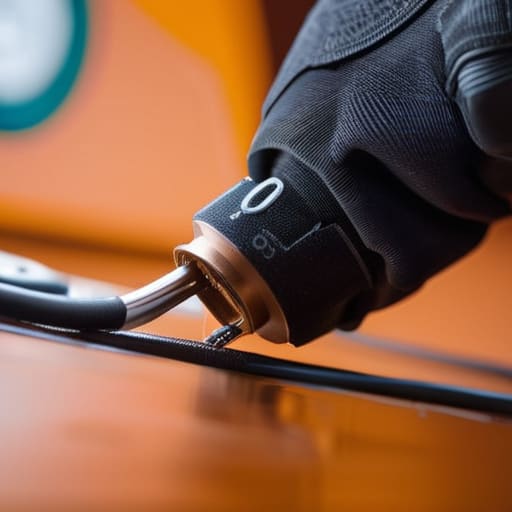
Look, we can talk about software optimization all day, but if the physical hardware is trashed, your code doesn’t matter. I’ve spent enough time in labs looking at material fatigue to know that a charger is only as good as its weakest connection. We need to stop treating these units like “set it and forget it” appliances. A crucial part of charging station uptime optimization is performing a rigorous connector and cable wear assessment. If the pins are corroded or the thermal management inside the plug is failing, you aren’t just looking at a slow charge; you’re looking at a potential fire hazard and a dead unit.
Realistically, we have to move toward a model of aggressive EV charger preventative maintenance. This means regular electric vehicle infrastructure inspection that goes beyond a simple visual check. I’m talking about checking torque on terminal connections and ensuring the cooling systems are actually clearing out dust. If the hardware integrity fails, the whole grid-to-vehicle handshake falls apart. We can’t build a sustainable future on hardware that’s falling apart at the seams.
Electrical Safety Compliance for Chargers Beyond the Marketing Hype
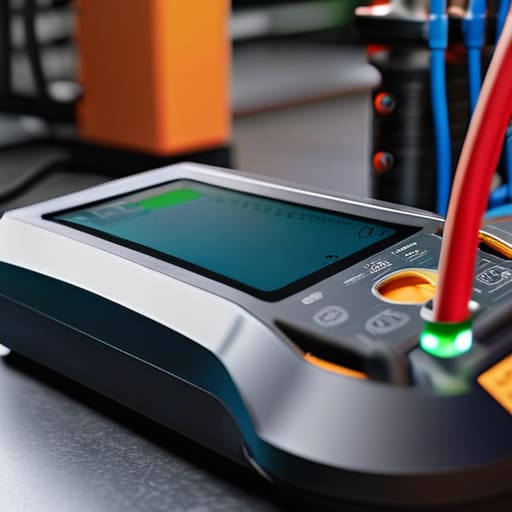
Look, we need to stop treating EVSE (Electric Vehicle Supply Equipment) like it’s just a glorified wall outlet. Most companies love to push their sleek UI and “smart” app integration, but that’s all fluff if the underlying hardware is a fire hazard. Real electrical safety compliance for chargers isn’t about having a pretty touchscreen; it’s about ensuring the ground fault protection and surge suppression are actually functioning under load. If the internal components aren’t rated for the thermal stress of a continuous high-amperage draw, you aren’t building a network—you’re building a liability.
This is where a rigorous electric vehicle infrastructure inspection becomes non-negotiable. I’ve seen too many setups where the connections are loose or the thermal management is non-existent, leading to localized overheating. We can’t just rely on automated error codes to tell us when something is wrong. You need a physical, hands-on approach to catch the subtle signs of degradation before they trigger a catastrophic failure. If we want this transition to stick, we have to prioritize the boring, heavy-duty electrical standards over the flashy marketing gimmicks.
Keeping the Juice Flowing: 5 Hard Truths About Station Upkeep
- Stop treating thermal management like an afterthought. If your cooling systems are clogged or the fans are failing, you aren’t just losing efficiency—you’re literally cooking the power electronics and shortening the lifespan of the entire unit.
- Don’t ignore the physical connection. I’ve seen too many cables with frayed shielding or loose connectors; that’s a recipe for high resistance, wasted energy, and a massive headache for the grid.
- Software isn’t “set it and forget it.” You need to be aggressively pushing firmware updates to ensure the communication handshake between the vehicle’s BMS and the charger stays seamless and secure.
- Watch the environmental wear and tear. Between salt spray and extreme temperature swings, the enclosure seals and housing integrity take a beating; if moisture gets in, the chemistry of the internal components is toast.
- Monitor your load profiles, not just the uptime. If you see weird spikes or irregular current draws, don’t wait for a total failure—investigate the hardware immediately before a minor component failure turns into a full-scale outage.
The Bottom Line: Moving Beyond "Set It and Forget It"
Reliability isn’t a marketing buzzword; it’s a hardware reality. If we don’t prioritize rigorous, data-driven maintenance of the physical components, we’re just building expensive electronic paperweights that kill consumer confidence in EVs.
Safety compliance has to be more than a checkbox for the legal department. Real electrical integrity means understanding how thermal stress and grid fluctuations actually impact the charger’s lifespan and the user’s safety.
To make the transition to electric mobility actually stick, we have to stop treating charging infrastructure as a secondary thought and start treating it as the backbone of the grid that requires constant, proactive technical oversight.
## The Real Cost of Neglect
“We can design the most efficient lithium-ion cells in the world, but all that energy density is useless if the hardware at the curb is failing. A charging station isn’t just a plug; it’s a critical interface between the grid and the vehicle, and if we treat maintenance as an afterthought, we’re just building a broken ecosystem on top of a massive promise.”
Desmond Achebe
The Bottom Line on Infrastructure
At the end of the day, we can’t treat EV infrastructure like it’s “set it and forget it” tech. We’ve talked about why hardware integrity is the backbone of uptime and why cutting corners on electrical safety is a recipe for systemic failure. If we ignore the physical reality of wear, tear, and thermal stress on these components, we aren’t actually building a transit revolution—we’re just building a massive, expensive collection of paperweights. Real reliability comes from rigorous, data-driven maintenance and a refusal to accept mediocre hardware standards just because they look good on a corporate slide deck.
I’m genuinely optimistic about where we’re headed, but that optimism has to be grounded in the actual chemistry and engineering of the grid. We are standing at the threshold of a total shift in how the world moves, and that shift is only as strong as the chargers we plug into. Let’s stop settling for the bare minimum and start building a robust, sustainable ecosystem that can actually handle the load of the next generation. The hardware is the foundation; let’s make sure it’s built to last.
Frequently Asked Questions
How much of a difference does ambient temperature actually make to the long-term degradation of the charging cables and internal cooling systems?
Honestly, it’s a massive factor. People think of “degradation” as just battery health, but the hardware takes a beating too. High ambient heat is a silent killer for the polymer insulation on charging cables—it makes them brittle and prone to micro-cracks. Even worse, if the internal cooling systems are fighting constant high temps, the pumps and fans work overtime, shortening their own lifespans. It’s a thermal feedback loop that kills uptime.
Are we looking at a future where software-based predictive maintenance can actually catch hardware failures before the grid even feels the dip?
That’s the million-dollar question. Honestly, we’re already seeing the groundwork being laid. We’re moving past simple error codes and into real-time telemetry. If we can leverage machine learning to monitor thermal fluctuations and voltage transients at the edge, we can catch a failing contactor or a degrading capacitor before it triggers a localized brownout. It’s not just about avoiding downtime; it’s about preventing the hardware from becoming a liability to grid stability.
What’s the real-world cost-benefit of upgrading to liquid-cooled cables versus just sticking with the standard air-cooled setups we see everywhere right now?
Look, if you’re just running a slow AC charger in a parking garage, air-cooled is fine. But if you’re pushing high-voltage DC fast charging, air-cooling is a bottleneck. It’s like trying to run a marathon in a heavy parka; the heat builds up, resistance climbs, and your charging speeds tank. Liquid cooling is more expensive upfront, sure, but the thermal management keeps the throughput consistent. You’re trading higher CapEx for much better uptime and efficiency.
