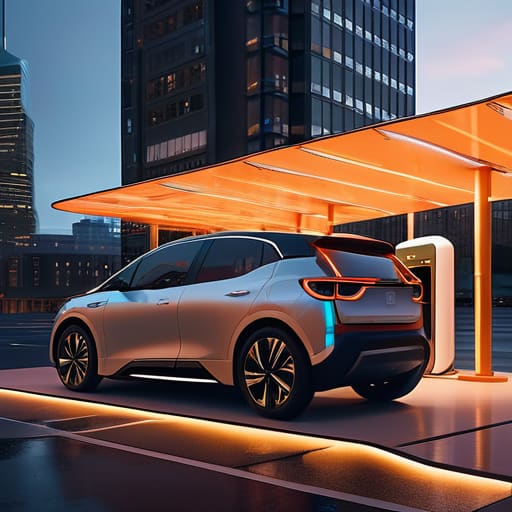
Category: Energy

  • The Transition to Electric Bus Technology

    The Transition to Electric Bus Technology

    I remember sitting in a university lab back at Georgia Tech, surrounded by half-disassembled lithium cells and the smell of ozone, while a tech journalist on the TV was raving about how “clean” the future of transit looked. It felt like a total disconnect. Everyone talks about the sleek, silent promise of electric bus technology as if it’s a magic wand that solves urban congestion and pollution overnight. But as someone who has spent way too many late nights studying cathode degradation and thermal runaway, I know the truth: a bus is only as green as its battery chemistry and the grid it plugs into. If we aren’t talking about the actual hardware and the massive strain these fleets put on local distribution transformers, we aren’t having a real conversation.

    I’m not here to sell you on the corporate greenwashing or the polished PR brochures. My goal is to strip away the fluff and look at the hard engineering reality of what it takes to actually move a city without breaking the bank or the environment. We’re going to dive into the specific battery chemistries, the charging infrastructure hurdles, and the real sustainability metrics that actually matter.

    Table of Contents

    Battery Electric vs Hydrogen Fuel Cell Buses Cutting Through the Noise

    Battery Electric vs Hydrogen Fuel Cell Buses Cutting Through the Noise

    Look, the debate between battery electric and hydrogen fuel cell buses usually turns into a shouting match between people who love spreadsheets and people who love hype. If you look at the raw data, it’s not a “one size fits all” situation. Battery electric systems are incredibly efficient—especially when you factor in regenerative braking systems in buses that claw back energy every time the driver hits the pedal in stop-and-go city traffic. But, as someone who spent years staring at lithium-ion degradation curves, I know the elephant in the room: energy density.

    Hydrogen is the “long-haul” darling because it promises much better electric bus range and performance for massive, multi-route fleets that can’t afford to sit at a depot for four hours. However, we have to be real about the round-trip efficiency. Converting electricity to hydrogen, compressing it, transporting it, and then converting it back to power a motor is a massive energy sink compared to just plugging a bus into a charger. Until we actually solve the scaling issues with zero-emission transit solutions at the infrastructure level, hydrogen remains a niche player rather than a total replacement.

    Why Electric Bus Range and Performance Still Depend on Real Chemistry
    Why Electric Bus Range and Performance Still Depend on Real Chemistry

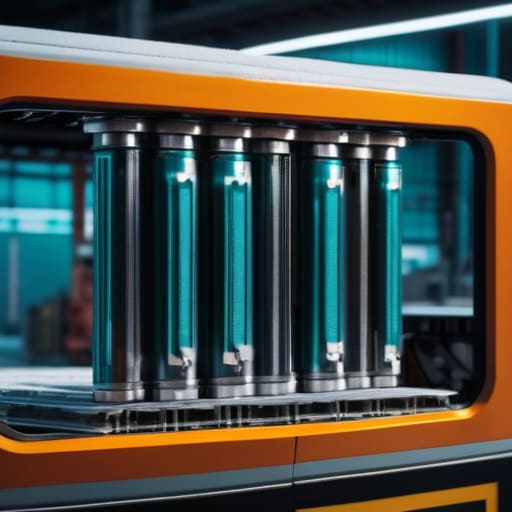
    Look, if we want to talk about electric bus range and performance, we have to stop treating the battery like a black box. You can’t just slap a massive lithium-ion pack under a chassis and expect it to perform like a diesel engine in a blizzard. The reality is that temperature swings and discharge rates are brutal on the chemistry. When the temperature drops, the internal resistance climbs, and suddenly your “all-day” route becomes a “mid-day” headache. It’s not a software glitch; it’s fundamental thermodynamics.

    We also need to talk about how these vehicles actually recover energy. A huge part of making sustainable urban mobility viable is how efficiently we utilize regenerative braking systems in buses. In a stop-and-go city circuit, a bus that can effectively pump energy back into the cells during deceleration is a game changer. If the chemistry isn’t optimized for those rapid micro-cycles of charging and discharging, you’re basically just wasting kinetic energy as heat. We need hardware that can actually handle the stress, not just marketing slides promising infinite miles.

    Stop Looking at the Specs and Start Looking at the Systems

    • Don’t get blinded by “range” numbers on a spec sheet. A bus might claim 300 miles, but if the thermal management system can’t handle a heatwave or a steep grade, that range is going to tank in real-world conditions. Always ask about the cooling architecture.
    • Watch the chemistry, not just the brand. If a fleet is moving toward LFP (Lithium Iron Phosphate), they’re trading energy density for longevity and safety. That’s a smart move for urban stop-and-go routes, even if the battery pack is heavier.
    • Infrastructure is the real bottleneck, not the vehicle. You can have the most advanced solid-state prototype in the world, but if the local grid can’t handle a megawatt-scale fast charge during peak hours, you’ve just bought a very expensive, very stationary brick.
    • Demand transparency on the supply chain. I’m tired of seeing “green” initiatives that ignore the ethical mess of cobalt mining. Real sustainability means knowing where the lithium came from and having a plan for how those cells will be recycled in ten years.
    • Prioritize modularity in battery design. We need systems where individual modules can be swapped or upgraded without scrapping the entire chassis. If the tech is designed to be disposable, it isn’t a solution—it’s just a different kind of waste problem.

    The Bottom Line: What Actually Matters for the Future of Transit

    Stop comparing hydrogen and electric as if it’s a popularity contest; the real winner will be whoever solves the energy density problem without bankrupting the municipal budget.

    Range anxiety isn’t just a consumer myth—it’s a technical reality that won’t go away until we stop obsessing over software updates and start focusing on solid-state chemistry and thermal management.

    A fleet of electric buses is only as “green” as the grid they plug into and the supply chain used to build their cells; if we don’t fix the infrastructure, we’re just moving the pollution from the tailpipe to the power plant.

    ## The Infrastructure Reality Check

    “We can keep throwing money at sleek, electric bus prototypes, but if we don’t solve the actual chemistry of the cells and the stability of the charging grid, we’re just building a fleet of very expensive, very heavy paperweights that will die on the side of the road.”

    Desmond Achebe

    The Long Road to a Decarbonized Grid
    The Long Road to a Decarbonized Grid.

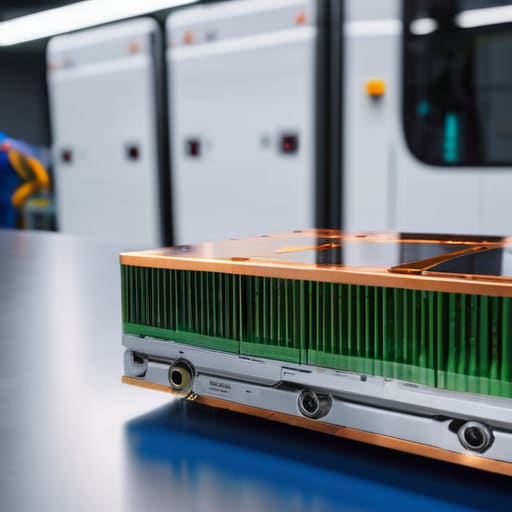
    At the end of the day, we can’t just swap a diesel engine for a battery and call it a victory. We’ve looked at how hydrogen might solve some range issues but carries its own massive infrastructure baggage, and we’ve seen how the actual chemistry of the cells dictates whether a bus is a reliable workhorse or just a massive liability on a rainy Tuesday. If we don’t prioritize sustainable supply chains and high-density, long-cycle life batteries, we’re just trading one resource crisis for another. Transitioning urban transit isn’t a software update; it’s a massive, hardware-intensive overhaul that requires us to get the fundamental science right.

    I know it’s easy to get cynical when you see every corporation slapping a “green” sticker on a half-baked prototype, but the engineering reality is actually pretty incredible. We are literally redesigning how humanity moves. When we finally nail the balance between energy density, cost, and recyclability, the electric bus won’t just be a niche pilot program—it will be the backbone of a functional, electrified society. We have the blueprints; now we just need the technical grit to build it. The hardware is coming, and I, for one, am ready to see it hit the streets.

    Frequently Asked Questions

    If we shift entire city fleets to electric, how are we actually going to handle the massive load on the local grid during peak charging hours?

    That’s the million-dollar question. If every transit agency plugs in a fleet of 40-foot buses at 5:00 PM, the local grid is going to buckle. We can’t just “hope” for more capacity; we need smart integration. I’m talking about V2G (Vehicle-to-Grid) tech and massive onsite stationary storage. We should be using those buses as giant, mobile batteries to buffer the grid, discharging power back during peaks instead of just sucking it out.

    Are we just trading one resource crisis for another by swapping fossil fuels for massive amounts of lithium and cobalt?

    That’s the million-dollar question, and honestly, it’s the one that keeps me up at night. If we just swap oil dependency for a cobalt monopoly, we haven’t actually solved anything—we’ve just shifted the geopolitical chessboard. We can’t call it a “green revolution” if the supply chain is built on ecological destruction. That’s why I’m betting on LFP and solid-state tech; we have to engineer our way out of this mineral trap.

    How much of a lifespan advantage do solid-state batteries actually have over current LFP tech when it comes to the heavy duty cycle of a transit bus?

    Look, if we’re talking LFP, we’re talking about a workhorse. LFP is incredibly stable and can handle thousands of cycles, which is why transit agencies love it. But solid-state is the holy grail for a reason. By swapping that liquid electrolyte for a solid one, we’re basically eliminating the degradation caused by dendrite growth. We could see a lifespan jump of maybe 30-50% in high-duty cycles, meaning fewer mid-life pack replacements and a much better ROI.


  • Sourcing Raw Materials for Batteries

    Sourcing Raw Materials for Batteries

    I still remember the smell of ozone and burnt flux in my Georgia Tech lab during my junior year, staring at a lithium-ion cell that had just undergone a catastrophic thermal runaway. It wasn’t some clean, high-tech miracle; it was a messy, violent reminder that the hardware we’re betting our entire future on is only as good as its foundation. Everyone loves to talk about the “green revolution,” but they tend to skip over the gritty, complicated logistics of sourcing battery raw materials. We act like lithium, cobalt, and nickel just materialize out of thin air when a new EV rolls off the assembly line, ignoring the massive supply chain headaches and ethical minefields that actually dictate whether this transition succeeds or fails.

    I’m not here to sell you on the corporate fairy tale or the polished PR slides from big auto manufacturers. Instead, I’m going to strip away the marketing fluff and look at the actual chemistry and the hard reality of the minerals driving this shift. We’re going to dive into the trade-offs of different chemistries and the real-world constraints of the global supply chain. My goal is to give you a grounded, data-driven look at the hardware that is actually going to power our world.

    Table of Contents

    Beyond the Hype Critical Minerals for Energy Storage

    Beyond the Hype Critical Minerals for Energy Storage

    When we talk about the transition to EVs, we usually focus on the sleek car designs or the 0-60 speeds. But if you look under the skin, the real battle is being fought at the molecular level. We can’t just build millions of cars without addressing the massive pressure on the electric vehicle battery supply chain. It’s not just about finding more dirt to dig up; it’s about the sheer difficulty of securing high-quality lithium, cobalt, and nickel at a scale that doesn’t collapse the market.

    The real bottleneck isn’t just availability—it’s the quality. You can’t just throw any crushed rock into a cell and expect it to perform. To get the energy density we need for long-range driving, we are obsessing over battery grade chemical purity. If the impurities aren’t controlled, you get dendrites, uneven degradation, and eventually, a dead battery. We also have to look at critical minerals for energy storage through a much more cynical lens than the marketing departments do. If we don’t solve the logistics of sustainable mineral procurement now, we’re just trading one environmental crisis for another.

    The Chemistry of Success Battery Grade Chemical Purity

    The Chemistry of Success Battery Grade Chemical Purity

    Here’s the thing: you can have a mountain of lithium, but if it’s not chemically “clean,” it’s basically useless for a high-performance cell. In my lab days at Georgia Tech, we saw firsthand how even a few parts per million of an impurity could trigger runaway degradation. When we talk about battery grade chemical purity, we aren’t just talking about being tidy; we’re talking about the difference between a battery that lasts ten years and one that becomes a paperweight in two. If the ions encounter “junk” atoms during cycling, you get dendrites—tiny metallic spikes that can puncture the separator and cause a thermal event.

    This is where the electric vehicle battery supply chain gets incredibly complicated. It’s not enough to just dig stuff up; the refining process has to be surgical. As we shift toward more complex chemistries like high-nickel NMC, the margin for error shrinks to almost zero. We need to stop treating these minerals like bulk commodities like coal or iron and start treating them like the high-precision specialty chemicals they actually are. Without that level of control, the whole transition hits a wall.

    The Real-World Checklist: What Actually Matters When You Look at the Supply Chain

    • Stop obsessing over just Lithium. If you aren’t tracking the supply of Nickel and Cobalt, you aren’t seeing the whole picture of how cell density—and cost—will actually fluctuate.
    • Look past the “recycled” labels. A company claiming sustainability is meaningless unless they can prove the closed-loop process actually recovers high-purity cathode materials, not just low-grade scrap.
    • Demand transparency on the extraction footprint. It’s easy to talk about carbon offsets, but we need to look at the actual water intensity and local environmental impact of lithium brine operations.
    • Watch the chemistry shifts. Don’t get married to one specific battery type; the move toward LFP (Lithium Iron Phosphate) is a massive signal that the industry is prioritizing cost and cycle life over raw energy density.
    • Vet the purity standards, not just the volume. A mountain of raw ore is useless if the refining process can’t hit the 99.9% purity levels required to prevent dendrite growth and premature cell failure.

    The Bottom Line: What Actually Matters for the Future of Storage

    We have to move past the “magic battery” myth and recognize that the transition depends on securing a stable, ethical supply chain for critical minerals like lithium and nickel.

    Purity isn’t just a technical detail; it’s the difference between a battery that lasts ten years and one that degrades into a paperweight after two.

    True sustainability won’t come from corporate PR slogans, but from solving the hard engineering challenges of material scarcity and chemical stability.

    The Real Cost of Chemistry

    “We can talk about ‘green energy’ all day, but if we aren’t obsessing over the actual supply chain and the purity of the lithium we’re pulling out of the ground, we’re just building a future on a foundation of sand.”

    Desmond Achebe

    The Real Path Forward

    The Real Path Forward for battery supply.

    At the end of the day, we can’t just treat battery chemistry like some kind of magic trick. We’ve looked at how the scarcity of lithium and cobalt dictates the entire supply chain, and how even a tiny slip in chemical purity can turn a high-performance cell into a paperweight. If we want to scale this tech, we have to bridge the gap between the high-level promises made in boardrooms and the gritty, material reality of the lab and the mine. It isn’t enough to just build more EVs; we have to build a supply chain that is as engineered for resilience as the cells themselves.

    I know it’s easy to get cynical when you see the headlines about mineral shortages or environmental costs, but I’m staying optimistic for a reason. Every time we solve a degradation issue or find a way to stabilize a new cathode material, we’re one step closer to a world where energy isn’t something we just burn and forget. The transition is going to be messy, and the hardware is going to get more complex before it gets simpler, but the math checks out. We have the blueprints; now we just need the guts to build the infrastructure that actually lasts.

    Frequently Asked Questions

    If we hit a massive bottleneck with lithium or cobalt, what specific chemistries are actually ready to step in as a real backup?

    If we hit a wall with lithium or cobalt, we aren’t just stuck. LFP (Lithium Iron Phosphate) is already the heavy hitter here—it’s cheaper, safer, and ditches the cobalt problem entirely, even if the energy density isn’t quite “Tesla Model S” level yet. For stationary storage, sodium-ion is the real dark horse; it uses salt, which is everywhere. We’re basically looking at swapping rare, expensive minerals for stuff that’s actually abundant.

    How much of the "sustainability" talk is actually backed by data versus just being clever marketing for car companies?

    Honestly? A lot of it is just high-gloss marketing. Companies love throwing around “carbon neutral” labels because they sound great in a press release, but if you actually dig into the life-cycle assessment (LCA) data, the math gets messy fast. There’s a real delta between a brand’s sustainability claims and the actual energy intensity of their mineral supply chains. We need to stop looking at the shiny EV badge and start auditing the actual chemical footprint.

    Can we actually scale up recycling infrastructure fast enough to create a circular loop, or are we just digging a deeper hole?

    Honestly? Right now, we’re digging a hole. We talk about a “circular economy” like it’s already here, but the infrastructure is lagging way behind the manufacturing curve. We can’t just build more gigafactories and hope the scrap shows up at a recycling plant magically. Unless we standardize battery pack designs to make disassembly less of a nightmare, scaling won’t happen. We need real, localized hydrometallurgical plants, not just optimistic projections.

  • An Overview of Different Battery Chemistries

    An Overview of Different Battery Chemistries

    I still remember the smell of ozone and burnt flux in my Georgia Tech lab during my junior year, staring at a lithium-ion cell that had just undergone a catastrophic thermal runaway. It wasn’t just a failed experiment; it was a loud, messy reminder that the “magic” behind our devices is actually just a delicate dance of ions and electrolytes. Most people look at an EV or a smartphone and see a sleek piece of tech, but they completely ignore the volatile reality of the battery chemistry types driving that performance. We’ve been sold this dream of infinite, clean energy, yet we rarely talk about the trade-offs inherent in the actual hardware.

    I’m not here to sell you on the latest corporate press release or the “miracle” breakthrough that’s supposedly six months away. My goal is to strip away the marketing fluff and look at the raw data behind how these cells actually function. We’re going to break down the different battery chemistry types by looking at their real-world stability, energy density, and—most importantly—their long-term sustainability. If we want a future that isn’t just built on planned obsolescence, we need to understand the science that’s actually going to power it.

    Table of Contents

    The Hard Science of Anode and Cathode Materials

    The Hard Science of Anode and Cathode Materials.

    To understand why one battery lasts five years and another dies in eighteen months, you have to look past the casing and get into the guts of the electrochemical cell components. Think of the battery like a high-stakes game of ping-pong played at the molecular level. The anode and cathode are the two players, and the ions are the ball. The anode is where the electrons hang out when the battery is charged, while the cathode is the destination they’re rushing toward when you actually pull the trigger on your device.

    The real battle for dominance in the industry comes down to how these anode and cathode materials handle the physical stress of moving ions back and forth. Every time you charge your phone or an EV, the materials physically expand and contract. If the chemistry is sloppy, those microscopic movements cause cracks, which kills your battery cycle life faster than a bad software update. It’s not just about how much energy we can cram in there; it’s about whether the lattice structure can survive the constant mechanical pummeling without falling apart.

    Why Energy Density Comparison Defines the Future

    Why Energy Density Comparison Defines the Future

    When we talk about the “range anxiety” that keeps people from ditching their gas guzzlers, we’re really just talking about a math problem involving energy density. In my lab days at Georgia Tech, I learned that it’s not just about how much juice a cell can hold, but how much weight you have to carry to get it. If we want electric vehicles to move from niche luxury items to everyday tools, we need an energy density comparison that favors weight-to-power ratios. It’s a brutal trade-off: you can have a massive, heavy pack that lasts a long time, or a slim, high-performance setup that drains quickly.

    The real bottleneck isn’t just the capacity; it’s how we manage the voltage characteristics by chemistry to ensure that density doesn’t come at the cost of longevity. If a high-density cell has a terrible battery cycle life, it’s basically just expensive e-waste waiting to happen in three years. We can’t afford to chase peak performance if the hardware can’t survive the daily grind of a commute. We need chemistry that is both dense and durable, or we’re just building a house of cards.

    Don't Get Caught in the Hype Cycle: How to Actually Evaluate Battery Tech

    • Look past the “range anxiety” marketing and check the cycle life. A battery that gives you 400 miles today but degrades by 30% after two years isn’t a win; it’s just a high-performance disposable.
    • Stop treating energy density as the only metric that matters. High density is great for long-range EVs, but if you’re looking at grid storage or low-cost urban mobility, stability and cost-per-cycle are the real kings.
    • Watch the cathode composition like a hawk. The industry is pivoting hard between NCM (Nickel Cobalt Manganese) for performance and LFP (Lithium Iron Phosphate) for longevity and ethics, so know which side of that trade-off you’re on.
    • Demand transparency on the supply chain. If a company can’t tell you where their cobalt or lithium is coming from, they’re likely greenwashing their environmental impact to hide a messy reality.
    • Factor in the thermal management requirements. Chemistry isn’t just about how much juice you can pack in; it’s about how much heat that juice generates. If the cooling system is a nightmare, the chemistry is a liability.

    The Bottom Line: What Actually Matters for the Grid and the Road

    Forget the marketing buzzwords; the real battle for EV dominance will be won or lost in the electrolyte and cathode chemistry, not just how many miles a spec sheet claims.

    High energy density is the goal, but we can’t ignore cycle life—a battery that’s powerful but dies after three years is just expensive e-waste, not a solution.

    The transition only works if we move toward chemistries that don’t rely on fragile, ethically murky supply chains; sustainability has to be baked into the molecular structure from day one.

    ## Moving Past the Marketing Gloss

    “We need to stop treating battery chemistry like it’s a magic trick and start treating it like the complex, resource-heavy engineering it actually is; because a high-performance cell means nothing if the supply chain behind it is a house of cards.”

    Desmond Achebe

    The Real Path Forward

    Navigating battery chemistry: The Real Path Forward.

    At the end of the day, there is no “magic bullet” chemistry that solves everything. We’ve seen how the trade-offs work: you either go with LFP for its incredible cycle life and safety, or you push for high-nickel NMC if you need that extreme energy density for long-range travel. Understanding the dance between anodes and cathodes isn’t just for people with engineering degrees; it’s essential for anyone trying to navigate this transition without falling for the marketing fluff. We have to recognize that the right chemistry depends entirely on the application, whether we’re talking about a massive grid-scale storage facility or the electric skateboard sitting in my garage.

    I’m tired of hearing companies promise a “revolution” without showing the data on material sourcing or degradation rates. But if we stay focused on the actual hardware—the real, gritty chemistry—I’m genuinely optimistic. We are moving past the era of experimentation and into the era of implementation. The transition to electric mobility isn’t just a dream anymore; it’s a massive engineering puzzle that we are actively solving, one cell at a time. If we prioritize true sustainability over short-term hype, we won’t just build better batteries; we’ll build a grid that actually lasts for my generation and the ones following us.

    Frequently Asked Questions

    If solid-state batteries are the "holy grail," why aren't we seeing them in mass-market EVs right now instead of just hearing about them in press releases?

    Because “lab-scale” and “factory-scale” are two completely different universes. In my research at Georgia Tech, we could make a solid-state cell work perfectly in a controlled environment, but scaling that to millions of units without microscopic defects is a nightmare. Right now, the manufacturing yields are too low and the costs are astronomical. We’re stuck in that awkward gap between a successful prototype and a production line that doesn’t bankrupt the manufacturer.

    How much does the actual recyclability of these different chemistries factor into the long-term cost of ownership?

    It’s the elephant in the room that most OEMs try to sweep under the rug. If we don’t design for a circular economy now, we’re just trading one resource crisis for another. From a cost perspective, recyclability is everything. If we can recover high-purity nickel and cobalt through hydrometallurgy, we slash the need for virgin mining, which is insanely volatile. Basically, the cheaper we can loop those materials back into the supply chain, the lower the long-term price of entry for everyone.

    Is it actually possible to balance high energy density with thermal stability, or are we always going to be making trade-offs between range and safety?

    Look, if you’re asking if we can have it all right now—maximum range and zero thermal risk—the honest answer is no. We’re stuck in a tug-of-war. High energy density usually means packing more reactive material into a tighter space, which is basically asking for a headache if things get too hot. But we aren’t stuck there forever. Solid-state tech is the holy grail here; it swaps out flammable liquid electrolytes for something stable, finally breaking that trade-off loop.

  • Using Home Battery Systems for Energy Storage

    Using Home Battery Systems for Energy Storage

    I remember sitting in my dorm at Georgia Tech, staring at a multimeter while a prototype cell puffed up like a marshmallow because the thermal management was garbage. It was a brutal lesson, but it stayed with me: hardware doesn’t care about your marketing slides. Nowadays, when I see influencers pitching powerwall and home storage as this magic “set it and forget it” lifestyle upgrade, I can’t help but roll my eyes. Most of the conversation is buried under glossy renders and vague promises of “energy independence,” while nobody is actually talking about the real-world degradation or how these systems actually interface with a localized, aging grid.

    I’m not here to sell you on the dream; I’m here to look at the specs. In this post, I’m stripping away the corporate greenwashing to give you a pragmatic breakdown of what you’re actually buying. We’re going to dive into the chemistry, cycle life, and infrastructure requirements that determine whether a home battery is a legitimate asset or just an overpriced paperweight. If you want the truth about how this tech actually performs when the sun goes down and the grid fails, you’re in the right place.

    Table of Contents

    Evaluating Real Lithium Ion Battery Capacity

    Evaluating Real Lithium Ion Battery Capacity.

    When you’re looking at the spec sheet for a residential unit, don’t let the “total capacity” number fool you. In my experience working with cell degradation in the lab, the real metric that matters is the usable energy window. Most people see a 13.5 kWh rating and think they have that entire amount at their disposal, but between the depth of discharge limits and the voltage sag during heavy loads, you’re rarely getting the full theoretical max. If you’re designing grid independence strategies, you have to calculate your buffer based on how the chemistry actually behaves when the sun goes down and your HVAC kicks in.

    It’s also easy to get blinded by the flashy UI of modern solar energy management systems and forget that hardware is still hardware. You need to look at the cycle life and how the thermal management handles rapid charge/discharge cycles. If the system can’t maintain its efficiency over a thousand cycles without a massive drop in performance, then that initial capacity is basically a ticking clock. We shouldn’t be buying these units based on a single snapshot of data, but on how that capacity holds up under real-world stress.

    Analyzing Renewable Energy Storage Costs

    Analyzing renewable energy storage costs data.

    When you start crunching the numbers on renewable energy storage costs, you quickly realize that the sticker price is a deceptive metric. Most people look at the upfront cost of a unit and think they’re being fleeced, but that’s a rookie mistake. You have to look at the levelized cost of storage (LCOS). It’s not just about what you pay today; it’s about how many cycles you can squeeze out of that chemistry before the degradation curve hits a wall. If you’re buying into a system that loses 20% of its capacity after just a few years, your “cheap” investment just became an expensive paperweight.

    We also need to move past the idea that these systems are just expensive emergency backup solutions. If we want real grid independence strategies to actually work, the math has to support daily cycling. You aren’t just paying for a battery; you’re paying for the ability to perform sophisticated home energy optimization—shifting your load from peak pricing hours to when your solar array is actually dumping excess juice. If the hardware can’t handle that kind of heavy lifting without massive thermal management issues, the ROI simply won’t materialize.

    Hard Truths: How to Actually Build a Resilient Home Storage Setup

    • Stop looking at the sticker price and start calculating the cycle life. A cheap battery that degrades by 20% after two years of heavy daily cycling isn’t a “saving”—it’s an expensive piece of e-waste. You need to know the chemistry’s depth of discharge limits before you commit.
    • Don’t let the marketing fool you; your inverter is just as important as the cells. If your battery capacity is massive but your inverter is undersized, you aren’t going to be running your AC or your oven during a blackout; you’ll just be watching your lights flicker.
    • Map your actual load profile instead of guessing. Most people overbuy capacity because they fear the unknown, but if you aren’t tracking your peak kW usage, you’re just paying for idle electrons sitting in a box in your garage.
    • Treat your thermal management like it’s life or death. If you’re installing a home storage system in a garage that hits 100°F in the summer, you’re essentially cooking your lithium cells and accelerating degradation. Keep them cool, or prepare to replace them early.
    • Think about the grid, not just your house. The real value of home storage isn’t just “backup power”—it’s the ability to participate in peak shaving and demand response. If your system isn’t smart enough to communicate with the local utility, you’re leaving money (and grid stability) on the table.

    The Bottom Line: Moving Past the Marketing Gloss

    Don’t just look at the sticker price; you have to calculate the cost per cycle and how the specific chemistry—like LFP versus NMC—will actually hold up over a decade of daily discharge.

    Home storage isn’t just a backup for when the lights go out; it’s a critical tool for grid stabilization that only works if the installation integrates intelligently with your local utility’s peak demand cycles.

    Real sustainability means looking beyond the “green” label to ensure the hardware is built for longevity and repairability, rather than just being another piece of disposable tech that ends up in a landfill in five years.

    ## The Myth of the Plug-and-Play Solution

    “We need to stop treating home storage like a fancy consumer appliance you just plug in and forget about; if we aren’t talking about how these lithium-ion cycles actually impact long-term grid stability and the real cost of cell degradation, then we’re just participating in the same greenwashing that’s stalled actual progress for years.”

    Desmond Achebe

    The Bottom Line on Residential Storage

    The Bottom Line on Residential Storage.

    At the end of the day, we have to look past the slick marketing and the shiny consumer-facing apps. We’ve talked about the actual capacity of these lithium-ion cells and why the upfront cost of renewable integration still feels like a massive hurdle for the average homeowner. If the chemistry isn’t efficient and the infrastructure isn’t scalable, we’re just swapping one type of dependency for another. We can’t just buy our way into a greener future with expensive gadgets; we have to ensure that the hardware we’re installing today is actually capable of supporting a decentralized, resilient grid tomorrow.

    I’m still an optimist, but it’s a grounded one. I don’t want to see a world where energy independence is a luxury reserved for the top 1%. I want to see the day when high-density storage becomes as standard and reliable as the copper wiring in your walls. The transition to electric mobility and home autonomy is inevitable, but it requires us to stay skeptical of the hype and obsessed with the data. If we get the chemistry and the deployment right, we aren’t just buying batteries—we are building the foundation for a truly sustainable era.

    Frequently Asked Questions

    How does the actual cycle life of these LFP vs. NMC chemistries hold up when I'm actually trying to shave peak demand every single day?

    If you’re daily-cycling for peak shaving, LFP is your best friend. NMC has higher energy density, which is great for an EV, but it’s a fragile chemistry when you’re constantly hammering it. LFP can handle thousands of cycles before the degradation hits a wall, whereas NMC tends to lose capacity much faster under heavy daily use. For grid stability and cost-per-cycle, LFP’s thermal stability and longevity win every single time.

    Is the round-trip efficiency of a residential setup like the Powerwall actually high enough to justify the upfront cost compared to just staying on the grid?

    Look, if you’re chasing a 1:1 energy return, you’re going to be disappointed. Between DC-to-AC conversion and the thermal management systems keeping the cells stable, you’re looking at a round-trip efficiency of maybe 85-90%. You’re losing energy just by storing it. But the math isn’t just about raw efficiency; it’s about arbitrage. If you’re using that stored juice to dodge peak utility pricing, the “loss” is just the premium you pay for grid independence.

    What happens to the long-term sustainability of my home storage once the cells inevitably hit their degradation limit—is there a real recycling infrastructure or are we just creating more e-waste?

    Look, let’s be real: the “infinite lifecycle” marketing is a lie. Every cell has a death date. Right now, our recycling infrastructure is, frankly, a mess—it’s mostly downcycling rather than true closed-loop recovery. If we don’t move toward standardized chemistries that make it easy to strip lithium and cobalt, we’re just trading tailpipe emissions for a mountain of toxic e-waste. We need actual circularity, not just corporate promises.

  • Impacts of Lithium Supply Constraints

    Impacts of Lithium Supply Constraints

    I remember sitting in a Georgia Tech lab at 2:00 AM, staring at a series of failed cell tests, realizing that all the fancy software in the world couldn’t fix a fundamental lack of raw materials. Everyone in the media loves to talk about the “revolution” of EVs, but they rarely mention the massive wall we’re about to hit. If we keep ignoring the actual lithium shortage impacts on the supply chain, we aren’t building a future; we’re just building a very expensive waiting list. It’s easy for a CEO to promise a million new cars by 2030, but it’s a lot harder to find the actual minerals to make them move.

    I’m not here to sell you on the corporate hype or give you some watered-down version of the news. I want to pull back the curtain on the actual chemistry and logistics that dictate whether or not we actually reach mass adoption. We’re going to look past the press releases and dive into how these supply gaps are fundamentally reshaping battery design and what it actually means for the cost of going electric.

    Table of Contents

    Global Lithium Supply Chain Disruptions and the Real Bottlenecks

    Global Lithium Supply Chain Disruptions and the Real Bottlenecks

    When we talk about the supply chain, people usually picture a simple line from a mine to a factory. In reality, it’s a chaotic web of geopolitical tension and logistical nightmares. We’re seeing massive global lithium supply chain disruptions not just because the rocks aren’t in the ground, but because the processing infrastructure is incredibly concentrated. If one specific region decides to tighten its grip on refining, the whole world feels the squeeze. It’s like trying to build a high-performance circuit when you can only source one specific type of capacitor from a single, unreliable vendor.

    The real headache, though, is the gap between raw ore and what we actually need for cells. We aren’t just looking for any lithium; we need ultra-pure, battery-grade material. This critical mineral scarcity isn’t just about volume; it’s about the technical difficulty of scaling up new lithium extraction technologies fast enough to meet demand. We’re currently stuck in this awkward middle ground where our desire for EVs is outstripping our ability to refine the chemistry required to actually power them.

    Why Critical Mineral Scarcity Threatens Sustainable Mobility

    Why Critical Mineral Scarcity Threatens Sustainable Mobility

    The real headache isn’t just that we need more lithium; it’s that the math of scaling up doesn’t currently add up. When we talk about critical mineral scarcity, we aren’t just talking about a temporary dip in inventory. We’re talking about a fundamental mismatch between how fast we can build EVs and how slow it is to actually get the raw materials out of the ground. It’s like trying to run a high-performance motor on a dying cell—the potential is there, but the input just isn’t meeting the demand.

    This scarcity creates a massive domino effect for everyone involved. As supply tightens, we see battery grade lithium prices spike, which immediately hits the bottom line for manufacturers. These aren’t just numbers on a spreadsheet; they are the primary drivers of EV battery manufacturing challenges that keep car prices out of reach for the average person. If we can’t stabilize the cost of the chemistry, the “green revolution” stays a luxury item for the wealthy rather than a tool for the masses.

    How to Navigate the Lithium Crunch Without Losing Your Mind

    • Watch the chemistry, not just the stock price. Don’t get swept up in every “breakthrough” headline; look for companies actually scaling solid-state or sodium-ion tech that can actually bypass the lithium dependency.
    • Prioritize circularity over raw extraction. If you’re looking at EV investments or even just buying a used EV, check if the manufacturer has a closed-loop recycling program. We can’t just keep digging holes; we have to reuse what we already pulled out of the ground.
    • Keep an eye on LFP (Lithium Iron Phosphate) adoption. While it’s not the high-performance king like NMC, it’s more stable and avoids the cobalt/nickel drama, making it a much more realistic path for mass-market affordability during a shortage.
    • Don’t fall for “greenwashed” supply chains. A company claiming to be sustainable while sourcing lithium from high-impact, unregulated brine pools is just playing a shell game. Demand transparency on the actual lifecycle of the cells.
    • Diversify your tech expectations. If you’re planning an EV transition, realize that the “perfect” battery might be delayed. Be prepared for a period where mid-range range and slower charging speeds are the trade-off for keeping the price from skyrocketing due to mineral scarcity.

    The Bottom Line: Why We Can't Just "Wait and See"

    We need to stop treating lithium like a magic bullet and start treating it like a finite resource; if we don’t diversify our chemistry—looking seriously at sodium-ion or solid-state—we’re basically building a house on a foundation of sand.

    Scaling up isn’t just about digging more holes in the ground; it’s about fixing a broken, fragmented supply chain that’s currently too vulnerable to geopolitical shifts and logistical nightmares.

    Real sustainability means more than just zero tailpipe emissions; it requires a closed-loop system where recycling becomes a core part of the infrastructure, not just a corporate buzzword used in an annual report.

    The Reality Check

    “We keep treating the lithium shortage like it’s just a temporary supply chain hiccup, but if we don’t bridge the gap between current extraction rates and actual demand, we’re just building a green revolution on a foundation of sand.”

    Desmond Achebe

    The Bottom Line on the Lithium Crunch

    The Bottom Line on the Lithium Crunch.

    At the end of the day, we can’t just wish our way out of a mineral deficit. We’ve looked at how supply chain fragility and the sheer scarcity of critical materials are creating a massive friction point for the entire EV industry. It isn’t just about high prices at the dealership; it’s about the fact that our current lithium-dependent roadmap has some serious structural vulnerabilities. If we keep relying on the same old extraction models without diversifying our chemistry or scaling up recycling infrastructure, we’re essentially building a high-tech future on a very shaky foundation.

    But I’m not writing this to be a doomer. I’ve spent enough time in labs to know that engineers are at their best when they’re backed into a corner. This shortage is the exact kind of pressure we need to finally move past the “lithium-only” mindset and accelerate the development of solid-state cells and sodium-ion alternatives. The transition to electric mobility is inevitable, but it has to be smarter and more circular than the fossil fuel era we’re leaving behind. We have the data and we have the talent; now we just need the will to innovate beyond the status quo.

    Frequently Asked Questions

    If lithium prices keep spiking, are we actually going to see affordable EVs for the average person, or is electric mobility just going to stay a luxury for the wealthy?

    If prices stay on this trajectory, yeah, we’re looking at a massive equity gap. Right now, EVs feel like a playground for the wealthy, and that’s a failure of the tech, not the mission. We can’t claim to be “saving the planet” if only people with six-figure incomes can afford the hardware. Until we stabilize the supply chain or nail solid-state breakthroughs to lower costs, electric mobility is going to stay stuck in the luxury lane.

    Can solid-state batteries or sodium-ion tech actually scale fast enough to bail us out if the lithium supply chain stays this broken?

    Honestly? It’s a race against time. Sodium-ion is the real dark horse here—since salt is everywhere, it could bypass the lithium bottleneck for low-end stuff like grid storage or budget commuters. But solid-state? That’s the holy grail, and while the chemistry is insane, the manufacturing scaling is a nightmare. We can’t just flip a switch. If we don’t bridge the gap between lab breakthroughs and mass production fast, the supply crunch wins.

    Beyond just the raw materials, how much of this "shortage" is actually just bad infrastructure and inefficient recycling practices?

    Honestly? A massive chunk of it. We’re acting like we’re running out of lithium, but we’re actually just terrible at managing what we already have. Our current recycling loop is basically a broken circuit; we’re tossing high-value materials into landfills instead of feeding them back into the supply chain. Between outdated grid integration and the lack of standardized battery designs, we’re losing way too much potential energy to pure inefficiency. It’s not just a mining problem; it’s a logistics nightmare.

  • How Vehicle to Grid Technology Functions

    How Vehicle to Grid Technology Functions

    I remember sitting in a Georgia Tech lab back in junior year, staring at a lithium-ion cell that had been absolutely shredded by a poorly programmed cycling test. It was a visceral reminder that batteries aren’t just “magic boxes” of energy; they are sensitive, chemical organisms that react to every single volt we push through them. Now, when I listen to CEOs pitch vehicle to grid technology as this seamless, effortless way to balance the national power load, I can’t help but roll my eyes. They talk about it like it’s a software update, but they completely gloss over the mechanical stress and the electrochemical degradation that happens when you treat a car battery like a giant, communal power bank.

    I’m not here to sell you on the glossy brochures or the corporate greenwashing that ignores the hardware reality. Instead, I want to pull back the curtain on what actually happens when we start plugging our entire mobility sector into the grid. We’re going to look at the real-world infrastructure bottlenecks and the chemistry-level consequences of bidirectional charging. If we want this transition to be more than just a temporary trend, we have to understand the actual engineering that will keep our grid—and our batteries—from crashing.

    Table of Contents

    Optimizing Electric Vehicle Battery Storage for True Grid Stability

    Optimizing Electric Vehicle Battery Storage for True Grid Stability

    The real bottleneck isn’t just the software; it’s the physical stress on the cells. When we talk about using an EV as a giant mobile power bank, we have to account for the fact that every discharge cycle isn’t free. If we want to leverage electric vehicle battery storage to stabilize a shaky grid, we can’t just treat these packs like infinite reservoirs. We need sophisticated algorithms that manage depth of discharge to prevent premature capacity loss. If the utility company drains your battery just to balance a spike in demand, they better be compensating you for the accelerated chemical degradation you’re eating.

    Beyond individual battery health, the bigger picture involves how these units plug into decentralized energy systems. We aren’t just looking at cars parked in garages; we’re looking at a massive, distributed buffer that can handle the intermittency of wind and solar. To make this work, we need a level of smart charging infrastructure that communicates in real-time with the local transformer. It’s not enough to have the hardware; we need a system that knows exactly when to pull power and when to push it back without blowing a fuse or killing a lithium-ion cycle.

    Why Smart Charging Infrastructure Is the Missing Link

    Here’s the reality: you can have the most advanced lithium-ion cells in the world, but if the charger at your house is just a “dumb” plug, you’re basically wasting potential. Most current setups are reactive—they just pull power whenever they’re plugged in, which is a nightmare for grid stability during high-demand hours. To make this work, we need smart charging infrastructure that can actually “talk” to the utility. We’re talking about software-driven systems that can sense when the grid is struggling and throttle down, or better yet, push power back when there’s an excess of solar or wind.

    If we don’t bridge this gap, we’re just adding more load to an already stressed system. True renewable energy integration isn’t just about building more wind farms; it’s about managing the ebb and flow of energy through the devices we already own. We need to move toward decentralized energy systems where your car isn’t just a consumer, but a mobile, intelligent node in a much larger, more resilient network. Without that intelligence, we’re just driving expensive bricks around.

    How to Actually Navigate the V2G Transition Without Killing Your Battery

    • Prioritize cycle life over raw capacity. If you’re looking at V2G integration, don’t just chase the highest kWh number; look at the battery’s depth of discharge (DoD) limits. Constant micro-cycling for grid stabilization can accelerate lithium plating if the BMS isn’t specifically tuned for bidirectional flow.
    • Demand bidirectional hardware, not just “smart” chargers. A lot of companies are marketing “V2G-ready” setups that are actually just Level 2 chargers with a fancy app. If the inverter isn’t built to push DC back through the AC side of your home interface, you’re just looking at a very expensive paperweight.
    • Watch the thermal management closely. Pushing energy back into the grid creates heat, and heat is the absolute enemy of electrode stability. Any real V2G implementation needs a robust liquid cooling system to handle the extra thermal stress during discharge cycles, or you’ll see your capacity tank way sooner than the manufacturer promised.
    • Get skeptical about “green” claims and look at the grid’s local transformer capacity. It doesn’t matter how much energy your EV can dump back into the system if your neighborhood’s substation is already redlining. True V2G success is about localized load balancing, not just dumping power into a fragile infrastructure.
    • Monitor your State of Health (SoH) metrics religiously. If you’re participating in grid services, you need to be tracking more than just your charge percentage. You need to see how the chemical degradation is progressing in real-time so you can adjust your participation levels before you’ve effectively traded your car’s resale value for a few bucks in grid credits.

    The Bottom Line: Moving Beyond the V2G Hype

    V2G isn’t just a cool software trick; it’s a massive hardware challenge that requires us to rethink how we manage the electrochemical stress on EV batteries during bidirectional cycling.

    We can’t achieve a stable, decentralized grid if we keep ignoring the massive gap between our current charging infrastructure and the smart, bidirectional hardware actually needed to support it.

    The real win for sustainability isn’t just more EVs on the road—it’s turning those EVs into a distributed, high-density energy storage network that actually makes sense for the grid’s long-term health.

    ## The Reality Check on V2G

    “Everyone loves the idea of your car acting as a giant mobile battery for the neighborhood, but we need to stop treating it like a magic wand. If we don’t solve the cycle-life degradation and the hardware interface issues first, we’re just asking drivers to trade their battery’s longevity for a few cents of grid credit.”

    Desmond Achebe

    The Real Work Starts Now

    The Real Work Starts Now: energy ecosystems.

    Look, we’ve covered a lot of ground, from the chemical realities of battery degradation to the massive infrastructure gaps that keep V2G from being a turnkey solution. The takeaway is simple: we can’t treat EVs like isolated gadgets anymore. If we want them to serve as a distributed buffer for the grid, we have to solve the hardware-software handshake and ensure our charging networks are smart enough to communicate without frying a single cell. It’s not just about having a massive fleet of cars; it’s about building a synchronized energy ecosystem that actually respects the limits of the lithium-ion chemistry inside them.

    I know the corporate press releases make this sound like it’s already happening, but as someone who spends my days looking at grid stability data, I know the gap between theory and reality is still wide. However, I’m genuinely optimistic. When we finally bridge the gap between vehicle autonomy and grid intelligence, we aren’t just changing how we drive—we’re fundamentally rewriting the rules of energy distribution. We have the tech, we just need the engineering grit to implement it properly. Let’s stop chasing the hype and start building the sustainable backbone our future actually deserves.

    Frequently Asked Questions

    If I'm constantly cycling my battery to stabilize the grid, am I just nuking my car's resale value through accelerated degradation?

    Look, I get the anxiety. If you’re constantly cycling your battery to balance the grid, you’re adding extra mileage to the chemistry, not the odometer. But it’s not a simple “yes.” It really comes down to depth of discharge and thermal management. If the V2G software is smart, it’s only shaving off tiny percentages of capacity during peak hours. It’s more like a slow trickle than a sprint, but yeah, you’re trading a bit of long-term health for immediate utility.

    How much of this is actually "green" if the grid I'm feeding back into is still powered by coal and natural gas?

    That’s the million-dollar question, and honestly, it’s where the greenwashing gets real. If you’re pumping energy back into a grid dominated by coal, you’re basically just shuffling dirty electrons around. It’s not a net win for the planet in the short term. But look at it this way: V2G is a bridge. We’re building the hardware architecture now so that when the renewables finally scale, the system is already primed to absorb and balance that clean energy.

    Is my home charger even capable of two-way power flow, or am I going to need to rip out my entire electrical panel to make this work?

    Look, don’t panic yet—you probably don’t need a total panel overhaul, but you definitely can’t just plug into any old Level 2 charger. Most current home setups are “one-way streets”; they pull power, they don’t push it back. You need a bidirectional charger specifically rated for V2G. Check your hardware’s specs for DC bidirectional capability. If your current unit isn’t built for it, you’re looking at a hardware swap, not necessarily a whole-house rewire.