Category: Guides

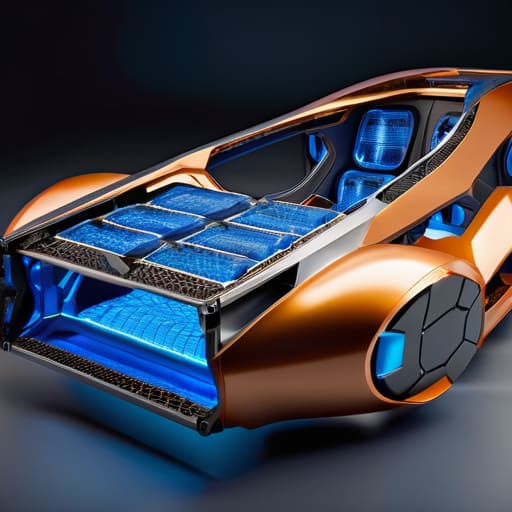
  • Materials Used for Battery Enclosures

    Materials Used for Battery Enclosures

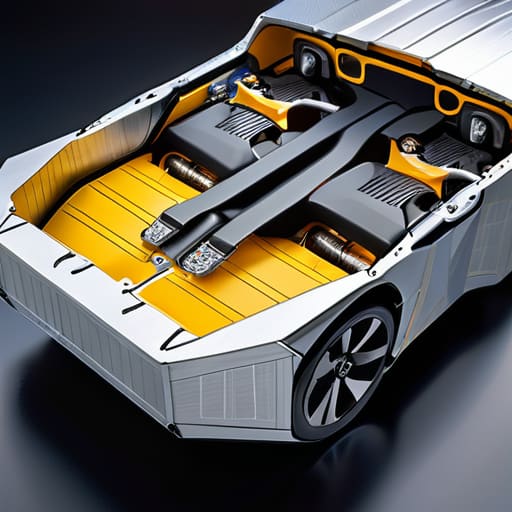
    I still remember the smell of scorched resin and ozone in my Georgia Tech lab when a prototype cell casing failed during a thermal runaway test. It wasn’t some grand, cinematic explosion; it was a pathetic, localized meltdown that proved one thing: you can have the most advanced solid-state chemistry in the world, but if your battery enclosure materials are an afterthought, you’ve basically built a very expensive, very dangerous paperweight. Most industry whitepapers act like the shell is just a passive box to keep things tidy, but that’s a dangerous simplification that ignores the brutal reality of thermal management and structural integrity.

    I’m not here to sell you on the latest marketing buzzwords or the “magic” alloys that promise the moon but crumble under real-world stress. Instead, I’m going to break down the actual trade-offs between aluminum, composites, and steel from a hardware-first perspective. We’re going to look at the data on weight-to-strength ratios and thermal conductivity to figure out which materials actually support a sustainable, long-term transition to electric mobility. No fluff, no greenwashing—just the engineering reality of what it takes to protect the cells that power our future.

    Table of Contents

    Aluminum vs Composite Enclosures the Weight vs Durability Debate

    Aluminum vs Composite Enclosures the Weight vs Durability Debate

    When you’re looking at the trade-offs between aluminum and composite enclosures, it’s easy to get bogged down in the spec sheets, but the real-world implications are what matter. Aluminum is the old reliable; it’s got incredible thermal conductivity, which is a massive win for thermal management in battery packs. If you can pull heat away from the cells efficiently, you’re slowing down that precious degradation I spent half my degree studying. Plus, it provides built-in electromagnetic interference shielding, which keeps the sensitive electronics from getting fried by the motor’s noise. But the downside is obvious: it’s heavy, and every extra kilogram is just more energy being wasted to move the vehicle.

    Composites, on the other hand, are the “new school” approach. They offer a much better strength-to-weight ratio, which is the holy grail for extending range. However, I’ve always been a bit skeptical of how these materials handle extreme stress. We need to talk about the impact resistance of battery shells during a high-speed collision. While a composite might be lighter, if it can’t protect the cells from a puncture or a massive mechanical shock, all that extra range doesn’t mean much. It’s a constant tug-of-war between efficiency and pure, unadulterated safety.

    The Critical Role of Impact Resistance of Battery Shells

    The Critical Role of Impact Resistance of Battery Shells.

    Look, we can talk about energy density and charging speeds all day, but if the shell fails during a collision, none of that math matters. When we discuss impact resistance of battery shells, we aren’t just talking about preventing a dent; we’re talking about preventing a catastrophic thermal runaway event. If a piece of road debris or a side-impact collision compromises the structural integrity of the housing, you’re looking at a direct path to internal short circuits. It’s not just about being “tough”—it’s about how the material manages the kinetic energy of a crash without allowing it to crush the cells inside.

    This is where the debate over EV battery housing durability gets really intense. A material might be incredibly lightweight, which is great for range, but if it lacks the fracture toughness to withstand a high-velocity impact, it’s a liability. We need enclosures that act as a sacrificial shield, absorbing the brunt of the force while maintaining a sealed environment. If the casing cracks, you lose your primary defense against moisture and debris, and suddenly, your entire thermal management system is fighting a losing battle against a compromised cell.

    Engineering for Reality: 5 Things to Look for Beyond the Spec Sheet

    • Prioritize thermal conductivity over pure strength. It doesn’t matter how indestructible your enclosure is if the cells inside are cooking themselves because the material acts like a thermos instead of a heat sink.
    • Don’t fall for the “lightweight” trap without checking the lifecycle. If a composite enclosure saves you 20kg but cracks after three years of road vibration, you haven’t built a sustainable solution—you’ve just built more e-waste.
    • Evaluate the chemistry-material compatibility. You need to know exactly how that enclosure material reacts if a cell goes into thermal runaway; you don’t want your “protective” shell becoming a fuel source or releasing toxic fumes during a failure.
    • Demand data on recyclability, not just “sustainability” buzzwords. If the enclosure uses a complex, bonded multi-material sandwich that can’t be separated at the end of the vehicle’s life, it’s a failure of engineering, plain and simple.
    • Test for real-world corrosion, not just lab salt sprays. We’re talking about road salt, humidity, and temperature swings that happen every day—if the material can’t handle the grit of a real commute, it has no place in a grid-scale or EV application.

    The Bottom Line: Why Material Choice is More Than Just a Cost Calculation

    We have to stop treating the enclosure as just a “box” for the cells; it’s a critical component of the thermal and structural lifecycle that dictates whether a battery lasts five years or fifteen.

    There is no perfect material, only trade-offs—aluminum offers the heat dissipation we need for high-performance loads, while composites can solve the weight issues that currently kill EV range.

    If we want to move past the “greenwashing” phase of the industry, we need to prioritize materials that offer high impact resistance and long-term durability, ensuring these packs don’t become premature e-waste.

    The Real Cost of Cheap Housing

    “We can design the most efficient, high-density solid-state cells in the world, but if we wrap them in an enclosure that can’t handle real-world thermal stress or a minor collision, we haven’t built a battery system—we’ve just built a very expensive fire hazard.”

    Desmond Achebe

    The Real Bottom Line

    Analyzing The Real Bottom Line for enclosures.

    At the end of the day, choosing a battery enclosure isn’t just a math problem involving weight-to-strength ratios or a simple procurement decision. We’ve looked at how aluminum offers that reliable thermal conductivity we need, how composites can shave off precious kilograms to extend range, and why impact resistance is the non-negotiable baseline for safety. But none of these technical wins matter if we ignore the lifecycle of the materials themselves. If we pick a high-performance shell that’s impossible to recycle or degrades under standard thermal cycling, we haven’t actually solved anything—we’ve just moved the problem from the chemistry to the structural housing.

    We are standing at a massive inflection point in how humanity moves from point A to point B. The transition to electric mobility is inevitable, but it’s going to be messy, and it’s going to require us to stop settling for “good enough” engineering. I don’t want to see a future filled with “green” vehicles that are actually just disposable hardware wrapped in clever marketing. We need to build enclosures that are as resilient and sustainable as the cells they protect. If we get the hardware right now, we aren’t just building better cars; we’re building the foundation for a grid and a transport system that actually lasts.

    Frequently Asked Questions

    How do these enclosure materials affect the thermal management systems and the overall lifecycle of the lithium-ion cells inside?

    It’s not just about keeping the cells safe from a crash; it’s about how the enclosure handles heat. If you pick a material with poor thermal conductivity, you’re basically wrapping your battery in a thermal blanket. That forces the cooling system to work overtime, draining your range and cooking the chemistry. Poor heat dissipation accelerates SEI layer growth, which is just a fancy way of saying your battery’s lifespan goes down the drain.

    If we switch to more expensive, high-durability composites, does that actually kill the price competitiveness of entry-level EVs?

    Look, it’s the classic engineering trade-off, and honestly, it’s a massive headache. If we go all-in on high-end composites, yeah, the MSRP of a budget EV is going to spike, which kills adoption rates. But we have to look at the lifecycle math. If a cheaper aluminum shell degrades or requires more frequent thermal management, you’re just trading upfront savings for long-term inefficiency. We shouldn’t be asking if composites are “too expensive,” but rather how we can scale their manufacturing to make them the baseline, not a luxury.

    What happens to these enclosures at the end of the vehicle's life—are we just creating a new mountain of non-recyclable waste?

    That’s the million-dollar question, and honestly, it’s what keeps me up. If we just build these massive, glued-together composite shells that can’t be separated, we’re basically just building future landfills. Right now, the industry is lagging. We need to move toward “design for disassembly”—using modular connections and recyclable alloys rather than permanent adhesives. If the enclosure itself isn’t part of the circular economy, then the whole EV transition is just greenwashing.

  • Assessing Battery State of Health

    Assessing Battery State of Health

    I remember sitting on my garage floor at 2 AM, surrounded by stripped screws and the smell of ozone, trying to figure out why my custom electric skateboard build was dying after only ten minutes of riding. I had followed every “expert” tip online, yet the cells were still tanking. That’s when I realized that most people—and even some manufacturers—treat battery state of health like some mystical, untouchable number on a dashboard. They talk about it in vague, polished terms, but they rarely tell you the brutal truth about how heat, fast-charging, and deep discharges are actually mutating the chemistry inside your cells.

    I’m not here to sell you on some proprietary software or feed you the usual corporate greenwashing about “infinite lifecycles.” I want to pull back the curtain on the actual hardware. In this post, I’m going to break down the real-world metrics that define battery state of health so you can actually understand what’s happening under the hood. We’re going to move past the marketing fluff and look at the hard data and practical habits that will actually keep your tech running for the long haul.

    Table of Contents

    Why State of Charge vs State of Health Actually Matters

    Why State of Charge vs State of Health Actually Matters

    Most people treat their EV like a smartphone—they see a percentage on a screen and think they know exactly where they stand. But there is a massive difference between state of charge (SoC) vs state of health (SoH). SoC is just a snapshot of how much “fuel” is in the tank right now, whereas SoH is a measure of how much that tank has actually shrunk over time due to chemical aging. You can have a 90% charge, but if your battery’s capacity has degraded significantly, that 90% isn’t going to take you nearly as far as it did when the car was brand new.

    This is where the real physics kicks in. As we deal with ongoing lithium-ion battery degradation, we aren’t just losing capacity; we’re seeing an internal resistance increase that makes the whole system less efficient. It’s like trying to breathe through a straw that’s slowly getting clogged. Even if your dashboard says you’re “full,” the hardware is struggling to move ions through a much more difficult environment. If we don’t respect these underlying chemical shifts, we’re just chasing ghost numbers on a display.

    The Invisible Chemistry of Lithium Ion Battery Degradation

    The Invisible Chemistry of Lithium Ion Battery Degradation

    Think of your battery like a high-performance engine, but instead of pistons and fuel, you’re dealing with a microscopic battlefield of ions. When we talk about lithium-ion battery degradation, we aren’t just talking about “wearing out” like a pair of sneakers. We’re talking about actual structural changes at the molecular level. Every time you charge and discharge, you’re triggering chemical reactions that aren’t perfectly reversible. One of the biggest culprits is the formation of the SEI (Solid Electrolyte Interphase) layer. It starts as a protective coating, but over time, it grows too thick, acting like a layer of sludge that slows everything down.

    This buildup leads to a massive internal resistance increase, which is basically the battery’s way of saying it’s getting tired. As that resistance climbs, the battery struggles to push current efficiently, generating more heat and further accelerating the damage. In my lab days, we used electrochemical impedance spectroscopy to map these changes, and the data is always sobering: you can’t just “fix” this kind of wear. It’s a one-way street of chemical entropy that we have to manage through smarter hardware and better cooling.

    How to Stop Killing Your Battery Before It’s Ready to Retire

    • Stop the “all or nothing” habit. Charging your battery to 100% or draining it to 0% is basically like redlining a car engine every single day; it creates massive voltage stress. If you want to preserve the chemistry, try to keep your daily range between 20% and 80%.
    • Heat is the silent killer of lithium-ion cells. If you’re leaving your EV or your gear in a scorching parking lot, you’re literally accelerating the degradation of the electrolyte. Think of it like cooking an egg—too much heat and the internal structure changes permanently.
    • Fast charging is a necessary evil, but it’s not free. Using DC fast chargers every single time is like giving your battery a massive shot of adrenaline; it’s fine once in a while, but constant high-current hits cause micro-fractures in the anode and cathode. Use slow AC charging whenever you can.
    • Don’t let your gear sit “dead” in a drawer. If you have an old electric skateboard or a laptop with a degraded battery, don’t store it at 0%. That’s how you end up with a brick. Aim for about 50% charge for long-term storage to keep the ions stable.
    • Watch the data, not just the dashboard. Most people just look at the percentage remaining, but if you can access the actual cycle count and temperature logs via an app, you’ll see the real story of how your driving habits are actually affecting the hardware.

    The Bottom Line: What You Actually Need to Know

    Stop obsessing over your current charge percentage; that’s just a temporary snapshot. The real metric that dictates your vehicle’s long-term value and range is the State of Health, which tells you how much of the original chemical capacity is actually left in the tank.

    Battery degradation isn’t a mystery—it’s physics. Heat, fast-charging abuse, and deep discharge cycles are actively eating away at your lithium-ion cells, so treating your battery like a disposable gadget is a fast track to a massive replacement bill.

    Real sustainability requires looking past the marketing. To make EVs actually viable for the long haul, we have to prioritize hardware that manages these chemical stresses effectively, rather than just slapping bigger, more fragile packs into every new model.

    ## The Real Cost of Ignoring Degradation

    “We need to stop treating battery life like a simple countdown timer on a phone. It’s not just about how much juice you have left; it’s about the fundamental, chemical breakdown happening under the hood every time you fast-charge in the heat or push a depleted cell too hard. If we don’t master the science of State of Health now, we’re just building a future of high-tech electronic waste.”

    Desmond Achebe

    The Long Game for Energy

    The Long Game for Energy battery health.

    At the end of the day, understanding your battery’s State of Health isn’t just about obsessing over a single number on a dashboard; it’s about recognizing the physical reality of the hardware you’re using. We’ve talked about how thermal stress, rapid charging, and deep discharge cycles aren’t just “usage”—they are chemical transformations that permanently alter the battery’s internal landscape. If we keep treating these cells like magic boxes that never wear out, we’re going to run into a massive wall of premature failure and wasted resources. We have to move past the superficial metrics and start respecting the complex chemistry that dictates how long our tech actually stays useful.

    I know it’s easy to get cynical when you see how fast tech becomes obsolete, but I truly believe the path forward is through better stewardship of the energy we already have. If we can master the art of managing degradation and push for more transparent, durable battery architectures, we aren’t just extending the life of a car or a laptop—we’re building a foundation for a truly sustainable electric future. The hardware is getting better every single day, and if we pair that innovation with a smarter understanding of how these systems actually live and die, we might finally move away from the era of disposable tech and toward something that actually lasts.

    Frequently Asked Questions

    If my battery's state of health is dropping faster than expected, is it actually the cells themselves, or is my charging habit just killing the chemistry?

    It’s usually a bit of both, but don’t go blaming the hardware just yet. Think of your battery like a high-performance engine: you can buy the best parts in the world, but if you’re constantly redlining it or letting it sit in a heatwave, you’re going to see premature wear. If you’re habitually fast-charging to 100% or letting it sit at zero, you’re physically stressing the lithium ions. Check your habits first.

    Can I actually slow down the degradation process with software updates, or is the hardware's lifespan pretty much set in stone from the factory?

    It’s a mix of both, but don’t let the marketing fool you. The hardware is definitely “set in stone” in terms of the raw materials you started with—you can’t un-grow lithium dendrites once they’ve formed. However, software is your best line of defense. Think of it like a governor on an engine; a smart BMS update can tweak thermal management or limit top-end voltage to keep the chemistry from hitting those high-stress zones. It won’t stop aging, but it can definitely slow the rot.

    When we talk about "end of life" for an EV battery, does that mean the car is useless, or is there a realistic way to repurpose those cells for home energy storage?

    Look, “end of life” is a massive misnomer in our industry. When a battery hits 70% or 80% capacity, it’s basically useless for a high-performance EV because the range drop is too frustrating. But for stationary storage? That’s a different story. We can harvest those packs and daisy-chain them into home energy systems. It’s like retiring a marathon runner—they can’t sprint anymore, but they’re still perfect for a long, steady walk.

  • Factors Influencing Electric Vehicle Energy Consumption

    Factors Influencing Electric Vehicle Energy Consumption

    I remember sitting in my dorm at Georgia Tech, surrounded by half-disassembled lithium cells and a stack of thermal imaging printouts, realizing that the marketing brochures for most EVs were essentially works of fiction. Everyone loves to talk about the “magic” of a 400-mile range, but they completely dodge the conversation about how much that range actually tanks when you’re fighting a headwind or running the heater in a Georgia winter. If we’re going to take this transition seriously, we have to stop treating ev energy consumption like some mysterious, untouchable variable and start looking at the brutal physics of how these cells actually discharge under real-world stress.

    I’m not here to sell you on the lifestyle aesthetic or repeat the same corporate greenwashing you see on every tech blog. My goal is to strip away the hype and look at the actual hardware and chemistry that dictates how much juice you’re pulling from the grid. We’re going to dive into the technical reality of efficiency, from thermal management to parasitic loads, so you can understand the real cost of every kilowatt-hour.

    Table of Contents

    Decoding Kilowatt Hours Per Mile Beyond the Marketing Hype

    Decoding Kilowatt Hours Per Mile Beyond the Marketing Hype

    When you’re scrolling through a manufacturer’s website, they’ll throw a massive range number at you like it’s a universal truth. But as an engineer, that number tells me almost nothing. I care about the kilowatt hours per mile (kWh/mi). That’s the real metric of efficiency—it’s the actual cost of moving your mass from point A to point B. If a car claims 300 miles of range but needs a massive, heavy battery pack to get there, its efficiency is actually trash. You’re just carrying around extra weight that you have to spend more energy to move, creating a cycle of diminishing returns.

    It’s also not just about the battery capacity; it’s about how the system handles the load. I see people obsessing over highway speeds, and they should be. The impact of driving speed on range is brutal because of how aerodynamic drag scales. Once you cross that 70 mph threshold, you aren’t just fighting wind; you’re fighting physics. Even the best electric vehicle thermal management systems can only do so much to keep the cells in their happy zone when you’re pushing the limits of the motor.

    How Vehicle Drag Coefficient Sabotages Your Projected Range

    How Vehicle Drag Coefficient Sabotages Your Projected Range

    Look, you can have the most optimized lithium-ion chemistry in the world, but if your car is shaped like a brick, you’re fighting a losing battle against physics. When we talk about the vehicle drag coefficient, we aren’t just talking about a nerdy number for wind tunnel enthusiasts; we’re talking about the literal wall of air your motor has to punch through every single second. As you ramp up your speed on the highway, that resistance doesn’t just grow linearly—it grows exponentially.

    This is where the math gets brutal for your battery. Once you cross that 65 mph threshold, the energy required to slice through the air starts to skyrocket, which directly spikes your kilowatt hours per mile. You might see amazing efficiency in stop-and-go city traffic where you can lean on regenerative braking efficiency to claw back some juice, but the highway is where the drag coefficient really sabotages your projected range. If the aero design is sloppy, you’re essentially just burning through your state of charge to fight air resistance rather than actually moving forward.

    Stop Guessing and Start Managing: 5 Ways to Actually Optimize Your Discharge Rate

    • Stop treating your pedal like an on/off switch; think of it like a dimmer. The most efficient way to move a heavy mass is through steady, incremental acceleration. Every time you floor it, you’re essentially asking the battery to dump a massive amount of current all at once, which spikes internal resistance and generates heat—heat is just wasted energy that isn’t moving your car forward.
    • Watch your thermal management like a hawk. If you’re blasting the AC in a dead summer or cranking the heater in a freeze, you’re pulling direct juice from the traction battery to run those compressors and resistive heaters. If you can, use seat heaters instead of cabin air; it’s a much smaller load on the system and keeps your energy focused on the wheels rather than heating up empty air.
    • Learn to love the regenerative braking “sweet spot.” Most people either ride the brakes too much or don’t use regen enough. You want to find that balance where you’re harvesting kinetic energy back into the cells without being so aggressive that you’re inducing unnecessary heat in the motor controller. It’s about turning momentum back into electrons, not just slowing down.
    • Check your tire pressure every single month, no joke. Low PSI increases your rolling resistance, which is basically just a fancy way of saying your motor has to fight harder against the ground just to maintain speed. It’s the easiest, cheapest way to stop bleeding Wh/mi (watt-hours per mile) for no reason.
    • Stop the high-speed highway obsession. Aerodynamics isn’t just about how the car looks; it’s about the brutal physics of air resistance. Once you cross that 70mph threshold, the energy required to push through the atmosphere scales exponentially. If you want to actually make it to your destination without a frantic detour to a charger, dropping your cruise control by just 5-10mph can drastically flatten your consumption curve.

    The Bottom Line: What Actually Matters for Your Range

    Stop letting manufacturers use “ideal condition” numbers to sell you on range; your real-world efficiency is going to be dictated by how much energy your specific battery chemistry has to fight against physics, especially when aerodynamics and temperature come into play.

    Efficiency isn’t just about how much juice you have, but how much you waste; high drag coefficients and inefficient thermal management systems act like a constant leak in your energy tank, pulling more from the grid than you actually need to move.

    If we’re serious about a sustainable transition, we need to shift the conversation from “how far can I go?” to “how efficiently am I using the electrons I’ve drawn?” because that’s the only way we actually scale the infrastructure.

    The Efficiency Trap

    “Everyone is obsessed with how many miles we can squeeze out of a single charge, but they’re ignoring the real math: if our battery chemistry is inefficient and our grid integration is messy, we’re just swapping one type of depletion for another. We don’t need bigger batteries; we need smarter ones.”

    Desmond Achebe

    The Bottom Line on Efficiency

    The Bottom Line on Efficiency for EVs.

    At the end of the day, optimizing your EV isn’t just about how you drive; it’s about understanding the interplay between aerodynamics, rolling resistance, and the chemical reality of your battery pack. We’ve looked at how drag coefficients can absolutely wreck your efficiency at highway speeds and why those idealized kWh/mi numbers on the spec sheet rarely survive a real-world commute. If we want to move past the era of “range anxiety” and into actual electric utility, we have to stop treating the vehicle like a black box and start respecting the physics of energy expenditure. It’s not just about having a bigger battery; it’s about making every single electron count.

    We are standing at a massive inflection point in how we move through the world. The transition to electric mobility is inevitable, but it shouldn’t be a leap of faith based on corporate marketing fluff. As we push for better solid-state breakthroughs and smarter grid integration, our goal should be a system that is as efficient as it is sustainable. I’m genuinely optimistic about where we’re headed, but only if we keep our eyes on the hard engineering and the actual infrastructure. Let’s build a future that isn’t just electric, but genuinely optimized.

    Frequently Asked Questions

    If I’m driving in freezing temperatures, why does my efficiency tank so much more than the manufacturer’s spec sheet says?

    It’s a brutal reality check, but here’s the chemistry: lithium-ion batteries hate the cold. When temperatures drop, the internal resistance of the cells spikes, making it harder for ions to move through the electrolyte. It’s like trying to run through waist-deep slush instead of water. Plus, you’re burning massive amounts of energy just to keep the cabin warm and the battery pack from freezing. The spec sheet assumes a perfect lab environment; the real world is a thermal battleground.

    How much does my driving style—like aggressive acceleration versus steady cruising—actually impact the long-term degradation of my battery cells?

    Look, if you’re treating your EV like a getaway car, you’re essentially cooking your cells. Aggressive acceleration creates massive current spikes, which spikes the internal temperature and accelerates the growth of the SEI layer on the anode. It’s like redlining a gas engine, but instead of just wearing down pistons, you’re physically degrading the chemical structure of your battery. Steady cruising keeps the thermal management system in its sweet spot; floor it, and you’re paying for it in capacity loss.

    Is it more energy-efficient to fast-charge my car at a high-voltage station or just stick to slower Level 2 charging at home?

    Look, if we’re talking pure efficiency, Level 2 at home wins every single time. Fast charging is a massive energy hog because of heat. When you shove massive amounts of current into a cell via a DC fast charger, you’re fighting thermodynamics; a huge chunk of that energy just bleeds off as heat instead of staying in the chemistry. It’s convenient for road trips, but for daily use, slow and steady keeps your battery—and the grid—much happier.

  • The Role of Additives in Battery Electrolytes

    The Role of Additives in Battery Electrolytes

    I still remember sitting in a humid lab at Georgia Tech, staring at a lithium-ion cell that had basically turned into a paperweight after only fifty cycles. Everyone in the room was talking about massive breakthroughs in anode thickness or fancy new cathode coatings, but they were completely ignoring the real culprit: the liquid medium itself. Most industry whitepapers act like electrolyte additives are just some minor footnote in a battery’s spec sheet, but that’s total corporate nonsense. If you don’t get the chemistry of those additives right, you aren’t building a high-performance EV; you’re just building a very expensive, very fast-degrading chemical time bomb.

    I’m not here to sell you on some “miracle molecule” that’s still five years away from a pilot plant. My goal is to pull back the curtain on the actual hardware and show you how we use electrolyte additives to stabilize the SEI layer and stop the degradation that kills range. We’re going to skip the marketing fluff and look at the real chemistry that actually determines whether a battery lasts for three years or fifteen.

    Table of Contents

    Solving Lithium Ion Battery Stability at the Molecular Level

    Solving Lithium Ion Battery Stability at the Molecular Level

    When we talk about lithium-ion battery stability, we aren’t just talking about keeping the cell from overheating; we’re talking about a microscopic war happening at the surface of the electrodes. Every time you charge and discharge your device, the electrolyte is under immense stress. Without the right chemistry, the electrolyte starts decomposing, creating a messy, uneven buildup that eventually chokes the battery. This is where we see the real magic of interfacial layer formation. By carefully selecting specific additives, we can force the creation of a much more robust and uniform SEI layer. Think of it like applying a high-quality ceramic coating to a car—instead of letting the surface corrode, we’re building a protective shield that allows ions to glide through smoothly without destroying the hardware.

    It’s not just about protection, though; it’s about expanding the playground. If we want higher voltages for better energy density, we have to widen the electrochemical stability window. If the electrolyte breaks down at high voltages, the whole system fails. We need these molecular “bodyguards” to stabilize the interface so we can push the limits of power without the battery turning into a paperweight after just a few hundred cycles.

    Mastering Sei Layer Enhancement for Sustainable Scaling

    Mastering Sei Layer Enhancement for Sustainable Scaling

    If we’re serious about making EVs last a decade instead of just a few years, we have to talk about the Solid Electrolyte Interphase, or the SEI layer. Think of it like a protective skin that forms on the anode during the first few charge cycles. If this skin is too thick or brittle, it starts cracking, consuming precious lithium and killing your capacity. We aren’t just looking for a temporary fix here; we are looking for SEI layer enhancement that creates a robust, self-healing barrier. When we get this right, we aren’t just extending the life of a single cell; we are stabilizing the entire supply chain by making every gram of lithium go further.

    The real engineering headache is managing the interfacial layer formation without sacrificing power density. If the additives we use make the electrolyte too sluggish, you lose that snappy acceleration everyone expects from an EV. It’s a delicate balancing act between chemical longevity and the raw performance metrics that drive consumer adoption. We need to move past the trial-and-error phase and start designing these interfaces with precision, ensuring that the chemistry remains stable even under the high-stress thermal loads of fast charging.

    Cutting Through the Chemistry: 5 Real-World Takeaways for Electrolyte Optimization

    • Stop chasing energy density alone; if your electrolyte additives aren’t stabilizing the SEI layer, you’re just building a high-performance bomb that degrades in six months.
    • Look for additives that facilitate “self-healing” properties at the interface, because a battery that can repair its own microscopic degradation is the only way we reach true long-term sustainability.
    • Don’t get distracted by the marketing hype around “solid-state” if the liquid electrolytes we have right now aren’t being optimized with high-quality fluorinated compounds to prevent oxidation.
    • Prioritize additives that work across a wide temperature range, because a battery that’s great in a Georgia summer but dies in a Boston winter isn’t a viable solution for mass EV adoption.
    • Demand transparency in the supply chain for these chemical additives—if we’re solving one environmental problem by creating a new mineral extraction crisis, we haven’t actually solved anything.

    The Bottom Line on Electrolyte Chemistry

    We have to stop treating the electrolyte like a passive liquid; it’s actually the most critical tool we have for controlling the SEI layer and preventing premature cell death.

    Scaling the EV market isn’t just about building more gigafactories—it’s about mastering the molecular additives that make high-density storage stable enough for real-world use.

    If we want to move past the greenwashing and actually achieve sustainable mobility, the industry needs to prioritize chemistry that optimizes cycle life rather than just chasing short-term energy density numbers.

    The Real Bottleneck Isn't Capacity

    Everyone is out here chasing higher energy density like it’s the holy grail, but if we don’t get the electrolyte additives right, we’re just building faster ways to degrade a cell. You can have the most advanced cathode in the world, but without the right chemistry to stabilize that interface, you’re just managing a countdown to failure.

    Desmond Achebe

    The Bottom Line on Battery Chemistry

    The Bottom Line on Battery Chemistry.

    At the end of the day, electrolyte additives aren’t just some niche chemical tweak; they are the unsung heroes keeping our entire transition to electric mobility from falling apart. We’ve looked at how they stabilize the molecular structure and, more importantly, how they engineer a robust SEI layer to prevent the kind of rapid degradation that turns a high-performance EV into a paperweight after three years. If we keep ignoring these fundamental chemical bottlenecks in favor of flashy software updates, we’re just building a house on sand. Real progress in energy density and cycle life depends on getting this molecular-level engineering right before we try to scale to a global level.

    I’m tired of hearing corporations talk about “green futures” without showing the data on how long their hardware actually lasts. We don’t need more vague promises; we need hardware that is built to endure. As someone who spends my weekends tinkering with old cells and my weekdays analyzing grid stability, I know that the road to a sustainable world is paved with better chemistry, not just better marketing. If we can master these additives and create batteries that are both high-performing and truly long-lived, we won’t just be changing how we drive—we’ll be redefining our relationship with energy for good.
    Frequently Asked Questions

    If these additives are so effective at stabilizing the SEI layer, why aren't they being used in every single EV battery on the road right now?

    Look, if it were as simple as dumping a better additive into the mix, we’d have solved this years ago. The reality is that every additive is a massive trade-off. You might stabilize the SEI layer, but you might also tank the ionic conductivity or send the manufacturing costs through the roof. Most OEMs are playing a high-stakes game of balancing performance gains against the brutal math of mass-scale production and supply chain stability.

    Do adding these extra chemical components to the electrolyte actually mess with the energy density, or is it a free lunch for performance?

    Look, I wish I could tell you it’s a free lunch, but physics doesn’t work like that. Adding additives means you’re replacing some of the high-performance solvent with these “specialty” molecules, which technically drags down your volumetric energy density. It’s a trade-off. But here’s the reality: a battery with slightly lower density that actually lasts 500,000 miles is infinitely more useful than a high-density cell that degrades into a paperweight after two years.

    From a sustainability standpoint, are we just trading one supply chain headache for another by relying on specialized additives to keep the chemistry stable?

    Look, it’s a fair question, and honestly, it’s the kind of skepticism I value. We aren’t just swapping one problem for another; we’re playing a game of chemical leverage. Instead of digging up massive amounts of cobalt or nickel, we’re using tiny, precise amounts of additives to make the existing materials work harder and last longer. It’s about maximizing the efficiency of what we already have rather than just scaling up more extraction.

  • New Technologies in Anode Coating

    New Technologies in Anode Coating

    I remember sitting in a cramped lab at Georgia Tech, staring at a degraded lithium-ion cell that looked like it had been through a war. I had spent weeks chasing software optimizations and “smart” battery management systems, only to realize the real culprit was something much more visceral: the physical breakdown at the interface. Everyone in the industry loves to talk about AI-driven charging cycles, but they’re ignoring the fundamental reality that if your anode coating technologies aren’t up to par, all the code in the world won’t stop your battery from dying. We’ve become too obsessed with the digital layer while the actual chemistry is crumbling underneath.

    I’m not here to sell you on some vague, corporate-approved roadmap for the “future of energy.” Instead, I want to pull back the curtain on the actual hardware. I’m going to break down how different anode coating technologies actually function to stabilize the SEI layer and prevent capacity fade. My goal is to give you a grounded, data-driven look at the materials that will actually determine whether electric mobility becomes a sustainable reality or just another expensive, short-lived trend.

    Table of Contents

    Solving Capacity Retention in Lithium Batteries Through Real Hardware

    Solving Capacity Retention in Lithium Batteries Through Real Hardware

    If we want to stop seeing EVs lose their range after just a few years, we have to stop treating the battery like a “black box” and start looking at the microscopic chaos happening at the interface. The biggest killer of capacity retention in lithium batteries isn’t just cycle count; it’s the uncontrolled growth of the SEI layer. Every time that layer thickens uncontrollably, you’re essentially eating your own battery, consuming active lithium to build a crust that eventually chokes the system.

    To fix this, we need to move past the “hope and pray” method of managing degradation. I’m talking about precision-engineered anode surface modification techniques that create a stable, predictable barrier from day one. Instead of letting the chemistry react wildly during the first few charge cycles, we can use methods like atomic layer deposition for electrodes to build a protective shield one single layer of atoms at a time. It’s the difference between slapping a coat of house paint on a wall and using a high-tech sealant that actually integrates with the substrate. If we can master this level of control, we aren’t just building better batteries; we’re building hardware that actually lasts a lifetime.

    Beyond Vague Promises Mastering Solid Electrolyte Interphase Formation

    Beyond Vague Promises Mastering Solid Electrolyte Interphase Formation

    Every time I see a corporate press release promising “revolutionary” battery life, I immediately look for the data on the SEI. If they aren’t talking about solid electrolyte interphase formation, they aren’t actually talking about the hardware. In my labs back at Georgia Tech, we learned pretty quickly that you can have the most efficient lithium-ion setup in the world, but if that interface is unstable, your battery is essentially a ticking clock of degradation. The SEI is that thin, messy layer that forms on the anode during the first few cycles; if it grows uncontrollably, it eats your capacity for breakfast.

    To actually fix this, we have to move past trial-and-error and get surgical with anode surface modification techniques. I’m talking about using precision methods like atomic layer deposition for electrodes to create a protective shield that is uniform at the molecular level. We need a layer that is robust enough to withstand the mechanical stress of ions moving in and out, but permeable enough to let the charge flow without resistance. That is the only way we achieve the kind of stability needed for long-range EVs.

    Hard Truths: 5 Ways to Actually Level Up Anode Performance

    • Stop treating the SEI like a side effect; if you aren’t engineering your coating to stabilize the Solid Electrolyte Interphase from cycle one, you’re just building a battery with an expiration date.
    • Prioritize mechanical toughness in your coatings to handle the “breathing” problem—if your anode coating can’t withstand the physical expansion and contraction of silicon during lithiation, it’s going to crack and fail.
    • Look past the marketing fluff on “high capacity” and start asking about cycle life; a massive capacity boost is useless if the coating can’t prevent continuous electrolyte consumption.
    • Focus on conductive additive integration within the coating layer itself, because if your electrons can’t move efficiently through the interface, all that fancy chemistry is just dead weight.
    • Demand transparency in material sourcing for these coatings; we can’t claim to be building a sustainable future if our “advanced” anode tech relies on supply chains that are just as dirty as the gas guzzlers I grew up around.

    The Bottom Line: Why We Can't Afford to Ignore the Micro-Level

    If we’re serious about making EVs affordable for everyone, we have to move past software patches and focus on the physical stability of anode coatings to stop capacity fade before it starts.

    Mastering the SEI layer isn’t just a lab experiment; it’s the literal frontline of battery longevity and the only way to prevent the kind of degradation that turns a high-end EV into a paperweight after five years.

    Real sustainability in the energy transition depends on hardware that lasts—meaning our focus must shift from chasing massive energy density numbers to perfecting the chemistry that keeps those cells stable over thousands of cycles.

    ## The Real Bottleneck

    “Everyone wants to talk about software updates and autonomous driving, but if we don’t get the physics of anode coatings right, we’re just building high-tech paperweights that die after three years of heavy use.”

    Desmond Achebe

    The Bottom Line on Anode Chemistry

    The Bottom Line on Anode Chemistry.

    At the end of the day, we can’t keep pretending that software updates or clever marketing will fix a fundamental hardware deficit. We’ve looked at how controlling the SEI layer and perfecting anode coatings aren’t just “nice-to-have” engineering tweaks; they are the actual gatekeepers of battery longevity. If we don’t get the chemistry right at the interface, we’re just building expensive, short-lived bricks that will end up in a landfill long before they’ve paid for themselves. To move the needle on EV adoption, we have to stop chasing the hype and start mastering the microscopic stability of the anode.

    I’m optimistic about where we’re headed, but I’m not going to be a cheerleader for companies that ignore these technical realities. The transition to a truly electric future depends on our ability to build hardware that is actually sustainable, not just “green” on paper. We need more engineers who are willing to get their hands dirty in the lab and focus on the grueling, unglamorous work of material science. That is how we build a grid—and a transportation system—that actually lasts for my generation and the ones coming after us.

    Frequently Asked Questions

    If these coatings are so effective at stabilizing the SEI, why aren't we seeing them used in every budget EV on the market right now?

    Because “effective” doesn’t always mean “scalable.” Look, in the lab, these coatings are magic. But in a mass-production factory? They’re a headache. Most of these advanced coatings require specialized deposition processes—like atomic layer deposition—that are incredibly slow and expensive compared to the standard slurry methods used for budget cells. Manufacturers are stuck in a loop: they want the performance, but they aren’t willing to overhaul their entire assembly line just to squeeze out an extra 5% cycle life.

    How much of a hit are we actually taking on energy density when we add these extra layers of coating to the anode?

    Look, it’s a trade-off, and I won’t sugarcoat it: adding coating layers does add “dead weight” to the cell. You’re essentially trading a bit of theoretical energy density for actual, usable cycle life. But here’s the reality—a battery with slightly higher density that dies after 300 cycles is just a paperweight. I’d rather have a slightly heavier pack that actually lasts a decade than a high-spec dream that ends up in a landfill in three years.

    From a manufacturing standpoint, does adding these advanced coating steps make the whole battery production process too expensive to scale?

    Look, I get the skepticism. On paper, adding more steps to a high-speed production line looks like a recipe for a massive price hike. But we have to look at the lifecycle cost, not just the upfront BOM (Bill of Materials). If a coating process adds 5% to the manufacturing cost but doubles the cycle life of the pack, the cost-per-mile actually plummets. We aren’t just building gadgets; we’re building infrastructure. Efficiency wins in the long run.

  • Methods for Mitigating Battery Thermal Runaway

    Methods for Mitigating Battery Thermal Runaway

    I still remember the smell of scorched electrolyte and melting plastic from a lithium-ion cell that went sideways in my Georgia Tech lab during junior year. It wasn’t like the clean, futuristic transition the tech brochures promise; it was a violent, hissing mess that reminded me exactly why we can’t just “software” our way out of hardware failures. Everyone loves to talk about the magic of high-density energy, but they conveniently skip over the terrifying reality of what happens when a cell loses control. If we’re actually going to scale electric mobility, we need to stop treating battery thermal runaway mitigation like a secondary safety feature and start treating it as the fundamental engineering challenge it actually is.

    I’m not here to sell you on some vague corporate sustainability roadmap or a “coming soon” promise from a startup that hasn’t even built a prototype. I want to get into the weeds of the actual chemistry and the cooling architectures that keep these packs from turning into incendiary devices. In this post, I’m breaking down the real-world hardware strategies for battery thermal runaway mitigation—from phase-change materials to advanced venting—so you can understand the actual science required to make a truly safe electric future.

    Table of Contents

    Designing Better Thermal Management System Design

    Designing Better Thermal Management System Design.

    When we talk about thermal management system design, we need to move past the idea that a simple fan and some airflow will cut it. In my lab days at Georgia Tech, we saw firsthand how quickly heat builds up when you’re pushing high discharge rates. If you’re building for performance, the debate usually boils down to liquid cooling vs air cooling for batteries. While air cooling is lighter and cheaper, it’s often too slow to catch a temperature spike before it turns into a catastrophe. Liquid cooling is the gold standard for a reason—it provides the thermal mass needed to pull heat away from the cells consistently, but it adds complexity and potential leak points that engineers have to account for.

    The real goal, though, isn’t just keeping things cool; it’s about cell-to-cell propagation prevention. If one cell goes rogue, the entire pack shouldn’t become a localized sun. We need physical barriers and sophisticated cooling channels that isolate a single failure. It’s not just about hardware, either; your software has to be just as aggressive. If the sensors don’t flag a thermal anomaly in milliseconds, the hardware is just along for the ride.

    Real World Lithium Ion Battery Safety Protocols

    Real World Lithium Ion Battery Safety Protocols.

    Look, we can talk about perfect cell chemistry all day, but in the real world, hardware fails. That’s why robust lithium-ion battery safety protocols aren’t just some bureaucratic checklist—they are the only thing standing between a minor glitch and a total vehicle loss. It isn’t enough to just have a battery; you need a sophisticated Battery Management System (BMS) monitoring loop that acts like a nervous system. We’re talking about millisecond-level responses that detect voltage drops or temperature spikes before the internal chemistry even realizes it’s in trouble.

    The real challenge, though, is what happens when a single cell actually goes south. This is where we move from theory to survival. We have to prioritize cell-to-cell propagation prevention through physical barriers and advanced insulation. If one cell hits that critical temperature, the goal is to isolate it so it doesn’t turn the entire pack into a localized sun. Whether we’re using specialized phase-change materials or advanced emergency fire suppression agents integrated directly into the module, the objective remains the same: stop the chain reaction before it becomes unmanageable.

    Cutting Through the Noise: 5 Ways We Actually Stop the Burn

    • Stop relying on passive cooling. If we’re serious about high-density packs, we need active, liquid-based thermal management that can react in milliseconds, not just a heavy heat sink that hopes for the best when things get hot.
    • Watch the chemistry, not just the casing. We need to push harder for solid-state electrolytes or at least more stable, non-flammable liquid electrolytes; if the internal chemistry is inherently volatile, no amount of fancy metal housing is going to save you during a short circuit.
    • Implement cell-level monitoring that actually works. I’m talking about granular, real-time data on voltage and temperature at the individual cell level, because by the time your pack-level sensor flags a spike, the thermal runaway has probably already started.
    • Build in physical “firewalls” between cells. We need to design battery modules with robust, non-conductive thermal barriers so that if one cell decides to go rogue, the heat doesn’t just cascade through the entire pack like a row of falling dominoes.
    • Design for “graceful failure” rather than total meltdown. The goal shouldn’t just be to prevent a fire, but to ensure that if a cell does fail, the system can isolate that specific module and vent the gases safely without turning the whole vehicle into a localized furnace.

    The Bottom Line: Moving Past the Hype

    We need to stop treating thermal management as an afterthought in vehicle design; if the cooling system isn’t integrated into the core architecture from day one, you’re just building a ticking time bomb.

    Safety protocols aren’t just about having a fire extinguisher in the trunk—they require real-time, granular data monitoring to catch a single cell’s voltage drop before it triggers a chain reaction.

    The industry has to shift its focus from just chasing higher energy density to prioritizing chemical stability, because a battery that holds twice the charge is useless if it can’t be safely managed during a fault.

    ## The Reality Check

    “We can keep designing sleek, high-capacity cells all day, but if we aren’t obsessing over how to arrest a thermal runaway at the chemical level, we’re just building more efficient ways to create a fire hazard.”

    Desmond Achebe

    The Bottom Line on Battery Safety

    The Bottom Line on Battery Safety.

    At the end of the day, we can’t just treat thermal runaway as some unavoidable “glitch” in the system. We’ve looked at how better thermal management design can catch heat before it cascades, and why following strict, data-driven safety protocols is the only way to keep these high-density cells from turning into literal firecrackers. It’s not just about adding more coolant or bigger heat sinks; it’s about understanding the fundamental chemistry and building hardware that respects the energy it’s trying to contain. If we don’t get the engineering right at the cell level, all the software in the world won’t save us when things go sideways.

    I’m genuinely optimistic about where we’re headed, but I’m staying skeptical of any company that claims they’ve “solved” safety with a marketing slogan. The transition to a fully electric world is going to be messy, and the engineering challenges are massive, but that’s exactly why I do this. We need to move past the vague promises and focus on the hard, unglamorous work of building a reliable energy infrastructure. If we nail the hardware and respect the physics, we aren’t just building better cars or grid storage—we’re building a future that actually stays powered on.

    Frequently Asked Questions

    If we switch to solid-state batteries, does that actually kill the risk of thermal runaway, or are we just trading one set of chemical headaches for another?

    Look, the short answer is: it’s a massive upgrade, but it’s not a magic wand. Moving to a solid electrolyte basically nukes the biggest culprit—that flammable liquid organic solvent. That’s a huge win for safety. But we aren’t off the hook. We’re still dealing with dendrite growth that can short a cell, and if those lithium metal anodes fail, you’ve still got high-energy density looking for a way to release. It’s less “explosion risk” and more “new engineering puzzle.”

    How much is the added cost of these advanced cooling systems actually going to drive up the sticker price of entry-level EVs?

    Look, I’ll be real with you: there’s no free lunch in engineering. Adding liquid cooling loops or advanced phase-change materials isn’t cheap. We’re talking about a bump that could add anywhere from $500 to $1,500 to the BOM (Bill of Materials). For a budget EV, that’s a huge margin hit. But if we skimp now to save a few bucks, we’re just trading a lower sticker price for a massive safety liability down the road.

    When a battery pack fails in a crash, how can we tell if the mitigation systems worked or if we're just looking at a ticking time bomb?

    It’s a grim question, but a necessary one. If the BMS (Battery Management System) successfully isolated the faulted module and the thermal barriers held, you’ll see localized charring or venting rather than a total pack meltdown. But if you see “domino effect” damage—where one cell’s failure cascaded through the entire string—then the mitigation failed. Basically, if the structural integrity of the pack is intact but the chemistry is still cooking, you’re definitely looking at a ticking time bomb.

  • Understanding High Voltage Battery Systems

    Understanding High Voltage Battery Systems

    I still remember the smell of ozone and burnt flux in my Georgia Tech lab during my junior year, staring at a multimeter reading that just didn’t make sense. I was trying to troubleshoot a prototype, and the sheer intimidation of working around high voltage battery systems felt less like “the future of mobility” and more like a high-stakes math problem that could go sideways in a heartbeat. Most people look at these massive energy arrays and see a magic black box that makes cars go fast, but if you’ve ever actually been in the trenches, you know it’s a delicate balancing act of thermal management and chemical stability.

    I’m not here to sell you on the glossy, corporate marketing fluff about a seamless green revolution. Instead, I want to pull back the casing and show you the actual hardware that makes this tech tick. We’re going to skip the vague promises and dive straight into the real engineering—from cell-to-pack architecture to the brutal reality of voltage sag under load. My goal is to give you a grounded, data-driven look at how these systems actually function, so you can finally understand the hardware powering our world.

    Table of Contents

    Beyond the Hype Lithium Ion Cell Configuration Matters

    Beyond the Hype Lithium Ion Cell Configuration Matters

    Everyone talks about “range anxiety,” but they rarely talk about how we actually get that energy from a bunch of tiny cells into a usable format. It’s not just about cramming more lithium into a box; it’s about how you arrange them. The lithium-ion cell configuration is where the real engineering magic—and the real headaches—happen. You can have the most expensive cells on the market, but if your series and parallel layout is inefficient, you’re basically building a very expensive paperweight.

    If you wire everything in series to boost voltage, you’re playing a dangerous game with balance. This is why the electric vehicle battery management systems (BMS) are the unsung heroes of the whole setup. The BMS has to babysit every single cell, making sure one doesn’t decide to run hot while the others are chilling. If the configuration is sloppy, you end up with uneven aging, which kills your overall battery pack energy density way faster than anyone wants to admit. We need to stop looking at the battery as a single “tank” of energy and start seeing it as a complex, interconnected web of chemistry and math.

    The Real Math of Battery Pack Energy Density

    The Real Math of Battery Pack Energy Density

    When people talk about range anxiety, they usually focus on the capacity of a single cell, but that’s a rookie mistake. If you want to understand why some EVs feel like they can go forever while others struggle, you have to look at the actual battery pack energy density. It’s not just about cramming more lithium into a canister; it’s a brutal balancing act between mass, volume, and the parasitic weight of the hardware required to keep everything stable. Every gram of cooling hardware or heavy-duty casing we add to meet high voltage safety protocols is a gram that isn’t contributing to your mileage.

    This is where the engineering gets messy. You can have the most advanced chemistry in the world, but if your thermal management in battery packs is inefficient, you’re losing energy to heat instead of kinetic motion. I’ve seen plenty of theoretical papers that look great on a whiteboard but fall apart in the real world because they ignore the weight penalty of the cooling loops. We can’t just chase higher numbers; we have to optimize the entire architecture so the energy actually reaches the wheels.

    Hardware Reality Check: 5 Ways to Actually Evaluate a Battery System

    • Stop looking at the gross kilowatt-hour (kWh) number and start looking at the discharge rate. A massive pack is useless if the internal resistance is so high that it chokes the current when you actually need to merge onto a highway.
    • Demand transparency on the Thermal Management System (TMS). If a manufacturer is just using passive air cooling for a high-performance pack, they’re lying to you about the lifespan; you need active liquid cooling to prevent the kind of thermal runaway that turns a battery into a brick.
    • Watch the BMS (Battery Management System) sophistication. The BMS is the brain of the whole operation—if it isn’t performing precise cell balancing and monitoring individual cell voltages in real-time, you’re going to end up with “dead” cells that tank your entire pack’s capacity prematurely.
    • Look past the “range anxiety” marketing and check the C-rate capability. I care more about how fast a battery can take a charge without degrading the anode than I do about a theoretical maximum range that only works in a lab at 70 degrees Fahrenheit.
    • Vet the chemistry for long-term sustainability, not just immediate density. High-nickel chemistries are great for power, but if the supply chain for those specific minerals is a mess, we’re just trading one environmental disaster for another; look for companies investing in LFP or solid-state roadmaps.

    The Bottom Line: What Actually Matters for the Grid and the Road

    Stop looking at energy density as a single magic number; the real game is won or lost in how we configure cells and manage thermal loads within the pack.

    We can’t call it a “green revolution” if we ignore the lifecycle of the chemistry—true sustainability requires hardware that is built for longevity and easy recycling, not just raw performance.

    High voltage isn’t just a spec to brag about; it’s the fundamental requirement for efficient charging and long-range mobility, provided we get the infrastructure and the cooling systems right.

    The Infrastructure Reality Check

    “We can keep dreaming about thousand-mile ranges, but until we stop treating high voltage systems like magic boxes and start treating them like the complex, volatile chemical ecosystems they are, we’re just chasing ghosts. Real progress isn’t in the marketing deck; it’s in the thermal management and the cell-to-pack architecture.”

    Desmond Achebe

    The Bottom Line on High Voltage

    The Bottom Line on High Voltage engineering.

    At the end of the day, building a high voltage battery system isn’t just about slapping more cells together and hoping for the best. We’ve seen how the math doesn’t lie: if you don’t respect the relationship between cell chemistry, thermal management, and the physical architecture of the pack, you’re just building an expensive paperweight. Whether we are talking about the nuances of series versus parallel configurations or the brutal reality of energy density limits, the hardware has to be engineered with precision. We can’t let marketing departments distract us from the fact that true efficiency lives in the details of the electrical engineering, not in a flashy press release about range numbers.

    I know it’s easy to get cynical when you see how slow the infrastructure is moving, but I’m still a believer. We are currently in the messy, difficult middle phase of a massive technological shift, and that’s where the real work happens. As we move toward solid-state breakthroughs and better recycling loops, the goal remains the same: making high-density energy storage something that actually works for the real world. The transition to electric mobility is inevitable, but it’s our job to ensure that the foundation is sustainable and built to last. Let’s stop chasing the hype and start building the hardware that actually powers our future.

    Frequently Asked Questions

    If we're moving toward solid-state tech, how much of our current high-voltage infrastructure is actually going to become obsolete?

    Honestly? Very little. People act like solid-state is a total “reset button,” but it’s more of an evolution than a revolution. We’re still going to need the high-voltage architecture—the inverters, the thermal management, and the heavy-duty cabling—to move that massive amount of energy. Solid-state changes the chemistry inside the cell, but the “plumbing” of the grid and the car’s electrical backbone remains the same. We’re swapping the fuel, not the engine.

    How do we balance the push for higher voltage systems with the massive thermal management challenges that come with them?

    It’s a massive trade-off. When we crank up the voltage to get faster charging and better efficiency, we’re essentially turning the battery pack into a high-performance heater. You can’t just ignore the physics. To balance this, we have to move past basic air cooling and get serious about liquid-cooled plates and advanced phase-change materials. If the thermal management can’t keep up with the heat flux, you aren’t just losing range—you’re actively killing the cell chemistry.

    At what point does the complexity of the Battery Management System (BMS) actually start to eat into the net energy density of the pack?

    It’s a massive balancing act. You hit that “diminishing returns” wall when you move from simple series-parallel strings to hyper-complex, cell-level monitoring. Once you start adding dedicated processors, heavy-duty sensing wires, and active balancing circuitry for every single cell, that hardware starts stealing precious volume and mass. If your BMS is so beefy that it requires its own cooling loop or massive shielding, you’re basically trading your energy density just to keep the cells from dying.

  • Maintaining Chemical Stability in Battery Cells

    Maintaining Chemical Stability in Battery Cells

    I still remember the smell of a fried lithium-ion cell in my undergrad lab—that sharp, sickly-sweet metallic scent that tells you something has gone catastrophically wrong. It wasn’t just a failed experiment; it was a visceral reminder that while we love talking about “range anxiety” and “fast charging,” we rarely talk about the actual physics keeping the whole thing from falling apart. Everyone is obsessed with how much energy we can cram into a cell, but they’re completely ignoring the elephant in the room: battery chemical stability. If the internal chemistry can’t handle the stress of rapid cycles without decomposing, all that fancy energy density is just a ticking clock.

    I’m not here to sell you on some corporate roadmap or vague promises of a “green revolution” that ignores the hardware. My goal is to strip away the marketing fluff and look at the real engineering behind why batteries degrade and how we actually fix it. I’m going to break down the specific chemical hurdles we face and show you what it actually takes to build a storage system that lasts more than a few years. We’re going to look at the data, not the hype, to understand the hardware reality of our electric future.

    Table of Contents

    Why Lithium Ion Electrolyte Decomposition Destroys Vague Promises

    Why Lithium Ion Electrolyte Decomposition Destroys Vague Promises

    Look, corporations love to talk about “range anxiety” like it’s the final boss of the EV transition, but they’re ignoring the actual villain under the hood: lithium-ion electrolyte decomposition. When you push a battery to its limits—whether that’s through fast charging or extreme temperatures—the liquid electrolyte doesn’t just sit there. It starts to break down chemically. This isn’t just a minor efficiency loss; it’s a fundamental degradation of the medium that allows ions to move. Once that electrolyte starts decomposing, you’re essentially watching the battery eat itself from the inside out.

    This process is what makes the anode cathode interface stability so incredibly difficult to maintain over a decade of use. As the electrolyte fails, it leads to uncontrolled side reactions that can compromise the entire cell. We see this manifest as a thickening of the SEI layer, which acts like a clog in a pipe, slowing down everything. If we don’t solve the chemistry of how these components interact at the molecular level, all those “next-gen” range promises are just going to end up as expensive paperweights in a recycling center.

    The Sei Layer Formation Battle for Real World Longevity

    The Sei Layer Formation Battle for Real World Longevity

    If you want to understand why your phone’s battery dies after two years or why an EV’s range starts tanking, you have to look at the SEI layer. Think of SEI layer formation as the battery trying to grow its own skin. During the very first charge cycles, the electrolyte reacts with the anode to create this thin, protective film. In a perfect world, this layer is a masterclass in engineering—it’s stable, it lets lithium ions slide through like they’re on a frictionless track, and it keeps the electrolyte from further breakdown.

    But here’s the catch: this “skin” is never truly finished growing. Every time the battery cycles, the layer can crack or thicken, consuming active lithium in the process. It’s a constant tug-of-war. If the film gets too thick, the internal resistance spikes and your power delivery turns into a slog. If it’s too thin or unstable, you risk a total breakdown of the anode-cathode interface stability. We aren’t just fighting for more capacity; we are fighting to keep this microscopic layer from becoming a self-consuming parasite that kills the cell from the inside out.

    Stop Guessing and Start Measuring: 5 Ways to Actually Track Stability

    • Don’t just look at capacity fade; watch the voltage curves like a hawk. If you see sudden drops or weird plateaus during discharge, that’s not just “aging”—it’s a sign that the internal chemistry is actively decomposing and your electrolyte is getting cooked.
    • Temperature is the ultimate enemy of stability. You can have the best cell design in the world, but if you’re pushing high C-rates in a hot environment, you’re basically fast-tracking electrolyte oxidation. Keep your thermal management aggressive, or don’t bother.
    • Watch the impedance. As the SEI layer grows thicker and more resistive, your internal resistance climbs. If you aren’t monitoring the impedance growth over time, you’re flying blind into a total cell failure.
    • Stop ignoring the “gas” factor. If a cell starts swelling, that’s not just a physical issue; it’s a chemical red flag. It means gas evolution is happening because your organic solvents are breaking down, and that’s a one-way ticket to a dead pack.
    • Demand better data on additive performance. Everyone talks about “advanced electrolytes,” but if they can’t show you how specific additives stabilize the cathode-electrolyte interface (CEI) under high voltage, they’re just selling you marketing fluff.

    The Bottom Line: Why Stability Matters More Than Capacity

    Stop chasing “bigger” batteries and start chasing more stable ones; a high-capacity cell is useless if the electrolyte decomposes and kills the pack after two years of real-world driving.

    The SEI layer isn’t just a technical detail—it’s the thin line between a battery that lasts a decade and one that turns into a brick because of uncontrolled chemical growth.

    If we want to move past the era of gas guzzlers, we have to stop prioritizing marketing hype and start solving the actual hardware problem of chemical degradation.

    The Real Cost of Cutting Corners

    “We can keep marketing ‘range anxiety’ solutions all day, but until we solve the fundamental instability at the molecular level, we’re just building high-performance hardware that’s destined to degrade before the next decade even hits. A battery isn’t just a box of energy; it’s a delicate chemical balancing act, and right now, the math isn’t adding up for long-term sustainability.”

    Desmond Achebe

    The Bottom Line on Stability

    The Bottom Line on Stability in batteries.

    At the end of the day, we can’t keep treating battery life like some kind of magic trick. We’ve seen how electrolyte decomposition can turn a high-performance cell into a paperweight, and we know that the battle for longevity is won or lost in the microscopic details of the SEI layer. If we want to move past the era of “planned obsolescence” in EVs, we have to prioritize chemical robustness over short-term energy density gains. It’s not enough to just cram more ions into a cell; we have to ensure those ions have a stable, predictable home for thousands of cycles. If the chemistry isn’t fundamentally stable, the entire electric transition is built on sand.

    I know it’s easy to get cynical when you see the gap between lab results and what actually hits the consumer market, but this is where the real work happens. We are moving from the “hype phase” of electrification into the “engineering phase,” and that requires a shift in focus from flashy marketing to hardcore material science. I truly believe that once we master these stability hurdles, we won’t just have better cars—we’ll have a reliable, decentralized energy grid that actually works for everyone. The hardware is getting there; now we just need to get the chemistry right.

    Frequently Asked Questions

    If the SEI layer is so critical for stability, why can't we just engineer a "perfect" layer that never degrades?

    Look, if I could engineer a “perfect” layer in my lab, I wouldn’t be grinding away as a junior analyst. The problem is that a battery is a living, breathing chemical battlefield. Even the best SEI layer is essentially a sacrificial shield; it’s constantly being chipped away by lithium ions moving back and forth. It’s not a “set it and forget it” component—it’s a dynamic, decaying interface that we’re essentially fighting a losing war against.

    How much of the current "range anxiety" is actually just a symptom of chemical instability rather than poor battery design?

    Honestly? A huge chunk of it. Most people think range anxiety is about the size of the tank, but it’s actually about the degradation of the “fuel” itself. If your electrolyte is constantly decomposing or your SEI layer is thickening like unwanted plaque in an artery, you’re losing usable capacity every single charge cycle. We don’t just need bigger batteries; we need chemistry that doesn’t eat itself from the inside out.

    Are solid-state batteries actually the silver bullet for stability, or is that just more corporate hype to distract from current lithium-ion flaws?

    Look, I’m not going to give you the PR answer. Solid-state is the dream—replacing that volatile liquid electrolyte with a stable ceramic or polymer could theoretically end the degradation cycle we’re fighting right now. But calling it a “silver bullet” today is pure hype. We’re still struggling with dendrite growth through solids and massive manufacturing hurdles. It’s the real future, but right now, it’s more of a high-stakes lab experiment than a market reality.

  • Overview of Electric Vehicle Drivetrain Components

    Overview of Electric Vehicle Drivetrain Components

    I remember sitting in my Georgia Tech lab at 2 AM, surrounded by half-disassembled motor controllers and the faint, metallic scent of ozone, wondering why everyone was so obsessed with how fast an EV could go instead of how it actually works. Most people see a sleek Tesla or a Rivian and think the magic is in the software, but that’s just marketing fluff. If we’re being honest, the real story—the one that determines whether your car is a high-performance machine or a glorified paperweight—lies in the gritty, mechanical reality of the ev drivetrain components. We spend so much time arguing about range and charging speeds that we completely ignore the hardware that’s actually doing the heavy lifting under the chassis.

    I’m not here to sell you on some futuristic utopia or repeat the polished talking points you’ll hear in a corporate keynote. My goal is to strip away the jargon and give you a grounded, data-driven look at what’s actually happening inside that drivetrain. We’re going to break down the inverters, the reduction gears, and the motors without the fluff, so you can understand the engineering that will actually power our future.

    Table of Contents

    Mastering Energy Flow Through Inverter and Converter Functions

    Mastering Energy Flow Through Inverter and Converter Functions

    Think of the inverter and converter as the nervous system of the whole setup. You can have the most expensive lithium-ion cells on the planet, but if you can’t translate that DC juice into something the motor can actually use, you’re just sitting in a very expensive paperweight. The inverter and converter functions are all about translation; they take the raw, steady flow from the battery and flip it into high-frequency AC that tells the motor exactly how to behave. It’s not just a simple switch, either—it’s a constant, high-speed negotiation of voltage and frequency to ensure the power delivery feels smooth rather than jerky.

    This is also where the magic of regenerative braking systems comes into play. When you lift off the pedal, the whole process essentially runs in reverse. The motor becomes a generator, sending kinetic energy back through the inverter to recharge the pack. But here’s the catch: if your thermal management isn’t top-tier, that rapid energy conversion creates heat that can degrade your efficiency. If we want these systems to actually last, we have to respect the physics of the conversion process, not just the marketing specs.

    Why Thermal Management in Ev Drivetrains Dictates Longevity

    Why Thermal Management in Ev Drivetrains Dictates Longevity

    If you want to know why some EVs feel like high-performance machines after five years and others feel like they’re struggling to keep up, look no further than the heat. We talk a lot about range anxiety, but we don’t talk enough about thermal fatigue. When you’re pushing a motor or cycling through heavy regenerative braking systems, you aren’t just moving the car; you’re generating massive amounts of kinetic energy that has to go somewhere. If that heat isn’t moved away from the sensitive electronics and the motor windings immediately, you’re essentially cooking the hardware from the inside out.

    It’s not just about preventing a meltdown in the middle of a highway; it’s about the long-term chemistry of the system. Effective thermal management in EV drivetrains acts as the bodyguard for your components. Without a robust cooling loop to stabilize temperatures, the internal stresses on the power electronics can lead to premature degradation. We need to move past the idea that “cool” is just an aesthetic; in this industry, thermal stability is the ultimate metric of reliability.

    Hard Truths: How to Actually Evaluate EV Hardware

    • Stop looking at 0-60 times and start looking at the inverter’s switching frequency; a faster car is cool, but a highly efficient inverter is what actually preserves your range when you’re actually driving.
    • Don’t get blinded by “solid-state” headlines in marketing brochures; until you see the actual cycle life data and manufacturing scalability, treat those claims as speculative physics rather than reliable hardware.
    • Pay attention to the cooling loop architecture, not just the capacity; a massive radiator is useless if the thermal management system can’t move heat away from the motor windings fast enough during a high-load climb.
    • When evaluating motor types, weigh the trade-offs between Permanent Magnet Synchronous Motors (PMSM) and Induction Motors—one gives you that instant torque punch, but the other is often better for avoiding the resource-heavy rare earth magnets that make my sustainability-obsessed brain itch.
    • Treat the reduction gear like the unsung hero of the drivetrain; it’s a simple component, but if the lubrication and gear geometry aren’t optimized for the high-RPM nature of electric motors, you’re looking at premature mechanical failure regardless of how good your battery chemistry is.

    The Bottom Line: What Actually Matters for the Future of EVs

    Forget the marketing specs for a second; the real performance of an EV isn’t just about how fast it goes, but how efficiently the inverter and converter manage the conversion from DC to AC without turning all that energy into wasted heat.

    If we don’t get thermal management right, we’re just building expensive paperweights; keeping the drivetrain at an optimal temperature is the only way to stop premature battery degradation and ensure these vehicles actually last decades, not just years.

    A sustainable transition requires us to look past the “green” labels and focus on the actual hardware efficiency, because an electric vehicle is only as good as the energy flow and the physical components that manage it.

    ## The Hardware Reality Check

    “Everyone wants to talk about 0-to-60 times and touchscreen interfaces, but if the inverter is inefficient or the thermal management is trash, you’re just driving a very expensive, very heavy paperweight. The real magic isn’t in the software; it’s in how effectively we can move electrons from the cell to the asphalt without losing half of them to heat along the way.”

    Desmond Achebe

    Beyond the Spec Sheets

    EV thermal management: Beyond the Spec Sheets.

    At the end of the day, an EV isn’t just a glorified smartphone on wheels; it’s a high-stakes orchestration of power electronics and thermal physics. We’ve looked at how the inverter translates DC to AC, how converters manage voltage steps, and why thermal management is the absolute make-or-break factor for keeping those battery cells from degrading prematurely. If any one of these components fails to perform, the entire system’s efficiency collapses. You can have the most impressive battery chemistry in the world, but if your drivetrain hardware can’t manage the heat or the current flow, you’re essentially driving a very expensive paperweight.

    We need to move past the marketing fluff about 0-60 times and start focusing on the engineering integrity of these systems. The transition to electric mobility is going to be messy, and the corporate hype cycles aren’t going to solve the real-world hurdles of hardware longevity or grid integration. But if we get the fundamentals right—if we prioritize robust, sustainable, and efficient drivetrain architecture—we actually stand a chance at building a future that isn’t just electric, but truly resilient. Let’s stop chasing the shiny aesthetic and start building the hardware that lasts.

    Frequently Asked Questions

    If we're moving toward solid-state batteries, how much of the current drivetrain architecture will actually need to be redesigned?

    Honestly, we aren’t looking at a total ground-up redesign, but the “plug-and-play” assumption is a myth. While the motor and inverter architecture stay mostly intact, the shift to solid-state changes the game for thermal management and packaging. Since solid-state cells handle heat differently and are much more energy-dense, we can shrink the cooling loops and rethink the structural integration of the pack. It’s more of a surgical evolution than a complete overhaul.

    How much of the efficiency loss in a standard EV is due to the motor itself versus the heat generated by the inverter?

    Honestly, it’s a toss-up depending on how you’re driving, but the inverter is usually the bigger culprit for “invisible” loss. While motors are getting incredibly efficient—sometimes hitting 90%+, which is wild—the inverter is constantly fighting switching losses as it toggles DC to AC. If you’re pinning the throttle, you’re basically turning a chunk of your battery’s energy into pure heat right at the power electronics stage. It’s a hardware bottleneck we need to solve.

    Is the push for larger, more powerful motors actually sustainable when you factor in the increased demand on the thermal management system?

    Honestly? It’s a massive engineering headache. Everyone wants that instant torque and 0-60 thrill, but bigger motors aren’t free. They generate way more heat, which forces the thermal management system to work overtime. If we just keep scaling up motor size without a massive leap in cooling efficiency or better material science, we’re just trading one efficiency problem for another. We need smarter power density, not just bigger, thirstier hardware.

  • The Use of Supercapacitors in Electric Vehicles

    The Use of Supercapacitors in Electric Vehicles

    I still remember sitting in my junior year lab at Georgia Tech, staring at a lithium-ion cell that had practically cooked itself after a few hundred aggressive cycles. It was a frustrating reminder that while everyone is busy chasing higher energy density, we’re largely ignoring the brute force physics required for real-world driving. We keep treating every EV like it’s a marathon runner, but in reality, driving is a series of violent sprints and sudden stops that absolutely murder standard battery chemistry. This is exactly why the hype around supercapacitors in ev technology feels so disjointed; we’re trying to force a single chemistry to do two jobs it wasn’t built for, and it’s costing us in both longevity and sustainability.

    I’m not here to sell you on some “magic bullet” that will make gas cars obsolete by next Tuesday. Instead, I want to pull back the curtain on the actual hardware and show you how integrating supercapacitors can bridge the gap between high-power bursts and long-term energy storage. We’re going to skip the corporate greenwashing and look at the raw electrochemical reality of how these components can actually extend battery life and optimize charging infrastructure.

    Table of Contents

    Lithium Ion Battery vs Supercapacitor the Real Chemistry Battle

    Lithium Ion Battery vs Supercapacitor the Real Chemistry Battle

    Look, if you want to understand why we can’t just swap one for the other, you have to look at how they actually move electrons. In a lithium-ion battery, energy is stored through a chemical reaction—ions physically migrate between the anode and cathode. It’s a slow, heavy process, which is why they have great energy density but struggle with rapid-fire bursts. On the flip side, a supercapacitor doesn’t rely on that slow chemical dance; it stores energy electrostatically in an electric field. This allows for high-rate discharge applications that would absolutely cook a standard Li-ion cell.

    When we talk about the lithium-ion battery vs supercapacitor debate, it’s not really a winner-take-all fight; it’s a mismatch of physics. Li-ion is your marathon runner, providing the steady, long-term endurance needed to get you down the highway. But the supercapacitor? That’s your sprinter. It excels at handling the sudden, violent spikes in energy demand—like what happens during electric vehicle regenerative braking—where you need to soak up a massive amount of kinetic energy instantly without degrading the hardware.

    Solving the Ultracapacitor Energy Density Problem

    Solving the Ultracapacitor Energy Density Problem.

    Here’s the thing: if we’re going to treat supercapacitors like a silver bullet, we have to address the elephant in the room—the massive gap in energy density. Right now, comparing a lithium-ion battery vs supercapacitor is a bit like comparing a marathon runner to a sprinter. The battery can go the distance, but the supercapacitor holds way less “fuel” per kilogram. If we tried to run an entire Tesla on just ultracapacitors, you’d basically be driving a heavy, expensive brick that runs out of juice after a few miles.

    The real play isn’t replacement; it’s integration through hybrid energy storage systems. Instead of trying to force one chemistry to do everything, we use them where they actually excel. I’m talking about using supercapacitors to handle the heavy lifting during high-rate discharge applications and aggressive electric vehicle regenerative braking. By letting the capacitors soak up those sudden, violent bursts of kinetic energy, we stop the lithium cells from overheating and degrading. This takes the thermal stress off the main battery, effectively extending its lifespan and making the whole grid-to-wheel ecosystem much more resilient.

    How to Actually Use Supercapacitors Without Losing Your Mind (or Your Range)

    • Don’t expect them to replace your main battery pack; think of them as the high-performance sprint partners that handle the heavy lifting during rapid acceleration and regenerative braking.
    • Look for hybrid systems that use supercapacitors to buffer the “shock” of high-current bursts, which preserves your lithium-ion cells and keeps them from degrading prematurely.
    • Pay attention to the thermal management; while supercapacitors are much tougher than Li-ion in extreme temperatures, a poorly integrated system will still waste energy fighting heat.
    • Stop focusing solely on energy density and start looking at power density—if you want an EV that can handle sudden torque demands without a massive voltage sag, supercapacitors are your best bet.
    • Watch the infrastructure side; the real win for supercapacitors isn’t just in the car, but in creating ultra-fast charging stations that can dump massive amounts of power without frying the grid.

    The Bottom Line: Why This Tech Matters for the Grid and the Road

    We need to stop viewing batteries and supercapacitors as competitors; the real win is a hybrid system where supercapacitors handle the high-stress, rapid-burst energy demands, leaving the lithium-ion cells to do the steady heavy lifting without degrading.

    If we want to solve the “range anxiety” myth, we have to pivot from just adding more weight in battery cells to implementing fast-discharge hardware that can actually handle the thermal and electrical spikes of ultra-fast charging.

    True sustainability isn’t just about moving away from gas; it’s about building hardware that lasts. Integrating supercapacitors can significantly extend the total lifecycle of an EV’s power system by shielding the main battery from the brutal cycles that kill its chemistry.

    The Lithium Ceiling

    “We’ve spent a decade treating the lithium-ion battery like it’s the only player in the game, but if we want EVs that actually last a lifetime without constant degradation, we have to stop treating power density and power delivery like they’re the same thing. Supercapacitors aren’t here to kill the battery; they’re here to do the heavy lifting that’s currently killing our lithium cells.”

    Desmond Achebe

    The Road Ahead

    Hybridized energy systems: The Road Ahead.

    Look, we aren’t going to solve the EV transition by just trying to squeeze more juice out of traditional lithium-ion cells. We’ve seen the data: the degradation issues and the charging bottlenecks are real, and they aren’t going away. By integrating supercapacitors to handle those high-intensity bursts of power—like rapid acceleration or regenerative braking—we can finally take the heavy lifting off the battery chemistry. It’s about building a hybridized power architecture that plays to the strengths of both technologies rather than forcing one to do a job it wasn’t built for. If we want hardware that actually lasts more than a few years of heavy commuting, we have to stop treating the battery like a single, monolithic component and start thinking in integrated energy systems.

    At the end of the day, my goal isn’t just to see more electric cars on the road; it’s to see a grid and a fleet that can actually sustain themselves without a massive environmental debt. The tech is getting there, but we need to push past the marketing fluff and demand better, more resilient hardware. We are standing on the edge of a massive shift in how humanity moves, and if we get the chemistry right, we aren’t just changing how we drive—we are redefining our relationship with energy. Let’s build something that actually lasts.

    Frequently Asked Questions

    If supercapacitors can handle rapid charge/discharge cycles so much better, why aren't we seeing them replace lithium-ion batteries in long-range EVs right now?

    Look, it’s a simple math problem: energy density. Think of a lithium-ion battery like a massive, slow-moving reservoir of water, and a supercapacitor like a high-pressure fire hose. The hose can dump its load instantly, but it doesn’t hold nearly as much volume as the reservoir. If we swapped Li-ion for supercapacitors today, your Tesla would have the range of a golf cart. We need the reservoir for the distance, even if the hose is faster.

    How much is adding a supercapacitor buffer actually going to drive up the MSRP of a new electric vehicle?

    Look, if we’re being real, adding a supercapacitor buffer isn’t going to be some cheap “plug-and-play” fix. Right now, you’re looking at a potential MSRP bump of maybe $1,500 to $3,000 depending on the scale. It sounds steep, but you have to weigh that against the long-term math. If the buffer saves the main battery from thermal stress and extends its life by years, the total cost of ownership actually drops. It’s an upfront hit for long-term stability.

    Can we actually integrate these into our existing charging infrastructure, or are we looking at a total overhaul of how grid-to-vehicle power transfer works?

    Look, I’m not going to sugarcoat it: we don’t need a total grid overhaul, but we definitely need a smarter interface. We can’t just plug a supercapacitor into a standard Level 2 charger and expect magic. The real play is using them as a buffer. Imagine a station that draws steady, low-voltage power from the grid to charge a supercapacitor, which then dumps that energy into the EV in a high-speed burst. It’s about managing the spike, not rebuilding the wires.