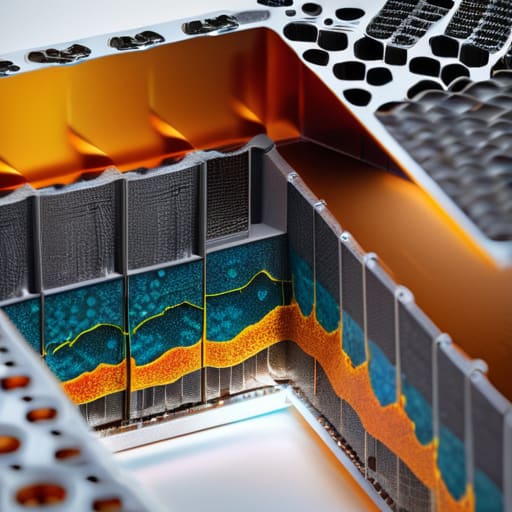
Category: Guides

  • Comparing Hydrogen Fuel Cells and Batteries

    Comparing Hydrogen Fuel Cells and Batteries

    I remember sitting in my dorm at Georgia Tech, surrounded by half-disassembled lithium-ion cells and a mountain of textbooks, trying to figure out why the “green revolution” felt so fragmented. Everywhere you look, the marketing is a mess: one side promises we’ll all be driving heavy, long-range EVs by next year, while the other claims hydrogen will magically fix our entire heavy-duty logistics problem overnight. When you actually dig into the hydrogen fuel cell vs battery debate, it’s not just a choice between two types of power—it’s a battle between two completely different visions of how we manage energy density and infrastructure. Most people are just picking a side based on vibes, but the real chemistry doesn’t care about your preference.

    I’m not here to sell you on a specific brand or a corporate sustainability report filled with empty buzzwords. My goal is to strip away the hype and look at the actual hardware: the degradation rates, the round-trip efficiency, and the massive infrastructure hurdles that most people conveniently ignore. We’re going to break down the technical reality of both systems so you can understand which one is actually going to power our future and which one is just expensive theater.

    Table of Contents

    The Battery Reality

    Understanding The Battery Reality and efficiency.

    A battery is a device that stores electrical energy chemically and releases it as a flow of electrons through a circuit. At its core, the technology relies on moving ions between an anode and a cathode to provide a steady stream of power, with the main selling point being its incredible energy efficiency during the charge-discharge cycle. When we talk about the hydrogen fuel cell vs battery debate, the battery is currently the undisputed heavyweight in terms of round-trip efficiency and consumer accessibility.

    Growing up in a suburb full of idling SUVs, I always saw energy as something you “consume” rather than manage, but batteries changed that perspective for me. When you’re sitting in a parked EV, you aren’t just using a fuel tank; you’re tapping into a highly optimized chemical reservoir that responds instantly to your needs. For me, the real magic isn’t just the tech itself, but the fact that we can eventually decouple mobility from fossil fuels by simply plugging into a smarter, cleaner grid.

    The Hydrogen Alternative

    Hydrogen fuel cell: The Hydrogen Alternative.

    A hydrogen fuel cell is an electrochemical device that generates electricity through a chemical reaction between hydrogen and oxygen, with water being the only byproduct. Unlike a battery that stores energy, a fuel cell produces energy on the fly as long as it has a steady supply of fuel, making its primary advantage rapid refueling and high energy density for heavy-duty applications. In the context of the hydrogen fuel cell vs battery showdown, this tech is aiming for the long-haul sectors that batteries struggle to touch.

    I remember spending late nights in the Georgia Tech labs looking at the scaling issues of lithium-ion, and that’s where hydrogen starts to look less like a fantasy and more like a necessity. If we want to move massive freight trucks or even planes across oceans, we can’t exactly rely on a battery that weighs as much as the cargo itself. To me, hydrogen represents the infrastructure play—it’s about whether we can build a fueling network that mimics the convenience of the gas stations I grew up seeing, but without the carbon footprint.

    Comparison of Hydrogen Fuel Cells and Battery Electric Systems

    Feature Hydrogen Fuel Cell Battery Electric
    Energy Storage Method Compressed Hydrogen Gas Lithium-ion/Solid-state Cells
    Refueling/Charging Time 3–5 Minutes 20–60 Minutes (Fast Charge)
    Driving Range High/Long Distance Moderate/Limited by Weight
    Energy Density Very High Low to Moderate
    Infrastructure Maturity Developing/Limited Established/Expanding
    Best For Heavy-duty transport & long-haul Passenger cars & short commutes
    Environmental Impact Zero tailpipe (Water only) Zero tailpipe (Mineral mining concerns)

    Breaking Down Lithium Ion Battery Limitations

    Breaking Down Lithium Ion Battery Limitations

    If we’re going to talk about a real transition to electric mobility, we have to stop treating lithium-ion like it’s the final boss of energy storage. The debate between hydrogen and batteries isn’t just about which one is “cleaner”; it’s about whether we’ve hit a fundamental ceiling with current chemistry. If we can’t solve the limitations of the battery, the entire grid-scale shift starts to look shaky.

    The reality is that lithium-ion is a victim of its own success. We’re constantly fighting capacity fade and the massive weight penalties that come with trying to cram more energy into a cell. For long-haul trucking or heavy machinery, the energy density just isn’t there; you end up carrying so much battery weight that you’re basically just hauling dead weight around.

    Hydrogen, on the other hand, bypasses this specific bottleneck by using a carrier that is inherently lightweight. While batteries struggle with the thermal management and degradation issues inherent in high-density cycles, hydrogen fuel cells offer a way to decouple energy from mass. You get the range without the massive, heavy slab of lithium sitting in your chassis.

    For this specific category, hydrogen wins on pure scaling potential.

    Unpacking Hydrogen vs Electric Vehicle Efficiency

    Look, if we’re serious about decarbonizing transport, we can’t just look at tailpipe emissions; we have to look at the energy math. It doesn’t matter how “green” a vehicle is if the process of moving energy from the source to the wheels is incredibly wasteful. Efficiency is the metric that actually determines whether a technology is a viable solution or just an expensive science project.

    When you look at the numbers, battery electric vehicles (BEVs) are the clear heavyweight here. You take electricity from the grid, shove it into a cell, and use it to turn a motor. It’s a direct, highly efficient path. Hydrogen, on the other hand, is a logistical nightmare for efficiency. You have to use electricity to split water (electrolysis), compress the gas, transport it, and then convert it back into electricity inside the fuel cell. Every one of those steps is an energy tax that bleeds the system dry.

    In a head-to-head battle of physics, the winner is Battery Electric. While hydrogen might win on refueling speed for heavy trucking, the sheer round-trip efficiency of batteries makes them the only logical choice for most of our daily movement.

    The Bottom Line: Chemistry, Infrastructure, and Reality

    Batteries are the undisputed kings for light-duty, short-range travel because of their high round-trip efficiency, but we can’t ignore the massive resource strain and degradation issues that come with scaling lithium-ion to every single vehicle on the road.

    Hydrogen isn’t a magic bullet for passenger cars, but for heavy-duty hauling and long-haul logistics where weight and downtime are the enemies, it offers a density advantage that current battery chemistry just can’t touch.

    The real winner won’t be one technology “killing” the other; it’ll be a bifurcated grid where batteries handle our daily commutes and hydrogen stabilizes the heavy-duty sectors, provided we actually build the infrastructure to support both.

    The Real Bottleneck

    “We need to stop treating this like a winner-take-all race between hydrogen and batteries. It’s not about which one is ‘better’ in a vacuum; it’s about whether we can actually build a supply chain that doesn’t collapse under its own weight. If we can’t solve the energy density issues in batteries or the massive infrastructure deficit in hydrogen, we’re just swapping one fossil fuel dependency for another.”

    Desmond Achebe

    The Bottom Line: Chemistry Over Hype

    Look, there isn’t a single “winner” here that solves everything overnight. If you’re looking at personal mobility or commuting, the efficiency and established infrastructure of lithium-ion batteries make them the clear frontrunner for now. But if we’re talking about heavy-duty long-haul trucking or massive industrial scales where weight and downtime are the enemies, hydrogen starts to look a lot more viable. We can’t just pick a side based on brand loyalty; we have to evaluate the energy density and the actual lifecycle of these systems. Batteries are winning the race for the driveway, but hydrogen might just own the highway if we can actually fix the production and storage bottlenecks.

    At the end of the day, my goal isn’t to tell you which tech to bet your life savings on, but to make sure you aren’t blinded by the marketing. The transition away from fossil fuels is non-negotiable, but the path there is going to be messy, technical, and incredibly complex. We need to stop treating this like a binary choice and start building a diversified energy ecosystem that plays to the strengths of both chemistries. I’m staying optimistic because the hardware is finally catching up to the ambition, and once we bridge the gap between lab breakthroughs and real-world infrastructure, the future of mobility is going to look nothing like the gas-guzzling suburbs I grew up in.

    Frequently Asked Questions

    If we actually solve the lithium-ion degradation issue, does hydrogen even stand a chance in the passenger vehicle market?

    Even if we nail the degradation issue and make Li-ion batteries last a decade, hydrogen still faces a massive uphill battle in the passenger space. It’s not just about the cells; it’s about the physics of the infrastructure. Charging a battery at home is easy. Building a network of high-pressure hydrogen stations is a logistical nightmare and insanely expensive. Unless we find a way to make green hydrogen distribution as seamless as a plug, batteries will keep winning the driveway war.

    How much of the "green" hydrogen hype is just corporate greenwashing when you factor in the energy lost during electrolysis and compression?

    Look, if we’re being real, a lot of this is massive greenwashing. When you factor in the round-trip efficiency, the math gets ugly. You lose a huge chunk of energy during electrolysis, more during compression, and even more during transport. Compared to just plugging a battery into a grid, you’re essentially burning energy to create a carrier for more energy. Until we solve those thermodynamic losses, calling hydrogen a “clean” silver bullet feels like a corporate stretch.

    From a grid stability standpoint, is it more efficient to build out massive charging networks or a decentralized hydrogen refueling infrastructure?

    From a grid perspective, it’s a tug-of-war between load density and distribution. Massive charging networks create huge, localized spikes that threaten to destabilize local transformers if we don’t integrate smart V2G (vehicle-to-grid) tech. Hydrogen is different; it’s more like a chemical energy buffer. While building hydrogen infrastructure is a massive upfront headache, it offloads the pressure from the electrical grid itself. For stability, decentralized hydrogen acts as a relief valve, whereas chargers act as a heavy load.

  • Managing Battery Weight in Electric Vehicles

    Managing Battery Weight in Electric Vehicles

    I still remember the smell of burnt flux and ozone in my Georgia Tech lab, staring at a prototype cell that was technically “perfect” on paper but practically useless because it was too heavy to move. We spent months obsessing over theoretical energy density, only to realize we were building bricks rather than power sources. Most people in the industry love to throw around buzzwords about “next-gen breakthroughs,” but they completely ignore the brutal physics of battery weight optimization. You can have the most advanced chemistry in the world, but if your pack adds half a ton to the chassis, you haven’t built a vehicle—you’ve built a tethered anchor.

    I’m not here to sell you on the corporate greenwashing or the vague promises of a “revolution” that never arrives. Instead, I want to pull back the curtain on the actual hardware. We’re going to look past the marketing fluff and dive into the real engineering trade-offs required to shave off mass without sacrificing stability. I’ll show you how we can actually balance cell architecture and structural integration to make electric mobility something that’s actually sustainable, rather than just a heavy, expensive dream.

    Table of Contents

    Chasing Energy Density Improvement Without the Fluff

    Chasing Energy Density Improvement Without the Fluff.

    When you look at the data, the math is brutal. We keep hearing these massive claims about range, but most of those projections ignore the physics of the payload. If we want actual energy density improvement that matters in the real world, we have to stop looking at just the cell level and start looking at the entire system. It’s easy to claim a new chemistry is “better” in a lab setting, but if that chemistry requires a massive, heavy cooling jacket just to keep it from thermal runaway, you’ve basically neutralized your gains.

    I’ve spent enough time in labs to know that the real battle is won in the integration. We need to be obsessed with anode and cathode weight reduction while simultaneously rethinking how we house those materials. It’s a delicate balancing act; you can’t just strip weight and hope for the best, or you’ll compromise the entire lifecycle of the pack. To truly move the needle on electric vehicle powertrain efficiency, we need to stop treating the battery as a heavy box we just bolt onto a chassis and start treating it as a structural, integrated component of the vehicle itself.

    The Real Cost of Battery Pack Mass Reduction

    The Real Cost of Battery Pack Mass Reduction

    Here’s the reality: you can’t just strip away components like you’re building a lightweight racing bike and expect the car to function. When we talk about battery pack mass reduction, we aren’t just talking about shaving off a few pounds of casing. Every gram we cut has a ripple effect on the entire architecture. If we get too aggressive with anode and cathode weight reduction to chase higher energy density, we risk compromising the structural integrity of the cells or, even worse, the stability of the chemistry itself. It’s a high-stakes balancing act where a mistake doesn’t just mean less range—it means a thermal runaway event.
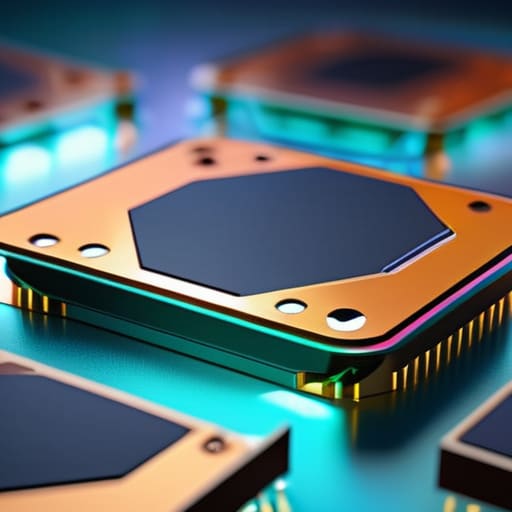
    Then there’s the hidden tax: battery thermal management weight. To keep those high-density cells from cooking themselves during a fast charge, we need cooling plates, pumps, and coolant. If we try to minimize that hardware to save weight, we’re essentially asking the battery to run a marathon while wearing a heavy winter coat. We have to find a way to integrate these systems into the chassis without adding a massive penalty to the electric vehicle powertrain efficiency. It’s not just about making the battery lighter; it’s about making the whole system smarter.

    The Real-World Playbook for Trimming the Fat

    • Stop over-engineering the housing. We spend way too much time on heavy, reinforced enclosures when we should be looking at advanced composites or even structural battery packs that let the cells do the heavy lifting for the chassis.
    • Prioritize cell-to-pack (CTP) architecture. If you’re still using bulky modules to hold cells together, you’re just adding dead weight. We need to strip away the internal scaffolding and let the chemistry sit directly in the pack to maximize volume.
    • Optimize the thermal management system. Most engineers default to heavy liquid cooling loops, but if we can get smarter with phase-change materials or better thermal interface conductivity, we can ditch the extra coolant and the heavy pumps.
    • Get aggressive with the BMS hardware. I’ve seen way too many systems using oversized, heavy-duty controllers when a more precise, integrated semiconductor approach could do the same job with half the mass.
    • Watch the cathode-to-anode ratio like a hawk. It’s easy to get obsessed with high-capacity cathodes, but if your anode chemistry is inefficient, you’re just carrying around extra weight for energy you can’t even tap into effectively.

    The Bottom Line on Weight vs. Watt-Hours

    We have to stop treating energy density as a vacuum metric; a high-capacity cell is useless if the structural overhead required to keep it safe makes the vehicle too heavy to move efficiently.

    Real progress isn’t just about finding a new cathode chemistry, it’s about the engineering grind of integrating cells into the chassis to turn the battery from a dead weight into a structural asset.

    Sustainable mobility depends on a “less is more” approach where we prioritize high-cycle life and structural efficiency over the short-term hype of chasing impossible energy-to-weight ratios.

    The Efficiency Trap

    “We can keep chasing higher kilowatt-hour numbers all day, but if we’re just building heavier bricks to solve range anxiety, we’re just spinning our wheels. Real progress isn’t about adding more cells; it’s about making sure every single gram of chemistry is actually pulling its weight.”

    Desmond Achebe

    The Bottom Line on Mass and Mobility

    The Bottom Line on Mass and Mobility.

    At the end of the day, optimizing battery weight isn’t just a math problem or a way to make spec sheets look prettier for marketing teams. It’s a brutal balancing act between energy density, thermal management, and structural integrity. We’ve seen that simply stripping away mass can compromise the very safety and longevity that makes EVs viable in the first place. If we chase higher density by using volatile chemistries or flimsy packaging, we aren’t actually solving the problem—we’re just building a more efficient way to fail. The real win lies in integrated structural design, where the battery pack stops being a heavy passenger and starts acting as a functional part of the vehicle’s chassis.

    We are standing at a massive inflection point in energy history, and the hardware we build today will dictate how the next fifty years of mobility look. I don’t want to see a future where we just swap out gas tanks for massive, inefficient lead weights; I want to see a world where high-performance, sustainable energy is the baseline. It’s going to take more than just corporate press releases to get us there—it’s going to take rigorous engineering and a refusal to settle for mediocre compromises. The transition is inevitable, but let’s make sure the tech powering it is actually built to last.

    Frequently Asked Questions

    If we shave too much weight off the pack to increase efficiency, are we just trading range for a shorter overall lifespan due to faster cell degradation?

    That’s the million-dollar question, and honestly, it’s where the engineering gets messy. If we aggressively downsize the pack to save weight, we’re essentially forcing those smaller cells to work harder—higher C-rates, deeper discharge cycles, and more heat. It’s a brutal trade-off. You might get a lighter, more efficient car on paper, but you’re basically redlining the chemistry. We risk trading long-term stability for short-term range, which is just another form of greenwashing.

    At what point does the cost of switching to exotic, lightweight chemistries like silicon anodes stop being worth the marginal gains in vehicle performance?

    That’s the million-dollar question. Honestly? We hit that wall when the price-per-kWh jump outweighs the actual utility of the extra range. If a silicon anode setup adds $5,000 to a commuter EV just to squeeze out an extra 15 miles of highway range, the math just doesn’t work for the average buyer. Until we can scale these exotic chemistries to drive down unit costs, they’re going to remain niche tech for high-end performance rigs, not the backbone of mass transit.

    How much of the weight problem is actually about the chemistry itself versus the heavy-duty thermal management systems we're forced to build around them?

    Honestly? It’s a massive tug-of-war. Chemistry gets all the headlines, but the thermal management systems are the silent weight killers. We’re out here obsessing over mAh per gram, yet we’re wrapping those cells in heavy cooling plates, pumps, and coolant loops just to keep them from cooking themselves. If we don’t solve the stability issue at the molecular level, we’re just building increasingly heavy, complex radiators to babysit mediocre chemistry.

  • The Importance of Semiconductors in Electric Vehicles

    The Importance of Semiconductors in Electric Vehicles

    Everyone loves to talk about “range anxiety” and how many kilowatt-hours we can cram into a cell, but honestly, that’s just half the battle. We spend all this time obsessing over the liquid in the battery while completely ignoring the brains that actually manage it. If we’re being real, the true bottleneck for the transition isn’t just chemical—it’s the semiconductor role in ev architecture. I remember sitting in a lab at Georgia Tech, surrounded by half-disassembled power inverters, realizing that a battery is basically just a heavy, expensive paperweight if you don’t have the silicon to manage the thermal loads and the switching frequencies.

    I’m not here to feed you the corporate marketing fluff about “seamlessly integrated ecosystems.” I want to pull back the curtain on the actual hardware. I’m going to break down how power semiconductors—specifically the shift toward Silicon Carbide—are the real unsung heroes making high-voltage efficiency possible. We’re going to skip the buzzwords and look at the hard engineering that dictates whether an EV is actually a viable tool for the future or just a glorified smartphone on wheels.

    Table of Contents

    Silicon Carbide vs Gallium Nitride in Ev the Chemistry Battle

    Silicon Carbide vs Gallium Nitride in Ev the Chemistry Battle

    When you dive into the actual architecture of an inverter, the debate between silicon carbide vs gallium nitride in ev applications becomes a massive technical fork in the road. If we’re talking about the main traction inverter—the heart of the powertrain—Silicon Carbide (SiC) is the heavy hitter. Because it’s a wide bandgap semiconductor, it can handle much higher voltages and temperatures than the old-school silicon chips we used to rely on. For me, the math is simple: SiC reduces switching losses, which means less energy is wasted as heat. That translates directly into a better semiconductor impact on driving range, allowing us to squeeze more miles out of the same battery pack.

    Gallium Nitride (GaN), on the other hand, is like the sprinter of the group. It’s incredibly efficient at high frequencies, making it a beast for onboard chargers and DC-to-DC converters where size and weight are the enemies. While SiC is busy managing the raw muscle of the drive motors, GaN is optimizing the smaller, high-speed components. We aren’t just picking one; we’re looking at a hybrid approach to maximize energy density across the entire vehicle.

    How Wide Bandgap Semiconductors Automotive Tech Changes Everything

    How Wide Bandgap Semiconductors Automotive Tech Changes Everything

    When we talk about the shift from traditional silicon to wide bandgap semiconductors automotive tech, we aren’t just talking about a minor upgrade; we’re talking about a complete overhaul of how energy moves through a vehicle. Traditional silicon chips are like a narrow garden hose—they can only handle so much pressure before they overheat or fail. Wide bandgap materials, however, act more like high-pressure industrial conduits. They can operate at much higher voltages and temperatures without breaking a sweat, which is exactly what you need when you’re managing the massive energy surges in a high-performance battery pack.

    This efficiency isn’t just a technical flex; it has a massive semiconductor impact on driving range. Because these chips lose significantly less energy as heat during the conversion process, more of that precious electrons from your battery actually make it to the motor. If we want to kill range anxiety, we have to stop wasting energy in the middle of the powertrain. By optimizing the automotive power module architecture with these advanced materials, we can squeeze more miles out of the same physical battery footprint, making the entire system lighter and more sustainable.

    Real Talk: What to Actually Watch for in the Semiconductor Race

    • Stop chasing range numbers and start looking at thermal management; if the semiconductors can’t handle the heat during a fast charge, that extra capacity is basically useless.
    • Keep an eye on the supply chain for raw materials like silicon carbide, because even the best chip design in the world won’t matter if we can’t scale the actual production of the wafers.
    • Don’t get blinded by “software-defined vehicles” marketing; at the end of the day, the software is just a passenger if the underlying power electronics can’t manage the voltage spikes.
    • Look for integration—the real winners won’t just make better chips, they’ll find ways to package them more efficiently to reduce the footprint and weight of the entire powertrain.
    • Demand transparency on lifecycle sustainability; a chip that makes an EV more efficient but requires a massive, toxic manufacturing footprint is just trading one problem for another.

    The Bottom Line: Why the Hardware Matters

    We need to stop treating semiconductors like invisible background noise; the shift from traditional silicon to Wide Bandgap materials like SiC and GaN is the literal difference between a car that gets mediocre range and one that actually competes with gas.

    Efficiency isn’t just a buzzword—it’s a physics problem. Using the right semiconductor means less energy lost as heat, which directly translates to faster charging times and longer lifespans for the entire battery pack.

    The real bottleneck for the EV transition isn’t just how much lithium we can mine, but how efficiently we can manage that power through the hardware. If our semiconductors can’t handle the load, the most advanced battery in the world is just a heavy paperweight.

    ## Moving Beyond the Software Hype

    “Everyone wants to talk about autonomous driving and fancy infotainment screens, but if we don’t get the semiconductor physics right at the power stage, we’re just building expensive paperweights. The real revolution isn’t happening in the UI; it’s happening in the silicon that manages every single electron moving from the battery to the motor.”

    Desmond Achebe

    The Bottom Line on the Silicon Shift

    The Bottom Line on the Silicon Shift.

    When you strip away the marketing gloss from the latest EV launches, it’s clear that the real revolution isn’t happening in the infotainment screens or the autonomous driving software. It’s happening at the atomic level within the power electronics. We’ve seen how the transition from traditional silicon to Wide Bandgap materials like SiC and GaN isn’t just a marginal upgrade; it’s a fundamental shift that dictates how much energy we can actually squeeze out of a battery pack. If we don’t get the semiconductor efficiency right, we’re just building expensive, heavy paperweights that can’t handle the thermal loads required for real-world, long-range driving.

    I’m tired of hearing companies promise “infinite range” without talking about the hardware that actually makes it possible. The path to a truly sustainable, electric-first world is paved with better material science, not just clever coding. We are standing at the edge of a massive hardware pivot, and while I’m skeptical of the corporate hype cycles, the raw data on energy density and thermal management tells me we’re finally moving in the right direction. It’s time to stop looking at the dashboard and start looking at the actual chemistry and silicon that will define the next century of mobility.

    Frequently Asked Questions

    If we switch to SiC and GaN, does that actually solve the battery degradation issues I've been studying, or is it just making the charging faster?

    Look, I’ll give it to you straight: SiC and GaN aren’t a magic fix for the chemistry inside the cell, but they do help manage the stress. They aren’t “solving” lithium-ion degradation directly, but by making power conversion way more efficient, they reduce the wasted heat that usually cooks your battery. It’s like upgrading from a leaky radiator to a precision cooling system—you’re still dealing with the same engine, but you’re not cooking it as fast.

    How much is the shift to these wide bandgap materials actually going to drive down the MSRP of an EV, or are we just looking at more expensive hardware?

    Look, I get the skepticism. On paper, SiC and GaN are more expensive to manufacture than traditional silicon. But you have to look at the whole system, not just the component cost. Because these materials are way more efficient, we can shrink the cooling systems and use smaller, lighter battery packs to get the same range. When you stop over-engineering the thermal management, the total bill of materials actually drops. It’s about systemic savings, not just cheaper chips.

    Beyond just the efficiency gains, how much more strain is this high-performance semiconductor tech putting on our existing grid infrastructure?

    Look, efficiency is great on paper, but we can’t ignore the load. Better semiconductors mean faster charging and higher power density, which basically turns every EV into a massive, high-speed vacuum for electricity. If we move from slow trickle-charging to these high-performance bursts, we’re going to see massive spikes in localized demand. Our current grid wasn’t built for that kind of instantaneous stress; it’s like trying to run a high-end gaming rig on a circuit designed for a lamp.

  • A Guide to Battery Cathode Chemistries

    A Guide to Battery Cathode Chemistries

    I still remember sitting in a cramped lab at Georgia Tech, staring at a series of failed lithium-ion cells that looked perfectly fine on the outside but were absolutely dead on arrival. It wasn’t a manufacturing error or a bad batch of electrolyte; it was a fundamental misunderstanding of the material science at the core. Most people looking for a cathode chemistry guide are going to be fed a diet of marketing buzzwords about “infinite range” and “eco-friendly breakthroughs” that don’t actually hold up under a microscope. I’m tired of seeing the industry gloss over the actual hardware just to sell a dream of seamless electric mobility.

    I’m not here to give you a glossy brochure or a sales pitch for the latest startup’s proprietary blend. Instead, I’m going to strip away the corporate greenwashing and look at the raw data behind the elements. This is going to be a pragmatic, deep dive into how different cathode compositions actually behave when they’re pushed to their limits in the real world. By the time we’re done, you’ll understand the real trade-offs between energy density, cycle life, and cost, so you can actually see through the hype.

    Table of Contents

    Decoding the Specific Capacity of Cathode Materials

    Decoding the Specific Capacity of Cathode Materials.

    When we talk about how much “juice” a battery can actually hold, we’re really talking about the specific capacity of cathode materials. Think of it like the fuel tank of an electric vehicle, but instead of liquid volume, we’re measuring how many lithium ions can physically shuttle in and out of the crystal structure during a charge cycle. If the host lattice is too cramped or rigid, you’re essentially leaving energy on the table. In my lab days at Georgia Tech, we saw this constantly: if you can’t move those ions efficiently, your energy density tanks, regardless of how much lithium you’ve pumped into the mix.

    This is where the real engineering battle happens. When we analyze NMC cathode performance, we aren’t just looking at a single number; we’re looking at how much charge we can squeeze out before the material starts to physically break down. If you push the capacity too far by overcharging or using extreme temperature swings, you risk triggering thermal runaway and cathode degradation. It’s a delicate balancing act between wanting a massive range and needing a battery that won’t turn into a brick after three years of heavy use.

    Why Lithium Ion Battery Electrode Materials Actually Matter

    Why Lithium Ion Battery Electrode Materials Actually Matter

    Look, it’s easy to get lost in the marketing jargon about “range anxiety” or “fast charging,” but if you want to understand why an EV actually performs the way it does, you have to look at the hardware level. The lithium-ion battery electrode materials are essentially the engine room of the entire cell. Everything from how much energy you can cram into a single pack to how many years that pack will actually last comes down to the atomic-scale dance happening between the anode and the cathode. If the chemistry is sloppy, the performance will be too.

    When we talk about real-world utility, we’re really talking about the stability of those materials under stress. For instance, high-performance setups often rely on NMC cathode performance to balance energy density with longevity, but there’s always a trade-off. If the crystal structure of the cathode can’t handle the constant shuffling of ions, you start seeing structural collapse. It’s not just about theoretical numbers on a spec sheet; it’s about preventing thermal runaway and cathode degradation before they even become a possibility in the field.

    How to Actually Read Between the Lines of Battery Specs

    • Stop obsessing over just energy density; you need to look at cycle life. A battery that packs a huge punch but dies after 300 cycles is just expensive e-waste in the making.
    • Watch the cobalt levels like a hawk. If a company isn’t being transparent about their cobalt sourcing or their move toward high-nickel/low-cobalt chemistries, they’re likely ignoring the massive ethical and supply chain bottlenecks.
    • Don’t let “solid-state” marketing hype fool you. It’s the holy grail, sure, but until we see scalable manufacturing processes that don’t cost a fortune, it’s still more lab theory than road-ready reality.
    • Pay attention to thermal stability in the data sheets. High capacity is great until the cathode becomes chemically unstable at high temperatures—then you aren’t looking at a battery, you’re looking at a thermal runaway risk.
    • Look for LFP (Lithium Iron Phosphate) in stationary storage or budget EVs. It might not have the same range as NMC, but the chemistry is way more robust and sustainable for long-term, heavy-duty cycling.

    The Bottom Line: Why the Chemistry Matters

    Energy density isn’t just a buzzword; it’s the difference between an EV that actually gets you across the state and one that leaves you stranded because the cathode couldn’t hold enough charge.

    We have to look past the marketing hype and realize that the specific material composition—whether it’s LFP or NMC—dictates everything from how much you’ll pay for the car to how many years the battery will actually last before it degrades.

    A sustainable transition requires more than just “going electric”; it requires a hard look at the supply chain and the chemical stability of these cells so we aren’t just trading one environmental crisis for another.

    ## The Real Cost of the Chemistry

    “If we’re going to move the needle on electric mobility, we have to stop treating the cathode like a black box. You can have the slickest software in the world, but if your chemistry can’t handle the cycle life or the energy density requirements, you’re just building a very expensive paperweight.”

    Desmond Achebe

    The Real Bottom Line

    Cathode chemistry: The Real Bottom Line.

    At the end of the day, understanding cathode chemistry isn’t just for people like me working in grid analysis or lab settings; it’s the foundation of the entire electric transition. We’ve looked at how specific capacity dictates your range and why the choice between LFP and NMC determines whether your battery survives a decade of heavy use or starts degrading after three years. It’s easy to get lost in the marketing jargon about “next-gen tech,” but if you strip away the corporate fluff, it all comes down to the molecular stability of the cathode and how efficiently it can move ions without falling apart. If we don’t get the hardware right, the software and the charging networks won’t matter.

    I’m genuinely optimistic about where we’re heading, but I’m not going to sit here and tell you that the road is easy. The shift from gas-guzzlers to high-density storage is going to be messy, and we are going to see a lot of “breakthroughs” that turn out to be nothing more than incremental tweaks. However, if we prioritize true material sustainability and demand better engineering over cheaper manufacturing, we can actually build a grid that lasts. The hardware is catching up to the hype—we just have to make sure it’s built to stay there.

    Frequently Asked Questions

    If we switch to LFP (Lithium Iron Phosphate) to save on costs and ethics, how much range am I actually sacrificing in the real world?

    Look, it’s the classic trade-off: cost and longevity versus pure energy density. If you swap NCM for LFP, you’re looking at a roughly 20-30% drop in theoretical range because LFP just can’t pack as many ions into the same footprint. But here’s the catch—LFP handles daily charging way better. You can hammer a 100% charge every night without the same degradation fears, so your “real world” usable range might actually stay more consistent over time.

    How much does the thermal stability of these different chemistries actually impact the long-term degradation of the cell?

    Look, if the chemistry can’t handle the heat, the battery is basically a ticking clock. High thermal instability isn’t just a safety risk; it’s a degradation accelerator. When a cell runs hot, you trigger parasitic side reactions that eat away at your electrolyte and grow that nasty SEI layer thicker every cycle. It’s like running an engine without coolant—sure, it works for a bit, but you’re structurally compromising the hardware until the capacity just tanks.

    We talk a lot about capacity, but how do these specific cathode materials handle high-speed charging without causing massive dendrite growth?

    That’s the million-dollar question. When you slam a massive amount of current into a cell, you’re basically forcing lithium ions to move faster than the electrolyte can smoothly distribute them. If the cathode structure isn’t optimized, those ions pile up at the anode interface instead of intercalating, creating those nasty metallic spikes we call dendrites. To fight this, we’re looking at doped crystal structures and specialized coatings that act like high-speed lanes, keeping the ion flux steady even during a fast charge.

  • Understanding Electric Vehicle Battery Management Systems

    Understanding Electric Vehicle Battery Management Systems

    I still remember the smell of scorched electrolyte in my junior year lab at Georgia Tech—a sharp, metallic tang that hits you right in the back of your throat when a cell goes sideways. I was staring at a series of lithium-ion packs that were supposed to be “state-of-the-art,” but they were degrading faster than the cheap gas guzzlers my neighbors used to drive. It wasn’t a chemistry failure; it was a failure of oversight. Everyone talks about range anxiety and fancy infotainment screens, but they completely ignore the fact that ev battery management is the only thing standing between a long-lasting vehicle and a very expensive paperweight.

    I’m not here to sell you on the corporate dream of a seamless green utopia or some vague software update that magically fixes everything. I want to talk about the actual hardware and the logic required to keep these cells healthy. In this post, I’m stripping away the marketing fluff to give you a grounded, data-driven look at how we actually control voltage, temperature, and state-of-charge. We’re going to dive into the real mechanics of how a management system works so you can understand what’s actually happening under the floorboards.

    Table of Contents

    Mastering Bms Architecture and Components for Real World Durability

    Mastering Bms Architecture and Components for Real World Durability

    Look, a lot of people think a BMS is just a glorified software layer, but if you actually pop the hood on a high-performance pack, you realize it’s a brutal hardware game. You aren’t just managing code; you’re managing physical chaos. A solid BMS architecture and components setup has to handle the reality of heat, vibration, and uneven cell aging. If your sensing circuits aren’t precise, you’re basically flying blind. I’ve seen too many “innovative” designs fail because they underestimated the sheer complexity of voltage monitoring in electric vehicles under heavy load.

    To get real-world durability, you have to move past basic monitoring and into active protection. This means your hardware needs to be fast enough to trigger lithium-ion battery safety protocols before a single cell goes thermal. It’s about more than just preventing a fire; it’s about fine-tuning the balance between every individual cell to ensure the whole pack doesn’t die prematurely. If the hardware can’t keep up with the chemistry, all the fancy algorithms in the world won’t save your battery life.

    Beyond Vague Promises Precision in Battery State of Charge Estimation

    Beyond Vague Promises Precision in Battery State of Charge Estimation

    Look, we’ve all seen the marketing: a digital gauge that promises you 200 miles of range, only to watch it tank to zero the moment you hit a steep grade or a cold snap. That’s because most manufacturers are playing a guessing game. Real battery state of charge estimation isn’t just about reading a voltage number; it’s about understanding the complex, non-linear dance happening inside the cell. If your algorithm can’t account for internal resistance or temperature fluctuations, you aren’t providing a range estimate—you’re providing a guess.

    To get this right, we have to move past simple look-up tables and start leaning into Kalman filters and sophisticated electrochemical models. We need to bridge the gap between raw sensor data and the actual chemical reality of the cells. When we nail this level of precision, we aren’t just making the dashboard look better; we are actively engaging in battery degradation prevention. By knowing exactly where the ions are and how much stress the chemistry is under, we can stop the “range anxiety” cycle and actually build hardware that lasts for a decade, not just a few years.

    Hard Truths: 5 Ways to Stop Treating Your Battery Like a Disposable Asset

    • Stop chasing the 100% charge high. If you want your cells to actually survive more than a few years, you need to treat the 80% mark as your new ceiling for daily use. Keeping lithium-ion cells sitting at max voltage is like keeping a rubber band stretched to its absolute limit—eventually, the chemistry just gives up.
    • Thermal management isn’t just a luxury; it’s the difference between a long life and a thermal runaway nightmare. If your BMS isn’t actively fighting to keep the pack in that sweet spot—roughly 25°C to 35°C—you’re essentially cooking your capacity away every time you hit the highway.
    • Respect the C-rate. We love the idea of “Ludicrous” acceleration, but slamming the battery with massive current spikes causes internal heating and mechanical stress on the electrodes. High power is great, but if you do it constantly, you’re trading long-term health for short-term dopamine hits.
    • Don’t trust a single sensor blindly. Real-world durability requires redundant data. A single temperature probe or voltage tap can fail, and if your BMS thinks everything is fine when it’s actually redlining, you’re in trouble. Robust systems need to cross-reference data points to catch errors before they become hardware failures.
    • Deep discharges are the silent killers. Letting your pack sit at near-zero state of charge (SoC) is a recipe for copper dissolution and permanent capacity loss. Think of it like running a marathon on an empty stomach—you might finish, but you’re going to do some serious damage to your system in the process.

    The Bottom Line: Why Precision Matters

    Stop treating the BMS like a secondary software layer; it is the literal heartbeat of the cell. If your voltage monitoring and thermal management aren’t tight, you aren’t building a long-term energy solution, you’re just building a ticking time bomb.

    Accuracy in State of Charge (SoC) estimation isn’t just about preventing “range anxiety”—it’s about preventing premature degradation. When we miscalculate how much energy is actually left in the tank, we force the chemistry to work harder than it should, killing the battery’s lifespan.

    Real sustainability requires moving past the marketing fluff. To make high-density storage actually viable for the masses, we have to prioritize hardware-level precision and robust architecture that can handle the messy, real-world thermal stresses of daily driving.

    The Myth of the "Smart" Battery

    You can have all the AI-driven software in the world, but if your BMS isn’t managing thermal runaway and cell balancing with surgical precision, you don’t have a smart battery—you just have an expensive paperweight waiting to degrade.

    Desmond Achebe

    The Bottom Line on Battery Longevity

    The Bottom Line on Battery Longevity.

    At the end of the day, a high-performance EV is only as good as the intelligence governing its cells. We’ve looked at how robust BMS architecture prevents catastrophic failure and why precision in State of Charge estimation is the difference between a reliable vehicle and a paperweight. It isn’t just about preventing a fire or a sudden shutdown; it’s about managing the microscopic dance of ions to ensure that the lithium doesn’t degrade prematurely. If we ignore the hardware realities of voltage balancing and thermal management, all the fancy software in the world won’t save us from a dead battery pack in three years.

    We are standing at a massive crossroads in energy history, and I refuse to let us get distracted by flashy marketing that ignores the actual science. The transition to electric mobility is going to happen, but it has to be built on a foundation of real, sustainable engineering, not just empty promises of “infinite range.” As we push the boundaries of solid-state and high-density storage, let’s keep our eyes on the chemistry and the data. We aren’t just building better cars; we are building the infrastructure for a world that actually works. Let’s get the hardware right the first time.

    Frequently Asked Questions

    If we’re getting better at estimating State of Charge, how much can we actually squeeze out of existing cell chemistries before we hit a hard physical limit?

    Look, better SoC estimation doesn’t change the laws of physics, but it stops us from leaving money on the table. Think of it like a fuel gauge that’s actually accurate versus one that guesses. If we stop “padding” the usable capacity just to be safe, we can tap into that extra 5-10% of energy currently sitting idle. We aren’t rewriting the chemistry, but we are finally stopping the waste caused by overly conservative software.

    How much of the current "range anxiety" is actually a software/BMS problem versus just needing higher energy density in the hardware?

    Honestly? It’s a bit of both, but we’re over-indexing on the wrong one. We keep chasing higher energy density like it’s a magic bullet, but if your BMS is trash, that extra capacity is useless. You can have a massive tank of fuel, but if your gauge is lying to you, you’re still going to panic at a rest stop. We need better chemistry, sure, but we also need smarter software to actually manage what we have.

    When we talk about long-term durability, how do we prevent a BMS from just being a "band-aid" for cells that are already chemically degrading?

    Look, a BMS isn’t a miracle cure; it’s more like a high-tech coach. If the cells are already hitting the wall due to SEI layer growth or lithium plating, a BMS can only manage the fallout, not reverse the chemistry. To avoid the “band-aid” trap, we have to move toward proactive thermal management and tighter voltage limits. We need to stop just reacting to degradation and start using predictive modeling to prevent the chemical damage from happening in the first place.

  • Navigating Electric Vehicle Charging Networks

    Navigating Electric Vehicle Charging Networks

    I was sitting in a cramped parking lot outside a highway rest stop last summer, staring at a “Fast Charging” station that had been dead for three weeks, while my phone battery hovered at a precarious 4%. It’s the same frustration I felt growing up in a suburb of gas-guzzlers: the promise of a new era is great, but the execution is often a mess. Everyone is obsessed with the sheer number of plugs being installed, but we need to stop treating ev charging networks like a simple game of “more is better.” If the hardware is unreliable and the grid integration is an afterthought, then all those shiny new stations are just expensive paperweights waiting to fail.

    I’m not here to sell you on the corporate marketing fluff or the “revolution” promised in glossy brochures. Instead, I want to pull back the curtain on what actually makes a network viable, from the stability of the local transformer to the real-world efficiency of the DC fast-charging protocols. I’ll be looking at the hardware and infrastructure through the lens of an engineer, giving you the data-driven reality of how these systems actually perform when you’re actually relying on them.

    Table of Contents

    Evaluating Ev Charging Station Reliability and Real World Uptime

    Evaluating Ev Charging Station Reliability and Real World Uptime

    Here’s the thing about looking at an electric vehicle charging stations map: it tells you where the plugs are, but it doesn’t tell you if they’ll actually work when you roll up. We’ve all been there—navigating via GPS only to find a station with a “Service Out of Order” screen or a software glitch that refuses to handshake with your car. EV charging station reliability isn’t just a minor inconvenience; it’s the single biggest hurdle to mass adoption. If we want people to ditch their gas guzzlers, we can’t have them stranded in a parking lot because a proprietary communication protocol decided to take a nap.

    The real headache often stems from a lack of interoperability in EV charging. We’re currently stuck in this fragmented landscape where different networks use different standards, making the user experience feel like a scavenger hunt. It’s not just about the hardware being rugged enough to survive a storm; it’s about the backend software being stable enough to handle high-voltage handshakes without crashing. We need to move past the “build it and they will come” phase and start focusing on the uptime metrics that actually matter for a seamless transition.

    The Infrastructure Gap Public vs Private Charging Infrastructure

    The Infrastructure Gap Public vs Private Charging Infrastructure

    The real headache isn’t just finding a plug; it’s the massive disparity between public and private charging infrastructure. If you’re lucky enough to live in a house with a dedicated garage, you’re basically living in the future—you plug in overnight, and your car is ready to go. But for the millions of people living in apartment complexes or urban centers, the math changes completely. They are forced to rely on a fragmented patchwork of public stations that often feel like a gamble. We see this gap everywhere, and it’s creating a two-tier system for EV ownership that we need to fix if we’re actually serious about mass adoption.

    Even when you do find a public spot, the lack of interoperability in EV charging makes the experience incredibly clunky. You shouldn’t need fifteen different apps and ten different RFID cards just to get a decent charge on a road trip. While companies are starting to lean into smart charging technology to manage load, the current reality is a chaotic mix of proprietary software and hardware that doesn’t always play nice together. We need a unified standard, not just more scattered plugs.

    Survival Guide: How to Actually Navigate the Charging Landscape Without Losing Your Mind

    • Stop trusting the “available” status on apps blindly. I’ve seen too many people pull up to a charger only to find the cooling system is shot or the connector is physically broken. Always cross-reference two different platforms—like PlugShare and the network’s native app—to get a more realistic picture of what’s actually happening on the ground.
    • Learn the difference between kW and charging speed limits. Just because a station is rated for 350kW doesn’t mean your car is going to pull that. If your battery is at 80% or it’s a freezing morning, you’re going to see that curve drop off hard. Manage your expectations based on your car’s thermal management, not just the sign on the pedestal.
    • Prioritize networks with high-uptime reputations over sheer quantity. A massive network of broken, slow Level 2 chargers is basically useless for long-distance travel. I’d rather have three reliable, high-output DC fast chargers on my route than twenty “available” plugs that end up being glorified paperweights.
    • Get comfortable with the “Plug & Charge” tech if your vehicle supports it. Fiddling with five different RFID cards or buggy payment apps is a massive time sink. If the hardware supports ISO 15118, use it; it makes the handshake between the car and the grid seamless and saves you from that awkward dance at the terminal when the credit card reader fails.
    • Plan your stops around grid-heavy areas, not just convenience. If you’re heading into a rural zone, look for chargers located near commercial hubs that have better transformer capacity. Charging a massive battery pack requires a serious amount of current, and a station tucked away in a low-voltage corner of the grid is more likely to throttle your speed when the local demand spikes.

    The Bottom Line on Charging Infrastructure

    Stop counting plugs and start measuring uptime; a charger that’s “available” on an app but dead in reality is just a useless piece of hardware that kills consumer confidence.

    We have to bridge the gap between private convenience and public necessity, because if charging isn’t as reliable as a gas pump, the mass transition to EVs will stall regardless of how many subsidies we throw at it.

    Real progress isn’t just about more stations, it’s about smarter integration—we need to ensure our grid stability and battery chemistry are actually ready for the massive load these networks are going to pull.

    ## The Hardware Reality Check

    “We can keep installing more pedestals and calling it progress, but if those chargers aren’t integrated with a smart grid and backed by stable battery chemistry, we aren’t building a network—we’re just building a collection of expensive, glorified paperweights.”

    Desmond Achebe

    The Road Ahead: Moving Beyond the Hype

    The Road Ahead: Moving Beyond the Hype.

    Look, we’ve covered a lot of ground, from the frustrating reality of broken chargers to the massive divide between private luxury setups and the public infrastructure most of us actually rely on. If there’s one thing I want you to take away, it’s that a charging network is only as good as its weakest link—whether that’s a faulty connector or a local transformer that can’t handle the load. We can’t just keep slapping plugs into the ground and calling it progress; we need integrated systems that prioritize high uptime and grid intelligence. Until we bridge the gap between hardware reliability and energy density, we’re just building a house of cards.

    Ultimately, the shift to electric mobility isn’t just about swapping a gas tank for a battery; it’s about redesigning how our entire society interacts with energy. I know the current growing pains feel heavy, and the corporate promises can feel hollow, but the physics don’t lie—the transition is happening. We just need to demand that the foundation is built on real engineering rather than marketing fluff. If we get the chemistry and the infrastructure right, we aren’t just changing how we drive; we’re securing a way to move that actually respects the planet. Let’s build something that actually lasts.

    Frequently Asked Questions

    If we're scaling up fast-charging networks, how are we going to prevent local transformers from blowing out when a dozen EVs plug in at once?

    That’s the million-dollar question. If we just slap high-kilowatt chargers onto an aging distribution grid without thinking, we’re asking for localized blackouts. It’s like trying to run a high-end gaming rig off a cheap extension cord—eventually, something’s going to pop. We can’t just rely on beefing up transformers; we need onsite buffer storage. Integrating stationary battery systems at the charging site can shave those massive peak loads, feeding the cars while protecting the grid from the surge.

    Are we actually building out a sustainable supply chain for the hardware, or are we just creating a massive e-waste problem with these charging stations in ten years?

    Right now? We’re mostly just building a massive e-waste time bomb. Most of these current charging stations are built with a “deploy fast, replace faster” mentality, using consumer-grade electronics that aren’t designed for a decade of thermal cycling and heavy-duty use. Unless we shift toward modular hardware—where we can swap out a failed power module instead of scrapping the entire cabinet—we’re just trading tailpipe emissions for a mountain of specialized silicon and copper junk.

    How much of the "charging speed" promised by networks is actually achievable given current battery chemistry and thermal management limits?

    Look, the “0 to 80% in 15 minutes” marketing is a massive stretch for most drivers. Sure, the charger might be capable of 350kW, but your battery is the bottleneck. If your thermal management isn’t aggressive enough to keep those cells in the sweet spot, the BMS will throttle your intake to prevent degradation. It’s like trying to pour a gallon of water through a needle; the hardware is there, but the chemistry and heat just won’t allow it.

  • Difference Between Battery Capacity and Power

    Difference Between Battery Capacity and Power

    I still remember the smell of scorched lithium in my Georgia Tech lab during my junior year—a frantic, acrid scent that usually meant a cell was being pushed way past its limits. I was working on a prototype that had massive energy reserves, but the second I tried to draw a heavy load, the voltage sagged so hard the whole system just choked out. It was a brutal, expensive lesson in why everyone needs to stop treating battery capacity vs power like they’re the same thing. Most people see a huge number on a spec sheet and think they’ve bought a powerhouse, but they’re actually just buying a bigger gas tank for a car that can’t even merge onto the highway.

    I’m not here to sell you on some shiny, corporate-approved version of the future. My goal is to strip away the marketing fluff and give you the real-world physics of how these cells actually behave when you put them under pressure. We’re going to break down the chemistry and the hardware so you can finally understand how to choose the right tech for your needs, without getting burned by empty promises.

    Table of Contents

    Watt Hours vs Watts Explained the Hard Science Matters

    Watt Hours vs Watts Explained the Hard Science Matters

    To get this right, you have to stop looking at batteries as a single “blob” of energy and start seeing them as a relationship between two different metrics. Think of it like a water tank: the total volume of water sitting in the tank is your capacity, measured in watt hours. This tells you how long you can keep the taps running before you’re bone dry. But the diameter of the pipe coming out of that tank? That’s your power, or watts. If you have a massive tank but a tiny straw, you aren’t going to be powering a Tesla; you’re barely going to be running a flashlight.

    This is where the voltage and current relationship becomes the real driver of performance. When we talk about watt hours vs watts explained, we’re essentially looking at how much total work a cell can do versus how much it can do in a single, violent burst. In my lab days, we saw this constantly with lithium-ion degradation; if you constantly demand a massive discharge rate to hit high peak power, you’re essentially cooking the chemistry from the inside out. It’s not just about how much energy you have; it’s about how much of it you can actually use without destroying the hardware.

    Why Energy Density in Batteries Dictates Real World Utility

    Why Energy Density in Batteries Dictates Real World Utility

    Here’s the thing: you can have all the power in the world, but if your battery is the size of a refrigerator, you aren’t going anywhere. This is where energy density in batteries becomes the actual gatekeeper of the electric revolution. In my lab days at Georgia Tech, we weren’t just looking at how much juice a cell could hold; we were obsessed with how much of that juice we could cram into a specific volume. If we can’t increase the density, we’re stuck with EVs that weigh five tons just to get a decent range, which completely defeats the purpose of lightweight, efficient mobility.

    It’s a constant tug-of-war between weight and performance. When you’re looking at understanding battery runtime, you have to realize that a high energy density allows for a smaller, lighter pack that can still provide consistent mileage. If we lean too hard into high-discharge chemistries to get massive acceleration, we often sacrifice that density, making the vehicle heavy and inefficient. We need a sweet spot where the hardware is dense enough to be practical, but stable enough to handle the stress of daily driving without degrading into a paperweight.

    Don't Get Burned: 5 Reality Checks for Your Next Battery Purchase

    • Stop looking at the total kWh and start asking about the C-rate. If you’re buying a battery for something that needs quick bursts of speed—like an e-bike for steep hills or a high-performance EV—a massive capacity won’t save you if the chemistry can’t dump that energy fast enough without overheating.
    • Match the discharge profile to the load. It’s like trying to drink a milkshake through a coffee stirrer; you can have a huge milkshake (capacity), but if the straw (power output) is too thin, you’re going to be waiting forever and stressing the cells in the process.
    • Watch out for the “Thermal Trap.” When you push a high-capacity battery to deliver massive power, you generate heat. If the manufacturer hasn’t prioritized thermal management, that heat is going to degrade your lithium cells way faster than you think, killing your long-term investment.
    • Realize that “Range Anxiety” is often just a misunderstanding of power draw. You might have a huge battery, but if you’re constantly demanding max power for rapid acceleration, you’re draining that capacity at an unsustainable rate. It’s about managing the relationship between the two.
    • Demand transparency on the chemistry. Not all cells are built for the same job. Some chemistries are optimized for massive energy storage (high capacity/low power), while others are built for high-drain applications (low capacity/high power). If a company won’t tell you which one they’re using, they’re probably hiding a compromise.

    The Bottom Line: Don't Get Fooled by the Spec Sheet

    Stop treating capacity and power as interchangeable; capacity is your range (the fuel in the tank), while power is your performance (how fast you can hit the highway).

    Real-world utility isn’t just about a big number on a label—it’s about the chemistry’s ability to deliver high discharge rates without cooking the cells through thermal degradation.

    If we’re actually going to scale electric mobility, we have to stop obsessing over just “bigger” batteries and start engineering smarter ones that balance energy density with efficient power delivery.

    ## The Real-World Math of Mobility

    “If you treat a battery like a simple fuel tank, you’re going to be disappointed. Capacity is just how much gas you have in the tank; power is how wide you can open the fuel line. If your chemistry can’t handle the flow, it doesn’t matter how much energy you’re carrying—you’re never going to get that performance out of the motor.”

    Desmond Achebe

    The Bottom Line

    The Bottom Line: synergy in energy.

    Look, if you walk away from this with only one thing, let it be this: stop letting spec sheets confuse you. We’ve spent enough time chasing massive capacity numbers that fall flat the second you try to merge onto a highway, or celebrating high power outputs that drain your juice in twenty minutes. A truly efficient system isn’t just about having a giant tank of energy; it’s about the synergy between capacity and power delivery. Whether you’re looking at a grid-scale storage unit or the lithium-ion cells in my vintage electric skateboard, the goal is finding that sweet spot where energy density meets discharge capability without cooking the chemistry.

    We are standing at the edge of a massive shift in how humanity moves and breathes, but we won’t get there through marketing fluff and vague promises of “long range.” We get there through better engineering, smarter material science, and a refusal to settle for mediocre hardware. The transition to electric mobility is inevitable, but it has to be built on a foundation of real, sustainable physics. I’m optimistic because I see the breakthroughs happening in the labs every day, but I’m staying skeptical enough to demand the data. Let’s stop settling for “good enough” and start building the high-performance, high-density future we actually deserve.

    Frequently Asked Questions

    If a battery has a massive capacity but low power output, can it still be used for high-performance electric vehicles?

    Short answer? No. If you try to slap a high-capacity, low-power battery into a performance EV, you’re basically trying to run a marathon while breathing through a cocktail straw. You might have enough “fuel” to go for miles, but the second you floor it, the voltage will sag and the system will choke. High-performance driving requires massive, instantaneous current discharge. Without that power density, your “long-range” supercar is just a very heavy, very slow golf cart.

    How does rapid charging actually affect the long-term degradation of a battery's capacity?

    Look, I get the urge to juice up in twenty minutes, but there’s a massive physical tax for that speed. Rapid charging forces ions to move through the electrolyte way faster than they want to, which creates heat and localized stress. This leads to lithium plating—basically, little metallic spikes growing inside your cells that eat away at your capacity. It’s like redlining an engine every single day; you’ll get there faster, but you’re killing the hardware.

    Does increasing the power output of a battery cell inevitably mean we're sacrificing total energy density?

    In a perfect world, no. In the real world? Usually, yes. It’s a classic engineering trade-off. To get higher power, you need thicker current collectors and more conductive additives to handle the massive electron flow without overheating. But those extra components take up physical space that could’ve been filled with active cathode material. It’s like trying to make a backpack hold more gear while also making it capable of carrying a heavy sledgehammer; eventually, the hardware gets in its own way.

  • Understanding Electric Vehicle Battery Warranties

    Understanding Electric Vehicle Battery Warranties

    I remember sitting in my junior year lab at Georgia Tech, staring at a lithium-ion cell that had been cycled into oblivion, and it hit me: the industry is obsessed with how much energy we can cram into a cell, but nobody wants to talk about how long that energy actually stays useful. Most manufacturers treat the ev battery warranty like a marketing shield—something to throw at you during the sale to mask the reality of chemical degradation. They promise you eight or ten years of peace of mind, but they rarely talk about the specific thresholds of capacity loss that actually trigger a replacement. It’s easy to promise a decade of driving; it’s a lot harder to guarantee the chemistry won’t hit a wall after five years of heavy DC fast charging.

    I’m not here to give you a sales pitch or recite the legal jargon found in a dealership’s fine print. Instead, I’m going to break down what a real, functional ev battery warranty should actually look like from a hardware perspective. We’re going to look past the hype and dive into the actual data on degradation, coverage limits, and the fine print that determines whether you’re getting a sustainable vehicle or just a very expensive paperweight.

    Table of Contents

    Decoding Lithium Ion Battery Degradation Realities

    Decoding Lithium Ion Battery Degradation Realities.

    Here’s the reality: lithium-ion battery degradation isn’t some mysterious, overnight death sentence; it’s a slow, chemical grind. When I was in the labs at Georgia Tech, we spent countless hours watching how cycle life actually plays out under different thermal stresses. Every time you fast-charge from 10% to 80% in a freezing parking lot, you’re essentially putting a microscopic amount of “stress” on the anode and cathode structure. It’s not just about how many miles you drive, but how you drive and how you treat the chemistry.

    This is where most people get blindsided by the math. Manufacturers love to tout their battery capacity retention standards, promising that you’ll still have 70% or 80% of your original range after eight years. But “capacity” is a slippery term. If your car’s range drops significantly because of heat-induced degradation, you might still be within the technical bounds of your coverage, even if the car feels practically useless for your daily commute. We need to stop looking at these warranties as a safety net for “broken” cars and start seeing them as a hedge against the inevitable loss of usable energy density that comes with every single charge cycle.

    Why State of Charge Warranty Standards Actually Matter

    Why State of Charge Warranty Standards Actually Matter

    When you’re looking at a spec sheet, it’s easy to get blinded by the “zero to sixty” numbers, but the real metric that dictates your financial survival is the state of charge warranty. Most manufacturers promise that the battery won’t drop below a certain percentage of its original capacity over a set number of years. But here’s the catch: if that threshold is set too low—say, 70%—you might find yourself driving a vehicle that feels significantly “weaker” long before the warranty actually kicks in. It’s the difference between a car that still feels like a modern EV and one that feels like a glorified golf cart.

    This isn’t just some academic debate; it’s a massive factor in your EV ownership long-term costs. If the battery capacity retention standards are weak, you’re essentially gambling on the resale value of your car. A battery that has degraded to 75% capacity is technically “within warranty,” but on the used market, that car is going to be worth a lot less than one sitting at 95%. We need to stop treating these percentages as mere formalities and start seeing them as the true indicators of a vehicle’s remaining lifespan.

    Don't Get Burned: How to Actually Vet Your Battery Coverage

    • Look past the “8 years/100,000 miles” headline and find the specific State of Health (SoH) threshold. If the warranty only kicks in when the battery hits 70% capacity, you’re basically playing a high-stakes game of chicken with your car’s range.
    • Check the fine print on “fast-charging abuse” clauses. Some manufacturers try to wiggle out of claims by blaming your DC fast-charging habits, even though we all know that’s how modern life works. You need to know exactly how much thermal stress they’ll tolerate before they call it “misuse.”
    • Demand clarity on whether the warranty covers a single cell failure or just the entire pack. Replacing a whole module is a massive job, but if they try to tell you a single faulty cell isn’t covered because it hasn’t tanked the whole pack’s capacity yet, you’re in for a headache.
    • Verify the “replacement vs. repair” policy. I’ve seen too many cases where a company tries to patch up a degraded pack with software tweaks or minor repairs instead of giving you the hardware you actually paid for. You want a guarantee of functional capacity, not just a software patch.
    • Track your own data. Don’t just trust the dashboard’s “100%.” Use an OBD-II scanner to monitor your actual cycle counts and voltage sag. If you have your own telemetry, you have the leverage to prove the battery is degrading faster than the chemistry should allow.

    The Bottom Line: What You Actually Need to Watch

    Don’t get blinded by the “8-year/100k-mile” marketing gloss; you need to dig into the specific State of Health (SoH) percentage the manufacturer guarantees, because a warranty that covers a dead battery is useless if it doesn’t specify how much capacity you’re actually allowed to lose before they step in.

    Real-world degradation isn’t a mystery—it’s chemistry. If you’re constantly fast-charging in extreme heat or letting your cells sit at 0% or 100% for weeks, you’re essentially fighting an uphill battle against your own warranty terms.

    Stop treating the battery like a black box. To make this tech sustainable and affordable, we need more transparency from OEMs regarding how they define “failure” versus “natural aging,” so we aren’t left holding the bag when the hardware inevitably starts to drift.

    The Gap Between Marketing and Chemistry

    “A warranty isn’t just a legal safety net; it’s a manufacturer’s way of admitting how much they trust their own cell chemistry to survive a decade of real-world abuse. If the fine print doesn’t account for how we actually drive, it’s just expensive paper.”

    Desmond Achebe

    The Bottom Line on Battery Longevity

    The Bottom Line on Battery Longevity.

    At the end of the day, a warranty isn’t just a legal document; it’s a roadmap for how much a manufacturer actually trusts their own chemistry. We’ve looked at how degradation isn’t a linear death sentence, but a complex dance of thermal management and cycle counts. If you aren’t paying attention to the specific State of Charge (SoC) guarantees and the fine print regarding capacity thresholds, you’re essentially flying blind. Don’t let the marketing hype distract you from the hard data—make sure the protection you’re buying covers the real-world degradation you’ll actually face on the road, not just some theoretical laboratory ideal.

    We are standing at the edge of a massive energy shift, and the hardware we choose today defines the landscape for the next fifty years. I don’t want to see a graveyard of abandoned EVs because the battery tech was built on a foundation of planned obsolescence. We need systems that are as resilient as they are efficient. If we demand transparency in battery health and hold companies accountable to their technical promises, we can turn the dream of sustainable mobility into a permanent reality. The tech is getting there; now we just need to make sure the infrastructure and the protections are built to last.

    Frequently Asked Questions

    If I keep my car on a fast-charger every single day to save time, is that going to void my warranty due to thermal stress?

    Look, no manufacturer is going to send a technician to your house to check your charging logs and void your warranty just because you’re a time-starved commuter. That’s not how it works. However, you’re definitely trading long-term health for short-term convenience. Constant DC fast charging spikes the internal temperature and accelerates lithium plating. You won’t lose your warranty, but you might find your total capacity tanking way faster than the “guaranteed” threshold.

    How much of the battery capacity can actually drop before the manufacturer is legally obligated to replace the pack?

    Here’s the thing: there isn’t one universal number, which is exactly why I get skeptical about these “guarantees.” Most manufacturers set their threshold around 70% to 80% of the original capacity. If your pack drops below that specific floor within the warranty period, they’re on the hook. But watch out—they’ll often try to blame “user behavior” or extreme temperature cycles to avoid the payout. Always check your specific SoC (State of Charge) benchmarks.

    Does the warranty cover the individual cells if they fail, or am I stuck paying for a full, expensive module replacement?

    Here’s the reality: most OEMs won’t touch a single cell. They treat the battery pack like a single, monolithic unit. If one cell goes rogue and tanks your voltage, they aren’t sending a technician in with a soldering iron to swap it out; they’re swapping the entire module or the whole pack. It’s efficient for their bottom line, but it’s a massive headache for us. It makes the repair cost astronomical compared to what a simple cell swap should be.

  • How Battery Recycling Plants Operate

    How Battery Recycling Plants Operate

    I still remember sitting in a Georgia Tech lab at 2:00 AM, surrounded by the sharp, metallic tang of electrolyte leakage and the hum of a cooling fan, staring at a pile of spent lithium-ion cells. It hit me then that we’re all acting like the “green revolution” is already won, but we’re ignoring a massive, messy hole in the math. Everyone loves talking about the sleek EVs in their driveways, but nobody wants to talk about the actual industrial grit required to keep them there. If we don’t scale up real, high-throughput battery recycling plants right now, we aren’t building a sustainable future; we’re just trading one mining crisis for another.

    I’m not here to feed you the polished PR talking points you’ll find in a corporate sustainability report. I want to pull back the curtain on the actual chemistry and the logistical nightmare of closing the loop. We’re going to look at the hard data behind current battery recycling plants, the real bottlenecks in hydrometallurgy, and why the infrastructure is currently failing to keep pace with demand. No greenwashing, no vague promises—just the technical reality of how we turn today’s waste into tomorrow’s grid.

    Table of Contents

    Mastering the Lithium Ion Battery Recovery Process

    Mastering the Lithium Ion Battery Recovery Process.

    When we talk about the actual mechanics of what happens inside these facilities, we aren’t just talking about a glorified shredding operation. To do this right, you have to master the lithium-ion battery recovery process with surgical precision. It starts with discharging the cells to prevent thermal runaway—because nothing kills a project faster than a facility fire—and then moving into mechanical crushing. This is where we get into the heavy lifting of black mass production. That dark, powdery substance is essentially a goldmine of cobalt, nickel, and manganese, but if your shredding isn’t tightly controlled, you’re just losing high-value material to dust filters.

    The real magic, though, happens during the hydrometallurgical stage. Once we have that black mass, we use chemical leaching to separate the metals from the impurities. This is the cornerstone of sustainable metal extraction; we’re essentially unmaking the battery to rebuild it. It’s a delicate balancing act of chemistry and scale. If the leaching isn’t efficient, the whole economic model for the circular economy in electronics collapses. We can’t just move dirt around; we have to reclaim the elemental building blocks with near-perfect purity.

    Scaling Black Mass Production for Real Impact

    Scaling Black Mass Production for Real Impact

    Here is the reality: we can’t just treat black mass like it’s some niche byproduct. If we’re serious about a circular economy in electronics, we have to treat the production of black mass as a primary industrial objective. Right now, the bottleneck isn’t just the chemistry; it’s the sheer scale of the mechanical shredding and sorting required to get there. We need facilities that can churn through thousands of packs a day without losing the purity of the material. If the feedstock is contaminated by plastics or aluminum early on, the downstream value of the metals collapses, and suddenly, the whole math of the operation stops working.

    Scaling this isn’t just about bigger machines, though. It’s about integrating advanced e-waste processing technology that can handle the sheer variety of cell form factors hitting the scrap yards. We’re moving from a world of uniform consumer AA batteries to a chaotic mix of prismatic, pouch, and cylindrical cells from every manufacturer under the sun. To make a dent in the supply chain, we need automated systems that don’t blink when they see a mixed-chemistry batch. We need industrial-grade consistency if we want to turn scrap into a reliable source of battery-grade minerals.

    Beyond the Lab: 5 Real-World Essentials for Scaling Recycling Infrastructure

    • Prioritize hydrometallurgy over pyrometallurgy. If we keep relying on high-heat smelting, we’re just trading one carbon problem for another. We need liquid-based chemical leaching that can actually recover high-purity lithium and cobalt without turning the whole process into a massive energy sink.
    • Standardize the feedstock. Right now, every EV manufacturer has a slightly different cell architecture, which is a nightmare for automated disassembly. If we want these plants to be profitable, we need industry-wide standards so robots can tear down packs without a human having to manually deconstruct every single module.
    • Build the “Black Mass” supply chain early. You can’t just have a recycling plant sitting in a vacuum; you need a logistics network that can move heavy, potentially hazardous battery scrap from urban centers to processing hubs without the carbon footprint of the transport erasing the environmental gains.
    • Don’t ignore the “dead” EV battery reuse phase. Before we shred everything for raw materials, we have to maximize the second life of these cells in stationary grid storage. It’s a waste of chemistry to jump straight to recycling if a cell still has 70% capacity left for stabilizing a solar farm.
    • Demand radical transparency in material sourcing. We need a digital “passport” for every battery pack. If we don’t know exactly what’s inside the casing—the specific cathode chemistry or the electrolyte composition—the recycling process becomes a guessing game that kills efficiency and drives up costs.

    The Bottom Line: Moving Past the Greenwashing

    We have to stop treating battery recycling like a “nice-to-have” sustainability goal and start seeing it as a core requirement for grid stability and supply chain security.

    The real win isn’t just crushing old cells; it’s perfecting the chemistry-level recovery of black mass so we can actually loop high-purity materials back into the manufacturing line.

    Until we build out the physical infrastructure to handle the sheer volume of end-of-life batteries coming our way, the electric transition is just a massive looming waste problem.

    The Infrastructure Gap

    “We can keep celebrating every new EV model that rolls off the assembly line, but until we have a massive, localized network of recycling plants actually processing the chemistry, we’re just trading one resource crisis for another. We don’t need more marketing hype about ‘green’ cars; we need the industrial muscle to close the loop on the actual materials inside them.”

    Desmond Achebe

    The Bottom Line on Circularity

    The Bottom Line on Circularity: battery recycling.

    Look, we’ve covered a lot of ground here, from the granular chemistry of the recovery process to the massive logistical hurdle of scaling black mass production. The takeaway is simple: we can’t just treat battery recycling as a “nice-to-have” side project for ESG reports. If we don’t nail the technical precision of extracting high-purity lithium, cobalt, and nickel, we’re just delaying the inevitable resource crunch. Building these plants isn’t just about processing waste; it’s about securing the supply chain and ensuring that the “green” revolution doesn’t run out of fuel before it even gets started. We need to move past the pilot plant stage and commit to industrial-scale reality.

    I’ve spent enough time in labs and on grid sites to know that the hardware is only as good as the system supporting it. The transition to electric mobility is already happening—you can see it in every new EV hitting the streets—but the real victory won’t be measured in how many cars we sell. It will be measured by how effectively we close the loop. We have the engineering talent and the chemistry to make this work; now we just need the infrastructure and the political will to match. Let’s stop settling for half-measures and start building the truly sustainable hardware our future actually deserves.

    Frequently Asked Questions

    If we're actually scaling this, how do we deal with the massive logistical headache of transporting volatile, damaged lithium-ion packs to these plants without causing a safety nightmare?

    This is the part where the “green dream” meets the messy reality of logistics. We can’t just toss damaged packs into a standard shipping container and hope for the best. We need specialized, fire-suppressant containment units—think high-tech, insulated bunkers on wheels—and real-time thermal monitoring during transit. If we don’t standardize these “safe-transport” protocols now, one thermal runaway event on a highway could set the whole recycling movement back a decade.

    Are we just going to end up with a "green" loop that's still reliant on heavy mining, or can these plants actually recover enough high-purity cobalt and nickel to make new cells without touching a mine?

    Look, if we’re just shredding batteries to feed more mining, we’ve failed. But the goal of these plants isn’t just “downcycling”—it’s hydrometallurgical recovery. We’re talking about stripping the black mass down to its elemental components to pull out cobalt, nickel, and lithium at battery-grade purity. If we nail the chemistry, we create a closed loop where the old cells become the feedstock for the new ones, actually breaking the dependency on the mines.

    What’s the actual economic reality here—is the cost of recovering materials through hydrometallurgy actually going to be lower than just digging more lithium out of the ground?

    Look, I’ll give it to you straight: right now, digging a hole is still cheaper. It’s a brutal reality. Mining has a massive, established head start on scale and infrastructure. But we’re hitting a wall where primary extraction costs are spiking due to resource scarcity and geopolitical messiness. Hydrometallurgy is currently playing catch-up, but as we scale and the “urban mine” of old EVs grows, the math shifts. It’s not just about cost; it’s about supply security.

  • Guide to Electric Vehicle Charging Cables

    Guide to Electric Vehicle Charging Cables

    I remember sitting in my apartment last winter, staring at a tangled, stiff mess of plastic that felt more like a garden hose than a piece of high-tech hardware. I was trying to top off my custom electric skateboard after a long session, but the cheap, generic cable I’d picked up was getting uncomfortably warm to the touch. It’s a classic example of the disconnect in this industry: we spend billions talking about battery chemistry and autonomous driving, yet we treat ev charging cables like an afterthought, a mere commodity that anyone can slap together in a factory. If the physical link between the grid and your vehicle is mediocre, it doesn’t matter how advanced your cells are; you’re essentially trying to push a river through a straw.

    I’m not here to sell you on some overpriced, “smart” cable that just adds a flashy LED ring and a higher price tag. Instead, I want to pull back the curtain on the actual material science and thermal management that separates a reliable lifeline from a potential fire hazard. We’re going to look at the real specs—gauge thickness, connector durability, and conductivity—so you can stop guessing and start investing in hardware that actually lasts.

    Table of Contents

    Decoding the Truth of Charging Cable Amperage Ratings

    Decoding the Truth of Charging Cable Amperage Ratings

    Look, if you’ve ever tried to pull a heavy-duty charger out of a trunk, you know the physics doesn’t lie. When we talk about charging cable amperage ratings, we aren’t just talking about numbers on a spec sheet; we’re talking about heat and resistance. I see people trying to run high-current loads through undersized lines all the time, and it’s a recipe for disaster. If the gauge is too thin for the current you’re pulling, that energy isn’t just going into your battery—it’s turning into wasted thermal energy right in your hands.

    This is where the relationship between ev charging cable length and thickness becomes critical. In my lab days, we looked at how voltage drop can kill your efficiency over longer distances. If you buy a massive, 25-foot extension just because it’s convenient, you might be sacrificing significant charging speed due to that increased resistance. You have to treat your hardware like any other electrical component: if the math doesn’t add up, the performance won’t either. Don’t let a cheap, thin cable become the bottleneck in your entire power ecosystem.

    Why Level 2 Charging Station Cables Arent All Created Equal

    Why Level 2 Charging Station Cables Arent All Created Equal

    When you’re looking at level 2 charging station cables, it’s easy to fall into the trap of thinking any thick black cord will do the job. But as someone who has spent way too many hours in a lab looking at thermal runaway, I can tell you that the difference between a cheap knockoff and a high-quality unit is massive. It’s not just about getting juice into your car; it’s about the integrity of the copper and the quality of the insulation. If the internal gauge is too thin for the rated current, you aren’t just charging slowly—you’re essentially running a very expensive, very dangerous space heater right next to your vehicle.

    This is where ev charging cable length and thickness become non-negotiable variables. People often want a twenty-foot cord for convenience, but physics doesn’t care about your convenience. A longer cable increases resistance, which leads to voltage drops and heat buildup. If you’re picking up a new setup, don’t just look at the price tag; look at the thermal management and build quality. You want hardware that can handle a continuous high-amperage load without the casing becoming soft or the connectors melting.

    Don't Get Burned: 5 Real-World Rules for Your Charging Hardware

    • Stop treating your cable like a generic extension cord. Check the gauge (AWG) and the temperature rating before you buy; if you’re running high amperage through a thin, cheap wire, you aren’t just charging slowly, you’re essentially running a space heater in your garage.
    • Inspect the pins, not just the plastic. I’ve seen too many “budget” cables where the contact points show signs of pitting or oxidation—that’s a massive red flag for resistance buildup, which leads to heat and, eventually, melted connectors.
    • Manage your cable’s “bend radius.” I know it’s tempting to coil a heavy-duty cable tightly to save space, but constant tight kinking stresses the internal copper strands and the insulation, which is a fast track to a short circuit.
    • Watch out for the “phantom” compatibility. Just because a plug fits into your J1772 port doesn’t mean the internal communication handshake is going to be seamless; always verify that the cable is rated for the specific communication protocols your EV uses to prevent charging interruptions.
    • Clean your contacts like your life depends on it. A little bit of grit or road salt in the connector can mess with the thermal management of the connection; keep a dedicated microfiber cloth and some contact cleaner handy to ensure you’re getting a clean, low-resistance path every single time.

    The Bottom Line: Stop Treating Cables Like Afterthoughts

    Don’t let a manufacturer’s marketing fool you; always verify the actual amperage rating and gauge of a cable before hooking it up to a high-draw charger, or you’re just asking for heat buildup and efficiency loss.

    The physical integrity of your hardware—from the connector pins to the insulation thickness—is what actually determines how reliably you can pull power during a long-term charge cycle.

    If we want to move past the “range anxiety” era, we have to stop prioritizing flashy software interfaces and start investing in the heavy-duty, high-quality copper and shielding that makes real-world power transfer possible.

    The Bottleneck in the Circuit

    “We spend all this time debating software updates and UI design, but if you’re running a high-current load through a cable with subpar thermal management or cheap copper, you aren’t building a future—you’re just building a fire hazard. The hardware is the reality check.”

    Desmond Achebe

    The Bottom Line on Your Connection to the Grid

    The Bottom Line on Your Connection to the Grid

    At the end of the day, choosing an EV charging cable isn’t just about finding the cheapest option on a website; it’s about understanding the physical constraints of your hardware. We’ve looked at how amperage ratings can be misleading and why the build quality of Level 2 cables determines whether you’re actually getting the charge you paid for or just wasting energy through heat dissipation. If you ignore the specifications in favor of aesthetics, you’re essentially gambling with your vehicle’s battery health and your own safety. Don’t let a subpar cable become the bottleneck in your entire charging ecosystem.

    I know it’s easy to get lost in the hype of autonomous driving and flashy infotainment screens, but the real revolution is happening in the copper and insulation. The transition to electric mobility is going to be won or lost on the quality of our physical infrastructure. We need to stop treating cables like disposable accessories and start treating them like the critical energy conduits they are. If we get the hardware right—the real, tangible, heavy-duty stuff—then we actually have a shot at a sustainable future that isn’t just built on corporate promises. Let’s build it on solid engineering instead.

    Frequently Asked Questions

    If I use a high-quality, heavy-duty cable with a lower-rated charging station, am I actually going to see a bottleneck in my charging speed?

    Look, it’s a common misconception that a beefier cable acts like a wider pipe for more water. In reality, your charging speed is governed by the “weakest link” principle. If your station is capped at 32 amps, it doesn’t matter if you’re using a heavy-duty 50-amp cable; the station simply won’t push more juice than its internal hardware allows. You’re paying for extra copper and durability you won’t actually utilize for speed.

    How much does the actual temperature of the cable during a high-speed session affect the long-term degradation of my vehicle's onboard charger?

    Look, if your cable is getting hot enough to be uncomfortable, you’ve got a problem. High resistance in a cheap or damaged cable creates a thermal feedback loop. That heat doesn’t just stay in the cord; it conducts back toward the connector and your vehicle’s inlet. While the onboard charger has thermal management, constant exposure to extreme heat cycles can prematurely age the internal components and solder joints. Don’t let a subpar cable cook your car’s expensive hardware.

    Are there specific physical wear patterns or connector issues I should be looking for to know if my cable is becoming a fire hazard before it actually fails?

    Look, don’t wait for smoke to tell you there’s a problem. If you see discoloration—like browning or melting around the connector pins—that’s a massive red flag for high-resistance heating. Also, feel the cable while it’s charging; if it’s uncomfortably hot to the touch, the internal copper is likely compromised. If the cable feels “crunchy” when you bend it, the insulation is failing. If you see that, stop using it. It’s not worth the risk.