I remember sitting in a Georgia Tech lab back in 2021, staring at a degradation curve that made absolutely zero sense, surrounded by half-empty cans of energy drinks and a pile of discarded lithium cells. Everyone in the news was shouting about how we were on the verge of an EV utopia, but looking at the raw data, I realized we were ignoring the massive, messy bottleneck sitting right under our noses. If we’re going to actually scale this tech, we have to stop pretending that battery metal supply chains are just some abstract line item on a corporate ESG report; they are a brutal, physical reality of mining logistics and chemical purity that most people are too afraid to talk about.
I’m not here to sell you on the “green revolution” fluff or repeat the polished talking points you’ll hear in a boardroom. My goal is to pull back the curtain on the actual hardware and the volatile geopolitics of raw materials that dictate whether your next car is actually sustainable or just a different kind of problem. We’re going to look past the marketing hype and get into the real chemistry and infrastructure that will determine if we actually win this race.
Table of Contents
The Raw Reality of Lithium Cobalt Nickel Extraction
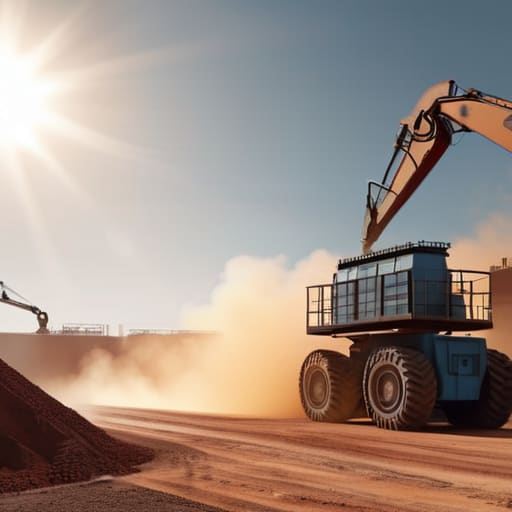
When we talk about the “green revolution,” we usually focus on the sleek, silent EVs gliding through city streets. But if you peel back the chassis, the reality is much messier. The actual process of lithium cobalt nickel extraction is a massive, energy-intensive headache that most people prefer to ignore. We’re essentially trying to build a high-tech future using methods that are often stuck in the industrial past. I’ve spent enough time looking at degradation data to know that if we don’t fix the way we source these materials, we’re just trading one environmental crisis for another.
The real friction lies in the upstream mining challenges that define the current landscape. It’s not just about finding the ore; it’s about the sheer logistical nightmare of refining it to a purity level that won’t fry a battery cell in six months. Right now, the industry is caught in a loop of high-stakes competition, where the rush to scale often overlooks the long-term stability of the ecosystem. We can’t just dig our way out of this; we need to start prioritizing supply chain resilience strategies that actually account for the physical limits of the earth.
Navigating the High Stakes of Critical Mineral Geopolitics
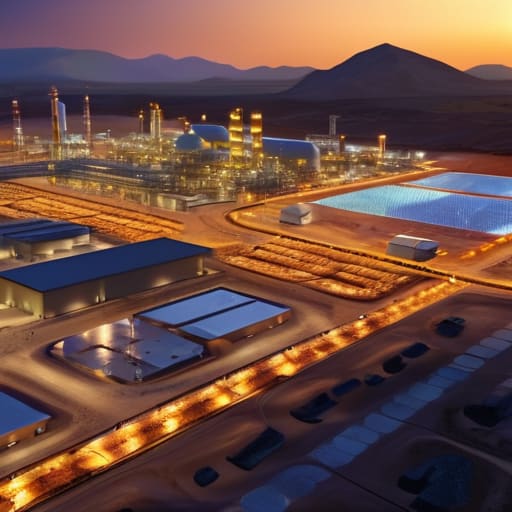
Here’s the thing: we like to pretend that electrons don’t care about borders, but they absolutely do. When we talk about critical mineral geopolitics, we aren’t just talking about trade disputes or tariffs; we’re talking about who actually controls the physical foundation of the energy transition. Right now, the concentration of refining capacity in just a few specific regions creates a massive single point of failure. If a single nation decides to tighten the screws on exports, the entire roadmap for electric vehicle battery manufacturing hits a brick wall. It’s not a theoretical risk anymore—it’s a mathematical certainty if we don’t diversify.
To fix this, we have to move past the “just mine more” mentality. Relying solely on new extraction to meet demand is a recipe for volatility. We need to be aggressive about supply chain resilience strategies that prioritize domestic processing and, more importantly, a massive scale-up of circular economy battery recycling. If we can’t recover the high-value materials from the packs currently sitting in scrap yards, we’re basically just running a race with one leg tied behind our backs. We need a closed loop, not just a longer line of mines.
Cutting Through the Noise: How to Actually Track Battery Material Integrity
- Look past the “green” marketing and demand raw data on mineral provenance; if a company can’t tell you exactly which mine your nickel came from, they’re just greenwashing.
- Prioritize chemistry shifts like LFP (Lithium Iron Phosphate) that ditch expensive, ethically messy cobalt in favor of more stable, abundant materials.
- Watch the recycling loop, not just the mining output—true supply chain security comes from “urban mining” (recovering metals from old cells) rather than just digging more holes in the ground.
- Don’t get blinded by “next-gen” hype; solid-state tech is the goal, but we need to see scalable manufacturing processes for current liquid-electrolyte cells before we call any breakthrough a winner.
- Map the midstream processing, not just the raw ore; the real bottleneck isn’t just finding lithium, it’s the chemical refining capacity required to turn that ore into battery-grade precursor.
The Bottom Line on the Battery Race
We need to move past the “green” marketing fluff and face the fact that true sustainability depends on diversifying our mineral sourcing and fixing the messy extraction process.
Geopolitical tension isn’t just a headline; it’s a massive bottleneck that could stall the entire EV transition if we don’t build more resilient, localized supply chains.
The real winners in this industry won’t just be the ones with the biggest battery packs, but the ones who master the chemistry and logistics required to scale without breaking the planet.
The Supply Chain Bottleneck
“We can design the most efficient solid-state cells in a lab, but all that engineering is useless if we can’t actually source the raw materials without destroying the very planet we’re trying to save. A battery isn’t just a piece of tech; it’s a massive, complex logistical chain of chemistry and minerals that has to be as sustainable as the energy it stores.”
Desmond Achebe
The Long Game
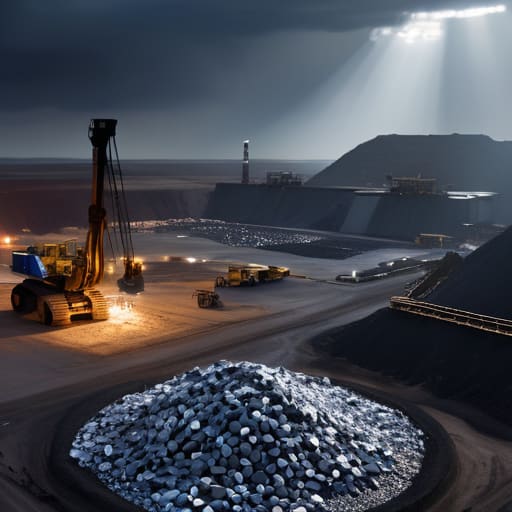
Look, we can’t keep pretending that the battery revolution is just about sleek car designs and zero-emission promises. We’ve seen the math: between the messy reality of cobalt extraction and the geopolitical chess match over nickel and lithium, the supply chain is a massive, fragile bottleneck. If we don’t solve the resource scarcity and the ethical headaches of mining, we’re just building a house on sand. We need to move past the corporate talking points and focus on the actual logistics of material security and the development of circular economies that prioritize recycling over constant, destructive extraction.
Despite the skepticism I carry, I’m still an optimist at heart. I spent my college years looking at degradation curves and solid-state potential because I know the hardware is capable of more than what we’re seeing today. The transition isn’t going to happen by accident or through vague ESG goals; it’s going to happen through engineering grit and smarter chemistry. We have the blueprint to build a truly sustainable grid and transport system, we just need the industrial willpower to build it right. The future is electric, but let’s make sure it’s actually built to last.
Frequently Asked Questions
Are we actually making progress on solid-state tech, or is that just a convenient way for manufacturers to kick the can down the road on current supply chain issues?
Look, I’m not going to sugarcoat it: there’s definitely some “kick the can” energy happening in boardrooms. It’s much easier to promise a solid-state miracle in 2030 than to fix the messy, high-stakes lithium supply chain today. But as someone who spent way too many hours in Georgia Tech labs, I can tell you the science is real. We’re seeing genuine breakthroughs in ceramic electrolytes, but we’re still a long way from mass-market scalability.
How much of the "green" label on these batteries is actually real, and how much is just clever marketing to hide the environmental cost of mining?
Honestly? It’s a massive amount of both. Companies love slapping a “green” sticker on a pack because it looks great in a PR deck, but they rarely talk about the massive water footprint in the Lithium Triangle or the carbon intensity of refining nickel. If we aren’t accounting for the full lifecycle—from the ore to the recycling plant—we’re just moving the pollution from the tailpipe to the mine. It’s not a lie, necessarily, but it’s definitely an incomplete picture.
If we can't secure a stable supply of cobalt and nickel, what's the realistic timeline for scaling LFP or sodium-ion batteries to a point where they can actually handle heavy-duty transport?
Look, if we can’t stabilize the cobalt and nickel supply, we’re looking at a 5-to-7-year window before LFP or sodium-ion truly move the needle for heavy-duty transport. LFP is already killing it in passenger cars, but it lacks the energy density for long-haul trucking or heavy machinery. Sodium-ion is the wild card, but we need massive scale in manufacturing first. We aren’t just fighting chemistry here; we’re fighting the physics of energy density.