Blog

  • Estimating the Long Term Reliability of Electric Vehicle Batteries

    Estimating the Long Term Reliability of Electric Vehicle Batteries

    I remember sitting in a Georgia Tech lab at 2:00 AM, staring at a series of degradation curves that looked nothing like the glossy marketing brochures I saw online. Most people think an EV is a “buy it and forget it” appliance, but the reality of ev battery life expectancy is way more complicated than a simple warranty sticker. I’m tired of seeing manufacturers gloss over the nuances of thermal management and cycle life just to close a sale. If we’re going to actually transition away from gas, we need to stop treating these cells like magic boxes and start respecting the actual chemistry happening inside them.

    I’m not here to sell you on the hype or give you more corporate greenwashing. My goal is to strip away the jargon and give you a grounded, data-driven look at what actually kills a battery versus what’s just a myth. We’re going to look at the real-world variables—from ambient temperature to charging habits—that dictate how long your hardware will actually stay on the road. No fluff, just the engineering truth.

    Table of Contents

    Lithium Ion Battery Degradation vs Marketing Hype

    Lithium Ion Battery Degradation vs Marketing Hype

    Marketing teams love to talk about “infinite” range and seamless transitions, but they rarely dive into the actual physics of what’s happening inside the cell. When you see a manufacturer touting a massive battery pack, they’re often glossing over the reality of lithium-ion battery degradation. It isn’t a sudden death; it’s a slow, chemical erosion. Every time you cycle that battery, you’re essentially dealing with micro-fractures in the electrode material and the gradual buildup of a solid electrolyte interphase layer. It’s like running a marathon every single day—eventually, your body just can’t bounce back quite the same way.

    The real gap between the brochure and the driveway lies in the distinction between state of health vs state of charge. Most people see their dashboard percentage drop and panic, thinking their battery is dying, but that’s just the charge level. The actual capacity—the total “fuel tank” size—is what’s slowly shrinking due to chemical aging. If we want to move past the hype, we have to stop treating batteries like magic boxes and start respecting the battery thermal management systems that are actually fighting to keep these cells from cooking themselves.

    The Crucial Difference State of Health vs State of Charge

    The Crucial Difference State of Health vs State of Charge

    This is where most people get tripped up, and honestly, it’s the biggest source of anxiety in EV forums. When you look at your dashboard and see “80% remaining,” you’re looking at your State of Charge (SoC). That’s just a snapshot of how much “fuel” is currently in the tank for your immediate trip. It’s temporary. It’s dynamic. It goes up when you plug in and down when you drive.

    The real metric that actually matters for your wallet—and my engineering brain—is the State of Health (SoH). Think of SoC as how much gas is in your car, while SoH is the actual condition of the engine. SoH tells you how much total energy the battery can hold compared to when it was brand new. This is the metric behind electric vehicle range loss over time. You can charge a battery to 100% SoC every single day, but if your SoH is dropping because of poor thermal management or extreme heat, you’re effectively driving a car with a shrinking fuel tank. Understanding the distinction between the two is the only way to stop panic-scrolling through range anxiety threads.

    Hard Truths: How to Actually Protect Your Battery's Lifespan

    • Stop living at the extremes. If you want to keep your State of Health (SoH) high, try to keep your charge between 20% and 80%. Constantly pinning it at 100% or letting it bottom out near 0% puts massive chemical stress on the cells, basically forcing the lithium ions to fight through a much more volatile environment.
    • Heat is the silent killer. I’ve seen enough degradation data to know that high temperatures are basically a fast track to permanent capacity loss. If you’re in a heatwave, try to park in the shade or use a garage; don’t let your battery bake while it’s sitting idle.
    • Fast charging is a tool, not a lifestyle. Yes, DC fast charging is great when you’re on a road trip, but if you make it your daily routine, you’re going to see faster degradation. The high current creates thermal spikes that can mess with the internal structure of the electrodes over time.
    • Let the thermal management system do its job. Most modern EVs have liquid cooling, which is a lifesaver, but don’t bypass it. If you’re planning a long trip, pre-conditioning your battery while it’s still plugged in can help it reach the optimal operating temperature before you even start driving.
    • Don’t obsess over every single percentage point, but do watch the trends. One bad charging cycle isn’t going to tank your car, but if you notice a sudden, non-linear drop in range, it’s time to look at the data or get it checked. Real longevity is about managing the cumulative stress, not avoiding one single mistake.

    The Bottom Line: What Actually Matters for Your Battery

    Stop obsessing over your daily percentage; “State of Charge” is just your fuel gauge, but “State of Health” is the actual structural integrity of your battery’s chemistry.

    Real longevity isn’t a mystery—it’s a battle against heat and extreme voltage cycles that physically degrade the lithium-ion structure over time.

    Don’t buy into the “disposable battery” narrative; if we optimize charging infrastructure and thermal management now, these cells can outlast the chassis they sit in.

    ## The Real Math Behind the Miles

    “If you want to know how long an EV battery will actually last, stop looking at the shiny marketing brochures and start looking at the thermal management and cycle life data. A battery isn’t just a tank of fuel; it’s a living chemical system, and if we don’t respect the chemistry, the hardware won’t respect your long-term plans.”

    Desmond Achebe

    The Bottom Line on Battery Longevity

    The Bottom Line on Battery Longevity.

    Look, at the end of the day, predicting exactly when an EV battery will hit its limit is less about a single “expiration date” and more about managing a complex chemical dance. We’ve looked at how degradation isn’t a sudden cliff, but a gradual slope influenced by thermal management, charging habits, and the fundamental difference between how much juice you have left right now (SoC) and how much total capacity your cells can actually hold (SoH). If you treat your battery like a high-performance piece of hardware rather than a disposable commodity—avoiding those deep discharges and extreme temperature swings—you’re already ahead of 90% of the drivers on the road. It’s about understanding the chemistry rather than just trusting the dashboard percentage.

    We are still in the early innings of the electric revolution, and while the current lithium-ion tech has its limitations, the roadmap toward solid-state and more sustainable chemistries is moving faster than most people realize. I’m not interested in the corporate gloss that says everything is perfect, but I am incredibly optimistic about the engineering breakthroughs happening in labs right now. We aren’t just building better cars; we are building the foundational infrastructure for a post-combustion world. The hardware is getting smarter, the cycles are getting longer, and once we solve the sustainability puzzle, the transition won’t just be inevitable—it’ll be unstoppable.

    Frequently Asked Questions

    If my battery's State of Health (SoH) starts dropping faster than expected, is it a hardware failure or just bad charging habits?

    Honestly, it’s usually your habits, not a hardware defect. Think of your battery like a vintage skateboard bearing: if you’re constantly redlining it or leaving it sitting at 100% in a hot garage, you’re basically grinding the metal down prematurely. If your SoH is plummeting, check your thermal management and stop doing those deep 0-to-100% cycles every single day. Unless you see a sudden, massive voltage drop, it’s likely just chemical fatigue from aggressive charging.

    How much does extreme weather—like those brutal summer heatwaves or freezing winters—actually accelerate the chemical breakdown inside the cells?

    Think of your battery like a person: extreme temps make it physically stressed. In a heatwave, high temperatures accelerate the parasitic side reactions within the electrolyte, basically cooking the chemistry and thickening the SEI layer—that’s the “crust” that forms on the anode. Conversely, freezing winters make the ions sluggish, increasing internal resistance. If you’re constantly pushing a battery through those extremes without thermal management, you’re essentially forcing the chemistry to degrade at double speed.

    Once a battery hits that "end of life" threshold for driving, what's the actual reality for second-life applications like home energy storage?

    Look, when a battery drops to about 70-80% capacity, it’s basically “retired” from the high-performance demands of an EV, but it’s far from dead. It’s like a marathon runner who can’t sprint anymore but can still walk miles. For home storage, that’s perfect. We can repurpose those cells to buffer solar arrays or shave peak loads. It’s not just a way to squeeze value out of the hardware; it’s the only way to make the circular economy actually work.

  • Standard Procedures for Battery Testing

    Standard Procedures for Battery Testing

    I still remember the smell of ozone and scorched electrolyte in my junior year lab at Georgia Tech when a prototype cell decided to vent right in front of me. It wasn’t some dramatic movie explosion, just a violent, hissing reminder that chemistry doesn’t care about your marketing slide decks. Most companies act like they can just slap a “long-lasting” sticker on a pack and call it a day, but the truth is that most current battery testing protocols are basically just glorified glorified versions of a high school science fair project. We’re seeing too much reliance on idealized, lab-controlled cycles that completely ignore how a battery actually behaves when it’s being hammered by real-world temperature swings and erratic charging habits.

    I’m not here to sell you on the latest “miracle” chemistry or repeat the same corporate greenwashing you see on LinkedIn. Instead, I want to pull back the curtain on the actual hardware requirements needed to ensure these cells don’t fail when we need them most. I’m going to break down the specific, rigorous stress-testing standards that separate real innovation from expensive hype, so you can understand what it actually takes to build a grid—and a vehicle—that lasts.

    Table of Contents

    Demystifying Lithium Ion Battery Degradation Analysis

    Demystifying Lithium Ion Battery Degradation Analysis.

    When we talk about why an EV battery loses its edge, most people point to “old age,” but that’s a lazy way to look at it. In the lab, we’re looking at the actual breakdown of the internal architecture. To really understand what’s happening under the hood, we have to dive into lithium-ion battery degradation analysis. It isn’t just about how many times you’ve plugged it in; it’s about the microscopic growth of the solid electrolyte interphase (SEI) layer. Think of it like scale buildup in an old copper pipe—it starts small, but eventually, it chokes the flow of ions, making the whole system less efficient.

    To get ahead of this, we can’t just rely on simple voltage checks. We use tools like electrochemical impedance spectroscopy to peer into the battery’s internal resistance. It’s basically a way of “listening” to the chemistry to see where the friction is occurring. If we aren’t mapping out the charge-discharge cycle life with this level of precision, we’re just guessing. And in my line of work, guessing is how you end up with a massive, expensive paperweight instead of a reliable grid asset.

    The Truth Behind Charge Discharge Cycle Life

    The Truth Behind Charge Discharge Cycle Life

    When you see a spec sheet claiming a battery can handle 2,000 cycles, take it with a grain of salt. Most of those numbers come from pristine lab environments where the temperature is perfectly controlled and the discharge rates are steady. In the real world—like when you’re driving an EV up a steep grade in the middle of winter—the physics change completely. We need to move past these idealized lab curves and focus on capacity retention testing that actually mimics how we live.

    The real struggle isn’t just about how many times you can plug a device in; it’s about how the internal chemistry reacts to the stress of constant movement. Every time you push a cell to its limit, you’re essentially playing a high-stakes game of attrition with the electrolyte. If we don’t prioritize rigorous, real-world stress testing over marketing-friendly cycle counts, we’re just setting consumers up for a massive hardware headache five years down the line. We need data that reflects the chaos of daily use, not just the perfection of a controlled bench test.

    Cutting Through the Lab Data: How to Actually Vet Battery Performance

    • Stop trusting “ideal condition” data. If a manufacturer only shows you cycle life results at a constant 25°C in a climate-controlled lab, they’re hiding the truth. Real-world testing needs to include thermal cycling; a battery that dies after 500 cycles in a Georgia summer isn’t a viable product, no matter what the datasheet says.
    • Look for C-rate transparency. Anyone can claim high capacity, but you need to know how that capacity holds up under high discharge rates. It’s like comparing a marathon runner to a sprinter—if the battery can’t handle the high C-rate demands of rapid acceleration or fast charging without massive voltage drops, it’s useless for EVs.
    • Demand Depth of Discharge (DoD) granularity. A battery might boast 2,000 cycles, but if that’s only when you’re doing shallow 20% discharges, that number is a total fabrication for consumer use. We need to see how the chemistry holds up under the standard 80-90% DoD cycles we actually use in daily life.
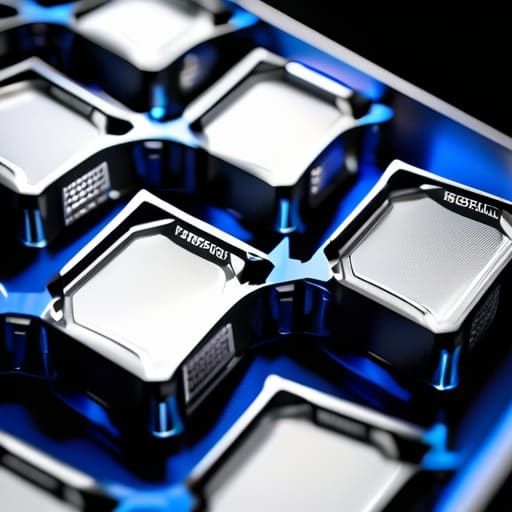
    • Check for impedance growth tracking. Don’t just look at capacity fade; look at how the internal resistance is climbing over time. As impedance goes up, efficiency goes down and heat goes up. If a testing protocol isn’t monitoring Electrochemical Impedance Spectroscopy (EIS) throughout the lifecycle, they’re missing the most critical warning sign of cell aging.
    • Prioritize “End-of-Life” definitions that actually matter. Some companies define a battery as “healthy” until it hits 80% capacity, but for certain grid-scale applications or high-performance EVs, that threshold might be too loose. We need standardized protocols that define failure based on both capacity loss and the ability to deliver peak power.

    The Bottom Line: Moving Past the Spec Sheets

    Stop trusting “ideal condition” lab data; if a battery’s cycle life hasn’t been tested against real-world thermal fluctuations and irregular charging habits, those numbers are basically just marketing fluff.

    We need to shift our focus from simple capacity retention to understanding the actual chemical health of the cell, because a battery that still “holds a charge” can still be a ticking time bomb of internal resistance.

    True sustainability in the EV transition won’t come from better software alone, but from standardized, transparent testing protocols that force manufacturers to prove their hardware can actually survive a decade of heavy use.

    ## The Data Doesn't Care About Your Marketing

    “We need to stop treating battery life like a marketing metric and start treating it like a stress test. You can’t just run a few perfect cycles in a climate-controlled lab and call it a day; if we aren’t testing these chemistries against real-world thermal swings and erratic discharge rates, we’re just building a future that’s destined to fail the moment it hits the pavement.”

    Desmond Achebe

    The Bottom Line on Battery Integrity

    The Bottom Line on Battery Integrity.

    At the end of the day, we can’t build a reliable grid or a long-range EV market on marketing fluff and “best-case scenario” lab data. We’ve looked at how lithium-ion degradation isn’t just a mystery, but a predictable chemical process, and how cycle life testing needs to move past simple laboratory loops into real-world thermal stress. If we don’t standardize how we measure these metrics, we’re just building a house of cards. We need to demand rigorous, transparent testing protocols that account for how these cells actually behave when they’re being slammed by fast chargers in a freezing Minnesota winter or sitting in a heatwave in Phoenix.

    I know it’s easy to get cynical when you see another startup claim they’ve “solved” energy density, but I’m staying optimistic because the math doesn’t lie. The transition to electric mobility is a massive engineering hurdle, but it’s one we can clear if we focus on the hardware. We don’t need more vague promises about a greener future; we need better chemistry, smarter infrastructure, and uncompromising data. If we get the testing right, we get the technology right—and that’s how we actually power the next generation without leaving a trail of dead, unrecyclable cells in our wake.

    Frequently Asked Questions

    If these lab-based cycle tests are so rigorous, why do we still see such a massive gap between advertised range and how a battery actually performs after two years of real-world driving?

    Because lab tests are essentially a controlled vacuum. In a lab, we’re running cycles at a steady 25°C with perfect voltage regulation. Real life is a mess. You’ve got rapid DC fast-charging in freezing temperatures, aggressive regenerative braking, and the thermal stress of sitting in a parking lot under a midday sun. Those “ideal” cycles don’t account for the chemical chaos of real-world driving. We aren’t just testing capacity; we’re testing survival against entropy.

    How much of the "degradation" we see in EVs is actually the chemistry failing, versus just the software managing the capacity to protect the hardware?

    It’s a bit of both, but don’t let the marketing fool you. A significant chunk of what users perceive as “lost” range is actually the Battery Management System (BMS) being aggressive. It’s basically a software buffer—limiting the usable window to prevent the cells from hitting extreme voltages that trigger permanent chemical damage. So, while some capacity loss is genuine, irreversible degradation, a lot of it is just the software protecting the hardware from itself.

    Are current testing standards actually accounting for extreme temperature swings, or are we just testing these cells in perfect, climate-controlled environments that don't reflect reality?

    Honestly? Most of the data we see in white papers is a total lie by omission. We’re testing these cells in lab-grade, climate-controlled environments where everything is “optimal.” But my cells don’t live in a lab; they live in a car parked in a Phoenix parking lot or a Chicago winter. Current standards are way too sanitized. If we aren’t stress-testing for massive thermal swings, we aren’t actually testing the battery—we’re just testing the air conditioner.

  • A Guide to Battery Cathode Chemistries

    A Guide to Battery Cathode Chemistries

    I still remember sitting in a cramped lab at Georgia Tech, staring at a series of failed lithium-ion cells that looked perfectly fine on the outside but were absolutely dead on arrival. It wasn’t a manufacturing error or a bad batch of electrolyte; it was a fundamental misunderstanding of the material science at the core. Most people looking for a cathode chemistry guide are going to be fed a diet of marketing buzzwords about “infinite range” and “eco-friendly breakthroughs” that don’t actually hold up under a microscope. I’m tired of seeing the industry gloss over the actual hardware just to sell a dream of seamless electric mobility.

    I’m not here to give you a glossy brochure or a sales pitch for the latest startup’s proprietary blend. Instead, I’m going to strip away the corporate greenwashing and look at the raw data behind the elements. This is going to be a pragmatic, deep dive into how different cathode compositions actually behave when they’re pushed to their limits in the real world. By the time we’re done, you’ll understand the real trade-offs between energy density, cycle life, and cost, so you can actually see through the hype.

    Table of Contents

    Decoding the Specific Capacity of Cathode Materials

    Decoding the Specific Capacity of Cathode Materials.

    When we talk about how much “juice” a battery can actually hold, we’re really talking about the specific capacity of cathode materials. Think of it like the fuel tank of an electric vehicle, but instead of liquid volume, we’re measuring how many lithium ions can physically shuttle in and out of the crystal structure during a charge cycle. If the host lattice is too cramped or rigid, you’re essentially leaving energy on the table. In my lab days at Georgia Tech, we saw this constantly: if you can’t move those ions efficiently, your energy density tanks, regardless of how much lithium you’ve pumped into the mix.

    This is where the real engineering battle happens. When we analyze NMC cathode performance, we aren’t just looking at a single number; we’re looking at how much charge we can squeeze out before the material starts to physically break down. If you push the capacity too far by overcharging or using extreme temperature swings, you risk triggering thermal runaway and cathode degradation. It’s a delicate balancing act between wanting a massive range and needing a battery that won’t turn into a brick after three years of heavy use.

    Why Lithium Ion Battery Electrode Materials Actually Matter

    Why Lithium Ion Battery Electrode Materials Actually Matter

    Look, it’s easy to get lost in the marketing jargon about “range anxiety” or “fast charging,” but if you want to understand why an EV actually performs the way it does, you have to look at the hardware level. The lithium-ion battery electrode materials are essentially the engine room of the entire cell. Everything from how much energy you can cram into a single pack to how many years that pack will actually last comes down to the atomic-scale dance happening between the anode and the cathode. If the chemistry is sloppy, the performance will be too.

    When we talk about real-world utility, we’re really talking about the stability of those materials under stress. For instance, high-performance setups often rely on NMC cathode performance to balance energy density with longevity, but there’s always a trade-off. If the crystal structure of the cathode can’t handle the constant shuffling of ions, you start seeing structural collapse. It’s not just about theoretical numbers on a spec sheet; it’s about preventing thermal runaway and cathode degradation before they even become a possibility in the field.

    How to Actually Read Between the Lines of Battery Specs

    • Stop obsessing over just energy density; you need to look at cycle life. A battery that packs a huge punch but dies after 300 cycles is just expensive e-waste in the making.

    • Watch the cobalt levels like a hawk. If a company isn’t being transparent about their cobalt sourcing or their move toward high-nickel/low-cobalt chemistries, they’re likely ignoring the massive ethical and supply chain bottlenecks.
    • Don’t let “solid-state” marketing hype fool you. It’s the holy grail, sure, but until we see scalable manufacturing processes that don’t cost a fortune, it’s still more lab theory than road-ready reality.
    • Pay attention to thermal stability in the data sheets. High capacity is great until the cathode becomes chemically unstable at high temperatures—then you aren’t looking at a battery, you’re looking at a thermal runaway risk.
    • Look for LFP (Lithium Iron Phosphate) in stationary storage or budget EVs. It might not have the same range as NMC, but the chemistry is way more robust and sustainable for long-term, heavy-duty cycling.

    The Bottom Line: Why the Chemistry Matters

    Energy density isn’t just a buzzword; it’s the difference between an EV that actually gets you across the state and one that leaves you stranded because the cathode couldn’t hold enough charge.

    We have to look past the marketing hype and realize that the specific material composition—whether it’s LFP or NMC—dictates everything from how much you’ll pay for the car to how many years the battery will actually last before it degrades.

    A sustainable transition requires more than just “going electric”; it requires a hard look at the supply chain and the chemical stability of these cells so we aren’t just trading one environmental crisis for another.

    ## The Real Cost of the Chemistry

    “If we’re going to move the needle on electric mobility, we have to stop treating the cathode like a black box. You can have the slickest software in the world, but if your chemistry can’t handle the cycle life or the energy density requirements, you’re just building a very expensive paperweight.”

    Desmond Achebe

    The Real Bottom Line

    Cathode chemistry: The Real Bottom Line.

    At the end of the day, understanding cathode chemistry isn’t just for people like me working in grid analysis or lab settings; it’s the foundation of the entire electric transition. We’ve looked at how specific capacity dictates your range and why the choice between LFP and NMC determines whether your battery survives a decade of heavy use or starts degrading after three years. It’s easy to get lost in the marketing jargon about “next-gen tech,” but if you strip away the corporate fluff, it all comes down to the molecular stability of the cathode and how efficiently it can move ions without falling apart. If we don’t get the hardware right, the software and the charging networks won’t matter.

    I’m genuinely optimistic about where we’re heading, but I’m not going to sit here and tell you that the road is easy. The shift from gas-guzzlers to high-density storage is going to be messy, and we are going to see a lot of “breakthroughs” that turn out to be nothing more than incremental tweaks. However, if we prioritize true material sustainability and demand better engineering over cheaper manufacturing, we can actually build a grid that lasts. The hardware is catching up to the hype—we just have to make sure it’s built to stay there.

    Frequently Asked Questions

    If we switch to LFP (Lithium Iron Phosphate) to save on costs and ethics, how much range am I actually sacrificing in the real world?

    Look, it’s the classic trade-off: cost and longevity versus pure energy density. If you swap NCM for LFP, you’re looking at a roughly 20-30% drop in theoretical range because LFP just can’t pack as many ions into the same footprint. But here’s the catch—LFP handles daily charging way better. You can hammer a 100% charge every night without the same degradation fears, so your “real world” usable range might actually stay more consistent over time.

    How much does the thermal stability of these different chemistries actually impact the long-term degradation of the cell?

    Look, if the chemistry can’t handle the heat, the battery is basically a ticking clock. High thermal instability isn’t just a safety risk; it’s a degradation accelerator. When a cell runs hot, you trigger parasitic side reactions that eat away at your electrolyte and grow that nasty SEI layer thicker every cycle. It’s like running an engine without coolant—sure, it works for a bit, but you’re structurally compromising the hardware until the capacity just tanks.

    We talk a lot about capacity, but how do these specific cathode materials handle high-speed charging without causing massive dendrite growth?

    That’s the million-dollar question. When you slam a massive amount of current into a cell, you’re basically forcing lithium ions to move faster than the electrolyte can smoothly distribute them. If the cathode structure isn’t optimized, those ions pile up at the anode interface instead of intercalating, creating those nasty metallic spikes we call dendrites. To fight this, we’re looking at doped crystal structures and specialized coatings that act like high-speed lanes, keeping the ion flux steady even during a fast charge.

  • Requirements for Maintaining Reliable Electric Vehicle Charging Infrastructure

    Requirements for Maintaining Reliable Electric Vehicle Charging Infrastructure

    Last weekend, I was out trying to test a new solid-state cell prototype when I pulled up to a “high-speed” DC fast charger, only to find the connector housing cracked and the screen dead. It’s the same old story: companies spend billions on flashy marketing and sleek hardware, but they completely neglect the actual charging station maintenance required to keep those electrons flowing reliably. We’ve been sold this dream of seamless electric mobility, but the reality is often a broken plug and a “service unavailable” error message. It’s not just annoying; it’s a fundamental failure to respect the hardware-software handshake that makes this entire transition possible.

    I’m not here to give you a corporate manual or a list of vague, expensive “best practices” that won’t actually fix a faulty cooling system. Instead, I’m going to break down the real-world technical requirements—from thermal management to connector integrity—that keep a network from falling apart. I want to show you what actual, sustainable upkeep looks like from a grid analyst’s perspective, so we can stop building a fragile ecosystem and start building one that actually works.

    Table of Contents

    Maximizing Charging Station Uptime Optimization Through Hardware Integrity

    Maximizing Charging Station Uptime Optimization Through Hardware Integrity

    Look, we can talk about software optimization all day, but if the physical hardware is trashed, your code doesn’t matter. I’ve spent enough time in labs looking at material fatigue to know that a charger is only as good as its weakest connection. We need to stop treating these units like “set it and forget it” appliances. A crucial part of charging station uptime optimization is performing a rigorous connector and cable wear assessment. If the pins are corroded or the thermal management inside the plug is failing, you aren’t just looking at a slow charge; you’re looking at a potential fire hazard and a dead unit.

    Realistically, we have to move toward a model of aggressive EV charger preventative maintenance. This means regular electric vehicle infrastructure inspection that goes beyond a simple visual check. I’m talking about checking torque on terminal connections and ensuring the cooling systems are actually clearing out dust. If the hardware integrity fails, the whole grid-to-vehicle handshake falls apart. We can’t build a sustainable future on hardware that’s falling apart at the seams.

    Electrical Safety Compliance for Chargers Beyond the Marketing Hype

    Electrical Safety Compliance for Chargers Beyond the Marketing Hype

    Look, we need to stop treating EVSE (Electric Vehicle Supply Equipment) like it’s just a glorified wall outlet. Most companies love to push their sleek UI and “smart” app integration, but that’s all fluff if the underlying hardware is a fire hazard. Real electrical safety compliance for chargers isn’t about having a pretty touchscreen; it’s about ensuring the ground fault protection and surge suppression are actually functioning under load. If the internal components aren’t rated for the thermal stress of a continuous high-amperage draw, you aren’t building a network—you’re building a liability.

    This is where a rigorous electric vehicle infrastructure inspection becomes non-negotiable. I’ve seen too many setups where the connections are loose or the thermal management is non-existent, leading to localized overheating. We can’t just rely on automated error codes to tell us when something is wrong. You need a physical, hands-on approach to catch the subtle signs of degradation before they trigger a catastrophic failure. If we want this transition to stick, we have to prioritize the boring, heavy-duty electrical standards over the flashy marketing gimmicks.

    Keeping the Juice Flowing: 5 Hard Truths About Station Upkeep

    • Stop treating thermal management like an afterthought. If your cooling systems are clogged or the fans are failing, you aren’t just losing efficiency—you’re literally cooking the power electronics and shortening the lifespan of the entire unit.
    • Don’t ignore the physical connection. I’ve seen too many cables with frayed shielding or loose connectors; that’s a recipe for high resistance, wasted energy, and a massive headache for the grid.
    • Software isn’t “set it and forget it.” You need to be aggressively pushing firmware updates to ensure the communication handshake between the vehicle’s BMS and the charger stays seamless and secure.
    • Watch the environmental wear and tear. Between salt spray and extreme temperature swings, the enclosure seals and housing integrity take a beating; if moisture gets in, the chemistry of the internal components is toast.
    • Monitor your load profiles, not just the uptime. If you see weird spikes or irregular current draws, don’t wait for a total failure—investigate the hardware immediately before a minor component failure turns into a full-scale outage.

    The Bottom Line: Moving Beyond "Set It and Forget It"

    Reliability isn’t a marketing buzzword; it’s a hardware reality. If we don’t prioritize rigorous, data-driven maintenance of the physical components, we’re just building expensive electronic paperweights that kill consumer confidence in EVs.

    Safety compliance has to be more than a checkbox for the legal department. Real electrical integrity means understanding how thermal stress and grid fluctuations actually impact the charger’s lifespan and the user’s safety.

    To make the transition to electric mobility actually stick, we have to stop treating charging infrastructure as a secondary thought and start treating it as the backbone of the grid that requires constant, proactive technical oversight.

    ## The Real Cost of Neglect

    “We can design the most efficient lithium-ion cells in the world, but all that energy density is useless if the hardware at the curb is failing. A charging station isn’t just a plug; it’s a critical interface between the grid and the vehicle, and if we treat maintenance as an afterthought, we’re just building a broken ecosystem on top of a massive promise.”

    Desmond Achebe

    The Bottom Line on Infrastructure

    The Bottom Line on Infrastructure maintenance.

    At the end of the day, we can’t treat EV infrastructure like it’s “set it and forget it” tech. We’ve talked about why hardware integrity is the backbone of uptime and why cutting corners on electrical safety is a recipe for systemic failure. If we ignore the physical reality of wear, tear, and thermal stress on these components, we aren’t actually building a transit revolution—we’re just building a massive, expensive collection of paperweights. Real reliability comes from rigorous, data-driven maintenance and a refusal to accept mediocre hardware standards just because they look good on a corporate slide deck.

    I’m genuinely optimistic about where we’re headed, but that optimism has to be grounded in the actual chemistry and engineering of the grid. We are standing at the threshold of a total shift in how the world moves, and that shift is only as strong as the chargers we plug into. Let’s stop settling for the bare minimum and start building a robust, sustainable ecosystem that can actually handle the load of the next generation. The hardware is the foundation; let’s make sure it’s built to last.

    Frequently Asked Questions

    How much of a difference does ambient temperature actually make to the long-term degradation of the charging cables and internal cooling systems?

    Honestly, it’s a massive factor. People think of “degradation” as just battery health, but the hardware takes a beating too. High ambient heat is a silent killer for the polymer insulation on charging cables—it makes them brittle and prone to micro-cracks. Even worse, if the internal cooling systems are fighting constant high temps, the pumps and fans work overtime, shortening their own lifespans. It’s a thermal feedback loop that kills uptime.

    Are we looking at a future where software-based predictive maintenance can actually catch hardware failures before the grid even feels the dip?

    That’s the million-dollar question. Honestly, we’re already seeing the groundwork being laid. We’re moving past simple error codes and into real-time telemetry. If we can leverage machine learning to monitor thermal fluctuations and voltage transients at the edge, we can catch a failing contactor or a degrading capacitor before it triggers a localized brownout. It’s not just about avoiding downtime; it’s about preventing the hardware from becoming a liability to grid stability.

    What’s the real-world cost-benefit of upgrading to liquid-cooled cables versus just sticking with the standard air-cooled setups we see everywhere right now?

    Look, if you’re just running a slow AC charger in a parking garage, air-cooled is fine. But if you’re pushing high-voltage DC fast charging, air-cooling is a bottleneck. It’s like trying to run a marathon in a heavy parka; the heat builds up, resistance climbs, and your charging speeds tank. Liquid cooling is more expensive upfront, sure, but the thermal management keeps the throughput consistent. You’re trading higher CapEx for much better uptime and efficiency.

  • Overview of the Electric Battery Manufacturing Process

    Overview of the Electric Battery Manufacturing Process

    I still remember the smell of scorched electrolyte in my sophomore year lab at Georgia Tech—a sharp, metallic tang that hits you right in the back of the throat when a cell goes sideways. Most people look at a sleek EV and see a futuristic gadget, but when I look at one, I see the incredibly volatile, high-stakes dance of the battery manufacturing process. There is so much corporate fluff out there claiming we’ve “solved” energy density, but if you actually step onto a factory floor, you realize the reality is much more granular and, frankly, much more difficult. We aren’t just building machines; we are trying to control molecular-level chaos at a massive scale.

    I’m not here to sell you on the utopian dream or parrot some CEO’s vague sustainability roadmap. Instead, I want to pull back the curtain on the actual hardware and the chemical hurdles that dictate whether a battery lasts five years or fifteen. We’re going to strip away the greenwashing and look at the real engineering behind cell production, from slurry mixing to formation. By the time we’re done, you’ll understand the technical friction that stands between us and a truly sustainable grid.

    Table of Contents

    Decoding the Critical Lithium Ion Battery Production Stages

    Decoding the Critical Lithium Ion Battery Production Stages.

    To understand how we actually get from raw minerals to a functional pack, you have to look at the heavy lifting happening during the anode and cathode fabrication phase. This isn’t just mixing powders; it’s precision engineering at a molecular level. We start with slurry preparation, where active materials are blended with conductive additives and binders. The real debate in the industry right now, though, is the shift toward dry electrode manufacturing vs wet coating. Wet coating is the current standard, but it’s incredibly energy-intensive because you have to bake off massive amounts of solvent. If we can perfect dry processing, we’re not just saving time—we’re slashing the carbon footprint of the factory itself.

    Once those electrodes are ready, we move into cell assembly, where the layers are stacked or wound with a separator in between. This is where things get high-stakes. We then move into the electrolyte filling techniques, injecting the liquid medium that allows ions to actually move. If the vacuum pressure or the temperature is even slightly off during this stage, you’re looking at a cell that might fail prematurely. It’s all about maintaining chemical purity to ensure the battery doesn’t just work today, but lasts for a decade.

    Anode and Cathode Fabrication Where the Real Chemistry Begins

    Anode and Cathode Fabrication Where the Real Chemistry Begins

    This is where the theoretical physics I studied at Georgia Tech actually hits the metal. In the anode and cathode fabrication stage, we aren’t just mixing ingredients; we’re engineering the very architecture of energy movement. For the cathode, you’re working with metal oxides—usually nickel, manganese, or cobalt—that have to be coated onto an aluminum foil substrate with surgical precision. If the coating is uneven by even a few microns, you’re looking at massive impedance issues down the line. It’s a high-stakes game of chemical consistency where even a tiny impurity can trigger a thermal runaway event.

    Lately, I’ve been tracking the massive industry shift regarding dry electrode manufacturing vs wet coating. The traditional “wet” method involves using toxic solvents like NMP that have to be evaporated in massive, energy-hungry ovens. It’s inefficient and, frankly, a bit of a headache for true sustainability. Moving toward dry coating—where we use a binder to create a film without the liquid solvent—is the kind of hardware-level optimization we actually need. It cuts down the factory footprint and slashes the carbon cost of production, which is the only way we’re going to hit those density targets.

    Beyond the Lab Bench: 5 Real-World Realities of Scaling Battery Production

    • Stop ignoring the “Dry Room” factor. You can have the most advanced cathode slurry in the world, but if your humidity control isn’t surgical, you’re basically inviting moisture to ruin your cell chemistry before it even leaves the factory.
    • Prioritize material purity over sheer volume. It’s tempting to chase high-throughput manufacturing to hit quarterly targets, but a single microscopic impurity in your electrolyte can lead to dendrite growth and catastrophic failure down the line.
    • Look for circularity in the supply chain, not just marketing buzzwords. Real manufacturing efficiency means designing the production line with end-of-life recycling in mind—if we can’t recover the cobalt and nickel easily, we haven’t actually solved the problem.
    • Watch the coating uniformity like a hawk. If your electrode coating has even a slight variance in thickness, you’re creating uneven current distribution, which is basically a death sentence for the battery’s cycle life and thermal stability.
    • Demand data-driven quality control at every single stage. We need to move past “batch testing” and toward real-time, in-line monitoring of every cell; in the world of high-density energy storage, “good enough” is how you end up with a massive recall.

    The Bottom Line on Battery Production

    Forget the marketing fluff; the actual performance of an EV depends entirely on the precision of the electrode coating and the purity of the chemical slurry used during fabrication.

    We can’t claim to be “green” if we don’t solve the massive energy and material waste issues inherent in the current manufacturing loop.

    Scaling up isn’t just about building bigger factories—it’s about perfecting the microscopic chemistry that prevents degradation before the battery even leaves the plant.

    ## The Gap Between Hype and Hardware

    “Everyone wants to talk about the sleek EV driving down the highway, but nobody wants to talk about the messy, high-precision reality of the slurry coating or the dry room environments required to make it happen. If we don’t get the manufacturing physics right at the cell level, all the software in the world won’t save us from a grid that can’t keep up.”

    Desmond Achebe

    The Reality Behind the Cells

    The Reality Behind the Cells: battery manufacturing.

    At the end of the day, manufacturing a battery isn’t just about scaling up a factory or cranking out more units; it’s a high-stakes game of precision chemistry. We’ve looked at how the slurry preparation, the delicate coating of electrodes, and the intense drying processes all dictate whether a cell becomes a powerhouse or just a glorified paperweight. If we mess up the anode-cathode balance or let even a microscopic amount of moisture into the assembly line, the whole system fails. We have to move past the superficial metrics of “how many cells per hour” and start prioritizing the integrity of the chemical architecture and the sustainability of the supply chain if we want these systems to actually last.

    I know the scale of the challenge looks massive, and the corporate talking points often make it sound like we’ve already solved it. They haven’t. But seeing the actual hardware—the way we manipulate ions and manage thermal stability—makes me realize how close we are to a real breakthrough. We aren’t just building components; we are building the foundation for a world that doesn’t rely on fossil fuels. It’s going to take more than just hype to get us there; it’s going to take rigorous engineering and a refusal to settle for mediocre chemistry. Let’s get to work on the real stuff.

    Frequently Asked Questions

    If we're getting the chemistry right in the lab, what's the biggest bottleneck when we actually try to scale those processes to a massive gigafactory level?

    The biggest bottleneck isn’t the chemistry itself—it’s the “dry room” problem. In a lab, you can control every milligram of moisture. But when you’re scaling to a gigafactory, you’re dealing with massive rolls of electrode material that are hyper-sensitive to humidity. If even a tiny amount of water hits that lithium, you get side reactions that ruin the cell’s stability. Scaling means maintaining surgical-grade environmental control across thousands of square feet, and that’s incredibly expensive and difficult to do.

    How much of the current manufacturing cost is tied to the raw materials versus the actual energy required to run the production lines?

    If you look at the spreadsheets, the raw materials—lithium, nickel, cobalt—are the heavy hitters, usually eating up about 60% to 70% of the total cell cost. The actual electricity used to run the dry rooms and sintering ovens is a smaller slice, but don’t let that fool you. As we scale, the energy intensity of manufacturing becomes a massive bottleneck for both margins and our actual sustainability goals. It’s a math problem we haven’t solved yet.

    Once these cells are manufactured, how much of the process is actually designed with end-of-life recycling in mind, or are we just building future e-waste?

    Honestly? Right now, we’re mostly just building future e-waste. Most current manufacturing is optimized for energy density and cost-per-kWh, not for how easy it is to pull a cell apart. We’re basically gluing high-tech materials together in ways that make recovery a nightmare. If we don’t shift toward “design-for-disassembly” and standardized chemistries, we’re just trading a carbon crisis for a massive, toxic mineral graveyard. We need circularity baked into the hardware, not added as an afterthought.

  • The Role of Supercapacitors in Energy Storage Technology

    The Role of Supercapacitors in Energy Storage Technology

    I remember sitting in a cramped lab at Georgia Tech, surrounded by the smell of ozone and burnt flux, staring at a lithium-ion cell that had just hit its degradation limit after a few hundred cycles. It was frustrating. Every tech blog at the time was preaching that lithium was the only way forward, acting like the energy density conversation was a solved puzzle. But as I watched the voltage sag under heavy load, I realized we were ignoring a massive piece of the hardware puzzle: supercapacitors. We keep trying to force chemical batteries to do jobs they weren’t built for, like handling massive, instantaneous power spikes, instead of integrating the high-rate discharge capabilities that these devices offer.

    I’m not here to sell you on some futuristic fantasy or parrot a corporate press release about “next-gen energy.” I want to talk about the actual physics and implementation of how we can use these tools to stabilize a grid or shave the peaks off an EV’s power demand. In this post, I’m going to break down the real-world chemistry of supercapacitors and explain why they aren’t a replacement for lithium, but rather the essential partner we need to make electric mobility actually sustainable.

    Table of Contents

    Decoding the Energy Density vs Power Density Tradeoff

    Decoding the Energy Density vs Power Density Tradeoff.

    To understand why we aren’t just swapping every Li-ion pack for a massive capacitor, you have to grasp the fundamental tension between energy density vs power density. Think of it like the difference between a massive water tank and a high-pressure fire hose. A battery is that water tank; it holds a huge volume of energy, but it releases it through a slow, controlled chemical reaction. This makes it great for cruising down the highway, but it struggles when you need a massive, instantaneous burst of juice.

    On the flip side, devices utilizing electric double-layer capacitors act more like the fire hose. Instead of waiting for slow chemical shifts, they store energy physically through ion adsorption at the electrode surface. This allows for nearly instantaneous discharge, but the trade-off is that they simply can’t hold enough “volume” to power a car for 300 miles. If we want to see real supercapacitor applications in EVs, we have to stop viewing them as battery replacements and start seeing them as the ultimate teammates—handling the high-stress, high-power spikes that currently cook our lithium cells.

    The Reality of Electrochemical Capacitance in Real World Hardware

    The Reality of Electrochemical Capacitance in Real World Hardware.

    When you actually crack open a cell, the magic isn’t just in the “storage”—it’s in how the ions move. Most people think of batteries as a slow chemical soak, but we’re looking at something much more kinetic here. In standard electric double-layer capacitors, the energy is stored through the physical accumulation of ions at the interface between the electrode and the electrolyte. It’s essentially a massive, lightning-fast electrostatic dance. There’s no sluggish chemical reaction slowing things down, which is why you can dump a massive amount of current into the system almost instantly without the thermal runaway fears that keep me up at night when I’m looking at aging Li-ion packs.

    However, if we want to bridge the gap toward actual EV viability, we have to look at pseudocapacitance mechanisms. This is where we move beyond simple physical adsorption and start utilizing fast, reversible redox reactions at the electrode surface. By integrating materials like carbon nanotube electrodes, we can trick the system into behaving like a hybrid—getting that extra bit of capacity without losing the rapid-fire discharge capabilities. It’s a delicate balancing act, but it’s the only way we move from niche industrial tools to hardware that can actually handle the regenerative braking loads of a modern vehicle.

    How to Actually Use Supercaps Without Losing Your Mind (or Your Budget)

    • Stop trying to make them your primary energy source. If you’re looking for long-range cruising, stick to Li-ion; use supercapacitors for the heavy lifting like regenerative braking bursts or high-current startup loads.
    • Respect the voltage limits like your life depends on it. Unlike a battery that might just get warm if you push it, overcharging a supercapacitor can lead to electrolyte breakdown and a very messy, very permanent hardware failure.
    • Think in terms of “power bursts,” not “energy reservoirs.” When you’re designing a system, don’t ask how long it will run, ask how much instantaneous current it can dump into the motor without causing a massive voltage sag.
    • Don’t ignore the ESR (Equivalent Series Resistance) in your spec sheets. A low ESR is the difference between a smooth power delivery and a component that turns into a glorified space heater during high-drain cycles.
    • Pair them with your battery packs to extend their lifespan. By using a supercap to soak up those aggressive, high-frequency current spikes from regenerative braking, you’re actually protecting your expensive lithium cells from the kind of thermal stress that kills cycle life.

    The Bottom Line: Why Supercapacitors Aren't a Magic Bullet (But Are Essential)

    We need to stop treating supercapacitors like they’re meant to replace lithium-ion batteries; they aren’t competing for the same job, they’re meant to handle the high-stress bursts that kill battery longevity.

    The real win for sustainable mobility isn’t just better chemistry, it’s hybridizing these systems so we can use high-power supercapacitors to buffer the grid and the vehicle during rapid charge/discharge cycles.

    If we want to move past the “range anxiety” era, our focus has to shift from just chasing higher energy density to mastering power density and thermal management in real-world hardware.

    The Lithium Crutch

    “We keep trying to force lithium-ion batteries to do things they weren’t built for—like handling massive, instantaneous power spikes—and then we act surprised when the cycle life tanks. If we want a grid and a fleet that actually lasts, we have to stop treating supercapacitors like a niche curiosity and start seeing them as the necessary shock absorbers for our entire energy ecosystem.”

    Desmond Achebe

    The Road Ahead

    The Road Ahead for hybrid EV batteries.

    At the end of the day, supercapacitors aren’t going to replace the lithium-ion cells sitting in your EV right now, and anyone telling you otherwise is selling you snake oil. We’ve looked at the math: the power density is insane, but the energy density just isn’t there for long-range cruising. The real win happens when we stop treating these technologies like rivals and start seeing them as a hybrid ecosystem. By using supercapacitors to handle the heavy lifting of regenerative braking and rapid acceleration bursts, we can actually reduce the thermal stress on our main battery packs, effectively extending the lifecycle of the entire vehicle.

    We are standing at a massive inflection point in grid and mobility hardware. The transition to electric isn’t just about swapping a gas tank for a heavy slab of lithium; it’s about building a smarter, more resilient way to move energy from point A to point B. If we can master this hardware integration, we move past the era of “good enough” battery life and into a world of true energy efficiency. I’m tired of the corporate hype cycles—I want to see the engineering that actually makes this sustainable. Let’s stop chasing the dream of a perfect battery and start building the integrated infrastructure that actually works.

    Frequently Asked Questions

    If supercapacitors are so good at rapid discharge, why aren't we seeing them replace lithium-ion batteries in standard consumer EVs right now?

    Look, it’s a simple math problem that keeps them from being a viable standalone solution: energy density. While supercapacitors can dump their charge in seconds, they’re basically empty tanks compared to Li-ion. If you tried to power a Tesla with just supercapacitors, you’d need a pack so massive and heavy the car wouldn’t even move. We aren’t replacing Li-ion; we’re looking for ways to pair them so the capacitors handle the heavy lifting during rapid acceleration and regenerative braking.

    How do we actually solve the self-discharge problem so these things don't just bleed out their energy while parked in a garage?

    The “leaky bucket” problem is the biggest headache for supercaps in long-term storage. Since they rely on an electric field rather than a chemical reaction, that potential just wants to dissipate. To fix this, we’re looking at advanced dielectric materials and tighter electrolyte purity to minimize parasitic currents. In the short term, it’s about smart management systems—using a small, low-leakage secondary buffer to trickle-charge the main stack, keeping the voltage stable without the massive self-discharge drain.

    From a hardware lifecycle perspective, are supercapacitors actually more sustainable, or are we just swapping one set of rare-earth mineral headaches for another?

    Honestly, it’s a bit of both, but the math leans toward a win. Unlike Li-ion, we aren’t chasing cobalt or nickel—the stuff that causes massive ethical and environmental headaches in the supply chain. Most supercapacitors rely on carbon and much more abundant materials. They also handle thousands of cycles without the same level of chemical degradation. We aren’t escaping resource scarcity entirely, but we are definitely swapping high-stakes mineral mining for much more manageable hardware.

  • Understanding the Concept of Energy Density in Batteries

    Understanding the Concept of Energy Density in Batteries

    I remember sitting in my undergrad lab at Georgia Tech, staring at a lithium-ion cell that looked no different from the one in my phone, yet its performance data was a complete disaster. Most people hear “energy density explained” in marketing brochures and think it’s just a fancy way of saying “longer range,” but that’s a massive oversimplification that ignores the actual physics. The industry loves to throw around these buzzwords to distract from the fact that we are still hitting massive walls with weight-to-power ratios. If we want to move past the era of heavy, inefficient battery packs, we have to stop treating this like a magic trick and start treating it like the hardcore chemical engineering problem it actually is.

    I’m not here to sell you on some vague, corporate “green” dream or promise you a revolution that’s always ten years away. Instead, I’m going to strip away the fluff and show you the raw math behind how much juice we can actually cram into a single cell without it becoming a brick. We’re going to look at the real bottlenecks—from anode chemistry to electrolyte stability—so you can actually understand the hardware that is going to dictate the future of how we move.

    Table of Contents

    The Crucial Distinction Specific Energy vs Energy Density

    The Crucial Distinction Specific Energy vs Energy Density

    Here is where most people—and honestly, even some marketing departments—get tripped up. In the industry, we talk about “density” like it’s one single number, but if you’re designing a vehicle, you can’t treat them as interchangeable. You have to look at specific energy vs energy density as two different battlefronts. Think of it like this: specific energy is about how much “juice” you have relative to the weight of the battery, while volumetric density is about how much space that juice takes up in the chassis.

    If I’m restoring a vintage electric skateboard, I’m obsessed with specific energy because every extra gram of weight kills my acceleration. But if I’m looking at a Tesla pack, the engineers are fighting a war of volumetric constraints—trying to cram as much capacity as possible into a fixed footprint under the floorboards. When we analyze energy density in lithium-ion batteries, we aren’t just looking at one metric; we’re balancing the weight of the electrolytes and cathodes against the physical dimensions of the cell. If you ignore this distinction, you’re basically building a car that either weighs as much as a tank or has the range of a golf cart.

    Why Gravimetric Energy Density vs Volumetric Defines Our Future

    Why Gravimetric Energy Density vs Volumetric Defines Our Future

    Here is where the math gets real for engineers and designers. When we talk about gravimetric energy density vs volumetric, we’re essentially fighting a two-front war against weight and space. If you’re building a high-performance EV, you want high specific energy so the car isn’t a heavy, sluggish tank. But if you’re designing a compact commuter or a smartphone, you’re obsessed with volumetric density—how much juice you can cram into a tiny, rigid footprint without the device becoming a brick.

    The struggle is that these two metrics often pull in opposite directions. You can have a chemistry that is incredibly light, but if the electrolyte and separator take up massive amounts of room, you lose the battle for packaging. This is why we can’t just look at one number in a vacuum; we have to understand the interplay between mass and volume to make electric mobility practical. If we don’t solve this balancing act, we’re just going to end up with massive, heavy battery packs that take up more room than the passengers.

    How to Spot Real Progress (and Filter Out the Hype)

    • Don’t let “range” fool you; if a manufacturer claims a massive range but doesn’t mention the battery weight, they’re likely just stuffing more heavy cells into the chassis, which kills your efficiency.
    • Watch the chemistry, not the marketing; a jump from liquid electrolytes to solid-state is a much bigger deal for density than any “software optimization” a car company claims to have found.
    • Keep an eye on the thermal management; high energy density is useless if the cells overheat and degrade after six months, because a battery that can’t hold its density over time is just expensive scrap metal.
    • Look for the volumetric wins; in the EV world, we aren’t just fighting for lighter batteries, we’re fighting for smaller ones so we can actually have usable cabin space without sacrificing power.
    • Question the sustainability of the density; if a new high-density cathode requires rare-earth minerals that are impossible to recycle, it’s not a breakthrough, it’s just a future environmental headache.

    The Bottom Line: Why the Math Actually Matters

    Stop treating “energy density” like a catch-all term; if you’re designing a long-range EV, you need to be obsessing over gravimetric density to shed weight, but if you’re looking at compact urban mobility, volumetric density is what determines if your tech actually fits the frame.

    We can’t just chase higher numbers for the sake of a spec sheet; the real win is finding the “sweet spot” where high energy density meets thermal stability and cycle life, otherwise, we’re just building high-performance paperweights that degrade after six months.

    The transition to electric isn’t just a software update—it’s a hardware battle. Until we bridge the gap between theoretical chemistry in the lab and scalable, high-density manufacturing in the real world, the “electric revolution” will stay stuck in the prototyping phase.

    ## The Real Bottleneck

    “We can keep marketing ‘range anxiety’ solutions that just involve adding more heavy battery packs, but until we solve the fundamental chemistry of energy density, we’re just building heavier versions of the same problem. True mobility isn’t about how big your battery is; it’s about how much punch you can pack into every single gram of that hardware.”

    Desmond Achebe

    The Bottom Line on Density

    The Bottom Line on Density explained.

    Look, we can keep debating whether we need more grams per kilowatt-hour or more watt-hours per liter, but the reality remains the same: we are fighting a war against physics. If we can’t solve the puzzle of packing more juice into smaller, lighter footprints, we’re just going to be building heavier EVs that require even more energy to move. We’ve covered the math, from the distinction between specific and volumetric density to why the weight-to-volume ratio is the ultimate gatekeeper for long-range transport. At the end of the day, it’s not about the marketing fluff; it’s about optimizing the chemistry so we can stop making compromises between range and efficiency.

    I know the road ahead looks complicated—and honestly, looking at some of the current supply chain bottlenecks, it is. But I’m genuinely optimistic because the breakthroughs we’re seeing in solid-state research and silicon anodes aren’t just incremental; they’re foundational. We are moving past the era of “good enough” batteries and entering an age where the hardware finally matches our ambitions. The transition to electric mobility isn’t just a dream for the next decade; it’s a technical inevitability if we stay focused on the real science. Let’s stop chasing the hype and start building the density that actually moves the world.

    Frequently Asked Questions

    If we finally crack the code on solid-state batteries, how much of a jump in energy density are we actually talking about compared to the lithium-ion cells we're using now?

    If we actually pull off solid-state, we aren’t just looking at a marginal upgrade; we’re looking at a massive leap. Right now, we’re hitting a ceiling with liquid electrolytes in Li-ion. By swapping that for a solid ceramic or polymer, we can use lithium-metal anodes, which are the holy grail. Realistically? We’re talking about potentially doubling the energy density. That’s the difference between a heavy EV that struggles on long hauls and one that feels truly effortless.

    Does chasing higher energy density mean we're sacrificing battery lifespan or safety, and is that a trade-off worth making for longer range?

    Here’s the reality: it’s almost always a trade-off. When we push for higher density, we’re basically cramming more reactive lithium into a tighter space. It’s like packing a suitcase so full that the zipper is screaming—it works, but one wrong move and things get messy. We often see faster degradation or increased thermal risks when we chase that extra range. Is it worth it? If we can stabilize the chemistry, yes. But we can’t let range hype blind us to the fact that a battery that dies in three years isn’t actually sustainable.

    How much of the "range anxiety" we hear about is actually a chemistry problem versus a thermal management and charging infrastructure problem?

    Look, people love to blame “range anxiety” entirely on chemistry, but that’s a massive oversimplification. Sure, if we can’t squeeze more Wh/kg out of the cells, we’re hitting a ceiling. But honestly? A lot of this is a thermal management and infrastructure nightmare. You can have the best chemistry in the world, but if your cooling system can’t handle high-speed DC charging without cooking the cells, or if the grid can’t support the load, that range is basically useless.

  • Understanding Electric Vehicle Battery Management Systems

    Understanding Electric Vehicle Battery Management Systems

    I still remember the smell of scorched electrolyte in my junior year lab at Georgia Tech—a sharp, metallic tang that hits you right in the back of your throat when a cell goes sideways. I was staring at a series of lithium-ion packs that were supposed to be “state-of-the-art,” but they were degrading faster than the cheap gas guzzlers my neighbors used to drive. It wasn’t a chemistry failure; it was a failure of oversight. Everyone talks about range anxiety and fancy infotainment screens, but they completely ignore the fact that ev battery management is the only thing standing between a long-lasting vehicle and a very expensive paperweight.

    I’m not here to sell you on the corporate dream of a seamless green utopia or some vague software update that magically fixes everything. I want to talk about the actual hardware and the logic required to keep these cells healthy. In this post, I’m stripping away the marketing fluff to give you a grounded, data-driven look at how we actually control voltage, temperature, and state-of-charge. We’re going to dive into the real mechanics of how a management system works so you can understand what’s actually happening under the floorboards.

    Table of Contents

    Mastering Bms Architecture and Components for Real World Durability

    Mastering Bms Architecture and Components for Real World Durability

    Look, a lot of people think a BMS is just a glorified software layer, but if you actually pop the hood on a high-performance pack, you realize it’s a brutal hardware game. You aren’t just managing code; you’re managing physical chaos. A solid BMS architecture and components setup has to handle the reality of heat, vibration, and uneven cell aging. If your sensing circuits aren’t precise, you’re basically flying blind. I’ve seen too many “innovative” designs fail because they underestimated the sheer complexity of voltage monitoring in electric vehicles under heavy load.

    To get real-world durability, you have to move past basic monitoring and into active protection. This means your hardware needs to be fast enough to trigger lithium-ion battery safety protocols before a single cell goes thermal. It’s about more than just preventing a fire; it’s about fine-tuning the balance between every individual cell to ensure the whole pack doesn’t die prematurely. If the hardware can’t keep up with the chemistry, all the fancy algorithms in the world won’t save your battery life.

    Beyond Vague Promises Precision in Battery State of Charge Estimation

    Beyond Vague Promises Precision in Battery State of Charge Estimation

    Look, we’ve all seen the marketing: a digital gauge that promises you 200 miles of range, only to watch it tank to zero the moment you hit a steep grade or a cold snap. That’s because most manufacturers are playing a guessing game. Real battery state of charge estimation isn’t just about reading a voltage number; it’s about understanding the complex, non-linear dance happening inside the cell. If your algorithm can’t account for internal resistance or temperature fluctuations, you aren’t providing a range estimate—you’re providing a guess.

    To get this right, we have to move past simple look-up tables and start leaning into Kalman filters and sophisticated electrochemical models. We need to bridge the gap between raw sensor data and the actual chemical reality of the cells. When we nail this level of precision, we aren’t just making the dashboard look better; we are actively engaging in battery degradation prevention. By knowing exactly where the ions are and how much stress the chemistry is under, we can stop the “range anxiety” cycle and actually build hardware that lasts for a decade, not just a few years.

    Hard Truths: 5 Ways to Stop Treating Your Battery Like a Disposable Asset

    • Stop chasing the 100% charge high. If you want your cells to actually survive more than a few years, you need to treat the 80% mark as your new ceiling for daily use. Keeping lithium-ion cells sitting at max voltage is like keeping a rubber band stretched to its absolute limit—eventually, the chemistry just gives up.
    • Thermal management isn’t just a luxury; it’s the difference between a long life and a thermal runaway nightmare. If your BMS isn’t actively fighting to keep the pack in that sweet spot—roughly 25°C to 35°C—you’re essentially cooking your capacity away every time you hit the highway.
    • Respect the C-rate. We love the idea of “Ludicrous” acceleration, but slamming the battery with massive current spikes causes internal heating and mechanical stress on the electrodes. High power is great, but if you do it constantly, you’re trading long-term health for short-term dopamine hits.
    • Don’t trust a single sensor blindly. Real-world durability requires redundant data. A single temperature probe or voltage tap can fail, and if your BMS thinks everything is fine when it’s actually redlining, you’re in trouble. Robust systems need to cross-reference data points to catch errors before they become hardware failures.
    • Deep discharges are the silent killers. Letting your pack sit at near-zero state of charge (SoC) is a recipe for copper dissolution and permanent capacity loss. Think of it like running a marathon on an empty stomach—you might finish, but you’re going to do some serious damage to your system in the process.

    The Bottom Line: Why Precision Matters

    Stop treating the BMS like a secondary software layer; it is the literal heartbeat of the cell. If your voltage monitoring and thermal management aren’t tight, you aren’t building a long-term energy solution, you’re just building a ticking time bomb.

    Accuracy in State of Charge (SoC) estimation isn’t just about preventing “range anxiety”—it’s about preventing premature degradation. When we miscalculate how much energy is actually left in the tank, we force the chemistry to work harder than it should, killing the battery’s lifespan.

    Real sustainability requires moving past the marketing fluff. To make high-density storage actually viable for the masses, we have to prioritize hardware-level precision and robust architecture that can handle the messy, real-world thermal stresses of daily driving.

    The Myth of the "Smart" Battery

    You can have all the AI-driven software in the world, but if your BMS isn’t managing thermal runaway and cell balancing with surgical precision, you don’t have a smart battery—you just have an expensive paperweight waiting to degrade.

    Desmond Achebe

    The Bottom Line on Battery Longevity

    The Bottom Line on Battery Longevity.

    At the end of the day, a high-performance EV is only as good as the intelligence governing its cells. We’ve looked at how robust BMS architecture prevents catastrophic failure and why precision in State of Charge estimation is the difference between a reliable vehicle and a paperweight. It isn’t just about preventing a fire or a sudden shutdown; it’s about managing the microscopic dance of ions to ensure that the lithium doesn’t degrade prematurely. If we ignore the hardware realities of voltage balancing and thermal management, all the fancy software in the world won’t save us from a dead battery pack in three years.

    We are standing at a massive crossroads in energy history, and I refuse to let us get distracted by flashy marketing that ignores the actual science. The transition to electric mobility is going to happen, but it has to be built on a foundation of real, sustainable engineering, not just empty promises of “infinite range.” As we push the boundaries of solid-state and high-density storage, let’s keep our eyes on the chemistry and the data. We aren’t just building better cars; we are building the infrastructure for a world that actually works. Let’s get the hardware right the first time.

    Frequently Asked Questions

    If we’re getting better at estimating State of Charge, how much can we actually squeeze out of existing cell chemistries before we hit a hard physical limit?

    Look, better SoC estimation doesn’t change the laws of physics, but it stops us from leaving money on the table. Think of it like a fuel gauge that’s actually accurate versus one that guesses. If we stop “padding” the usable capacity just to be safe, we can tap into that extra 5-10% of energy currently sitting idle. We aren’t rewriting the chemistry, but we are finally stopping the waste caused by overly conservative software.

    How much of the current "range anxiety" is actually a software/BMS problem versus just needing higher energy density in the hardware?

    Honestly? It’s a bit of both, but we’re over-indexing on the wrong one. We keep chasing higher energy density like it’s a magic bullet, but if your BMS is trash, that extra capacity is useless. You can have a massive tank of fuel, but if your gauge is lying to you, you’re still going to panic at a rest stop. We need better chemistry, sure, but we also need smarter software to actually manage what we have.

    When we talk about long-term durability, how do we prevent a BMS from just being a "band-aid" for cells that are already chemically degrading?

    Look, a BMS isn’t a miracle cure; it’s more like a high-tech coach. If the cells are already hitting the wall due to SEI layer growth or lithium plating, a BMS can only manage the fallout, not reverse the chemistry. To avoid the “band-aid” trap, we have to move toward proactive thermal management and tighter voltage limits. We need to stop just reacting to degradation and start using predictive modeling to prevent the chemical damage from happening in the first place.

  • The Impact of High Power Charging Stations on Driver Behavior

    The Impact of High Power Charging Stations on Driver Behavior

    I remember sitting in a cramped lab at Georgia Tech, staring at a lithium-ion cell that had just been cooked by an aggressive, unoptimized charge cycle. The smell of venting electrolyte is something you never forget—it’s the scent of wasted potential. Everyone talks about the convenience of fast charging stations like they’re a magic wand for range anxiety, but they rarely talk about the thermal stress and chemical degradation happening under the hood. We’ve been sold this dream of instant energy, but if we aren’t careful about how we manage the heat and the voltage curves, we’re just trading long-term battery health for a few minutes of saved time.

    I’m not here to sell you on the corporate marketing fluff or the “future is here” slogans. Instead, I want to pull back the curtain on the actual hardware and the real-world chemistry that dictates whether a charger is a tool or a liability. We’re going to look past the flashy kiosks and dive into what actually makes a charging network sustainable, from grid stability to the way current affects your cell’s lifespan.

    Table of Contents

    Level 3 Charging vs Dc Fast Charging Separating Hype From Hardware

    Level 3 Charging vs Dc Fast Charging Separating Hype From Hardware.

    Here is the reality: the terms “Level 3” and “DC Fast Charging” get thrown around in marketing meetings like they’re interchangeable, but if you’re looking at the actual hardware, they aren’t. When people talk about level 3 charging vs dc fast charging, they’re usually trying to describe the same goal—getting juice into your car quickly—but the technical distinction matters for your wallet and your car. Level 2 is your standard home setup, pulling power from the AC grid, whereas DC fast charging bypasses that onboard converter to hit the battery directly with high-voltage current.

    As an engineer, my main concern isn’t just how fast the numbers on the screen climb, but how that heat affects your electric vehicle battery health over the long haul. Pumping massive amounts of energy into a cell causes thermal stress, which is why the chemistry matters just as much as the plug. If we’re going to rely on ultrafast charging technology to make long-distance travel viable, we have to ensure the thermal management systems in these stations are actually up to the task, rather than just chasing high kilowatt hour charging rates for the sake of a flashy spec sheet.

    Why Ev Charging Network Availability Is Still a Chemistry Problem

    Why Ev Charging Network Availability Is Still a Chemistry Problem

    People always talk about the lack of chargers like it’s just a real estate issue—not enough plugs in the right spots. But as someone who spends my days staring at grid stability models, I see it differently. The real bottleneck is that our current infrastructure isn’t designed to handle the massive thermal loads required for true ultrafast charging technology. When you try to shove massive amounts of energy into a cell in minutes, you aren’t just moving electrons; you’re managing a chemical furnace.

    If the local grid can’t support the specific kilowatt hour charging rates these high-performance vehicles demand, the station becomes a glorified trickle charger. This creates a massive gap in ev charging network availability where a station might technically exist on a map, but it lacks the “muscle” to actually do the job. We end up with a fragmented system where the hardware at the plug doesn’t match the chemistry in the car, leading to longer wait times and, more importantly, unnecessary stress on the lithium-ion cells.

    Stop Guessing: How to Actually Navigate the Fast-Charging Chaos

    • Don’t just look at the “kW” number on the app. A station might claim 350kW, but if the local transformer is undersized or the grid is peaking, you’re going to get throttled to a trickle. Always check recent user comments for real-world throughput, not just theoretical specs.
    • Learn your battery’s “charging curve.” Most people think they can slam a charge at max speed until they hit 100%, but that’s a myth. Once you pass 80%, the BMS (Battery Management System) will aggressively throttle the current to protect the cells from heat and lithium plating. Plan your stops for that 10% to 80% sweet spot.
    • Temperature is your silent enemy. If you’re charging in a blizzard or a heatwave, the chemistry is going to struggle. If your EV has a pre-conditioning feature, use it. Routing your car to a charger while it’s actively warming or cooling the battery is the difference between a 20-minute stop and a 60-minute headache.
    • Treat the plug like a piece of precision hardware, not a gas pump. If a connector feels loose or you see any signs of thermal discoloration on the pins, move to the next stall. We’re moving massive amounts of current here; a bad connection isn’t just annoying, it’s a fire hazard and a recipe for melted hardware.
    • Diversify your apps, but don’t rely on them blindly. The “greenwashing” in the industry means some networks look great on a map but have a 30% uptime. Use a combination of plug-and-charge networks and community-driven data to make sure the stall you’re driving toward isn’t actually just a glorified paperweight.

    The Real Bottom Line on Fast Charging

    Stop treating “fast charging” like a magic wand; it’s a delicate balancing act between thermal management and cell chemistry that can actually shorten your battery’s lifespan if the infrastructure isn’t built right.

    We need to shift the conversation from how many plugs are on the street to how much power those plugs can actually pull without crashing the local grid or cooking the hardware.

    True progress isn’t just about hitting higher C-rates for quicker stops, but about developing sustainable, high-density storage that makes the entire charging ecosystem actually scalable.

    The Infrastructure Bottleneck

    “We keep treating fast charging like it’s just a software update away from being perfect, but you can’t patch your way out of a hardware deficit. If our grid isn’t ready to handle the massive thermal and electrical load of high-speed DC charging, we’re just building expensive paperweights that’ll degrade the battery chemistry before the driver even hits the highway.”

    Desmond Achebe

    The Real Road Ahead

    Engineering challenges for The Real Road Ahead.

    Look, we can keep arguing about whether a charger is “fast” or “ultra-fast,” but the math doesn’t lie. If we don’t bridge the gap between high-voltage hardware and the actual chemical limitations of our current battery packs, we’re just building expensive monuments to inefficiency. We’ve seen that the bottleneck isn’t just a lack of plugs on the side of the highway; it’s the complex interplay between grid stability, thermal management, and the degradation cycles that occur every time we slam a massive amount of current into a cell. To make this transition actually stick, we have to stop treating fast charging like a magic trick and start treating it like the serious engineering challenge it is.

    I’m not a cynic, I’m just a guy who looks at the data. I truly believe that once we move past the era of “range anxiety” and solve the real problems of sustainable, high-speed energy transfer, the internal combustion engine will look like a relic of a bygone age. We are currently in the messy, unpolished middle phase of a massive technological shift. It’s frustrating, sure, but that’s where the most important work happens. If we focus on the right chemistry and the right infrastructure today, we aren’t just building better cars—we’re building a resilient, electrified future that actually works for everyone.

    Frequently Asked Questions

    If I'm constantly using DC fast chargers to save time, am I actually killing my battery's cycle life faster than I should?

    The short answer? Yeah, you’re trading longevity for convenience. Think of it like sprinting versus jogging; constant high-voltage DC fast charging forces massive ion flux, which creates heat and mechanical stress on the electrodes. This accelerates SEI layer growth and can lead to lithium plating. If you’re living on the fast-charger diet, you’re definitely shaving off cycles. Use them when you’re on a road trip, but for daily stuff, stick to Level 2 to keep that chemistry stable.

    How much of the "slow charging" issue is actually due to the station's hardware versus the grid's ability to handle that kind of sudden power draw?

    It’s a bit of both, but the grid is the real bottleneck. You can install the most beefy, high-output DC fast chargers on the planet, but if the local substation is already redlining, that hardware is just a glorified paperweight. We’re basically trying to shove a firehose of electricity into a straw. Most “slow charging” isn’t a broken plug; it’s the utility provider throttling the draw to prevent a localized blackout.

    Are we actually moving toward a standard plug, or is the industry just going to keep fighting over proprietary connectors while we wait for better tech?

    Look, the industry is finally waking up. We’ve spent years stuck in a fragmented mess of proprietary connectors, which is basically the opposite of what a scalable grid needs. With Tesla opening up NACS and most manufacturers pivoting, we’re seeing a move toward a de facto standard. But don’t mistake a shared plug for a solved problem; until the hardware behind those plugs can handle massive DC throughput without killing battery cycle life, we’re just standardizing the headache.

  • Using Retired Electric Vehicle Batteries for Stationary Energy Storage

    Using Retired Electric Vehicle Batteries for Stationary Energy Storage

    I remember sitting in a humid lab at Georgia Tech, staring at a lithium-ion cell that had been pulled from a test vehicle. It wasn’t “dead”—it just didn’t have the punch required to move a two-ton car at highway speeds anymore. But seeing the industry’s reaction to these cells felt like watching a massive waste of potential. There’s this persistent, annoying myth that once an EV battery drops below 80% capacity, it’s basically just expensive scrap metal waiting for a landfill. We keep hearing these glossy corporate slogans about circular economies, but most of the talk around second life batteries is just high-level fluff that ignores the actual hardware challenges.

    I’m not here to sell you on a fairy tale or some vague “green” promise. I want to pull back the curtain on what happens when we actually try to repurpose this chemistry for grid storage or home backup. In this post, I’m going to break down the real technical hurdles of testing and integrating these modules, from degradation patterns to the sheer cost of the infrastructure needed to make it work. No marketing jargon—just the data and the reality of how we turn “spent” cells into something actually useful.

    Table of Contents

    Managing Lithium Ion Battery Degradation Without the Fluff

    Managing Lithium Ion Battery Degradation Without the Fluff

    Look, we need to stop treating battery health like some mysterious black box. If you want to talk about lithium-ion battery degradation, you have to talk about the actual stressors: thermal runaway, depth of discharge, and those brutal fast-charging cycles that cook the internal chemistry. In my lab days at Georgia Tech, we saw firsthand how even a few degrees of temperature fluctuation could shave months off a cell’s effective life. It’s not just about how much juice is left; it’s about the structural integrity of the electrodes themselves.

    If we’re going to make EV battery lifecycle management actually work, we have to move past the “set it and forget it” mentality. We can’t just hope the hardware lasts; we need smart, granular monitoring that tracks the SOH (State of Health) in real-time. When we transition these cells from a vehicle to stationary BESS applications, we aren’t just swapping one use case for another—we are essentially managing a controlled decay. We need to be surgical about how we monitor this decay so we don’t end up with a massive, expensive pile of hazardous waste before we’ve actually squeezed every possible kilowatt-hour out of the chemistry.

    Why Ev Battery Lifecycle Management Is the True Metric

    Why Ev Battery Lifecycle Management Is the True Metric

    Look, everyone loves talking about the “wow” factor of a new EV, but as an analyst, I don’t care about the 0-60 time if the battery is a ticking clock of inefficiency. The real way to judge if a company is actually moving the needle is through EV battery lifecycle management. It’s easy to build a car that runs great for the first 30,000 miles, but the true test is how that cell behaves when it hits 70% of its original capacity. If we don’t have a roadmap for that decline, we’re just creating a massive pile of high-tech waste.

    We need to stop treating batteries like disposable consumer electronics. If we want a genuine circular economy in the energy sector, we have to design for the “afterlife” from day one. This means the hardware needs to be modular and the data needs to be transparent. We shouldn’t be guessing when a pack is ready for a new job; we should know its exact state of health. To me, the metric of success isn’t just how much energy we can cram into a cell today, but how many times we can reuse that chemistry before it finally hits the recycling bin.

    The Real-World Playbook for Repurposing EV Cells

    • Stop looking at State of Health (SoH) as a binary. An EV battery is “dead” for a car when it hits 70-80% capacity, but for stationary storage, that’s still a massive amount of usable energy. We need to stop treating anything below 80% as scrap.
    • Prioritize modularity in the design phase. If we want to actually reuse these cells, we can’t have them encased in proprietary, unopenable resin blocks. We need standardized architectures that allow us to pull out healthy modules without a surgical team.
    • Build the BMS (Battery Management System) for the second act before the first one ends. You can’t just slap an old Tesla module into a solar backup system and hope for the best; you need a controller that understands the specific degradation profile of those specific cells.
    • Focus on “low-stress” applications. Second-life batteries shouldn’t be used for high-drain, rapid-discharge scenarios like powering a heavy industrial motor. They are best suited for slow, steady tasks like grid stabilization or residential solar buffering where the thermal stress is minimal.
    • Don’t ignore the supply chain for the “re-life” process. Repurposing is only sustainable if the logistics of collecting, testing, and re-certifying these packs don’t end up costing more carbon than just mining new lithium. We need a closed-loop logistics system, not just a recycling one.

    The Bottom Line: Moving Beyond the Hype

    Stop treating “end-of-life” as a single event; a battery’s value doesn’t vanish just because its capacity has dropped below the threshold for an EV.

    True sustainability isn’t just about making better cells, it’s about building the actual grid-scale infrastructure to catch those second-life cells and put them to work.

    We have to move past the corporate greenwashing and focus on the hardware—if we don’t solve the repurposing math now, we’re just creating a massive future waste problem.

    The Real Math of Battery Longevity

    “We need to stop treating an EV battery like a disposable consumer gadget. Just because a cell has dropped to 80% capacity doesn’t mean it’s trash; it just means it’s graduated from the highway to the grid. If we don’t build the infrastructure to catch that chemistry before it hits a landfill, we aren’t actually building a sustainable future—we’re just delaying a massive waste crisis.”

    Desmond Achebe

    The Real Path Forward

    The Real Path Forward for battery recycling.

    Look, we’ve spent enough time talking about the theoretical benefits of second-life batteries. We’ve looked at the degradation curves and the reality of how much capacity is actually left when an EV hits the end of its road. The takeaway is simple: we cannot treat these cells like disposable single-use plastics. If we want to claim the electric transition is actually “green,” we have to move past the hype and build the physical infrastructure required to transition these modules from high-performance vehicles into stationary grid storage. It’s about maximizing the energy density ROI of every single gram of lithium we pull out of the ground.

    I’m not interested in corporate press releases that promise a circular economy without showing the math. I want to see the standardized testing protocols and the repurposed arrays actually stabilizing our local grids. The tech is there, and the chemistry is ready; what we’re missing is the systemic will to stop treating battery life as a linear path to a landfill. If we get this right, we aren’t just building better cars—we’re building a resilient, decentralized energy backbone for the next century. Let’s stop chasing the shiny new object and start making the most of the hardware we already have.

    Frequently Asked Questions

    If an EV battery is "spent" for driving, how do we actually know if the internal chemistry is still stable enough to be used for home storage without being a fire hazard?

    That’s the million-dollar question. We can’t just guess. To avoid turning a home into a bonfire, we rely on Electrochemical Impedance Spectroscopy (EIS). Think of it like a medical stress test for cells; we send small AC signals through the battery to measure internal resistance and charge transfer. If the internal chemistry shows high impedance or unpredictable voltage swings, it’s unstable. If the data doesn’t clear that threshold, that pack goes straight to recycling, not your garage.

    Is the cost of testing and refurbishing these old cells actually lower than just buying new, cheap LFP stationary storage?

    Honestly? Right now, it’s a massive headache. If you’re just looking at the raw $/kWh of a brand-new LFP cell, the new stuff wins on paper. But that’s a shallow metric. When you factor in the specialized testing rigs, the labor to disassemble packs, and the certification needed to ensure they won’t catch fire, the “savings” evaporate. We aren’t just buying cells; we’re buying the cost of verifying they aren’t junk. Until we scale automated testing, new LFP is the pragmatic winner.

    Who is going to own the liability when a repurposed battery bank fails—the original car manufacturer or the company that integrated it into the grid?

    That’s the million-dollar question, and honestly, it’s a legal minefield. Right now, there’s no standard playbook. If a repurposed pack fails, the manufacturer will point to the fact that the battery is out of its original warranty and “misused” in a new application. That leaves the integration company holding the bag. Until we codify clear liability hand-offs for second-life assets, the companies taking the risk are going to be playing a very dangerous game.