I remember sitting in my dorm at Georgia Tech, surrounded by half-disassembled lithium cells and the faint, metallic tang of electrolyte, wondering why everyone was so obsessed with how fast an EV could go from 0 to 60. While the media was busy chasing headline-grabbing acceleration stats, I was staring at the actual electric vehicle components that determine whether a car is a breakthrough or just a glorified gadget. Most people are being sold a dream of seamless mobility, but they’re ignoring the brutal reality of thermal management and cell degradation that happens under the hood.
I’m not here to sell you on the corporate marketing fluff or the latest “game-changing” prototype that won’t hit the streets for a decade. My goal is to strip away the hype and look at the actual hardware—the silicon carbide inverters, the cooling loops, and the battery chemistries—that will actually make this transition stick. I’m going to give you a grounded, data-driven look at the components that matter, so you can understand the real engineering driving the shift toward a sustainable grid.
Table of Contents
- Beyond the Cells Lithium Ion Battery Management Systems
- Mastering the Flow Inverter and Converter Functions
- Hard Truths: What to Actually Watch When Evaluating EV Hardware
- The Bottom Line: Why the Hardware Matters More Than the Hype
- The Hardware Reality Check
- The Real Work Starts Now
- Frequently Asked Questions
Beyond the Cells Lithium Ion Battery Management Systems
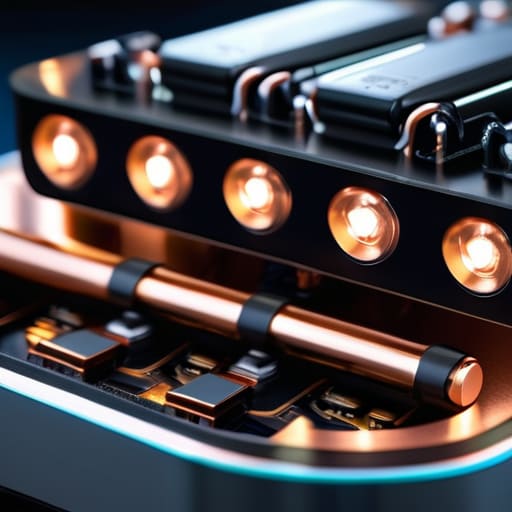
Everyone gets obsessed with the chemistry of the cells—the nickel, the cobalt, the anode—but honestly? The cells are only half the story. You can have the most energy-dense chemistry in the world, but if you can’t control it, you’ve just built a very expensive, very unstable fire hazard. That’s where lithium-ion battery management systems (BMS) come into play. I like to think of the BMS as the brain of the entire pack; it’s constantly monitoring voltage, current, and temperature at the individual cell level to ensure everything stays within a safe operating window.
Without a sophisticated BMS, you’re looking at uneven cell degradation or, even worse, thermal runaway. It’s not just about safety, though; it’s about maximizing the lifespan of the hardware. The system manages the delicate balance of charging rates and discharge cycles, making sure no single cell gets overworked. When you pair a smart BMS with advanced thermal management systems for EVs, you move away from the “disposable battery” mindset and toward hardware that actually lasts for hundreds of thousands of miles.
Mastering the Flow Inverter and Converter Functions
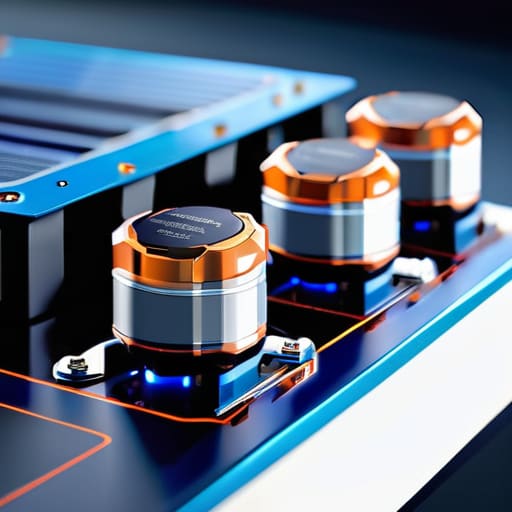
If the battery is the heart of the car, then the inverter and converter are the nervous system and the translator rolled into one. You can have the most sophisticated lithium-ion battery management systems in the world, but if you can’t actually use that stored energy to move the wheels, you’ve just got a very expensive, heavy paperweight. The inverter is the heavy lifter here; it takes the DC power from your battery pack and flips it into the AC power the motor needs to actually spin. It’s a high-speed dance of switching transistors that dictates your overall electric motor efficiency.
Then you have the DC-DC converter, which handles the “translation” for the rest of the car. While the motor is gulping down high-voltage juice, your headlights, infotainment, and sensors need low-voltage power to function without frying. Think of it as a voltage regulator that prevents the high-tension energy of the main pack from overwhelming the delicate electronics. Getting this balance right is crucial to a stable ev powertrain architecture, ensuring that power flows smoothly without creating massive heat spikes that could compromise the hardware.
Hard Truths: What to Actually Watch When Evaluating EV Hardware
- Stop falling for the “range anxiety” trap and start looking at thermal management. A battery with a massive capacity is useless if the cooling system can’t keep the cells within their optimal temperature window during a fast charge or a steep climb.
- Demand transparency on the BMS (Battery Management System) data. If a manufacturer won’t give you a clear picture of how their software handles cell balancing and state-of-health monitoring, they’re likely hiding a shorter lifecycle behind a shiny marketing campaign.
- Look for modularity in the powertrain design. We need hardware that can be repaired or upgraded, not just replaced. If a single faulty inverter means the entire drive unit is e-waste, then we haven’t actually solved the sustainability problem.
- Check the chemistry, not just the brand name. There’s a massive difference between the energy density of an NMC (Nickel Manganese Cobalt) setup and the stability of LFP (Lithium Iron Phosphate). Know which one you’re driving so you understand your trade-offs in longevity versus performance.
- Prioritize high-efficiency silicon carbide (SiC) inverters over older silicon-based tech. It’s a technical detail most people ignore, but the reduction in switching losses means more juice actually hits the wheels instead of being wasted as heat.
The Bottom Line: Why the Hardware Matters More Than the Hype
Stop chasing range anxiety and start looking at the BMS; a battery is only as good as the software managing its thermal limits and cell balancing.
The real magic happens in the conversion—if your inverters and converters aren’t efficient, you’re just wasting high-density energy before it even hits the motor.
Sustainable mobility isn’t a marketing slogan; it’s a hardware challenge that requires us to move past lithium-ion limitations and focus on real, scalable infrastructure.
The Hardware Reality Check
“Everyone wants to talk about the 0-to-60 sprint, but if we don’t get the thermal management and the power electronics right, we’re just building expensive paperweights that can’t handle a real-world load. The future isn’t in the marketing specs; it’s in the actual durability of the silicon and the chemistry.”
Desmond Achebe
The Real Work Starts Now
At the end of the day, an EV isn’t just a fancy gadget on wheels; it’s a high-stakes orchestration of hardware. We’ve looked at how the BMS acts as the brain to prevent thermal runaway, and how inverters serve as the critical bridge between DC storage and AC propulsion. If any one of these components—the cells, the management software, or the power electronics—fails to perform, the whole system is just expensive scrap metal. We have to move past the marketing fluff and realize that true reliability depends on the seamless integration of these subsystems. It’s not enough to have a massive battery if your power conversion is inefficient or your thermal management is amateur.
We are currently in the messy, unglamorous middle phase of a massive technological shift. The transition to electric mobility is going to be won or lost in the lab and on the factory floor, not in a glossy commercial. I’m skeptical of the companies making empty promises about “green” futures without showing the math on their supply chains, but I’m incredibly optimistic about the engineers actually solving these hardware bottlenecks. We need better chemistry, smarter software, and more resilient infrastructure. If we get the fundamental engineering right, we aren’t just changing how we drive—we’re fundamentally rewriting how humanity moves.
Frequently Asked Questions
If we're already seeing solid-state breakthroughs in the lab, how much of this current hardware is actually going to be obsolete in five years?
Look, I get the hype. Seeing solid-state data coming out of labs is intoxicating, but don’t expect your current EV to become a paperweight by 2029. The silicon carbide inverters and the BMS architecture we’re building now are designed to be modular. While the cell chemistry will undergo a massive shift, the “brain” and the power electronics will still be doing the heavy lifting. We aren’t replacing the whole car; we’re just upgrading the heart.
We talk a lot about the battery, but how much of an EV's actual lifespan is determined by the thermal management system rather than the cells themselves?
Look, everyone obsesses over cell chemistry, but the thermal management system is the real unsung hero. You can have the most advanced lithium-ion cells in the world, but if you can’t keep them in that sweet spot—usually between 15°C and 35°C—you’re toast. Poor heat dissipation causes accelerated degradation, and extreme cold kills your discharge efficiency. Honestly? The thermal system dictates whether your battery lasts ten years or five. It’s the difference between a sustainable asset and expensive e-waste.
Is the current push for LFP (Lithium Iron Phosphate) chemistry a permanent shift for mass-market cars, or is it just a temporary workaround for supply chain issues?
I don’t think it’s just a temporary patch. While the supply chain mess definitely accelerated the pivot, LFP is fundamentally different from NMC (Nickel Manganese Cobalt). We’re talking about better thermal stability and a much longer cycle life. Even if nickel prices drop tomorrow, LFP’s cost-per-kWh and safety profile make it the logical play for budget-friendly, mass-market EVs. It’s not a workaround; it’s a strategic shift toward more durable, less volatile hardware.
