Category: Batteries

  • Primary Causes of Battery Capacity Loss

    Primary Causes of Battery Capacity Loss

    I remember sitting in a Georgia Tech lab at 2:00 AM, staring at a lithium-ion cell that had basically turned into a brick after just a few hundred aggressive discharge cycles. It wasn’t some mysterious, unsolvable phenomenon; it was just physics. Most people—and honestly, most corporate marketing teams—try to frame battery degradation causes as this inevitable, unavoidable “act of God” that you just have to accept when you buy an EV. They want you to think it’s just the nature of the beast, but that’s a convenient way to dodge the conversation about poor thermal management and reckless charging habits.

    I’m not here to give you the polished, PR-friendly version of how your tech dies. I want to pull back the curtain on the actual chemistry that’s happening inside those cells while you’re driving or charging. We’re going to break down the real-world mechanics behind battery degradation causes, from SEI layer growth to the brutal impact of high-voltage stress. My goal is to move past the vague promises and give you a data-driven roadmap so you can actually protect your hardware instead of just watching the capacity fade.

    Table of Contents

    The Chemical Aging of Batteries Under Stress

    The Chemical Aging of Batteries Under Stress.

    To understand why your range is shrinking, you have to look past the software and into the actual molecular chaos happening inside the cell. When we talk about the chemical aging of batteries, we aren’t just talking about a battery getting “old”; we’re talking about irreversible structural changes. Every time you cycle a cell, you’re pushing ions back and forth through a delicate electrolyte. Over time, this process creates a buildup of the Solid Electrolyte Interphase (SEI) layer. Think of it like calcification in a pipe—it gets thicker and more resistive, making it harder for ions to move freely, which directly leads to permanent capacity loss.

    It’s not just about how many times you charge, though. If you’re constantly slamming your EV or e-skate into a fast charger or leaving it in a hot garage, you’re accelerating the breakdown of the cathode structure. High heat and extreme voltage levels act like a catalyst for side reactions that consume the very lithium you need for power. This is the real reason why lithium-ion battery lifespan isn’t a fixed number—it’s a variable dictated by how much physical stress you put on the chemistry.

    Why Improper Charging Habits Kill Your Range
    Why Improper Charging Habits Kill Your Range.

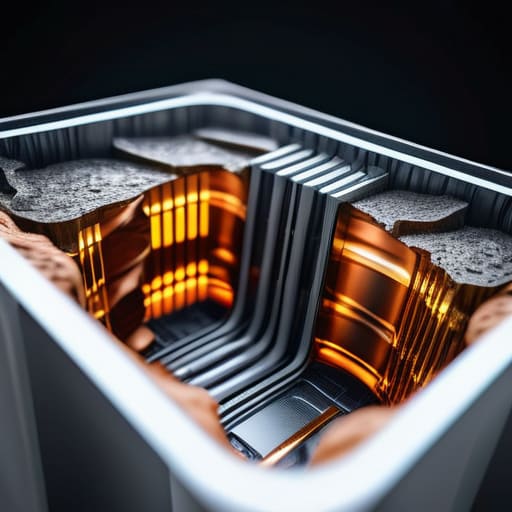
    Look, I see it all the time in the lab: people treating their EVs like they’re charging a smartphone, and it’s killing their hardware. If you’re constantly letting your state of charge sit at 0% or, conversely, keeping it pinned at 100% while plugged in overnight, you’re basically forcing the cells into a state of high voltage stress. This isn’t just a theory; these improper charging habits accelerate the formation of a solid electrolyte interphase (SEI) layer, which is essentially like gunk building up inside your battery’s microscopic plumbing.

    It’s also about how we handle the “middle ground.” If you’re addicted to DC fast charging every single time you hit a station, you’re trading long-term stability for short-term convenience. Rapidly shoving high current into a cell generates massive internal heat, and that temperature impact on battery health is one of the fastest ways to shorten your total mileage. We need to start thinking about charging as a way to manage chemical equilibrium, not just as a way to fill a tank.

    Hard Truths: How to Actually Slow the Decay

    • Stop treating your battery like a gas tank; just because you can fill it to 100% doesn’t mean you should. If you’re just using your EV for daily commutes, try keeping the state of charge between 20% and 80% to avoid the high-voltage stress that eats away at the cathode.
    • Heat is the silent killer of lithium-ion cells. If you’re leaving your gear or your vehicle in a sun-baked parking lot, you’re essentially cooking the electrolyte. Use shaded parking or controlled environments whenever possible to keep those internal temperatures stable.
    • Fast charging is a massive convenience, but it’s a chemical trade-off. Frequent DC fast charging causes lithium plating, which is basically like building up “gunk” inside the cell that prevents ions from moving smoothly. Save the high-speed chargers for road trips, not your Tuesday morning routine.
    • Avoid the “deep discharge” trap. Letting your battery sit at near-zero percent for extended periods is a one-way ticket to permanent capacity loss. Once the voltage drops too low, the chemistry can become unstable, making it difficult—or even impossible—to recover that lost energy.
    • Watch your C-rates during heavy use. If you’re constantly pulling massive amounts of current—think heavy towing or aggressive, high-speed driving—you’re forcing the ions to move so fast they can cause physical micro-cracks in the electrode structure. Drive more predictably to keep the internal chemistry balanced.

    The Bottom Line: Keeping Your Cells Healthy

    Stop treating your battery like an infinite resource; managing thermal stress and avoiding those extreme 0% or 100% charge states is the only way to slow down the inevitable chemical breakdown.

    Rapid charging is a massive convenience, but it’s essentially a high-stress workout for your battery chemistry that accelerates lithium plating if you do it too often.

    Real sustainability isn’t just about buying an EV—it’s about maintaining the hardware so we aren’t just trading a gasoline problem for a massive, premature battery waste problem.

    The Real Cost of Convenience

    “We need to stop treating batteries like magic black boxes that just ‘wear out.’ They are living, breathing chemical systems, and every time we prioritize a five-minute ultra-fast charge over thermal stability, we’re essentially forcing a microscopic chemical trade-off that we’ll eventually pay for in lost range and dead cells.”

    Desmond Achebe

    The Bottom Line on Battery Longevity

    The Bottom Line on Battery Longevity.

    At the end of the day, we have to stop treating batteries like magic black boxes that just work until they don’t. We’ve looked at how thermal runaway and extreme temperature swings physically tear apart the internal structure, and how those “convenient” ultra-fast charging sessions are actually just accelerating the chemical decay of your cells. It’s a delicate balance between convenience and chemistry. If we want to avoid the cycle of constant replacement, we have to respect the physical limitations of the hardware we’re using every day. You can’t outrun the laws of thermodynamics, no matter how much marketing hype a brand throws at you.

    Look, I’m an optimist. I truly believe we’re on the verge of a solid-state revolution that will make these current headaches look like ancient history. But until that tech hits the mainstream and becomes affordable, our best tool is actually informed stewardship. We need to move past the era of “set it and forget it” and start understanding the energy we’re managing. If we get the infrastructure and the individual habits right, we aren’t just preserving a device; we’re building a sustainable foundation for the entire electric transition. Let’s stop wasting the hardware we already have.

    Frequently Asked Questions

    If I use a Level 3 DC fast charger every single day, am I basically fast-tracking my battery's death sentence?

    Look, I’m not going to sugarcoat it: if you’re hitting a Level 3 charger every single day, you’re essentially putting your battery through a high-stress workout on loop. It’s not an immediate death sentence, but you’re accelerating the SEI layer growth and causing micro-cracks in the anode. Think of it like sprinting a marathon every morning instead of walking; you’ll get there, but you’re wearing out the hardware way faster than necessary.

    Is there actually a way to use "smart" software to mitigate the physical SEI layer buildup, or is that just marketing fluff?

    It’s definitely not just marketing fluff, but it isn’t a magic wand either. Software can’t rewrite the laws of thermodynamics, but smart BMS (Battery Management Systems) can play defense. By using predictive algorithms to throttle current before the cell hits a thermal runaway or high-voltage spike, you’re essentially slowing down the rate of SEI growth. It’s about managing the stress, not eliminating it. It’s a tactical delay, not a cure.

    How much does extreme ambient temperature—not just the heat from the battery itself—actually mess with the long-term stability of the electrolyte?

    It’s not just about internal heat; the ambient environment is basically a constant chemical siege. Think of the electrolyte as the battery’s circulatory system. When it’s freezing, the viscosity spikes, making ion transport a sluggish mess. But the real killer is sustained high ambient heat. It accelerates side reactions that thicken the SEI layer, effectively “clogging” the anode. You’re basically cooking the organic solvents, causing permanent structural breakdown that no software update can fix.


  • Addressing Concerns Regarding Electric Vehicle Driving Range

    Addressing Concerns Regarding Electric Vehicle Driving Range

    I remember sitting in my dorm at Georgia Tech, surrounded by half-disassembled lithium cells and the smell of burnt flux, staring at a data sheet that promised a range that simply didn’t exist in the real world. It’s frustrating because whenever I bring up the technical limitations of current energy density, people pivot to these polished marketing slogans about “freedom” and “limitless travel.” Let’s be real: electric vehicle range anxiety isn’t some phantom psychological glitch that can be cured with a better UI or a more optimistic dashboard display. It is a raw, unvarnished hardware problem rooted in the gap between theoretical chemistry and the actual thermal realities of long-distance driving.

    I’m not here to sell you on the hype or tell you that every problem is solved by a software update. In this post, I’m stripping away the corporate greenwashing to look at the actual math behind the miles. We are going to dive into the real chemistry of degradation and the infrastructure bottlenecks that actually dictate your driving habits. My goal is to give you a grounded, data-driven perspective so you can stop worrying about the myths and start understanding the actual tech powering your future.

    Table of Contents

    Decoding Kilowatt Hour Efficiency and Real World Chemistry

    Decoding Kilowatt Hour Efficiency and Real World Chemistry

    When we talk about range, most people look at the odometer, but I’m looking at the kilowatt hour efficiency. It’s easy to get seduced by a manufacturer’s EPA estimate, but those numbers are often calculated in a vacuum. In the real world, your energy consumption is a moving target. If you’re fighting a headwind or pushing 80 mph on the interstate, your discharge rate is going to spike. You aren’t just moving a car; you’re managing a chemical reaction that is highly sensitive to load and temperature.

    This is where the physics gets messy. One of the biggest variables I see in my data is winter driving range loss. When the ambient temperature drops, the internal resistance of the lithium-ion cells increases, making it harder for ions to move efficiently. You end up spending energy just to keep the battery at an operational temperature, let alone actually propelling the vehicle. We need to stop treating “range” as a static number and start treating it as a dynamic calculation of chemistry, climate, and kinetic energy management.

    The Harsh Reality of Winter Driving Range Loss

    The Harsh Reality of Winter Driving Range Loss.

    If you’ve ever seen a fellow EV driver staring blankly at a dashboard readout during a cold snap, you aren’t looking at a lack of willpower—you’re looking at physics in action. When the temperature drops, the internal resistance within the cells spikes, making it harder for ions to move through the electrolyte. This isn’t just a minor inconvenience; winter driving range loss can easily slash your usable capacity by 30% or more. It’s the same reason my vintage skateboard battery struggles to hold a charge when I’m riding through a damp, chilly morning.

    The struggle isn’t just about the chemistry getting sluggish, though. You also have to factor in the massive energy drain from cabin heating. Unlike an internal combustion engine that uses “free” waste heat from the block, an EV has to actively pull power from the pack to keep you from freezing. This creates a double whammy: your cells are less efficient, and your primary consumer is hungrier than ever. If you aren’t factoring in aggressive thermal management during your electric vehicle trip planning, you’re going to end up stranded on the shoulder.

    Tactical Moves to Stop Chasing Percentages

    • Stop treating your battery like a smartphone; if you want to preserve the long-term health of your lithium-ion cells, try to keep your State of Charge (SoC) between 20% and 80% for daily commutes rather than constantly topping it off to 100%.
    • Learn to read your regenerative braking settings like a pro, because maximizing that kinetic energy recovery is the difference between coasting into your driveway and watching your projected range plummet in stop-and-go traffic.
    • Don’t fight the physics of thermodynamics—if you’re heading out on a long trip in the cold, pre-condition your cabin while the car is still plugged into the charger so you aren’t draining your precious kWh just to defrost the windshield.
    • Map your route based on charger reliability and power output, not just proximity; there’s nothing worse than arriving at a “fast” charger only to realize it’s a crippled 7kW unit that’ll take half a day to juice you up.
    • Keep an eye on your rolling resistance by maintaining proper tire pressure, because even a slight drop increases the energy required to overcome friction, effectively turning your high-efficiency EV into a less efficient heater for the road.

    The Bottom Line: Moving Beyond the Range Myth

    Range anxiety is a symptom, not the disease; the real issue lies in the mismatch between theoretical battery capacity and the actual chemical efficiency of cells under real-world stressors like temperature and discharge rates.

    Stop obsessing over total miles and start looking at kWh/mile efficiency and charging infrastructure density, because a massive battery is useless if the grid can’t support the rapid throughput you need.

    True progress won’t come from bigger, heavier battery packs that just add more mass to move, but from breakthroughs in solid-state chemistry and smarter thermal management systems that stabilize performance.

    ## The Infrastructure Mirage

    “We need to stop treating range anxiety like it’s a mental health issue for drivers and start treating it like the engineering bottleneck it actually is. You can’t ‘mindset’ your way through a depleted lithium-ion pack when the local grid is lagging and the charging station is a ghost town.”

    Desmond Achebe

    The Long Game: Moving Beyond the Anxiety

    The Long Game: Moving Beyond the Anxiety.

    At the end of the day, range anxiety isn’t something we can just “market” away with better apps or prettier dashboards. We’ve seen how the math breaks down when you factor in real-world chemistry—from the way lithium ions struggle in a freezing Georgia winter to the sheer efficiency loss when you’re pushing a high-capacity pack to its limits. It’s a multifaceted problem involving energy density, thermal management, and a charging grid that is still catching up to our ambitions. If we want to move past the era of gas guzzlers, we have to stop treating range as a psychological hurdle and start treating it as a fundamental engineering challenge that requires better hardware, not just better software.

    I know it feels like we’re constantly chasing a moving target, but the progress being made in solid-state research and grid-scale storage gives me actual reason to be optimistic. We are currently in the “awkward teenage years” of the electric transition, where the tech is revolutionary but still unrefined. But once we bridge the gap between lab-scale breakthroughs and mass-market infrastructure, the concept of “range” will become a footnote rather than a barrier. We aren’t just building better cars; we are re-architecting how humanity moves, and that kind of shift is always messy before it’s truly transformative.

    Frequently Asked Questions

    If solid-state batteries actually hit the market, will they solve the range issue or just make the charging infrastructure even more obsolete?

    Solid-state isn’t a magic wand that makes chargers disappear, but it changes the math entirely. If we swap liquid electrolytes for solid ones, we’re looking at much higher energy density—meaning more miles without a massive, heavy pack. It won’t make the infrastructure “obsolete,” but it will shift the demand from slow, trickle-style charging to high-speed, high-throughput stations. We won’t be sitting for an hour; we’ll be in and out like a gas station stop.

    How much of my range loss is actually due to the battery's chemistry versus just the inefficiency of the thermal management system?

    It’s a bit of both, but the thermal management system is usually the immediate culprit for that sudden drop in efficiency. Think of it like this: the chemistry is the engine, but the thermal management is the radiator. If your system is fighting to keep the cells in that “Goldilocks zone” (usually around 25-35°C), it’s burning energy just to keep the battery from dying. You’re losing range to the heater, not just the cold.

    Is the push for faster DC fast-charging actually killing the long-term health of my battery through accelerated degradation?

    The short answer? Yes, but it’s not a death sentence—it’s a trade-off. When you slam a massive amount of current into a cell, you’re essentially forcing ions through the electrolyte at high speeds, which generates heat and can cause lithium plating. Think of it like redlining an engine; you’ll get there faster, but you’re stressing the hardware. The goal isn’t to avoid fast charging entirely, but to understand that “fast” is a luxury that comes with a chemistry tax.

  • The Impact of Fast Charging on Battery Longevity

    The Impact of Fast Charging on Battery Longevity

    I remember sitting in a Georgia Tech lab at 2:00 AM, staring at a thermal imaging camera as a test cell started to glow a dangerous shade of orange. Everyone in the industry loves to throw around the term fast charging technology like it’s a magic wand that solves everything, but they conveniently forget to talk about the thermal runaway that happens when you force ions through an electrolyte too quickly. It’s easy to market a “0 to 80% in ten minutes” headline, but if that speed is cooked by sacrificing the long-term health of the lithium-ion cells, we aren’t actually solving the EV problem—we’re just building expensive paperweights.

    I’m not here to sell you on the glossy marketing brochures or the corporate greenwashing that ignores the actual physics of energy density. Instead, I want to pull back the curtain on the real hardware. We’re going to look past the hype and dive into the actual chemistry and infrastructure required to make rapid charging sustainable. My goal is to help you understand what’s happening inside those cells so you can distinguish between a genuine breakthrough and just another way to degrade your battery.

    Table of Contents

    Why Lithium Ion Battery Degradation Is the Silent Killer

    Why Lithium Ion Battery Degradation Is the Silent Killer

    Everyone loves the convenience of a full charge in twenty minutes, but there’s a massive physiological cost to the battery that most manufacturers won’t highlight in their glossy brochures. When we push massive amounts of current into a cell, we aren’t just moving electrons; we are inducing significant mechanical stress. This is where lithium-ion battery degradation becomes a real problem. High-speed charging essentially forces ions through the electrolyte at a frantic pace, which can lead to lithium plating—basically, instead of sliding neatly into the anode, the lithium starts building up on the surface like unwanted frost. Once that happens, you’ve permanently lost capacity.

    It’s not just about the speed; it’s about the heat. Think of it like redlining a car engine for an hour straight; eventually, something is going to warp. This is why thermal management in charging is the real unsung hero of the EV world. If the cooling system can’t keep up with the exothermic reaction happening inside the pack during a high-wattage session, you aren’t just losing range—you’re actively shortening the lifespan of the entire vehicle. We need to stop treating batteries like infinite buckets and start respecting the chemistry.

    Wattage vs Amperage Explained the Hard Truth of Power

    Wattage vs Amperage Explained the Hard Truth of Power

    Look, I see this mistake all the time in spec sheets: people treat wattage like it’s the only number that matters. It’s not. If you want to understand how your gear actually pulls juice, you have to look at the relationship between voltage and current. Think of it like water flowing through a garden hose. Voltage is the water pressure, and amperage is the volume of water moving through. When you see a massive wattage number on a charger, it’s usually because the manufacturer is cranking up one or both of those variables. But here’s the catch—if you push too much amperage through a cell that isn’t ready for it, you’re essentially trying to force a fire hose through a straw.

    This is where thermal management in charging becomes the actual bottleneck. You can have the most advanced USB-C Power Delivery standards on the planet, but if the heat generated by high current isn’t managed, you’re just cooking your cells from the inside out. It’s a delicate balancing act. We need to stop chasing raw speed and start focusing on intelligent power delivery that respects the physical limits of the hardware.

    How to Fast Charge Without Killing Your Cells

    • Respect the “Charging Curve.” You aren’t going to pull max wattage from 0 to 100%. Most fast chargers taper off significantly after 80% to prevent thermal runaway and lithium plating. If you’re trying to squeeze out that last 20% at high speeds, you’re basically just cooking your battery for no real gain.
    • Temperature is your biggest enemy. Think of lithium ions like commuters in a subway station; if it’s too cold, they move like sludge, and if it’s too hot, they start causing chaos. If you’re charging in a heatwave, look for a station with active thermal management, or you’re just accelerating the degradation of your anode.
    • Stop treating 100% as the goal. If you want your battery to last through your next three car upgrades, try to keep your state of charge between 20% and 80%. Constant deep cycling to full capacity puts immense mechanical stress on the electrode structure. It’s better to do three quick “top-ups” than one massive, high-heat marathon charge.
    • Watch the C-rate, not just the “minutes.” Manufacturers love saying “0 to 80 in 15 minutes,” but that’s a lab number. Look at the actual C-rate—the ratio of charge current to the battery’s capacity. High C-rates push ions into the anode faster than they can intercalate, which leads to that nasty lithium plating I’m always talking about.
    • Invest in the cable and the hardware. Not all DC fast chargers are created equal. A cheap, poorly maintained station with high internal resistance will generate massive amounts of wasted heat. If the charger feels like it’s struggling, it’s losing efficiency—and that lost energy is being dumped straight into your battery’s chemistry as heat.

    The Bottom Line: What Actually Matters for the Future of Charging

    Speed is a trap if it kills your battery life; we have to prioritize thermal management and chemical stability over just chasing higher C-rates.

    Real infrastructure isn’t just about more plugs, it’s about intelligent grid integration that understands the difference between a quick top-off and a heavy-duty charge cycle.

    Stop falling for the marketing fluff—true progress in EV adoption will be measured by how we manage ions and heat, not just by how many kilowatts we can shove into a cell in ten minutes.

    ## The Speed Trap

    “Everyone wants to talk about how fast we can shove electrons into a cell, but if we aren’t talking about the thermal management and the dendrite growth that comes with it, we’re just building high-speed ovens that kill their own lifespan.”

    Desmond Achebe

    The Bottom Line on Fast Charging

    The Bottom Line on Fast Charging.

    At the end of the day, fast charging isn’t just about seeing a massive number on a charging station display; it’s a delicate balancing act between speed and longevity. We’ve looked at how aggressive amperage can accelerate lithium plating and how the thermal management of your battery cell is just as important as the charger itself. If we keep ignoring the real-world chemistry happening inside the pack, we’re just trading long-term battery health for a few minutes of convenience. We have to move past the marketing hype and focus on intelligent charging protocols that respect the hardware.

    I’m still an optimist about where we’re headed, but I’m not going to fall for the “charge in five minutes” slogans without seeing the data on cycle life first. The transition to electric mobility is going to be massive, but it has to be built on a foundation of sustainable, durable hardware—not just flashy specs that burn out your cells in two years. We are moving toward a world where energy is everywhere, and once we actually get the chemistry right, the infrastructure will finally catch up to our ambitions. Let’s build a future that actually stays powered.

    Frequently Asked Questions

    If I keep using DC fast chargers every single day, how much faster am I actually going to kill my battery's cycle life?

    Look, if you’re hitting a DC fast charger every single day, you’re essentially redlining your battery’s chemistry. It’s not just about the “cycles”; it’s about the heat and the lithium plating happening during those high-voltage pushes. You’re likely looking at a significantly accelerated degradation curve—potentially losing capacity much faster than the manufacturer’s conservative estimates. If you want your car to last a decade, treat DC fast charging like an emergency tool, not a daily habit.

    Is the bottleneck for faster charging really the car's onboard tech, or is it just the grid's ability to handle those massive power spikes?

    It’s a bit of a “chicken or the egg” situation, but honestly? It’s both. We’re trying to shove a firehose of energy into a straw. The car’s onboard charger is definitely a bottleneck for AC charging, but for those ultra-fast DC sessions, the real headache is the grid. If every station on a block pulls massive spikes simultaneously, we’re looking at localized transformer meltdowns. We can’t just build faster cars; we need smarter, more resilient distribution.

    We talk a lot about speed, but how much of a role will solid-state electrolytes play in making "ultra-fast" charging actually safe for the hardware?

    Look, speed is useless if you’re melting your battery from the inside out. Right now, liquid electrolytes are the bottleneck; they’re flammable and hate the heat generated during rapid ion movement. Solid-state changes the game because those solid electrolytes are way more thermally stable. They can handle the intense heat of ultra-fast charging without the risk of thermal runaway. We’re talking about pushing higher currents without the constant fear of degrading the cell’s architecture.

  • The Importance of Large Scale Energy Storage for the Power Grid

    The Importance of Large Scale Energy Storage for the Power Grid

    I remember sitting in a Georgia Tech lab at 2:00 AM, staring at a lithium-ion cell that had basically cooked itself because the thermal management was a joke. It’s easy to get swept up in the glossy marketing videos of massive, glowing battery farms that look like something out of a sci-fi movie, but the reality of grid scale energy storage is much grittier. Most people think the “green revolution” is just about installing more solar panels, but they’re missing the point entirely. If we don’t solve the hardware-level problem of how to store massive amounts of energy without the system becoming a ticking chemical time bomb, all those renewables are just expensive decorations on an unstable grid.

    I’m not here to sell you on the corporate “net-zero” fairy tales or the vague promises of tech giants. Instead, I want to pull back the curtain on the actual chemistry and the heavy-duty infrastructure that makes this work. We’re going to look past the hype and dive into the real engineering hurdles—from degradation cycles to supply chain bottlenecks—that determine whether these systems actually last or just fail when we need them most.

    Table of Contents

    Lithium Ion vs Flow Batteries the Chemistry of Survival

    Lithium Ion vs Flow Batteries the Chemistry of Survival

    When you look at the current landscape, it’s easy to assume lithium-ion is the only player in the game because that’s what’s in your phone and your Tesla. And don’t get me wrong, Li-ion is a beast for high power density and quick responses, which makes it the gold standard for grid stability and frequency regulation. If the frequency dips, Li-ion can inject power almost instantly. But there’s a massive catch: lithium is essentially a sprint runner. It’s great for short bursts, but once you try to push it to discharge for ten or twelve hours straight, the degradation math starts looking pretty grim.

    That’s where the conversation shifts toward long-duration energy storage technologies, specifically flow batteries. Think of a lithium battery like a pressurized soda can—it’s compact, but if you use it too hard, it loses its fizz. A flow battery is more like a massive industrial reservoir; you’re storing energy in liquid electrolytes held in external tanks. Because the power (the stack) is separate from the energy (the tanks), you can scale capacity just by building bigger vats. It’s not as “sexy” or space-efficient as lithium, but for decarbonizing the power grid on a massive, multi-hour scale, it’s the heavy-duty hardware we actually need.

    Long Duration Energy Storage Technologies That Actually Work

    Long Duration Energy Storage Technologies That Actually Work

    When we talk about long-duration energy storage technologies, we have to move past the idea that everything can be solved with a massive lithium-ion pack. While lithium is king for your phone or a Tesla, it’s not the silver bullet for keeping the lights on during a three-day wind lull. If we’re serious about decarbonizing the power grid, we need systems that can discharge energy over ten, twenty, or even fifty hours. This is where mechanical and thermal solutions step in to fill the gaps that electrochemical cells just can’t reach without breaking the bank.

    Take pumped hydro storage capacity, for instance. It’s the old guard—basically using gravity and massive reservoirs to act as a giant, natural battery. It’s not “sexy” tech, but it’s incredibly reliable for massive shifts in load. Then you have emerging players like compressed air or even liquid air energy storage. These aren’t just niche experiments; they are the heavy-duty infrastructure required to stabilize a grid that relies on intermittent renewables. We need this diversity of hardware to ensure that when the sun sets, the system doesn’t just stumble.

    The Real-World Playbook: What Actually Matters for Grid-Scale Storage

    • Stop chasing the highest energy density and start looking at cycle life. A battery that can hold a massive charge but dies after 500 cycles is just expensive landfill fodder; for the grid, we need hardware that can breathe through thousands of deep discharge cycles without the chemistry falling apart.
    • Prioritize supply chain transparency over corporate PR. If a storage solution relies on minerals sourced through unethical or ecologically destructive mining, it’s not a “green” solution—it’s just shifting the environmental debt from carbon to soil.
    • Think in terms of “duration,” not just “capacity.” A massive lithium-ion array is great for smoothing out a quick cloud passing over a solar farm, but if we want to survive a week of low wind, we need to be investing in technologies that can discharge energy for 10+ hours, not just two.
    • Demand modularity in hardware design. The grid is evolving too fast for monolithic, “one-size-fits-all” installations; we need systems that allow us to swap out aging cells or upgrade chemistries without tearing out the entire infrastructure.
    • Look past the software hype and focus on thermal management. You can have the smartest AI-driven grid management software in the world, but if your physical battery enclosures can’t handle the heat during a massive discharge event, the whole system is a fire hazard waiting to happen.

    The Bottom Line on Hardening the Grid

    We need to stop treating “energy storage” like a monolith; lithium-ion is great for quick bursts, but if we’re actually going to survive a week of low sun or wind, we need the heavy-duty, long-duration tech like flow batteries or thermal storage.

    Sustainability isn’t just a buzzword—if we don’t solve the supply chain issues for raw minerals and figure out how to recycle these massive battery arrays, we’re just trading one environmental crisis for another.

    The real bottleneck isn’t just the chemistry in the cells; it’s the physical infrastructure and the grid’s ability to actually integrate these massive hardware shifts without breaking under the load.

    The Hardware Reality Check

    “Everyone loves talking about the ‘smart grid’ and AI-driven optimization, but let’s be real: you can’t optimize your way out of a physics problem. If we don’t solve the actual chemistry of long-duration storage, all the fancy software in the world won’t stop a blackout when the wind stops blowing.”

    Desmond Achebe

    The Bottom Line on the Big Battery Transition

    The Bottom Line on the Big Battery Transition.

    Look, we’ve gone over the weeds of lithium-ion’s dominance and why flow batteries are the heavy lifters we actually need for long-duration stability. The takeaway is pretty simple: there is no silver bullet. We can’t just plug a single type of cell into the grid and call it a day. To move away from the gas-guzzling legacy of my childhood, we have to deploy a diversified hardware stack that matches the specific needs of the load. Whether it’s the high power density of lithium or the massive, scalable capacity of redox flow systems, the goal is the same—creating a buffer that makes renewables reliable rather than intermittent. We need to stop treating energy storage like a monolith and start treating it like the complex, multi-layered engineering challenge it actually is.

    At the end of the day, I’m not interested in the shiny PR slides from companies promising “limitless” green energy. I care about the chemistry, the cycle life, and the actual physical infrastructure that’s going to be sitting in a field ten years from now. The transition to electric mobility and a decarbonized grid isn’t just a dream; it’s a massive, tangible construction project. If we get the hardware right—if we prioritize sustainable, scalable chemistry over quick corporate wins—we actually stand a chance. It’s going to be hard, and it’s going to be expensive, but building the foundation for a truly electric future is the only work worth doing.

    Frequently Asked Questions

    If we scale up flow batteries or long-duration storage, how do we actually handle the massive supply chain bottleneck for the raw materials without just creating a new environmental disaster?

    Look, we can’t just swap a carbon crisis for a cobalt crisis. If we scale flow batteries, we have to pivot toward earth-abundant stuff like iron or vanadium, rather than chasing rare minerals that require destructive mining. It’s about designing for circularity from day one—meaning we build these systems to be modular and easily recyclable. If the chemistry isn’t recoverable at end-of-life, it’s not a solution; it’s just a different kind of mess.

    Can our current aging grid infrastructure even handle the bidirectional load of massive storage arrays, or are we going to need a total hardware overhaul first?

    Look, if we’re being real, the short answer is no. Our current grid was built as a one-way street—power flows from a massive plant down to your toaster. Trying to shove massive bidirectional loads from storage arrays into that aging copper is like trying to run a modern gaming rig on a 1970s circuit breaker. We don’t just need more batteries; we need a massive hardware overhaul of transformers and substations to handle the backflow.

    How do we stop companies from using "green" marketing to hide the fact that their storage solutions have terrible lifecycle degradation rates?

    We have to stop treating “green” as a synonym for “durable.” Most companies push capacity metrics to mask the fact that their cells are dying after a few thousand cycles. To fight the greenwashing, we need to demand transparency on SOH (State of Health) data and standardized degradation curves. If they can’t show us the chemistry’s lifecycle performance under real-world thermal stress, it isn’t a solution—it’s just a ticking waste problem.

  • The Role of Thermal Management in Battery Performance

    The Role of Thermal Management in Battery Performance

    I still remember the smell of scorched electrolyte in my Georgia Tech lab back in 2021—a sharp, metallic tang that hits you right in the back of the throat. I was working on a prototype high-density pack, and despite all the fancy simulations we’d run, the cells were running way too hot during a rapid discharge cycle. It was a brutal reminder that you can’t just math your way out of physics; if your battery thermal management isn’t actually handling the real-world heat flux, you aren’t building a power source, you’re building a controlled incendiary device.

    I’m tired of reading glossy whitepapers that treat temperature regulation like an afterthought or a minor software tweak. We need to get serious about the hardware. In this post, I’m stripping away the corporate greenwashing to look at the actual mechanical realities of keeping cells in their optimal window. I’ll break down why current cooling architectures often fail under pressure and what we actually need to build if we want EVs that stay efficient for a decade, not just until the warranty expires.

    Table of Contents

    Liquid Cooling vs Air Cooling Moving Beyond Vague Efficiency Claims

    Liquid Cooling vs Air Cooling Moving Beyond Vague Efficiency Claims

    When you look at the spec sheets, most manufacturers treat air cooling like a “good enough” solution, but in my experience with high-performance hardware, “good enough” is a recipe for rapid degradation. Air cooling is simple and lightweight, sure, but it’s fundamentally limited by the physics of convection. Once you start pushing high discharge rates—like when you’re merging onto a highway or fast-charging at a station—the air just can’t move heat away fast enough. You end up with localized hot spots that wreak havoc on your lithium-ion battery heat dissipation capabilities, effectively killing the cells’ lifespan long before the car’s chassis even shows wear.

    This is where the debate of liquid cooling vs air cooling gets real. Liquid systems are more complex and add weight, but they provide a level of temperature uniformity that air simply can’t touch. By circulating coolant directly through the pack, we can maintain much tighter control over the chemistry. If we’re serious about making EVs last for decades rather than just a few years of lease cycles, we have to prioritize consistent thermal stability over the minor cost savings of a simpler, less efficient system.

    The Hard Truth About Lithium Ion Battery Heat Dissipation

    The Hard Truth About Lithium Ion Battery Heat Dissipation

    Here’s the reality: we can talk about energy density and range all day, but if we can’t control the heat, we’re just building expensive ticking time bombs. When you’re pushing high currents through a pack—think fast charging or a heavy foot on the pedal—the internal resistance generates heat that doesn’t just sit there; it migrates. If your lithium-ion battery heat dissipation strategy is an afterthought, you aren’t just losing efficiency, you’re actively accelerating the chemical breakdown of the electrolyte.

    I’ve seen enough lab data to know that once a cell hits its thermal threshold, the degradation isn’t linear; it’s a downward spiral. We often focus on the “top end” performance, but the real battle is maintaining battery pack thermal stability during the middle of a cycle. If the temperature gradients across the pack are too wide, some cells are working overtime while others are essentially idling, leading to uneven aging. We need to stop treating heat as a side effect and start treating it as the primary enemy of battery longevity.

    Real-World Tactics: How We Stop Batteries from Cooking Themselves

    • Stop obsessing over peak performance and start prioritizing thermal stability; a battery that hits 0-60 in three seconds but degrades 20% faster because of heat spikes isn’t a win, it’s a design failure.
    • Demand better sensor density in pack designs, because if you aren’t monitoring temperature at the individual cell level, you’re basically flying blind and hoping for the best.
    • Look past the marketing fluff on “fast charging” and ask about the cooling infrastructure behind it—if the thermal management can’t keep up with the current influx, that fast charger is just a glorified heater.
    • Advocate for active thermal management over passive setups in any high-density application; relying on ambient air is a rookie mistake that ignores the reality of how lithium-ion chemistry behaves under load.
    • Prioritize modularity in cooling channels so that when a single cooling loop fails or clogs, you aren’t looking at a total pack meltdown or a multi-thousand dollar replacement bill.

    The Bottom Line: What Actually Matters for the Future of Storage

    Stop obsessing over theoretical energy density and start looking at thermal stability; a battery that can’t manage its own heat is just a ticking time bomb, regardless of how many Wh/kg it claims on a spec sheet.

    We need to move past the “one-size-fits-all” approach to cooling; the industry needs to stop settling for cheap air-cooling shortcuts and invest in the liquid-based infrastructure required for real-world, high-performance longevity.

    True sustainability isn’t just about zero tailpipe emissions—it’s about building hardware that survives a decade of thermal cycling so we aren’t just trading a carbon crisis for a massive battery waste crisis.

    ## The Real Cost of Ignoring the Heat

    “We keep obsessing over energy density and charging speeds like they’re the only metrics that matter, but if your thermal management system can’t handle the actual chemical stress of a fast charge, you aren’t building a sustainable future—you’re just building a very expensive, very fast way to degrade a battery.”

    Desmond Achebe

    The Bottom Line on Thermal Stability

    The Bottom Line on Thermal Stability.

    At the end of the day, we can’t keep treating thermal management like an afterthought or a secondary spec on a datasheet. We’ve looked at why air cooling just doesn’t cut it for high-performance packs and why liquid cooling is the non-negotiable standard if we want to avoid catastrophic degradation. If we don’t solve the heat dissipation problem, we aren’t building a sustainable future; we’re just building expensive, short-lived paperweights. The chemistry inside these cells is incredibly sensitive, and if we ignore the real-world thermal loads placed on them during fast charging or heavy discharge, we’re essentially sabotaging the longevity of the entire grid transition.

    I’m not interested in the polished PR slides from manufacturers promising “infinite range” without showing the cooling architecture behind it. I want to see the hardware that can actually handle the stress of a decade of daily use. The transition to electric mobility is going to happen, but it has to be built on a foundation of robust, reliable engineering rather than marketing hype. If we get the thermal management right, we unlock the ability to scale high-density storage and make EVs truly viable for everyone. Let’s stop chasing the hype and start mastering the hardware.

    Frequently Asked Questions

    If we're moving toward solid-state batteries, does the whole thermal management conversation change, or are we just swapping one set of heat problems for another?

    It’s a bit of both. Solid-state is the holy grail because we’re ditching the flammable liquid electrolyte, which drastically lowers the risk of thermal runaway. That’s a massive win for safety. But don’t get it twisted—we aren’t escaping physics. Solid-state cells actually need specific temperature ranges to maintain ionic conductivity. We’re trading “preventing a meltdown” for “precision thermal control.” We aren’t getting rid of the hardware; we’re just refining its purpose.

    How much of the "range anxiety" people feel is actually just the car's computer aggressively throttling power because the cooling system can't keep up with the ambient temperature?

    Honestly? A huge chunk of it. People blame the battery capacity, but they’re often actually hitting a software ceiling. If your thermal management can’t shed heat fast enough—especially in a heatwave—the BMS (Battery Management System) steps in to protect the cells from permanent degradation. It throttles the discharge rate to keep the chemistry stable, which kills your performance and drains your perceived range. It’s not that the energy isn’t there; it’s just being locked away for safety.

    At what point does the energy cost of running a high-performance liquid cooling loop actually start to negate the efficiency gains of the battery itself?

    It’s a classic engineering trade-off: you can’t solve a heat problem by creating a parasitic load that drains the very cells you’re trying to protect. In my experience, the “break-even” point usually hits when you’re running ultra-high-performance loops in low-load scenarios. If your pump and chiller are pulling more wattage than the thermal delta saves in internal resistance, you’re just spinning your wheels. We need smarter, variable-flow systems, not just more brute-force cooling.

  • Understanding the Advantages of Lithium Iron Phosphate Batteries

    Understanding the Advantages of Lithium Iron Phosphate Batteries

    I remember sitting in a Georgia Tech lab at 2:00 AM, surrounded by half-disassembled cells and the faint, metallic tang of electrolyte, staring at a data sheet that promised the world but delivered nothing. Everyone in the industry loves to obsess over chasing the highest possible energy density, acting like the only metric that matters is how much juice we can cram into a tiny space. But if we’re being honest, that obsession with nickel-heavy chemistries is exactly what’s stalling the mass transition. We need to stop treating lfp battery technology like some “second-tier” compromise and start recognizing it as the actual foundation of a scalable, sustainable grid.

    I’m not here to sell you on some glossy corporate roadmap or vague promises about “the future of energy.” I want to pull back the curtain on the actual hardware. In this deep dive, I’m going to break down the raw chemistry of lfp battery technology without the marketing fluff, focusing on why its cycle life and thermal stability make it the real heavy lifter for EVs and grid storage alike. We’re going to look at the data, talk about the real-world trade-offs, and figure out if this is the tech that finally makes electric mobility work for everyone.

    Table of Contents

    Lfp vs Nmc Battery Comparison Deciphering the Real Chemistry

    Lfp vs Nmc Battery Comparison Deciphering the Real Chemistry

    When you look at the LFP vs NMC battery comparison, it’s easy to get lost in the spec sheets, but you have to look at the trade-offs. NMC (Nickel Manganese Cobalt) is the high-performance athlete of the battery world; it packs a massive punch in terms of energy density, which is why it’s the go-to for long-range luxury EVs. But that performance comes with a cost—specifically, a more volatile chemical structure. If you’re chasing maximum range at any cost, NMC wins, but it’s also more sensitive to heat and harder to source ethically.

    On the flip side, LFP is the workhorse. While the energy density of lithium iron phosphate isn’t going to win any drag races, it makes up for it in sheer reliability. From a grid analyst perspective, the thermal stability of LFP cells is the real game-changer. They don’t catch fire nearly as easily as their cobalt-heavy cousins, and the cycle life of phosphate cathodes is insane—we’re talking thousands of charge cycles before you see meaningful degradation. If we want a transition that actually lasts, we need this kind of durability, not just flashy range numbers.

    Why the Energy Density of Lithium Iron Phosphate Matters

    Why the Energy Density of Lithium Iron Phosphate Matters

    Here’s the deal: when people talk about the energy density of lithium iron phosphate, they usually do it with a bit of a shrug, like it’s a compromise. And technically, they’re right. If you’re looking at pure Wh/kg, LFP isn’t going to win a drag race against high-nickel chemistries. It’s heavier and takes up more physical real estate for the same amount of juice. But if we only optimize for range, we’re missing the forest for the trees.

    In my view, density isn’t just about how far a car can go on a single charge; it’s about how much utility you get out of the hardware over its entire lifespan. Because LFP has such incredible thermal stability, we don’t have to over-engineer the cooling systems or add as much heavy, protective shielding to prevent thermal runaway. This allows us to rethink how we package cells. When you factor in the massive cycle life of phosphate cathodes, you realize that an LFP pack might actually be more “efficient” over ten years than a high-density pack that’s been degraded by aggressive fast-charging and heat stress. It’s about usable energy over time, not just the number on the spec sheet.

    Making the Most of LFP: A Real-World Survival Guide

    • Stop babying the charge levels. Unlike the NMC cells in your phone or high-end EVs, LFP chemistry actually thrives on being topped off. While other batteries hate sitting at 100%, LFP is much more chill about it, so don’t stress the full charge as much.
    • Watch your temperature swings. LFP is a bit of a diva when it gets freezing. If you’re charging in a cold garage, the internal resistance spikes and efficiency tanks. If you can, keep your storage or vehicle in a temperate environment to avoid sluggish performance.
    • Don’t fear the deep discharge, but don’t abuse it either. One of the best things about LFP is the cycle life—you can drain it way more than other chemistries without killing the cell—but I still wouldn’t recommend living at 0% regularly if you want that hardware to last a decade.
    • Learn to read the voltage, not just the percentage. LFP has a very flat discharge curve, which means the voltage stays almost identical from 80% down to 20%. This makes “guessing” your remaining energy via simple voltage drops nearly impossible, so rely on the BMS (Battery Management System) data.
    • Prioritize the BMS. Because the voltage curve is so flat, the software managing the cells is doing all the heavy lifting. If you’re building a DIY setup or buying a budget EV, don’t skimp on the quality of the management system; without a smart BMS, you’re flying blind with LFP.

    The Bottom Line on LFP

    The Bottom Line on LFP stability.

    If you want longevity over raw range, LFP is the clear winner; its cycle life makes it the much more sustainable choice for long-term ownership compared to the “performance at any cost” approach of NMC.

    We have to stop treating lower energy density like a dealbreaker and start seeing it as a trade-off for safety and cost-effectiveness in mass-market EVs.

    Real sustainability isn’t just about zero emissions at the tailpipe; it’s about using chemistries like LFP that ditch expensive, ethically murky materials like cobalt in favor of a more stable, scalable supply chain.

    ## Moving Past the Spec Sheet

    “Everyone gets caught up in the ‘range anxiety’ numbers and the flashy energy density stats, but if we don’t prioritize cycle life and thermal stability, we’re just building a future that’s destined for a landfill. LFP isn’t just a cheaper alternative; it’s the only way we actually build a grid and a fleet that lasts longer than a lease.”

    Desmond Achebe

    The Bottom Line on LFP

    Look, we can keep debating whether a slightly higher energy density is worth the trade-off, but the data tells a clear story. LFP isn’t just a “budget” alternative; it’s a strategic pivot toward long-term stability and ethical sourcing. When you weigh the thermal runaway risks of NMC against the sheer cycle life and cobalt-free chemistry of LFP, the choice for mass-market scalability becomes obvious. We aren’t just building cars; we are building the foundation of a grid that needs to last decades, not just a few years of lease cycles. If we want to move the needle on global decarbonization, we need to prioritize hardware that actually lasts.

    At the end of the day, the transition to electric mobility is going to be messy, and the corporate marketing fluff won’t help us navigate it. We need to stay focused on the actual chemistry and the infrastructure that supports it. I truly believe that once we solve the storage equation with reliable, sustainable tech like LFP, the “range anxiety” era will finally become a relic of the past. We are moving toward a future where energy is more than just a utility—it’s the reliable heartbeat of our entire civilization, and I’m stoked to be part of the generation that actually builds it.

    Frequently Asked Questions

    If LFP has lower energy density, how are manufacturers planning to solve the range anxiety issue for long-distance driving?

    Look, the energy density gap is real, but manufacturers aren’t just sitting on their hands. They’re tackling range anxiety through two main avenues: massive scale and smarter management. First, since LFP cells are cheaper, brands can afford to pack more of them into a larger, heavier pack to hit those high-mileage targets without breaking the bank. Second, we’re seeing better Battery Management Systems (BMS) that squeeze every last bit of efficiency out of the chemistry.

    Are we actually seeing a real path toward lowering the cost of LFP, or is the price gap between it and NMC still too wide for mass adoption?

    Look, the price gap isn’t just closing; it’s being demolished by scale. We’re moving past the “niche” phase. Because LFP doesn’t rely on expensive, ethically messy stuff like cobalt or nickel, the supply chain is way more stable. As manufacturers crank up production lines to meet mass-market EV demand, the economies of scale are kicking in hard. We aren’t just seeing a path toward lower costs—we’re watching the cost curve flatten in real-time.

    Beyond just the chemistry, what does the recycling infrastructure look like for LFP compared to the more traditional nickel-based cells?

    Here’s the reality: we’re currently much better at recycling NMC because there’s actual money in it. Cobalt and nickel are high-value targets that pay for the recycling process itself. LFP? It’s a different beast. Since it lacks those precious metals, the economic incentive to recover the materials is slim. If we don’t build a dedicated infrastructure for LFP now, we’re just swapping one waste problem for another. We need scale, not just chemistry.

  • Current Methods and Importance of Battery Recycling

    Current Methods and Importance of Battery Recycling

    I remember spending my junior year at Georgia Tech hunched over a workbench, the sharp, metallic tang of electrolyte leakage stinging my nose while I tried to figure out why a specific cell wouldn’t hold a charge. It was a messy, frustrating reality check that no glossy corporate brochure ever mentions. Everyone loves to talk about the “green revolution,” but they tend to gloss over the actual grit required to manage battery recycling processes once these cells hit their end-of-life. We’re being sold this dream of a perfect circular economy, yet most of the industry is still just playing catch-up with the sheer volume of hardware hitting the scrap heap.

    I’m not here to give you a polished PR pitch or a list of vague sustainability goals. Instead, I’m going to pull back the curtain on the actual chemistry and the mechanical heavy lifting that makes reclamation possible. We’re going to break down the hydrometallurgical and pyrometallurgical methods without the fluff, so you can understand which battery recycling processes are actually moving the needle and which ones are just expensive greenwashing. Let’s get into the real hardware.

    Table of Contents

    Hydrometallurgical vs Pyrometallurgical Recycling Choosing the Winning Tech

    Hydrometallurgical vs Pyrometallurgical Recycling Choosing the Winning Tech

    When you strip away the marketing fluff, the real battle for the future of the grid comes down to how we actually handle the guts of these cells. Right now, we’re looking at a massive tug-of-war between pyrometallurgy and hydrometallurgy. Pyrometallurgy is the old-school heavyweight; it uses high-heat smelting to melt down cells. It’s relatively simple to scale, but it’s a bit of a blunt instrument. You lose a lot of the lithium in the slag, and the energy intensity is honestly pretty high. It’s effective for recovering cobalt and nickel, but if we want a truly circular economy, just burning things isn’t the endgame.

    That’s where hydrometallurgy enters the chat. Instead of fire, we’re using chemical leaching to dissolve the components. It’s way more precise, which is critical for black mass production and getting those high-purity minerals back. While it’s more complex to manage the chemical waste streams, the ability to reclaim almost every valuable element makes it the frontrunner for building genuine closed-loop battery systems. If we’re going to hit our sustainability targets, we need the surgical precision of hydrometallurgy, not just the brute force of a furnace.

    Black Mass Production the Foundation of True Resource Recovery

    Black Mass Production the Foundation of True Resource Recovery

    Before we can even talk about refining high-purity metals, we have to deal with the “messy” middle step: black mass production. Think of it like the difference between eating a whole apple and making apple sauce. You can’t just throw a whole EV battery pack into a chemical vat and expect pure nickel to pop out the other side. First, we have to shred the cells in a controlled environment—usually under an inert atmosphere so we don’t trigger a thermal runaway—to create this dark, powdery mixture of crushed electrodes and separators.

    This powder, the black mass, is where the actual value is concentrated. It’s essentially a high-stakes treasure hunt of recovering cobalt and nickel from a chaotic mix of graphite and copper. If the shredding process is sloppy, we lose yield; if it’s too aggressive, we compromise the chemistry. Getting this step right is the absolute backbone of closed-loop battery systems. Without high-quality black mass, the downstream hydrometallurgical processes are basically just trying to filter mud. We need consistency here if we’re ever going to make the electric vehicle battery lifecycle actually circular.

    How to Spot Real Circularity (and Avoid the Greenwash)

    • Look past the “recyclable” label. A battery is only truly sustainable if the process can actually recover high-purity lithium and cobalt; if they’re just shredding it and losing the good stuff in the slag, it’s not a solution, it’s just expensive waste management.
    • Demand transparency on the “Black Mass” quality. If a recycler can’t tell you the exact concentration of nickel or manganese they’re pulling out of that powder, they’re likely just selling a low-grade feedstock that won’t actually make it back into a new cell.
    • Prioritize hydrometallurgy over smelting whenever possible. Pyrometallurgy is easy and handles mixed scrap well, but it’s an energy hog and loses a ton of the lithium in the process—we need the precision of chemical leaching if we want to keep the loop closed.
    • Watch the energy math. There’s no point in recycling a battery if the carbon footprint of the recycling plant itself is higher than just mining new ore. We need to see a life-cycle assessment that actually accounts for the grid intensity used during the recovery process.
    • Don’t ignore the “Design for Disassembly” problem. We can have the best chemistry in the world, but if engineers keep gluing cells together in ways that make them impossible to strip down without a sledgehammer, the recycling economics will never actually scale.

    The Bottom Line: Why This Matters for the Grid

    We have to move past the “burn it to recover it” mindset of pyrometallurgy if we actually want to hit our sustainability targets; hydrometallurgy is the only way to keep the chemistry high-purity enough to actually reuse.

    Black mass isn’t just industrial waste; it’s the most valuable feedstock in the entire supply chain, and how we process it determines whether we’re building a circular economy or just delaying a landfill crisis.

    Scaling this tech is going to be a massive engineering hurdle, but if we get the recovery rates right, we stop relying on volatile mining markets and start treating old batteries as our new urban mines.

    ## The Circularity Gap

    “We can’t keep acting like battery recycling is just a ‘nice-to-have’ sustainability checkbox; if we don’t master the chemistry of reclaiming these minerals now, we’re just trading one resource crisis for another.”

    Desmond Achebe

    The Bottom Line on Circularity

    The Bottom Line on Circularity.

    At the end of the day, we can’t just pick one “magic bullet” method and call it a day. Whether we’re leaning on the high-heat intensity of pyrometallurgy or the surgical precision of hydrometallurgy, the goal remains the same: we have to stop treating spent cells like hazardous waste and start treating them like urban mines. We’ve seen how critical the black mass stage is for reclaiming that precious cocktail of lithium, cobalt, and nickel. If we fail to scale these recovery processes alongside EV production, we aren’t actually building a green revolution; we’re just trading one resource crisis for another. It’s about closing the loop before the hardware hits the landfill.

    I know the technical hurdles look massive right now, and the corporate talking points often gloss over the actual difficulty of the logistics. But looking at the data, I’m still optimistic. We are currently in the messy, unpolished “early adopter” phase of battery circularity, much like the early days of lithium-ion itself. If we get the chemistry and the infrastructure right, we aren’t just recycling old parts—we are securing the foundation for every electric vehicle that hasn’t even hit the road yet. Let’s stop settling for vague sustainability goals and start building the hardware that actually lasts.

    Frequently Asked Questions

    If we're moving toward solid-state batteries, are our current hydrometallurgical setups even going to be able to handle that different chemistry?

    That’s the million-dollar question. Honestly? Most current hydrometallurgical setups are built for the lithium-ion status quo, and they’re going to struggle. Solid-state tech swaps liquid electrolytes for ceramics or polymers, which changes the entire chemical profile of the “black mass” we’re trying to recover. If we don’t start designing these recycling loops with solid-state chemistry in mind now, we’re just building expensive infrastructure that’ll be obsolete before it even scales.

    How much of the actual energy used in the recycling process is being offset by the value of the reclaimed materials?

    Honestly, that’s the trillion-dollar question. Right now, the energy math is tight. If you’re running massive, high-heat pyrometallurgical smelters, you’re burning a ton of energy just to get the metals back. You’re essentially trading carbon for cobalt. We aren’t seeing a massive net energy surplus yet, but the value of the reclaimed lithium and nickel is what makes the business case work. We need to pivot toward low-temp hydrometallurgy to actually tip that scale in our favor.

    Is it actually more efficient to recycle old cells, or should we just be focusing on designing batteries that are easier to disassemble from the jump?

    Look, it’s not an “either/or” situation, but if we keep designing batteries like they’re permanent, sealed bricks, we’re setting ourselves up for failure. Right now, we’re fighting an uphill battle trying to shred and chemically strip cells that were never meant to be opened. We need to bake “design for disassembly” into the engineering phase from day one. If the hardware isn’t modular and accessible, even the best recycling tech is just a band-aid.

  • How Regenerative Braking Improves Electric Vehicle Efficiency

    How Regenerative Braking Improves Electric Vehicle Efficiency

    I remember sitting in a humid lab at Georgia Tech, staring at a lithium-ion cell that had been absolutely cooked by a poorly tuned controller. Everyone in the marketing department was busy slapping “infinite range” stickers on new EV models, but they were completely ignoring the thermal reality of how we actually recover energy. Most people treat regenerative braking systems like some kind of magic wand that just adds free miles to your dashboard, but if the hardware isn’t managing the current spikes correctly, you aren’t “recovering” energy—you’re just accelerating cell degradation.

    I’m not here to sell you on the corporate greenwashing or the vague promises of “optimized efficiency” that you see in glossy brochures. Instead, I want to pull back the curtain on the actual physics of what’s happening when you lift your foot off the accelerator. We’re going to look at the real-world trade-offs between energy recapture and battery longevity, focusing on the hardware reality that actually dictates whether an EV is a sustainable tool or just a high-tech paperweight.

    Table of Contents

    Mastering Deceleration Energy Conversion Through Hardware

    Mastering Deceleration Energy Conversion Through Hardware.

    To understand how we actually turn motion into juice, you have to look past the marketing fluff and look at the motor controller. When you lift your foot off the accelerator, you aren’t just coasting; you’re essentially reversing the roles of the drivetrain. Instead of the battery pushing current to create torque, the wheels start driving the motor, turning it into a generator. This process of deceleration energy conversion relies on the motor’s ability to create resistance through magnetic fields, which is where the real magic happens.

    It’s not just about feeling that slight tug of resistance, though. From a hardware standpoint, this is a massive win for longevity. By utilizing electromagnetic induction braking to slow the vehicle down, we’re significantly decreasing the thermal load on your traditional friction brakes. I’ve seen the data: the more efficient the energy harvesting, the more you see a massive brake pad wear reduction. If we want EVs to be truly sustainable, we need to stop treating deceleration as “lost time” and start treating it as a vital part of the charging cycle.

    The Truth About Electric Vehicle Battery Recharging

    The Truth About Electric Vehicle Battery Recharging.

    Here’s the reality: people think regenerative braking is some magic trick that keeps your battery topped off indefinitely. It’s not. While energy harvesting technology is a massive leap forward compared to the old way of just turning kinetic energy into useless heat, we need to be realistic about the scale. You aren’t going to drive from Atlanta to Savannah on nothing but deceleration energy conversion. It’s about extending the range and smoothing out the discharge curve, not replacing the plug.

    The real win for the hardware, though, isn’t just about miles per charge; it’s about the mechanical longevity of the vehicle. Because the motor is doing the heavy lifting to slow the car down, you see a massive brake pad wear reduction that most drivers don’t even notice until they realize they haven’t touched a brake rotor in years. We have to stop viewing this as just a “green feature” and start seeing it as a way to make the entire powertrain more durable and cost-effective over the long haul.

    Real-World Tactics for Getting the Most Out of Your Regen

    • Stop treating the pedal like an on/off switch. If you want to actually maximize energy recovery, you need to learn the “one-pedal driving” rhythm—smooth, progressive deceleration is way more efficient for the battery than aggressive, jerky braking.
    • Don’t just rely on the motor to do the heavy lifting. If you’re coming down a steep grade, use the regen to manage your speed, but keep an eye on your state of charge; if the battery is already at 100%, the system won’t be able to soak up that extra energy, and you’ll be forced back onto the friction brakes.
    • Watch your thermal management. If you’re pushing hard through mountain passes, the battery might get too warm to accept a high current from the regen system. Understanding that thermal limit is the difference between efficient driving and losing your braking advantage halfway up the hill.
    • Learn to read the regen intensity settings on your dashboard. Not every driving mode is created equal; if you’re cruising on a flat highway, a lower regen setting might feel more natural, but for urban stop-and-go, cranking it up is how you actually claw back that wasted kinetic energy.
    • Keep an eye on your brake pad wear as a diagnostic tool. If you’re using regen correctly, your friction brakes should last significantly longer than they did on your old ICE car. If they’re wearing down fast, you’re likely bypassing the hardware that’s supposed to be doing the work for you.

    The Bottom Line on Regen Tech

    Regenerative braking isn’t some magical efficiency booster; it’s a hardware-level energy reclamation system that only works if your motor controller and battery chemistry can actually handle the rapid-fire current spikes.

    We need to stop treating “range anxiety” as a software problem and start looking at how much kinetic energy we’re wasting every time a driver slams on traditional friction brakes.

    Real sustainability in EVs means optimizing the entire loop—from how the silicon carbide inverters manage deceleration to how the cells absorb that recycled energy without accelerating lithium plating.

    ## The Efficiency Gap

    “Most people think of braking as just a way to stop, but if you’re driving an EV and you aren’t treating every deceleration as a mini-recharge opportunity, you’re basically leaving free range miles on the pavement.”

    Desmond Achebe

    The Bottom Line on Kinetic Recovery

    The Bottom Line on Kinetic Recovery.

    Look, we can talk about software updates and sleek infotainment screens all day, but if we aren’t maximizing the physical hardware, we’re missing the point. Regenerative braking isn’t just some “bonus feature” to make an EV feel futuristic; it is a fundamental necessity for making high-density energy storage actually viable in the real world. By turning what used to be wasted heat into usable electrons, we are essentially clawing back efficiency that would otherwise be lost to the pavement. If we want to move past the era of gas guzzlers and into a truly sustainable mobility model, we have to treat every joule of kinetic energy like it’s gold. It’s about optimizing the loop between deceleration and storage.

    At the end of the day, the transition to electric isn’t going to be won by marketing departments making vague promises about “green futures.” It’s going to be won in the labs and on the streets by perfecting the hardware that makes these systems reliable, durable, and efficient. I’m optimistic about where we’re headed, but I’m staying skeptical of anything that ignores the raw chemistry and physics of the grid. We have the tools to build a smarter, more resilient infrastructure—we just need to stop settling for “good enough” and start pushing for the technical excellence our planet actually requires.

    Frequently Asked Questions

    If I'm constantly using regen to slow down, is that extra cycling actually going to kill my battery's lifespan faster than traditional braking?

    Look, I get the anxiety—it feels like you’re putting extra mileage on the cells every time you lift off the pedal. But here’s the reality: the degradation from a few extra micro-cycles is negligible compared to the thermal stress of deep discharges or rapid DC fast charging. Think of it like this: you’re trading a tiny bit of chemical aging for a massive win in energy efficiency. Honestly, the battery’s health is way more threatened by heat than by regen.

    Does regenerative braking actually work effectively in freezing temperatures, or does the chemistry just get too sluggish to take the charge?

    That’s the million-dollar question. The short answer? It’s a struggle. When things get freezing, the ions in your lithium-ion cells basically move through molasses. The internal resistance spikes, making it harder for the battery to accept a rapid charge from the regen burst. You aren’t necessarily losing the kinetic energy, but the chemistry just can’t swallow it fast enough without risking damage, so the car relies more on friction brakes instead.

    How much of a real-world range boost am I actually getting from this tech versus just seeing a theoretical number on a spec sheet?

    Look, if you’re looking at a spec sheet, you’re looking at a lab fantasy. In the real world, especially if you’re doing stop-and-go city driving, you can see a meaningful boost—maybe 10% to 15% more range. But if you’re just cruising on a flat highway at a steady speed, regen is basically doing nothing. It’s not a magic wand; it’s a hardware efficiency tool that rewards smart driving, not just high-end specs.

  • The Emergence of Sodium Ion Battery Technology

    The Emergence of Sodium Ion Battery Technology

    I still remember sitting in a Georgia Tech lab at 2:00 AM, staring at a series of lithium-ion cells that were literally dying right in front of me because of nothing more than minor thermal fluctuations. It was a frustrating reality check: we’ve built this entire global obsession around a chemistry that is inherently fragile and way too dependent on a volatile supply chain. Everyone keeps acting like lithium is the only way forward, but if we’re being honest, the industry is just chasing a high-density ghost while ignoring the massive sustainability gap. That’s why I’ve become so obsessed with sodium ion batteries; they aren’t just another “alternative” to hype up in a press release, they are a necessary pivot to keep the grid from collapsing under its own weight.

    I’m not here to sell you on some utopian green dream or repeat the vague promises you hear from corporate PR departments. Instead, I’m going to break down the actual hardware—the real chemistry, the energy density trade-offs, and the infrastructure hurdles that no one else wants to talk about. My goal is to give you a grounded, data-driven look at whether this tech can actually scale to meet our needs without repeating the same ecological mistakes we made with lithium.

    Table of Contents

    Deconstructing Anode and Cathode Materials for True Sustainability

    Deconstructing Anode and Cathode Materials for True Sustainability

    To understand why this tech matters, we have to look under the hood at the actual anode and cathode materials. In a standard lithium-ion setup, we’re constantly fighting the scarcity and ethical nightmares of cobalt and nickel. Sodium-ion changes the math entirely. Because sodium ions are larger than lithium, the cathode chemistry shifts—often utilizing much more abundant transition metals like Prussian blue analogues. On the anode side, we can ditch the expensive copper current collectors used in lithium cells and swap them for aluminum, which is significantly cheaper and easier to source.

    However, it’s not all free wins. The bigger ions mean we face a tougher intercalation challenge; it’s like trying to fit a basketball into a small slot designed for a tennis ball. This physical reality is the primary driver behind the lower energy density comparison we see when putting these side-by-side with high-end NMC cells. But if we stop looking at this through the lens of high-performance racing cars and start looking at it as a foundation for grid-scale energy storage solutions, the trade-off becomes a massive advantage rather than a flaw.

    Sodium Ion vs Lithium Ion Performance Cutting Through the Hype

    Sodium Ion vs Lithium Ion Performance Cutting Through the Hype

    Let’s get real about the numbers, because the marketing departments love to gloss over the trade-offs. If we’re looking at a direct energy density comparison, lithium-ion is still the heavyweight champ for high-performance applications. Lithium ions are smaller and lighter, which is why they dominate the long-range EV market. Sodium ions, on the other hand, are physically larger and heavier, meaning you’re going to see a lower energy-to-weight ratio. If you’re trying to build a sleek, long-range commuter car, sodium might feel like a step backward.

    But here is where people miss the forest for the trees: performance isn’t just about how far a car can go on a single charge; it’s about system-wide utility. While lithium wins on density, sodium-ion technology is a massive contender for grid-scale energy storage solutions. In stationary setups where weight doesn’t matter, the lower cost and better thermal stability of sodium make it a much more pragmatic choice. We shouldn’t be trying to force sodium to be a “better” lithium; we need to use it where it actually makes sense.

    How to Actually Evaluate Sodium-Ion Tech Without Getting Burned by the Hype

    • Don’t chase energy density alone; if you’re looking at grid storage or low-speed urban EVs, sodium-ion’s lower density is a fair trade for its massive cost advantages and thermal stability.
    • Watch the cycle life data closely, not just the marketing brochures. Since sodium ions are physically larger than lithium ions, they put more mechanical stress on the anode during intercalation, so the real test is how many hundreds of cycles it can handle before the structure cracks.
    • Check the temperature performance specs. One of the biggest wins for sodium is how it handles the cold; if you’re designing for climates that aren’t perpetually sunny, sodium’s ability to maintain discharge capacity in freezing temps is a massive technical edge over standard Li-ion.
    • Look at the supply chain transparency. The whole point of moving to sodium is to ditch the geopolitical headache of lithium and cobalt, so if a manufacturer can’t prove they’re using abundant, earth-available materials, they aren’t actually solving the sustainability problem.
    • Evaluate the “fast-charge” claims with skepticism. While the chemistry allows for rapid movement, the heat management systems in the battery pack will still be the bottleneck, so look for how the hardware handles the thermal load during high-current bursts.

    The Bottom Line: Is Sodium Actually the Future?

    We have to stop treating sodium-ion like a “lesser” version of lithium; it’s a different tool for a different job, specifically designed to solve the supply chain bottlenecks that make current EV prices so volatile.

    While you won’t see sodium-ion powering a high-performance long-range supercar anytime soon due to energy density limits, it is the perfect candidate for mass-market urban commuters and stationary grid storage.

    Real sustainability isn’t just about zero emissions at the tailpipe—it’s about the chemistry inside the cell, and moving toward earth-abundant materials like sodium is the only way to scale without destroying the planet in the process.

    The Lithium Dependency Trap

    “We can keep chasing marginal energy density gains in lithium-ion, but until we solve the supply chain bottleneck with something like sodium-ion, we’re just building a green revolution on a foundation of scarcity. It’s not about making the best battery on paper; it’s about making the battery that we can actually scale without breaking the planet or the economy.”

    Desmond Achebe

    The Path Forward

    Sodium-ion technology: The Path Forward.

    Look, we have to be realistic about what sodium-ion can actually do. It isn’t going to magically replace lithium in every high-performance long-range Tesla overnight, and anyone telling you otherwise is selling you snake oil. But when we look at the math—the lower cost of materials, the better safety profile, and the fact that we aren’t strip-mining sensitive ecosystems for cobalt and lithium—the value proposition is undeniable. Sodium-ion is the pragmatic middle ground we need for grid storage and budget-friendly urban EVs. It’s about finding the right tool for the right job rather than chasing a single, perfect chemistry that might not even exist.

    Ultimately, the transition to electric mobility isn’t just about swapping a gas tank for a battery; it’s about building a system that doesn’t collapse under its own weight. If we want a future where EVs are a global standard rather than a luxury for the wealthy, we have to diversify our hardware. We need to move past the hype cycles and focus on the actual chemical scalability of these systems. I’m genuinely optimistic that as we bridge the gap between lab breakthroughs and mass production, we’ll finally see a grid and a transport sector that is as sustainable as the promises we’ve been hearing for years.

    Frequently Asked Questions

    If sodium-ion batteries have lower energy density, are we looking at a future where they only power budget EVs and stationary storage, or can they actually compete in the long-range market?

    Look, let’s be real: if you’re trying to pull a 500-mile road trip in a heavy SUV, sodium-ion isn’t your hero right now. The energy density gap is a physical reality, not a marketing hurdle. For now, they’re the kings of stationary storage and urban commuter cars where weight matters less than cost. But don’t count them out for long-range yet; as we optimize cathode materials, the gap might shrink enough to make them viable for mid-tier fleets.

    How much of a real-world difference will the supply chain shift actually make if we're just trading lithium scarcity for different mineral bottlenecks?

    That’s the million-dollar question, and honestly, it’s where the corporate hype usually falls apart. We aren’t just swapping one problem for another; we’re changing the entire geopolitical math. Lithium is a concentrated, high-stakes game played by a handful of players. Sodium is everywhere—it’s literally salt. Even if we hit new bottlenecks with hard carbon anodes, the sheer abundance of sodium de-risks the entire grid. It’s about moving from scarcity-driven tension to resource-driven stability.

    From a hardware standpoint, can we use existing lithium-ion manufacturing lines for sodium-ion production, or is this going to require a massive, expensive overhaul of battery gigafactories?

    The good news? We don’t need to bulldoze every gigafactory on the planet. Since the fundamental assembly process—slurry coating, electrode drying, and cell stacking—is basically the same, most existing Li-ion lines can be repurposed. However, it’s not a “plug and play” situation. You’ll need to swap out the precursor materials and recalibrate the electrolyte dosing. It’s more of a surgical retrofit than a total teardown, which is exactly why this tech scales so fast.

  • Challenges and Developments in Electric Vehicle Charging Infrastructure

    Challenges and Developments in Electric Vehicle Charging Infrastructure

    I remember sitting in my dorm at Georgia Tech, staring at a spreadsheet of lithium-ion degradation rates, while my roommate complained that his gas-guzzling SUV was “too expensive to run.” He thought the solution was just more subsidies or flashy concept cars, but he was missing the entire point. The real bottleneck isn’t the cars themselves; it’s the fact that our ev charging infrastructure is currently a patchwork of unreliable hardware and outdated grid connections that can’t handle the actual load. We’re trying to run a 21st-century mobility revolution on a grid that’s still thinking in the 1950s, and frankly, the corporate hype about “seamless transitions” is starting to feel like pure greenwashing.

    I’m not here to sell you on the utopian dream or parrot the marketing brochures from big auto manufacturers. Instead, I want to pull back the curtain on the actual hardware and the grid-level physics that make or break a charging network. We’re going to look past the glossy renders and talk about the real-world chemistry and the massive electrical upgrades required to make high-density storage work for everyone. If we want this transition to actually stick, we need to stop chasing headlines and start focusing on the hard engineering that powers the future.

    Table of Contents

    Beyond the Plug Why Rapid Ev Charging Station Deployment Matters

    Beyond the Plug Why Rapid Ev Charging Station Deployment Matters

    Look, everyone focuses on the convenience of a quick charge, but we need to talk about the actual velocity of rollout. It’s not enough to just sprinkle a few chargers around a shopping mall and call it progress. For electric mobility to actually scale, we need massive, coordinated EV charging station deployment that mirrors the density of the gas station networks we’re trying to replace. If you’re driving a long-haul route and the next high-speed stall is fifty miles away, that’s not a “transition period”—that’s a failure of planning.

    We also have to stop treating every plug like it’s the same. There is a massive functional gap between level 2 vs DC fast charging that most people don’t grasp until they’re staring at a dead battery. Level 2 is great for when you’re parked overnight, but if we want to kill range anxiety, we need to prioritize the heavy-duty hardware that can dump high amperage into a cell quickly without cooking the chemistry. It’s about building a backbone of fast charging technology that actually respects the limits of the battery while keeping the driver moving.

    Level 2 vs Dc Fast Charging Separating Hype From Hardware

    Level 2 vs Dc Fast Charging Separating Hype From Hardware

    Look, if you’re scrolling through tech news, it’s easy to get lost in the marketing fluff that treats all chargers like they’re the same. They aren’t. When we talk about level 2 vs DC fast charging, we’re really talking about two completely different ways of interacting with a battery’s chemistry. Level 2 is your steady workhorse—think of it like a slow-drip IV for your car. It’s perfect for overnight stays or when you’re parked at the office, and it’s much kinder to the long-term health of your cells because it avoids the massive thermal spikes you get with high-voltage juice.

    On the other hand, DC fast charging is where the real engineering heavy lifting happens. This isn’t just “faster” charging; it’s a massive injection of power that bypasses the onboard charger entirely to hit the battery directly. While fast charging technology is a game-changer for road trips, it’s a double-edged sword. If the hardware isn’t managed correctly, you’re essentially forcing electrons through a straw at high pressure, which can accelerate lithium plating if the thermal management isn’t top-tier. We need to stop treating these as interchangeable and start designing our grids for the specific stress each one puts on the system.

    Real-World Specs: What Actually Matters When You’re Planning an Infrastructure Build

    • Stop obsessing over the number of plugs and start looking at the transformer capacity; a row of chargers is useless if your local grid connection can’t handle the massive current draw without tripping a breaker.
    • Prioritize hardware with modular power sharing, because if one module fails in a rigid system, the whole station goes dark, whereas modular setups let you swap components without killing the entire site’s uptime.
    • Look past the “fast charging” marketing and check the thermal management systems; if a station doesn’t have robust liquid cooling for the cables and the internal power electronics, those charging speeds are going to tank the second the ambient temperature hits 90 degrees.
    • Demand interoperability standards that go beyond just the physical plug—we need software protocols that actually communicate battery state-of-charge and temperature data efficiently to prevent unnecessary cell degradation during high-voltage sessions.
    • Build for the “middle of the night” reality by integrating smart load management, so the infrastructure can throttle power intelligently during peak grid demand instead of just being a massive, unmanaged drain on the local substation.

    The Bottom Line: Moving Past the Hype

    Charging speed isn’t just about a bigger plug; it’s a complex dance between the station’s hardware and the battery’s internal chemistry, so don’t expect a magic fix without addressing thermal management.

    We have to stop treating Level 2 and DC Fast Charging as interchangeable; one is for steady, overnight energy soaking, while the other is a high-stress sprint that requires a robust, grid-ready infrastructure.

    Real progress won’t come from flashy marketing campaigns about “green travel,” but from building a reliable, high-density power network that actually respects the physical limits of lithium-ion tech.

    The Infrastructure Reality Check

    “We can keep marketing the dream of seamless electric travel, but until we stop treating charging stations like glorified outlets and start building them as high-performance nodes integrated with the grid’s actual chemistry, we’re just building a house on sand.”

    Desmond Achebe

    The Road Ahead: Beyond the Hype

    The Road Ahead: Beyond the Hype EV.

    At the end of the day, building a world-class EV infrastructure isn’t just about slapping more plugs into the ground and calling it a day. We’ve seen that the real battle is fought in the gap between Level 2 convenience and the high-voltage demands of DC fast charging. If we don’t get the hardware-to-chemistry alignment right—ensuring our grid can actually handle the massive current draws without frying local transformers—then all these shiny new stations are just expensive paperweights. We need to stop treating charging like an afterthought and start treating it like the critical grid component it actually is.

    I’m still an optimist, but I’m a realistic one. The transition to electric mobility is going to happen, but it won’t be won by marketing departments or vague corporate sustainability goals. It will be won by the engineers, the grid analysts, and the people willing to do the dirty work of upgrading our physical infrastructure. We have the chemistry; now we just need the backbone to support it. Let’s stop chasing the hype and start building the resilient, high-density energy network that our generation actually deserves to inherit.

    Frequently Asked Questions

    If we keep pushing for more DC fast chargers, how are we going to stop the local grid from absolutely cratering during peak demand?

    That’s the million-dollar question, and honestly, it’s what keeps me up at night. We can’t just keep slapping high-kilowatt chargers onto aging local transformers and hope for the best; that’s a recipe for brownouts. We need to stop viewing chargers as simple loads and start treating them as smart nodes. Integrating onsite BESS (Battery Energy Storage Systems) to buffer those massive DC draws and using smart V2G protocols is the only way to prevent the grid from cratering.

    Beyond just finding a plug, how much of a factor does battery thermal management play in how fast I can actually charge on a long trip?

    Think of your battery like a high-performance athlete. If they’re too cold, they can’t sprint; if they’re overheating, they’ll crash. On a long trip, thermal management is everything. If your car’s cooling system isn’t actively prepping the cells to handle high-voltage throughput, the BMS (Battery Management System) will throttle your charging speed to prevent permanent degradation. You might see a “fast charger” sign, but without smart thermal regulation, you’re just sitting there waiting.

    Are we actually making progress on sustainable battery chemistries, or are we just swapping one resource dependency problem for another?

    Look, if we’re being honest, we’re currently in the “resource swap” phase. We’ve moved from a crude dependency on oil to a high-stakes scramble for lithium, cobalt, and nickel. It’s a massive bottleneck. But the real progress isn’t in the hype; it’s in the lab. I’m watching solid-state breakthroughs and sodium-ion developments closely. We aren’t out of the woods, but we are finally moving toward chemistries that won’t bankrupt the planet to build.