
I remember sitting in a Georgia Tech lab at 2:00 AM, surrounded by half-disassembled cells and the sharp, metallic tang of electrolyte leakage, staring at a spreadsheet that made zero sense. On paper, the transition to electric was this clean, utopian dream, but the reality of ev battery sourcing felt more like a geopolitical minefield than a scientific breakthrough. Every time a CEO stands on a stage and talks about “green revolutions” without mentioning the brutal reality of cobalt mining or the messy logistics of lithium extraction, I can’t help but roll my eyes. We’re being sold a polished version of the future, but as someone who has spent years looking at the actual molecular degradation of these cells, I know the truth is much more complicated.
I’m not here to give you a corporate press release or a list of vague sustainability goals. My goal is to strip away the marketing fluff and look at the actual hardware and chemistry that makes this industry move. We’re going to dive deep into the real mechanics of ev battery sourcing, from the mineral supply chains to the emerging solid-state tech that might actually save us. This is about the unfiltered data and the hard truths you need to know to understand if this transition is actually built to last.
Table of Contents
Why Battery Grade Lithium Procurement Is Our Biggest Bottleneck
Here’s the reality: you can design the most efficient solid-state battery in a lab at Georgia Tech, but it doesn’t matter if you can’t actually get the raw materials to build it. Right now, the industry is hitting a wall with battery grade lithium procurement. It’s not just about finding lithium; it’s about finding lithium that meets the insane purity standards required for high-performance cells. If there’s even a microscopic trace of impurity, you’re looking at increased degradation and potential thermal runaway. We aren’t just fighting a shortage; we’re fighting a massive quality control bottleneck that threatens to stall the entire transition.
Even if we solve the purity issue, we’re staring down some serious battery manufacturing supply chain risks. Most of the processing happens in a few concentrated geographic hubs, which is a nightmare for stability. If a single trade corridor gets choked or a geopolitical rift opens up, the production lines for every major EV maker go dark. We keep talking about scaling up, but until we build a more resilient, diversified way to source these critical minerals for electric vehicles, we’re essentially building our future on a very shaky foundation.
Navigating the Critical Minerals for Electric Vehicles Landscape
It’s easy to get hyper-fixated on lithium, but if we’re looking at the full picture, the landscape of critical minerals for electric vehicles is a massive, interconnected web of dependencies. We aren’t just talking about one or two elements; we’re talking about a cocktail of nickel, cobalt, manganese, and graphite. Each of these has its own unique geopolitical headache. If we don’t solve the bottleneck for one, the entire assembly line grinds to a halt. It’s like trying to build a high-performance circuit when you’re missing a single, crucial resistor—the whole system just fails to launch.
The real challenge, though, isn’t just finding these materials; it’s how we get them. We have to move past the era of “extract at any cost” and actually prioritize sustainable mineral extraction. If we build the green revolution on the back of ecological devastation or unethical labor, we’ve essentially failed before we’ve even started. We need to demand better traceability in mineral supply chains so we can actually verify where these components are coming from. Without that transparency, all the “zero-emissions” branding in the world is just marketing fluff.
How to Spot Real Progress (And Avoid the Greenwashing)
- Look past the “recycled content” buzzwords. If a company claims they’re sustainable but can’t show you a clear breakdown of their closed-loop recovery process, they’re likely just buying carbon offsets to hide a messy supply chain.
- Prioritize chemistry over hype. Don’t get distracted by every new “breakthrough” headline; focus on whether the sourcing for specific chemistries—like LFP vs. NMC—actually aligns with local mineral availability and environmental constraints.
- Watch the geographic concentration. A truly resilient sourcing strategy isn’t just about finding the cheapest ore; it’s about diversifying where that material comes from so a single regional policy shift doesn’t tank the entire grid transition.
- Demand transparency on the “Scope 3” stuff. It’s easy to claim a battery is clean once it’s in the car, but if the energy used to refine the cobalt was sourced from a coal-heavy grid, the math just doesn’t add up.
- Invest in the “boring” infrastructure. Real sustainability isn’t just about digging more holes in the ground; it’s about the mid-stream processing tech that allows us to turn raw minerals into battery-grade material without destroying local ecosystems.
The Bottom Line on Battery Sourcing
We can’t just throw money at the problem; unless we solve the technical bottleneck of refining lithium to battery-grade purity, the entire EV transition hits a physical wall.
Diversifying the mineral mix isn’t just a buzzword—it’s a survival strategy to prevent a single-point failure in the supply chain from stalling the entire grid’s evolution.
Real sustainability means looking past the “zero emissions” marketing and actually auditing the chemistry and extraction methods to ensure we aren’t just trading one environmental crisis for another.
## The Real Cost of the Transition
We can keep polishing the marketing for “green” mobility all day, but until we solve the actual logistics of how we pull minerals out of the ground and refine them without destroying the very ecosystems we’re trying to save, we’re just swapping one dependency for another.
Desmond Achebe
The Path Forward
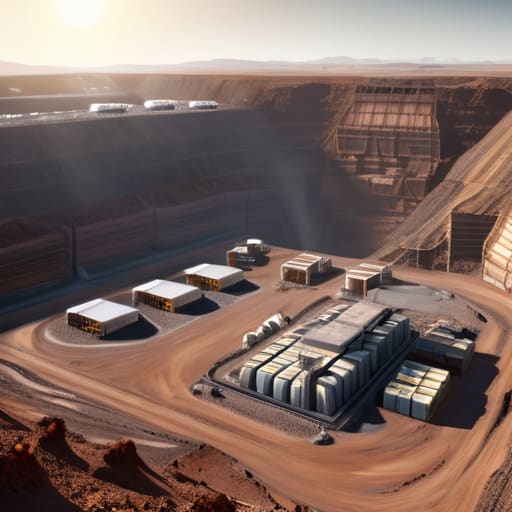
Look, we’ve covered a lot of ground, from the absolute headache of lithium procurement to the geopolitical chess game played over critical minerals like cobalt and nickel. The reality is that we can’t just “innovate” our way out of these supply chain kinks with a few clever software updates or shiny marketing campaigns. If we don’t solve the material sourcing bottleneck and find a way to stabilize the flow of battery-grade minerals, the entire electric transition is going to hit a wall. It’s not just about having the best chemistry on paper; it’s about whether we can actually scale the hardware without breaking the planet or the economy in the process.
Despite the skepticism I feel when I see big corporations slapping “green” labels on everything, I’m still an optimist at heart. I see the engineering breakthroughs happening in labs every day—solid-state developments and new cathode chemistries that could change the game entirely. We are currently in the messy, difficult “infrastructure phase” of a massive technological shift. It’s going to be unpolished and complicated, but if we focus on transparent, sustainable sourcing rather than just chasing quick margins, we can build a grid and a mobility sector that actually lasts. The hardware is coming; we just have to make sure it’s built to stay.
Frequently Asked Questions
If we can't solve the lithium bottleneck, are we just going to end up pivoting entirely to sodium-ion, or is that just a pipe dream for small-scale storage?
Look, it’s not an “either-or” situation; it’s about finding the right tool for the job. Sodium-ion isn’t a pipe dream, but it’s not a magic bullet for long-range EVs either. The energy density just isn’t there yet to compete with lithium for a Tesla or a Rivian. However, for stationary grid storage or low-speed urban mobility? Sodium is a massive win. We don’t need to replace lithium; we need to stop trying to force it into every single application.
How much of the "sustainable" label on these minerals is actually backed by real data versus just clever marketing from mining conglomerates?
Honestly? A lot of it is just polished PR. When a mining conglomerate slaps a “green” label on a nickel or cobalt shipment, they’re usually pointing at carbon offsets rather than the actual ecological footprint of the extraction itself. We need to stop accepting vague sustainability reports and start demanding granular, life-cycle assessment data. If they can’t show me the real-time water usage or the direct energy source for the processing plant, I’m treating that “sustainable” claim as marketing fluff.
Can we actually build a localized supply chain in the US that doesn't just end up being a different version of the current dependency on overseas processing?
Look, if we just build domestic mines to ship raw ore overseas for refining, we’ve achieved nothing but a more expensive version of the same problem. A real US supply chain has to include the midstream—the actual chemical processing and cathode manufacturing. We can’t just be the guys digging the holes; we have to be the ones doing the heavy lifting with the chemistry. Without that vertical integration, we’re just outsourcing our dependency.
