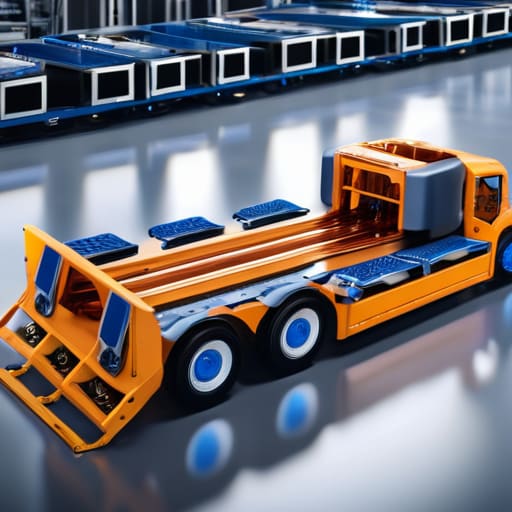
I remember sitting in my Georgia Tech lab, surrounded by half-disassembled cells and the faint, metallic tang of electrolyte, staring at a data sheet that promised the world. Every tech giant is currently shouting from the rooftops about how their new fleet will change everything, but if you actually look at the discharge curves, the math doesn’t always add up. We need to stop treating electric truck batteries like some magical, infinite energy source and start talking about the brutal reality of thermal management and cycle life under heavy loads. The industry is obsessed with “range anxiety,” but as an engineer, I’m more worried about the chemistry failing the mission halfway through a long-haul route.
I’m not here to sell you on a corporate vision of a green utopia or repeat the same glossy marketing fluff you see on LinkedIn. My goal is to strip away the buzzwords and look at the actual hardware—the cathode compositions, the cooling architectures, and the grid demands that will actually make or break this transition. I’m going to give you a no-nonsense breakdown of what’s happening inside those packs so you can understand the real difference between a viable tool and a expensive paperweight.
Table of Contents
- Why Battery Energy Density in Heavy Vehicles Dictates Success
- Decarbonizing Long Haul Trucking Through Proven Lithium Ion Battery Technol
- Real-World Hardware: 5 Things to Watch for When Evaluating Truck Battery Tech
- The Bottom Line on Heavy-Duty Electrification
- The Payload Paradox
- The Road Ahead: Real Tech for Real Miles
- Frequently Asked Questions
Why Battery Energy Density in Heavy Vehicles Dictates Success
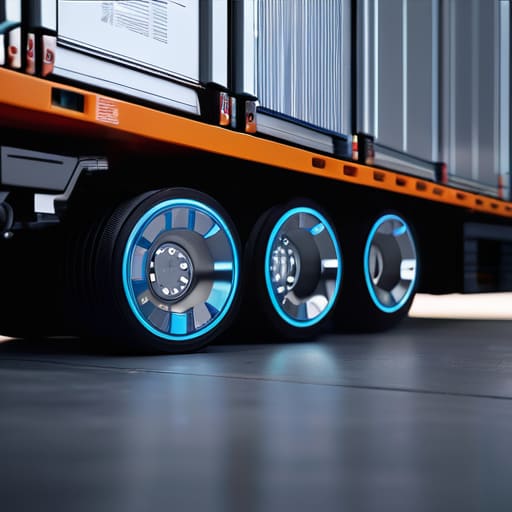
Here’s the reality: in a passenger car, if you lose a little range because the battery is slightly less efficient, it’s an inconvenience. In the logistics world, it’s a dealbreaker. When we talk about battery energy density in heavy vehicles, we aren’t just talking about how far a truck can go; we’re talking about how much payload it can actually carry. If the cells are too heavy or too bulky, you end up in this losing battle where the weight of the energy storage eats directly into the profit margins of the freight.
To make decarbonizing long-haul trucking a functional reality rather than just a corporate slide deck dream, we have to solve the weight-to-power ratio. It’s a brutal math problem. We need chemistries that pack more kilowatt-hours into every kilogram of mass. If we can’t move past the current limitations of standard lithium-ion setups, we’re just going to be driving incredibly expensive, heavy paperweights that can’t make the trip from coast to coast without a massive, unplanned detour for juice.
Decarbonizing Long Haul Trucking Through Proven Lithium Ion Battery Technol
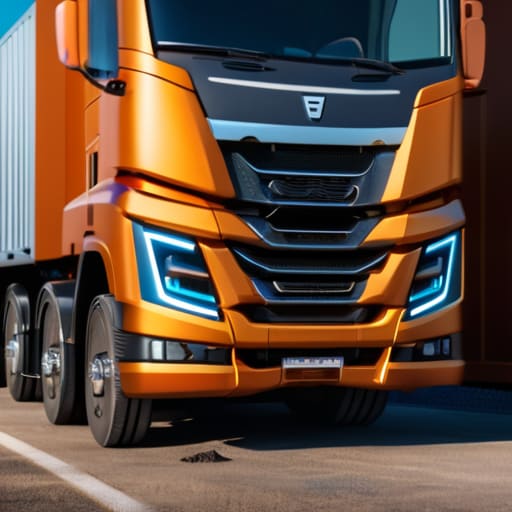
When we talk about decarbonizing long-haul trucking, the conversation usually gets lost in some nebulous “future tech” dreamscape. But if we look at the actual hardware on the road today, the reality is much more grounded in current lithium-ion battery technology for freight. We aren’t waiting for a magic wand; we’re looking at scaling existing chemistries to handle the brutal duty cycles of interstate logistics. The challenge isn’t just making a battery that works, it’s making one that can survive thousands of heavy-load cycles without the capacity dropping off a cliff.
It’s not just about the cells themselves, though. Even the most efficient chemistry is useless if the electric vehicle charging infrastructure for logistics isn’t there to support it. You can have the most advanced truck in the fleet, but if it’s sitting idle for four hours at a suboptimal charger, your entire supply chain breaks. We have to bridge the gap between high-performance cell design and the massive, high-voltage throughput required to keep these rigs moving. We need systems that are as rugged as the diesel engines they’re replacing.
Real-World Hardware: 5 Things to Watch for When Evaluating Truck Battery Tech
- Look past the “range anxiety” marketing and focus on cycle life. For a fleet, it doesn’t matter if a truck can go 500 miles once if the battery chemistry degrades so fast that the total cost of ownership spikes after two years.
- Don’t ignore the thermal management systems. Heavy-duty hauling generates massive amounts of heat during discharge, and if the cooling architecture isn’t top-tier, you’re looking at accelerated degradation and potential safety shutdowns.
- Demand transparency on the mineral supply chain. If a manufacturer is touting “green” tech but can’t tell me where their cobalt or nickel is coming from, they’re just participating in the same old corporate greenwashing I’ve seen my whole life.
- Prioritize charging architecture over raw capacity. A massive battery is useless if it takes six hours to top up. We need to be looking at high-voltage systems (800V and up) that allow for megawatt-scale charging to keep these rigs moving.
- Watch the weight-to-power ratio like a hawk. Every kilogram of battery is a kilogram of freight you can’t carry. The real winners in this space won’t just have the biggest batteries; they’ll have the most efficient energy density.
The Bottom Line on Heavy-Duty Electrification
We can’t just slap passenger car batteries onto a semi-truck and call it a day; success depends on high energy density that doesn’t sacrifice payload capacity.
Lithium-ion is our current heavy lifter, but the real win for long-haul freight will come from optimizing chemistry to handle extreme discharge cycles without rapid degradation.
Moving away from diesel isn’t just about swapping engines—it’s about building a grid and charging infrastructure that can actually handle the massive power draw these rigs demand.
The Payload Paradox
“We can keep marketing the idea of ‘zero-emissions freight’ all day long, but if we don’t solve the energy density problem, these trucks are just going to be hauling massive, expensive batteries instead of actual cargo. We need chemistry that works for the bottom line, not just the PR department.”
Desmond Achebe
The Road Ahead: Real Tech for Real Miles
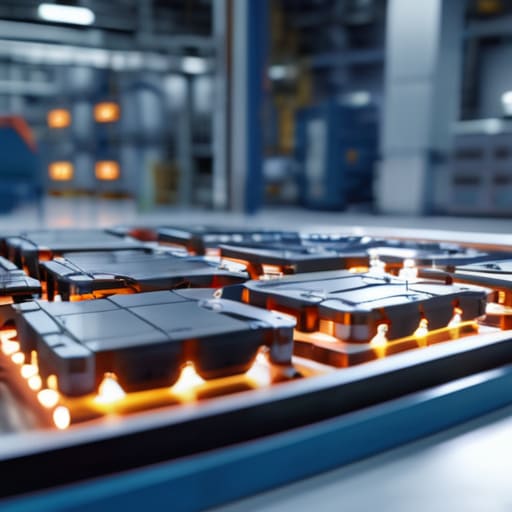
At the end of the day, moving heavy freight isn’t just about swapping a diesel engine for a motor; it’s a massive engineering hurdle that demands more than just optimistic press releases. We’ve looked at how energy density determines whether a truck is actually useful or just a glorified paperweight, and how current lithium-ion chemistries are the only realistic bridge we have to decarbonize long-haul routes right now. If we don’t get the balance between cycle life and thermal management exactly right, these fleets will stall before they even leave the depot. We need to stop treating battery capacity like a magic number and start treating it like the complex chemical system it actually is.
I know the skepticism is real, especially when you see how much work is still left to do regarding infrastructure and supply chains. But when I look at the data on solid-state progress and the sheer momentum behind high-density storage, I see a future that isn’t just possible—it’s inevitable. The transition won’t be won by the companies with the flashiest commercials, but by the engineers who solve the hard physics of energy throughput. We are building the hardware that will define the next century of movement, and if we stay grounded in the actual chemistry, we’re going to get there.
Frequently Asked Questions
If we're moving toward solid-state tech, how much longer do we have to rely on current liquid electrolyte lithium-ion setups for heavy-duty freight?
Look, I’m not going to give you a timeline that sounds like a corporate press release. If we’re talking about heavy-duty freight, we’re looking at at least another decade of liquid electrolyte dominance. Solid-state is the holy grail for safety and density, but scaling that chemistry to handle the massive thermal loads and vibration of a Class 8 truck is a different beast. For now, we have to optimize what we have before we can swap the guts.
How do these massive battery packs actually handle the thermal stress of constant, heavy-load climbing without killing their cycle life?
It’s a massive thermal management headache. When a semi-haul climbs a grade, the discharge rate spikes, which sends internal resistance through the roof and generates intense heat. If we let those cells cook, the electrolyte degrades and the cycle life goes down the drain. To prevent that, we’re looking at liquid-cooled cold plates integrated directly into the pack architecture. It’s not just about cooling; it’s about active, precise temperature regulation to keep the chemistry in that sweet spot.
Beyond just the vehicle itself, what does the charging infrastructure actually need to look like to prevent a total grid collapse when a fleet of trucks plugs in at once?
If a fleet of heavy-duty rigs plugs in simultaneously without a plan, we aren’t just looking at a brownout—we’re looking at a total grid meltdown. We can’t just slap more chargers on existing lines and hope for the best. We need massive localized storage, like BESS (Battery Energy Storage Systems), to buffer those massive spikes. Basically, we need the charging hubs to act like shock absorbers, pulling from stored energy rather than just sucking the grid dry.
