I spent most of my junior year at Georgia Tech hunched over a lab bench, surrounded by the overwhelming, sickly-sweet scent of NMP solvent. Back then, the standard way to build a battery felt less like high-tech engineering and more like a massive, expensive chemistry experiment that required constant drying ovens and endless energy just to evaporate the sludge. Everyone talks about the “future of EVs” like it’s already here, but if we’re being real, the industry is still tethered to these messy, solvent-based processes that drive up costs and kill efficiency. We need to stop pretending these legacy methods are sustainable and start getting serious about dry electrode manufacturing as the actual hardware fix we’ve been waiting for.
I’m not here to sell you on some corporate press release or a “green” miracle that doesn’t exist. My goal is to strip away the marketing fluff and look at the actual chemistry and mechanics of how we move from liquid slurries to solid films. I’m going to break down why this shift matters for energy density, how it changes the factory floor, and whether it can actually deliver the affordable, high-capacity storage we need to move the needle.
Table of Contents
Nmp Solvent Elimination Cutting the Toxic Waste
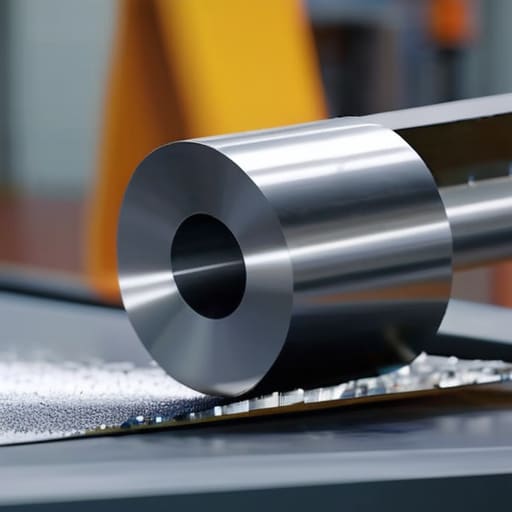
Here’s the reality of the current setup: most gigafactories are basically running massive, expensive chemical recovery plants alongside their assembly lines. Right now, the standard way to make an electrode involves dissolving binders in NMP (N-Methyl-2-pyrrolidone), a solvent that is as toxic as it is energy-intensive to manage. We spend a massive chunk of our budget just trying to capture, purify, and recycle that stuff so it doesn’t leak into the environment. It’s a huge, messy loop that adds zero value to the actual cell performance.
By prioritizing NMP solvent elimination, we aren’t just being “green”—we’re being efficient. Moving toward a dry process means we stop treating the factory like a chemical refinery and start treating it like a high-precision hardware line. When you ditch the liquid slurry, you bypass the need for massive drying ovens that hog electricity. This shift toward roll-to-roll dry coating simplifies the entire architecture, cutting out the thermal overhead and allowing us to focus on what actually matters: getting more stable, high-capacity cells out the door without the toxic baggage.
Achieving True Electrode Thickness Uniformity
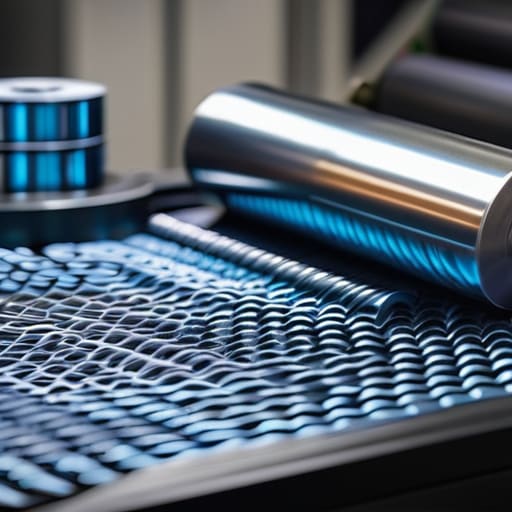
Here’s the real headache with switching to a dry process: if you can’t control the thickness, you’ve already lost. In a traditional wet slurry setup, the liquid acts as a buffer, helping the coating flow evenly across the foil. But when you move to roll-to-roll dry coating, you lose that liquid safety net. You’re essentially trying to compress a powder into a precise, thin film using nothing but mechanical pressure and heat. If your rollers are off by even a fraction of a micron, you end up with “hot spots” in the cell—areas where the material is too thick, causing uneven current distribution and potentially leading to premature failure.
Achieving consistent electrode thickness uniformity is the holy grail here. It’s not just about making the battery look pretty; it’s about the physics of how ions move. If the layer is inconsistent, the impedance varies across the surface, which kills your cycle life and makes the whole pack unpredictable. We’re talking about a massive leap in battery manufacturing process optimization that requires much tighter tolerances than the old solvent-based methods. We have to master the mechanics of powder compaction to ensure every single cell performs exactly like the one before it.
Making it Work: 5 Reality Checks for Scaling Dry Electrode Tech
- Stop obsessing over the theory and start focusing on binder dispersion. In a wet process, the solvent does the heavy lifting for you, but with dry electrodes, if your PTFE binder isn’t fibrillated perfectly, your entire coating is going to be a structural nightmare.
- Get serious about real-time particle monitoring. Since you aren’t washing away inconsistencies with a solvent bath, you need high-speed sensors integrated directly into the calendering line to catch density fluctuations before you’ve wasted kilometers of expensive active material.
- Rethink your cleanroom economics. One of the biggest wins here is ditching the massive NMP recovery ovens, but you need to reinvest those CAPEX savings into advanced dust control; without solvents to “trap” things, airborne particulates become much more dangerous to your electrode integrity.
- Don’t underestimate the thermal management of the rollers. When you’re compacting dry powder into a dense film, the friction generates massive localized heat. If your calendering temperature isn’t precision-controlled, you’ll end up with uneven polymer melting and a battery that dies way sooner than its spec sheet claims.
- Bridge the gap between lab-scale and gigafactory scale early. It’s easy to make a perfect 10cm strip in a university lab, but the mechanical stress of scaling that to a continuous roll-to-roll process is where most companies trip up. Design your pilot lines for high-tension stability, not just chemical purity.
The Bottom Line on Dry Electrode Tech
We have to stop treating NMP solvents like a necessary evil; ditching them isn’t just about being “green,” it’s about stripping out a massive, expensive, and toxic bottleneck in the production line.
If we can’t master electrode thickness uniformity through dry processing, we’re just trading one set of manufacturing headaches for another, and the battery chemistry won’t survive the inconsistency.
This isn’t just a minor tweak to the factory floor—dry electrode manufacturing is the fundamental hardware pivot required to actually scale high-density storage without the massive environmental footprint of traditional wet coating.
The Real Cost of Wet Coating
“We keep acting like the solvent-based process is just ‘the way things are,’ but it’s actually a massive bottleneck. If we’re serious about a circular battery economy, we can’t keep building gigafactories that function like giant chemical evaporation plants just to get a single layer of active material on a foil.”
Desmond Achebe
The Bottom Line on Dry Electrodes

Look, we can’t keep pretending that the current wet-slurry method is the gold standard just because it’s what we’ve always done. Between the massive energy footprint required to dry those solvent-soaked sheets and the sheer logistical nightmare of managing toxic NMP waste, the math just doesn’t add up for a sustainable future. Moving to dry electrode manufacturing isn’t just about tweaking a production line; it’s about fundamentally re-engineering the way we build energy storage. By eliminating the solvent cycle and mastering electrode thickness uniformity, we aren’t just making batteries cheaper—we’re making the entire supply chain leaner and more resilient.
At the end of the day, the transition to electric mobility is going to be won or lost in the manufacturing plants, not just in marketing brochures. We need hardware that can actually scale without leaving a trail of chemical sludge behind it. I’m tired of seeing “green” promises that ignore the grit and chemistry of the factory floor. If we get the dry electrode process right, we stop chasing incremental gains and start building the high-density, sustainable foundation that the next generation actually deserves. It’s time to stop talking about the dream and start optimizing the hardware.
Frequently Asked Questions
If we're ditching the NMP solvent, how do we stop the electrode layers from cracking or delaminating during the high-pressure calendering process?
That’s the million-dollar question. When you ditch the NMP solvent, you lose that “liquid cushion” that helps the particles settle into a smooth slurry. Without it, you’re essentially trying to press a dry powder into a solid sheet, which is a recipe for micro-cracks. To stop delamination, we have to nail the binder chemistry and the precision of the calendering rollers. It’s all about finding that sweet spot where the mechanical pressure binds the active material without pulverizing the structure.
Is the energy savings from removing massive drying ovens actually enough to offset the heavy power demands of the new dry-film extrusion hardware?
It’s a fair question, and honestly, it’s the kind of math that keeps me up at night. You’re trading massive, constant thermal loads for high-intensity mechanical loads. But when you look at the lifecycle data, the math favors dry film. Those gargantuan drying ovens are energy hogs that run 24/7. While extrusion hardware pulls serious current, the net reduction in total kilowatt-hours per gigawatt-hour produced is massive. It’s a shift from thermal waste to precision mechanical work.
Can dry electrode tech actually handle the high-nickel chemistries we need for long-range EVs, or does it struggle with the structural stability of those active materials?
That’s the million-dollar question. Honestly, it’s a massive engineering hurdle. High-nickel cathodes are notoriously finicky; they’re structurally sensitive and prone to micro-cracking. When you ditch the liquid solvent, you lose that “slurry cushion” that helps distribute stress during the coating process. If the dry film isn’t perfectly calibrated, you end up with uneven particle distribution, which kills your cycle life. We can do it, but the precision required for the dry-pressing stage has to be absolute.
