I remember sitting in a Georgia Tech lab at 2:00 AM, surrounded by half-disassembled cells and the faint, metallic tang of electrolyte, staring at a data sheet that promised “revolutionary” range for a new transit pilot. It was all marketing fluff. Everyone loves to talk about the “green revolution” of public transit, but nobody wants to talk about the massive, heavy, and incredibly expensive reality of electric bus batteries. We see these glossy press releases about zero-emission cities, but they conveniently gloss over the thermal management nightmares and the sheer infrastructure debt required to actually keep these behemoths on the road without them dying halfway through a morning route.
I’m not here to sell you on the utopian dream or repeat the same corporate greenwashing you’ve heard a thousand times. Instead, I’m going to pull back the curtain on the actual hardware. We’re going to dive into the specific chemistries—from LFP to NMC—that dictate whether a fleet is a sustainable asset or a maintenance disaster waiting to happen. If you want to understand the real-world trade-offs between energy density, cycle life, and total cost of ownership, you’re in the right place.
Table of Contents
Beyond the Hype Lithium Ion Battery Technology for Transit
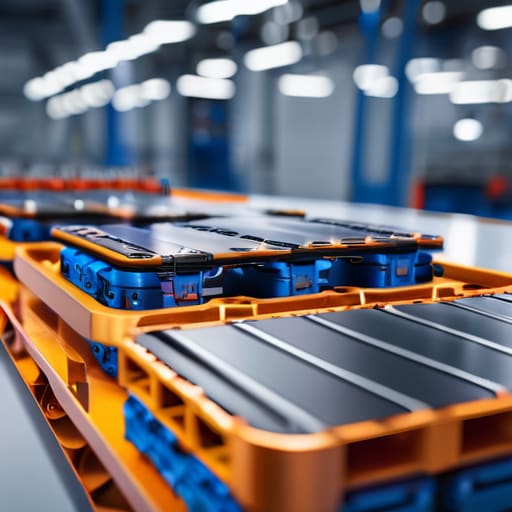
When we talk about lithium-ion battery technology for transit, we have to move past the “magic box” mentality. Most people see a bus and think it’s just a giant smartphone on wheels, but the scale of energy density for electric buses is an entirely different beast. We aren’t just talking about powering a screen; we are talking about moving twenty tons of steel and dozens of passengers through stop-and-go urban traffic for eighteen hours a day. To make this viable, the chemistry has to be rugged enough to handle constant thermal cycling without turning into a paperweight after two years.
The real headache for engineers isn’t just the initial capacity, though—it’s the inevitable battery degradation in heavy-duty vehicles. Every time a bus pulls away from a stop or hits a steep grade, the cells are under massive stress. If we don’t account for how these chemistries age under extreme duty cycles, we’re just building expensive scrap metal. We need to be looking at cell-to-pack architectures that prioritize thermal management just as much as raw capacity if we want these fleets to actually last.
The Energy Density for Electric Buses We Actually Need
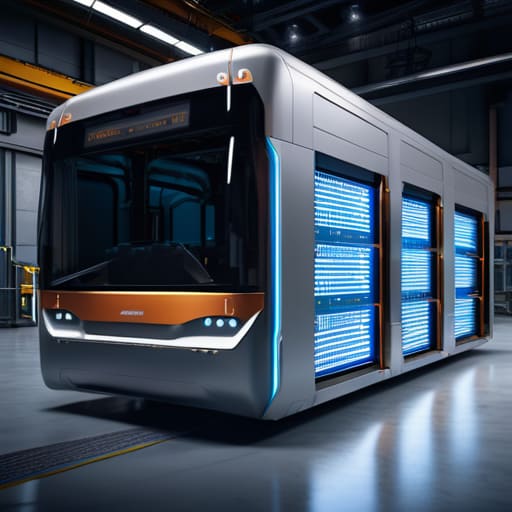
Here’s the reality: you can’t just slap a Tesla pack under a 40-foot transit bus and call it a day. The math just doesn’t work. For a city to actually implement sustainable urban mobility solutions, we need a level of energy density for electric buses that most current passenger-car tech can’t touch. It’s a massive weight-to-power ratio problem. If the battery is too heavy, you’re spending more energy just moving the mass of the cells than you are moving the passengers, which kills your efficiency and nukes your range.
We’re looking for that “Goldilocks” zone where the cells are dense enough to handle a full day of stop-and-go service, but not so heavy that they tear up the road infrastructure. It’s not just about capacity; it’s about how that energy behaves under constant stress. We have to account for battery degradation in heavy-duty vehicles because these packs are going to be getting hammered by rapid discharge cycles and extreme temperature swings every single day. If we don’t solve the density-to-weight equation, these fleets will stay stuck in the pilot phase forever.
Real-World Tactics for Managing Heavy-Duty Battery Life
- Stop treating bus batteries like smartphones. You can’t just smash them with ultra-fast charging every single time they hit 10% without accelerating cell degradation; aim for a more balanced state-of-charge window to keep the chemistry stable.
- Watch the thermal management like a hawk. If the cooling system isn’t optimized for high-ambient temperatures, you’re not just losing efficiency—you’re literally cooking the electrolyte and shortening the lifespan of your entire fleet.
- Prioritize LFP (Lithium Iron Phosphate) for urban routes. While the energy density isn’t as flashy as NMC, the cycle life and thermal stability are way more practical for buses that are running constant stop-and-go loops all day.
- Integrate smart telematics to monitor real-time degradation. We need to move past “scheduled maintenance” and start using actual data on internal resistance and voltage sag to predict when a module is actually going to fail.
- Plan for the second life. When a battery pack drops to 80% capacity and is no longer viable for a 12-hour transit route, don’t just scrap it; repurpose those cells into stationary grid storage to help balance the local renewable load.
The Bottom Line on Transit Electrification
Forget the marketing fluff; the success of electric bus fleets hinges on moving past standard Li-ion and solving the real-world degradation issues caused by heavy duty-cycling.
We can’t just swap engines for batteries; we need a massive, synchronized overhaul of grid infrastructure to handle the massive, simultaneous charging loads these buses demand.
True sustainability isn’t just about zero tailpipe emissions—it’s about ensuring the chemistry we use today doesn’t create a massive, unmanageable waste crisis for my generation tomorrow.
The Sustainability Bottleneck
“We can keep designing sleeker bus shells and fancier digital dashboards, but if we don’t solve the cycle-life and mineral sourcing issues in the battery cells themselves, we’re just swapping one unsustainable transit model for another.”
Desmond Achebe
The Road Ahead
At the end of the day, transitioning a city’s transit fleet to electric isn’t just about swapping a diesel engine for a motor; it’s a massive, complex puzzle of chemistry and grid management. We’ve looked at why standard lithium-ion isn’t a magic bullet, why energy density is the bottleneck for long-haul routes, and why the infrastructure has to be as robust as the vehicles themselves. If we keep ignoring the nuances of cell degradation and the massive power demands of rapid charging, we’re just setting ourselves up for a very expensive failure. We can’t just chase the “green” label; we have to solve the hard engineering problems that come with scaling high-capacity storage to a municipal level.
I’m an optimist by nature—I see the potential in every solid-state breakthrough and every new recycling protocol—but I’m not interested in the corporate fluff. The shift to electric buses is inevitable, but the version of the future we get depends entirely on whether we prioritize actual technical sustainability over quick marketing wins. We have the blueprints and we have the math. Now, we just need the grit to build the hardware that can actually handle the weight of a city on its shoulders. Let’s stop dreaming about a zero-emission future and start building the battery tech that makes it a reality.
Frequently Asked Questions
If we switch to these high-density packs, how do we stop the degradation from constant rapid-charging at bus depots?
That’s the million-dollar question. If we just slam these packs with high-voltage juice every night, we’re basically cooking the electrolyte and killing the cycle life before the bus even hits year three. To stop the degradation, we have to move away from “dumb” charging. We need smart BMS (Battery Management Systems) that throttle current based on real-time thermal data and implement “opportunity charging” during midday lulls to avoid those deep, stressful discharge cycles.
Are we actually going to solve the supply chain mess for cobalt and nickel, or are we just swapping one resource crisis for another?
Look, if we keep chasing the same high-nickel, cobalt-heavy chemistries, we’re just trading one geopolitical headache for another. It’s a massive risk. But the industry isn’t just sitting on its hands; we’re seeing a real push toward LFP (Lithium Iron Phosphate) for transit because it ditches those problematic materials entirely. Between LFP and the looming potential of solid-state, we aren’t just swapping crises—we’re actually re-engineering the chemistry to be more resilient.
How do we integrate these massive battery arrays into an aging grid without causing local voltage instability every time a fleet plugs in?
That’s the million-dollar question. You can’t just treat a bus depot like a giant toaster and plug it into a 50-year-old transformer without causing a meltdown. To prevent local voltage sag, we need smart charging infrastructure—think bidirectional V2G (Vehicle-to-Grid) tech. Instead of just sucking power, these buses can actually act as massive distributed batteries, injecting stability back into the grid during peak demand. It’s about turning a massive load into a grid asset.
