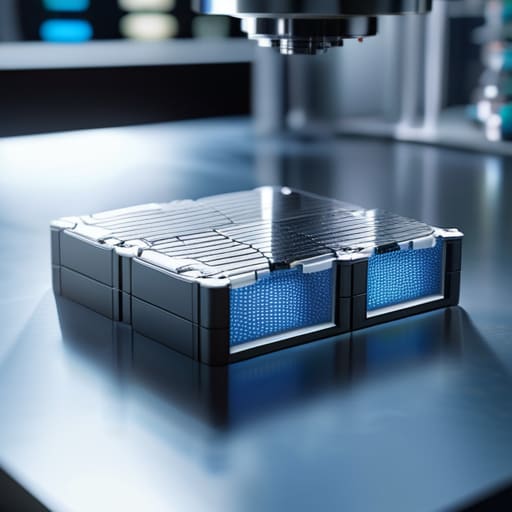
I remember sitting in a Georgia Tech lab at 2:00 AM, staring at a lithium-ion cell that had just undergone a catastrophic thermal runaway, the smell of scorched electrolyte still hanging heavy in the air. It was a visceral reminder that our current tech is essentially a controlled explosion held together by thin membranes. Now, every time I scroll through my feed, I see tech CEOs throwing around the term solid state batteries like it’s some magical cure-all that will magically solve every infrastructure hurdle by next Tuesday. It’s exhausting. We need to stop treating this like a sci-fi movie plot and start talking about the actual material science required to make these cells stable, scalable, and—most importantly—affordable.
I’m not here to sell you on the dream or parrot a corporate press release. My goal is to strip away the marketing gloss and look at the raw data behind the chemistry. We’re going to dive into the real bottlenecks of solid state batteries, from ionic conductivity issues to the nightmare of manufacturing at scale. I promise to give you a grounded, engineering-first perspective on whether this tech is actually going to power our future or if it’s just another expensive distraction.
Table of Contents
- Lithium Ion vs Solid State Comparison Moving Past Liquid Limitations
- Ceramic Electrolyte Technology the Hardware That Actually Matters
- Hard Truths: What to Actually Watch For in the Solid-State Race
- The Bottom Line: What Actually Matters for the Transition
- The Real Bottleneck
- The Reality Check
- Frequently Asked Questions
Lithium Ion vs Solid State Comparison Moving Past Liquid Limitations

To understand why everyone is losing their minds over this tech, you have to look at what’s actually happening inside a standard pack right now. In a traditional setup, we’re basically using a liquid electrolyte to shuttle ions back and forth. It works, but it’s inherently volatile. That liquid is the reason your phone gets hot and why EV fire risks—though statistically low—are such a massive talking point. When we look at a lithium-ion vs solid state comparison, the difference isn’t just about capacity; it’s about stability. By swapping that flammable liquid for a solid medium, like ceramic electrolyte technology, we’re essentially removing the fuse from the bomb.
But it’s not just about safety; it’s about density. Because solid electrolytes are more robust, we can move toward an anode-free battery design that significantly shrinks the footprint of the cell while boosting energy density. This is where the real magic happens for EVs. We aren’t just talking about slightly better range; we’re talking about drastically improved fast charging capabilities that don’t degrade the chemistry after a hundred cycles. If we can bridge the gap from lab prototypes to mass production, we’re looking at a complete hardware overhaul.
Ceramic Electrolyte Technology the Hardware That Actually Matters
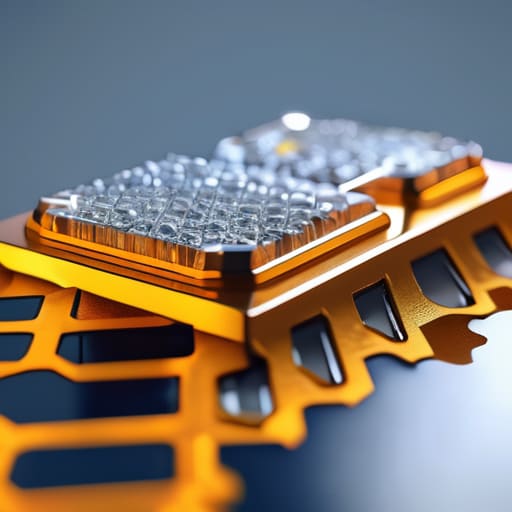
When we talk about the hardware shift, we’re really talking about replacing that volatile liquid electrolyte with something much more stable. This is where ceramic electrolyte technology comes into play. Think of the current liquid setup like a swimming pool—it’s great for moving ions, but if the container cracks, things get messy and dangerous fast. Ceramics act more like a solid, structural highway. They don’t just sit there; they provide a physical barrier that prevents dendrites—those tiny, jagged lithium spikes—from piercing through the separator and causing a short circuit.
However, it’s not all smooth sailing. The real bottleneck in solid-state battery manufacturing challenges is the interface. If the ceramic layer doesn’t make perfect, microscopic contact with the electrodes, you get massive resistance. It’s like trying to run a high-speed train on tracks that aren’t perfectly aligned; you lose efficiency and energy everywhere. If we can solve this contact issue, we aren’t just looking at safer cells, but a massive leap in fast charging capabilities that could finally make gas stations feel like a relic of the past.
Hard Truths: What to Actually Watch For in the Solid-State Race
- Stop chasing “range anxiety” headlines. A battery that goes 600 miles but takes three hours to charge is just a heavy, expensive version of what we already have. Look for companies prioritizing fast ion transport through the solid electrolyte, not just energy density.
- Keep a skeptical eye on “lab-scale” breakthroughs. It’s easy to make a coin-sized solid-state cell work in a cleanroom at Georgia Tech, but scaling that to a multi-layer pouch cell that can survive a car’s vibration profile is a completely different beast.
- Watch the manufacturing bottleneck. If a new solid-state design requires entirely new, multi-billion dollar production lines that can’t integrate with existing lithium-ion roll-to-roll processes, it’s going to stay a niche luxury tech for a long time.
- Don’t ignore the interface problem. The biggest headache in my field isn’t just the chemistry; it’s the physical contact between the solid electrolyte and the electrodes. If they don’t stay pressed together during charge cycles, the battery is dead on arrival.
- Demand transparency on material sourcing. We can’t call it a “green revolution” if we’re just swapping one supply chain crisis for another. True sustainability means looking at whether these solid electrolytes rely on rare-earth minerals that are just as problematic as cobalt.
The Bottom Line: What Actually Matters for the Transition
Forget the “infinite range” marketing; the real win with solid-state is energy density and safety. By swapping out volatile liquid electrolytes for stable solid ones, we’re finally addressing the fundamental chemistry hurdles that make current EVs feel like a compromise.
Scaling is the ultimate boss fight. Moving from a successful lab prototype to a mass-produced battery pack that doesn’t cost a fortune is a massive engineering gap that ceramic and polymer electrolytes still have to bridge.
Sustainability can’t be an afterthought. If we solve the energy density problem but ignore the supply chain for the raw materials, we’re just trading one environmental crisis for another. Real progress means building a circular lifecycle, not just a better battery.
The Real Bottleneck
“We can keep chasing ‘range anxiety’ with bigger, heavier liquid-electrolyte packs, but that’s just a band-aid. If we’re actually serious about a sustainable transition, we have to solve the interface problem in solid-state cells; otherwise, we’re just building slightly more expensive versions of the same old tech.”
Desmond Achebe
The Reality Check
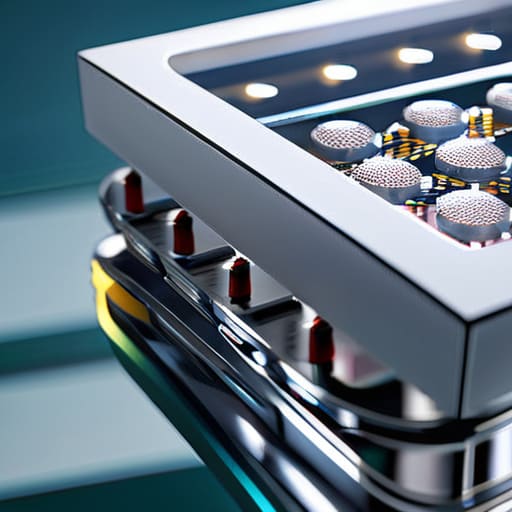
Look, we’ve moved past the honeymoon phase of talking about solid-state batteries as some kind of magic wand. We’ve dissected how moving away from volatile liquid electrolytes to ceramic or polymer architectures solves the massive safety and energy density hurdles that have been holding back EVs for a decade. It’s not just about getting more miles out of a single charge; it’s about the fundamental shift in material science that allows us to push energy density to its physical limits without turning a car into a fire hazard. If we can bridge the gap between lab-scale breakthroughs and high-volume manufacturing, we’re looking at a total reconfiguration of how we move.
But let’s be real: the transition won’t happen just because a startup releases a flashy white paper. It’s going to happen when the supply chain and the chemistry actually align to make these cells cheaper and more sustainable than the fossil fuels they’re replacing. I’m tired of the corporate greenwashing that promises a revolution next year while ignoring the massive infrastructure gaps. We need to stay focused on the hardware, the real chemistry, and the gritty engineering work required to make this scale. The future of mobility is written in the ions, and I’m ready to see if we can actually build it.
Frequently Asked Questions
If ceramic electrolytes are the goal, how do we solve the dendrite problem that keeps shorting out these cells during fast charging?
That’s the million-dollar question. Even with a solid ceramic barrier, lithium ions can still “pile up” at the interface during fast charging, forming those needle-like dendrites that eventually crack the electrolyte and short the cell. We’re looking at solving this through better interfacial engineering—basically making the contact between the electrode and the ceramic more seamless—and experimenting with composite electrolytes that combine ceramic’s stiffness with polymer’s flexibility to “self-heal” those micro-cracks before they become catastrophic.
We talk about energy density all day, but what does the actual supply chain look like for the materials needed to scale this beyond niche luxury EVs?
The reality is pretty messy. We can talk about energy density until we’re blue in the face, but if we can’t source the raw materials without a geopolitical nightmare, it’s all just theoretical. Scaling solid-state means moving away from the cobalt-heavy dependencies of current Li-ion, but we’re trading one headache for another: massive demand for high-purity lithium and specialized ceramics. If the supply chain stays locked in niche, high-cost loops, this tech stays in luxury toys and never hits the mass market.
Is there a realistic timeline for when we'll see these in consumer-grade hardware, or are we still looking at a decade of lab-scale prototypes?
Look, I’m going to be real with you: we aren’t seeing these in your iPhone or your Tesla next Tuesday. If you’re looking for mass-market consumer tech, we’re likely looking at a 5-to-7-year horizon for high-end EVs. The real bottleneck isn’t the chemistry—it’s the manufacturing. Scaling ceramic electrolytes from a controlled lab environment to a high-speed gigafactory without creating microscopic cracks is a massive engineering headache. We’re moving past the “if” and into the “how.”
