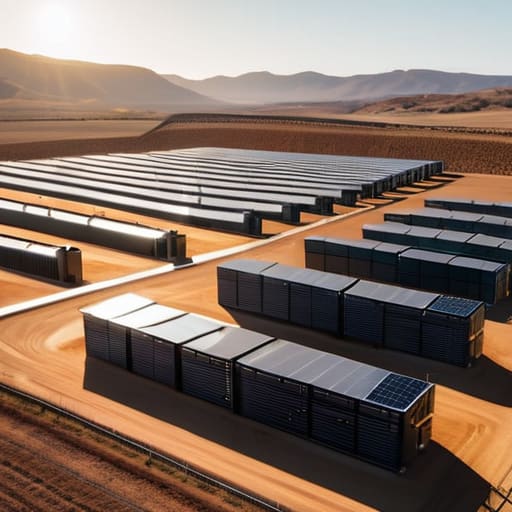
I remember sitting in a cramped lab at Georgia Tech, surrounded by the sharp, metallic tang of electrolyte leakage and the hum of testing rigs, staring at a battery cell that had just hit its death cycle way too early. It was a reality check that no glossy corporate brochure could ever capture: we can build all the wind farms we want, but without solving the actual hardware bottleneck of renewable energy storage, we’re just building a house on sand. Everyone loves to talk about the grand vision of a carbon-free future, but they conveniently skip over the messy, difficult physics of how we actually keep the lights on when the sun goes down and the wind stops blowing.
I’m not here to sell you on some utopian dream or repeat the sanitized talking points you hear in investor earnings calls. My goal is to strip away the greenwashing and look directly at the chemical reality of what we’re building. We’re going to dive into the actual tech—from lithium-ion limitations to the promise of solid-state breakthroughs—to figure out what’s actually going to scale. If you want to understand the real guts of renewable energy storage and why the transition is going to be a grind rather than a sprint, you’re in the right place.
Table of Contents
- Lithium Ion vs Flow Batteries the Chemistry of Survival
- Maximizing Energy Density in Storage Solutions for Real Use
- Stop Guessing, Start Calculating: 5 Ways to Actually Evaluate Storage Tech
- The Bottom Line: What Actually Matters for the Grid
- The Infrastructure Reality Check
- The Real Work Starts Now
- Frequently Asked Questions
Lithium Ion vs Flow Batteries the Chemistry of Survival
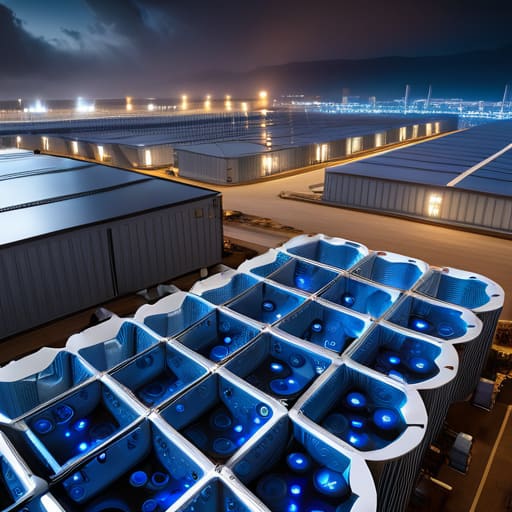
Look, if you’re looking at EVs, lithium-ion is the undisputed king. Its high energy density in storage solutions is what allows a Tesla to zip around without needing a trailer. But when we shift our focus from mobility to the massive scale of the electrical grid, the math changes completely. Lithium-ion is great for short bursts of power, but it’s not exactly built for the long haul of a multi-day weather event.
That’s where the debate of lithium-ion vs flow batteries actually gets interesting. Think of lithium-ion like a high-performance sprinter: fast, efficient, but it burns out quickly. Flow batteries, specifically redox flow systems, are more like a marathon runner. They store energy in liquid electrolytes kept in external tanks, meaning if you want more capacity, you don’t need a whole new battery—you just build a bigger tank. While lithium is fighting degradation issues every time it cycles, flow tech offers a way to achieve true grid stability and renewables integration without the constant fear of thermal runaway. If we’re serious about decarbonizing the electrical grid, we can’t just rely on one chemistry; we need the right tool for the right scale.
Maximizing Energy Density in Storage Solutions for Real Use

When we talk about energy density in storage solutions, we aren’t just talking about how long your phone lasts; we’re talking about the physical footprint of the hardware required to keep a city running. In my lab days at Georgia Tech, the math was always the same: if you can’t pack more electrons into a smaller, more stable volume, you’re just building massive, expensive warehouses that take up too much real estate. For EVs, high energy density is the difference between a 300-mile range and range anxiety, but for the grid, it’s about how efficiently we can deploy battery energy storage systems in tight urban environments.
However, we can’t just chase the highest Wh/kg (Watt-hours per kilogram) and call it a day. We have to balance density with lifecycle longevity. If we lean too hard into high-density chemistries that degrade after only a few hundred cycles, we’re just creating a future landfill crisis. Real progress means finding that sweet spot where we maximize capacity without sacrificing the structural integrity of the cells. If we want to succeed in decarbonizing the electrical grid, we need hardware that is dense enough to be practical but robust enough to actually survive the decade.
Stop Guessing, Start Calculating: 5 Ways to Actually Evaluate Storage Tech
- Stop falling for “energy density” marketing fluff. If you’re looking at stationary grid storage, capacity and cycle life matter way more than how much weight you can shave off. A massive, heavy vanadium flow battery is a win for the grid, even if it wouldn’t fit in a Tesla.
- Look past the lithium hype and check the supply chain. If a storage solution relies on minerals that are ethically messy or geologically scarce, it’s not a long-term solution—it’s just a temporary fix that’s going to hit a massive bottleneck in five years.
- Evaluate the Round-Trip Efficiency (RTE) like your life depends on it. There’s no point in capturing a massive solar surge if you’re losing 30% of that energy to heat during the conversion and storage process. If the RTE is garbage, the math for the whole project fails.
- Prioritize modularity over monolithic systems. I’ve seen too many “all-in-one” solutions that become expensive paperweights the second one component fails. You want hardware that lets you swap out cells or modules without tearing down the entire infrastructure.
- Demand real-world degradation data, not theoretical lab models. Every manufacturer will show you a perfect graph of a battery lasting 10,000 cycles, but they never show you how that chemistry holds up when the ambient temperature swings 40 degrees or the grid frequency gets wonky.
The Bottom Line: What Actually Matters for the Grid
We need to stop treating “batteries” as a monolith; the real win comes from matching specific chemistries—like the longevity of flow batteries or the density of lithium-ion—to their actual job on the grid.
Energy density isn’t just a spec sheet number for enthusiasts; it’s the fundamental bottleneck that determines whether electric infrastructure can actually scale or if we’re just building expensive, glorified paperweights.
Sustainability can’t be a marketing buzzword—if we don’t solve the hardware and lifecycle issues of these storage systems now, the “green transition” is going to hit a massive, very expensive wall.
The Infrastructure Reality Check
“We can keep dreaming about a 100% renewable grid, but until we solve the actual physics of long-duration storage, those dreams are just expensive paperweights. It’s not about how much energy we can generate; it’s about how much we can actually hold onto when the sun goes down and the wind stops blowing.”
Desmond Achebe
The Real Work Starts Now
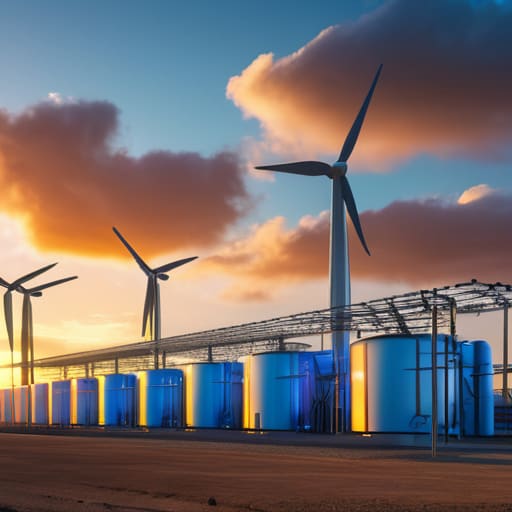
Look, we’ve covered a lot of ground, from the granular chemistry of lithium-ion degradation to the massive potential of flow batteries for long-duration storage. The takeaway is simple: there isn’t a “silver bullet” technology that’s going to solve everything overnight. We need a diverse toolkit of hardware—high-density cells for our EVs and scalable, long-cycle systems for the grid—to make renewable energy a reliable reality. If we keep chasing vague, one-size-fits-all promises instead of optimizing these specific chemistries, we’re just spinning our wheels. We have to match the right storage solution to the right application, or we’re never going to bridge the gap between intermittent generation and constant demand.
I’m genuinely optimistic about where we’re headed, but that optimism is grounded in the reality of the hardware. The transition to electric mobility and a stabilized green grid isn’t just a policy goal; it’s an engineering challenge that we are currently solving one cell at a time. It’s easy to get lost in the hype of “green” headlines, but the real magic happens in the labs and the manufacturing plants where the actual energy density is being squeezed out of new materials. We aren’t just waiting for a better future; we are building the hardware that makes it possible. Let’s stop talking about what could happen and start focusing on the chemistry that will happen.
Frequently Asked Questions
If we finally crack solid-state tech, how much does that actually change the math for grid-scale storage compared to the lithium-ion setups we're using now?
Honestly, it’s a total game-changer, but not for the reasons the hype cycles tell you. For grid-scale, it’s less about making a battery “smaller” and more about the safety and lifecycle math. If we swap liquid electrolytes for solid ones, we kill the thermal runaway risk—meaning we don’t need massive, expensive cooling infrastructures. We’re talking about higher energy density and way more cycles before degradation hits. It turns the economics of long-duration storage from a gamble into a certainty.
Are we actually building the infrastructure to recycle these battery packs, or are we just trading a carbon problem for a massive chemical waste problem?
Honestly? Right now, we’re mostly just trading one headache for another. We’re obsessed with the “front end”—getting EVs on the road—but the “back end” is a mess. Most recycling is just crude smelting, which is energy-intensive and loses a ton of the high-value materials. If we don’t scale closed-loop hydrometallurgy and standardized pack designs soon, we aren’t building a sustainable future; we’re just creating a massive, toxic mountain of e-waste for my generation to clean up.
How do we stop the "greenwashing" when companies claim they're renewable-ready but their supply chains are still tied to high-impact mining?
We stop the greenwashing by demanding full lifecycle transparency, not just “carbon neutral” marketing fluff. It’s easy to slap a leaf icon on a battery pack, but if the cobalt and nickel were pulled through exploitative, high-impact mining without a closed-loop recycling plan, that’s not progress—it’s just shifting the damage. We need to move past vague ESG promises and start auditing the actual mineral provenance and the hardware’s end-of-life recyclability. Real sustainability is in the supply chain.
