
I remember spending my junior year at Georgia Tech hunched over a workbench, the sharp, metallic tang of electrolyte leakage stinging my nose while I tried to figure out why a specific cell wouldn’t hold a charge. It was a messy, frustrating reality check that no glossy corporate brochure ever mentions. Everyone loves to talk about the “green revolution,” but they tend to gloss over the actual grit required to manage battery recycling processes once these cells hit their end-of-life. We’re being sold this dream of a perfect circular economy, yet most of the industry is still just playing catch-up with the sheer volume of hardware hitting the scrap heap.
I’m not here to give you a polished PR pitch or a list of vague sustainability goals. Instead, I’m going to pull back the curtain on the actual chemistry and the mechanical heavy lifting that makes reclamation possible. We’re going to break down the hydrometallurgical and pyrometallurgical methods without the fluff, so you can understand which battery recycling processes are actually moving the needle and which ones are just expensive greenwashing. Let’s get into the real hardware.
Table of Contents
- Hydrometallurgical vs Pyrometallurgical Recycling Choosing the Winning Tech
- Black Mass Production the Foundation of True Resource Recovery
- How to Spot Real Circularity (and Avoid the Greenwash)
- The Bottom Line: Why This Matters for the Grid
- ## The Circularity Gap
- The Bottom Line on Circularity
- Frequently Asked Questions
Hydrometallurgical vs Pyrometallurgical Recycling Choosing the Winning Tech
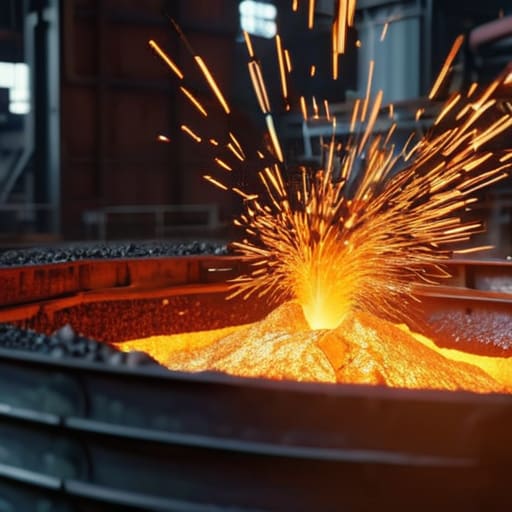
When you strip away the marketing fluff, the real battle for the future of the grid comes down to how we actually handle the guts of these cells. Right now, we’re looking at a massive tug-of-war between pyrometallurgy and hydrometallurgy. Pyrometallurgy is the old-school heavyweight; it uses high-heat smelting to melt down cells. It’s relatively simple to scale, but it’s a bit of a blunt instrument. You lose a lot of the lithium in the slag, and the energy intensity is honestly pretty high. It’s effective for recovering cobalt and nickel, but if we want a truly circular economy, just burning things isn’t the endgame.
That’s where hydrometallurgy enters the chat. Instead of fire, we’re using chemical leaching to dissolve the components. It’s way more precise, which is critical for black mass production and getting those high-purity minerals back. While it’s more complex to manage the chemical waste streams, the ability to reclaim almost every valuable element makes it the frontrunner for building genuine closed-loop battery systems. If we’re going to hit our sustainability targets, we need the surgical precision of hydrometallurgy, not just the brute force of a furnace.
Black Mass Production the Foundation of True Resource Recovery
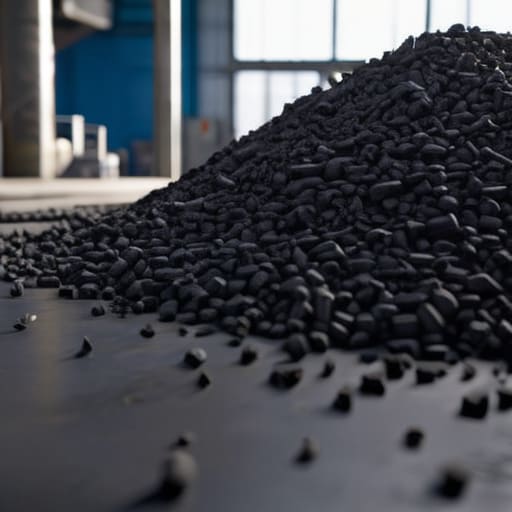
Before we can even talk about refining high-purity metals, we have to deal with the “messy” middle step: black mass production. Think of it like the difference between eating a whole apple and making apple sauce. You can’t just throw a whole EV battery pack into a chemical vat and expect pure nickel to pop out the other side. First, we have to shred the cells in a controlled environment—usually under an inert atmosphere so we don’t trigger a thermal runaway—to create this dark, powdery mixture of crushed electrodes and separators.
This powder, the black mass, is where the actual value is concentrated. It’s essentially a high-stakes treasure hunt of recovering cobalt and nickel from a chaotic mix of graphite and copper. If the shredding process is sloppy, we lose yield; if it’s too aggressive, we compromise the chemistry. Getting this step right is the absolute backbone of closed-loop battery systems. Without high-quality black mass, the downstream hydrometallurgical processes are basically just trying to filter mud. We need consistency here if we’re ever going to make the electric vehicle battery lifecycle actually circular.
How to Spot Real Circularity (and Avoid the Greenwash)
- Look past the “recyclable” label. A battery is only truly sustainable if the process can actually recover high-purity lithium and cobalt; if they’re just shredding it and losing the good stuff in the slag, it’s not a solution, it’s just expensive waste management.
- Demand transparency on the “Black Mass” quality. If a recycler can’t tell you the exact concentration of nickel or manganese they’re pulling out of that powder, they’re likely just selling a low-grade feedstock that won’t actually make it back into a new cell.
- Prioritize hydrometallurgy over smelting whenever possible. Pyrometallurgy is easy and handles mixed scrap well, but it’s an energy hog and loses a ton of the lithium in the process—we need the precision of chemical leaching if we want to keep the loop closed.
- Watch the energy math. There’s no point in recycling a battery if the carbon footprint of the recycling plant itself is higher than just mining new ore. We need to see a life-cycle assessment that actually accounts for the grid intensity used during the recovery process.
- Don’t ignore the “Design for Disassembly” problem. We can have the best chemistry in the world, but if engineers keep gluing cells together in ways that make them impossible to strip down without a sledgehammer, the recycling economics will never actually scale.
The Bottom Line: Why This Matters for the Grid
We have to move past the “burn it to recover it” mindset of pyrometallurgy if we actually want to hit our sustainability targets; hydrometallurgy is the only way to keep the chemistry high-purity enough to actually reuse.
Black mass isn’t just industrial waste; it’s the most valuable feedstock in the entire supply chain, and how we process it determines whether we’re building a circular economy or just delaying a landfill crisis.
Scaling this tech is going to be a massive engineering hurdle, but if we get the recovery rates right, we stop relying on volatile mining markets and start treating old batteries as our new urban mines.
## The Circularity Gap
“We can’t keep acting like battery recycling is just a ‘nice-to-have’ sustainability checkbox; if we don’t master the chemistry of reclaiming these minerals now, we’re just trading one resource crisis for another.”
Desmond Achebe
The Bottom Line on Circularity

At the end of the day, we can’t just pick one “magic bullet” method and call it a day. Whether we’re leaning on the high-heat intensity of pyrometallurgy or the surgical precision of hydrometallurgy, the goal remains the same: we have to stop treating spent cells like hazardous waste and start treating them like urban mines. We’ve seen how critical the black mass stage is for reclaiming that precious cocktail of lithium, cobalt, and nickel. If we fail to scale these recovery processes alongside EV production, we aren’t actually building a green revolution; we’re just trading one resource crisis for another. It’s about closing the loop before the hardware hits the landfill.
I know the technical hurdles look massive right now, and the corporate talking points often gloss over the actual difficulty of the logistics. But looking at the data, I’m still optimistic. We are currently in the messy, unpolished “early adopter” phase of battery circularity, much like the early days of lithium-ion itself. If we get the chemistry and the infrastructure right, we aren’t just recycling old parts—we are securing the foundation for every electric vehicle that hasn’t even hit the road yet. Let’s stop settling for vague sustainability goals and start building the hardware that actually lasts.
Frequently Asked Questions
If we're moving toward solid-state batteries, are our current hydrometallurgical setups even going to be able to handle that different chemistry?
That’s the million-dollar question. Honestly? Most current hydrometallurgical setups are built for the lithium-ion status quo, and they’re going to struggle. Solid-state tech swaps liquid electrolytes for ceramics or polymers, which changes the entire chemical profile of the “black mass” we’re trying to recover. If we don’t start designing these recycling loops with solid-state chemistry in mind now, we’re just building expensive infrastructure that’ll be obsolete before it even scales.
How much of the actual energy used in the recycling process is being offset by the value of the reclaimed materials?
Honestly, that’s the trillion-dollar question. Right now, the energy math is tight. If you’re running massive, high-heat pyrometallurgical smelters, you’re burning a ton of energy just to get the metals back. You’re essentially trading carbon for cobalt. We aren’t seeing a massive net energy surplus yet, but the value of the reclaimed lithium and nickel is what makes the business case work. We need to pivot toward low-temp hydrometallurgy to actually tip that scale in our favor.
Is it actually more efficient to recycle old cells, or should we just be focusing on designing batteries that are easier to disassemble from the jump?
Look, it’s not an “either/or” situation, but if we keep designing batteries like they’re permanent, sealed bricks, we’re setting ourselves up for failure. Right now, we’re fighting an uphill battle trying to shred and chemically strip cells that were never meant to be opened. We need to bake “design for disassembly” into the engineering phase from day one. If the hardware isn’t modular and accessible, even the best recycling tech is just a band-aid.
