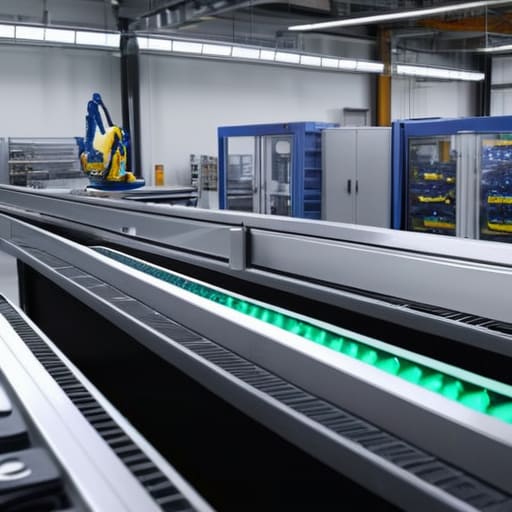
I still remember sitting in a Georgia Tech lab at 2:00 AM, surrounded by the sharp, metallic tang of electrolyte leakage and the hum of a cooling fan, staring at a pile of spent lithium-ion cells. It hit me then that we’re all acting like the “green revolution” is already won, but we’re ignoring a massive, messy hole in the math. Everyone loves talking about the sleek EVs in their driveways, but nobody wants to talk about the actual industrial grit required to keep them there. If we don’t scale up real, high-throughput battery recycling plants right now, we aren’t building a sustainable future; we’re just trading one mining crisis for another.
I’m not here to feed you the polished PR talking points you’ll find in a corporate sustainability report. I want to pull back the curtain on the actual chemistry and the logistical nightmare of closing the loop. We’re going to look at the hard data behind current battery recycling plants, the real bottlenecks in hydrometallurgy, and why the infrastructure is currently failing to keep pace with demand. No greenwashing, no vague promises—just the technical reality of how we turn today’s waste into tomorrow’s grid.
Table of Contents
- Mastering the Lithium Ion Battery Recovery Process
- Scaling Black Mass Production for Real Impact
- Beyond the Lab: 5 Real-World Essentials for Scaling Recycling Infrastructure
- The Bottom Line: Moving Past the Greenwashing
- The Infrastructure Gap
- The Bottom Line on Circularity
- Frequently Asked Questions
Mastering the Lithium Ion Battery Recovery Process
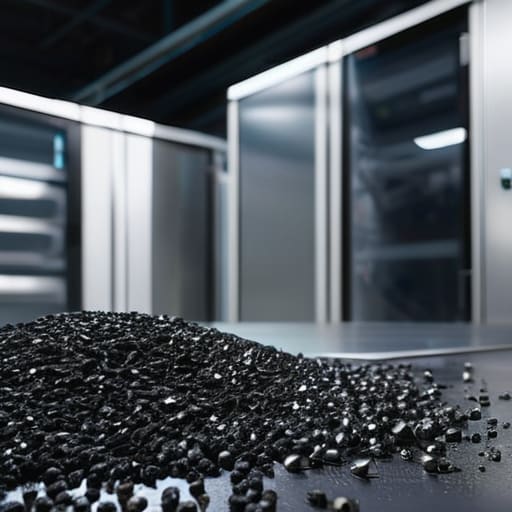
When we talk about the actual mechanics of what happens inside these facilities, we aren’t just talking about a glorified shredding operation. To do this right, you have to master the lithium-ion battery recovery process with surgical precision. It starts with discharging the cells to prevent thermal runaway—because nothing kills a project faster than a facility fire—and then moving into mechanical crushing. This is where we get into the heavy lifting of black mass production. That dark, powdery substance is essentially a goldmine of cobalt, nickel, and manganese, but if your shredding isn’t tightly controlled, you’re just losing high-value material to dust filters.
The real magic, though, happens during the hydrometallurgical stage. Once we have that black mass, we use chemical leaching to separate the metals from the impurities. This is the cornerstone of sustainable metal extraction; we’re essentially unmaking the battery to rebuild it. It’s a delicate balancing act of chemistry and scale. If the leaching isn’t efficient, the whole economic model for the circular economy in electronics collapses. We can’t just move dirt around; we have to reclaim the elemental building blocks with near-perfect purity.
Scaling Black Mass Production for Real Impact
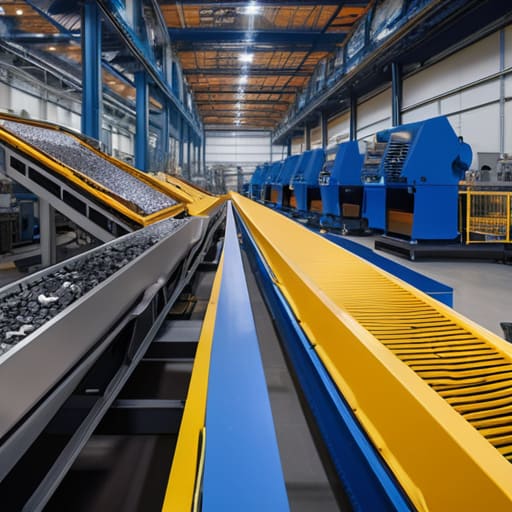
Here is the reality: we can’t just treat black mass like it’s some niche byproduct. If we’re serious about a circular economy in electronics, we have to treat the production of black mass as a primary industrial objective. Right now, the bottleneck isn’t just the chemistry; it’s the sheer scale of the mechanical shredding and sorting required to get there. We need facilities that can churn through thousands of packs a day without losing the purity of the material. If the feedstock is contaminated by plastics or aluminum early on, the downstream value of the metals collapses, and suddenly, the whole math of the operation stops working.
Scaling this isn’t just about bigger machines, though. It’s about integrating advanced e-waste processing technology that can handle the sheer variety of cell form factors hitting the scrap yards. We’re moving from a world of uniform consumer AA batteries to a chaotic mix of prismatic, pouch, and cylindrical cells from every manufacturer under the sun. To make a dent in the supply chain, we need automated systems that don’t blink when they see a mixed-chemistry batch. We need industrial-grade consistency if we want to turn scrap into a reliable source of battery-grade minerals.
Beyond the Lab: 5 Real-World Essentials for Scaling Recycling Infrastructure
- Prioritize hydrometallurgy over pyrometallurgy. If we keep relying on high-heat smelting, we’re just trading one carbon problem for another. We need liquid-based chemical leaching that can actually recover high-purity lithium and cobalt without turning the whole process into a massive energy sink.
- Standardize the feedstock. Right now, every EV manufacturer has a slightly different cell architecture, which is a nightmare for automated disassembly. If we want these plants to be profitable, we need industry-wide standards so robots can tear down packs without a human having to manually deconstruct every single module.
- Build the “Black Mass” supply chain early. You can’t just have a recycling plant sitting in a vacuum; you need a logistics network that can move heavy, potentially hazardous battery scrap from urban centers to processing hubs without the carbon footprint of the transport erasing the environmental gains.
- Don’t ignore the “dead” EV battery reuse phase. Before we shred everything for raw materials, we have to maximize the second life of these cells in stationary grid storage. It’s a waste of chemistry to jump straight to recycling if a cell still has 70% capacity left for stabilizing a solar farm.
- Demand radical transparency in material sourcing. We need a digital “passport” for every battery pack. If we don’t know exactly what’s inside the casing—the specific cathode chemistry or the electrolyte composition—the recycling process becomes a guessing game that kills efficiency and drives up costs.
The Bottom Line: Moving Past the Greenwashing
We have to stop treating battery recycling like a “nice-to-have” sustainability goal and start seeing it as a core requirement for grid stability and supply chain security.
The real win isn’t just crushing old cells; it’s perfecting the chemistry-level recovery of black mass so we can actually loop high-purity materials back into the manufacturing line.
Until we build out the physical infrastructure to handle the sheer volume of end-of-life batteries coming our way, the electric transition is just a massive looming waste problem.
The Infrastructure Gap
“We can keep celebrating every new EV model that rolls off the assembly line, but until we have a massive, localized network of recycling plants actually processing the chemistry, we’re just trading one resource crisis for another. We don’t need more marketing hype about ‘green’ cars; we need the industrial muscle to close the loop on the actual materials inside them.”
Desmond Achebe
The Bottom Line on Circularity
Look, we’ve covered a lot of ground here, from the granular chemistry of the recovery process to the massive logistical hurdle of scaling black mass production. The takeaway is simple: we can’t just treat battery recycling as a “nice-to-have” side project for ESG reports. If we don’t nail the technical precision of extracting high-purity lithium, cobalt, and nickel, we’re just delaying the inevitable resource crunch. Building these plants isn’t just about processing waste; it’s about securing the supply chain and ensuring that the “green” revolution doesn’t run out of fuel before it even gets started. We need to move past the pilot plant stage and commit to industrial-scale reality.
I’ve spent enough time in labs and on grid sites to know that the hardware is only as good as the system supporting it. The transition to electric mobility is already happening—you can see it in every new EV hitting the streets—but the real victory won’t be measured in how many cars we sell. It will be measured by how effectively we close the loop. We have the engineering talent and the chemistry to make this work; now we just need the infrastructure and the political will to match. Let’s stop settling for half-measures and start building the truly sustainable hardware our future actually deserves.
Frequently Asked Questions
If we're actually scaling this, how do we deal with the massive logistical headache of transporting volatile, damaged lithium-ion packs to these plants without causing a safety nightmare?
This is the part where the “green dream” meets the messy reality of logistics. We can’t just toss damaged packs into a standard shipping container and hope for the best. We need specialized, fire-suppressant containment units—think high-tech, insulated bunkers on wheels—and real-time thermal monitoring during transit. If we don’t standardize these “safe-transport” protocols now, one thermal runaway event on a highway could set the whole recycling movement back a decade.
Are we just going to end up with a "green" loop that's still reliant on heavy mining, or can these plants actually recover enough high-purity cobalt and nickel to make new cells without touching a mine?
Look, if we’re just shredding batteries to feed more mining, we’ve failed. But the goal of these plants isn’t just “downcycling”—it’s hydrometallurgical recovery. We’re talking about stripping the black mass down to its elemental components to pull out cobalt, nickel, and lithium at battery-grade purity. If we nail the chemistry, we create a closed loop where the old cells become the feedstock for the new ones, actually breaking the dependency on the mines.
What’s the actual economic reality here—is the cost of recovering materials through hydrometallurgy actually going to be lower than just digging more lithium out of the ground?
Look, I’ll give it to you straight: right now, digging a hole is still cheaper. It’s a brutal reality. Mining has a massive, established head start on scale and infrastructure. But we’re hitting a wall where primary extraction costs are spiking due to resource scarcity and geopolitical messiness. Hydrometallurgy is currently playing catch-up, but as we scale and the “urban mine” of old EVs grows, the math shifts. It’s not just about cost; it’s about supply security.
