I remember sitting in my junior year lab at Georgia Tech, staring at a lithium-ion cell that had just been cooked by a poorly regulated power supply, smelling that distinct, acrid scent of electrolyte breakdown. It was a brutal reminder that you can’t just brute-force energy into a battery without consequences. Nowadays, every corporate press release claims we’re on the cusp of a revolution, but they’re glossing over the fact that our fast charging infrastructure is currently a patchwork of glorified extension cords and software that crashes more often than my old laptop. We keep hearing about “seamless integration,” but if the hardware can’t handle the thermal load or the grid demand, it’s just expensive theater.
I’m not here to sell you on the utopian vision of a world where every car charges in five minutes. I want to talk about the actual engineering hurdles—the stuff like voltage sag, thermal management, and grid stability—that determine whether a charger actually works or just sits there blinking a red error light. I’m going to break down what it actually takes to build a reliable power backbone that won’t melt your battery or break the bank. No greenwashing, just the hard chemistry and electrical reality of how we actually get moving.
Table of Contents
- The Real Limits of Level 3 Charging Technology
- Why Ultrafast Charging Solutions Require Hard Chemistry
- Stop Guessing and Start Engineering: 5 Realities of Building a Faster Grid
- The Bottom Line: Moving Past the Marketing Hype
- ## The Infrastructure Illusion
- The Path Forward Isn't Just About Plugs
- Frequently Asked Questions
The Real Limits of Level 3 Charging Technology
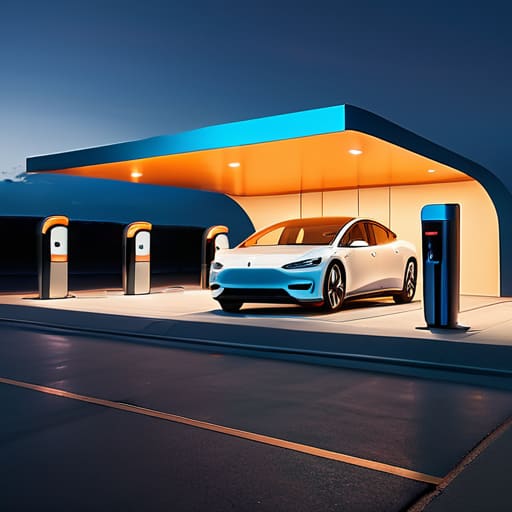
Here’s the reality: we can build all the sleek, touchscreen-heavy electric vehicle charging stations we want, but they’re essentially just expensive paperweights if we don’t respect the physics of the battery. The biggest bottleneck isn’t just the plug; it’s the thermal management. When you push massive amounts of current through a cell to achieve those “lightning-fast” speeds, you’re essentially playing a high-stakes game of chicken with the battery’s internal temperature. If the cooling system can’t keep up, the BMS (Battery Management System) is going to throttle the power anyway to prevent permanent lithium plating. We’re seeing a massive gap between what ultrafast charging solutions promise in a lab and what actually happens when a driver pulls up on a hot afternoon.
Beyond the chemistry, we have to talk about the elephant in the room: grid capacity for EV charging. You can’t just drop a high-voltage DC fast charger onto a residential transformer and expect it to work. Most of our current local grids were never designed for these kinds of massive, instantaneous spikes in demand. If we want meaningful EV charging station deployment, we have to stop thinking about individual chargers and start thinking about the entire electrical architecture from the substation all the way down to the connector.
Why Ultrafast Charging Solutions Require Hard Chemistry

Look, we can keep dropping billions into more electric vehicle charging stations, but if we don’t fix the cell-level physics, we’re just building expensive paperweights. The bottleneck isn’t just the plugs on the side of the road; it’s how the ions actually move inside the battery during a massive current spike. When you push an insane amount of energy through a cell to hit those ultrafast charging solutions, you’re essentially forcing a chemical marathon. If the electrolyte can’t handle the thermal load or the lithium ions start plating onto the anode instead of intercalating, you aren’t just slowing down the charge—you’re permanently killing the battery’s lifespan.
It’s easy to talk about “minutes to charge,” but we need to talk about the degradation curves. Real ultrafast charging solutions require a delicate balance between high-conductivity additives and structural stability. If we ignore the chemistry and just focus on more powerful hardware, we’re going to end up with a generation of EVs that have terrible resale value because their batteries are cooked after two years of heavy use. We need materials that can breathe under pressure.
Stop Guessing and Start Engineering: 5 Realities of Building a Faster Grid
- Focus on thermal management, not just voltage. If we don’t solve the heat dissipation problem at the connector and the cell level, “fast charging” is just a fancy way to accelerate lithium plating and kill your battery’s lifespan.
- Prioritize grid-scale buffering. We can’t just plug a 350kW charger into a standard local transformer and hope for the best; we need onsite stationary storage to shave those massive peak loads so we don’t blow the local substation.
- Standardize the hardware, not just the plug. It’s not enough to have a CCS or NACS port if the communication handshake between the vehicle’s BMS and the charger is buggy. We need seamless, high-speed data protocols to manage the power curve in real-time.
- Design for modularity. Charging tech moves way faster than civil engineering. If you’re pouring concrete for a charging station, make sure the electrical backbone is modular enough to upgrade from 150kW to 500kW without tearing up the whole parking lot.
- Look past the “Green” marketing and check the lifecycle. A fast charger is only as good as its supply chain. We need to ensure the power coming through these stations isn’t just being pulled from a coal-heavy grid, or we’re just moving the emissions from the tailpipe to the power plant.
The Bottom Line: Moving Past the Marketing Hype
Fast charging isn’t just a software problem; if we don’t solve the thermal management and ion-transport bottlenecks at the chemical level, we’re just going to keep hitting a ceiling of diminishing returns.
We need to stop obsessing over “minutes to charge” and start building a grid-integrated infrastructure that can actually handle the massive, sudden current draws required by true ultrafast stations without blowing a fuse.
True sustainability in the EV transition means moving beyond lithium-ion limitations and investing in the heavy-duty hardware and next-gen chemistries that can survive the stress of high-voltage, high-frequency charging cycles.
## The Infrastructure Illusion
“Everyone wants to talk about adding more plugs to the highway, but that’s just rearranging deck chairs on the Titanic if we don’t address the grid stability and thermal management issues. You can’t just shove massive amounts of current into a battery and expect the chemistry to play nice; if we don’t solve the hardware bottleneck, ‘fast charging’ is just going to be a fancy way to degrade your vehicle’s lifespan.”
Desmond Achebe
The Path Forward Isn't Just About Plugs

At the end of the day, we have to stop treating fast charging like it’s just a software update or a simple matter of adding more stalls to a parking lot. As I’ve laid out, the bottleneck isn’t just the cables; it’s the massive thermal management hurdles in Level 3 tech and the brutal reality of ion migration and degradation within the cells themselves. If we ignore the fundamental chemistry and the strain these high-voltage bursts put on the grid, we’re just building a house of cards. We need a holistic approach that respects the hardware limits of the battery while simultaneously upgrading the infrastructure to handle the load.
I’m still an optimist, but I’m an optimist who demands receipts. The transition to electric mobility is going to be the defining engineering challenge of our lives, but it won’t be won with flashy marketing or vague corporate sustainability goals. It will be won in the labs, in the refinement of solid-state electrolytes, and in the deployment of resilient, high-density power systems that actually work when you’re stuck in a blizzard or a highway traffic jam. We have the roadmap; now we just need to do the hard, unglamorous work of building the actual hardware that makes the future possible.
Frequently Asked Questions
If we push for more ultrafast chargers, are we just going to accelerate the degradation of existing lithium-ion packs?
Short answer? Yeah, if we’re reckless about it. Pushing massive currents through a standard Li-ion pack is like trying to shove a firehose through a straw; you’re going to see massive heat spikes and lithium plating. That’s the killer. If the thermal management can’t keep up, you’re essentially cooking the electrolyte and accelerating capacity loss. We can’t just build faster plugs; we need better cell chemistry and smarter BMS to handle the stress.
How much of the bottleneck is actually the charging hardware itself versus the local grid's ability to handle those massive instantaneous power draws?
It’s a classic “chicken and egg” problem, but honestly? It’s both. You can build the most insane 350kW charger in the world, but if the local substation is already redlining, that hardware is just a very expensive paperweight. We’re talking about massive, instantaneous spikes in demand that can destabilize local distribution. Until we integrate smarter onsite storage—like big-scale buffer batteries—to shave those peaks, the grid is going to be the ultimate ceiling for fast charging.
Can solid-state batteries actually fix the thermal management issues that make current fast charging so risky for long-term battery health?
In theory, yeah, solid-state is the holy grail here. Right now, we’re basically playing a high-stakes game of “don’t melt the liquid electrolyte” every time we hit an ultrafast charger. Replacing that volatile liquid with a solid ceramic or polymer layer significantly cuts down the risk of thermal runaway. It changes the math on heat dissipation, potentially letting us push higher currents without turning the battery pack into a heating element. It’s the hardware fix we actually need.
