
I still remember sitting in my dorm at Georgia Tech, surrounded by half-disassembled lithium cells and the faint, metallic scent of electrolyte leakage, realizing that the “green revolution” everyone was tweeting about was mostly just marketing fluff. Most people look at home energy storage systems and see a sleek, futuristic gadget that’s going to save the planet, but when you strip away the glossy marketing, you’re often left with overpriced hardware and unrealistic discharge claims. I’m tired of seeing companies sell “energy independence” while hiding the actual degradation curves and cycle life realities behind a curtain of proprietary software.
I’m not here to sell you on a lifestyle brand or some vague promise of a carbon-neutral utopia. My goal is to pull back the hood and look at the raw chemistry and infrastructure that actually dictates whether a battery is a smart investment or just a very expensive paperweight for your garage. We’re going to cut through the corporate greenwashing and talk about what actually matters: energy density, thermal management, and the long-term viability of the hardware sitting in your home.
Table of Contents
- Evaluating Lithium Ion Battery Technology and True Sustainability
- Smart Home Energy Optimization vs Vague Green Promises
- Hard Truths: 5 Things to Look for Before You Drop Cash on a Home Battery
- The Bottom Line on Residential Storage
- ## The Reality Check
- The Bottom Line on Residential Storage
- Frequently Asked Questions
Evaluating Lithium Ion Battery Technology and True Sustainability

When we talk about lithium-ion battery technology, the marketing departments love to focus on how much “freedom” you’ll have. But as someone who’s spent way too many hours staring at degradation curves in a lab, I care more about the cycle life and the actual chemical stability of the cells. It’s easy to promise grid independence solutions, but if the cathode chemistry can’t handle the thermal stress of daily deep discharges, you aren’t building a long-term asset—you’re just buying an expensive paperweight that’s destined for a recycling center in five years.
We also need to get real about how these units actually interact with your house. A battery sitting idle is just a glorified brick; the real magic happens when it integrates with sophisticated energy management systems. This is where we see the actual utility, like leveraging peak shaving benefits to avoid those predatory utility rates during high-demand windows. If the hardware isn’t smart enough to communicate with your local grid or your appliances, it’s not a solution—it’s just a very heavy backup plan.
Smart Home Energy Optimization vs Vague Green Promises
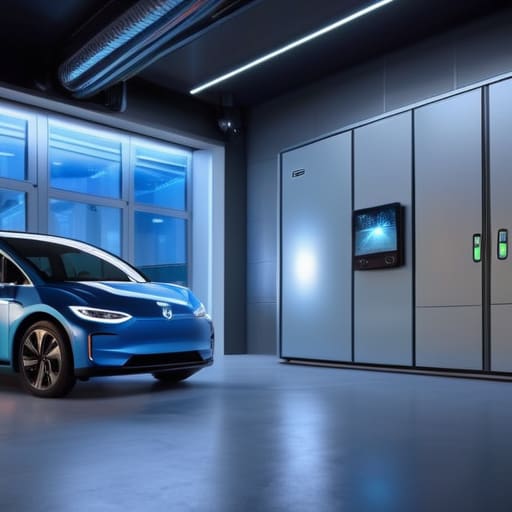
Every time I scroll through LinkedIn, I see another startup promising “seamless energy freedom” through some magical, AI-driven black box. Let’s be real: a flashy interface doesn’t mean anything if the underlying energy management systems aren’t actually communicating with your local utility or your appliances in a meaningful way. Most of these marketing campaigns lean heavily on the idea of “going green,” but they rarely explain how the hardware handles real-world volatility. True smart home energy optimization isn’t about having a pretty dashboard on your phone; it’s about the granular control of when your house draws from the grid versus when it taps into its own stored reserves.
If we want to actually move the needle, we need to focus on the math of peak shaving benefits. It’s not enough to just store power; you have to be able to strategically discharge it during those high-tariff windows to actually lower your footprint and your bill. We need to stop chasing the dream of total, unmanaged off-grid power capabilities as a marketing gimmick and start building robust infrastructure that treats every kilowatt-hour like the precious resource it actually is.
Hard Truths: 5 Things to Look for Before You Drop Cash on a Home Battery
- Stop looking at the “app interface” and start looking at the cycle life. A flashy UI won’t save you if the cells are degrading after only 500 cycles. You need to know the actual depth of discharge (DoD) limits to understand how much usable energy you’re actually buying.
- Demand transparency on the chemistry. If a manufacturer won’t tell you whether they’re using Lithium Iron Phosphate (LFP) or Nickel Manganese Cobalt (NMC), that’s a massive red flag. LFP is generally the move for home storage because it’s more stable and lasts significantly longer, even if the energy density is lower.
- Size your system for reality, not for the marketing brochure. Don’t just calculate your peak load; calculate your “autonomy time”—how many hours you actually need to run your essentials when the grid goes dark. Overbuilding is expensive, but undersizing makes the whole system a glorified paperweight during a real outage.
- Check the round-trip efficiency. Every time you move energy from the grid into your battery and back out again, you lose some to heat. If the round-trip efficiency is low, you’re basically paying a “tax” on every kilowatt-hour you store. Look for systems that minimize that thermal loss.
- Think about the end-of-life plan. A battery isn’t “green” if it ends up in a landfill in ten years. Ask the provider about their recycling infrastructure and whether the modules are designed for easy disassembly. If they can’t answer that, they’re just selling you future e-waste.
The Bottom Line on Residential Storage
Stop falling for the marketing gloss; true sustainability isn’t about a “green” label on a box, it’s about the lifecycle of the cells and whether the supply chain actually holds up under scrutiny.
Real energy independence requires more than just a battery sitting idle; you need a system that actually talks to your local grid and manages your load intelligently to make the hardware worth the investment.
We have to move past the era of “vague promises” and start prioritizing high-density, reliable chemistry that can handle the heavy lifting of a modern home without degrading after just a few hundred cycles.
## The Reality Check
“We need to stop treating home batteries like glorified consumer gadgets or aesthetic additions to a smart home; if we aren’t talking about cycle life, depth of discharge, and the actual supply chain of the cells, then we’re just buying expensive paperweights that pretend to be a solution.”
Desmond Achebe
The Bottom Line on Residential Storage
Look, we’ve moved past the point where we can just buy a shiny box and call it “green.” After digging into the chemistry and the software, the reality is clear: a home energy storage system is only as good as its lifecycle and its integration with the local grid. If we aren’t looking at the actual degradation rates of the lithium cells or the efficiency of the inverter, we’re just buying expensive paperweights. We have to demand hardware that survives more than a few years of cycling and software that actually optimizes load rather than just looking pretty on a smartphone screen.
The transition to a decentralized, electric-first lifestyle isn’t going to happen through corporate marketing or vague sustainability pledges. It’s going to happen through rigorous engineering and smarter infrastructure. We are standing at the edge of a massive shift in how humanity handles electrons, and while I’m skeptical of the current hype cycles, I’m incredibly optimistic about the potential. If we get the chemistry right and build for longevity, we aren’t just storing power for a rainy day—we are building the foundation of a resilient energy future that actually lasts.
Frequently Asked Questions
How much of a difference does cycle life actually make when I'm calculating the long-term ROI of a residential battery?
Look, if you’re just looking at the upfront sticker price, you’re missing the entire point. A battery with a low cycle life is basically a ticking clock. If a cheap unit dies after 2,000 cycles while a solid-state or high-end LFP setup hits 6,000, your “savings” vanish when you’re forced to buy a replacement halfway through your decade-long plan. ROI isn’t about the initial cost; it’s about the cost per kilowatt-hour delivered over the system’s actual lifespan.
If I'm looking at solid-state tech in a few years, is it worth investing in current LFP systems now, or am I just buying yesterday's hardware?
Look, I get the FOMO. Solid-state sounds like the holy grail, but let’s be real: we’re still years away from seeing it scale in a way that actually matters for home storage. If you wait for the “perfect” battery, you’re just sitting in the dark. LFP is proven, stable, and—most importantly—the chemistry is actually getting more efficient every day. Buy the LFP now; it’s reliable hardware, not a relic.
Beyond the capacity rating, how much does the actual thermal management system impact the degradation rate in real-world home environments?
Honestly, capacity ratings are just marketing fluff if you ignore the thermal management. Think of it like running a marathon in a sauna versus a breezy afternoon; the heat is what kills your performance. In a real home, where temperatures fluctuate wildly, a cheap system without active cooling is basically a slow-motion suicide mission for your cells. If the thermal management can’t keep those ions moving through a stable temperature window, you’re looking at accelerated degradation and a much shorter lifespan.
