I spent my entire junior year at Georgia Tech staring at voltage curves and thermal runaway data, so believe me when I say I have zero patience for the marketing fluff surrounding the electric transition. Most people think that once you buy the car, the hard part is over, but they’re ignoring the actual bottleneck: your residential electrical panel. If you think you can just plug a high-performance EV into a standard 120V outlet and call it a day, you aren’t just being optimistic—you’re setting yourself up for a massive headache when you realize your battery is barely gaining range while you sleep. We need to stop treating ev charging at home like an afterthought and start treating it like the critical piece of grid infrastructure it actually is.
I’m not here to sell you on some overpriced, shiny wallbox that looks good in a brochure but lacks the guts for heavy-duty cycling. Instead, I’m going to break down the real hardware requirements and the load management math you actually need to know. We’ll cut through the corporate greenwashing and look at the amperage, the wire gauges, and the circuit capacity required to ensure your home grid doesn’t buckle under the pressure.
Table of Contents
- Assessing Your Home Electrical Capacity for Ev Demands
- Navigating Essential Ev Charger Installation Requirements
- Hard Truths: 5 Real-World Tips for Setting Up Your Home Charging Station
- The Bottom Line: Don't Overlook the Hardware
- ## The Infrastructure Reality Check
- The Bottom Line on Home Charging
- Frequently Asked Questions
Assessing Your Home Electrical Capacity for Ev Demands
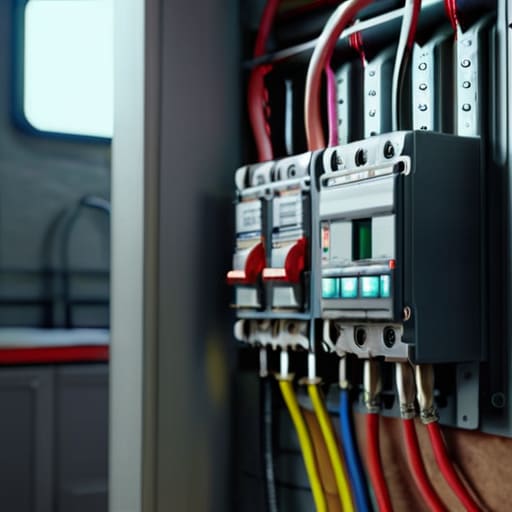
Before you go out and drop a few hundred bucks on a fancy wallbox, you need to get real about your panel. Most older suburban homes were wired for a lifestyle of refrigerators, microwaves, and maybe a central AC unit—not a massive lithium-ion battery on wheels pulling juice all night. Assessing your home electrical capacity for EV demands isn’t just about checking if the lights flicker when you turn on the toaster; it’s about calculating your total continuous load. If you’re sitting on a 100-amp service, you’re basically asking for a blown main breaker the second you plug in. You really want to be looking at a 200-amp service to ensure you have the headroom to actually use the charger without compromising your entire house.
Once you’ve verified your service can handle the hit, you have to look at the specific ev charger installation requirements for your circuit. You aren’t just running a standard extension cord here; we’re talking dedicated lines and heavy-duty breakers. I always tell people to look into smart charging schedules early on. If your hardware can communicate with the grid, you can throttle the draw during peak times, which saves your panel from overheating and keeps your utility bill from spiking.
Navigating Essential Ev Charger Installation Requirements
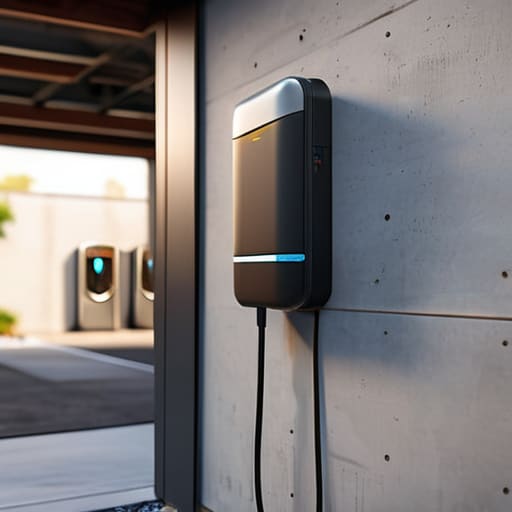
Once you’ve confirmed your panel can actually handle the load, you have to look at the physical logistics of the install. It’s not just about slapping a box on a garage wall; you need to map out the run from your service panel to the mounting location. If your panel is tucked away in a dark basement corner and your car parks in a detached garage, you’re looking at significant conduit runs and potentially expensive wire gauges to prevent voltage drop. When looking at ev charger installation requirements, don’t overlook the importance of a dedicated circuit. You aren’t just adding a light fixture here; you’re adding a continuous high-draw load that needs its own lane to avoid tripping breakers mid-charge.
Beyond the copper and conduit, I’m a huge advocate for integrating smart charging schedules into your setup. Most people think the goal is just “plug and play,” but the real win comes from hardware that communicates with the grid. By utilizing a charger that can delay its draw until you hit those off-peak electricity rates, you aren’t just saving money—you’re actually reducing the stress on the local transformer during peak hours. It’s about being a smart user, not just a consumer.
Hard Truths: 5 Real-World Tips for Setting Up Your Home Charging Station
- Don’t just eyeball your breaker box. Before you drop a grand on a Level 2 charger, get an electrician to run a load calculation. If your HVAC system and dryer are already pushing your main panel to the limit, adding a 48-amp charger isn’t just a bad idea—it’s a fire hazard.
- Stop chasing the “fastest” charger and start looking at the amperage. Most people think they need a massive, expensive unit, but if your daily commute is only 30 miles, a mid-range charger that won’t trip your breakers is way more practical than a high-end brick that requires a $3,000 panel upgrade.
- Think about wire gauge and distance, not just the plug. Heat is the enemy of efficiency (and safety). If you’re running a long line from your garage to a distant pedestal, you’re going to deal with voltage drop. Factor in thicker copper than the “minimum requirement” to ensure you aren’t wasting energy as heat in the walls.
- Get smart about your utility’s “Time of Use” (TOU) rates. Most of us are paying a premium to charge during peak evening hours when the grid is stressed. Set your charger to run on a schedule during the graveyard shift; it’s better for your wallet and significantly better for grid stability.
- Hardwire your station instead of using a NEMA plug. While a mobile connector is great for emergencies, a hardwired installation is more robust, allows for higher continuous current, and eliminates the extra point of failure that comes with a heavy-duty outlet. If you’re serious about this tech, skip the plug.
The Bottom Line: Don't Overlook the Hardware
Don’t just buy the prettiest charger on the market; prioritize the actual amperage and circuit capacity of your home to avoid tripping breakers every time you plug in.
Treat your home electrical system like a grid—if you’re planning on adding more high-draw devices later, upgrade your panel now rather than paying for a second service call.
Sustainability isn’t just about the car; it’s about building a reliable, high-efficiency charging setup that won’t degrade your home’s electrical health or your wallet.
## The Infrastructure Reality Check
“Everyone wants to talk about the range anxiety of the car, but nobody wants to talk about the amperage anxiety of the house. You can buy the most advanced lithium-ion pack on the market, but if your home’s electrical backbone is still stuck in the twentieth century, that high-performance EV is nothing more than a very expensive paperweight sitting in your driveway.”
Desmond Achebe
The Bottom Line on Home Charging
At the end of the day, setting up an EV charger isn’t just about plugging in a new gadget; it’s about upgrading your home’s fundamental energy architecture. We’ve covered the heavy lifting—from auditing your electrical panel to ensure you aren’t pulling more current than your service can handle, to understanding the specific hardware requirements that keep your battery healthy. If you skip the technical due diligence and just slap a high-draw Level 2 charger on an outdated circuit, you aren’t just risking a blown fuse; you’re potentially compromising the long-term stability of your home’s electrical system. Don’t let the convenience of electric mobility lead to a infrastructure bottleneck in your own garage.
I know the technical hurdles can feel overwhelming, especially when you’re staring at a messy breaker box or a confusing spec sheet, but this is where the real work happens. We are moving away from a world of liquid fuels and toward a world of electrons, and that shift requires us to be smarter about how we manage our local grids. If we get the hardware right at the residential level, we build a foundation that is actually sustainable, rather than just a collection of shiny cars with nowhere to refuel. Let’s stop treating this like a hobby and start treating it like the essential energy transition it actually is.
Frequently Asked Questions
If my home panel is already near capacity with HVAC and appliances, is a service upgrade actually worth the cost, or can I just get a smart load balancer?
Look, I get the sticker shock of a panel upgrade—it’s a massive hit to the wallet. But if you’re redlining your service just to run the AC and a dryer, adding a 48-amp charger is asking for a blown main or a melted busbar. A smart load balancer is a great Band-Aid for moderate loads, but if your base demand is already hitting the ceiling, you need the headroom. Don’t compromise your home’s electrical integrity for a quick fix.
How much of a difference does it actually make to install a Level 2 charger versus just using a high-output Level 1 setup on a standard outlet?
Look, if you’re just driving a commuter EV with a short daily range, a high-output Level 1 setup is fine for a quick top-off overnight. But if you’re serious about making electric life seamless, Level 2 is non-negotiable. We’re talking about moving from a trickle to a flow. Level 1 is like filling a swimming pool with a garden hose; Level 2 is the fire hydrant. It’s the difference between waking up to a full battery or a half-empty one.
Beyond the initial hardware cost, what kind of long-term degradation or maintenance should I expect from a home-installed charging station?
Look, the charger itself is pretty low-maintenance—it’s mostly solid-state electronics—but don’t ignore the connection points. Heat is the enemy. If your installation has a loose terminal or a cheap cable, you’re looking at thermal degradation that can melt components. I always tell people: check your contact points and cable integrity annually. You aren’t just maintaining a plug; you’re maintaining a high-current bridge between your house and your car’s battery.
