I remember sitting in my dorm at Georgia Tech, surrounded by half-disassembled lithium cells and a multimeter, staring at a circuit that just wouldn’t stabilize. It was a humbling reminder that the gap between a sleek marketing brochure and actual electrical engineering is massive. Nowadays, when people talk about home ev charging, they act like you just plug a cord into a standard outlet and call it a day. They ignore the reality of load balancing, the thermal limits of your residential wiring, and the sheer infrastructure math required to ensure you aren’t tripping a breaker every time you try to top off your battery.
I’m not here to sell you on some overpriced, smart-enabled gadget that just adds another layer of buggy software to your life. My goal is to strip away the corporate greenwashing and look at the actual hardware you need to build a reliable, sustainable setup. We’re going to dive into the real-world constraints of power delivery and how to optimize your home ev charging without breaking your local grid or your bank account. This is about functional engineering, not just flashy tech.
Table of Contents
Evaluating the True Electric Vehicle Home Setup
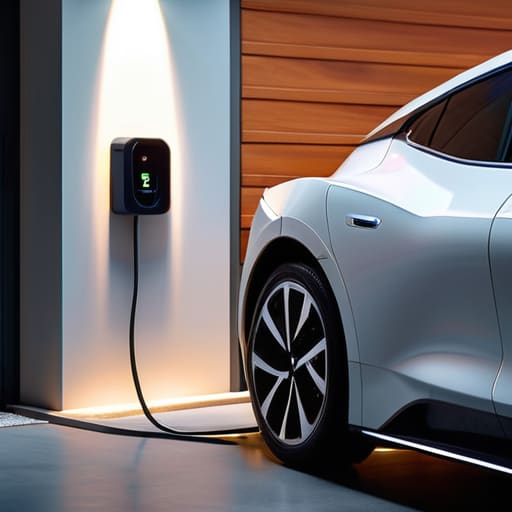
When you’re actually looking at an electric vehicle home setup, you have to move past the “plug it into a wall outlet and hope for the best” mentality. Most people think a standard Level 1 trickle charge is fine, but if you’re coming home from a long shift and need a full state of charge by morning, you’re going to be disappointed. You need to be looking at the actual residential charging infrastructure in your garage. This means evaluating your electrical panel’s capacity before you even look at a device; if your breaker is already maxed out by the AC and the dryer, adding a high-draw station is going to cause more headaches than it’s worth.
Then there’s the hardware itself. While the initial ev charging station cost can feel like a sting, it’s a long-term play for battery health and convenience. I always tell people to prioritize ev charger compatibility with their specific vehicle’s onboard charger to avoid energy loss through heat. You also want a unit that plays nice with smart software, allowing you to automate off-peak charging schedules. This isn’t just about saving a few bucks on your utility bill; it’s about reducing the strain on the grid during peak hours, which is the only way we make this transition actually sustainable.
Understanding Real Ev Charger Compatibility
When you’re looking at ev charger compatibility, it’s easy to get distracted by the sleek aesthetics of a new unit and completely ignore the electrical reality of your garage. Most people assume that if a plug fits, they’re good to go, but that’s a dangerous simplification. You have to look at the actual amperage your circuit can handle without tripping a breaker every time you try to top off. If you’re trying to integrate a high-output unit into an older residential charging infrastructure, you aren’t just buying a gadget; you’re essentially performing a minor electrical upgrade on your house.
I’ve seen too many people jump into an electric vehicle home setup only to realize their existing panel is maxed out. This is where the real math happens. You need to weigh the initial ev charging station cost against the potential need for a subpanel or a service upgrade. It’s not just about the hardware in your hand; it’s about whether your home’s nervous system can actually support the load. If you don’t respect the physics of the draw, you’re just asking for a headache.
Hard Truths: 5 Ways to Avoid a Charging Nightmare
- Stop relying on the Level 1 “trickle” charge from a standard wall outlet. Unless you’re only driving five miles a day, that 120V setup is basically trying to fill a swimming pool with a straw; you need to budget for a dedicated 240V circuit to actually make your hardware useful.
- Audit your home’s electrical panel before you buy anything. I’ve seen too many people buy a high-end smart charger only to realize their breaker box is already at capacity and can’t handle the additional amperage without a massive, expensive service upgrade.
- Don’t get blinded by “smart” features that are just fluff. A flashy app that tells you your car is charging is cool, but prioritize the actual build quality of the contactors and the thermal management of the unit—if it can’t handle sustained high-current loads without overheating, the software doesn’t matter.
- Think about your load balancing if you’re planning on adding home storage later. If you want to integrate a battery backup or solar eventually, you need a charging setup that can communicate with your home’s energy management system so you aren’t accidentally tripping breakers during peak usage.
- Factor in cable length and placement pragmatism. It sounds basic, but if your charging port is on the driver’s side and your outlet is tucked behind a pillar on the passenger side, you’re going to be wrestling with a heavy, high-voltage cable every single night. Plan the geometry of your driveway now.
The Bottom Line on Your Home Charging Setup
Don’t get distracted by the sleek UI of a smart charger; your priority needs to be the actual electrical capacity of your panel and the gauge of the wiring to ensure you aren’t creating a fire hazard.
Level 2 charging isn’t a luxury, it’s the baseline—if you’re relying on a standard wall outlet, you’re essentially trying to fill a swimming pool with a garden hose.
Sustainability means looking past the “green” marketing and ensuring your hardware is built for longevity and compatible with the evolving grid standards we’re moving toward.
## The Infrastructure Gap
“Everyone wants to talk about the sleekness of the car, but if your home setup is just a glorified extension cord, you’re not actually part of the energy transition—you’re just creating a bottleneck for the grid.”
Desmond Achebe
The Bottom Line on Your Home Infrastructure
At the end of the day, setting up home EV charging isn’t just about picking the sleekest-looking box from a catalog. It’s a technical decision that requires you to look closely at your electrical panel’s headroom, the specific amperage requirements of your vehicle’s onboard charger, and the quality of the hardware you’re installing. If you ignore the math—like calculating your total load or understanding the difference between a Level 1 trickle and a dedicated Level 2 circuit—you’re just asking for an expensive headache or, worse, a compromised electrical system. We have to move past the surface-level convenience and start treating our home charging setups as a critical component of our personal energy ecosystem.
I know it feels overwhelming when you’re staring at circuit diagrams and spec sheets, but this is where the real work happens. We can’t just wait for the grid to magically adapt to us; we have to build the foundation ourselves, one smart, efficient installation at a time. Transitioning to electric mobility is a massive undertaking, but when we get the hardware and the infrastructure right, we’re doing more than just fueling a car—we’re actually building the backbone of a sustainable future. Let’s stop chasing the hype and start focusing on the real tech that makes this transition stick.
Frequently Asked Questions
How much of a hit is my home's electrical panel actually going to take if I add a Level 2 charger, and do I really need a service upgrade?
Look, adding a Level 2 charger isn’t just “plug and play”—it’s a massive, sustained load on your panel. Unlike a toaster that kicks on for two minutes, a charger pulls high amperage for hours. If your panel is already near its limit, you’re risking tripped breakers or even heat damage to your busbars. You might not need a full service upgrade, but you definitely need a load calculation to see if your current infrastructure can actually handle the math.
If I'm looking at smart chargers, is the "software integration" actually useful for grid management, or is it just more corporate greenwashing?
Look, I’m skeptical of “smart” features that just exist to sell you a monthly subscription, but when it comes to grid management, the software actually matters. If a charger can communicate with the utility to shift your load to off-peak hours, that’s real engineering. It prevents local transformer strain and keeps the energy cleaner. If the “smart” tech is just a flashy UI for a timer, it’s greenwashing. If it’s V2G-ready? That’s the future.
Can I actually balance my home's energy load using a smart charger to avoid tripping breakers when the AC and the EV are both pulling max current?
Short answer: Yes, but don’t just rely on a “smart” app—you need a charger that supports dynamic load management. If your setup allows it, you can use a smart charger to communicate with your home’s energy monitor. When the AC kicks on and the current spikes, the charger throttles its own draw in real-time. It’s basically like a buffer for your breaker, preventing that massive surge from tripping the whole system.
