
I still remember the smell of that first failed lithium-ion cell I opened back in my junior year at Georgia Tech—a sharp, metallic tang that practically burned the back of my throat. I was trying to optimize a custom pack for a vintage board, and instead of a clean power source, I ended up with a sticky, corrosive mess pooling in my workbench drawer. It’s one thing to read about electrolyte degradation in a textbook, but it’s a completely different reality when you’re staring at a ruined circuit board and wondering why do batteries leak and how to prevent it in your own gear. Most people think it’s just bad luck or “old age,” but as someone who spends my days analyzing grid-scale storage, I know it’s almost always a failure of chemistry and thermal management.
I’m not here to give you some vague, corporate-approved safety manual that tells you to “use quality products” and nothing else. We’re going to look past the marketing fluff and get into the actual mechanics of cell swelling, gas buildup, and seal failure. My goal is to give you a no-nonsense breakdown of the hardware realities so you can stop treating your power storage like a black box and start managing it like the high-density energy source it actually is.
Decoding Alkaline Battery Corrosion Causes

Look, if you’ve ever opened a remote and found a crusty, white powder eating away at the terminals, you’ve seen the aftermath of a chemical breakdown. When we talk about alkaline battery corrosion causes, we aren’t just talking about “old batteries.” We’re talking about a specific electrochemical failure. Inside an alkaline cell, you have a manganese dioxide cathode and a zinc anode. The real culprit is usually the electrolyte—potassium hydroxide. When the cell is depleted or stressed, the hydrogen gas buildup creates internal pressure. Eventually, that pressure forces the electrolyte out through the seals, reacting with the air to create that nasty, caustic salt buildup you see on the casing.
One of the biggest mistakes I see people make is discharging batteries in electronics and just leaving them there for months. When a device sits idle, the battery continues to undergo very slow chemical reactions. If the cell is already near its end-of-life, that tiny bit of internal resistance can be the tipping point that triggers a leak. It’s not just a mess; it’s a slow-motion chemical attack on your hardware.
Recognizing Critical Signs of Leaking Batteries
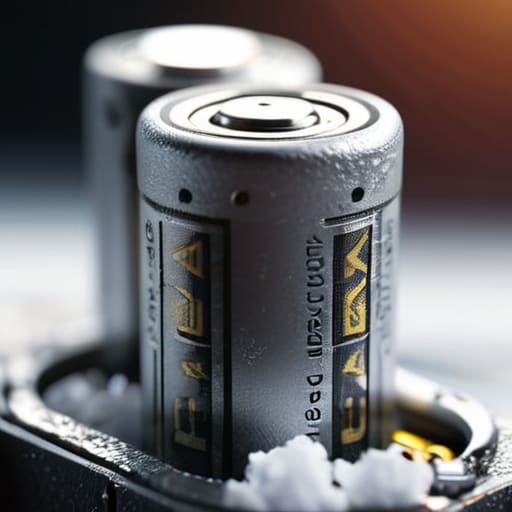
You don’t always need a microscope to see that something is going wrong; usually, your senses will tell you first. If you’re pulling a device out of a drawer and catch that sharp, acrid metallic scent, or if you notice a white, crusty powder blooming around the terminal contacts, you’re looking at the primary signs of leaking batteries. That “powder” is actually the byproduct of the chemical reaction leaking out of the cell. In some cases, especially with older tech, it might even look like a sticky, clear liquid. If you see any of this, stop what you’re doing—don’t just keep pressing buttons and hope for the best.
The real danger isn’t just the mess; it’s what that caustic material does to the hardware. If you leave those cells in place, the electrolyte starts eating through the metal springs and circuit traces. I’ve seen enough fried remote controls and abandoned toys to know that delaying the cleanup is the fastest way to turn a $10 fix into a total loss. If you notice any discoloration or “bloating” in the battery casing, it’s time to intervene immediately before the damage becomes permanent.
Hard Truths: How to Actually Protect Your Hardware from Chemical Failure
- Stop leaving devices on the shelf for months; if you aren’t using it, pull the batteries out. Even “shelf-stable” cells undergo slow chemical shifts that eventually compromise the seal.
- Ditch the cheap, no-name bulk packs for high-quality brands. When you’re dealing with electrolyte leakage, you’re essentially dealing with a controlled chemical reaction, and bottom-tier manufacturing is just asking for a breach in the casing.
- Keep your gear away from extreme temperature swings. I’ve seen way too many people leave electronics in hot cars or freezing garages, and those thermal cycles are basically a death sentence for the integrity of the battery housing.
- Mix and match is a rookie mistake. Never pair old batteries with new ones or combine different brands in the same device; you’ll create a voltage imbalance that forces one cell to work harder, leading to heat and eventual leakage.
- Check your contact points regularly for any sign of oxidation. If you see even a hint of white powder or crust, you’ve got a problem—clean it immediately with specialized contact cleaner or isopropyl alcohol before the corrosion eats through the circuit board.
The Bottom Line on Battery Integrity
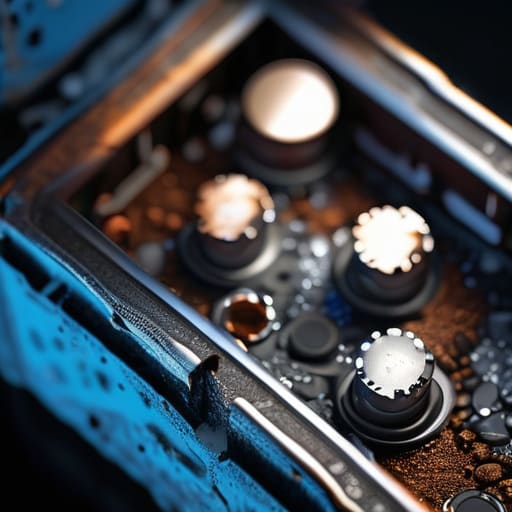
At the end of the day, battery leakage isn’t some mysterious act of God; it’s a predictable byproduct of chemical mismanagement and hardware fatigue. We’ve looked at how alkaline corrosion eats through seals and why failing to monitor voltage can turn a simple remote control into a corrosive mess. Whether it’s a tiny AAA in a sensor or a massive lithium-ion cell in an EV, the principle remains the same: chemistry is unforgiving. If you aren’t respecting the limits of the hardware—by preventing over-discharge or ditching low-quality, unbranded cells—you’re essentially just waiting for the leak to happen. Prevention isn’t just a suggestion; it’s a requirement for anyone who actually cares about their gear.
I know it’s easy to get cynical when you see how much waste is generated by faulty tech, but I genuinely believe we are on the cusp of something better. As we move away from these disposable, leaky chemistries and toward more stable, solid-state architectures, we aren’t just fixing a nuisance—we’re building a more reliable foundation for everything that comes next. The transition to a fully electric world only works if our energy storage is robust and sustainable. Let’s stop settling for hardware that fails when it should be fueling our lives. If we focus on the real engineering instead of the marketing fluff, we can actually build a future that stays powered up.
Look, once you’ve identified the corrosion, your next move is figuring out how to actually clean the hardware without destroying the contacts. I’ve spent way too many hours in the lab dealing with electrolyte residue, and I’ve learned that you can’t just wipe it away with a dry cloth; you need something slightly acidic, like white vinegar or lemon juice, to neutralize that alkaline buildup. If you’re dealing with more complex electronic components or looking for deeper technical specs on how to handle specific chemical spills, I’ve found that checking out resources like ficken in speyer can actually offer some unexpected perspectives on navigating local technical hurdles or finding niche community advice. Just remember, the goal is to neutralize the pH before you attempt to reintroduce power, or you’re just asking for another short circuit.
