
Stop obsessing over the “300-mile range” sticker on the window. Honestly, watching manufacturers market massive, heavy battery packs as a solution to range anxiety makes my skin crawl. It’s a total distraction from the real conversation we should be having about electric vehicle efficiency. We’re essentially trying to solve a weight problem by adding more weight, which is like trying to lose weight by eating more food just because it’s “healthy.” If we don’t start looking at the actual energy density and the drag coefficients of these machines, we’re just building bigger, heavier versions of the same inefficient systems we’re trying to replace.
I’m not here to sell you on the corporate dream of a seamless electric future; I’m here to talk about the actual hardware. In this post, I’m stripping away the marketing fluff to look at the real math behind how much energy we’re wasting. We’re going to dive into the chemistry, the thermal management, and the infrastructure realities that determine whether an EV is a genuine leap forward or just a glorified gadget. No hype, just the data-driven truth about how we actually make electric mobility sustainable.
Table of Contents
- The Physics of Loss Aerodynamic Coefficient Influence and Drag
- Rolling Resistance Optimization vs the Weight Penalty
- Stop Chasing Range Anxiety and Start Managing Energy Density
- The Bottom Line: Efficiency Isn't Just a Single Number
- ## The Efficiency Trap
- The Bottom Line on Efficiency
- Frequently Asked Questions
The Physics of Loss Aerodynamic Coefficient Influence and Drag
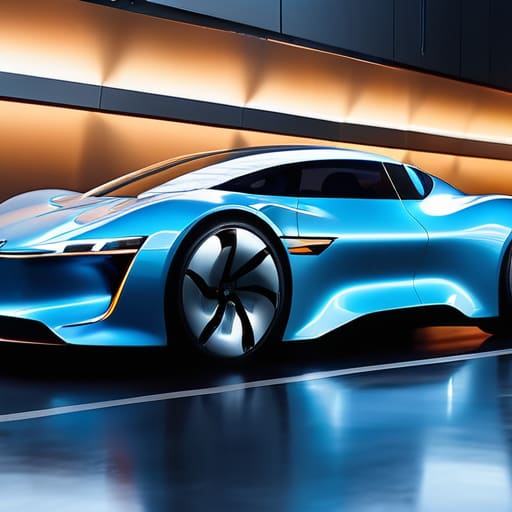
Look, you can pack a battery with all the lithium-ion density you want, but if you’re pushing a brick through the air, you’re just wasting energy. This is where aerodynamic coefficient influence becomes the real gatekeeper of your range. When you’re cruising at highway speeds, the majority of your energy isn’t being used to turn the wheels; it’s being spent fighting air resistance. I see so many manufacturers obsessing over flashy infotainment screens while ignoring how much drag a poorly designed side mirror or an aggressive grille creates.
It’s a simple physics problem: as velocity increases, the force required to slice through the air grows exponentially. If we don’t get the shape right, we’re essentially trying to fill a leaky bucket. Even if you’ve mastered rolling resistance optimization in the tires, a high drag coefficient will absolutely tank your kilowatt hours per mile. We need to stop treating aerodynamics like an afterthought and start seeing it as a fundamental component of the powertrain’s efficiency. If the air is fighting you, the chemistry in your cells doesn’t matter.
Rolling Resistance Optimization vs the Weight Penalty

Here’s where the engineering gets really messy. We often hear about how much weight kills range, and it’s true—the sheer mass of a massive lithium-ion pack creates a massive headache for energy consumption. But there’s a constant tug-of-war between vehicle weight and range and the friction happening right where the rubber meets the road. If you go too light on the tires to save energy, you often sacrifice the grip and durability needed for a heavy EV.
This is where rolling resistance optimization becomes a high-stakes balancing act. I see it all the time in the lab: engineers trying to shave off every gram to improve the kilowatt hours per mile metric, only to realize they’ve compromised the vehicle’s stability or increased tire wear. It’s not just about being light; it’s about how that weight interacts with the road surface. If we don’t get the tire compound and tread design right, all the fancy software in the world won’t stop the energy drain caused by constant deformation under a heavy chassis.
Stop Chasing Range Anxiety and Start Managing Energy Density
- Stop treating your regenerative braking like a suggestion; if you aren’t mastering one-pedal driving to feed energy back into the cells, you’re essentially leaving free electrons on the asphalt.
- Watch your thermal management like a hawk, because pushing a battery through extreme temperature swings is the fastest way to accelerate lithium plating and kill your long-term capacity.
- Ditch the “just-in-case” heavy gear; every extra kilogram in your trunk is just another parasitic load that your motor has to fight against, effectively lowering your Wh/mi efficiency.
- Stop obsessing over high-speed highway cruising if you actually care about range, because aerodynamic drag scales quadratically—once you cross that 70mph threshold, you’re just fighting physics for diminishing returns.
- Treat your charging habits with some respect—if you’re constantly slamming your battery with DC fast charging to hit 100%, you’re inducing unnecessary heat and chemical stress that’ll tank your degradation metrics faster than you can say “range anxiety.”
The Bottom Line: Efficiency Isn't Just a Single Number
Stop chasing “magic” range numbers; true efficiency is a balancing act between cutting aerodynamic drag and managing the heavy energy penalty that comes with massive battery packs.
We need to move past the obsession with sheer weight and start optimizing how tires interact with the road, because rolling resistance is a silent killer of your real-world Wh/mi.
Real progress won’t come from just adding more cells to a pack, but from engineering vehicles that minimize energy waste through smarter physics and better hardware integration.
## The Efficiency Trap
“Everyone is out here chasing 500-mile range specs like they’re some kind of holy grail, but if we aren’t talking about the energy lost to heat in the cells or the massive weight penalty of oversized packs, we’re just building bigger, more expensive paperweights.”
Desmond Achebe
The Bottom Line on Efficiency
At the end of the day, maximizing EV efficiency isn’t about one single “silver bullet” feature; it’s a delicate balancing act between physics and engineering. We’ve looked at how slicing through the air with a lower drag coefficient can save massive amounts of energy, and how the tug-of-war between rolling resistance and vehicle weight dictates your real-world range. You can’t just slap a massive, heavy battery on a brick-shaped chassis and call it a success. To actually move the needle, we have to respect the fundamental laws of thermodynamics and stop treating efficiency as an afterthought once the car is already on the assembly line.
I’m tired of seeing marketing departments push “range anxiety” as a problem that can only be solved by bigger, heavier, and more resource-intensive battery packs. That’s not progress; that’s just a band-aid. True innovation lies in the optimization of the entire ecosystem, from the way we manage thermal loads to the very chemistry of the cells themselves. We are standing at the edge of a massive energy transition, and if we want it to be sustainable, we have to build hardware that is smart, lean, and genuinely efficient. Let’s stop chasing bigger numbers and start chasing better engineering.
Frequently Asked Questions
If we optimize the aero and the tires, how much of a dent can we actually make in battery degradation caused by high-speed driving?
Look, optimizing aero and tires is great for squeezing out extra miles per charge, but it won’t save your battery from high-speed degradation. Physics is a beast. When you’re pushing high speeds, you’re pulling massive current to overcome drag, which spikes the internal temperature of the cells. Heat is the absolute killer of lithium-ion longevity. You can have the slickest car on the road, but if you’re constantly running hot, you’re accelerating chemical aging regardless.
Is it even worth chasing better drag coefficients if the real bottleneck is the thermal management of the cells during rapid charging?
Look, it’s not an “either/or” situation, but I get why you’re asking. Chasing a lower drag coefficient is like optimizing the aerodynamics of a plane while the engine is overheating—it’s pointless if the plane can’t stay in the air. If we can’t manage cell temperatures during a 350kW charge, the best aero in the world won’t save your road trip. We need both, but thermal stability is the real gatekeeper for utility.
How much does the massive weight of the battery pack actually negate the efficiency gains we get from regenerative braking?
It’s the classic engineering trade-off: more mass means more kinetic energy to harvest, but it also means you’re hauling a massive, heavy brick around every time you hit the pedal. In my view, regen isn’t a magic fix for weight. While you do recover more energy during deceleration, the extra energy required to accelerate that same heavy pack back up to speed often eats a huge chunk of those gains. It’s a game of diminishing returns.
