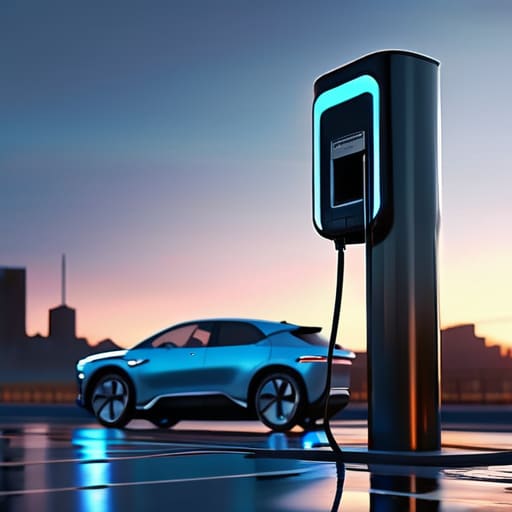
I still remember sitting in my dorm at Georgia Tech, surrounded by half-disassembled lithium cells and the faint, metallic scent of electrolyte leakage, staring at a charging curve that looked more like a mountain range than a predictable line. Everyone in the media was busy celebrating “revolutionary” breakthroughs, but looking at the actual hardware, I realized we were just putting shiny new skins on incredibly inefficient systems. The truth is, most of the hype surrounding electric vehicle charging technology ignores the brutal reality of thermal management and grid strain. We keep talking about “fast charging” like it’s a magic wand, when in reality, if we don’t solve the underlying chemistry and power delivery bottlenecks, we’re just building a house of cards.
I’m not here to sell you on the utopian dream or repeat the polished press releases from big auto manufacturers. My goal is to strip away the marketing fluff and look at the actual engineering that makes or breaks a charge. I’m going to break down the real-world physics of electric vehicle charging technology—from the cooling loops in DC fast chargers to the way current actually interacts with your battery’s anode. We’re going to focus on the hardware that actually matters so you can understand what’s driving the transition and what’s just expensive noise.
Table of Contents
- Level 2 Charging vs Dc Fast Charging Real Power Metrics
- Why Onboard Charger Efficiency Dictates True Sustainability
- Hard Truths: 5 Ways to Actually Optimize Your Charging Workflow
- The Bottom Line: What Actually Matters for the Grid and Your Wallet
- ## The Infrastructure Reality Check
- The Bottom Line on the Grid
- Frequently Asked Questions
Level 2 Charging vs Dc Fast Charging Real Power Metrics
When people ask me about the difference between Level 2 and DC fast charging, they usually just want to know how long they’ll be sitting in a parking lot. But as an engineer, I look at it through the lens of current and heat. Level 2 charging is essentially your home’s heavy-duty extension cord; it relies on your car’s onboard charger efficiency to convert AC from the grid into DC for the cells. It’s slow, yeah, but it’s gentle. It’s like sipping a drink through a straw—low stress, low heat, and much better for the long-term health of your lithium-ion chemistry.
DC fast charging is a completely different beast. Instead of making the car do the heavy lifting, the station bypasses that onboard converter and slams high-voltage DC directly into the battery. This is where things get tricky. We aren’t just talking about speed; we’re talking about intense thermal management. If the battery management system integration isn’t perfect, that rapid energy influx can lead to accelerated degradation. It’s the difference between a slow trickle of water and a fire hose; one builds capacity steadily, while the other demands extreme precision to avoid cooking your hardware.
Why Onboard Charger Efficiency Dictates True Sustainability
Most people focus on how fast a charger can pump energy into a car, but they completely ignore the bottleneck sitting right under the hood. When you’re plugged into a standard AC source, your car has to convert that electricity into DC to actually fill the cells. This is where onboard charger efficiency becomes the real MVP of the equation. If that conversion process is sloppy, you aren’t just losing time; you’re losing energy to heat. Every percentage point of efficiency lost is essentially wasted electricity that never makes it into your battery, which is the exact opposite of what a sustainable grid needs.
This isn’t just some academic nuance—it’s a thermal management nightmare. Poor conversion efficiency forces the cooling system to work overtime, pulling even more power just to keep the hardware from cooking itself. When we talk about EV charging infrastructure development, we can’t just build more plugs; we have to ensure the handshake between the grid and the vehicle’s internal power electronics is seamless. If the onboard hardware is inefficient, we’re just burning more resources to achieve the same range.
Hard Truths: 5 Ways to Actually Optimize Your Charging Workflow
- Stop treating your charger like a smartphone plug. If you’re relying on a standard 120V outlet for daily use, you’re essentially trying to fill a swimming pool with a squirt gun; invest in a dedicated Level 2 setup to minimize the time your cells spend sitting at high temperatures.
- Respect the “sweet spot” for lithium-ion longevity. I know it’s tempting to top off to 100% every single night, but keeping your state of charge between 20% and 80% is the best way to fight the chemical degradation that kills battery life prematurely.
- Watch the heat, not just the percentage. Rapid DC charging is a miracle for road trips, but the thermal stress on the battery management system (BMS) is real—if your car’s cooling system is struggling, that “fast” charge is going to throttle itself anyway.
- Don’t get blinded by “kW” marketing. A high-output charger is useless if your vehicle’s onboard charger is a bottleneck; always check your car’s maximum intake capacity before you get excited about a new high-speed station.
- Plan for the grid, not just the plug. Real sustainability means charging when the local grid has excess renewable capacity—if you can time your heavy charging sessions for when solar or wind production is peaking, you’re actually reducing the carbon footprint of your drive.
The Bottom Line: What Actually Matters for the Grid and Your Wallet
Stop equating “fast” with “better.” While DC fast charging is a lifesaver for road trips, relying on it exclusively is like redlining your engine every single day—it’s hard on the battery chemistry and a nightmare for grid stability. Level 2 charging is the unsung hero of battery longevity.
The hardware inside the car is just as important as the plug in the wall. If your onboard charger is inefficient, you’re essentially leaking energy as heat before it even hits the cells, which totally defeats the purpose of driving an EV in the first place.
True sustainability isn’t about how many charging stations we can slap on a street corner; it’s about the efficiency of the entire energy pipeline. We need to focus on the actual power metrics and hardware reliability, not just the marketing hype surrounding “green” mobility.
## The Infrastructure Reality Check
“We can keep marketing these ultra-sleek, high-performance EVs all day, but if we don’t solve the actual bottleneck of grid-side power delivery and the thermal degradation during rapid charging, we’re just building expensive paperweights that can’t handle the real world.”
Desmond Achebe
The Bottom Line on the Grid
At the end of the day, moving from gas to electric isn’t just about swapping a fuel nozzle for a plug; it’s about understanding the massive shift in how we manage energy density and thermal loads. We’ve looked at how the distinction between Level 2 and DC Fast Charging dictates your daily workflow, and why the efficiency of your onboard charger is the unseen gatekeeper of your battery’s long-term health. If we keep ignoring these technical nuances in favor of flashy marketing, we’re going to end up with a massive infrastructure that’s either too slow to be useful or too inefficient to be sustainable. We have to respect the physics of the hardware if we want this transition to actually stick.
I’m genuinely optimistic about where we’re headed, but that optimism is grounded in the reality of the engineering challenges ahead. We aren’t just building cars; we are building a decentralized, electrified ecosystem that requires smarter chemistry and more resilient grid integration. The transition won’t be perfect, and there will be plenty of corporate greenwashing along the way, but the momentum is on our side. If we focus on the real-world data and the actual hardware, we can build a future where high-performance mobility doesn’t come at the cost of the planet. Let’s get to work.
Frequently Asked Questions
If I’m mostly charging at home, does the chemistry of my battery actually degrade faster if I use a standard Level 2 charger versus a DC fast charger?
Short answer: Yes, and it’s all about thermal stress. Think of DC fast charging like trying to shove a gallon of water into a bottle through a high-pressure fire hose—it creates heat and mechanical strain. That heat accelerates lithium plating and electrolyte breakdown. Level 2 charging is more like a slow, steady trickle; it keeps the battery chemistry stable and cool. If you want your pack to actually last, stick to the slow stuff at home.
We talk a lot about charger speed, but how much of that "fast charging" is actually lost to heat inefficiency within the cables and the vehicle's thermal management system?
Look, we need to stop treating “fast charging” like a magic number on a spec sheet. When you’re pushing massive current through a cable, physics isn’t on your side—resistance turns a chunk of that energy directly into heat. It’s basically a glorified space heater. If the vehicle’s thermal management isn’t aggressive enough to dump that heat, the BMS throttles your speed to prevent cell degradation. You aren’t just losing time; you’re literally burning your electricity.
Is the current grid infrastructure actually ready for a massive rollout of ultra-fast chargers, or are we just going to see more localized brownouts when everyone plugs in at once?
Honestly? We’re playing a dangerous game of chicken with the grid. Most of our current infrastructure was built for steady, predictable loads, not the massive, sudden spikes that ultra-fast chargers demand. If we just keep slapping high-kilowatt stations onto aging transformers without upgrading the local distribution networks, we aren’t looking at a revolution—we’re looking at localized brownouts. We need smarter grid integration and massive investment in buffer storage, or the hardware is just going to choke.
