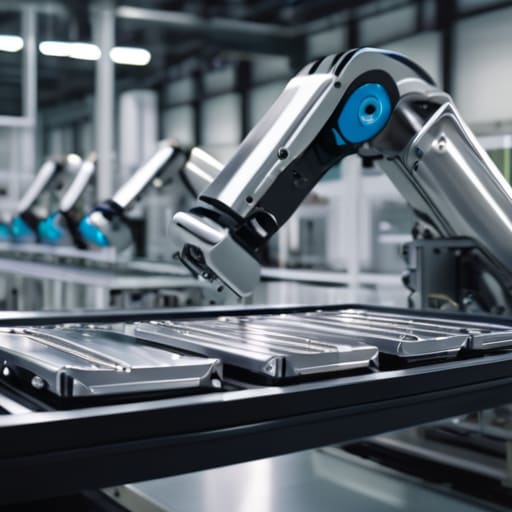
I remember sitting in a humid lab at Georgia Tech, staring at a tiny, perfect coin cell that worked flawlessly under a microscope, only to watch the entire project fall apart when we tried to move from a petri dish to a prototype. It’s the industry’s dirty little secret: everyone is obsessed with the “magic” of new chemistries, but nobody wants to talk about the absolute nightmare of battery manufacturing scalability. We see these glossy press releases claiming breakthroughs in energy density, but they conveniently skip over the part where you actually have to produce millions of these units without the yield dropping to zero or the costs skyrocketing. It’s easy to innovate in a controlled environment; it’s a different beast entirely to do it on a factory floor.
I’m not here to sell you on the corporate hype or the vague promises of “future-proofing” the grid. Instead, I want to pull back the curtain on the actual hardware and the logistical bottlenecks that determine whether a battery tech actually makes it to your car or stays stuck in a lab. We’re going to look at the real-world friction—from electrode coating consistency to the brutal reality of supply chain constraints—so you can understand what it actually takes to scale.
Table of Contents
Optimizing Lithium Ion Cell Production Throughput
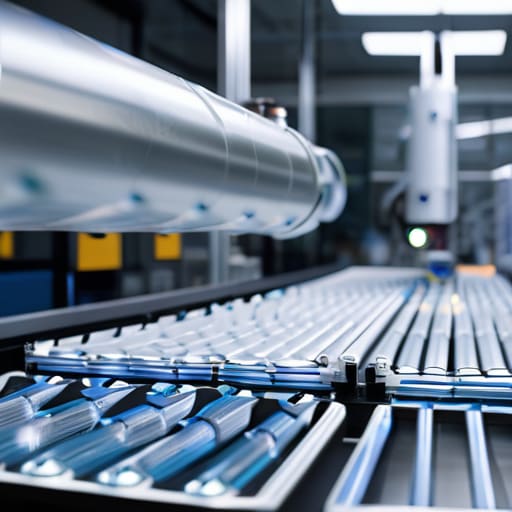
When we talk about ramping up production, everyone looks at the massive footprint of a new facility, but the real battle is won or lost on the floor. You can build the most impressive building on the planet, but if your lithium-ion cell production throughput is choking on microscopic impurities, you’re just building a very expensive monument to inefficiency. I’ve seen it in the labs: a process works perfectly in a controlled environment, but the second you try to move it to a high-speed line, the electrochemical process scaling becomes a nightmare. We aren’t just moving parts; we are managing delicate chemical reactions that hate being rushed.
To actually move the needle, we have to move past the “just build more” mentality and focus on automated assembly line optimization. It’s about the precision of the coating thickness and the speed of the electrolyte filling without compromising the cell’s internal integrity. If we don’t nail the manufacturing yield improvement early in the cycle, we’re just wasting raw materials and burning through capital. Scaling isn’t just about volume; it’s about maintaining high-fidelity chemistry at a speed that keeps up with global demand.
Mastering Electrochemical Process Scaling
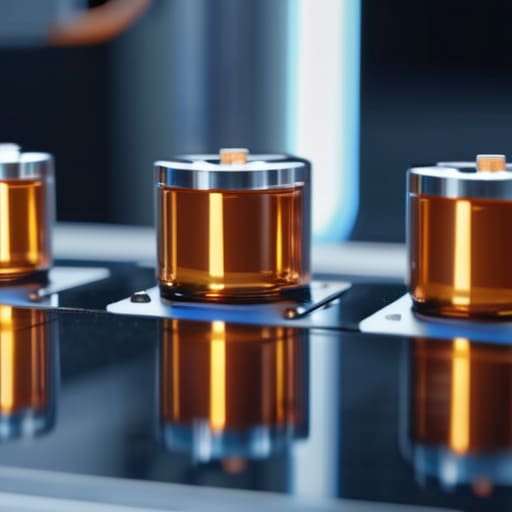
When we talk about electrochemical process scaling, we aren’t just talking about building bigger tanks or longer conveyor belts. We’re talking about the terrifyingly thin margin for error when you move from a controlled lab environment to a massive production floor. In my time in the university labs, a tiny deviation in slurry viscosity was a minor headache; in a high-volume facility, that same deviation can tank your entire manufacturing yield improvement strategy. It’s about maintaining that precise chemical consistency across millions of cycles without the whole system crashing.
The real headache is the transition from batch processing to continuous flow. If you want to actually move the needle, you have to master the fluid dynamics of the electrode coating process at scale. If the solvent evaporation isn’t perfectly synchronized with the drying tunnel temperature, you end up with micro-cracks in the active material. You can have the most advanced automated assembly line optimization in the world, but if the underlying chemistry is inconsistent because of poor thermal management during coating, you’re just efficiently producing expensive scrap metal.
The Real-World Playbook: How We Actually Scale Without Breaking the Chemistry
- Stop treating the factory floor like a laboratory. You can’t just take a successful lab-scale electrode recipe and expect it to work in a massive roll-to-roll coating machine without accounting for solvent evaporation rates and slurry viscosity shifts.
- Prioritize dry electrode manufacturing early. If we want to move past the massive energy drain of drying ovens, we need to lean into dry processing tech now, even if the initial CapEx feels intimidating.
- Build for modularity, not just size. Scaling isn’t about building one giant, monolithic production line; it’s about creating repeatable, modular cells that can be added in parallel to prevent a single equipment failure from nuking your entire quarterly yield.
- Tighten the feedback loop between the chemists and the automation engineers. Most scaling failures happen because the people designing the active material aren’t talking to the people programming the high-speed assembly robots.
- Solve the supply chain bottleneck before you buy the machines. There is no point in scaling up production capacity for NCM cells if you haven’t secured a sustainable, non-volatile pipeline for your precursor materials.
The Real-World Bottom Line
Scaling isn’t just about building bigger factories; it’s about tightening the tolerances on electrochemical processes so we aren’t throwing away half our yield to degradation issues.
We have to move past the “spreadsheet optimism” of corporate PR and actually solve the supply chain bottlenecks that prevent us from getting high-purity materials to the line at scale.
True sustainability in manufacturing means designing for the entire lifecycle—if we can’t scale production without creating a massive environmental debt, we’ve already lost the race.
## The Reality Check on Scale
“We can keep designing the perfect theoretical cell in a lab, but until we solve the actual physics of moving high-viscosity slurries at scale without ruining the electrode morphology, we’re just playing with expensive chemistry sets. Scaling isn’t a spreadsheet problem; it’s a mechanical and electrochemical bottleneck problem.”
Desmond Achebe
The Reality Check: Moving From Lab to Line
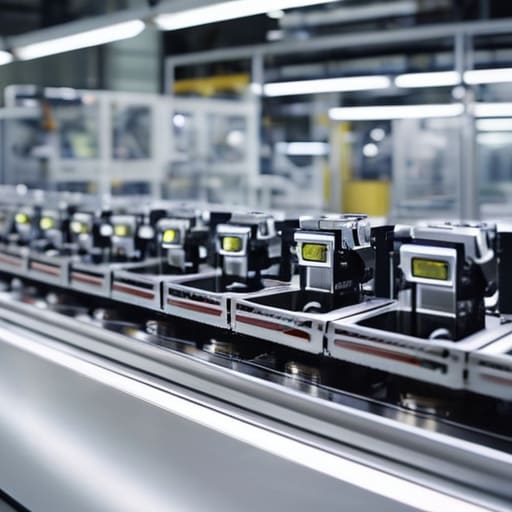
At the end of the day, scaling battery production isn’t just about building bigger factories; it’s about solving the granular, messy physics of the manufacturing floor. We’ve looked at how optimizing cell throughput and mastering electrochemical processes are the two massive pillars holding up the industry. If we can’t bridge the gap between a successful lab-scale prototype and a high-speed, automated production line that maintains chemical consistency, we’re just spinning our wheels. We have to move past the theoretical yields and focus on the actual, gritty reality of minimizing defect rates while maintaining massive volumetric throughput.
I know it’s easy to get lost in the hype cycles and the massive capital injections being thrown at every new startup, but the hardware doesn’t care about venture capital. The hardware only cares about the chemistry and the stability of the supply chain. If we want to actually see electric mobility become the global standard rather than a luxury niche, we need to get obsessed with the engineering fundamentals. I’m optimistic because the math works, but I’m skeptical of anyone promising a revolution without a plan for the infrastructure bottlenecks. Let’s stop chasing the headlines and start building the actual machines that will power our world.
Frequently Asked Questions
If we solve the throughput issues in the lab, what’s actually stopping us from hitting mass-market price parity overnight?
If we solve throughput, we’ve only cleared the first hurdle. You can’t hit price parity overnight because the bottleneck shifts from the lab to the physical world. We’re talking massive CapEx for gigafactories, a brutal scramble for raw materials like nickel and graphite, and a supply chain that’s still incredibly fragile. It’s not just about making cells faster; it’s about building the entire ecosystem from the mine to the assembly line without breaking the bank.
How much of the current bottleneck is actually a chemistry problem versus a lack of specialized manufacturing infrastructure?
Honestly, it’s a bit of both, but the infrastructure bottleneck is what’s actually keeping us awake at night. We’ve got the chemistry—we know how to make a high-performance cell in a controlled lab setting. The problem is translating that “lab magic” into massive, high-yield production lines without losing precision. It’s like trying to bake a single perfect soufflé versus running a factory that pumps out ten thousand identical ones every hour. The chemistry is ready; the hardware isn’t.
As we scale up production, how do we prevent the massive increase in waste and environmental impact from negating the benefits of the EVs themselves?
We can’t claim to be “green” if our manufacturing footprint is a disaster. To prevent scaling from becoming a pollution nightmare, we have to bake circularity into the hardware from day one. That means moving past “recyclability” as a buzzword and actually engineering cells for easy disassembly. We need closed-loop systems where scrap from the coating process and end-of-life packs feed directly back into the precursor supply chain. If we don’t solve the waste problem, we’re just trading one crisis for another.
