
I still remember the smell of ozone and burnt electrolyte in the Georgia Tech labs during my junior year, staring at a pile of degraded cells that looked more like hazardous waste than the “future of energy.” Everyone in the press releases talks about a seamless circular economy, but if you’ve ever actually looked at the messy, high-energy reality of ev battery recycling processes, you know it’s not some magical, effortless loop. We’re currently drowning in corporate platitudes about sustainability while the actual hardware reality is a logistical nightmare of complex chemistries and massive energy requirements.
I’m not here to sell you on the polished PR version of the green revolution. Instead, I want to pull back the curtain on the actual engineering—the hydrometallurgy, the pyrometallurgy, and the brutal math required to make these loops work. I’m going to break down the real ev battery recycling processes so you can see which technologies are actually scalable and which ones are just expensive greenwashing. We need to stop dreaming about a clean future and start mastering the gritty chemistry that will actually build it.
Table of Contents
Beyond the Hype Mastering Black Mass Processing

Once you’ve shredded those old packs down to their core components, you’re left with this dark, gritty powder known as black mass. This isn’t just industrial waste; it’s basically a concentrated treasure chest of high-value elements. If we’re actually serious about building a sustainable battery supply chain, we can’t just treat this stuff like junk. The real magic—and the real headache—happens when we figure out how to pull the valuable metals out of that sludge without burning more energy than we actually save.
This is where the industry gets into the heavy-duty debate of pyrometallurgy vs hydrometallurgy. The old-school way, pyrometallurgy, is basically just melting everything down in a massive furnace. It’s blunt, it’s energy-intensive, and honestly, you lose a lot of the lithium in the slag. I’m much more interested in the precision of lithium-ion battery hydrometallurgy. By using chemical leaching, we can target specific ions and achieve much higher rates of cobalt and nickel recovery. It’s cleaner, it’s more surgical, and it’s the only way we’re going to make the math work for a true circular economy.
The Real Chemistry of a Sustainable Battery Supply Chain
Here’s the reality: we can’t just treat old cells like trash and hope for the best. To build a truly sustainable battery supply chain, we have to move past the old-school “burn it all” mentality. For decades, the industry relied heavily on pyrometallurgy—basically using massive furnaces to smelt everything down. It’s easy, sure, but it’s incredibly energy-intensive and you lose a huge chunk of the lithium in the slag. If we’re serious about a circular economy for electric vehicles, we have to get smarter about how we extract value from the wreckage.
That’s where the real magic happens in lithium-ion battery hydrometallurgy. Instead of using heat to destroy, we’re using aqueous chemistry to selectively leach out the good stuff. When we talk about high-stakes cobalt and nickel recovery, precision is everything. We aren’t just looking for raw materials; we’re looking to recreate battery-grade precursors that can go straight back into a new cell. It’s a massive technical hurdle, but if we don’t master these chemical recovery loops, we’re just trading one resource crisis for another.
How to Spot Real Progress (and Avoid the Greenwashing)
- Look for closed-loop systems, not just “recycling programs.” If a company is just shredding batteries to sell the scrap, they aren’t solving the problem. We need hydrometallurgical processes that actually recover battery-grade lithium and nickel so they can go straight back into a new cell.
- Demand transparency on “black mass” purity. It’s easy to claim you’re recycling, but if the resulting black mass is too contaminated with aluminum or copper to be useful for high-density cathodes, you’re just delaying the landfill trip, not preventing it.
- Don’t get distracted by “bio-leaching” hype unless there’s data. Using bacteria to leach metals sounds cool and “natural,” but as an engineer, I want to see the throughput numbers. We need scale and speed if we’re going to handle the massive wave of end-of-life EVs coming in the next decade.
- Watch the energy footprint of the recycling itself. If a facility uses massive amounts of fossil-fuel-powered heat to run pyrometallurgical smelters, the carbon math doesn’t add up. True sustainability means the recycling process has to be as efficient as the battery it’s creating.
- Prioritize “Design for Disassembly.” We can have the best recycling tech in the world, but if battery packs are glued together with structural adhesives that make them impossible to take apart without destroying the cells, we’re fighting an uphill battle. We need modularity, not just better chemistry.
The Bottom Line on Closing the Loop
We need to stop treating “recycling” as a vague buzzword and start treating it as a high-stakes chemical engineering challenge; if we can’t efficiently extract lithium and nickel from black mass, the whole EV transition hits a wall.
Circularity isn’t just about being “green”—it’s about energy security and stabilizing a supply chain that’s currently way too dependent on volatile mining markets and geopolitical chaos.
True sustainability requires looking past the shiny new EV marketing and focusing on the unglamorous, heavy-duty infrastructure needed to process spent cells at scale.
The Circularity Reality Check
“We can keep slapping ‘eco-friendly’ stickers on every new EV rollout, but until we treat a spent battery pack like a high-value mineral mine rather than just industrial waste, we’re just delaying the inevitable resource crunch.”
Desmond Achebe
The Bottom Line on the Battery Loop
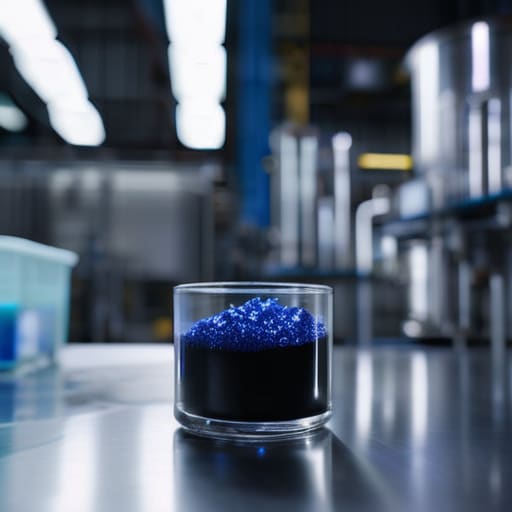
At the end of the day, we can’t treat EV batteries like disposable consumer electronics. We’ve looked at the heavy lifting required—from the mechanical shredding that creates black mass to the complex hydrometallurgical processes needed to pull lithium and cobalt back out of the sludge. It isn’t just about “recycling” in the way we think of a soda can; it’s about precision chemical engineering at a massive scale. If we fail to master the recovery of these high-value elements, we’re just trading one resource dependency for another, which completely defeats the purpose of the transition. We have to ensure that the circularity of the supply chain is baked into the hardware design from day one, not treated as an afterthought once the cells are dead.
I’m optimistic, but I’m not going to sit here and tell you that the road to a truly sustainable grid is paved with easy wins. There are massive infrastructure gaps and corporate interests that would rather keep things opaque, but the math doesn’t lie: we cannot build a green future on a linear “take-make-waste” model. We need to push for radical transparency in how these materials are sourced and recovered. The tech is there, and the chemistry is ready; now we just need the industrial willpower to actually close the loop. Let’s stop chasing the hype and start building the hardware that lasts.
Frequently Asked Questions
If we're pulling lithium and cobalt out of old cells, are we actually getting the same purity levels needed for high-performance solid-state batteries, or is the recycled stuff just "good enough" for low-end storage?
That’s the million-dollar question. Right now, most recycling is “good enough” for LFP or low-end stationary storage, but for high-performance solid-state? We’re hitting a wall. To get those ultra-pure precursors, you can’t just crush and melt stuff; you need advanced hydrometallurgy to strip away the impurities that ruin electrolyte stability. If we can’t hit 99.9% purity levels, we’re just creating a downgraded loop, not a circular economy. We need precision, not just volume.
How do we deal with the massive energy footprint of the recycling process itself—isn't there a risk that the carbon cost of shredding and smelting outweighs the environmental gains?
That’s the million-dollar question, and honestly, it’s where the greenwashing gets dangerous. If we just use massive, coal-fired smelters to recover metals, we’re basically just moving the carbon debt from the tailpipe to the factory floor. To make this work, we have to pivot toward hydrometallurgy—using aqueous chemistry instead of brute-force heat. It’s lower energy, more precise, and actually keeps the carbon footprint smaller than mining virgin materials. We need efficiency, not just scale.
With so many different cell chemistries hitting the road right now, how do we scale a recycling infrastructure that isn't rendered obsolete every time a new battery standard drops?
That’s the million-dollar question. If we build massive plants optimized solely for NCM (Nickel Cobalt Manganese) and then LFP (Lithium Iron Phosphate) takes over the mass market, we’re left with expensive paperweights. The fix isn’t building for a specific chemistry; it’s about modularity. We need hydrometallurgical processes that are chemically flexible—systems that can pivot their reagent cocktails to target whatever specific metal ratios are currently in the feedstock. We have to design for chemistry, not just specific cells.
