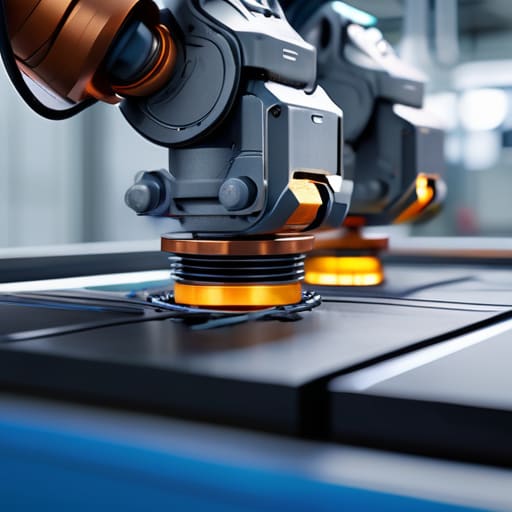
I still remember the smell of scorched electrolyte in my undergrad lab at Georgia Tech—that sharp, metallic tang that hits you when a cell goes south. It was a visceral reminder that these batteries aren’t just “black boxes” of clean energy; they are complex, volatile chemical systems. Lately, I’ve been getting sick of the corporate gloss being slapped over the industry, where every CEO claims their company is “closing the loop” while saying absolutely nothing about the actual hardware. If we’re serious about the transition, we need to stop treating ev battery recycling like a PR checkbox and start treating it like the massive, high-stakes engineering challenge it actually is.
I’m not here to sell you on some utopian vision of a zero-waste future that doesn’t exist yet. Instead, I’m going to break down the real chemistry and the logistical bottlenecks that determine whether a battery actually gets reused or just ends up as expensive landfill. We’re going to look past the marketing fluff to understand the actual recovery rates of lithium and cobalt, and why the current infrastructure is still dangerously behind the curve.
Table of Contents
- Cracking the Code of End of Life Battery Management
- Building a Real Closed Loop Battery Supply Chain
- Cutting Through the Noise: How We Actually Scale Battery Recovery
- The Bottom Line on Battery Circularity
- ## The Real Cost of a "Green" Battery
- The Bottom Line on Battery Circularity
- Frequently Asked Questions
Cracking the Code of End of Life Battery Management
Cracking the Code of End-of-Life Battery Management
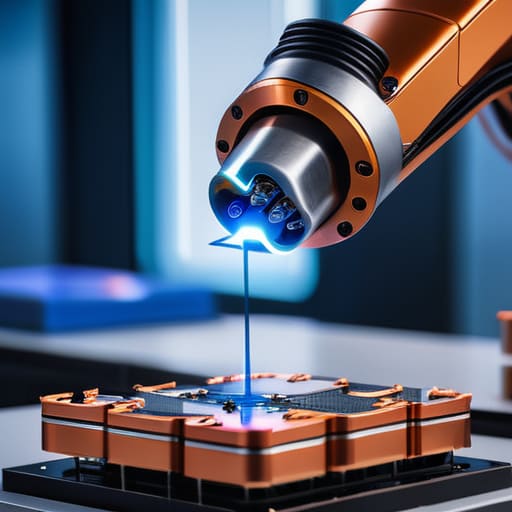
When a battery hits its end-of-life, we can’t just treat it like a piece of scrap metal. If we want to move toward a true closed-loop battery supply chain, we have to get surgical with how we handle the hardware. Right now, the industry is moving away from old-school smelting—which is basically just burning everything to get the scraps—and moving toward more precise techniques. The real goal is high-fidelity recovery; we need to be able to pull out the high-value materials without destroying the energy density potential of the remaining components.
This is where the heavy lifting happens, specifically through black mass processing. Once we shred those cells, we’re left with this dark, powdery mixture that contains the “gold” of the modern era: lithium, manganese, cobalt, and nickel. I’m particularly interested in the shift toward hydrometallurgical recycling methods. Unlike thermal processes that use massive amounts of heat, these chemical-based approaches allow for much more efficient cobalt and nickel extraction. It’s the difference between smashing a computer to get the gold and actually refining the elements; one is a blunt instrument, the other is engineering.
Building a Real Closed Loop Battery Supply Chain
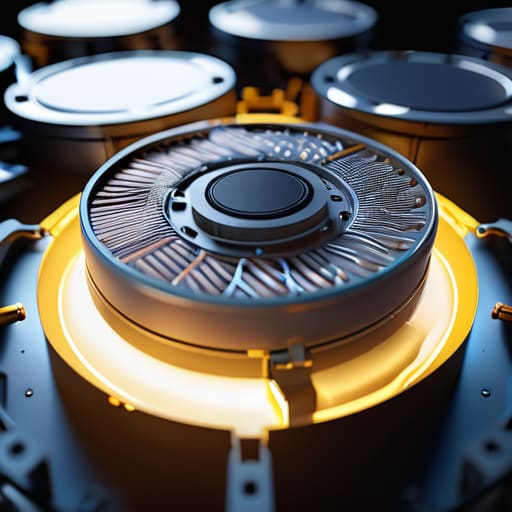
The problem is that right now, our supply chain looks more like a straight line than a circle. We dig stuff up, build a pack, and then—if we’re lucky—someone eventually figures out what to do with it. That’s not a system; it’s a recipe for a resource crisis. To actually achieve electric vehicle battery sustainability, we have to move toward a true closed-loop battery supply chain where the “waste” from an old Tesla or Rivian becomes the feedstock for the next generation of cells.
This isn’t just about tossing batteries into a specialized bin. It’s about the gritty, industrial reality of black mass processing. Once those packs are shredded, we’re left with this dark, powdery mixture containing the high-value metals we actually care about. The real magic happens when we apply advanced hydrometallurgical recycling methods to pull out the cobalt and nickel with high precision. If we can master the chemistry of recovering these materials at scale, we stop being dependent on volatile mining markets and start treating our existing battery stock as an infinite urban mine.
Cutting Through the Noise: How We Actually Scale Battery Recovery
- Design for disassembly, not just for aesthetics. If a technician needs three hours and a specialized robotic arm just to get to the cells, the economics of recycling are dead on arrival. We need modular packs that let us swap or extract components without shredding the whole unit.
- Stop treating all scrap like it’s the same. A lithium-iron-phosphate (LFP) pack needs a completely different recovery pathway than a high-nickel NMC cell. If we try to use a “one size fits all” smelting approach, we’re going to lose too much of the high-value chemistry in the slag.
- Prioritize hydrometallurgy over pyrometallurgy. Smelting batteries in giant furnaces is the easy way out, but it’s energy-intensive and burns off a lot of the lithium we desperately need to recover. We need to lean into liquid-based chemical leaching to pull out those specific ions with higher precision.
- Demand transparency in the digital battery passport. I want to know exactly what’s inside the cell before it even hits the recycling center. If the chemistries and mineral origins are documented from day one, the recovery process becomes a predictable science instead of a guessing game.
- Build the collection infrastructure before the waste pile hits. We can’t wait until millions of EVs are hitting the scrap heap in 2035 to figure out logistics. We need specialized transport and localized processing hubs now, or we’re just going to end up with a massive environmental headache instead of a circular economy.
The Bottom Line on Battery Circularity
We have to stop treating spent EV batteries like hazardous waste and start seeing them as high-value “urban mines” filled with critical minerals that we can’t afford to lose.
Real sustainability isn’t a marketing buzzword; it’s a technical challenge that requires standardized battery designs to make automated disassembly actually feasible at scale.
The transition to electric mobility is a massive win, but it only stays a win if we build the infrastructure to recover the chemistry today so we aren’t digging even deeper holes in the earth tomorrow.
## The Real Cost of a "Green" Battery
“We can’t call the transition to electric mobility a success if we’re just trading one extraction crisis for another. If we aren’t building the literal infrastructure to recover every gram of lithium and cobalt from a dead pack, then we aren’t building a sustainable future—we’re just building a different kind of landfill.”
Desmond Achebe
The Bottom Line on Battery Circularity
Look, we can’t keep treating EV batteries like disposable tech. If we don’t get the end-of-life management right and actually master the recovery of high-value materials like lithium, cobalt, and nickel, we’re just trading one environmental crisis for another. Moving from a “take-make-waste” model to a true closed-loop system isn’t just a nice-to-have; it is the only way to stabilize the supply chain and keep costs down for the next generation of drivers. We’ve talked about the chemistry and the logistics, but the reality is that recycling is the backbone of the entire energy transition.
I’m an optimist by nature—I’ve spent too many late nights in the lab to be anything else—but I’m also a realist. The hardware for a sustainable future is sitting right in front of us, waiting to be reclaimed and reused. We have the engineering talent and the raw materials; what we need now is the collective will to build the infrastructure that matches our ambitions. Let’s stop settling for corporate slogans about “green” mobility and start demanding the actual circularity that the math requires. The transition is inevitable, but let’s make sure we build it to last.
Frequently Asked Questions
If we actually start scaling recycling, how much of the original lithium and cobalt can we realistically recover without it costing more than just mining new stuff?
Theoretically, we can recover upwards of 95% of the lithium, cobalt, and nickel through hydrometallurgical processes. But here’s the reality check: the math only works if we scale. Right now, the “green premium” is real. If we’re just picking through small batches, it’s more expensive than digging a hole in the ground. To beat mining on price, we need massive, centralized facilities that treat old batteries like high-grade ore, not just scrap metal.
Are we looking at a future where my old EV battery becomes a home energy storage unit, or is it destined for the shredder the moment it loses its charge capacity?
It’s definitely not destined for the shredder just yet. In my field, we call this “second-life application.” When an EV battery drops to maybe 70% capacity, it’s “dead” for a car because you don’t want that range anxiety, but for a home storage setup? It’s still a powerhouse. We can repurpose those modules to buffer solar energy or stabilize your home grid. It’s about squeezing every bit of chemical utility out of the hardware before we finally move to hydrometallurgy.
How do we stop companies from just "greenwashing" their recycling programs and actually prove that the chemistry is being recovered in a closed loop?
We need to stop taking “recycling” at face value and start demanding granular, batch-level data. Companies love using broad sustainability reports to mask the fact that they’re just shredding packs and selling the scrap. To actually prove a closed loop, we need digital battery passports—blockchain-backed tracking that follows the specific lithium and cobalt from the recycler back into the new anode. If they can’t show the chemical audit trail, it’s just marketing.
