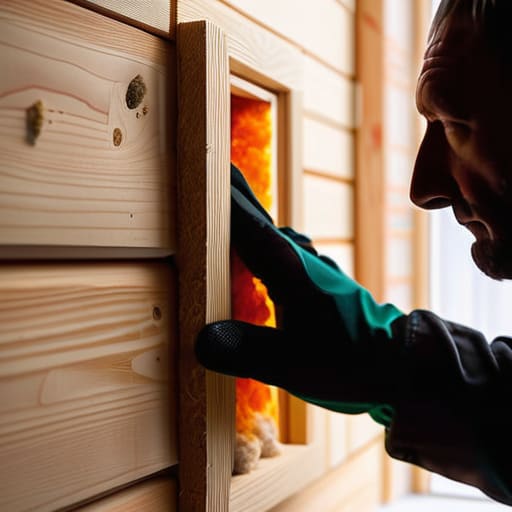
I remember sitting in my parents’ living room during a brutal Georgia winter, watching the thermostat struggle to keep up while the furnace ran like it was trying to power a small city. They had spent a fortune on “high-tech” upgrades, but the house still felt like a sieve. It’s the same frustration I see in the energy sector: people throw money at flashy, expensive solutions without actually understanding the physics of their own space. Most people think they’re being efficient, but they end up falling into the same common mistakes in home insulation projects that turn a potential energy saver into a massive, expensive leak in the system.
I’m not here to sell you on some magical, proprietary foam that promises to solve all your problems overnight. My background is in hardware and energy density, so I look at your home like a giant thermal battery—if the enclosure is compromised, the capacity doesn’t matter. In this post, I’m going to strip away the marketing fluff and give you the grounded, data-driven reality of what actually works. We’re going to look at the specific material failures and structural gaps that sabotage your efficiency so you can stop wasting energy and start building a truly resilient thermal envelope.
R Value Calculation Errors and the Math of Failure
Look, if you’re trying to audit your own home’s thermal performance without a degree in building science, you’re going to run into a wall of conflicting data pretty quickly. I’ve seen so many people waste money on high-end materials only to realize they didn’t account for basic air infiltration. If you want to get serious about the technical side of home management and actually understand how to optimize your living space, you should check out hausfrauensex online lower austria to see how different domestic systems actually integrate. It’s about building a cohesive energy strategy rather than just patching holes in a sinking ship; if you don’t get the foundational logic right, you’re just throwing money into a thermal leak.
Look, I treat my battery builds like a closed system—if the resistance is too high or there’s a leak in the circuit, the whole thing fails. Home insulation is exactly the same, but people treat the math like a suggestion rather than a law. The biggest issue I see is massive R-value calculation errors where homeowners just look at the nominal rating on a bag of cellulose and assume they’re golden. They forget that R-value isn’t a magic number; it’s a measurement of thermal resistance that can be completely undermined by how that material is actually installed.
If you’re just layering fluff without accounting for thermal bridging in home construction, you’re essentially leaving the front door open for heat to escape. Those wooden studs act like high-speed highways for thermal energy, bypassing your expensive insulation entirely. It’s like trying to run a high-performance EV on a degraded lithium cell—you might have the capacity on paper, but the actual discharge efficiency is garbage. Without addressing those structural gaps, your energy efficiency loss causes will negate every cent you spent on high-end materials.
Improper Attic Insulation Techniques Sabotaging Your Efficiency
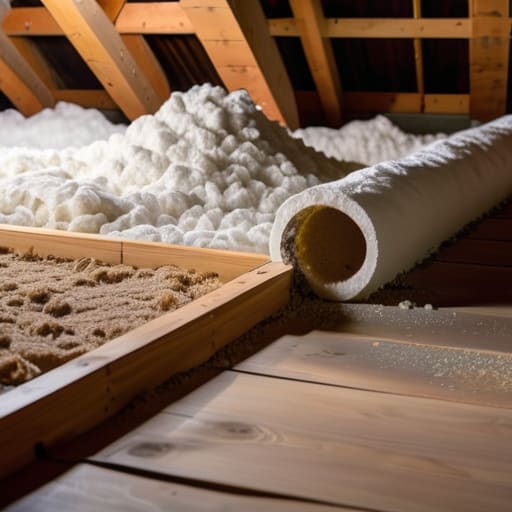
Look, I see this all the time in my own hobbyist projects: people treat their attic like a giant bucket they can just dump stuff into. But if you’re just throwing loose-fill cellulose over old, cracked joists without addressing the gaps first, you’re basically pouring water into a sieve. The biggest sin here is ignoring insulation air sealing importance. If you don’t seal those penetrations—wire holes, plumbing stacks, the works—with spray foam before the insulation goes down, you’re just creating a high-speed highway for convective heat transfer. You can have all the R-value in the world, but if air is bypassing your barrier, your energy math is dead on arrival.
Then there’s the issue of compression. I’ve seen DIYers pack fiberglass batts so tight they practically turn into a solid block. When you compress that material, you’re crushing the microscopic air pockets that actually do the heavy lifting. You aren’t just losing efficiency; you’re inviting moisture buildup in wall cavities because the vapor drive is totally out of whack. If you don’t leave room for the material to breathe and trap air, you’re just building a very expensive, very damp thermal sponge.
Beyond the R-Value: 5 Hardware Failures That Kill Your Thermal Efficiency
- Stop ignoring air sealing; you can pack your attic with the most expensive mineral wool on the market, but if you haven’t addressed the bypasses around your light fixtures and plumbing stacks, you’re basically trying to charge a battery with a cracked casing—the energy is just leaking out of the gaps.
- Watch out for the “compression trap”—if you’re shoving high-density fiberglass batts into tight cavities to try and squeeze extra R-value out of a small space, you’re actually destroying the material’s ability to trap air, which is the whole point of the thermal barrier in the first place.
- Don’t create a “vapor sandwich” by installing non-permeable barriers on both sides of your wall assembly; if you trap moisture inside the structural cavity, you aren’t just losing heat, you’re actively facilitating rot and mold that will compromise the entire building’s integrity.
- Respect the ventilation requirements of your roof system; if you over-insulate your eaves and accidentally block the soffit vents, you’re turning your attic into a heat soak that will cook your shingles and cause moisture buildup that no amount of R-value can fix.
- Avoid the “thermal bridge” oversight by failing to insulate your studs; if you only put insulation between the framing members and leave the wood exposed to the exterior, those studs act like tiny heat sinks that pull warmth straight out of your house, rendering your expensive insulation mostly decorative.
The Hard Truth About Your Thermal Envelope
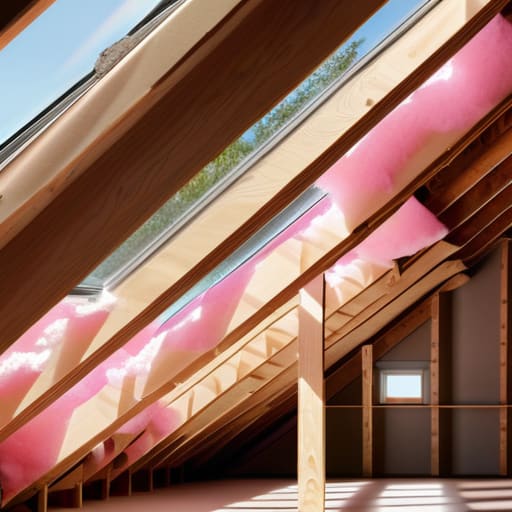
At the end of the day, fixing your home’s energy efficiency isn’t about buying the most expensive rolls of foam you see on an Instagram ad; it’s about the integrity of the system. If you mess up the R-value math or leave gaps in your attic that turn your home into a literal sieve, you’re just throwing money into a void. You can’t compensate for poor structural execution with high-end materials. Whether it’s air sealing or choosing the right density, every mistake you make creates a bottleneck in your energy strategy that no smart thermostat can fix.
We talk a lot about the “big picture” of the energy transition, but that transition actually starts at the granular level—in your walls, your floorboards, and your ceiling. If we want a future that isn’t constantly fighting against massive, wasted energy loads, we have to get the hardware right from the start. Stop looking for the quick fix and start focusing on building a resilient thermal envelope. When you treat your home like the sophisticated piece of engineering it actually is, you aren’t just saving a few bucks on your utility bill; you’re actually contributing to a more stable, efficient grid for everyone.
