
I remember sitting in a Georgia Tech lab at 2:00 AM, surrounded by half-disassembled lithium packs and enough electrolyte residue to make my eyes water, when a professor tried to sell me on the idea that hydrogen was the “silver bullet” for everything. It felt like every corporate press release I read back then was just a polished way of avoiding the hard math. Everyone wants to talk about the magic of hydrogen fuel cells as if they’re a plug-and-play solution for the climate crisis, but they conveniently skip over the nightmare of energy density and the massive infrastructure gap. We’re being sold a dream of clean mobility while ignoring the brutal thermodynamics of how we actually produce and move that gas.
I’m not here to give you a glossy brochure or a lecture on theoretical physics. My goal is to strip away the greenwashing and look at the actual hardware. I’m going to break down the real-world chemistry, the storage hurdles, and whether hydrogen fuel cells can actually compete with the scaling lithium-ion tech we already have. We’re going to look at the data, not the hype, to see if this tech is a legitimate pillar of the grid or just another expensive distraction.
Table of Contents
- The Real Math of Fuel Cell Efficiency vs Battery
- Proton Exchange Membrane Technology Hard Truths and Hardware
- Cutting Through the Hype: 5 Reality Checks for the Hydrogen Transition
- The Bottom Line: Hydrogen vs. Battery Reality
- The Infrastructure Gap
- The Bottom Line on Hydrogen
- Frequently Asked Questions
The Real Math of Fuel Cell Efficiency vs Battery
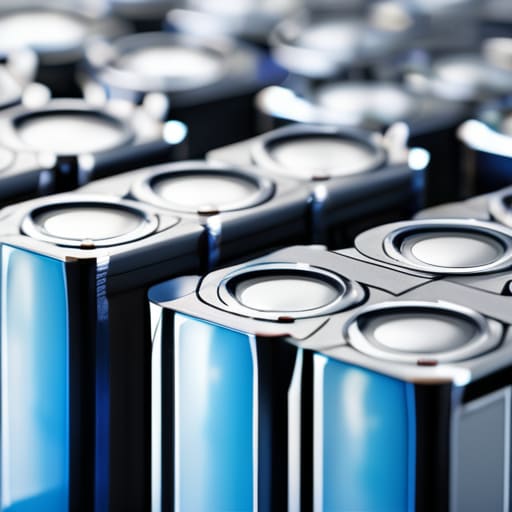
Look, if we’re going to have a real conversation about zero-emission transportation, we have to stop treating “energy” as a monolithic concept. In my lab days at Georgia Tech, we spent a lot of time looking at the round-trip efficiency of different systems, and the numbers don’t lie. When you compare fuel cell efficiency vs battery performance, you’re essentially looking at two different ways of fighting entropy. A lithium-ion battery is a closed loop; you charge it, you discharge it, and you lose a predictable percentage to heat. It’s straightforward, almost elegant in its simplicity.
A fuel cell, however, is a different beast entirely. You aren’t just moving electrons around a pre-charged medium; you’re facilitating a continuous electrochemical conversion process. While the stack itself is impressively efficient at turning chemical energy into electricity, the “math” gets messy once you factor in the energy cost of green hydrogen production and the massive pressure required for onboard storage. If we’re losing 30% of our energy just to crack water molecules and compress the gas, we have to ask if that’s a trade-off we can actually afford.
Proton Exchange Membrane Technology Hard Truths and Hardware
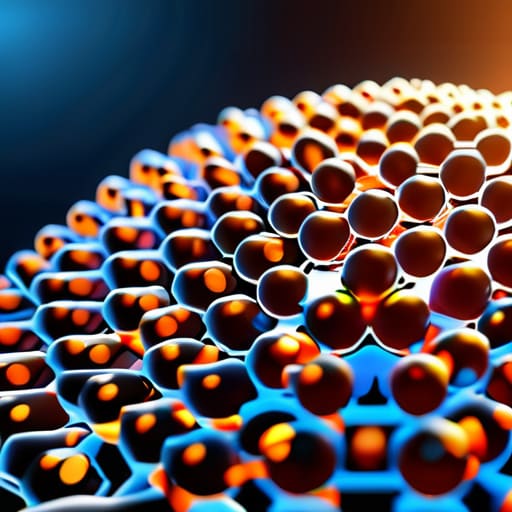
When we peel back the marketing layers, the heart of the matter is the proton exchange membrane technology itself. Think of the PEM as the gatekeeper in a high-stakes chemical negotiation. Its job is to facilitate the electrochemical conversion process by allowing protons to pass through while blocking electrons, forcing those electrons to travel through an external circuit to create current. It sounds simple on a whiteboard in a Georgia Tech lab, but in the real world, these membranes are incredibly finicky. They require precise thermal management and absolute purity in the hydrogen feed; even a tiny trace of carbon monoxide can “poison” the catalyst, effectively killing the reaction.
The hardware reality is that we are still chasing a gold standard that is both durable and cheap. Right now, most high-performance stacks rely heavily on platinum—which is a massive bottleneck for scaling zero-emission transportation to a global level. If we want to move past the niche applications and actually see these systems in heavy-duty trucking or shipping, we have to solve the degradation issue. It’s not just about making them work; it’s about making them survive a decade of vibration, temperature swings, and varying loads without the chemistry falling apart.
Cutting Through the Hype: 5 Reality Checks for the Hydrogen Transition
- Stop looking at the tailpipe and start looking at the source. If you’re fueling a cell with hydrogen made from steam methane reforming, you’re basically just moving the carbon problem from a car to a factory. We need green hydrogen—electrolysis powered by renewables—or we’re just greenwashing the status quo.
- Don’t get blinded by the “fast refueling” argument alone. While it’s true you can fill a tank in minutes, the energy loss during the compression, transport, and storage phases is massive. If you aren’t accounting for the round-trip efficiency losses, your math is going to be way off.
- Watch the precious metal dependency. Most PEM fuel cells rely heavily on platinum group metals to act as catalysts. As an engineer, that makes me nervous; scaling this tech globally means we need to solve the supply chain bottleneck or find a way to make catalysts out of something way more abundant and cheap.
- Infrastructure is the ultimate gatekeeper. You can build the most efficient fuel cell stack in the world, but if there isn’t a high-pressure hydrogen pipeline or a specialized refueling station within fifty miles of your route, that tech is just a paperweight. We need a hardware-first approach to the grid.
- Think about thermal management, not just energy density. Fuel cells generate a lot of heat that needs to be managed differently than a standard Li-ion battery pack. If we don’t get the cooling systems and the stack integration right, we’re going to run into massive durability issues long before the vehicle hits its mileage targets.
The Bottom Line: Hydrogen vs. Battery Reality
We can’t ignore the energy density advantage of hydrogen for heavy-duty hauling, but the round-trip efficiency loss during electrolysis and compression makes it a tough sell for anything smaller than a semi-truck.
PEM technology is brilliant on paper, but the reliance on platinum-group metals means we’re just trading one supply chain crisis for another if we don’t find a way to scale more sustainable catalysts.
Hydrogen isn’t a “silver bullet” that replaces batteries; it’s a specialized tool that only makes sense if we solve the massive infrastructure gap and the thermodynamic tax of moving the gas around.
The Infrastructure Gap
“Everyone loves the idea of hydrogen because it sounds like a magic bullet for long-haul transport, but we need to stop treating it like a plug-and-play solution. Until we solve the massive energy losses during electrolysis and actually build a way to move this stuff without leaking half of it into the atmosphere, it’s just a high-tech dream looking for a reality check.”
Desmond Achebe
The Bottom Line on Hydrogen
At the end of the day, we can’t just pick a side in the “battery vs. hydrogen” war like it’s a sports rivalry. We’ve looked at the math, and the reality is that while PEM technology is a feat of engineering, it’s still fighting an uphill battle against the sheer efficiency of lithium-ion. If we’re going to integrate hydrogen into the grid or heavy transport, we have to stop treating it like a magic bullet and start treating it like the specialized tool it actually is. We need to focus on the hard engineering—fixing the storage density issues and building out a real, decarbonized supply chain—rather than just chasing the high of a “zero-emissions” headline that ignores the underlying chemistry.
I’m still an optimist, but it’s a grounded one. My goal isn’t to see one technology win; it’s to see a diversified energy architecture that actually works when you plug it in. Whether it’s a solid-state battery in your commuter car or a hydrogen stack powering a long-haul freight truck, the hardware has to be sustainable from the ground up. We’re moving toward a world where energy is mobile and abundant, but we only get there if we prioritize real-world scalability over corporate marketing fluff. Let’s build the infrastructure that actually deserves the future we’re promised.
Frequently Asked Questions
If the round-trip efficiency of hydrogen is so much lower than lithium-ion, is there any actual use case where the scale of a heavy-duty truck makes the energy loss worth it?
Look, the math is brutal. If you’re moving a small sedan, hydrogen is a joke because you’re losing so much energy just moving the gas around. But for long-haul, heavy-duty trucking? That’s where the conversation shifts. Batteries are heavy. If a semi-truck is carrying 40 tons of cargo but 10 tons of that is just battery weight, you’ve already lost the economic battle. In that specific niche, the energy loss is a trade-off for payload capacity.
How do we solve the "green hydrogen" problem—are we actually making fuel from renewables, or is this just more corporate greenwashing using natural gas?
Look, if we’re being real, most “hydrogen” right now is just glorified natural gas. We’re taking methane, stripping the hydrogen, and dumping the carbon—that’s just Steam Methane Reforming, and it’s anything but green. To actually solve this, we need massive scaling of PEM electrolyzers powered by dedicated wind or solar. If the electricity isn’t surplus renewable energy, we’re just running a shell game. We need real electrolysis, not just clever accounting.
What's the realistic timeline for seeing a hydrogen refueling infrastructure that doesn't look like a total science fiction pipe dream?
Look, if you’re expecting a hydrogen station on every corner by 2030, you’re dreaming. We aren’t there. Realistically, we’re looking at a “hub and spoke” rollout over the next decade. Think heavy-duty trucking corridors and industrial maritime ports first—places where the energy density actually justifies the massive CapEx of building high-pressure storage. For passenger cars? Don’t hold your breath. Until we solve the midstream distribution headache, it’s staying in the niche lanes.
