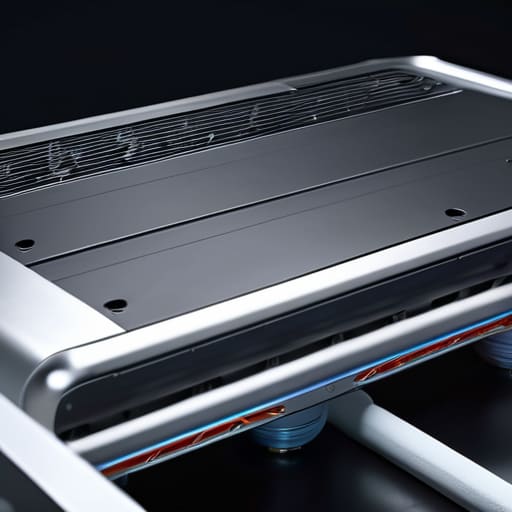
I remember sitting in a cramped lab at Georgia Tech, surrounded by the sharp, metallic tang of electrolyte leakage and the hum of a cooling system that was working way too hard. I was staring at a prototype that looked perfect on a CAD model but was absolute garbage in the real world because the thermal management was an afterthought. That’s the problem with the current discourse; everyone is obsessed with the “wow” factor of range, but they completely ignore the messy, granular reality of ev battery integration. We talk about these cars like they’re magic boxes, but if you don’t get the marriage between the cell chemistry and the vehicle’s electrical architecture right, you don’t have a revolution—you just have a very expensive, very heavy paperweight.
I’m not here to sell you on the glossy marketing brochures or the vague promises of “green futures” that corporate PR teams love to churn out. Instead, I’m going to pull back the curtain on the actual engineering hurdles that determine whether an EV is a reliable tool or a technical headache. We’re going to skip the fluff and dive straight into the hardware, looking at how we can build a system that is actually sustainable and scalable.
Table of Contents
Solving the Energy Density Optimization Puzzle
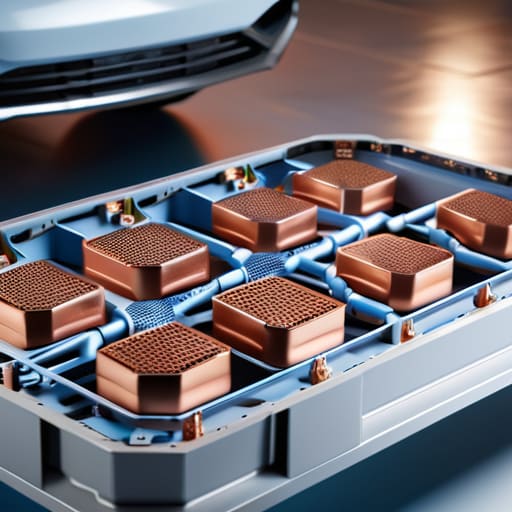
When we talk about energy density, most people think about making the cells themselves better—which is important, but it’s only half the battle. If you just keep stuffing bigger cells into the same old heavy housing, you’re fighting a losing game of diminishing returns. To actually move the needle, we have to rethink how the entire assembly fits into the car. This is where cell-to-pack technology changes the math. By stripping away the intermediate modules that usually act as dead weight, we can pack more active material into the same footprint. It’s like realizing you don’t need a separate toolbox inside your backpack; you just need a better way to organize the gear directly against your spine.
However, you can’t just cram cells together without consequences. As an engineer, the first thing that keeps me up at night isn’t capacity—it’s heat. If you optimize for density but ignore battery thermal management systems, you’re essentially building a very expensive, very efficient thermal runaway waiting to happen. We need a design that treats the battery not as a component sitting in a box, but as a fundamental part of the vehicle’s structural integrity. That’s the real engineering hurdle: balancing raw power with the physics of heat dissipation.
Why Modular Battery Architecture Isnt Enough
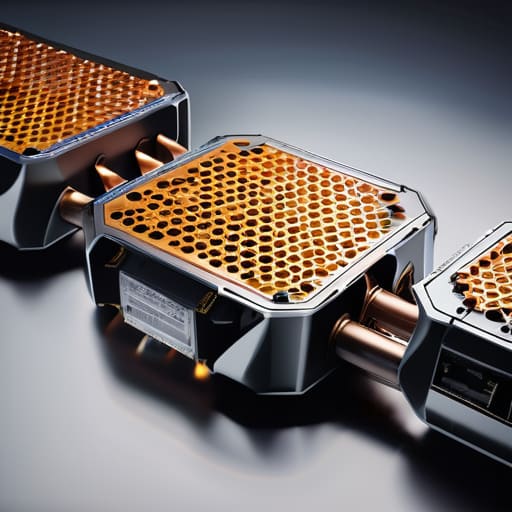
Look, I get the appeal of modular battery architecture. It’s clean, it’s easy to assemble on a factory line, and it makes swapping out a faulty module feel like playing with Legos. But from an engineering standpoint, modularity is often just a polite way of saying “we’re carrying around too much dead weight.” Every time you add a housing, a connector, or a dedicated mounting bracket to keep those modules in place, you’re adding mass that doesn’t contribute a single milliwatt to the drive. We’re essentially fighting a losing battle against physics when we prioritize ease of assembly over actual energy density.
If we want to move the needle, we have to look toward cell-to-pack technology. By stripping away the intermediate modular layers and integrating cells directly into the structure, we can reclaim a massive amount of volume. It’s not just about making the battery smaller; it’s about making the entire vehicle more efficient by rethinking how the energy storage interacts with the electric vehicle chassis design. We can’t keep building heavy, inefficient skeletons and calling it progress. We need to stop designing around convenience and start designing for the chemistry.
Stop Treating the Battery Like an Afterthought
- Prioritize thermal management over everything else. You can have the most insane energy density on paper, but if your cooling loops aren’t integrated into the chassis design from day one, you’re just building a very expensive, very dangerous heater.
- Design for the “second life” before the car even hits the assembly line. If we aren’t thinking about how these modules will plug into stationary grid storage once they drop below 80% capacity, we’re just creating a future recycling nightmare.
- Stop obsessing over “range anxiety” and start fixing “charging friction.” Real integration means the battery’s BMS (Battery Management System) needs to talk seamlessly to the grid infrastructure so we aren’t sitting at a charger for forty minutes because of a handshake error.
- Focus on cell-to-pack (CTP) tech to cut the dead weight. We spend way too much time wasting space on heavy module housings that don’t actually contribute to the energy footprint. Every gram of “container” is a gram of range we’re losing.
- Demand transparency in the supply chain chemistry. Integration isn’t just about how the cells fit in the car; it’s about whether the cobalt and nickel in those cells are actually sustainable or if we’re just swapping one environmental disaster for another.
The Bottom Line on Real-World Integration
Stop chasing “miracle” energy density numbers in a lab; if the chemistry can’t survive the thermal stress of real-world charging cycles, it’s just a paper tiger.
True integration isn’t just about fitting more cells into a chassis—it’s about building a cohesive ecosystem where the battery, the thermal management system, and the grid actually speak the same language.
We have to move past the “one-size-fits-all” mentality and start designing hardware that accounts for the messy reality of varying climates and aging infrastructure.
The Infrastructure Gap
“We can design the most efficient lithium-ion cells on the planet, but if we don’t figure out how to integrate them into a grid that isn’t already screaming under the load, we’re just building expensive paperweights for a future that can’t actually plug them in.”
Desmond Achebe
The Road Ahead

Look, we’ve covered a lot of ground, from the granular chemistry of energy density to the reality that modularity isn’t a magic bullet for integration. If there’s one thing I want you to take away, it’s that successful EV integration isn’t just about slapping a massive cell pack into a chassis and calling it a day. It’s a high-stakes balancing act between thermal management, structural integrity, and software-driven battery management systems. We can’t just optimize for range while ignoring how the battery interacts with the rest of the vehicle’s electrical architecture. If we don’t get the integration right, we’re just building expensive, heavy paperweights that fail the moment they hit a real-world temperature swing.
I know the headlines can feel overwhelming, often swinging between utopian promises and doomsday scenarios about mineral shortages. But as someone who spends my days looking at grid stability and my nights tinkering with motor controllers, I’m cautiously optimistic. The transition isn’t going to be a smooth, polished rollout driven by corporate PR; it’s going to be a messy, iterative engineering battle. But that’s exactly why I do this. We are literally rebuilding the foundation of human mobility from the molecular level up, and if we focus on the hard engineering reality instead of the marketing fluff, we might actually build something that lasts.
Frequently Asked Questions
If we move toward solid-state batteries, how much of our current charging infrastructure is actually going to be obsolete?
Honestly? Most of the “dumb” hardware stays, but the brains need a total overhaul. If we pivot to solid-state, we aren’t just swapping liquids for solids; we’re unlocking much higher C-rates. Our current DC fast chargers won’t be useless, but they’ll feel like trying to fill a fire hose with a straw. We’ll need massive upgrades to grid-side thermal management and power delivery to actually handle those lightning-fast charge cycles without melting the local transformer.
How do we balance the push for higher energy density without making the thermal management systems way too heavy and expensive?
It’s the classic engineering trade-off: you pack more energy into the cells, and suddenly you’ve built a thermal bomb. If we just chase density, we end up lugging around massive, heavy liquid cooling loops that kill the very range gains we were chasing. I think the move is toward cell-to-pack architectures and phase-change materials. We need to stop treating cooling as an afterthought and start designing the chemistry to be inherently more thermally stable.
Are we actually building a circular economy for these cells, or are we just delaying a massive mountain of lithium-ion waste?
Right now? We’re mostly just delaying the inevitable. Most companies talk about “circularity” like it’s a solved math problem, but the actual logistics of reclaiming cathode material are a mess. It’s way cheaper to mine new lithium than to disassemble a pack and recover the high-purity salts. Unless we mandate standardized cell designs and fund industrial-scale recycling infrastructure, we aren’t building a loop—we’re just building a massive, toxic landfill for the next decade.
