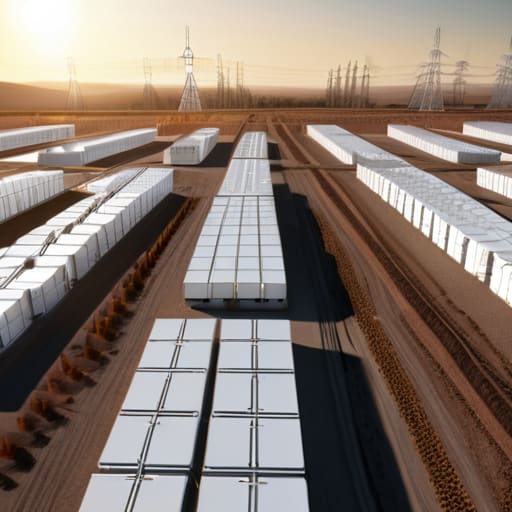
I remember sitting in my junior year lab at Georgia Tech, staring at a lithium-ion cell that had completely degraded because we pushed the cycle life too hard, trying to mimic a massive utility setup. It hit me then that there is a massive gap between the polished PowerPoint slides at energy conferences and the brutal reality of electrochemical stress. Everyone loves to talk about a “green revolution,” but they gloss over the fact that we can’t just flip a switch and expect the sun to power a city at 2:00 AM. If we’re actually going to stabilize the transition, we need to stop treating grid scale storage like a magical software problem and start treating it like the massive, hardware-intensive chemistry challenge it actually is.
I’m not here to sell you on some utopian vision or repeat the latest corporate press release about “smart grids.” Instead, I want to pull back the curtain on the actual hardware—the electrolytes, the thermal management, and the infrastructure bottlenecks—that determine whether these systems actually last or just become expensive paperweights. We’re going to look at the real data behind long-duration storage and figure out what is actually viable for the next decade.
Table of Contents
Why Lithium Ion Battery Systems Arent a Silver Bullet
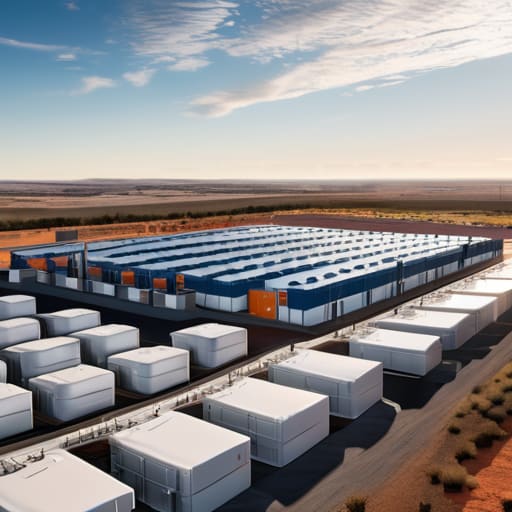
Look, I get the hype. Lithium-ion is everywhere right now because it’s what we know, and it’s great for short bursts of power. If you need to manage quick spikes in demand or handle immediate grid stability and frequency regulation, these cells are the gold standard. But if we’re being honest, treating them as the ultimate solution for the entire transition is a massive mistake. The chemistry just isn’t built for the long haul.
The real issue is the discharge duration. Most lithium-ion battery systems are designed for a four-hour window, which is fine for smoothing out a little solar fluctuation, but it does nothing when the wind stops blowing for two days straight. For true long-duration energy storage, we need something that can hold a charge for days or even weeks without the massive degradation and thermal management headaches that come with lithium. If we want to actually succeed in decarbonizing the power grid, we have to stop pretending that a single chemistry can solve every single problem from a smartphone to a city’s entire base load.
The Infrastructure Gap in Decarbonizing the Power Grid
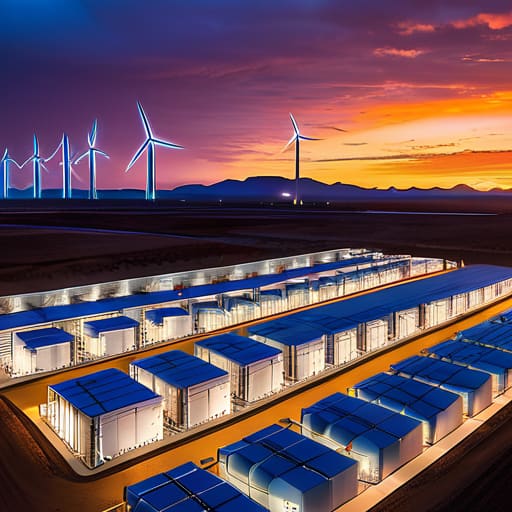
Here’s the thing: we can build all the solar farms and wind parks we want, but if we don’t fix the way we move and hold that power, we’re just spinning our wheels. Right now, our current infrastructure is basically a one-way street designed for steady, predictable coal and gas plants. Trying to force massive amounts of intermittent wind and solar into this old-school setup is like trying to run a high-performance electric motor on a frayed, copper-wire circuit. We’re hitting a wall where renewable energy integration becomes a headache because the physical wires and substations simply weren’t built to handle the volatility of weather-dependent power.
It’s not just about the generation; it’s about the physicality of the connection. To actually succeed at decarbonizing the power grid, we need more than just fancy software algorithms telling us when to turn things on. We need a massive overhaul of the transmission lines and the deployment of diverse energy storage technologies that can actually sit there and buffer the load. If we don’t bridge this gap between where the power is made and where it’s consumed, the whole transition is going to stall out before it even gets started.
Real-World Strategies for Building a Resilient Storage Stack
- Stop betting everything on one chemistry. If we’re serious about the grid, we need a diversified portfolio—think long-duration flow batteries for steady-state supply and high-power lithium-ion for those quick frequency response spikes.
- Prioritize lifecycle transparency over “green” marketing. I don’t care how many carbon credits a company buys; if they can’t show me a clear plan for end-of-life recycling and mineral sourcing, it’s just more expensive junk in the making.
- Build for the long haul, not just the peak. We need to move past the obsession with short-term discharge cycles and start investing in technologies that can actually hold a charge for days or even weeks when the wind stops blowing.
- Integrate storage at the edge, not just at the central hubs. We can’t just build massive, centralized “battery farms” and hope for the best; we need distributed storage assets that can stabilize local distribution lines before they fail.
- Demand hardware-first thinking from policymakers. Software optimizations are great, but you can’t code your way out of a physical energy deficit. We need massive capital allocation toward the actual copper, steel, and chemical infrastructure required to make this work.
The Bottom Line on Scaling Our Grid
We have to stop treating lithium-ion like it’s the only player in the game; if we want true grid stability without massive supply chain bottlenecks, we need to diversify into long-duration chemistries like iron-flow or sodium-ion.
Software optimizations and “smart grids” are great, but they won’t save us if we don’t have the physical, high-capacity hardware installed to handle the massive surges and lulls of renewable energy.
Real decarbonization isn’t just about swapping a gas plant for a solar farm—it’s about building a massive, physical buffer of energy storage that can actually hold the line when the sun goes down and the wind stops blowing.
The Real Bottleneck
“We can keep installing solar panels and wind turbines until the sky is full of them, but without massive, physical chemical storage to bridge the gaps, we’re just building a more expensive version of the same unstable grid we have now.”
Desmond Achebe
The Reality Check We Can't Afford to Skip
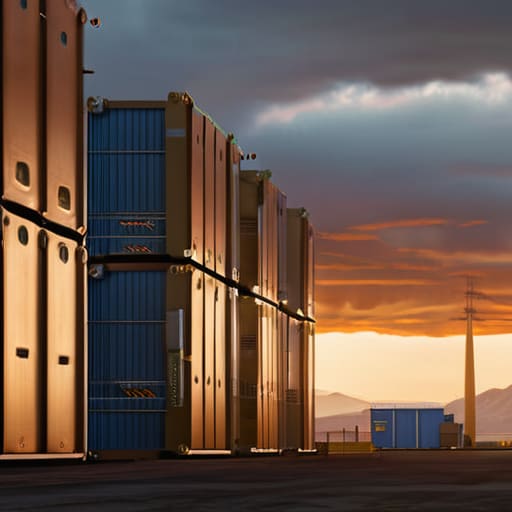
Look, we’ve moved past the point where we can just “hope” the grid stabilizes itself through better software or smarter apps. As I’ve laid out, the reality is much more physical and much more difficult. We can’t just lean on lithium-ion and hope the supply chain holds up, and we certainly can’t ignore the massive infrastructure deficit that’s currently stalling our progress. If we want to move the needle, we have to stop treating grid-scale storage as a side project and start treating it as the primary bottleneck of the entire energy transition. It’s about chemistry, it’s about copper, and it’s about building the actual hardware that can withstand the demands of a fluctuating, renewable-heavy load.
I know the scale of the problem feels overwhelming, but that’s exactly why we need to get obsessed with the details. Every breakthrough in solid-state electrolytes or long-duration iron-flow systems brings us one step closer to a world where “green energy” isn’t just a buzzword, but a reliable reality. We aren’t just building bigger batteries; we are re-engineering the very foundation of how civilization powers itself. It’s going to be a messy, expensive, and incredibly technical climb, but getting the hardware right is the only way we win this race. Let’s stop chasing the hype and start building the future, one cell at a time.
Frequently Asked Questions
If lithium-ion isn't the long-term answer for the grid, what specific chemistries—like iron-flow or sodium-ion—are actually showing real-world promise right now?
Look, if we’re moving past the lithium-ion hype, we have to talk about chemistry that actually scales without breaking the bank or the planet. I’m watching iron-flow batteries closely; they’re basically massive tanks of electrolyte that can discharge for hours without the degradation issues we see in EVs. Then there’s sodium-ion. It’s not as energy-dense as lithium, but salt is everywhere, making it way more sustainable and much cheaper for stationary storage.
How do we solve the massive supply chain bottleneck for raw materials without just swapping one environmental disaster for another?
We can’t just dig our way out of this problem with more destructive mining. The real answer lies in circularity and chemistry shifts. We need to stop treating batteries like disposable tech and start building a closed-loop recycling infrastructure that actually recovers high-purity minerals at scale. Simultaneously, we have to pivot toward chemistries like sodium-ion or iron-flow that use abundant, boring materials instead of chasing rare, high-conflict minerals. It’s about engineering our way out of the scarcity trap.
What does the actual physical footprint of a massive battery array look like in terms of land use and local grid integration?
Think of a utility-scale BESS (Battery Energy Storage System) like a massive, high-tech shipping container village. We aren’t talking about a single giant battery, but hundreds of reinforced enclosures packed with cells, thermal management systems, and inverters. Land-wise, it’s dense—you can fit a lot of capacity in a few acres—but the real headache is the substation integration. You need heavy-duty transformers and massive copper busbars to bridge that storage to the local grid without blowing a fuse.
