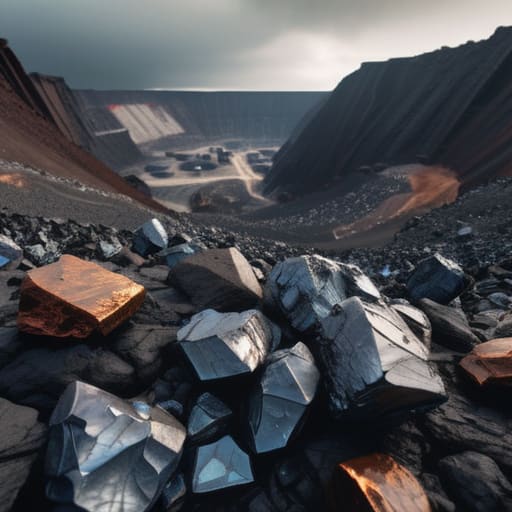
I remember sitting in a Georgia Tech lab at 2:00 AM, staring at a degradation curve that looked like a cliff face, surrounded by half-disassembled cells and the smell of ozone. Everyone in the news was shouting about how we’d run out of lithium by 2030, treating battery material scarcity like some inevitable apocalypse that would kill the EV dream overnight. But as someone who has actually spent years looking at the molecular reality of these cells, I can tell you that the problem isn’t just “running out of stuff”—it’s the massive gap between how we mine it and how we actually use it.
I’m not here to sell you on some corporate sustainability report or feed you the usual “green” marketing fluff. In this post, I’m going to strip away the hype and look at the actual chemistry and supply chain bottlenecks that are holding us back. We’re going to talk about why the current obsession with certain minerals is a distraction and how the real solution lies in smarter engineering and better recycling, not just digging deeper holes in the ground.
Table of Contents
- Navigating Critical Mineral Extraction Challenges
- Why Graphite and Nickel Demand Forecasts Matter Now
- How to Spot Real Progress in the Midst of the Scarcity Chaos
- The Bottom Line: Why This Matters for the Grid and the Road
- The Chemistry Bottleneck
- The Bottom Line on the Scarcity Crunch
- Frequently Asked Questions
Navigating Critical Mineral Extraction Challenges
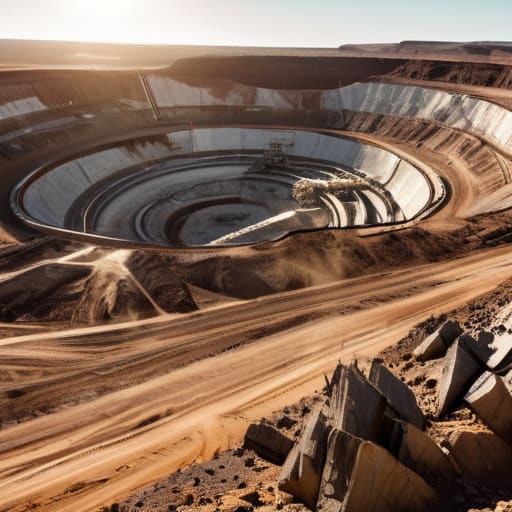
When we talk about digging stuff out of the ground, we aren’t just talking about holes in the dirt; we’re talking about a logistical nightmare that could stall the entire transition. The critical mineral extraction challenges we’re facing right now aren’t just about finding enough ore, but about the sheer environmental and ethical cost of getting it. If we’re pulling lithium and cobalt out of the earth using methods that destroy local ecosystems, we’re essentially trading one environmental crisis for another. It’s a massive paradox that the industry keeps glossing over in its sustainability reports.
Beyond the ethics, there’s the sheer math of it. The graphite and nickel demand forecast looks absolutely vertical over the next decade, and our current mining infrastructure is moving at a snail’s pace compared to how fast we’re scaling up production. We can’t just wish more minerals into existence. To actually bridge this gap without crashing the market, we have to stop treating mining as a “set it and forget it” part of the equation and start prioritizing circularity and smarter chemistry right from the start.
Why Graphite and Nickel Demand Forecasts Matter Now
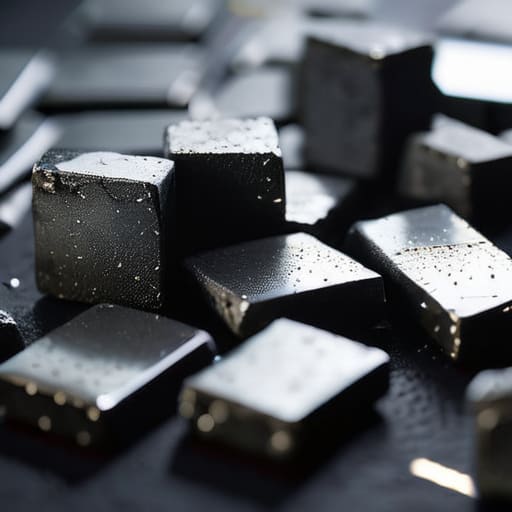
Look, if you’re only tracking lithium, you’re missing half the picture. While everyone is obsessed with the “white gold” hype, the real pressure points are actually graphite and nickel. When I look at a graphite and nickel demand forecast, I don’t just see numbers on a spreadsheet; I see the massive bottleneck that could stall every EV roadmap currently sitting on a corporate executive’s desk. Graphite is the backbone of the anode, and without a massive scale-up in high-purity synthetic or natural sources, we’re looking at a serious production ceiling.
Nickel is even more of a wildcard because it’s the heavy lifter for energy density. If we want long-range EVs that don’t require a massive, heavy pack, we need high-nickel cathodes. But here’s the catch: as demand spikes, we run headlong into electric vehicle supply chain risks regarding how that nickel is actually processed. We can’t just dig it up and call it a day; the purity requirements for modern cells are insane. If we don’t bridge the gap between raw extraction and high-grade refining, those ambitious production targets are going to remain nothing more than optimistic projections.
How to Spot Real Progress in the Midst of the Scarcity Chaos
- Look past the “green” marketing and watch the recycling yields. We don’t need more mining; we need a closed-loop system where we actually recover the cobalt and lithium from dead cells instead of just letting them sit in landfills.
- Keep an eye on cathode chemistry shifts. If a company is pivoting toward LFP (Lithium Iron Phosphate), they aren’t just being cheap—they’re actively de-risking their supply chain by cutting out the volatile nickel and cobalt markets.
- Demand transparency on “secondary” sourcing. It’s easy to claim a battery is sustainable, but you need to dig into whether they’re actually sourcing minerals from ethically managed sites or just masking high-impact extraction with vague ESG reports.
- Don’t bet against solid-state tech, but stay skeptical of the timelines. It’s the holy grail for energy density, but until we see a scalable way to manufacture these without massive material waste, it’s still just lab-scale optimism.
- Watch the infrastructure, not just the cars. A battery is only as good as the grid it plugs into. If we solve the material shortage but don’t build the localized, smart-grid storage to manage the load, we’ve just swapped one bottleneck for another.
The Bottom Line: Why This Matters for the Grid and the Road
We have to stop treating battery materials like an infinite resource; if we don’t diversify our supply chains beyond the usual suspects, we’re just trading one geopolitical headache for another.
The real winners in this transition won’t be the companies making the flashiest marketing claims, but the ones actually cracking the code on recycling and reducing our reliance on high-scarcity minerals like cobalt.
Scaling up isn’t just about digging more holes in the ground—it’s about perfecting the chemistry so we can do more with less, ensuring the hardware powering our future is actually built to last.
The Chemistry Bottleneck
We keep treating the battery shortage like it’s just a logistics problem, but it’s actually a chemistry problem; you can’t just “optimize” your way out of a fundamental lack of high-purity nickel and lithium without rethinking the entire molecular architecture of the cell.
Desmond Achebe
The Bottom Line on the Scarcity Crunch
Look, we can’t keep pretending that the transition to EVs is just a matter of building more assembly lines. As we’ve seen, the real battlefield isn’t the showroom floor—it’s the chemistry and the supply chains for nickel, graphite, and lithium. If we don’t address these extraction bottlenecks and the massive demand spikes we’re seeing in the forecasts, we’re essentially building a house on a foundation of sand. We have to move past the corporate greenwashing and actually invest in the heavy lifting of mineral security and sustainable sourcing if we want this shift to actually stick.
I’m not a pessimist, but I am a realist. My time in the labs taught me that every breakthrough comes with a massive engineering hurdle, and this is our biggest one yet. But if we stop treating these shortages like inconveniences and start treating them like the fundamental hardware challenges they are, we can actually win. We aren’t just waiting for more minerals to come out of the ground; we’re waiting for the next generation of smarter, more efficient chemistry to redefine what’s possible. Let’s stop chasing the hype and start building the actual infrastructure our future deserves.
Frequently Asked Questions
If we're hitting a wall with nickel and graphite, are solid-state batteries actually the "silver bullet" they claim to be, or just more hype?
Look, I’m tired of the “silver bullet” narrative. Solid-state is the holy grail for energy density and safety, but it isn’t a magic wand that deletes the need for raw materials. Even if we swap liquid electrolytes for solid ones, we’re still playing the same game with lithium and potentially other metals. It’s a massive leap in architecture, but it’s still hardware subject to the same supply chain physics. It’s progress, not a cheat code.
How much of this scarcity is actually a supply problem versus just companies hoarding materials to drive up prices?
It’s a bit of both, but let’s not pretend it’s just a boardroom game. There is a genuine physical shortage of high-purity feedstock, especially for things like battery-grade graphite. However, you can’t ignore the market manipulation. Some players are definitely stockpiling to create artificial scarcity and spike spot prices. It’s a mess: we’re fighting a real bottleneck in mining capacity while simultaneously dealing with companies playing chicken with the supply chain.
Can we actually scale up battery recycling fast enough to make mining these minerals secondary to a circular economy?
Honestly? Right now, we’re nowhere near that. We talk a lot about the “circular economy” like it’s already happening, but the math doesn’t add up yet. Most current recycling is just shredding batteries into “black mass” to recover the easy stuff. To make mining secondary, we need massive, standardized infrastructure and better ways to recover lithium and manganese efficiently. We can’t build a sustainable future on a broken loop.
