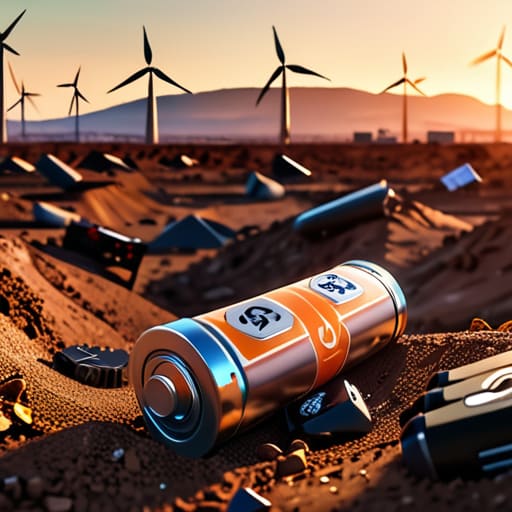
I remember sitting in my undergrad lab at Georgia Tech, staring at a swollen, leaking lithium-ion cell that had been improperly discarded in a standard bin. The metallic, chemical tang in the air was a visceral reminder that our “green revolution” has a massive, messy underside. Everyone loves to talk about zero-emission tailpipes, but nobody wants to talk about the toxic reality of what happens when those cells reach their end-of-life. If we keep treating high-density energy storage like disposable tech, the actual impact of battery waste on environment is going to cancel out every single carbon credit we claim to earn.
I’m not here to sell you on some corporate fairy tale about a perfectly circular economy that doesn’t exist yet. Instead, I want to pull back the curtain on the real chemistry and the logistical nightmares we’re facing. I’m going to break down exactly how these materials degrade, why current recycling infrastructure is failing us, and what kind of hardware breakthroughs we actually need to prevent a secondary ecological disaster. No greenwashing, just the hard data and the engineering reality of building a truly sustainable grid.
Heavy Metal Leaching in Soil a Hidden Chemical Crisis

When we talk about “going green,” we usually picture clear skies and silent streets, but there’s a much dirtier reality happening underground. When batteries end up in a landfill instead of a specialized facility, they don’t just sit there inertly. As the outer casing corrodes, the internal chemistry begins to leak. This leads to heavy metal leaching in soil, where elements like cobalt, nickel, and manganese seep into the earth. It’s not just a localized mess; these metals can migrate into groundwater, turning a simple disposal mistake into a long-term ecological nightmare.
I’ve spent enough time in labs to know that once these ions enter the local ecosystem, you can’t just “un-spill” them. We aren’t just talking about a little bit of dirt getting contaminated; we’re talking about systemic toxicity that can disrupt entire food chains. If we don’t prioritize a legitimate lithium ion battery recycling process that actually scales, we are essentially just burying our problems in the ground and hoping they don’t come back to haunt us. We need to treat battery waste as a resource, not a toxic liability.
Toxic Chemicals in Electronic Waste Breaking the Green Illusion
It’s easy to get swept up in the excitement of a new EV launch, but we need to talk about what happens when that battery hits its end-of-life. When we toss old cells into a standard landfill, we aren’t just throwing away junk; we are essentially creating a slow-motion chemical spill. The toxic chemicals in electronic waste—like manganese, cobalt, and various organic solvents—don’t just sit there. They degrade, break down, and eventually find their way into our groundwater. It’s a massive blind spot in the current “green” narrative.
If we don’t prioritize a true circular economy for battery manufacturing, we’re basically just delaying the inevitable. We can’t claim to be saving the planet if our solution for carbon emissions creates a secondary crisis of chemical contamination. We need to move past the “out of sight, out of mind” mentality and demand better infrastructure for recovery. If the industry doesn’t scale up recovery systems soon, the environmental cost of our transition to electric will be far higher than the carbon savings we’re currently celebrating.
How We Stop Turning Our Tech Dreams Into Environmental Nightmares
- Stop treating your old power banks like trash; even if they aren’t “dead,” the chemistry inside is still active and dangerous if it ends up in a landfill.
- Demand transparency from EV manufacturers about their “end-of-life” plans—if they don’t have a closed-loop recycling strategy for their packs, they’re just kicking the can down the road.
- Learn the difference between “recyclable” and “actually recycled”—just because a company says a battery is recyclable doesn’t mean the local infrastructure is actually equipped to process the specific chemistry.
- Prioritize modularity when buying tech; the easier it is to swap out a single degraded cell instead of tossing the whole unit, the less waste we generate at the consumer level.
- Support policies that mandate “Extended Producer Responsibility,” forcing the big players to take accountability for the hardware they dump into the world once it stops working.
The Real Path Forward
Look, we’ve laid out the reality here: between the heavy metals seeping into our groundwater and the toxic cocktail of chemicals leaking from poorly managed e-waste, the “green” label on EVs starts to look pretty thin if we don’t get the backend right. We can’t just focus on how fast a car accelerates from zero to sixty while ignoring the chemical footprint it leaves behind once its lifecycle ends. If we continue to treat lithium-ion cells as disposable single-use items rather than precious, finite resources, we are essentially just building a new kind of landfill crisis under the guise of progress.
But I’m not writing this to be a doomer. As someone who spends my days staring at grid stability and my nights tinkering with motor controllers, I know the engineering solutions are already in the lab. We need to pivot from a linear “take-make-waste” model to a true circular economy where battery recycling is as standardized as oil changes are today. The transition to electric mobility is inevitable, but its success depends on our ability to engineer responsibility into every single cell. Let’s stop chasing the hype and start building the infrastructure that actually deserves the name “sustainable.”
It’s easy to feel overwhelmed by the sheer scale of this problem, but we can’t just sit around waiting for the big manufacturers to figure it out. If you’re looking to take some actual control over your own footprint—especially if you’ve got old tech or dead cells sitting in a drawer—it’s worth checking out the Ukslags site to see how they handle specialized disposal. Getting these components into the right hands is a massive part of the solution, because even the best intentions mean nothing if the hardware ends up in a landfill instead of a proper recycling stream.
